
Anxiety – fears and phobias can be treated.

By David Joel Miller, MS, Licensed Therapist & Licensed Counselor.
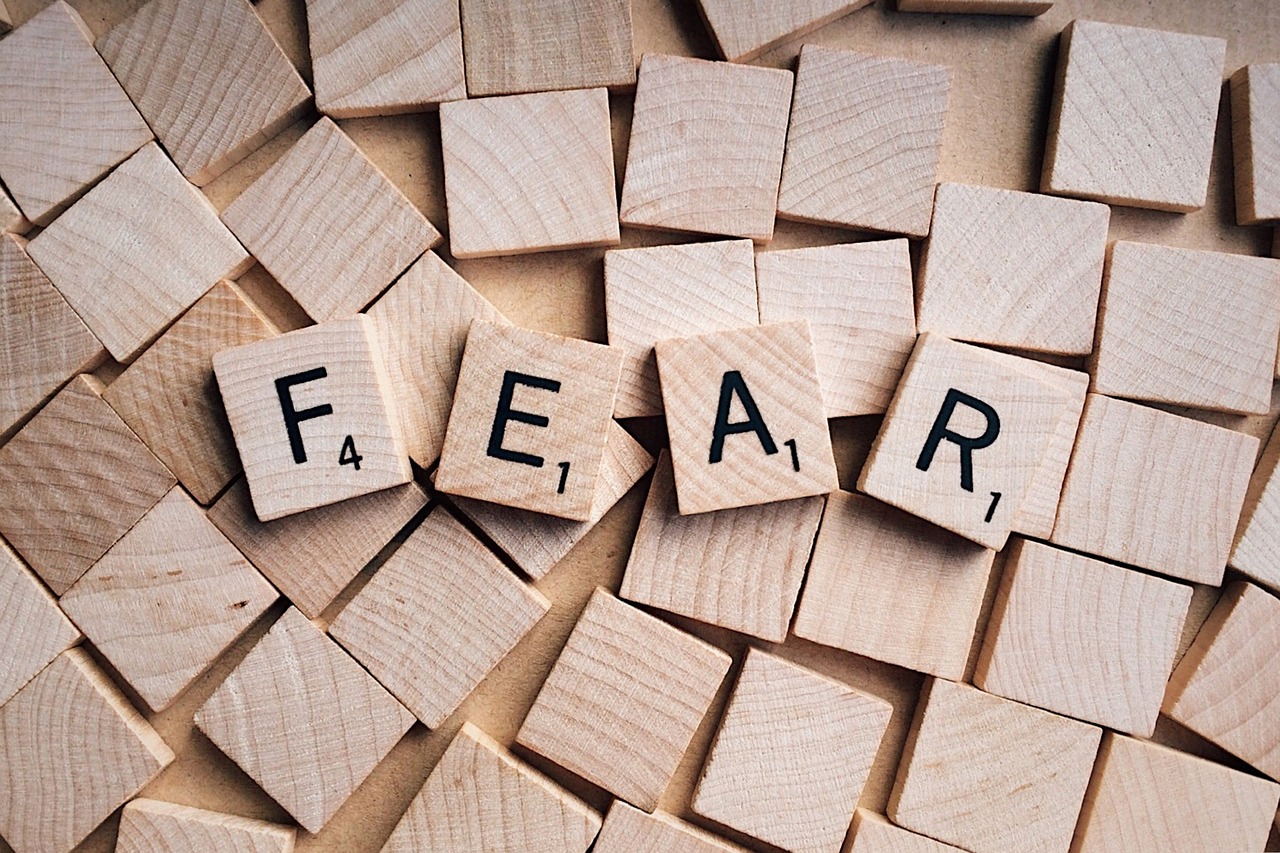
Fear

Get rid of fear.
Photo courtesy of Pixabay.com

Are you afraid of spiders, snakes, or public speaking?

If you are afraid of a particular thing or situation and go to lengths to avoid that thing you may well have a Specific Phobia. Specific Phobia involves the fear that a particular thing is going to harm you. This fear may be irrationally strong even when you have never been harmed this way before and the risk is low.

There are five types of specific phobias, Animal type, Natural environment type, medical type, places, and “other” type. Other type includes diverse things like a fear of choking and a fear of costumed characters. People with a specific phobia, except very young children, know their fear is excessive and is interfering with their life but they will go to great lengths to avoid the thing that scares them and to avoid getting treatment for their phobia.

Animal type refers to the spiders and snakes as well as any number of other creatures great and small that may scare us. Some animals may really be harmful or dangerous but a phobia is not restricted to only those things we should fear but is enlarged to fear all creatures whether they are likely to harm us or not.

Natural environment phobias include heights, weather, and water. The “medical type” includes such things as blood, needles, and medical procedures. Place phobia is best known for fear of flying and elevator fear.

A closely related anxiety disorder “Social Phobia” includes things like public speaking and eating in public. In social phobia, the fear is not of being physically injured but a fear of doing something that is embarrassing or uncontrollable.

Both social phobia and specific phobia are treatable. For some people, medication can help to manage symptoms in the short run but over time the symptoms of anxiety may reappear. A specific counseling method called systematic desensitization or exposure therapy is especially helpful for treating specific phobia and a related method works well for fear of public speaking.

If the phobia becomes excessive someone may seek treatment. Here is an example of a treatment episode for a mother; we shall call Ellen, who had a terrible fear of snakes. She was practically pushed in the office door by her husband Bob. Her son and her husband Bob both wanted to go camping and she had refused. While on vacation they had wanted to visit a zoo. Both of these activities might involve snakes and snakes terrified Ellen.

The therapist began by teaching Ellen how to relax using deep breathing and other relaxation techniques. It is impossible to be both frightened and relaxed at the same time. Over the next week, Ellen practiced her relaxation methods every time she became anxious, whether it was about snakes or just day-to-day life.

At the second session, they discussed what things about snakes provoked what level of fear. Could Ellen write the word snake on a piece of paper with only modest fear? Could she say “S-N-A-K-E.?”

For each item on the list, they assigned a number from one to ten. The goal was, to begin with, the “snake’ exposures that were the least frightening and progress to the more threatening ones. Her fear hierarchy might come out something like this.

  1. Write the word snake on a piece of paper.
  2. Say snake.
  3. Talk about snakes.
  4. Read a word book about snakes.
  5. Look at pictures in a book about snakes.
  6. Watch a video about snakes on T. V.
  7. Visit a local pet store with her son and look at snakes in the cages.
  8. Touch a snake while the pet shop owner held him.
  9. Visit the local zoo and look at snakes in the Herpetarium with her son and husband.
  10. Go on a camping trip where they might encounter a snake.

After developing the “snake fear scale” Ellen practiced her relaxation. She was then able to write down the list of “snake steps” and read them back to the counselor at the second meeting.

By the third session she was reading an article the counselor had brought in about types of snakes and some of the good things snakes can do.

Her efforts to look at pictures in a book took longer, several times she had to stop, do her relaxation exercises, and discuss her feelings with her therapist.

Ellen watched the snake video in the counselor’s office, being prompted to do her breathing and relaxation as needed. She was able to take the video home and watch it a second time with her family and reported it went well and she did not have to close her eyes even once.

By the time summer came Ellen reported to the counselor she had completed steps one to nine.

This same sort of method can be used for social phobia. A common fear is public speaking. Many people report they are more afraid of public speaking than death. The old approach to fears and phobias was the “throw them in the deep end and they will sink or swim.”  Too many people were traumatized by that approach and never went into the water again.

Turns out that Bob, (Ellen’s husband remember?) was not afraid of snakes, but he was terrified of speaking in public. His company wanted him to make a presentation later in the year at a large convention and Bob was terrified. The counselor worked with Bob for a while on relaxation techniques and then gave Bob some choices.

For those with a fear of speaking there are classes at the local college or adult education and there are clubs whose purpose is to help people overcome their fear of speaking in front of others. Working with a small group of others who are all trying to learn to speak in public can ease the tension. Building up gradually from talking around a table to standing up and speaking to the group and finally to speaking in front of progressively larger audiences can build your confidence.

Bob took the college classes. He was able to complete the class and began speaking to groups his company sent him to speak at. Things were going fine. – Sort of.

Then the counselor got a frantic call from Bob and Ellen. Despite all their efforts and all that progress, Bob was terrified of the speech he needed to give at the convention, he was thinking of quitting his job to avoid it. Ellen had been in the bedroom crying for the last week. She was not going to the convention with Bob, as much as she wanted to be supportive because that meant the camping trip after the convention and her fear of snakes had returned with a vengeance.

Why after all that work had Bob and Ellen had a relapse of Anxiety? We know systematic desensitization works to reduce anxiety.

Stay tuned for a post on what causes an anxiety relapse.

Staying connected with David Joel Miller

Seven David Joel Miller Books are available now!

My newest book is now available. It was my opportunity to try on a new genre. I’ve been working on this book for several years, but now seem like the right time to publish it.

Story Bureau.

Story Bureau is a thrilling Dystopian Post-Apocalyptic adventure in the Surviving the Apocalypse series.

Baldwin struggles to survive life in a post-apocalyptic world where the government controls everything.

As society collapses and his family gets plunged into poverty, Baldwin takes a job in the capital city, working for a government agency called the Story Bureau. He discovers the Story Bureau is not a benign news outlet but a sinister government plot to manipulate society.

Bumps on the Road of Life. Whether you struggle with anxiety, depression, low motivation, or addiction, you can recover. Bumps on the Road of Life is the story of how people get off track and how to get your life out of the ditch.

Dark Family Secrets: Doris wants to get her life back, but small-town prejudice could shatter her dreams.

Casino Robbery Arthur Mitchell escapes the trauma of watching his girlfriend die. But the killers know he’s a witness and want him dead.

Planned Accidents  The second Arthur Mitchell and Plutus mystery.

Letters from the Dead: The third in the Arthur Mitchell mystery series.

What would you do if you found a letter to a detective describing a crime and you knew the writer and detective were dead, and you could be next?

Sasquatch. Three things about us, you should know. One, we have seen the past. Two, we’re trapped there. Three, I don’t know if we’ll ever get back to our own time.

For these and my upcoming books; please visit my Author Page – David Joel Miller

Want the latest blog posts as they publish? Subscribe to this blog.

For videos, see: Counselorssoapbox YouTube Video Channel

.

Is everyone Bipolar?

By David Joel Miller, MS, Licensed Therapist & Licensed Counselor.

Person with masks

Bipolar.
Photo courtesy of Pixabay.com

Just how common is Bipolar Disorder?

There are people out there with Bipolar Disorder as we currently understand Bipolar. Some people who really have this issue never get diagnosed and miss out on the treatment they need. From some of the things on the web today it is hard to see how anyone could escape getting this diagnosis. For more on this dilemma see the post, Bipolar – Misdiagnosed or missing diagnosis?

If professionals give out a diagnosis too freely then it stops having any meaning. So just how common is Bipolar Disorder and what should we think about people who sort of have it?

Some perspective

Humans are not the only creatures on earth who act “bipolar.”

Think about some of the symptoms. Elevated expansive mood, reduced need for sleep, increased impulsivity and heightened sexuality. Hum—

It is hot here now, but only a few weeks ago it was spring. From the window in my office, I watch the birds in the trees and on the lawn. There are a lot of native doves in my immediate area. For a while, just after Valentine’s Day, those doves woke me up in the morning. They were cooing constantly and then mating – can’t describe that and stay P. G. rated. When pursuing and being pursued by mates their temperament can best be described as irritable. Are doves Bipolar? Are they only Bipolar in the spring time?

Every spring the days start getting longer, the creatures on planet earth respond by becoming more active, they and we humans with them, think about reproduction. If birds breed in February they have babies by Easter. Humans seem to breed just as fast but we take longer to get the babies done.

Then in the fall time, the doves seem to disappear. So do the humans on my block. All those exercise freaks stay indoors. As the days get shorter the mood among humans gets gloomier. This may be one reason we have so many holidays in the fall and winter, Halloween, American Thanksgiving, Christmas and New Years all in a couple of months. We do this to cheer ourselves up. We also see extra depression during those months of less light.

If birds are affected by the changes in weather, humans are affected, and other animals also, it is difficult to go on describing these mood fluctuations as a mental illness.

We know that some people are affected by the seasons more than others. The degree and magnitude of mania and depression vary from one person to another. When have we crossed the line and turned normal human emotions and feeling into a pathological disorder?

There are also milder variations in human behavior we call “personality.” Talking about personality types, wondering why we are the way we are, is an interesting study. One needs to be careful in learning about personality to not make the first year student mistake and start seeing pathology where none exists. Not everyone who is moody, sleepless, irritable, or extra sexual needs to be diagnosed and put on medication.

As a therapist, I know there are lots of folks who would benefit from talking to a counselor about their problems. We also know that insurance wants us to be sure they are mentally ill and meet the criteria for “medical necessity” before insurance pays for the treatment. The challenge is to stick to the criteria and make sure only people with a real mental illness get treated using insurance money, while still trying to help all the people we can. Professionals continue to debate exactly where the lines of a disorder should be drawn.

At this point, we have three for sure reasons why someone’s symptoms get severe enough that they get the diagnosis.

1. Your issue interferes with “occupational functioning,” which includes school, for children and volunteer work if you are disabled.

2. It interferes with “social functioning” which mainly means you have poor or no relationship with family and friends.

3. Your issue causes you “subjective distress,” meaning a whole lot of emotional pain.

Having a personality that is not as you would like it may be painful but I hesitate to throw that in with mental illness. So if you are too introverted, impulsive or have some such personality trait, you can work on that, but you are not likely to be severely enough impaired to be diagnosed with a mental illness.

Some people may have “bipolar trait” or a “bipolar temperament” these are things you may or may not choose to work on in yourself improvement projects. “Hyperthymic Temperament” and Hyperthymic Personality Disorder” is just such a condition. Hyperthymic Personality Disorder is a common name NOT a specific diagnosis. DSM Personality Disorders are far more severe than Hyperthymia.

My thinking is that if you have characteristics like this you may want to consider being screened by a profession and keep an eye out for the possible development of Bipolar Disorder.

One thing we professionals should avoid doing is turning everyone who is different, into a pathological condition.

So is everyone Bipolar? The DSM-4 reports that the prevalence of Bipolar I and Bipolar II combined is more or less 2%.  Irritable, moody, impulsive and sexual people – that is just about all of us.

Staying connected with David Joel Miller

Two David Joel Miller Books are available now!

Bumps on the Road of Life. Whether you struggle with anxiety, depression, low motivation, or addiction, you can recover. Bumps on the Road of Life is the story of how people get off track and how to get your life out of the ditch.

Casino Robbery is a novel about a man with PTSD who must cope with his symptoms to solve a mystery and create a new life.

For these and my upcoming books; please visit my Amazon Author Page – David Joel Miller

Want the latest blog posts as they publish? Subscribe to this blog.

Want the latest on news from recoveryland, the field of counseling, my writing projects, speaking and teaching? Please sign up for my newsletter at – Newsletter. I promise not to share your email or to send you spam, and you can unsubscribe at any time.

For more about David Joel Miller and my work in the areas of mental health, substance abuse, and Co-occurring disorders see my Facebook author’s page, davidjoelmillerwriter. A list of books I have read and can recommend is over at Recommended Books. If you are in the Fresno California area, information about my private practice is at counselorfresno.com.

Do people really forget what happened when drinking? – Blackouts

By David Joel Miller, MS, Licensed Therapist & Licensed Counselor.

Liquor

Alcoholic beverages.
Photo courtesy of Pixabay.com

Memory, Blackouts, Alcohol, and Drugs.

Alcohol and other drugs can impair memory in a number of ways. Alcoholics frequently say they can’t remember what happened while drinking. People who have never had a blackout question if the drinker really can’t remember, or do they just not want to take responsibility for their actions. Both are possible. Alcohol is not the only reason someone might do something and then have no memory of the occurrence. Consider the following examples.

Let’s say that the people in one of the classes I taught all became very close and the group decides they would like to have a celebration after the last session. We decide on a pizza party. We get out the phone book and look up the number. We are all old school, imagine the days before cell phone Apps. I read off the number and one of the students runs downstairs to make the call. In this building, there is almost no cell phone reception.

When they return I ask “Did you order soda?” They tell me they didn’t.  Well, we need something to drink with the pizza so go call and add some soda to the order. The students reply?

What was the number?

Why can’t they remember that number?

Now I just gave them the number why can’t they remember it?

Many things in life are held in short-term memory only as long as needed. Once the need for the information is gone the memory is discarded. You may remember what you ate for breakfast today but not many people could report what they had for breakfast all of the last 365 days. Even if they had the same thing every day they would not be able to tell me which day was better or worse.

Alcohol interrupts the transfer of information from current working memory to long-term memory. Since the memory could not be saved there is no memory remaining. Ever turn off a computer or close a file and then realize you hadn’t saved the work? Computers have programs to ask you if you want to save that, otherwise, we would lose a lot of work.

Cell phone designers had to include this factor in the design. They know that phone owners will want to call people back and that the human brain will not remember the number even if you just dialed it a minute ago. The phone holds the memory for you.

Blackouts are most likely to occur when the blood alcohol level rises rapidly. A few sips an hour, no blackout. Knock down the whole fifth in a couple of minutes and the rest of the night may be gone.

Blackouts are not the only reason alcohol and other drugs may alter memories.

State-dependent learning.

Consider this scenario. Someone goes to a cocktail party. During the night they talk with a lot of people, exchange some business cards, and generally have a good productive time networking. Only they also drink too much.

Next morning they find the business cards in their pocket, only they can’t remember who these people were or what they talked about. They weren’t drunk enough to have a blackout but they did talk to a lot of people. Why can’t they remember these people?

Later in the day, they go to lunch, say they have drinks with lunch, nothing huge, just one or two drinks. They go for something in their pocket and there are those pesky cards. And suddenly they remember who these people were and what they talked about.

This is called state-dependent learning.

Information is filed away in the brain but it is as if there are file cabinet drawers for memories that are only needed in certain situations. One file drawer is for things to remember while intoxicated. These memories are harder or impossible to find unless drunk.

Students who pull all-nighters to study for finals and use lots of chemicals to stay awake may have the same result. The brain puts those memories in a drawer labeled only needed when high on stimulants. Next day in class they forget everything they studied. The lack of sleep didn’t help either. Two weeks later over some espresso, they remember something they needed for the final.

This is also why some things just can’t be learned in a classroom. Swimming and diving are examples of this. All the classroom time in the world and suddenly when you are in the water everything changes. State-dependent learning can involve things other than alcohol or drugs. Internal states, like hunger and thirst, and external states like places and activates can affect your ability to remember things.

In addition to blackouts and state-dependent learning, there are several other ways in which alcohol and drugs may be affecting memory.

Poor physical and mental health impairs memory.

When you are depressed or overtired, things may not stick in your memory. Over time there can be physical and chemical changes in the brain. Alcoholic’s brains shrink. Some drugs kill or damage nerve cells. Aging and normal memory loss may also be accelerated by substance abuse.

Memory also has a situational component. I use multiple computers at multiple locations. They each have different passwords. When at one office I will remember the password for that office and automatically enter it. Most of these passwords have to be changed every month. Last month I thought why not use the same password I just entered at the other office this morning? I could not remember it. The next day back at the first office I entered that new password without a thought and then realized, I remember passwords by the surroundings.

Doorway effect on memory.

The “doorway effect” also is likely to be more pronounced when you abuse substances. Doorway effect is the phenomenon of moving through a doorway, going from my home office to the kitchen for some water, and when I get to the kitchen I can’t remember why I am there. This confusion and the available food may explain that mysterious weight gain. This is a normal occurrence for people who do not do drugs but my experience working in substance abuse programs suggests that substance abusers are more likely to find their memories erased by moving from one place to another.

There are some thoughts on blackouts, state-dependent learning, situational memory, and the doorway effect coupled with the effects of drugs and alcohol on memories.

Staying connected with David Joel Miller

Seven David Joel Miller Books are available now!

My newest book is now available. It was my opportunity to try on a new genre. I’ve been working on this book for several years, but now seem like the right time to publish it.

Story Bureau.

Story Bureau is a thrilling Dystopian Post-Apocalyptic adventure in the Surviving the Apocalypse series.

Baldwin struggles to survive life in a post-apocalyptic world where the government controls everything.

As society collapses and his family gets plunged into poverty, Baldwin takes a job in the capital city, working for a government agency called the Story Bureau. He discovers the Story Bureau is not a benign news outlet but a sinister government plot to manipulate society.

Bumps on the Road of Life. Whether you struggle with anxiety, depression, low motivation, or addiction, you can recover. Bumps on the Road of Life is the story of how people get off track and how to get your life out of the ditch.

Dark Family Secrets: Doris wants to get her life back, but small-town prejudice could shatter her dreams.

Casino Robbery Arthur Mitchell escapes the trauma of watching his girlfriend die. But the killers know he’s a witness and want him dead.

Planned Accidents  The second Arthur Mitchell and Plutus mystery.

Letters from the Dead: The third in the Arthur Mitchell mystery series.

What would you do if you found a letter to a detective describing a crime and you knew the writer and detective were dead, and you could be next?

Sasquatch. Three things about us, you should know. One, we have seen the past. Two, we’re trapped there. Three, I don’t know if we’ll ever get back to our own time.

For these and my upcoming books; please visit my Author Page – David Joel Miller

Want the latest blog posts as they publish? Subscribe to this blog.

For videos, see: Counselorssoapbox YouTube Video Channel

Do therapists have to report a crime?

By David Joel Miller.

Do therapists have to report a crime?
Picture courtesy of pixabay

Do counselors report crimes? Morning Question #10

The general answer is NO! The more you can talk to a therapist about the more likely you will be helped to change your behavior. Therapists have a legal and ethical duty to NOT repeat what you say. Any exceptions to that rule are determined by law. See my posts on “How Much Should You Tell a Therapist?” or “Why pay a therapist when you can just talk to a friend?

So could a government somewhere make a law that the therapist had to report a crime? Sure could.

There are laws in many places that protect patient and psychotherapists communication, very similar to doctor and patient privilege. The relationship between a patient and a psychotherapist is held to be special, like that between a person and a religious priest.

The principle exceptions to not having to report crimes are, abuse of children, the elderly, and the disabled, (see – Does abuse of seniors and the elderly get reported?), and if you are suicidal or plan to kill someone else. Also if you are being investigated by homeland security we may have to report. As long as homeland security confines their investigations to known terrorists I am OK with this, as it falls under that duty to protect other intended victims. Some therapists have worried that this could be interpreted as needing information of a particular religion or political party and we would mostly be opposed to that sort of reporting.

Short answer: past crimes usually do not get reported, future and ongoing crimes like abuse or a plan to kill probably will be reported.

See also – How much should you tell a therapist?

Staying connected with David Joel Miller

Seven David Joel Miller Books are available now!

My newest book is now available. It was my opportunity to try on a new genre. I’ve been working on this book for several years, but now seem like the right time to publish it.

Story Bureau.

Story Bureau is a thrilling Dystopian Post-Apocalyptic adventure in the Surviving the Apocalypse series.

Baldwin struggles to survive life in a post-apocalyptic world where the government controls everything.

As society collapses and his family gets plunged into poverty, Baldwin takes a job in the capital city, working for a government agency called the Story Bureau. He discovers the Story Bureau is not a benign news outlet but a sinister government plot to manipulate society.

Bumps on the Road of Life. Whether you struggle with anxiety, depression, low motivation, or addiction, you can recover. Bumps on the Road of Life is the story of how people get off track and how to get your life out of the ditch.

Dark Family Secrets: Doris wants to get her life back, but small-town prejudice could shatter her dreams.

Casino Robbery Arthur Mitchell escapes the trauma of watching his girlfriend die. But the killers know he’s a witness and want him dead.

Planned Accidents  The second Arthur Mitchell and Plutus mystery.

Letters from the Dead: The third in the Arthur Mitchell mystery series.

What would you do if you found a letter to a detective describing a crime and you knew the writer and detective were dead, and you could be next?

Sasquatch. Three things about us, you should know. One, we have seen the past. Two, we’re trapped there. Three, I don’t know if we’ll ever get back to our own time.

For these and my upcoming books; please visit my Author Page – David Joel Miller

Want the latest blog posts as they publish? Subscribe to this blog.

For videos, see: Counselorssoapbox YouTube Video Channel

Reasons Counselors and Therapists Lose Licenses

By David Joel Miller, MS, Licensed Therapist & Licensed Counselor.

Therapist

Therapist.
Photo courtesy of Pixabay.com

Why do Counselors lose their license?

There are three main reasons counselors lose their licenses and a few minor ones. Frankly, most Counselors who “lose” their licenses don’t actually lose it. Everything here about counselors also applies to psychotherapists, therapists, psychologists, and related professions in most places.

Remember that as serious as these reasons are, most, almost all, counselors do this kind of work because they want to help people. The FEW that get their licenses revoked is just that – a very small number.

If a counselor or therapist is accused of committing a serious offense the licensing board investigates. Should the accusation turn out to be true the license board “revokes” the license. That revocation can then be “stayed” meaning the license is not gone yet but the counselor has to do certain things to get the license cleared.

One thing they have to do is pay back the licensing board for the cost of the investigation and any fines or fees. Second, they have to go through classes or additional education. They will also need to work for a period of time under the supervision of another licensed counselor just like when they were an intern or trainee. The hardest part of all is the requirement that they tell each and every client they are being supervised and by whom.

Sometimes the counselor will decide to give up or surrender the license rather than go through all this.

The three biggest reasons for revocation of a license are:

Sex with a client.

This is never OK. Forget all those stories about falling in love with the therapist or teacher. Most of the time this happens because both people are having problems and the relationship is never one of two equals. For someone who has a position of authority to become sexual, betrays the client’s trust.

Frequently the counselor loses their license over this and then the relationship breaks up, creating two ruined lives. This has happened a lot with substance abuse clients and then the client relapses leaving the counselor out of work and in a relationship with a using addict.

In California we are required to have a copy of the book “Professional Therapy Never Includes Sex” with us whenever we counsel and give a copy to any client who says they had sex with a previous provider. This book is available free at the California Board of Behavioral Sciences website.

Most other states and countries have similar regulations. Check the website for the agency that licenses counselors in your jurisdiction.

Being impaired.

This mostly means being arrested and often involves the use of drugs and alcohol. Since most counselors believe in recovery we like to see impaired professionals go for treatment. What is not good is for them to continue to see clients while using and drinking.

Counselors also get licenses revoked for committing crimes that result in jail or prison time.

Dual relationships involving money.

The big dual relationship is number one – Sex with clients. But lots of counselors fall for number three also. Your therapist should not borrow money, get into a business deal or otherwise be involved in your finances other than to help you decide what to do. If they stand to make a buck on you for any reason other than the rate they charge per hour this is looking bad.

Insurance fraud.

Mostly this involves a counselor billing public insurance for work they didn’t do or for way more time than they actually spent with the client. It is really suspicious if one counselor bills the state for a thousand dollars a month worth of work and another counselor bills – say twelve million. For a big lie like that, you get to lose your license, go to jail, and get the stupid person of the year award.

Remember the vast majority of counselors and therapists do NOT get their licenses revoked. The few professionals who do harm clients by doing the things that cost them their licenses make things bad for everyone, especially for their clients.

Hope that answered the question “Why counselors lose licenses” and helps people to find honest ethical help in their local area.

For more on this subject see:

5 Rules for Picking the Right Therapist

What to do if Therapy is not helping

How to Spot a Bad Therapist

Staying connected with David Joel Miller

Seven David Joel Miller Books are available now!

My newest book is now available. It was my opportunity to try on a new genre. I’ve been working on this book for several years, but now seem like the right time to publish it.

Story Bureau.

Story Bureau is a thrilling Dystopian Post-Apocalyptic adventure in the Surviving the Apocalypse series.

Baldwin struggles to survive life in a post-apocalyptic world where the government controls everything.

As society collapses and his family gets plunged into poverty, Baldwin takes a job in the capital city, working for a government agency called the Story Bureau. He discovers the Story Bureau is not a benign news outlet but a sinister government plot to manipulate society.

Bumps on the Road of Life. Whether you struggle with anxiety, depression, low motivation, or addiction, you can recover. Bumps on the Road of Life is the story of how people get off track and how to get your life out of the ditch.

Dark Family Secrets: Doris wants to get her life back, but small-town prejudice could shatter her dreams.

Casino Robbery Arthur Mitchell escapes the trauma of watching his girlfriend die. But the killers know he’s a witness and want him dead.

Planned Accidents  The second Arthur Mitchell and Plutus mystery.

Letters from the Dead: The third in the Arthur Mitchell mystery series.

What would you do if you found a letter to a detective describing a crime and you knew the writer and detective were dead, and you could be next?

Sasquatch. Three things about us, you should know. One, we have seen the past. Two, we’re trapped there. Three, I don’t know if we’ll ever get back to our own time.

For these and my upcoming books; please visit my Author Page – David Joel Miller

Want the latest blog posts as they publish? Subscribe to this blog.

For videos, see: Counselorssoapbox YouTube Video Channel
The Long Courageous Battle – Reblog

By David Joel Miller.

Sorry, the original link seems to have disappeared. The gist of the post was that people seem to get lots of credit for fighting physical illnesses but little if any praise for struggling with their emotional or mental challenges.  

waywardweed's avatarWaywardweed's Blog

Another community fund raiser for a poor soul stricken with a horrific illness. Spaghetti suppers are planned, raffles, prizes, trips to Disneyworld. No doubt it’s for a worthy cause, but where are the helping hands for persons with mental illnesses or their families trying desperately to hold on? Where’s the offer of a ride to the doctor or a neighbor bringing dinner so you can get a break? At best you’ll get an “I’m sorry” and at worst avoidance with someone crossing the street to dodge that strange looking person who happens to be your loved one. Where I live there is even a suit before the State Supreme Court to keep a clubhouse for persons with MI out of a particular neighborhood.

Then there are the obituaries reading Mr. or Ms. X died after a “long courageous battle” with cancer or whatever. Well, what if Mr. X committed suicide due…

View original post 151 more words

Support meetings for family members?

By David Joel Miller, MS, Licensed Therapist & Licensed Counselor.

Family torn apart

Family.
Photo courtesy of Pixabay.com

What kind of support is available for the families of people in recovery?

Why are there so few support group meetings for the families of recovering people?

There are lots of meetings for people in substance abuse recovery. In my local area in any given week, there are over 350 A.A. meetings and 50 N.A. meetings. Most towns have a local office. Call information and they can connect you with a local number who can direct you to a close-by meeting. There are all kinds of online meeting directories.

In an area the same size there might be a few Al-Anon meetings, say ten per week or so.  Sometimes one or two Nar-Anon meetings, but that is about it. Outside the major cities, just try to find a meeting for a family member.

When it comes to meetings that support family members of the mentally ill the situation is even worse.

To begin with, there are relatively few support meetings for someone with a mental illness. Many end up in A.A. and N.A. meetings because the co-occurrence of substance use disorders and mental illness is so common. The few self-help meetings that do exist specifically for people with a mental illness are usually affiliated with a particular psychiatric hospital or mental health system.

The best resources for family members are usually the websites of the large national associations in the mental health field. In many areas, the National Alliance on Mental Illness (NAMI) has local chapters and meetings.

I have had a few emails, my child, parent, spouse or relative has a mental illness, abuses substances, or is in recovery and their issues have taken a toll on the family, where can we get help? Often I have to admit I don’t have a ready resource referral.

One reason for the lack of support groups for family members is the reluctance of family members to concede that the whole experience has harmed them. Counselors often hear something to the effect of – Fix them – they are the ones with the problem. The idea expressed or implied is that if the recovering person gets better the whole family will be fixed. It does not work that way. The addict’s problems have affected the family. Living with a mentally ill person can strain any relationship. Those stresses on the family build up over time.

It is not unusual to have a person enter recovery only to have the spouse file for divorce or have the family decide they no longer want to see them. If someone you have been close to, has a mental health or addiction problem or has entered recovery, consider that you need help to heal also.

Here are a few websites for some national groups that offer online resources and they may also be able to direct you to additional resources for the members of the family.

If you know of other resources that should be listed here please share. Comments are welcome.

Nar-Anon               Al-Anon        National Alliance on Mental Illness

Hope you all find the resources you need to recover, individually and as a family. Have the happiest life you can.

Other posts about support systems can be found at:

How supportive is your support system?

Can one person be a support system?

How do you develop a support system?

Staying connected with David Joel Miller

Seven David Joel Miller Books are available now!

My newest book is now available. It was my opportunity to try on a new genre. I’ve been working on this book for several years, but now seem like the right time to publish it.

Story Bureau.

Story Bureau is a thrilling Dystopian Post-Apocalyptic adventure in the Surviving the Apocalypse series.

Baldwin struggles to survive life in a post-apocalyptic world where the government controls everything.

As society collapses and his family gets plunged into poverty, Baldwin takes a job in the capital city, working for a government agency called the Story Bureau. He discovers the Story Bureau is not a benign news outlet but a sinister government plot to manipulate society.

Bumps on the Road of Life. Whether you struggle with anxiety, depression, low motivation, or addiction, you can recover. Bumps on the Road of Life is the story of how people get off track and how to get your life out of the ditch.

Dark Family Secrets: Doris wants to get her life back, but small-town prejudice could shatter her dreams.

Casino Robbery Arthur Mitchell escapes the trauma of watching his girlfriend die. But the killers know he’s a witness and want him dead.

Planned Accidents  The second Arthur Mitchell and Plutus mystery.

Letters from the Dead: The third in the Arthur Mitchell mystery series.

What would you do if you found a letter to a detective describing a crime and you knew the writer and detective were dead, and you could be next?

Sasquatch. Three things about us, you should know. One, we have seen the past. Two, we’re trapped there. Three, I don’t know if we’ll ever get back to our own time.

For these and my upcoming books; please visit my Author Page – David Joel Miller

Want the latest blog posts as they publish? Subscribe to this blog.

For videos, see: Counselorssoapbox YouTube Video Channel

Should you tell that to a friend or a therapist? – Part 2

By David Joel Miller, MS, Licensed Therapist & Licensed Counselor.

Therapist

Therapist.
Photo courtesy of Pixabay.com

Talking to a Friend or therapist – part 2.

I think I misread this question the first time. My first thought after reading the question was:

“Why should a client go to a therapist they have to pay rather than just talking to a friend?” That is from the client’s point of view and describes why a client would be better off getting a professional therapist rather than relying on a friend.

I wrote a blog post about “Therapist of Friend” which is up at counselorssoapbox.com. That post got some really good comments from readers and they suggested some additional reasons they found going to a professional therapist helpful.

After rereading the question I think they were asking:

“What if your friend is also a therapist? Or as a therapist what do I say, to my friend. Do I set boundaries and keep my roles as friend and therapist separate?”

Remember some of the readers of this blog are consumers but some of the readers are professionals or aspiring professionals.

Here is my opinion of what an ethical therapist should do.

The law’s that created LMFT’s and some other therapist and counselor professions defined what professionals do as “applied psychotherapy.” We are able to bill for services provided to a client’s medical insurance. We have to keep the practice of our medical specialty separate from what we do on a non-professional friend basis.

Consider a doctor and his wife, a therapist; who go to dinner at the house of a couple who are casual friends. The friends proceed to describe some chest pains the husband has been having.

The doctor could ask a couple of follow-up questions, make a diagnosis, and whip out his prescription pad and write out a prescription. But should he? Most likely he will tell his friend you should see a doctor. That needs to be checked out and you need some tests and lab work.

Now the wife changes the subject and tells this couple all about the problems they have been having with their teenage son. What should the therapist do? Listen empathically? Ask more questions to define a diagnosis? Suggest some interventions that the parents could try? Or should this therapist, for the same reasons as the doctor, suggest politely that lots of kids these days have problems and the family might want to consider getting him some counseling? Counseling doesn’t mean he is crazy, just he may need help with some of the growing up tasks that he needs to do. And often it is hard to listen to suggestions from family members whom you want to please and you have a history with.

But wait a minute, aren’t those also reasons why the couple may not be totally honest with their therapist friend? And could you make things worse if you suggested interventions or treatment and you had an incomplete diagnosis because your “friend” left out some embarrassing details in front of their spouse and guests?

Once you learn a skill it is hard to unlearn it or know when to put it aside. If the friend had a heart attack the doctor would most likely intervene and do some emergency procedure or he might call an ambulance. The therapist would do the same if the person was suicidal. But beyond emergency situations, therapists need to put their therapist hats by the door and just be friends.

Remember no one likes a car salesman who comes to your house for dinner and spends the whole meal trying to sell them a car. No one likes a psychotherapist who is trying to psychoanalyze everyone they meet.

The difference in the relationship between a friend and a professional therapist lies in the professional’s ability to diagnose or define the problem and then institute interventions to make a change. Even professional coaches are allowed to make criticisms of the client that a friend would not be permitted.

In a past blog post, I wrote about reasons a client might want to see a professional for therapy rather than just talk to a friend. Now, look at those same reasons from the therapist’s point of view. Your liability insurance won’t cover you. They get no confidentiality or privilege. You may need to make a child protective service report on your friend. And most importantly because of dual relationships, you lose a friend.

Here is what I suggest you tell your friends who bring up problems that are in a therapist’s scope of practice.

1. This sounds like something that a counselor could help you with.

2 I make it a rule not to do therapy with friends.

3. We are not supposed to have a second relationship like a friend, with our clients and I would hate to lose you as a friend.

4. I can give you the names of some therapists who could see you if you like.

If you do other things such as coaching or teaching there is no problem in having a friend attend your class or coaching them on more effective communication but be sure that this is a separate activity from your therapy or counseling practice. And remember, in coaching or teaching you never ever give a diagnosis or conduct an intervention designed to treat a mental, emotional, or behavioral problem.

Hope that clarified the issue from the therapist’s perspective.

Staying connected with David Joel Miller

Seven David Joel Miller Books are available now!

My newest book is now available. It was my opportunity to try on a new genre. I’ve been working on this book for several years, but now seem like the right time to publish it.

Story Bureau.

Story Bureau is a thrilling Dystopian Post-Apocalyptic adventure in the Surviving the Apocalypse series.

Baldwin struggles to survive life in a post-apocalyptic world where the government controls everything.

As society collapses and his family gets plunged into poverty, Baldwin takes a job in the capital city, working for a government agency called the Story Bureau. He discovers the Story Bureau is not a benign news outlet but a sinister government plot to manipulate society.

Bumps on the Road of Life. Whether you struggle with anxiety, depression, low motivation, or addiction, you can recover. Bumps on the Road of Life is the story of how people get off track and how to get your life out of the ditch.

Dark Family Secrets: Doris wants to get her life back, but small-town prejudice could shatter her dreams.

Casino Robbery Arthur Mitchell escapes the trauma of watching his girlfriend die. But the killers know he’s a witness and want him dead.

Planned Accidents  The second Arthur Mitchell and Plutus mystery.

Letters from the Dead: The third in the Arthur Mitchell mystery series.

What would you do if you found a letter to a detective describing a crime and you knew the writer and detective were dead, and you could be next?

Sasquatch. Three things about us, you should know. One, we have seen the past. Two, we’re trapped there. Three, I don’t know if we’ll ever get back to our own time.

For these and my upcoming books; please visit my Author Page – David Joel Miller

Want the latest blog posts as they publish? Subscribe to this blog.

For videos, see: Counselorssoapbox YouTube Video Channel

Why pay a therapist when you can just talk to a friend?

By David Joel Miller, MS, Licensed Therapist & Licensed Counselor.

Therapist

Therapist.
Photo courtesy of Pixabay.com

Therapist or friend – what is the difference?

1. Friends may keep your secrets; therapists are required to keep them.

Some friends are so close you can tell them anything. Well, almost anything. Most of us have secrets which we were sure we could never tell anyone. Friends are usually friends because we have things in common. If you tell them everything can they, will they, keep the secret? What effect might their knowing the secret have on your friendship? What if you two have a falling out? Some things are just too embarrassing to tell a friend.

There are two concepts that keep a therapist from revealing secrets. Confidentiality, which means that they can’t talk about what you say unless it fits those very few exceptions like you are suicidal or talk about abuse of a child. Other than that what you say there stays there.

Also, there is what is called patient-provider privilege. That means some things may be protected even if police or lawyers come around asking questions. Friends don’t get legal protection to keep your secrets.

You are only as sick as your secrets – Friends shouldn’t have to carry some secrets

2. Friends can help you solve today’s problem – counselors can help you learn to solve your own problems.

Counselors often work with clients to help them learn skills to solve life’s problems. Friends may tell you what to do in a given situation but that does not help you with the next problem.

You want help that will help you become more independent not more dependent. Therapists are taught they should help you be independent not foster dependency.

3. Friends may not want to hurt you but sometimes you need to hear the truth.

A professional person can give you their honest opinion. You paid for it and you deserve it. Friends may be afraid to tell you the truth for fear of losing a friend.

4. Friends get tired of listening to your problems, therapists do this for a living.

Ever meet someone who was really needy. Every time you talked to them it was all about their problem of the day? When you are going through something difficult you need to talk about it. Friends can get talked out. Don’t burn out friends and damage friendships by asking friends to become very involved in your problems.

5. Friends have a good heart. They want to help with your problems. That doesn’t mean they always known how.

Therapists have many years of schooling and specific training in how to help people like you with problems. They study not only diagnosis and treatment but how to help with particular problems.
It is that kind of expertise that you need in your corner when that problem overwhelms you.

6. Friends can play the game with you, but counselors and coaches can help you improve your game.

When the team is losing all the players are going to talk to each other. They know what it feels like to lose. What they don’t always know is how to change that losing streak. That is where a new coach can come in and help turn a team around. Counselors, therapists, and professional coaches can do that for your life problems.

That does not mean you should avoid friends or peer support groups. Both are vital parts of your support system. Millions have recovered from alcoholism in A.A. But if you find that when you talk to your friends about your problem, that they don’t know how to help you or that the solutions they offer are not helping, consider that you may have a second problem, a mental health problem and seek professional help.

Those are some reasons that you might decide to see a therapist rather than talk with a friend. What if your friend is a therapist? What if you are a counselor? In the next post, I want to talk about reasons to keep that friendship and that professional relationship separate.

Staying connected with David Joel Miller

Seven David Joel Miller Books are available now!

My newest book is now available. It was my opportunity to try on a new genre. I’ve been working on this book for several years, but now seem like the right time to publish it.

Story Bureau.

Story Bureau is a thrilling Dystopian Post-Apocalyptic adventure in the Surviving the Apocalypse series.

Baldwin struggles to survive life in a post-apocalyptic world where the government controls everything.

As society collapses and his family gets plunged into poverty, Baldwin takes a job in the capital city, working for a government agency called the Story Bureau. He discovers the Story Bureau is not a benign news outlet but a sinister government plot to manipulate society.

Bumps on the Road of Life. Whether you struggle with anxiety, depression, low motivation, or addiction, you can recover. Bumps on the Road of Life is the story of how people get off track and how to get your life out of the ditch.

Dark Family Secrets: Doris wants to get her life back, but small-town prejudice could shatter her dreams.

Casino Robbery Arthur Mitchell escapes the trauma of watching his girlfriend die. But the killers know he’s a witness and want him dead.

Planned Accidents  The second Arthur Mitchell and Plutus mystery.

Letters from the Dead: The third in the Arthur Mitchell mystery series.

What would you do if you found a letter to a detective describing a crime and you knew the writer and detective were dead, and you could be next?

Sasquatch. Three things about us, you should know. One, we have seen the past. Two, we’re trapped there. Three, I don’t know if we’ll ever get back to our own time.

For these and my upcoming books; please visit my Author Page – David Joel Miller

Want the latest blog posts as they publish? Subscribe to this blog.

For videos, see: Counselorssoapbox YouTube Video Channel

Is it a medical problem or a mental health problem – Axis III

By David Joel Miller, MS, Licensed Therapist & Licensed Counselor.

Medical record

Diagnosis.
Photo courtesy of Pixabay.com

Which Axis does that go on?

UPDATE

Under the DSM-5 system, mental health professionals no longer separate the information onto five Axis. We do still look for this information.

Several questions have come in on the relationship between medical issues, physical symptoms, and the five-axis system of the DSM. This is the lay version of that discussion. For a full discussion, you would need to consult the APA site or the full DSM-4-TR. I see from the search terms coming into counselorssoapbox.com that there are several questions about this.

The mental health profession is focused on mental illnesses. The DSM it the “Diagnostic and Statistical Manual of Mental Disorders” for a good reason. So if the problem is medical it is outside what we are doing. If you have ANY doubt, please see a medical doctor first and get any possible physical illness or condition ruled out before seeing a therapist. The DSM, however, does not see psychical and mental disorders as two separate things even though different professions may treat different aspects.

Some mental disorders can create symptoms that are physical. People who are depressed may not be able to sleep or they may sleep excessively. Nightmares can be a symptom of PTSD. These sorts of mind-body problems can be helped by therapy. Some disorders have elements of both physical illness and learned behavior. If a mental illness is caused by a medical problem it is diagnosed as a mental illness and goes on axis I. The DSM cites a thyroid condition that results in depression as an example of this. Drug-induced hallucinations would be another.

Short answer – Mental illness goes on Axis I

(Axis II if it is long-term or hard to treat like Personality Disorders)

Some physical conditions can affect your mental health even though they are not the direct cause of the illness. If you become depressed as a result of a cancer diagnosis then the therapist and the psychiatrist would want to know about cancer when treating your depression. Medical conditions affecting your mental health show up on Axis III. Which is a sort of “oh by the way” thing for therapists.

A medical condition that “influences” your mental health – AXIS III

One reader asked about coding Pregnancy. As I see it if I were treating a client for OCD and she gets pregnant, the pregnancy does not have to be coded. If I were treating this same person for depression and anxiety as a result of a rape and now she finds out she is pregnant, well the pregnancy may now have an effect on her mental health.

Sleep disorders are especially troubling. Poor sleep can be a symptom of a mental illness as in depression. Poor sleep can cause mental illness as in a breathing problem (sleep apnea) that prevents good sleep and creates depression or irritability. Intrusive nightmares can be a sign of PTSD. They can also be causing or maintain the symptoms.

There are some sleep disorders listed in the DSM but that list is not as inclusive as the list in the International Classification of Sleep Disorders. Sometimes there is a connection and sometimes people have a mental illness and sleep disorders that may influence each other but are not directly linked.

Sleep disorders are a highly specialized area. If you have a problem with sleep I recommend that you talk with your physician and you may need a referral to a sleep specialist.

In a future blog post or two, I want to discuss some conditions that get mistaken for other things and mixed up with mental health diagnoses.

More on Sleep Paralysis, Hypnagogic Hallucinations (Hypnagogia), Hypnopompic Hallucinations, Lucid Dreaming, and their relationship to mental illness in posts to come.

Staying connected with David Joel Miller

Seven David Joel Miller Books are available now!

My newest book is now available. It was my opportunity to try on a new genre. I’ve been working on this book for several years, but now seem like the right time to publish it.

Story Bureau.

Story Bureau is a thrilling Dystopian Post-Apocalyptic adventure in the Surviving the Apocalypse series.

Baldwin struggles to survive life in a post-apocalyptic world where the government controls everything.

As society collapses and his family gets plunged into poverty, Baldwin takes a job in the capital city, working for a government agency called the Story Bureau. He discovers the Story Bureau is not a benign news outlet but a sinister government plot to manipulate society.

Bumps on the Road of Life. Whether you struggle with anxiety, depression, low motivation, or addiction, you can recover. Bumps on the Road of Life is the story of how people get off track and how to get your life out of the ditch.

Dark Family Secrets: Doris wants to get her life back, but small-town prejudice could shatter her dreams.

Casino Robbery Arthur Mitchell escapes the trauma of watching his girlfriend die. But the killers know he’s a witness and want him dead.

Planned Accidents  The second Arthur Mitchell and Plutus mystery.

Letters from the Dead: The third in the Arthur Mitchell mystery series.

What would you do if you found a letter to a detective describing a crime and you knew the writer and detective were dead, and you could be next?

Sasquatch. Three things about us, you should know. One, we have seen the past. Two, we’re trapped there. Three, I don’t know if we’ll ever get back to our own time.

For these and my upcoming books; please visit my Author Page – David Joel Miller

Want the latest blog posts as they publish? Subscribe to this blog.

For videos, see: Counselorssoapbox YouTube Video Channel