Can you focus your mind?

By David Joel Miller, MS, Licensed Therapist & Licensed Counselor.

Focus

Focus.
Photo courtesy of Pixabay.com

You can shift the focus of your eyes but what about your thoughts?

In old-school photography, every student had to learn selective focus. The goal was to keep one thing in clear focus while letting the other things in the scene blur out and become ambiguous.

If you had a person close to you, then you wanted their face clear and the things behind them, the background, to blur out. If you took a picture through a fence the goal was to get the things far away clear and the fence to blur until it disappeared.

Wouldn’t it be nice if we could shift the focus on our minds just like that camera?

Well, some people can do just that.

Often when we interact with others our minds go all over the place. We think about the room temperature and lighting, what we will do after this meeting, what we did yesterday.

We can be overwhelmed and the result is that we lose the ability to pay clear attention to the thing we are doing or the person who we are speaking with.

When we try to relax our minds can become troubled with that swarm of thoughts buzzing around in our head. Things to do, people to call, emails to answer. Did you pay that bill? Should you check Facebook or Twitter first?

Seeing everything at once can result in seeing nothing as your life flows by lost in the jumble of thoughts.

One skill they teach in “mindfulness” training is how to shift that focus of your thinking, how to pay attention to the things you want to attend to and let the rest go. This is a valuable skill to have. The ability to attend to one thing and let the other things blur out is not something we are all born with but a skill that can be developed.

I realize that this selective attention or mindfulness can be more difficult for people with certain disorders like ADHD, but with the constant flow of information overload, all of us are at risk of losing our mental focus if we do not learn to attend to one thing out of a swarm of thoughts in our heads.

Do you sometimes feel like a traffic cop trying to direct thousands of unruly thoughts traveling within your head?

This age we live in has more information available than ever before. There are constantly things to do and distractions everywhere. The thoughts, feelings, and sensations run back and forth in our minds.

Do you run after each and every thought like a school worker trying to corral a group of unruly children?

Sometimes it is nice to just observe the thoughts as they run through our minds, let them go, and shift our focus from all that is going on outside us to what is going on inside yourself.

Learning to shift your mind’s focus, attuned to one important idea at a time can reduce your stress and improve your creativity and productivity.

Give that shift of mind focus a try and see if it does not bring a whole lot of things into sharper focus.

Staying connected with David Joel Miller

Seven David Joel Miller Books are available now!

My newest book is now available. It was my opportunity to try on a new genre. I’ve been working on this book for several years, but now seem like the right time to publish it.

Story Bureau.

Story Bureau is a thrilling Dystopian Post-Apocalyptic adventure in the Surviving the Apocalypse series.

Baldwin struggles to survive life in a post-apocalyptic world where the government controls everything.

As society collapses and his family gets plunged into poverty, Baldwin takes a job in the capital city, working for a government agency called the Story Bureau. He discovers the Story Bureau is not a benign news outlet but a sinister government plot to manipulate society.

Bumps on the Road of Life. Whether you struggle with anxiety, depression, low motivation, or addiction, you can recover. Bumps on the Road of Life is the story of how people get off track and how to get your life out of the ditch.

Dark Family Secrets: Doris wants to get her life back, but small-town prejudice could shatter her dreams.

Casino Robbery Arthur Mitchell escapes the trauma of watching his girlfriend die. But the killers know he’s a witness and want him dead.

Planned Accidents  The second Arthur Mitchell and Plutus mystery.

Letters from the Dead: The third in the Arthur Mitchell mystery series.

What would you do if you found a letter to a detective describing a crime and you knew the writer and detective were dead, and you could be next?

Sasquatch. Three things about us, you should know. One, we have seen the past. Two, we’re trapped there. Three, I don’t know if we’ll ever get back to our own time.

For these and my upcoming books; please visit my Author Page – David Joel Miller

Want the latest blog posts as they publish? Subscribe to this blog.

For videos, see: Counselorssoapbox YouTube Video Channel

What is kindness?

By David Joel Miller, MS, Licensed Therapist & Licensed Counselor.

Do you know kindness when you see it?

Encarta says Kindness is:

An act that shows consideration and caring

The practice of being or the tendency to be sympathetic and compassionate

The Century Dictionary, 1889 has a lot more definitions:

Good will, Benevolence

Tender feeling, affection, love

Fitness, agreeableness

“Be kind, for everyone you meet is fighting a harder battle.”  ― Plato

“My religion is very simple. My religion is kindness.”  ― Dalai Lama XIV

“Three things in human life are important: the first is to be kind; the second is to be kind; and the third is to be kind.”  ― Henry James

“Kindness is a language which the deaf can hear and the blind can see.”  ― Mark Twain

Have you been kind today?

Is money keeping you from getting emotional help?

By David Joel Miller, MS, Licensed Therapist & Licensed Counselor.

Cash

Money.
Photo courtesy of Pixabay.com

Is the cost keeping you from getting help?

No doubt that therapy does cost and it would be easy to tell yourself that you can’t afford it. Most people who do check it out find that the costs of therapy can be a lot less than they thought and that the cost of avoiding it can be way more than what the therapy would have cost in the first place.

You may be surprised to find how affordable some kinds of counseling can be. Going for therapy may actually be cheaper than not going. There are some ways to get the cost of seeing a therapist down in the same way you can shop for other things and find ways to save. More on that later.

Some hypothetical examples may help explain this cost versus benefits problem.

The cost of relationship counseling.

A couple is having problems in their relationship. They try to fix this by going on a few date nights.  She gets her hair done. He buys tickets to a show and they go to dinner. During the date night, they get into an argument and go home mad at each other. The fight carries over and neither gets much sleep. They have spent a lot of money and their relationship is in worse shape than before.

Note in this example that the hairdresser’s hourly rate may well be higher than the psychotherapists. The auto mechanic and the guy who does your taxes all charge as much or more than the therapist. Also, dinner and tickets will easily cost more than a visit to the therapist.

Another couple, same problem, went away for the weekend to the coast or it could be the casino. Someone drank too much or gambled too much, they fought and the result is a lot of money spent and no improvement in the relationship.

When you compare the cost of therapy with a lot of the ways couples go about avoiding therapy the avoidance is a lot more expensive.

This is not to mention that the hourly rate of the divorce and child custody lawyers will top all the other professionals I have mentioned so far.

Why then do people avoid the work of repairing relationships or themselves and then have to spend the large sums for lawyers to end these relationships?

Counseling for substance problems.

Seeing a professional to explore your drinking and other substance use problems, to see why you are overdoing things and reduce or quit that behavior is a whole lot cheaper than the cost of the DUI. But people put off the cost of repairing themselves or their relationship until they hit the wall and are required to do a program or go to counseling in order to avoid jail or loss of their children.

How might you make therapy more affordable?

Often seeing a counselor for psychotherapy costs a lot less than people think. The days of going to your analyst weekly for years have been replaced by a lot of counselors that do very brief therapy.

The average client going to a private therapist goes for about 6 sessions. The usual and customary rate for these sessions depends on the therapist and also on what they pay for their office and other expenses. I have seen figures from $50 per hour to $200 per hour.

Figure the middle figure ($100 per hour) and would it be worth $600 to repair your marriage, avoid a DUI, or keep your child from getting expelled from school?

But there may be a bargain in the making. Some of you have health insurance. The cost to you, if your plan covers your problem, will be a co-pay of say $20 per session. That brings the cost of the typical therapy program down to $120. That sounds doable for a lot more of you.

Under the new laws, this started way before the current Affordable Health Care Act (Obama Care), private insurance companies are supposed to provide the same benefits for mental health and substance abuse that they do for physical health coverage. This is referred to as Parity.

So in the future, more people are going to find that they can see a therapist at very little out-of-pocket costs if they are just willing to pick one that is on their insurance company’s in-network list. This means that the therapist has signed a contract with the insurance company to see their clients.

But there is more, therapy may be FREE!

Many of you will have an EAP (Employee Assistance Plan) at work. This plan probably includes seeing a therapist – for FREE! I am on some of these panels and I like doing this kind of work.

The client comes in for marriage counseling, anger issues, or substance abuse. The EAP usually has a checklist of what we are going to work on. The client gets 5-6 or 12 sessions at NO CHARGE! We agree upfront to try in those few sessions to find a way to reduce this client’s issues to a manageable level.

What if you have no job, no health insurance, and no EAP? Say you also know that you cannot pay $600 cash without giving up eating. This means that you have no extra money for hair appointments or trips and nights out. (Otherwise, we are talking about your priorities and that you don’t want to spend money on therapy not that you really can’t.)

There is a bunch of ways that you can get very low or no-cost counseling.

For more on those kinds of services see the counselorssoapbox post –

10 ways to get emotional help without money

Staying connected with David Joel Miller

Seven David Joel Miller Books are available now!

My newest book is now available. It was my opportunity to try on a new genre. I’ve been working on this book for several years, but now seem like the right time to publish it.

Story Bureau.

Story Bureau is a thrilling Dystopian Post-Apocalyptic adventure in the Surviving the Apocalypse series.

Baldwin struggles to survive life in a post-apocalyptic world where the government controls everything.

As society collapses and his family gets plunged into poverty, Baldwin takes a job in the capital city, working for a government agency called the Story Bureau. He discovers the Story Bureau is not a benign news outlet but a sinister government plot to manipulate society.

Bumps on the Road of Life. Whether you struggle with anxiety, depression, low motivation, or addiction, you can recover. Bumps on the Road of Life is the story of how people get off track and how to get your life out of the ditch.

Dark Family Secrets: Doris wants to get her life back, but small-town prejudice could shatter her dreams.

Casino Robbery Arthur Mitchell escapes the trauma of watching his girlfriend die. But the killers know he’s a witness and want him dead.

Planned Accidents  The second Arthur Mitchell and Plutus mystery.

Letters from the Dead: The third in the Arthur Mitchell mystery series.

What would you do if you found a letter to a detective describing a crime and you knew the writer and detective were dead, and you could be next?

Sasquatch. Three things about us, you should know. One, we have seen the past. Two, we’re trapped there. Three, I don’t know if we’ll ever get back to our own time.

For these and my upcoming books; please visit my Author Page – David Joel Miller

Want the latest blog posts as they publish? Subscribe to this blog.

For videos, see: Counselorssoapbox YouTube Video Channel

What will happen if I go for therapy?

By David Joel Miller, MS, Licensed Therapist & Licensed Counselor.

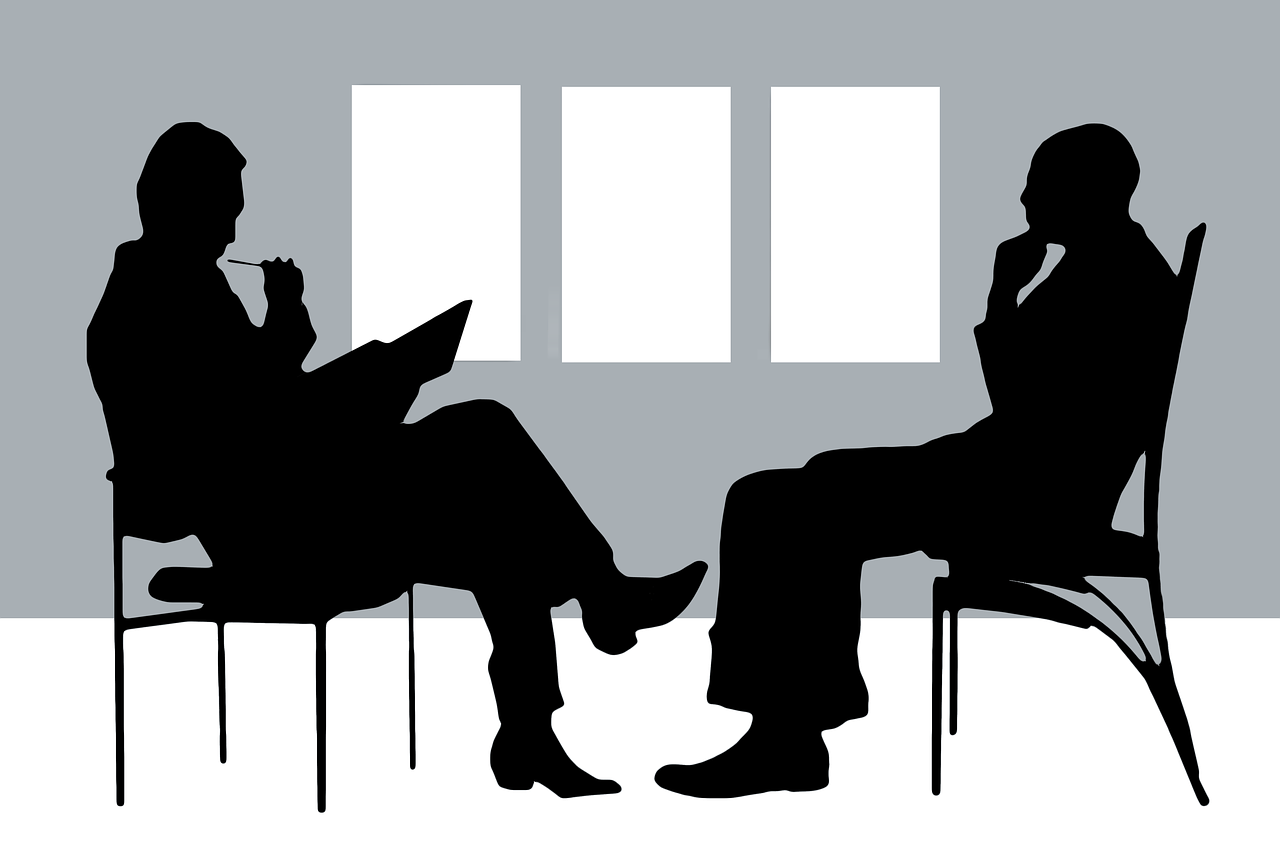
Therapy

Therapy.
Photo courtesy of Pixabay.com

Therapy can be pretty scary if you don’t know what to expect.

Whether it is your first time seeing a therapist or just your first time seeing this particular one you are probably wondering what to expect. The process of seeking professional help for emotional, mental, or behavior problems can make you so anxious some people do not make it to the appointment. Some folks never make the call in the first place.

You probably have one set of concerns on your mind. You know why you are thinking about therapy or at least who told you to go for therapy. The therapist often does not know these things about you.

The therapist has a whole other set of worries on their mind. In the interest of demystifying the whole process, let me try to explain what is happening here and why. To do this we may need to do some head-hopping between your thoughts and what is going on in the therapist’s mind.

In larger practices, you may have to come in beforehand and fill out paperwork. That helps relieve some of the therapist’s anxieties but not yours. In smaller practices, this may all get done at the first visit.

The therapist will want to know who they are supposed to be treating. We call this the “unit of treatment.

Sometimes the person in front of the therapist wants help for themselves. Sometimes they are here because a family member needs help or they need help coping with that other person. Just because a couple shows up does not mean they want marriage therapy. One may need help and the other is being supportive or they may need help telling the kids about the divorce.

So the therapist asks what brings you to therapy. Who will be receiving the counseling and what you want to accomplish by being in therapy?

Once the therapist knows who they are treating they need to go through a bunch of stuff we call “informed consent.” You may or may not care about this stuff but we care.

First, the therapist has to tell you about exceptions to confidentiality. Yes, therapists want to keep your secrets and most of the time most of them do. But there are those pesky exceptions to confidentiality, the things the law says the therapist is not allowed to keep to themselves.

Look back over the last year and the posts about exceptions to confidentiality and what secrets the therapist can and cannot keep are the perennial top read posts.  Shortlist is 1. Danger to self or suicidal, 2 Danger to others, homicidal 3 Gravely disabled, unable to feed and clothe yourself. 4. If you enter your mental status into the court record then the judge can order the therapist to testify about what you said. 5. If you sue the therapist and say they did a bad job, they get to show the judge and jury your record and what you said at the time.

The other thing the therapist is thinking about is how much will you be paying and who is paying the bill. By law, in most places, they must tell you if they take insurance or not and either way how much each session will cost you.

The next thing the therapist is likely to do is an “assessment” of some sort, they need to know what the problem is that they will be treating you for. This identified problem can change over time but your treatment should aim at changing something.

The client may come in saying they are having conflicts with their partner. Later in this first session, they might say they have an “anger management” problem. We want to know how bad that problem is and what might be causing it. In the course of the assessment, if they say that they and their partner fight a lot, the therapist wants to know if this is domestic violence. We also would be asking how much alcohol they drink and what drugs they use.

This is not about being judgmental. It is about seeing what the problems are and how it needs to be treated.

Therapists, especially those paid or reimbursed by insurance will also probably need to create a treatment plan for what they will do and how you and they will know if you are getting better.

Different schools of therapy may proceed differently through these items. Some therapists like to let you do most of the talking, to talk it out. They feel that you already know the answer but you have no one you trust to listen. Other professionals will be looking for things you need and make referrals. They may even give you homework assignments.

If you came in saying that the problem is you are depressed because of your poor relationship with your partner we probably will work on that for a while. Later on, you may find that this relationship is a copy of the one you had with your parents or your parents had with their partners. At that point, we might shift to working on things from childhood.  All the while, as the focus of the session shifts, the therapist is thinking and working on how do we connect this back to the depression. How can a better awareness of where your depression comes from help you reduce the things that are maintaining that depression?

Some problems have quick solutions. Others take a lot longer. Some people may need to stay in therapy for a long time to avoid getting worse and ending up in a psychiatric hospital. Whatever your needs, the therapist should be working towards a thing called termination, the time when you will not need to come to see them anymore.

Those are the things that are likely to happen in the first session. From there the process moves to finding ways to help you get the result you want.

Staying connected with David Joel Miller

Seven David Joel Miller Books are available now!

My newest book is now available. It was my opportunity to try on a new genre. I’ve been working on this book for several years, but now seem like the right time to publish it.

Story Bureau.

Story Bureau is a thrilling Dystopian Post-Apocalyptic adventure in the Surviving the Apocalypse series.

Baldwin struggles to survive life in a post-apocalyptic world where the government controls everything.

As society collapses and his family gets plunged into poverty, Baldwin takes a job in the capital city, working for a government agency called the Story Bureau. He discovers the Story Bureau is not a benign news outlet but a sinister government plot to manipulate society.

Bumps on the Road of Life. Whether you struggle with anxiety, depression, low motivation, or addiction, you can recover. Bumps on the Road of Life is the story of how people get off track and how to get your life out of the ditch.

Dark Family Secrets: Doris wants to get her life back, but small-town prejudice could shatter her dreams.

Casino Robbery Arthur Mitchell escapes the trauma of watching his girlfriend die. But the killers know he’s a witness and want him dead.

Planned Accidents  The second Arthur Mitchell and Plutus mystery.

Letters from the Dead: The third in the Arthur Mitchell mystery series.

What would you do if you found a letter to a detective describing a crime and you knew the writer and detective were dead, and you could be next?

Sasquatch. Three things about us, you should know. One, we have seen the past. Two, we’re trapped there. Three, I don’t know if we’ll ever get back to our own time.

For these and my upcoming books; please visit my Author Page – David Joel Miller

Want the latest blog posts as they publish? Subscribe to this blog.

For videos, see: Counselorssoapbox YouTube Video Channel

Can therapy help if the problem is someone else?

By David Joel Miller, MS, Licensed Therapist & Licensed Counselor.

Change

Change.
Photo courtesy of Pixabay.com

Sometimes the problem is others.

Lots of times the client sits in front of us and tells the counselor that they are sure that they are not the problem. In their view, the other person, the one not in the room, is the problem. They tell me that and then they ask me to help them.

Actually many times the counselor can help in this situation.

There are two obvious possibilities here. First, it is possible that the person who has come to the office is reacting to the problems of another. If you are married to a drug addict or your child is having problems you may be right in saying that the other person needs therapy.

The other option is that the person who is telling the counselor the other person is the problem is mistaken. They have not recognized their role in creating and maintaining the occurrence they define as the issue.

The problem is you are here and the other person is not. It is hard to work on something or someone who is not there, hard but not impossible.

One way of looking at this is that this is a case of a problem in a relationship. Relationships involve one person doing something and the other person reacting or not reacting to the actions of the first person.

Both people in this relationship can be mentally healthy or they can both be seriously mentally ill. Either way, the issue that needs working on is not the individual but the way these two people are interacting. Add more people and you get a family, and as most of us suspect the majority of families are called dysfunctional by someone in them.

Think of this couple’s or family’s interactions as if it was a square dance. Each couple or family develops its own unique dance. Everyone does one thing first and then something else next. Your child does nothing, you yell, they ignore you and then you get upset and storm out and yell at your spouse, who now comes in and tells the kid to do what you said in the first place Now they kid does it, grumbling all the way and you not them become the bad person. It is you the “yeller” who is defined by the rest of the family as having an “anger management problem.”

Once the family develops a dance it becomes hard to change it. But like that square dance if one person in the square changes direction and does something different the whole square falls apart.

This time instead of yelling at your child, you turn off the electronics and then talk to them calmly. They ignore you, so now you calmly take away their entertainment. Something new has been introduced, you have changed the dance. This could end in all sorts of ways, some good and some not so good but the point is that by changing your dance steps you can force others to change theirs.

Now some of you are asking “What if the person who comes to the counseling room really is the person with the issue?”

The key here is that this person needs to understand two things.

1. What they are doing is not working.

2.  Changing others is hard work and requires them to change some of the things they have been doing.

So regardless of whose “fault”, it is. If someone in this family or couple starts the change process then the relationship will change. If you decide to try to change others by changing the way you relate to them, think this through or better yet talk this through with a professional.

Otherwise, you may change, the family may change and when you are all done you may decide you wished you had never started the change.

For tips on how to change others or more accurately induce them to change, look at the series of posts about getting someone else to change listed below.

The changing others series:

One way we get others to do more of what we want them to do and less of what we wish to avoid is a process called Behavioral Modification. Here are six posts on that topic.

Changing Others – Part One  

Changing others part two

Rewards gone wild – Changing Others Part 3

Why ignoring them doesn’t work – Or does it Part 4

Why Your Child Won’t Behave

NO, NO, NO – Learning NO!

For more on the process of change see the blog post series “What are the Stages of Change

Staying connected with David Joel Miller

Seven David Joel Miller Books are available now!

My newest book is now available. It was my opportunity to try on a new genre. I’ve been working on this book for several years, but now seem like the right time to publish it.

Story Bureau.

Story Bureau is a thrilling Dystopian Post-Apocalyptic adventure in the Surviving the Apocalypse series.

Baldwin struggles to survive life in a post-apocalyptic world where the government controls everything.

As society collapses and his family gets plunged into poverty, Baldwin takes a job in the capital city, working for a government agency called the Story Bureau. He discovers the Story Bureau is not a benign news outlet but a sinister government plot to manipulate society.

Bumps on the Road of Life. Whether you struggle with anxiety, depression, low motivation, or addiction, you can recover. Bumps on the Road of Life is the story of how people get off track and how to get your life out of the ditch.

Dark Family Secrets: Doris wants to get her life back, but small-town prejudice could shatter her dreams.

Casino Robbery Arthur Mitchell escapes the trauma of watching his girlfriend die. But the killers know he’s a witness and want him dead.

Planned Accidents  The second Arthur Mitchell and Plutus mystery.

Letters from the Dead: The third in the Arthur Mitchell mystery series.

What would you do if you found a letter to a detective describing a crime and you knew the writer and detective were dead, and you could be next?

Sasquatch. Three things about us, you should know. One, we have seen the past. Two, we’re trapped there. Three, I don’t know if we’ll ever get back to our own time.

For these and my upcoming books; please visit my Author Page – David Joel Miller

Want the latest blog posts as they publish? Subscribe to this blog.

For videos, see: Counselorssoapbox YouTube Video Channel

What is Happiness?

By David Joel Miller, MS, Licensed Therapist & Licensed Counselor.

Happy children

Happy.
Photo courtesy of Pixabay.com

Would you know happiness if you felt it?

Happiness is the state of being Happy

Happy: feeling or showing pleasure, contentment, or joy, feeling satisfied that something is right or has been done right

“For every minute you are angry you lose sixty seconds of happiness.”

― Ralph Waldo Emerson

“People are just as happy as they make up their minds to be.”

― Abraham Lincoln

“Happiness is not something ready made. It comes from your own actions.”

― Dalai Lama XIV

“Count your age by friends, not years. Count your life by smiles, not tears.”

― John Lennon

“Happiness is a warm puppy.”

― Charles M. Schulz

Quotes from GoodReads

What really causes Mental illness?

By David Joel Miller, MS, Licensed Therapist & Licensed Counselor.

Could you be mentally ill?

What Causes Mental Illness?

Why do some people get a mental illness and not others?

We have had a lot of theories of mental illness, over the years, most of which have not panned out. So what do we know or think we know at this point? Some things that were suggested as causes of mental illness in the past turned out to be only a little right and a lot wrong. Check past posts for the discussion of that part if you missed it.

Recent studies of the brain have added a lot to our knowledge of how the brain works and what is causing those processes. The picture while having more lines drawn in is far from clear.

Some people would like to think most of what we call mental health issues are the result of something wrong with the brain. Other people will argue that mental illness is caused by a person’s thinking or life experiences. Let’s try to sort this out.I believe the truth is yes to all three possible causes.

Is Mental illness a “brain disease?”

In some ways yes mental illness is a disease of the brain. But in other ways no, there is more to getting a mental illness than just something chemically wrong with the brain.

We believe that mental illness is a real illness. The principle impairments are in the area of the nervous system. So this is not something the person chooses to have or can just snap out of. Mental illness is, I think more complicated than just that statement.

Saying mental illness is a brain disease should not be taken to mean that the person was born with a defective brain. They are not subject to recall or reassignment because of some sort of human lemon law. Yes, some brains are born different, right from the start. Unfortunately thinking that abnormalities in the brain are the one and only cause of mental illness is way too simplistic.

Let’s look at how the brain works, in a grossly oversimplified way, by comparing it to something most of us use every day.

How is your brain like a car?

You call the mechanic and tell him your car is not running, it no-goes.  He tells you to bring it in. You get it towed into the garage. The mechanic checks it, you’re right, it does not start. He tells you it is a lemon, worthless car, get a new one.

Wait a second, you drove this care in the past, it went then, why not now? The analogy here is why does someone seem normal at 12 and at 20 hear voices? Was there a brain bad all that time? Or did something change? How come someone who used to be happy gets depressed? Bad brain? I do not think so.

So the mechanic notices your tires are low, puts air in them, still, the car no-goes.  You check for gas, fill up the tank, but the car still does not run. With people, we do all the stuff that is supposed to make them stop being sad, but they still are depressed.

So the mechanic changes the battery, then the starter, finally the engine turns over. You get in the car and put her in gear and – the car goes nowhere. It still no-goes.

Down the line, you find that there is somewhere in the transmission and it slips or the rear end or drive shaft is bad. It could be lots of things.

The point is that the car has lots of parts – So does your brain.

So your brain has lots of parts and problems in one part may look sort of like problems in another part. Genetics may affect the structure or the functioning of various parts of your brain.

To date, we have identified over one hundred genetic mutations that appear to contribute to schizophrenia. No one mutation explains it and you can have varying amounts of these genes and still not get it. Take these 100 genetic mutations that may relate to schizophrenia and multiply that by 400 to 800 other mental health conditions and you see where this could go.

This is not, 100 times 400 by the way, but 100 times 399, times 398, and so on. One of you math guys can run the numbers if you want but you can see this is a HUGE number.

So a portion of the brain works too fast, too slow, is too large or small, or has wires connected incorrectly. This can all increase the risks that your brain will give results that are different from the results others get.

This may mean a mental illness or it could mean creativity or novel abilities. Sometimes the symptoms we call a mental illness can be connected to something else we call a talent. All very confusing.  Some of these personal differences, like fast thinking speed, may have been adaptive when your ancestors lived in the jungle and had to run from tigers but can get you in trouble if you jump to conclusions and hit someone who was just joking with you.

There are some skill differences in driving a stick shift and an automatic. You can learn to drive both but the skills are slightly different. Unfortunately, our educational system and a lot of the rest of our society is set up as if every brain ran the same way. (Read that as a possible cause of higher rates of ADHD in some schools and not in others.)

Notice that, to belabor this analogy, fluids do not work the same way in all parts of your car. Water is good in the radiator but may be bad if it is in your electrical system or your oil. Same with your brain.

Serotonin or Dopamine or other neurotransmitters may behave differently in various parts of the brain. So saying that the brain has too much or too little dopamine, may be wrong. Saying that there is too much or too little in a particular part of the brain might be closer to the truth but not there yet.

Thoughts change the brain.

Thoughts are moved from one nerve cell to another by chemicals we call neurotransmitters. Since thoughts are carried by chemicals, what you think changes your brain chemistry. That is a major factor behind the effectiveness of talk therapies.

Experiences can change the wiring of the brain. And of course, genetics can affect the shape, size, and efficiency of any number of thousands of parts of the brain.

So your genetics can predispose you to a particular mental illness, your environment can alter those neural circuits and your thoughts can add to or reduce the problems. No one thing is the whole answer but cumulatively they add up to a lot of ways the brain can be different in one way or another. Some of these differences we define as good and some we call mental illnesses.

Someone who has parents with a particular “high risk” gene who is under stress as a child, say abuse or neglect, or who does drugs or has tragedies in their life, all those things can add up to more than this particular brain can handle.

Conclusion:

There is no one thing that causes all cars to no go. There is also no one thing that causes the conditions that we are calling mental, emotional, and behavioral illness. Genetics, at birth and as the genes express themselves across the lifespan, coupled with life experiences and learning and add in beliefs about things or attitude and all together in varying amounts may be the cause of what we are calling mental illness.

Next stop, after a few other things get talked about,  coming soon – What is complex trauma and how does it rewire the brain?

Staying connected with David Joel Miller

Seven David Joel Miller Books are available now!

My newest book is now available. It was my opportunity to try on a new genre. I’ve been working on this book for several years, but now seem like the right time to publish it.

Story Bureau.

Story Bureau is a thrilling Dystopian Post-Apocalyptic adventure in the Surviving the Apocalypse series.

Baldwin struggles to survive life in a post-apocalyptic world where the government controls everything.

As society collapses and his family gets plunged into poverty, Baldwin takes a job in the capital city, working for a government agency called the Story Bureau. He discovers the Story Bureau is not a benign news outlet but a sinister government plot to manipulate society.

Bumps on the Road of Life. Whether you struggle with anxiety, depression, low motivation, or addiction, you can recover. Bumps on the Road of Life is the story of how people get off track and how to get your life out of the ditch.

Dark Family Secrets: Doris wants to get her life back, but small-town prejudice could shatter her dreams.

Casino Robbery Arthur Mitchell escapes the trauma of watching his girlfriend die. But the killers know he’s a witness and want him dead.

Planned Accidents  The second Arthur Mitchell and Plutus mystery.

Letters from the Dead: The third in the Arthur Mitchell mystery series.

What would you do if you found a letter to a detective describing a crime and you knew the writer and detective were dead, and you could be next?

Sasquatch. Three things about us, you should know. One, we have seen the past. Two, we’re trapped there. Three, I don’t know if we’ll ever get back to our own time.

For these and my upcoming books; please visit my Author Page – David Joel Miller

Want the latest blog posts as they publish? Subscribe to this blog.

For videos, see: Counselorssoapbox YouTube Video Channel
What causes Mental, Emotional or Behavioral illness? We have been wrong.

By David Joel Miller, MS, Licensed Therapist & Licensed Counselor.

Sad child

Sad.
Photo courtesy of Pixabay.com

Looks like a lot of the theories about what caused mental illness are wrong.

What causes mental illness? What do we know and what do we think we know?

Many of the things we thought were causing mental illness turns out to not be causes. In the process, we missed a lot of things that are impairing the mental health of our society.

There have always been people who were clearly mentally different from others. We have seen explanations for what causes mental illness to come and go. Today we know more than ever before about the human brain, how it works and some of the problems it may develop, still we are less sure than before about what is causing that thing we call mental illness.

There is hardly a day now when you can turn on the T. V. or read the news online and not hear about someone with a “mental illness” and some terrible thing they have done. This media coverage is leaving more out than they put in and the result is less, not more, understanding about mental illness.

The mentally ill and violence.

As an aside here, the mentally ill, those with serious long-term illnesses, are more likely to be victims of crime than the perpetrators. They get beat up and robbed on a daily basis. This rarely gets on the news unless the perpetrator is a police officer, and even then the sense is that the mentally ill somehow deserved it.

Personally, experience has taught me that I have more to fear from the person who was just served with divorce papers or found out their spouse is cheating and has shown up at a worksite with a gun, than from someone who has a long-term mental illness.

Emotional problems in someone who has not been identified as having a serious and persistent meant illness are the larger threat. It is easy to see in retrospect that there “had to be” something wrong with the person who came to a school with a gun. But if you follow all the people who are diagnosed with schizophrenia, for example, very few of them ever get a gun and shoot up someplace.

Parents and gun violence.

Gun violence at schools and public sites is a huge problem. We need to do something about this. but for the record, for every child killed at a school site by a gunman, 25 to 50 children will be shot and killed at home by a biological parent with a gun. The cure seems simple. Do not let bio parents raise children or own guns. See how simple solutions turn into complex problems and do not always work the way they were intended?

There have been a lot of theories, most of them very simplistic, over the years about the causes of mental illness. Some people continue to cling to the over-simplistic views despite overwhelming evidence to the contrary. But then the flat earth society and those who doubt that some form of evolution has occurred are also still in existence.

In this post let’s look at some of the things that have been suggested as causes for mental illness in a necessarily oversimplified way.

First, the things we now doubt are true about or are not causes of mental illness.

1. Are there are two kinds of people, normal and the mentally ill?

We used to separate emotional problems into two categories, Neurosis and Psychosis. That was it. So people were seen as having a psychosis, they were in effect “crazy” or they had neurosis, problems of living that might respond to talk therapy.

The more this has been studied the less reliable it has become. First, we found that there were people who sort-of had both. They got the label of “Borderlines” then we found there were a whole lot of different kinds of neurosis, like anxiety and depression and OCD. And people with psychosis can also get depressed. You can have two or more problems.

From that two problem view, we continued to study symptoms and the result in the DSM-4 was over 400 recognized mental illnesses.  Even more, possibly another 400 disorders were proposed (the DSM-5 was supposed to simplify this but we still know way less than we would like.) Today we are seeing that some of this splitting up is the result of people moving on a continuum from one level of symptoms to another. People’s illnesses can change over time and they can have more than one illness.

2. For a while we blamed the victim, some people still do.

There was that belief that mental illness was from God or the gods. Some thought that God had caused the mental illness as a punishment for the person’s sins, or the sins of the father or grandfather.

There are still people who take this approach, avoiding the mentally ill or insisting that they should just snap out of it as if being ill was a choice.

We do know that this fallacy like every good lie has some grains of truth embedded in it.

Parents provide both the environment and the heredity. Some life events, like age and use of drugs or alcohol, may increase the risk of a gene mutation. But a risk factor is not a cause, and so we find that some very poor home environments produce some mentally healthy people while “normal” homes produce some very dysfunctional people.

More on the environment versus heredity issues to come.

If the problem is that God is punishing this person somehow then the cure should be a religious conversion. The prescription for mental illness used to be, and in some circles still is, prayer, fasting, self-control or self-abuse, and the like.

Some of the evidence to challenge the “its Gods will” concept of mental illnesses comes from the sudden miraculous improvement in some mental illnesses that medication produces; that and the cases where a person lives a good part of life, often in a “Godly way,” and is suddenly struck by a mental illness. Some of these appear to be the result of the changes our bodies undergo as we age.

3. People said, “It is the mother’s fault.” Occasionally this is read “it is the father’s fault.”

This was popular for a while under the guise that the cause of psychosis was “refrigerator mothers.” We found that there was some truth to emotional problems that resulted from early life experience; we now refer to this as attachment theory.

The idea that a lack of love or poor mothering skills was primarily the cause of serious mental illness has been largely discarded. We now think that there is such a thing as “good enough” parenting. Do a halfway good job and your child should turn out fine. Abuse or neglect can increase the risk of mental or emotional problems but risk is not result.

One new area of study is the role of “complex trauma.” A number of traumas or ongoing trauma change the brain in ways that are different from what we were looking for in the past. This complex trauma can cause more problems than the sum of its parts.  More on Complex Trauma in some upcoming posts.

4. It is just the way they are

There was a school of thought, back when the psychologists seem to offer us answers to all these issues, that mental illness was the result of “personality factors.” Again some truth here, but in my view, not nearly the whole story.

Some children are born “fussy” they are hard to soothe, cry a lot, and get on their parent’s nerves. Those kids may have a fussy temperament or they may have a physical illness. Either way, fussy kids get less care or upset the parents. Maybe the stressed parents yell at the child more. Their life experiences are different from the “naturally happy child.”

Personality can and does change over the lifetime. We can debate how much or why but the fussy child may grow into a contented child and the good child may at the onset of puberty suddenly become the problem child.

All these factors, to me, argue against the idea that mental illness is caused solely by personality.  It points in the direction of gene expression, genes act differently at different points in our lifetime. It also points out the ability of all of us to learn from life and as a result our personality shifts.

Sorry, this ran long. More on the causes and by implication the cures for our mental emotional and behavioral illnesses in some upcoming posts.

Staying connected with David Joel Miller

Seven David Joel Miller Books are available now!

My newest book is now available. It was my opportunity to try on a new genre. I’ve been working on this book for several years, but now seem like the right time to publish it.

Story Bureau.

Story Bureau is a thrilling Dystopian Post-Apocalyptic adventure in the Surviving the Apocalypse series.

Baldwin struggles to survive life in a post-apocalyptic world where the government controls everything.

As society collapses and his family gets plunged into poverty, Baldwin takes a job in the capital city, working for a government agency called the Story Bureau. He discovers the Story Bureau is not a benign news outlet but a sinister government plot to manipulate society.

Bumps on the Road of Life. Whether you struggle with anxiety, depression, low motivation, or addiction, you can recover. Bumps on the Road of Life is the story of how people get off track and how to get your life out of the ditch.

Dark Family Secrets: Doris wants to get her life back, but small-town prejudice could shatter her dreams.

Casino Robbery Arthur Mitchell escapes the trauma of watching his girlfriend die. But the killers know he’s a witness and want him dead.

Planned Accidents  The second Arthur Mitchell and Plutus mystery.

Letters from the Dead: The third in the Arthur Mitchell mystery series.

What would you do if you found a letter to a detective describing a crime and you knew the writer and detective were dead, and you could be next?

Sasquatch. Three things about us, you should know. One, we have seen the past. Two, we’re trapped there. Three, I don’t know if we’ll ever get back to our own time.

For these and my upcoming books; please visit my Author Page – David Joel Miller

Want the latest blog posts as they publish? Subscribe to this blog.

For videos, see: Counselorssoapbox YouTube Video Channel

Why are we so afraid of feelings?

By David Joel Miller, MS, Licensed Therapist & Licensed Counselor.

Man with feelings

Managing feelings.
Photo courtesy of Pixabay.com

Fear of feelings?

You would think that feelings were on the banned substance list. So many people are avoiding them. Failure to feel what we feel is at the root of a lot of mental health problems. Still, people go to great lengths to not feel those feelings.

We hear lots of advice about ways to avoid feelings, think logically, pull yourself together don’t let yourself feel that. The forces of logic have won the day and henceforth feelings are banned.

But we know in our gut that sometimes feelings are telling us the truth when our head wants to mislead us.

Some people grew up in homes where their feelings were invalidated. You said you were sad and you were told you are not sad, you don’t even know what sad is. If you feel that way you are being weak or selfish or some other terrible thing.

Numbing out the feelings.

So you avoided feelings, any and all feelings, and eventually, you became numb, chronically unhappy, or unable to feel any real joy. In your flight from feelings, you may have left a lot of love, friendship, and compassion behind. You may have resorted to drugs or alcohol or other addictions to avoid feeling what you were feeling.

Feelings have been blackballed, put on the most wanted list, and hunted down and exterminated whenever possible. We have become so very afraid that someone will get angry, depressed, or anxious and then something bad will happen. So we tell them to pull themselves together, forget that feeling and think logically.

Logical thinking, the scientific method has resulted in a lot of technological advances. We have more stuff than ever before in the history of the world. Stuff exists now that science fiction writers fantasized about just a few short years ago.

What we haven’t accomplished is any real reduction in pain or unhappiness. We have more pain-killing drugs but no less pain. We have more antidepressants but we have more depression than ever. We teach people to be more rational and there are crimes of passion on every corner.

In this process of avoiding being carried away with excesses of feelings, we have lost the ability to use feelings for the intended purpose.

Your feelings brain.

When we talk about using our brains, what is left out of the equation is just how much of our nervous system lies outside our heads. All those nerve cells, the ones surrounding your stomach, and the ones in your neck, they are trying to tell you things also.

Those expressions, someone is a pain in the neck, or that makes me sick to my stomach, those expressions are full of truth. Those bodily sensations are conveying information to the rest of our beings that we just may need to know.

Those other “thoughts” the ones in our feeling systems ought to get more attention. That skill we call intuition may just be those emotional memories of things in the past that are useful for actions in the present.

By avoiding our feelings for so long we have lost the ability to regulate those emotions. When we do feel something, like sadness, we can easily become overwhelmed.

When feelings are strangers we come to fear their presence. So many of us will do anything, drink, drug, numb out to avoid feeling what it is we are feeling. We become afraid that feelings are enemies out to destroy us rather than old friends here to tell us something.

One huge step in recovery is to learn that we can feel feelings, happiness or sadness, excitement, or anxiety without becoming overwhelmed and carried away. Having a feeling is not the same thing as being taken over by that feeling. Joy does not have to lead to an excessive celebration and sadness or anxiety need not lead to another relapse or flight.

One group of therapists talks about the need to learn distress tolerance. I can feel bad some of the time and that is OK. I will not cease to exist because I feel sad or anxious. It is possible to feel unpleasant feelings, ask what that feeling has to tell us, and then, like so many other thoughts, let that feeling move on.

Not every happy feeling calls for action, a celebration of excess that might lead to a relapse into drug use, overspending or inappropriate sexual activities.

It is possible to feel feelings and let them serve and inform us rather than being controlled by what we feel.

How do you feel about your feelings?

Staying connected with David Joel Miller

Seven David Joel Miller Books are available now!

My newest book is now available. It was my opportunity to try on a new genre. I’ve been working on this book for several years, but now seem like the right time to publish it.

Story Bureau.

Story Bureau is a thrilling Dystopian Post-Apocalyptic adventure in the Surviving the Apocalypse series.

Baldwin struggles to survive life in a post-apocalyptic world where the government controls everything.

As society collapses and his family gets plunged into poverty, Baldwin takes a job in the capital city, working for a government agency called the Story Bureau. He discovers the Story Bureau is not a benign news outlet but a sinister government plot to manipulate society.

Bumps on the Road of Life. Whether you struggle with anxiety, depression, low motivation, or addiction, you can recover. Bumps on the Road of Life is the story of how people get off track and how to get your life out of the ditch.

Dark Family Secrets: Doris wants to get her life back, but small-town prejudice could shatter her dreams.

Casino Robbery Arthur Mitchell escapes the trauma of watching his girlfriend die. But the killers know he’s a witness and want him dead.

Planned Accidents  The second Arthur Mitchell and Plutus mystery.

Letters from the Dead: The third in the Arthur Mitchell mystery series.

What would you do if you found a letter to a detective describing a crime and you knew the writer and detective were dead, and you could be next?

Sasquatch. Three things about us, you should know. One, we have seen the past. Two, we’re trapped there. Three, I don’t know if we’ll ever get back to our own time.

For these and my upcoming books; please visit my Author Page – David Joel Miller

Want the latest blog posts as they publish? Subscribe to this blog.

For videos, see: Counselorssoapbox YouTube Video Channel

Why people are reading counselorssoapbox.com

Counselorssoapbox.com

Why people are reading counselorssoapbox.com

By David Joel Miller, MS, Licensed Therapist & Licensed Counselor.

For the last 30 days here are the top posts that brought people to counselorssoapbox .com.

In case you missed some of these top posts the links are included.

How much should you tell a therapist?

Levels or types of Borderline Personality Disorder

Do therapists have to report a crime?

Do people really forget what happened when drinking? – Blackouts

Which border is Borderline Intellectual Functioning on?

Are you a Parentified Child?

Do therapists like, fall in love with their clients? Why don’t they tell them?

Reasons Counselors and Therapists Lose Licenses

About the Author – David Joel Miller

Hyperthymia, Hyperthymic Personality Disorder and Bipolar Disorder

Staying connected with David Joel Miller

Seven David Joel Miller Books are available now!

My newest book is now available. It was my opportunity to try on a new genre. I’ve been working on this book for several years, but now seem like the right time to publish it.

Story Bureau.

Story Bureau is a thrilling Dystopian Post-Apocalyptic adventure in the Surviving the Apocalypse series.

Baldwin struggles to survive life in a post-apocalyptic world where the government controls everything.

As society collapses and his family gets plunged into poverty, Baldwin takes a job in the capital city, working for a government agency called the Story Bureau. He discovers the Story Bureau is not a benign news outlet but a sinister government plot to manipulate society.

Bumps on the Road of Life. Whether you struggle with anxiety, depression, low motivation, or addiction, you can recover. Bumps on the Road of Life is the story of how people get off track and how to get your life out of the ditch.

Dark Family Secrets: Doris wants to get her life back, but small-town prejudice could shatter her dreams.

Casino Robbery Arthur Mitchell escapes the trauma of watching his girlfriend die. But the killers know he’s a witness and want him dead.

Planned Accidents  The second Arthur Mitchell and Plutus mystery.

Letters from the Dead: The third in the Arthur Mitchell mystery series.

What would you do if you found a letter to a detective describing a crime and you knew the writer and detective were dead, and you could be next?

Sasquatch. Three things about us, you should know. One, we have seen the past. Two, we’re trapped there. Three, I don’t know if we’ll ever get back to our own time.

For these and my upcoming books; please visit my Author Page – David Joel Miller

Want the latest blog posts as they publish? Subscribe to this blog.

For videos, see: Counselorssoapbox YouTube Video Channel