
11 ways to be a great parent.

By David Joel Miller, MS, Licensed Therapist & Licensed Counselor.
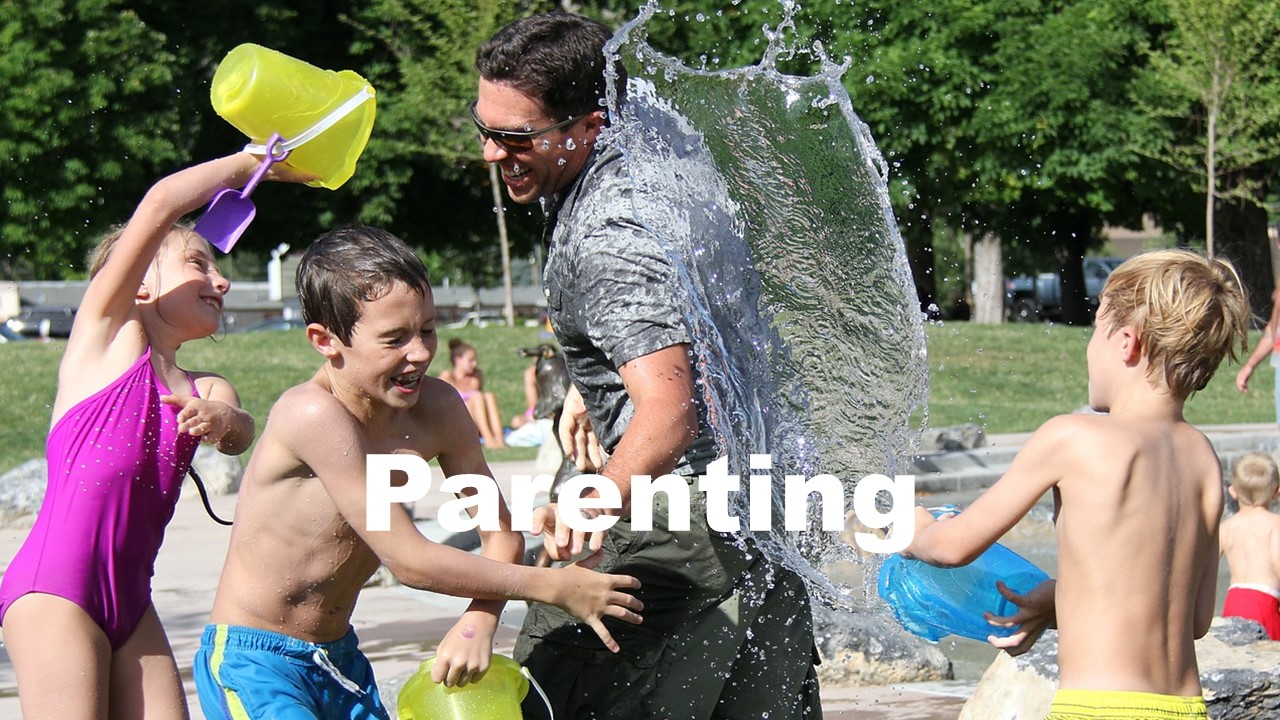
Parenting.

Parenting.
Photo courtesy of Pixabay.com

Want to be a great parent? Here are some parenting basics.

Many people worry about how good a parent they are and how to be a better one. Those who don’t worry probably need help more than those who do worry. I recommend parenting education to many of my clients, even ones that do not have children.

Learning how to be a good parent can help you with the skills to be a good grandparent, friend or any mentoring role. Knowing something about parenting and how it affects children can also help you if you have unresolved issues from childhood. This is a skill I think of as self-parenting.

Here are some tips gathered from all over on how to be a good parent. My apologies to those I learned these things from as I forget who taught or wrote about which point. If you have gathered some other parenting ideas feel free to comment or use the contact me form.

1. Catch your children doing something right.

There are plenty of people who will point out a person’s flaws. You do not make better children by attending to only those things they do wrong. Too much attention to the mistakes makes the child think they are not capable of doing anything right.

Help them learn that they are capable of doing things and doing them well. They do not need to be the world champion in that endeavor at age 5. It is sufficient that they find their talents to develop and enjoy the process of mastering that activity they love.

Help children develop a sense of mastery. They will feel better about themselves if they can do good things.

2. Make sure your children know you love them.

Many parents think their children know they are loved. The trouble is a lot of adults say their parents never told them they loved them. We show our love sometimes by the things we do, feeding, and caring for family members. Trouble is other people may give you food or tangible things, that doesn’t mean they love you. Doing things or buying things just isn’t enough. People need to hear those loving words also.

Let your children know you love them not just for what they do or the successes they have but that you love them even when they are less than perfect. Love unconditionally, not just for the good times.

3. Parents need to be parents and let the child be a child.

You can have a good relationship with your children but you can’t neglect your duties as a parent. They need friends but that is not the parent’s job. There are times a parent needs to say no. You have to deliver the bad news. There will be times you need to set limits and boundaries. If the parent does not set limits the child begins to think they can’t be controlled. Eventually, they will come to believe that they can control themselves.

4. Take good care of yourself – set a good example.

Children learn more by watching what you do than by listening to what you say. Lots of people talk about what others should do. The lessons of what you do, come through loud and clear. If children see you never taking care of yourself they think that is what they need to do to be like you.

5. Maintain your adult relationships.

Parents need to have other adult friends. If you are in a relationship you need to spend time with that partner maintaining that relationship. Stay in touch with friends. Your children will develop friendships and eventually relationships. The kids can’t be the ones to meet all your social needs.

There will be life after children. If you are in a relationship maintain it. If you are a single parent develop other healthy adult relationships. You will need friends as your children venture out into the world and they will not be able to stay around to meet all your needs.

6. Get along with others. Especially the other relatives.

If you and the other relatives do not get along then you put your children in an impossible situation. You and your ex may not be together anymore but no matter how much that other person hurt you they will always be your children’s other parent. Don’t put your children in the position of having to take sides. If you keep your children from the other parent it is the kids that you are punishing not your ex.

Short of keeping your children out of real danger, it does not pay to inflict your pain on the children and keep them from having contact with a relative because they have angered you.

Having an extended family that the child can learn from and be supported by anchors them and give their life meaning. Don’t let your squabbles and rivalries with other relatives keep your child isolated from having a family.

7. Have good mental health – learn to manage anger and reduce stress.

Having a depressed parent leaves a lasting impression on a child. It is not noble to suffer in silence. If you have issues get help. Mentally healthy parents raise healthy children. Addicted parents raise children who struggle through life. Get healthy for their sake.

Do not alibi that “that is just the way I am.” You say you have always had a lot of anger? There was a time that you ate with your fingers and went in your diaper. If you could learn to eat with silverware and use the bathroom then you are capable of learning to control your anger.

Learn stress reduction techniques. Develop healthy ways of managing your anger.

8. Accept your child’s differences. They will not be small copies of you.

Parents want their children to be all they can be. What is not helpful is to try to overcome your failures by pushing your children to succeed where you did not. Love a sport? You can teach your child that love. They may excel. But don’t try to redeem yourself by pushing them to make the team where you failed or to win the championship you lost out on.

9. Make learning important.

In this world what we know can become obsolete. Any of you still using rotary dial phones? Not likely your children will get far with only that technology. Learn something new every day. Encourage your children to learn also.

Learn for the fun of it and then life becomes fun. The most successful people have interests and knowledge outside the field in which they work. Taking knowledge from one area and applying it to others is where much of the creativity in this world comes from.

10. Keep life in balance.

Life is not all about one thing. We need to work hard but we need to play. Children need to study and they need to laugh. If you do not have your life in balance then your children will have difficulty learning how to keep theirs on an even keel.

We all have many aspects of our lives. You need to eat well, exercise well, and sleep well to live well. Do not neglect the social part of your life. Pay attention to your religious or spiritual needs also.

11. Spend time with them.

Time is more important than money when it comes to raising healthy children. Do things with them. Take them along. Plan activities together. The toy may break and be discarded, the candy is eaten and gone, but the experiences you create together will last a lifetime.

Those are some of my suggestions for being a great parent. What suggestions do you have?

You can find more at  Parenting and Children and Family Problems.

Staying connected with David Joel Miller

Seven David Joel Miller Books are available now!

My newest book is now available. It was my opportunity to try on a new genre. I’ve been working on this book for several years, but now seem like the right time to publish it.

Story Bureau.

Story Bureau is a thrilling Dystopian Post-Apocalyptic adventure in the Surviving the Apocalypse series.

Baldwin struggles to survive life in a post-apocalyptic world where the government controls everything.

As society collapses and his family gets plunged into poverty, Baldwin takes a job in the capital city, working for a government agency called the Story Bureau. He discovers the Story Bureau is not a benign news outlet but a sinister government plot to manipulate society.

Bumps on the Road of Life. Whether you struggle with anxiety, depression, low motivation, or addiction, you can recover. Bumps on the Road of Life is the story of how people get off track and how to get your life out of the ditch.

Dark Family Secrets: Doris wants to get her life back, but small-town prejudice could shatter her dreams.

Casino Robbery Arthur Mitchell escapes the trauma of watching his girlfriend die. But the killers know he’s a witness and want him dead.

Planned Accidents  The second Arthur Mitchell and Plutus mystery.

Letters from the Dead: The third in the Arthur Mitchell mystery series.

What would you do if you found a letter to a detective describing a crime and you knew the writer and detective were dead, and you could be next?

Sasquatch. Three things about us, you should know. One, we have seen the past. Two, we’re trapped there. Three, I don’t know if we’ll ever get back to our own time.

For these and my upcoming books; please visit my Author Page – David Joel Miller

Want the latest blog posts as they publish? Subscribe to this blog.

For videos, see: Counselorssoapbox YouTube Video Channel

Secrets of the Parents Club.

By David Joel Miller, MS, Licensed Therapist & Licensed Counselor.

Parenting.
Photo courtesy of Pixabay.com

There are parent secrets you can only learn on the job.

Parenting is one of the most common tasks on earth. You would think there would be better preparation. Unlike most vocations and avocations parenting has no training required and little provided before you start the job.

There are a few parenting classes, I highly recommend them. I know however that most people do not get into a parenting class until after they are actively participating as parents and discover it is harder than it looks.

Seems like parenting is something like swimming, hard to learn in the classroom and most people are learning this skill by the old fashion method of sink or swim. Below are some secrets that the survivors of the real world parenting boot camps have shared with me.

There are no minor leagues for parents.

Taking a class in being a parent is nice. Being raised in a family with lots of children and helping care for your siblings or relatives is helpful. So is having had some experiences as a babysitter. None of that prepares you for the challenges of being a parent, especially if you have to do this while working out relationships and having to work a job to support yourself.

Becoming a parent is the equivalent of going from tossing the ball around in first grade to being drafted into a major league. Some time in school athletics and the minors would have helped. Being “drafted” as a parent gives you nine months tops to prepare. Most of your learning will be on the job and you will get hurt a lot. Still, if you try really hard there may be a few times you do something right.

You will make mistakes.

There are no perfect parents except in the movies. There you do not see what happens when the camera stops rolling. In real life, the role does not end until you are dead and gone. Along the way you just do the best you can.

Studies have suggested if you get more than half of things right your kid will think you did a good job. At least till they become a teenager and decide to try and improve on your efforts.

Do not try to be your kid’s friend.

Having a good relationship with your kids is nice. Remember though that parents need to be parents and kids need to be kids. This precludes you from having the kind of relationship your child has with their friends. If you try too hard to their best friend you stop being their parent.

You have to wait for them to learn things.

Pushing too hard can make a child fall down. The old school way was to constantly push kids to do more and be more. Some of that worked. What you need to be careful of is trying to push your child to do things that developmentally they are not ready for. A three-year-old should not be carrying heavy objects and they are not ready for some mental tasks. Expecting a child to act older than they really are is a bad formula. Spend some time learning what a “typical” child should be able to do at what age. Then cut your child some slack. If they are on average doing things they should, they can take longer to learn some things than others. We all have different skills. If they seem to be falling behind get them professionally evaluated.

Let them be kids.

Drive a car too fast for too long and it will fall apart. I see a lot of clients who were pushed beyond their limits to be perfect as children and then once out of the house they fell apart.

That “playing around” is not a bad thing. Play is a sort of rehearsal for life. Well-adjusted children learn to play so they can enjoy what they do later in life. In your haste to prepare your child for adult life do not take away the joy of living.

Encouraging is not nagging.

Encouragement is pointing out the successes not yelling at them to do more and do better. Saying you believe in them need not convey the message that you will only love them if they win big.

Be slow to point out their mistakes.

If all you ever get is criticism you may think you are incapable and give up. There is such a thing as “learned helplessness” where after a while when nothing you do is adequate, you stop trying. Do not teach your child that no matter how hard they try it will never be possible for them to measure up.

Be fast to recognize your mistakes.

As a parent, you will make mistakes. Accept that. Learn from that. Doing the thing that is not working over and over will not change the child. It will wear you and them out. Learn from your child and from others. Practice your parenting skills and you will get better. The truth is that the youngest children will have very different parents than their older siblings.

They will change.

Children change whether you want them to or not. Just about the time you figure them out, they will have changed. But then often the child thinks this same thing about the parent. The person you were ten years ago is not who you are now or who you will be ten years from now. Neither is your child.

Your answers will not work for them.

You had to find your way in life, hopefully, you are there now. If not keep working on you. Your child will need to do the same. You may be good at music and they have no interest what so ever. Or they may have your interest but like a form of music, you can’t stand. That is the way it works.

Occasionally we see a person that is in the family business or who is a third or fourth generation professional in the same field. That is rare. What is more common is parents who push their child into their footsteps and the path does not fit that child. Let them explore and find their own way.

Once they start to think they will come up with new stuff.

A common parent mistake is to try to tell your children to think for themselves and then be horrified at the things they think. Your children are living in a different world than you did. They will grow up with technology you will struggle to keep up with.

This attraction to and willingness to accept new ideas is not limited to technology. Accept that the next generation will experiment with new ideas. Some will work and some will not. The Old is good but so is new. There needs to be a balance. Rejecting your hobby or your ideas does not have to equal a rejection of you. Do not think that because your child thinks about new things that invalidates you.

The stuff will not make them love you.

A whole lot of adults fell into the trap of thinking that working hard to give their kids the things they never had as children will make their child happier and healthier. That does not work.

Ten, twenty, thirty years from now most kids will not remember the exact thing you bought them. They will remember the time you spent or did not spend with them. Remember to give love and time as much or more than you give things.

Popular does not last, hard work does.

There is a time in school when being popular and with the in-crowd matters. The life lesson we mostly learn is that who is in and why can change in an instant.

That popular person in the senior class in high school may be not so popular three months later when you start college. The in musical group or politician may be out tomorrow. Popularity is a lot about others. Those who stay at the top over the long haul work really hard at what they do. They have talent but talent is hugely about how many hours you practice what you do. Talents grow with use.

Feelings will change.

Feelings can and should change. This is a real life. Some days are better than others. Do not think that the way you feel now will be the way you will feel some other time. We used to think of childhood as a happy time, free of responsibilities, and then as an adult, you had to struggle. Nowadays that is upside down. Many kids struggle with anxiety, depression, or loneliness. Then when we get to be older life is happier. Not because you have everything, may elderly have much less than before, but you just start to appreciate what you have and don’t care so much what others think.

There will be life after children.

From the first day you have a child in your life, or even the day you know you will have one, your life changes. You think a lot about your child all that time. Then one day that child leaves you and you have to think about what will happen next. Some couples go through a crisis then. They spent more than half their life doing things for their children and now they can’t figure out what to do together or with the rest of their life. As important as your children are you need to still have a life that you will want when the kids are gone.

Some of you will try to substitute being grandparents for being parents. Being active in your grandchildren’s life is good, but remember you can’t take over the role of being your grandchild’s parent. You need to let your children parent their children and then the whole cycle starts over.

Staying connected with David Joel Miller

Seven David Joel Miller Books are available now!

My newest book is now available. It was my opportunity to try on a new genre. I’ve been working on this book for several years, but now seem like the right time to publish it.

Story Bureau.

Story Bureau is a thrilling Dystopian Post-Apocalyptic adventure in the Surviving the Apocalypse series.

Baldwin struggles to survive life in a post-apocalyptic world where the government controls everything.

As society collapses and his family gets plunged into poverty, Baldwin takes a job in the capital city, working for a government agency called the Story Bureau. He discovers the Story Bureau is not a benign news outlet but a sinister government plot to manipulate society.

Bumps on the Road of Life. Whether you struggle with anxiety, depression, low motivation, or addiction, you can recover. Bumps on the Road of Life is the story of how people get off track and how to get your life out of the ditch.

Dark Family Secrets: Doris wants to get her life back, but small-town prejudice could shatter her dreams.

Casino Robbery Arthur Mitchell escapes the trauma of watching his girlfriend die. But the killers know he’s a witness and want him dead.

Planned Accidents  The second Arthur Mitchell and Plutus mystery.

Letters from the Dead: The third in the Arthur Mitchell mystery series.

What would you do if you found a letter to a detective describing a crime and you knew the writer and detective were dead, and you could be next?

Sasquatch. Three things about us, you should know. One, we have seen the past. Two, we’re trapped there. Three, I don’t know if we’ll ever get back to our own time.

For these and my upcoming books; please visit my Author Page – David Joel Miller

Want the latest blog posts as they publish? Subscribe to this blog.

For videos, see: Counselorssoapbox YouTube Video Channel
Are you at risk for Postpartum or Peripartum Depression?

By David Joel Miller, MS, Licensed Therapist & Licensed Counselor.

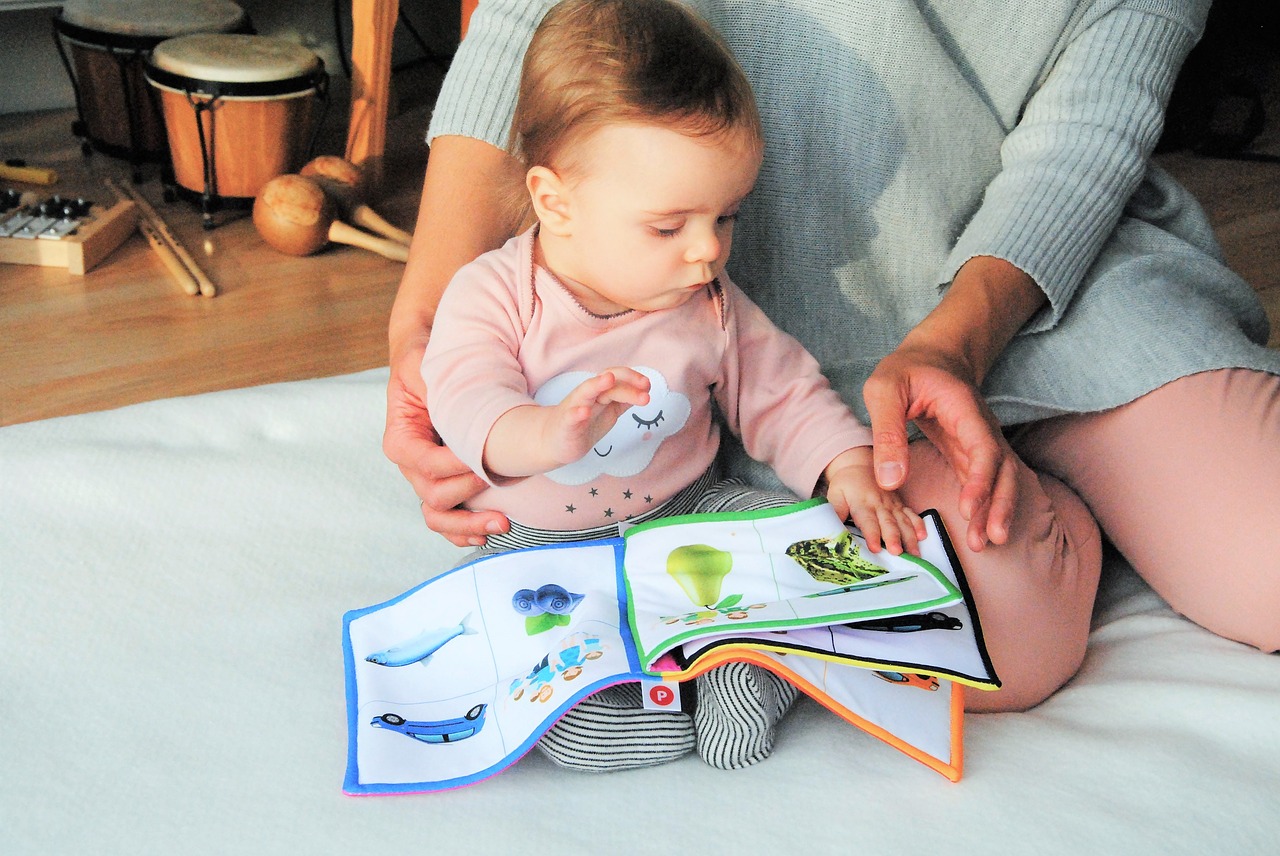
Mother with child

Postpartum depression.
Photo courtesy of pixabay.

7 risk factors for Postpartum Depression.

What factors might put you at risk of Peripartum Depression?

When it comes to mental health, why one person gets a disorder and another person does not, is just not all that clear. A life event, something we call a stressor, could push one person into depression and a similar event could leave another person unscathed. Risk factors do not equal getting the disorder. But if you have these factors in your life then you are at more risk of Peripartum Depression than most.

For those not familiar with the term Peripartum depression, it is like Postpartum Depression only it allows for depression that starts in pregnancy rather than restricting the concept to those who become depressed after the birth of a child.

Here are 7 factors that put you at risk.

1. Past Episodes of Depression.

Women who have had episodes of depression in the past are at increased risk to develop Peripartum Depression. The more times someone has been depressed and the longer those episodes, presumably the higher that risk.

If you have had depression and received treatment, think back to what was helpful to you in reducing or controlling that episode of depression and do more of that. If you did not get help for those past episodes of depression or sadness, now is the time.

2. Stress in your life adds risk.

The more stress the woman is under the more the risk. What is stressful to one woman may not be to another. It is far more complicated than just financial stress.

Look for ways to reduce stress. Learn stress reduction and stress management techniques. Also, work on relaxing and being patient. Give your life the time to develop rather than pushing to have everything be done right now.

3. Poor relationship with your partner.

New couples need some time to adjust to each other. Some couples were never meant to be despite getting together and making that baby. Many other couples get off to a rocky start but with work, they develop a good long-term relationship.

Having a second person to share the duties, joys, and trials of child-rearing can be a beneficial thing for all involved. If there are problems in the relationship the sooner you work through those problems the better.

4. Having little social support increases your risks.

One person, your partner, no matter how supportive that person is, will probably not be enough support for the tasks of creating a family and raising children. Being a parent is hard work. Some people make parenting and relationships look easy but for most of us, it takes work.

Your partner will be going through things also. Sometimes you feel and think things your partner is not up to hearing. Work on strengthening your support system to reduce this risk of Peripartum Depression.

There are posts elsewhere on this blog about support systems and how to develop one. Some of those posts can be found here:

How supportive is your support system?

Can one person be a support system?

How do you develop a support system?

5. Your mother’s depression puts you at risk.

A family history of depression, any depression, increases the risk of you developing Depression. Having a mother had Peripartum or postpartum depression adds to the risk that a woman will have an episode of depression during pregnancy and the first year after the delivery of the child.

As with so many other “risk factors,great-grand-mother” a risk factor does not mean that absolutely positively this woman will be depressed, it just means it is one other thing to think about.

We have also seen research that suggests that the life experiences of your great-grandmother and beyond may be affecting your emotions. See the post – Pick your grandmas wisely – their life affects your feelings. 

6. Being poor – low SES.

Along with all the other burdens that come with being poor, living in bad neighborhoods, or being of low socioeconomic status there is the extra risk of developing postpartum depression.

Absolutely there are poor families that are happy and where there is little or no depression. Having money does not deter depression. But all things being equal having some money, at least enough to get by on sure relieves a lot of the stress of being a new parent.

Couples who are able to delay that first child until they have a job or career path do better. It helps if you have stable housing and something saved up. Many young parents have to rely on family, friends, or government programs to make ends meet.

Not having the money to get by on can strip the joy of a new child right out of your grasp.

7. Having a difficult infant.

There are those babies who from day one just are crankier than others. That child may have an illness or just an irritating disposition. Hard to care for children make their parent’s life more difficult. This is an extra burden on young or inexperienced parents.

These are the most commonly recognized risk factors for Postpartum or Peripartum Depression. I suspect there are other factors that up this risk, especially personal life experience factors. When you have come through difficult times or are still going through them, life’s challenges can be more difficult to manage.

If you or someone you know has a lot of these risk factors, look for ways to manage the stress of going through the pregnancy or being a new parent. Support systems can help so can professionals. And if you are feeling overwhelmed just now consider a help hot-line or reaching out for professional help.

Staying connected with David Joel Miller

Seven David Joel Miller Books are available now!

My newest book is now available. It was my opportunity to try on a new genre. I’ve been working on this book for several years, but now seem like the right time to publish it.

Story Bureau.

Story Bureau is a thrilling Dystopian Post-Apocalyptic adventure in the Surviving the Apocalypse series.

Baldwin struggles to survive life in a post-apocalyptic world where the government controls everything.

As society collapses and his family gets plunged into poverty, Baldwin takes a job in the capital city, working for a government agency called the Story Bureau. He discovers the Story Bureau is not a benign news outlet but a sinister government plot to manipulate society.

Bumps on the Road of Life. Whether you struggle with anxiety, depression, low motivation, or addiction, you can recover. Bumps on the Road of Life is the story of how people get off track and how to get your life out of the ditch.

Dark Family Secrets: Doris wants to get her life back, but small-town prejudice could shatter her dreams.

Casino Robbery Arthur Mitchell escapes the trauma of watching his girlfriend die. But the killers know he’s a witness and want him dead.

Planned Accidents  The second Arthur Mitchell and Plutus mystery.

Letters from the Dead: The third in the Arthur Mitchell mystery series.

What would you do if you found a letter to a detective describing a crime and you knew the writer and detective were dead, and you could be next?

Sasquatch. Three things about us, you should know. One, we have seen the past. Two, we’re trapped there. Three, I don’t know if we’ll ever get back to our own time.

For these and my upcoming books; please visit my Author Page – David Joel Miller

Want the latest blog posts as they publish? Subscribe to this blog.

For videos, see: Counselorssoapbox YouTube Video Channel

.

What is Postpartum or Peripartum Depression?

By David Joel Miller, MS, Licensed Therapist & Licensed Counselor.

Is this postpartum depression or just the baby blues?

Postpartum depression.
Photo courtesy of Pixabay.

The idea that a woman can get sad, blue, even depressed as a result of giving birth has been around for a long time. Professionals have struggled with what this is and how to be helpful and we continue to struggle with those issues.

We knew that depression around the time of delivery causes a lot of suffering for the mother. Sometimes it becomes a problem for the father and other family members. And yes, we now know that having a depressed mother, immediately after birth, or later in childhood, can affect the child, possible for the rest of that child’s life.

There has been a reluctance to keep creating new disorders for each and every cause of depression. One way out of this dilemma has been to keep the same set of symptoms for depression regardless of what has caused the depression.

For depression, there is a list of specifiers for types. Most of those specifiers have to do with the way the symptoms present. Some people eat more and some eat less and so on.

Only two causes have gotten their own specifiers, seasonal pattern as in seasonal affective disorder and Postpartum Depression. Postpartum Depression is now called Peripartum Depression to also include depression that sets in before the birth of the child.

Symptoms of Peripartum Depression.

Symptoms of Peripartum depression are very similar to the symptoms of other forms of depression. Sleep disturbance, if it is over and above that caused by having a newborn who cries when it has needs, is one symptom. Changes in appetite and loss of interest in things that used to make you happy are other common signs this is depression and not just the normal getting used to being a parent.

Feeling hopeless or like a bad mother are serious symptoms of depression. Some women will become much more irritable or anxious than before pregnancy. You may also feel numbed out or disconnected from life and from those around you. Worrying, excessively about the child’s safety can also be a symptom of a mental health issue.

The new DSM (DSM-5) reports the frequency of Peripartum Depression at 3% to 6% of all women. The sheer fact that it gets its own separate specifiers suggests to me that the rate of women with depression during and after the birth of a child is higher than any 6%.

Some studies have followed women for the first year after the birth of the first child and they find significant stress and higher rates of depression over that year time period.

Research studies have reported that rates of “Baby Blues” those brief episodes of sadness that occur during and after pregnancy can run as high as 80% in some populations.

One reason for the discrepancy in the numbers is that we used to talk about mood disorders and treat Depression and Bipolar as part of the same mood disorder family. These two conditions have gotten a divorce and are now living in separate chapters in the new DSM-5. While Postpartum or Peripartum depression may only get 6% the new Peripartum Bipolar Disorder should also have some numbers. So far I have not seen any statistics on the number of women who develop Peripartum Bipolar Disorder but the new DSM-5 clearly allows for this possibility.

Some of these cases in which a woman develops symptoms during and after pregnancy also reach the point of having delusional or psychotic features. In these cases, the mother may believe there is something wrong with the child, that the child is evil or a similar delusion. Women who develop psychosis after the birth of one child have a risk (from 30% to 50%) of having psychotic symptoms during each pregnancy thereafter.

Another reason the rates of Peripartum Depression may be understated is that some women do not develop symptoms quickly enough to get the diagnoses in the first 4 to 6 weeks. After that, the diagnoses will probably be Major Depression and the Peripartum specific will get left off.

Those milder cases of sadness that happen during pregnancy and after delivery, the things that are popularly called baby blues, they most likely will not get a diagnosis at all. For a while there was a study of something called Minor Depression, there was even a set of proposed symptoms for minor depression in the older DSM-4. That has now been dropped.

While some cases of baby blues may not get the official nod of a diagnosis of “with Peripartum onset,” they need treatment. If you have been sad or depressed during pregnancy or afterward, consider getting professional help. Let the professional worry about what the correct diagnosis code should be.

If you have ever thought that your child was cursed or evil, get help fast before you harm that child and yourself.

What causes a woman to be at high risk for Peripartum or Postpartum Depression? There are at least 7 factors that put you at risk for postpartum depression. More on those factors in a coming blog post.

Staying connected with David Joel Miller

Seven David Joel Miller Books are available now!

My newest book is now available. It was my opportunity to try on a new genre. I’ve been working on this book for several years, but now seem like the right time to publish it.

Story Bureau.

Story Bureau is a thrilling Dystopian Post-Apocalyptic adventure in the Surviving the Apocalypse series.

Baldwin struggles to survive life in a post-apocalyptic world where the government controls everything.

As society collapses and his family gets plunged into poverty, Baldwin takes a job in the capital city, working for a government agency called the Story Bureau. He discovers the Story Bureau is not a benign news outlet but a sinister government plot to manipulate society.

Bumps on the Road of Life. Whether you struggle with anxiety, depression, low motivation, or addiction, you can recover. Bumps on the Road of Life is the story of how people get off track and how to get your life out of the ditch.

Dark Family Secrets: Doris wants to get her life back, but small-town prejudice could shatter her dreams.

Casino Robbery Arthur Mitchell escapes the trauma of watching his girlfriend die. But the killers know he’s a witness and want him dead.

Planned Accidents  The second Arthur Mitchell and Plutus mystery.

Letters from the Dead: The third in the Arthur Mitchell mystery series.

What would you do if you found a letter to a detective describing a crime and you knew the writer and detective were dead, and you could be next?

Sasquatch. Three things about us, you should know. One, we have seen the past. Two, we’re trapped there. Three, I don’t know if we’ll ever get back to our own time.

For these and my upcoming books; please visit my Author Page – David Joel Miller

Want the latest blog posts as they publish? Subscribe to this blog.

For videos, see: Counselorssoapbox YouTube Video Channel

18 Ways you are a really bad parent.

By David Joel Miller, MS, Licensed Therapist & Licensed Counselor.

Child crying

Ways to be a bad parent.
Photo courtesy of Pixabay.

18 ways to be a really bad parent.

Here are 18 really bad ways to treat children. Do them enough and you can destroy a child’s life. Some parents do these things out of ignorance, others out of meanness. (Want to be a good parent then avoid these traps.)

How many of these child-warping parenting techniques do you use?

1. Never tell your kids you love them.

Parents are for discipline not love. They should know you love them, you feed them sometimes right?

You can be strict or you can be lenient as long as the kids know you love them. Strict without love is abusive. Lenient without love can turn into neglect.

2. Point out everything wrong with your child.

Point out every mistake they make. Keep at them until they get it right or give up. Over the years I have seen a whole lot of people who came from non-affirming homes. No matter how hard they tried they could never please their caregiver. Eventually most stopped trying. They also developed a concept of themselves that they were incapable of doing anything well. Some of these people had extraordinary talent; just no one ever told them so.

Pick on them every chance you get. Point out the flaws in their face and how ugly they are. Prepare them to deal; with the “real world.”

The result of this sort of bullying is people who develop a victim mentality. They think they deserved to be bullied and they become permanent victims or they get angry and they strike out at anyone and everyone.

Constantly running a child down is a form of child abuse, not good parenting.

3. Belittle children in public whenever possible.

Make sure you publicly belittle your child and you will teach them to avoid others. This can result in a lot of social phobias, people afraid to be in public because they know they will be put down by others.

Break their spirit while they are young and they will never have to attempt anything that might show you up.

4. Do all the things you told them not to.

Remind your children to “do as I say not as I do.” This sets them up to be hypocrites and liars. Do not be surprised when they do sneaky things behind your back. You taught them to say one thing and do another.

5. Never teach them anything, make them find out for themselves.

Remind them you shouldn’t have to explain things to them. Call them stupid if they ask questions. Keep them ignorant and they will be slow to catch onto how lame their caregiver was.

6. Remind them you expect them to be a failure.

Tell them often enough and they will live down to your expectations. Most kids want to be just like their parents.

7. Do not ever talk about the future with them, they have no future.

The best way to repeat the cycle of dropping out of school, early parenthood, and a life on welfare, with no job and no hope, is to set this example yourselves. Let them know that you expect them to be an even bigger failure than you were.

Make sure you never share any of life’s lessons you have learned with them.

8. Remind them constantly you are the king in this castle and they are peasants.

Set them up to be the victims in a controlling relationship for the rest of their life. Undermine their self-esteem and intuition.

9. Tell them how they should be feeling.

Make sure you invalidate everything they feel. If they tell you a feeling tell them no they are not feeling that, they are feeling something else. Remind them that their only purpose in life is to feel the way you tell them to feel.

The expressions “You should not feel that way” and “you should be feeling the same way I do.” Will help undermine their ability to feel what they are feeling.

10. Never let them think for themselves.

Make sure your children do not learn to think for themselves. This makes them easier to control. You will need to control them for a while though eventually they will become controlled by drug dealers, pimps, or abusive partners.

Congratulate yourself you have created an easy to control adult with the emotions of a child.

11. Tell them everything, never ask.

Convince them that their opinions do not matter. Make them doubt themselves and they will never attempt anything worth doing.

12. Never explain anything; it is over their heads anyway.

Create in your children the love of ignorance. This will protect them from schools, learning, and the risk of ever accomplishing anything in life.

13. Family communication means you tell them.

Do not let them ask to have their needs met. Keep all family communication a one-way street. You didn’t talk to their other parent why would you want to talk to them?

14. Toughen them up for the real world.

Make sure you instill a negative dog-eat-dog attitude in your children. You would not want them turning soft on you. People who do for others are soft. You are hardening your children up so they can be takers.

15. Teach them what a bully really looks like.

If you beat the stuffing out of them they will know how to take the beating that others will give them. Make sure that they know the only thing they deserve in life is a good beating.

16. Never tell them the truth about anything, keep them guessing.

You don’t owe children the truth. They wouldn’t recognize it if you told them anyway. Keep them, believing all the stories you tell them for as long as you can.

17. Give them nicknames – stupid, lazy, ugly, fats.

If you call all your kids by pet names you can turn them into animals. It will be fun to watch them quarrel and hurt each other.

18. Forget being consistent, keep them guessing.

Good parents are consistent and loving, two things you would never want to be.

If you enjoy doing all these things to your children you will love watching them do the same things to your grandchildren, should you get to keep them in your life that long.

If these recommendations appall you then make sure you do the opposite and nurture those children.

Staying connected with David Joel Miller

Seven David Joel Miller Books are available now!

My newest book is now available. It was my opportunity to try on a new genre. I’ve been working on this book for several years, but now seem like the right time to publish it.

Story Bureau.

Story Bureau is a thrilling Dystopian Post-Apocalyptic adventure in the Surviving the Apocalypse series.

Baldwin struggles to survive life in a post-apocalyptic world where the government controls everything.

As society collapses and his family gets plunged into poverty, Baldwin takes a job in the capital city, working for a government agency called the Story Bureau. He discovers the Story Bureau is not a benign news outlet but a sinister government plot to manipulate society.

Bumps on the Road of Life. Whether you struggle with anxiety, depression, low motivation, or addiction, you can recover. Bumps on the Road of Life is the story of how people get off track and how to get your life out of the ditch.

Dark Family Secrets: Doris wants to get her life back, but small-town prejudice could shatter her dreams.

Casino Robbery Arthur Mitchell escapes the trauma of watching his girlfriend die. But the killers know he’s a witness and want him dead.

Planned Accidents  The second Arthur Mitchell and Plutus mystery.

Letters from the Dead: The third in the Arthur Mitchell mystery series.

What would you do if you found a letter to a detective describing a crime and you knew the writer and detective were dead, and you could be next?

Sasquatch. Three things about us, you should know. One, we have seen the past. Two, we’re trapped there. Three, I don’t know if we’ll ever get back to our own time.

For these and my upcoming books; please visit my Author Page – David Joel Miller

Want the latest blog posts as they publish? Subscribe to this blog.

For videos, see: Counselorssoapbox YouTube Video Channel

How are children’s substance abuse problems different from adult addiction?

By David Joel Miller, MS, Licensed Therapist & Licensed Counselor.

sign

No Drugs.
Photo courtesy of Pixabay.com

There are some differences between the substance abuse issues in children from those in adults, but they may be less than we used to think.

There are a lot of people who continue to think of substance abuse, addiction in particular, as an adult disease. That would be way wrong.

Most adults with a substance use disorder began their use at a young age. Seventy-five percent of all disorders, mental health, and substance use, begin before age 24. Half start before age 14.

Kids are getting into drugs and alcohol abuse earlier than most adults realize.

Larger treatment facilities will tell you about children as young as 5 that already are developing signs of alcoholism. Children frequently report that their drug use began as early as age 8.

That’s right folks, as soon as the end of the third grade we are already able to identify children at risk to develop an addiction, going to prison, or both.

Are there “Gateway drugs?”

There used to be much discussion of so-called “gateway drugs.” The idea was that up till you tried the gateway drug you were not at risk of becoming addicted. Once you take the gateway drug you are on the path to addiction. The drug that got blamed the most as a “gateway drug” was marijuana. While I think letting your third or fourth grader smoke some of your “medical marijuana” is a way bad idea, it has turned out that for most adult addicts that was not the gateway drug.

One reason that marijuana was implicated was that it was illegal. That meant that to procure marijuana in the first place you had to be breaking the law. Someone who was selling marijuana illegally and risking jail might also be selling other “harder” drugs. Breaking society’s rules on substance use is a bad direction to start out on, but there is more to the story than that.

For most children, the gateway drugs have been cigarettes and alcohol. Consider the cost to society of a child who starts smoking at an early age. There is good evidence to show that after trying that first cigarette if the child lights up a second one they are going to be smokers for life.

Look around any homeless encampment, any old-time A.A. or N.A. meeting or the public hospital emergency room and you will find a lot of smokers. Nicotine has been reported as more addicting than heroin. I have heard people in recovery from drug addiction say that it was harder for many of them to kick cigarettes than to kick the heroin.

Alcohol is also a severe problem for children.

The younger they start drinking the larger the risk. Some people have argued that there are places in Europe where children begin drinking at a young age and do not develop any higher rate of alcoholism than we do with a legal drinking age of 21. The biggest difference is that in those cultures children learn to drink a small amount with meals and as part of a social occasion.

Here in America, the tradition is that when you drink – drink all you can. These drinking occasions are times when a bunch of people are out to “party” and alcohol is a large part of that. The result is that children, teens, in particular, learn to drink heavily and to drink to get drunk. You do not take your grandparents to the party with you.

Drinking to get drunk, binge drinking is, of course, the riskiest way to drink.

Younger substance abusers go for cheap or easy to get substances. They are more likely to sniff paint or glue. They are also less likely to understand how risky a substance is; hence they go for synthetic drugs because they can get them without breaking a law. What they miss is that these drugs are “not for human consumption” for good reason. Some of these synthetic drugs can cause permanent brain damage.

Back to that gateway argument. It appears that it is not the fact that a drug is illegal, as in the status of marijuana in the past, but the fact that it is “illicit” that the child is sneaking to do something they are not supposed to do, that predisposes them to greater risks down the road.

One thing we miss is the relationship between substance abuse and crime. This is not solely the rule for adults. Children of any age who drink or do other drugs are more likely to do other crimes, behave in anti-social ways, and get into trouble.

One report said that on the order of 80% of all those in prison here in California were drunk or high in the 24 hours before they did their crime.

There is no doubt that being under the influence disinhibits you. Drug use also means you need money and that may lead children to do crimes to pay for their drug and alcohol activities. It is hard to keep asking mom for drug money unless she is also in the drug game.

Drinking and drug use may look different in youngsters than in their older compatriots but addiction and alcoholism start in the young and just keep getting worse.

As a colleague of mine keeps reminding us – any drug use by an eight-year-old is a problem.

Staying connected with David Joel Miller

Seven David Joel Miller Books are available now!

My newest book is now available. It was my opportunity to try on a new genre. I’ve been working on this book for several years, but now seem like the right time to publish it.

Story Bureau.

Story Bureau is a thrilling Dystopian Post-Apocalyptic adventure in the Surviving the Apocalypse series.

Baldwin struggles to survive life in a post-apocalyptic world where the government controls everything.

As society collapses and his family gets plunged into poverty, Baldwin takes a job in the capital city, working for a government agency called the Story Bureau. He discovers the Story Bureau is not a benign news outlet but a sinister government plot to manipulate society.

Bumps on the Road of Life. Whether you struggle with anxiety, depression, low motivation, or addiction, you can recover. Bumps on the Road of Life is the story of how people get off track and how to get your life out of the ditch.

Dark Family Secrets: Doris wants to get her life back, but small-town prejudice could shatter her dreams.

Casino Robbery Arthur Mitchell escapes the trauma of watching his girlfriend die. But the killers know he’s a witness and want him dead.

Planned Accidents  The second Arthur Mitchell and Plutus mystery.

Letters from the Dead: The third in the Arthur Mitchell mystery series.

What would you do if you found a letter to a detective describing a crime and you knew the writer and detective were dead, and you could be next?

Sasquatch. Three things about us, you should know. One, we have seen the past. Two, we’re trapped there. Three, I don’t know if we’ll ever get back to our own time.

For these and my upcoming books; please visit my Author Page – David Joel Miller

Want the latest blog posts as they publish? Subscribe to this blog.

For videos, see: Counselorssoapbox YouTube Video Channel

How is youth mental health treatment different from adults?

By David Joel Miller, MS, Licensed Therapist & Licensed Counselor.

Crying child

Youth mental health.
Photo courtesy of Pixabay.com

What are the differences between youth and adult mental health treatment?

There are differences in the way a counselor might work with a child and how they might work with an adult. How to “treat” a mental health problem is a complicated subject. It needs several books to fully describe this, but let me focus here on just a few things that may influence how a professional might try to help with an emotional problem in a child.

The way a counselor works with clients is sometimes referred to as our “theoretical orientation.” How I see your issue determines how I might try to help you. I can’t speak for therapists of other theoretical orientations but I would describe my approach as largely Cognitive Behavioral Therapy, that with a dash of learning theory and occasionally a pinch of narrative therapy.

This stuff is largely “skills-based.” I figure that the client is trying the best they can but that there are things they may not know and if they knew them they could do better. I could try to tell them, sometimes that works but mostly they need some help it trying on new behaviors and seeing what works for them and what does not.

Lots of people have “stories” they tell themselves about them. By story I do not mean that this is either true or false, it just is the way that person explains themselves and their life.

That story might sound like “I am such a loser.” Or “I can’t do anything right.” Kids get one thing wrong and they may start saying that they are a failure. See how having a single story that describes you rather than the thing you were not able to do could color your life experiences?

So adults have more experiences in life and may have more ways of thinking of new stories for their life than a younger person. What I am saying is that I would try as much as possible to tailor my approach to the individual, not some specific category or label.

In career counseling, the approach would be very different in working with a person who had worked at lots of jobs and was just downsized than it might be with a client who was very young and had never had a job.

What are some considerations in creating a treatment for a specific client?

Age is only a small part of the picture.

I would want to know in addition to the client’s age something’s about their abilities and their life experiences. Age, I.Q, and developmental stages are all in the mix. So might things like learning disabilities, intellectual disabilities, and other developmental issues.

The approach for someone who has a form of Autism Spectrum Disorder might be different from a younger person who had a less severe challenge. The key, for me, is really getting to know the person and match my efforts to them rather than memorize a particular formula for a given age, I.Q. or disorder.  Here are some things a therapist might do as the child moves through the lifespan and becomes a young adult, a mature adult, and evenly an older adult.

1. Activities build relationships.

With adults, it is often possible to sit down and have a talk with them. The younger the child, the more the anxiety or the more “inside themselves” they are the more we need to work on forming a relationship.

One way to create that relationship is to do things with the client. (Yes even with a five-year-old I think of this person as a “client.”) How would I have wanted to be approached when I was that age? If I can’t remember ever being that age, I take a guess at what that might have been.

So the counselor might play a game, not to waste time but to get the client to feel comfortable. Even with very adult clients, I find they will say more about their lives when we are doing something than when they are sitting in a chair and I am cross-examining them.

2. Pictures versus words in therapy.

Very young people and some adults are better at seeing than describing, they just do not have the words to tell me their story. I ask them to draw me a picture. A rainbow tells me one thing and a tornado-like creature in black and red tells a very different story.

3. Skills training is important.

You need to practice skills if you want them to be there when you need them. Adults practice golf swings. Younger people may need to practice introducing themselves, making friends, and sharing appropriately. A whole lot of people tell me right up front they have an “anger management problem” they do not seem to understand that managing anger is a skill like most other things in life and you can learn that skill.

The younger or more impaired the person the more they need help in learning appropriate skills.

4. Involvement of your support system makes a difference.

With children or youths, I like to know the involvement of the support system. The more people on your side the better your chances. Some people have a parent or caregiver that can help the client through things. Other young clients have no one on their side.

Sometimes I am working on helping the caregiver to learn to help the youth and other times I am helping the client learn how to cope with their less-than-perfect caregiver.

There are a whole lot of specialized treatments for all sorts of mental, emotional, and behavioral problems that a child may experience. This post has not even begun to look at all those possibilities but I hope it has given you some small idea of the ways in which a professional counselor might be able to help a child or their caregiver through a child’s emotional problems.

If you work with children consider taking the Youth Mental Health First Aid training when it is offered in your area.

Staying connected with David Joel Miller

Seven David Joel Miller Books are available now!

My newest book is now available. It was my opportunity to try on a new genre. I’ve been working on this book for several years, but now seem like the right time to publish it.

Story Bureau.

Story Bureau is a thrilling Dystopian Post-Apocalyptic adventure in the Surviving the Apocalypse series.

Baldwin struggles to survive life in a post-apocalyptic world where the government controls everything.

As society collapses and his family gets plunged into poverty, Baldwin takes a job in the capital city, working for a government agency called the Story Bureau. He discovers the Story Bureau is not a benign news outlet but a sinister government plot to manipulate society.

Bumps on the Road of Life. Whether you struggle with anxiety, depression, low motivation, or addiction, you can recover. Bumps on the Road of Life is the story of how people get off track and how to get your life out of the ditch.

Dark Family Secrets: Doris wants to get her life back, but small-town prejudice could shatter her dreams.

Casino Robbery Arthur Mitchell escapes the trauma of watching his girlfriend die. But the killers know he’s a witness and want him dead.

Planned Accidents  The second Arthur Mitchell and Plutus mystery.

Letters from the Dead: The third in the Arthur Mitchell mystery series.

What would you do if you found a letter to a detective describing a crime and you knew the writer and detective were dead, and you could be next?

Sasquatch. Three things about us, you should know. One, we have seen the past. Two, we’re trapped there. Three, I don’t know if we’ll ever get back to our own time.

For these and my upcoming books; please visit my Author Page – David Joel Miller

Want the latest blog posts as they publish? Subscribe to this blog.

For videos, see: Counselorssoapbox YouTube Video Channel

Are the mental health problems in children different?

By David Joel Miller, MS, Licensed Therapist & Licensed Counselor.

Crying child

Youth mental health.
Photo courtesy of Pixabay.com

Age impacts mental health.

A reader asked “You keep mentioning children in your posts, how are their problems like or different from adult mental illness?

There are some differences between the issues children have and adults, but my experiences tell me that there are a lot of similarities.

We used to have a separate section for “Disorders usually first diagnosed in Infancy, Childhood, and Adolescence, in the DSM-4. In the DSM-5 those disorders get moved around. One problem with the old approach was that many clinicians missed the “Usually” part. We tended to think of these problems as something children get and adult problems as something only adults got.

That just is not so.

Some of these early-onset problems get missed or continue to plague people throughout their lives. Stress-related issues are a good example of this. Reactive Attachment Disorder may be easy to see in a small child but the after-effects can result in a bunch of problems that in adults we usually call by other names.

Just like the child develops, the mental health problems of that child may develop and change with time.

Also, it is very possible for children to develop problems that we used to think were only the providence of adults. Remember that “Happy childhood” myth. There must have been a few people with happy childhoods but there were a lot of people who did not get their ration of that one.

So children can and do suffer from depression, anxiety, stress, trauma, and a host of other adult looking problems.

We currently believe, I think for good reason, that the earlier in life we recognize some of these problems and treat them the better the chance that the person will not grow up to have a severe emotional disorder. That treatment, by the way, need not be medication or prolonged therapy.

Lots of other things can help these children. Anger Management and Parenting classes for unprepared parents also help. So do supportive environments like quality preschool or even grandparents or other supportive adults.

A disclaimer here – my perspective on working with children may be a bit different from other clinicians. My work with children has been largely in crisis settings, these kids were brought in because they said they were suicidal or they were way out of control. The other groups of children I worked with were substance abusing or those brought in for an assessment because someone believed this child has a serious emotional problem or a serious mental illness.

My experiences were with a group of children that may be more seriously affected by society’s problems. As a result, some childhood problems were probably not represented and others were way over-represented.

The problems that bring children to the attention of professionals change as they get older. The 3-year-old who is not talking is a way different problem than a 17-year-old girl who has been abusing drugs and is now suicidal because she found out she is pregnant by her 24-year-old boyfriend.

Both may have been the victims of abuse or neglect, so these very different “symptoms” may stem from the same or similar roots.

As a child gets older the way we should be assessing and the way we treat this “child’s” issues should get more and more like the way we treat adults. Mental health has had problems here for years as I see it. Some clinicians continue to treat adult clients as if they were mentally retarded or little kids.

One day you are 17 and you get the “now little girl” treatment and the next day you are 18 and you get the “grow up” lecture.

One other thing to consider when talking about the difference between adults and youth mental health issues is how to tell the difference between normal adolescent issues and those problems that could be the beginnings of a serious mental health issue. Just being a teen is, in and of itself, not a diagnosis.

Recently I attended a training to get certified as a Youth Mental Health First Aid trainer. I can’t begin to cover all that info here. If the issue of how to recognize mental health problems in young people interests you, you might want to check out that training.

The question about how the treatment approaches may differ between a young person with a disorder and a person who has accumulated more years, presumably an adult, that topic needs a whole other post.

Till next time, David Miller, LMFT, LPCC

Staying connected with David Joel Miller

Seven David Joel Miller Books are available now!

My newest book is now available. It was my opportunity to try on a new genre. I’ve been working on this book for several years, but now seem like the right time to publish it.

Story Bureau.

Story Bureau is a thrilling Dystopian Post-Apocalyptic adventure in the Surviving the Apocalypse series.

Baldwin struggles to survive life in a post-apocalyptic world where the government controls everything.

As society collapses and his family gets plunged into poverty, Baldwin takes a job in the capital city, working for a government agency called the Story Bureau. He discovers the Story Bureau is not a benign news outlet but a sinister government plot to manipulate society.

Bumps on the Road of Life. Whether you struggle with anxiety, depression, low motivation, or addiction, you can recover. Bumps on the Road of Life is the story of how people get off track and how to get your life out of the ditch.

Dark Family Secrets: Doris wants to get her life back, but small-town prejudice could shatter her dreams.

Casino Robbery Arthur Mitchell escapes the trauma of watching his girlfriend die. But the killers know he’s a witness and want him dead.

Planned Accidents  The second Arthur Mitchell and Plutus mystery.

Letters from the Dead: The third in the Arthur Mitchell mystery series.

What would you do if you found a letter to a detective describing a crime and you knew the writer and detective were dead, and you could be next?

Sasquatch. Three things about us, you should know. One, we have seen the past. Two, we’re trapped there. Three, I don’t know if we’ll ever get back to our own time.

For these and my upcoming books; please visit my Author Page – David Joel Miller

Want the latest blog posts as they publish? Subscribe to this blog.

For videos, see: Counselorssoapbox YouTube Video Channel

Half of Autism Diagnosis may be wrong

Interesting Ted Talk about the possibility that a lot of children’s learning disabilities may be misdiagnosed.

Why are so many children being diagnosed Bipolar?

By David Joel Miller, MS, Licensed Therapist & Licensed Counselor.

Person with masks

Bipolar.
Photo courtesy of Pixabay.com

Early Onset Bipolar Disorder.

Bipolar diagnoses in children have increased 40 fold in the ten-year period from 2000 to 2010.

What is behind the increasing number of children and teens who are being diagnosed with Bipolar Disorder?

We are learning more about the risk factors for early-onset all the time. Still, as we learn about what may be causing this increase in the number of cases of early-onset Bipolar Disorder, the picture of how to treat or prevent early life Bipolar Disorder is getting less clear.

If we could detect symptoms of Bipolar Disorder early, presumably we should be able to treat those symptoms and reduce the incidence of Bipolar Disorder or at least reduce the severity of the disorder.

Unfortunately, there is often a lag of ten years or more from the first symptoms until the child has a manic or hypomanic episode that qualifies them for a diagnosis of Bipolar.

I have written in past blog posts about how many of the things that cause people to think of someone as Bipolar are in fact not necessarily symptoms of the disorder. Being moody does not make you Bipolar.

What does help define the Bipolar condition is the ability to sleep only a few or no hours per night and still have plenty of energy. That along with excessive energy, being driven to do things, and being impulsive are the hallmark features of Bipolar Disorder.

Here are some of the possible causes of the increasing number of Bipolar diagnoses in children.

1. Taking Stimulant ADHD meds or antidepressants can set off a manic or hypomanic episode.

One huge risk factor for developing a Manic or hypomanic episode, the key factor in a Bipolar Disorder diagnosis is having taken either a stimulant or antidepressant medication.

Having been treated with a stimulant ADHD med seems to correlate with developing mania. Not all children treated for ADHD develop Bipolar and not all people with a Bipolar Disorder diagnosis were first diagnosed with ADHD but the overlap is disturbing.

In one study of adolescents with Bipolar Disorder, 98% had been diagnosed with ADHD and treated with stimulant meds first.

This points to the need for psychiatric diagnosis to be reviewed by psychiatrists and in children by a child psychiatrist.

2. Abusing substances increases the risk of developing Bipolar disorder.

Over 40 % of children who receive the Bipolar Disorder diagnosis have been abusing substances. In their lifetime, 60% of all people with Bipolar Disorder will develop a substance use disorder.

This is not limited to just stimulant drugs. There is a high overlap between Bipolar Disorder and alcohol abuse as well as developing problems with excessive use of Marijuana.

3. Being the victim of physical or sexual abuse or neglect.

Abuse or neglect increases the risk of developing Bipolar disorder. This also accounts for the difficulty in many cases of distinguishing between Bipolar disorder and Borderline Personality Disorder. It is possible for people to have both illnesses.

There is also an overlap between trauma-induced problems, stress disorders like PTSD, dissociation and the like, and Bipolar Disorder. We would like to think the boundaries between genetic disorders and those that are the result of life experiences that were easy to find. In practice those lines are blurry.

4. Poor diet and lack of exercise are risk factors for Bipolar Disorder.

Poor diet, particularly diets deficient in some vitamins and minerals can increase the risk of getting a Bipolar diagnosis. Hard here to tell which came first. People with depression or mania, both symptoms of Bipolar Disorder neglect their diet. Poor diet increases the risk and around the circle goes.

Lack of adequate exercise has resulted in an explosion in weight-related problems. There is the thought that this lack of exercise and poor diet is also contributing to the increased prevalence of Bipolar Disorder.

5. Genetics is a Bipolar Disorder risk factor.

If you have one parent with Bipolar Disorder the risk you will develop Bipolar Disorder is 33%. Two parents with Bipolar Disorder and the risk goes up to 70%.  Add to that the difficulty that parents who have an emotional problem have in parenting and you can see how the interplay of genetics and environment increases the risk dramatically of your grow up with a Bipolar, substance-abusing parent.

6.  A changing environment may make Bipolar Disorder more noticeable.

Some of the characteristics that we today call Bipolar Disorder would have had survival benefits in the past. Fast processing speed and jumping to conclusions might save your life in the woods but can get you into trouble in the classroom.

People with milder varieties of bipolar disorder enjoy the hypomania – for a while. Even full-on Mania can be fun until those impulsive decisions get you into trouble. Bipolar Disorders are often associated with overspending, excessive sexual activity, and substance abuse. All things that damage relationships and can cost you your job.

The increase in children receiving the diagnosis of Bipolar disorder will continue to result in more adults with those labels as these early life cases age. If your child is having problems consider family therapy to help everyone find simple solutions to these problems.

If you or someone you know has Bipolar Disorder or another emotional problem that might look like Bipolar Disorder consider getting help. Therapy can be effective in helping you to learn how to control your symptoms. Medication can also be useful in keeping your moods within bounds.

People can and do recover from the symptoms we call Bipolar Disorder.

Staying connected with David Joel Miller

Seven David Joel Miller Books are available now!

My newest book is now available. It was my opportunity to try on a new genre. I’ve been working on this book for several years, but now seem like the right time to publish it.

Story Bureau.

Story Bureau is a thrilling Dystopian Post-Apocalyptic adventure in the Surviving the Apocalypse series.

Baldwin struggles to survive life in a post-apocalyptic world where the government controls everything.

As society collapses and his family gets plunged into poverty, Baldwin takes a job in the capital city, working for a government agency called the Story Bureau. He discovers the Story Bureau is not a benign news outlet but a sinister government plot to manipulate society.

Bumps on the Road of Life. Whether you struggle with anxiety, depression, low motivation, or addiction, you can recover. Bumps on the Road of Life is the story of how people get off track and how to get your life out of the ditch.

Dark Family Secrets: Doris wants to get her life back, but small-town prejudice could shatter her dreams.

Casino Robbery Arthur Mitchell escapes the trauma of watching his girlfriend die. But the killers know he’s a witness and want him dead.

Planned Accidents  The second Arthur Mitchell and Plutus mystery.

Letters from the Dead: The third in the Arthur Mitchell mystery series.

What would you do if you found a letter to a detective describing a crime and you knew the writer and detective were dead, and you could be next?

Sasquatch. Three things about us, you should know. One, we have seen the past. Two, we’re trapped there. Three, I don’t know if we’ll ever get back to our own time.

For these and my upcoming books; please visit my Author Page – David Joel Miller

Want the latest blog posts as they publish? Subscribe to this blog.

For videos, see: Counselorssoapbox YouTube Video Channel