
6 Ways Fear of Failure prevents success

By David Joel Miller, MS, Licensed Therapist & Licensed Counselor.

Success or failure.
Photo courtesy of Pixabay.com

Fear of Failure wears disguises.

Some fear of failure may be protective; it gets us to do things we need to do and to avoid other dangerous things. But excessive fear of failure likes to wear disguises, that way it doesn’t get blamed for all the ways it prevents our successes.

1. Fear of failure is a primary cause of procrastination.

The longer you put off doing anything the more last-minute it is, the less responsibility you need to take for the results.

You can avoid some fear and anxiety by not doing the paper, project, or work-related task. Then when you do it last-minute you can say that this is not your best work. The procrastination has given you an out for why this project is not done well.

The result – you are not a failure when your task fails.

2. Fear of failure makes us missing in action.

Lots of people are so afraid that they will not do something perfectly that they do nothing. Similar to procrastination this method keeps us from feeling that it is our fault when we do not succeed. We didn’t do anything so there was nothing to fail at.

This is a large cause of writer’s block. If you are afraid that what you write today will not be any good, that is a good reason to not write anything today. Let’s face it, not all posts turn out to be great ones. Some don’t even make it to the so-so category.

String a row of days of non-writing together and you become a non-writer. No more negative comments or reviews.

3. We do the minimum to get by to avoid the fear of failure.

Fear of failure can also prevent us from sticking our necks out. If you do too much you get noticed. Do only the easy things, never aim too high and you can avoid a lot of failure in life.

Never volunteer an idea and you won’t get stuck doing the work. You won’t get the credit if it goes well but you also will not get the blame when it fails. It is a lot easier and safer to criticize others for why things went wrong than to risk yourself on trying to make things better.

Do the minimum and you also avoid any possibility of success.

4. We begin to look lazy and apathetic to avoid the fear of failure.

A similar strategy to doing the minimum is to pretend you do not care. If you do not care if you are inherently lazy and unconcerned, then how can anyone fault you for doing poorly at things you never cared about doing in the first place?

We expect nothing from lazy people and they customarily live down to our expectations. Stay lazy my friends and avoid any risk of failure or success.

5. We avoid any situation where others might judge us.

Don’t go for a job interview and you avoid being turned down. Drop out of school and you do not have to take tests. Avoid being around others and they will never judge you.

This strategy will help you avoid failure. It will also keep you unemployed, under-educated, and living off the system, in poverty, for the rest of your life. You will have avoided being judged but at what price?

6. We become perfectionists and set impossible goals to avert failure.

This may well be the sneakiest way of all to avoid failure. Set impossibly high goals. Always do too much work constantly and then when one of your many tasks does not turn out up to the standard you have a ready-made excuse. Who could blame you for failing at a few things what with all the things you have to do?

More tomorrow on those perfectionists and how they avoid both success and failure.

Staying connected with David Joel Miller

Seven David Joel Miller Books are available now!

My newest book is now available. It was my opportunity to try on a new genre. I’ve been working on this book for several years, but now seem like the right time to publish it.

Story Bureau.

Story Bureau is a thrilling Dystopian Post-Apocalyptic adventure in the Surviving the Apocalypse series.

Baldwin struggles to survive life in a post-apocalyptic world where the government controls everything.

As society collapses and his family gets plunged into poverty, Baldwin takes a job in the capital city, working for a government agency called the Story Bureau. He discovers the Story Bureau is not a benign news outlet but a sinister government plot to manipulate society.

Bumps on the Road of Life. Whether you struggle with anxiety, depression, low motivation, or addiction, you can recover. Bumps on the Road of Life is the story of how people get off track and how to get your life out of the ditch.

Dark Family Secrets: Doris wants to get her life back, but small-town prejudice could shatter her dreams.

Casino Robbery Arthur Mitchell escapes the trauma of watching his girlfriend die. But the killers know he’s a witness and want him dead.

Planned Accidents  The second Arthur Mitchell and Plutus mystery.

Letters from the Dead: The third in the Arthur Mitchell mystery series.

What would you do if you found a letter to a detective describing a crime and you knew the writer and detective were dead, and you could be next?

Sasquatch. Three things about us, you should know. One, we have seen the past. Two, we’re trapped there. Three, I don’t know if we’ll ever get back to our own time.

For these and my upcoming books; please visit my Author Page – David Joel Miller

Want the latest blog posts as they publish? Subscribe to this blog.

For videos, see: Counselorssoapbox YouTube Video Channel

The life roles we play – our many personas

By David Joel Miller, MS, Licensed Therapist & Licensed Counselor.

How many hats do you wear?
Photo courtesy of Pixabay.com

How many role hats do you wear?

In each of our lives, we all come to play many roles. These need not be false or fake, they are all facets of who we. None of them defines us in our totality. We are each progressively children, lovers, parents, and finally grandparents. We are employees, sometimes employers, and eventually retirees. We may also need to enact the role of a recovering person. Moving between roles can be full of challenges and dangers.

There are also a host of dysfunctional roles we may get trapped into playing.

When we are children we play the role of a child. Some families had a set of roles that everyone played. In family systems work, it has become common to talk about those varied roles you may have been asked to play and how they have affected the person you have become today.

Dysfunctional families keep these roles in the closet like a set of hats.

When someone leaves the family they may go to the closet get that hat out and pass it on to the next in line. Most families have a hero role. The child who does everything right and everyone gets compared to. One of the other people in the family may assume the Black Sheep role. Everything that goes wrong in the family is that person’s fault. But let the hero or the black sheep leave, by death or escape, and the family recruits a new person to play that role.

Were you the family hero?

Have you grown up believing that you had to be perfect to be any good? Do you need to rescue others to have a self-worth? You may have gotten locked into the hero role.

You may have been cast as the black sheep.

Were you told that everything wrong in the family was your fault, that you would never amount to anything? Were you told you would end up an alcoholic just like your father? Just as we may try to live up to people’s expectations many of us have learned to live down. The result is that expected to fail we do just that.

It is hard to stop playing the child to your parent’s adult.

People also get locked into the child role. They find it difficult to disagree with their parents or make their own choices. Sometimes to escape the orbit of their parents these folks have to create some sort of explosion and force a rupture in the family so they can escape the child role.

Every new couple has to navigate this task. You leave a family so does your partner. Together you create a new family. The task becomes which family traditions do you follow or do you create your own traditions.

If your parents tried to protect you from life by keeping you a child and not allowing you to make your own choices you may find it extra difficult to assume the role of partner in this new family. You can be stuck in an old role that interferes with finding your new role.

Roles – recovery roles and role conflicts.

Many times roles come into conflict. Your children want or need you to do some things and you need to be somewhere else doing something else. Learning to juggle and balance all the roles you need to fill can take practice.

Recovering people also have to learn to include the role of a recovering person in their repertoire. Do you do things to take care of yourself? Can you balance your need for self-care with your needs to care for others?

Some jobs include expectations that you will drink or do drugs like your coworkers. These roles conflict with the things you will need to stay in the role of a recovered person.

If you find yourself wearing many role hats, you may need to learn to make quick changes. You may also need to reexamine the roles you are playing and to discard some of those old role hats that no longer fit.

Staying connected with David Joel Miller

Seven David Joel Miller Books are available now!

My newest book is now available. It was my opportunity to try on a new genre. I’ve been working on this book for several years, but now seem like the right time to publish it.

Story Bureau.

Story Bureau is a thrilling Dystopian Post-Apocalyptic adventure in the Surviving the Apocalypse series.

Baldwin struggles to survive life in a post-apocalyptic world where the government controls everything.

As society collapses and his family gets plunged into poverty, Baldwin takes a job in the capital city, working for a government agency called the Story Bureau. He discovers the Story Bureau is not a benign news outlet but a sinister government plot to manipulate society.

Bumps on the Road of Life. Whether you struggle with anxiety, depression, low motivation, or addiction, you can recover. Bumps on the Road of Life is the story of how people get off track and how to get your life out of the ditch.

Dark Family Secrets: Doris wants to get her life back, but small-town prejudice could shatter her dreams.

Casino Robbery Arthur Mitchell escapes the trauma of watching his girlfriend die. But the killers know he’s a witness and want him dead.

Planned Accidents  The second Arthur Mitchell and Plutus mystery.

Letters from the Dead: The third in the Arthur Mitchell mystery series.

What would you do if you found a letter to a detective describing a crime and you knew the writer and detective were dead, and you could be next?

Sasquatch. Three things about us, you should know. One, we have seen the past. Two, we’re trapped there. Three, I don’t know if we’ll ever get back to our own time.

For these and my upcoming books; please visit my Author Page – David Joel Miller

Want the latest blog posts as they publish? Subscribe to this blog.

For videos, see: Counselorssoapbox YouTube Video Channel

6 Reasons You Procrastinate

By David Joel Miller, MS, Licensed Therapist & Licensed Counselor.

Success or failure sign

Success or failure.
Photo courtesy of Pixabay.com

Why do you procrastinate?

Anyone can procrastinate some of the time. Some of us seem to be plagued by more procrastination than others. Procrastination can result in all manner of life problems, from conflicts with spouses to job failure or loss. With so many negative consequences of procrastination, why do so many of us procrastinate and why do some of us procrastinate so much?

Six factors appear to be major contributors to procrastination. No one factor seems to be solely responsible and you may experience one or more of these causes. There are listed in roughly their order of importance based on some rather old research studies but most of us can and do procrastinate for several of the reasons on this list.

1. Fear of Failure fuels procrastination.

As we talk about the fear of failure it is easy to see why being afraid you might fail at something would cause you to avoid doing it. Who wants to have to do something that has a high chance of failure?

Fear of failure is a major reason for procrastinating but it is not the only reason.

2. Lack of energy increases procrastination.

Not having the energy results in putting off things we know we should do but just can’t seem to get to. This is the consequence of over scheduling, having just too much to do. Most of us are guilty of trying to do too much in life.

If you can’t say no and you keep taking on projects for others or at their insistence, you can run out of time and energy. Sometimes you just need to rest and that old buddy of yours, procrastination can help by making time for you to rest by putting off things you say you “should be doing” but the reason for doing this is to please others not yourself.

Depression or other physical and mental health issues can also leave you with too few resources to take on that one more task.

3. Task aversion causes procrastination.

It makes sense that we put off things we do not want to do and we do the things we enjoy or at least the things we find less onerous. Not liking something results in it having a low personal priority.

Ever notice you tend to put off the things others want you to do but find the time to do the things that you most enjoy. Most of us do that. Despite the negative consequences, we may experience for failing to do what others, our boss or partner, want us to do. Most of us will do other things first and put off that requested project.

4. Dependency or conformity justify procrastination.

If you find that other’s requests move to first place, and you are procrastinating about doing things you want to do for yourself, you need to look at your goals and priorities. What are you getting out of sacrificing yourself for others?

Do you fear being different? Conformists avoid criticism. They also do not get noticed. Putting off things that might result in accomplishments may be the result of fear of success making you different from others.

5. Extraversion encourages you to procrastinate.

Extroverts may be procrastinators? Who would have guessed this?

Extroverts like doing things with people and they may go for the fun thing like being around others, attending a party or engaging in social activities, rather than study or do something boring over the weekend.

Extroverts sometimes will put things off because they like to take risks. It is more of a challenge to do the paper the night before it is due. Putting things off adds to that element of risk, that gambler’s instinct, and makes life more exciting.

 6. Rebelliousness expresses its self through procrastination.

Who picked this project anyway?

If you need to do something because someone else said so, one way your brain may protect you from domination by others is to forget to do what you were instructed to do.

So why do you procrastinate? Do you do it for one of these reasons, or do you have your own personal reason for putting things off? Research says that you probably procrastinate some of the time. We all seem to do it at least occasionally. If you are a procrastinator like the rest of us, you probably do it for several of these reasons and some others as well.

Staying connected with David Joel Miller

Seven David Joel Miller Books are available now!

My newest book is now available. It was my opportunity to try on a new genre. I’ve been working on this book for several years, but now seem like the right time to publish it.

Story Bureau.

Story Bureau is a thrilling Dystopian Post-Apocalyptic adventure in the Surviving the Apocalypse series.

Baldwin struggles to survive life in a post-apocalyptic world where the government controls everything.

As society collapses and his family gets plunged into poverty, Baldwin takes a job in the capital city, working for a government agency called the Story Bureau. He discovers the Story Bureau is not a benign news outlet but a sinister government plot to manipulate society.

Bumps on the Road of Life. Whether you struggle with anxiety, depression, low motivation, or addiction, you can recover. Bumps on the Road of Life is the story of how people get off track and how to get your life out of the ditch.

Dark Family Secrets: Doris wants to get her life back, but small-town prejudice could shatter her dreams.

Casino Robbery Arthur Mitchell escapes the trauma of watching his girlfriend die. But the killers know he’s a witness and want him dead.

Planned Accidents  The second Arthur Mitchell and Plutus mystery.

Letters from the Dead: The third in the Arthur Mitchell mystery series.

What would you do if you found a letter to a detective describing a crime and you knew the writer and detective were dead, and you could be next?

Sasquatch. Three things about us, you should know. One, we have seen the past. Two, we’re trapped there. Three, I don’t know if we’ll ever get back to our own time.

For these and my upcoming books; please visit my Author Page – David Joel Miller

Want the latest blog posts as they publish? Subscribe to this blog.

For videos, see: Counselorssoapbox YouTube Video Channel

Fear of Failure Prevents Success.

By David Joel Miller, MS, Licensed Therapist & Licensed Counselor.

Success or failure sign

Success or failure.
Photo courtesy of Pixabay.com

Fear of failure can paralyze you.

From an early age, humans learn to be afraid of failing. Fear of failing and its cousin fear of being evaluated by others has a survival value some of the time. People who are slow to jump in a flooding river or refrain from walking into a tiger’s cave may live longer. But in modern society, this tendency to avoid things we may fail at keeps us from trying things that could make us successful.

Fear of failure has been linked to Eating Disorders, Anxiety, Worry, and Depression. The fear of failing also causes some people to become antisocial, cheat, or use force. If success is so very important and failure is so unacceptable what might you be willing to do to avoid that failure and guarantee success?

Why does this Fear of Failure mechanism keep you from success?

Fear of failure triggers an automatic avoidance response. Avoid the problem you feel no pain. You also achieve no gain.

Fear of failure in this modern urban setting is more about avoiding shame than avoiding Tigers or falling off mountains. There is a strong connection for many among us between failing and feeling that we are failures. Fear of failure moves beyond being protective when you come to believe that if you try something and can’t accomplish it you are a failure as a person.

In this highly competitive world, some come to think that if you can’t be first place, world champion, then it is better to not try and set yourself up for failure and the accompanying shame. This fear of failure and the avoidance of effort cause you to avoid the activity and assure that you will forgo any possible successes.

Fear of failure affects us in three primary ways.

Fear of failure creates performance Anxiety.

Excessive fear of failure results in constant performance anxiety. By performance anxiety, I am not talking about activities in the bedroom, though that can happen also. Fear of failure prevents people from doing things that might be noticed at work, in school, on the playground, and in life.

The strongest fear known, worse than the fear of death, is public speaking. Most people would rather risk the tiger, swim the raging river than get up in front of an audience and talk about something.

Performance anxiety also affects athletes. Playing it safe does not win games or competitions. To win big you need to take big risks.  Coaches know you need the skills but you also need the heart to take those big risks and make those big plays.

Fear of failure magnify’s Social Anxiety

Fear of failure causes people to avoid social situations. Avoid the situation and the anxiety is reduced. Do this repeatedly and you become afraid to be around people. Avoidance behavior is self-reinforcing. At some point, you will become lonely and isolated. At this stage it is extremely difficult to engage in social activities and when you do you are likely to avoid anything that might be evaluated or bring you notice.

People with social anxiety become lonely even when in a crowd.

School Anxiety can be the result of fear of failure.

Think this is confined only to small children? Think again. Adults who attend a training will attempt to avoid answering questions, getting up in front of the group to talk, or any other activity that might result in their being evaluated.

People high in fear of failure find that their anxiety also interferes with their work life. It becomes fear of the workplace. Similar forms of fear of failure can interfere with many other roles in life and keep us from taking on an activity that might result in a possibility of success or failure. People who are high in Fear of Failure overvalue the cost of failure and underestimate the gains they might achieve from success.

There may be times when a dose of fear of failure is protective and keeps you from attempting things that could be harmful. Beginning swimmers should not attempt to swim the Atlantic Ocean. Most of the time the problem with our fear of failure is in the opposite direction. We have the volumes on our fear meter set way too high.

Is the knob on your fear of failure control turned up to the max?

In future posts, we will look at Fear of failure, what causes it, how it is holding us back, and how we could overcome those fears. Since the opinions and evaluations of others play such a large role in our fear of failure we need to look at the ways in which we are handling the evaluations of others.

We also need to look at the tricks we play on ourselves to avoid failing or thinking of ourselves as failures and how those tricks are holding us back.

We should look at how we evaluated ourselves and how we react when we are evaluated by others.  A classic example of this other evaluation and fear of failure is test anxiety. We will use test anxiety to examine how our fear of being evaluated by others is holding us back and how we might overcome that fear.

Here is wishing you a safe journey on your road to a happy life.

Staying connected with David Joel Miller

Seven David Joel Miller Books are available now!

My newest book is now available. It was my opportunity to try on a new genre. I’ve been working on this book for several years, but now seem like the right time to publish it.

Story Bureau.

Story Bureau is a thrilling Dystopian Post-Apocalyptic adventure in the Surviving the Apocalypse series.

Baldwin struggles to survive life in a post-apocalyptic world where the government controls everything.

As society collapses and his family gets plunged into poverty, Baldwin takes a job in the capital city, working for a government agency called the Story Bureau. He discovers the Story Bureau is not a benign news outlet but a sinister government plot to manipulate society.

Bumps on the Road of Life. Whether you struggle with anxiety, depression, low motivation, or addiction, you can recover. Bumps on the Road of Life is the story of how people get off track and how to get your life out of the ditch.

Dark Family Secrets: Doris wants to get her life back, but small-town prejudice could shatter her dreams.

Casino Robbery Arthur Mitchell escapes the trauma of watching his girlfriend die. But the killers know he’s a witness and want him dead.

Planned Accidents  The second Arthur Mitchell and Plutus mystery.

Letters from the Dead: The third in the Arthur Mitchell mystery series.

What would you do if you found a letter to a detective describing a crime and you knew the writer and detective were dead, and you could be next?

Sasquatch. Three things about us, you should know. One, we have seen the past. Two, we’re trapped there. Three, I don’t know if we’ll ever get back to our own time.

For these and my upcoming books; please visit my Author Page – David Joel Miller

Want the latest blog posts as they publish? Subscribe to this blog.

For videos, see: Counselorssoapbox YouTube Video Channel

.

Mistakes are Required, Being a Failure is Optional

By David Joel Miller, MS, Licensed Therapist & Licensed Counselor.

Success or failure sign

Success or failure.
Photo courtesy of Pixabay.com

You are required to make mistakes.

Are you one of those people who are mistake aversive? You would do anything to avoid making a mistake?

hen you make a mistake do you feel awful and tell yourself you “shouldn’t” have done that?

When you make a mistake do you feel wrong, awful, even sinful?

Stop abusing yourself!

You need to make mistakes. The requirement to make mistakes is in your DNA. There are at least two reasons why mistakes are a human requirement.

1. You learn better from painful mistakes than from pleasant successes

Frankly, most of us do not learn from our accomplishments. We learn best from our failures. Here is an example.

Let’s say you like ice cream Sundays. Every week this year you stop after dinner at a favorite ice cream place and treat yourself to a Sunday. Then at the end of the year, you tell me about this tradition you have established. Quick, which one was the best? The worst? Was the one on the third week in February better or worse than the one you ate the second week in August?

Most likely you can’t remember. Pleasure and successes that are mostly pleasurable, are not stored in our brains in a whole lot of detail, it takes time for pleasure to “soak into” the brain. One article I read reported that it takes 30 seconds to a minute of concerted effort, thinking about that pleasant event to store the memory away in your brain.

Pain is easily stored in the brain.

Now if you drive a particular stretch of road home every day and one day you are in a terrible car wreck, you see someone killed, will you remember that? Sure you will. That painful event and mistakes are often painful, are stored deeply in our brains. Thoughts, even thoughts about things that have not happened, are events. Even if these thoughts only happen in our heads, those negative thought-events cause a lot of pain.

As a result of this experience, you may change your route, avoid that road altogether, or change your driving practices. You will have learned something about the dangers of driving. Remembering this event, dreaming about it, and talking about it may increase that storage of memory. You may even over store the event and become afraid to ride in a car.

The principle here is that we learn far more from our mistakes than from our success. If you want to learn, become knowledgeable, or even wise, you will have to make mistakes.

2. Mistakes are a source of creativity.

Most creativity comes from people doing things in new ways. They violate tradition. They do something in a manner other than the “correct” way to do things. Let me illustrate.

Say we work in the same place. Every day we pass in the hall. I say good morning, you say good morning and we go on our ways. Life is good, Life is predictable.

One day I say good morning, you say “How are you doing?”

This is terrible, the world is in chaos. You are not supposed to say “How are you doing?” This is a mistake!

Doing something new, that mistake in the pattern of following tradition results in creativity. Now that you have altered the universe by making this mistake, we just may need to stop and have a conversation. Our relationships have been altered.

Getting out of the routine, trying out new ways of doing and behaving is creativity. Sometimes these efforts work and sometimes they do not. It is our willingness to take a chance, risk making a mistake, that results in us trying new things and being creative.

In the title of this post, I used the term “being a failure.” There is a vast difference between failing at something and being a failure. Making a mistake and being a mistake is not the same thing.

Everyone who tries makes mistakes. The only way to avoid mistakes is to never attempt anything and that would be a mistake.

Every player in major league baseball has struck out. Every NBA player has missed a shot. This failure or mistake has not made them any less.

Make all the mistakes you can. Fail early and often. Just please, learn from these experiences, do not keep repeating the same mistakes. Make new ones. That way you will keep trying and some of the things you do will work.

You may make some mistakes and fail sometimes, but if you keep trying you will never be a failure.

Sometimes we become so afraid of failure that our fear prevents us from being successful. Coming up soon a post on how that fear of failure may be preventing your successes.

Staying connected with David Joel Miller

Seven David Joel Miller Books are available now!

My newest book is now available. It was my opportunity to try on a new genre. I’ve been working on this book for several years, but now seem like the right time to publish it.

Story Bureau.

Story Bureau is a thrilling Dystopian Post-Apocalyptic adventure in the Surviving the Apocalypse series.

Baldwin struggles to survive life in a post-apocalyptic world where the government controls everything.

As society collapses and his family gets plunged into poverty, Baldwin takes a job in the capital city, working for a government agency called the Story Bureau. He discovers the Story Bureau is not a benign news outlet but a sinister government plot to manipulate society.

Bumps on the Road of Life. Whether you struggle with anxiety, depression, low motivation, or addiction, you can recover. Bumps on the Road of Life is the story of how people get off track and how to get your life out of the ditch.

Dark Family Secrets: Doris wants to get her life back, but small-town prejudice could shatter her dreams.

Casino Robbery Arthur Mitchell escapes the trauma of watching his girlfriend die. But the killers know he’s a witness and want him dead.

Planned Accidents  The second Arthur Mitchell and Plutus mystery.

Letters from the Dead: The third in the Arthur Mitchell mystery series.

What would you do if you found a letter to a detective describing a crime and you knew the writer and detective were dead, and you could be next?

Sasquatch. Three things about us, you should know. One, we have seen the past. Two, we’re trapped there. Three, I don’t know if we’ll ever get back to our own time.

For these and my upcoming books; please visit my Author Page – David Joel Miller

Want the latest blog posts as they publish? Subscribe to this blog.

For videos, see: Counselorssoapbox YouTube Video Channel

Finding Success and Avoiding Failure

By David Joel Miller, MS, Licensed Therapist & Licensed Counselor.

Success or failure sign

Success or failure.
Photo courtesy of Pixabay.com

Is your life a success or a failure?

Why is success so elusive and failure so common? Success should be easy, pick a destination aim for it, go as hard as you can and you should get there. Right? It is not that easy.

No one has ever come for therapy telling me they are too successful. Lots of people tell me they feel their life is a failure. Apparently finding successes is a whole lot more difficult than just pointing your life in a direction and staying on track.

Success is about reaching your goal.

Success is also about the way you take the trip of life. Navigating life reminds me of taking a drive on an unfamiliar windy mountain road in a driving rain. You can’t see very far ahead and the road keeps changing direction. Add a little fog in for good measure. In the early morning before my first coffee, my brain is a lot foggy. Some years are like that also, can’t see where I am going, just need to keep moving forward.

So you are driving along this road of life and you can’t see the road very clearly, lots of twists and turns. You think this destination called success is up ahead but since you haven’t been there yet how will you know it when you see it and how do you get there?

It helps to have a good roadmap. We talked about that before in posts on goals and values. If you do not know where you are going then how can you know when you get there? When we are young we don’t usually know what we want or even what is possible. The danger here is that we will adopt someone else’s goal.

Even when you have a really good roadmap for the journey of life it may not work well. There are road closures, construction zones, and new thoroughfares that open up. Your map may need revision. Turnoffs may appear that were not on your original life map.

One goal could be to fill that car of life up with things. So every time we see something along the road of life we stop and grab some. Pretty soon the car is getting full of all those things. So full there is no room for anyone else in the car, so from here on we go it alone.

If success for you means things not people, life can get lonely.

Got to get to the place called success and other people are in our way. So we fill the car up more. Are there any things others have that you need to feel successful? Sometimes the car gets so full of things we can’t steer anymore and we get in accidents. We have to toss some things. Or the car of life gets so full of things it won’t go anymore.

In life, we call this sort of occurrence a bankruptcy. The bills we have to pay for the things we have gotten exceed our ability to keep moving forward and we have to give up. This bankruptcy can be an actual financial one or it can be an emotional one. Sometimes we do everything right, keep to a minimum of things and still, the car of life hits a slippery part, illness, divorce, or job loss, and we slide into the ditch.

Sometimes the trip of life gets difficult, it is all uphill and that car of ours just can’t seem to make the grade. We are tempted to turn off and take an easier road. That easy road may be things like drugs or alcohol or some other addiction. It could be all sorts of other bad habits.

That easier road, many times it is easy because it is all downhill. You don’t realize how far downhill you can go until you reach the bottom. If you thought the road of life was difficult before, climbing back up after a ride to the bottom is even more difficult.

Recovery is possible.

No matter how far down you go you can climb back up. What people who take that route find is that they don’t need all that stuff and that they don’t need to rush so fast to get to success. Just climbing back from their bottom is a success for them.

Some people on this journey of life get discouraged. They pull over and stop trying. Once you give up on success it is all about how much suffering you can endure and then you die.

If you set things out too long then it can be hard to resume your trip. But many of these people who became discouraged decide to start the trip again and they can and do get back on track.

We are learning that there is never a point in life when you are too old to have a happy life. What you need to do is figure out just where it is that you are going and then determine to enjoy the ride. Not every car ride has a destination; some are just for the pure pleasure of the experience.

People who have become discouraged and stopped trying, when they pick up and begin to participate in life, discover that the pain of life is required. Sometimes life is hard. But the suffering, the “I can’t take this”, is about attitude. Being miserable on your journey is an option and so it appears is happiness.

So along this journey, I am calling writing my blog, I want to take some time to look at success and failure and see what they look like and how we determine which is which. As time and space permit we will look more at life and how it is we can cope with success and failure and create the happy life we all deserve.

Staying connected with David Joel Miller

Seven David Joel Miller Books are available now!

My newest book is now available. It was my opportunity to try on a new genre. I’ve been working on this book for several years, but now seem like the right time to publish it.

Story Bureau.

Story Bureau is a thrilling Dystopian Post-Apocalyptic adventure in the Surviving the Apocalypse series.

Baldwin struggles to survive life in a post-apocalyptic world where the government controls everything.

As society collapses and his family gets plunged into poverty, Baldwin takes a job in the capital city, working for a government agency called the Story Bureau. He discovers the Story Bureau is not a benign news outlet but a sinister government plot to manipulate society.

Bumps on the Road of Life. Whether you struggle with anxiety, depression, low motivation, or addiction, you can recover. Bumps on the Road of Life is the story of how people get off track and how to get your life out of the ditch.

Dark Family Secrets: Doris wants to get her life back, but small-town prejudice could shatter her dreams.

Casino Robbery Arthur Mitchell escapes the trauma of watching his girlfriend die. But the killers know he’s a witness and want him dead.

Planned Accidents  The second Arthur Mitchell and Plutus mystery.

Letters from the Dead: The third in the Arthur Mitchell mystery series.

What would you do if you found a letter to a detective describing a crime and you knew the writer and detective were dead, and you could be next?

Sasquatch. Three things about us, you should know. One, we have seen the past. Two, we’re trapped there. Three, I don’t know if we’ll ever get back to our own time.

For these and my upcoming books; please visit my Author Page – David Joel Miller

Want the latest blog posts as they publish? Subscribe to this blog.

For videos, see: Counselorssoapbox YouTube Video Channel

To succeed follow your interests, to fail do nothing.

By David Joel Miller, MS, Licensed Therapist & Licensed Counselor.

Success or failure sign

Success or failure.
Photo courtesy of Pixabay.com

Interest drives Self-confidence and results in success.

If you want to be highly successful, pick things to do that you are genuinely interested in and your chances of success greatly increase. When you care enough the doubts fade.

A mother may be confident when caring for her children even when she has low self-confidence when it comes to speaking in front of a group. She is highly interested in being a good parent and the result of that interest in her children is that she takes chances, does things to benefit those children even when she is not sure if she is doing those things correctly.

When we know about something we are better at seeing or hearing it. We call this the expert effect. When we are interested in things we focus on that interest, not our own insecurity. So to increase your self-confidence, increase your knowledge about as many things as you can.

Find an area where you know a lot about it and develop your self-confidence in that area first. If you have a hobby you will feel more confident both when talking about that hobby and when engaging in it.

Knowledge about any subject creates an increase in self-confidence. If you have taken a class in a subject you will find that having that knowledge base will increase your confidence when the topic comes up. You become the expert in that area and others will look to you for the answers. Being sought out for your opinion is a huge confidence builder.

Being fully interested in something encourages you to take action; you do it because you want to, not for other’s approval. What we find is that the more things you do and the less you are concerned about other’s opinions of you, the more likely you are to have some successes.

One way to build the belief that you can do what you try, we call this self-efficacy, is to tackle small things and be successful at them. As you come to believe that you can accomplish that thing you will be able to expand the things you attempt.

If you want your children to become more self-confident and self-reliant, focus on the things they can do, let them get good in those areas and then they will have the confidence, the belief in themselves, to venture out and attempt other things. Use this same method on yourself to develop that “can do” attitude.

This should not mean that as you become more knowledgeable about a topic you become unwilling to listen to other’s opinions. The more you know, the more expert you become in an area, the more you will be able and willing to listen to other’s opinions without feeling that your own opinion is in jeopardy.

Doing nothing builds failure. The less you do the less you will feel competent to do. Mental and emotional abilities like physical ones need exercise to grow and develop. Say you can’t and you will make it come true.

What areas of your life are so interesting in that you can become confident in your abilities? How will you allow your interest to grow your self-esteem?

Beginning later this month we will talk about self-esteem, success and failure, and how evaluation, our own and those evaluations of others, can further our success or result in failure. We will also talk about why some people can take on any test with confidence and others have so much test anxiety, fear of failure, that every test, every challenge in life is hard for them. Stay tuned for more on the path to your success and happiness.

Staying connected with David Joel Miller

Seven David Joel Miller Books are available now!

My newest book is now available. It was my opportunity to try on a new genre. I’ve been working on this book for several years, but now seem like the right time to publish it.

Story Bureau.

Story Bureau is a thrilling Dystopian Post-Apocalyptic adventure in the Surviving the Apocalypse series.

Baldwin struggles to survive life in a post-apocalyptic world where the government controls everything.

As society collapses and his family gets plunged into poverty, Baldwin takes a job in the capital city, working for a government agency called the Story Bureau. He discovers the Story Bureau is not a benign news outlet but a sinister government plot to manipulate society.

Bumps on the Road of Life. Whether you struggle with anxiety, depression, low motivation, or addiction, you can recover. Bumps on the Road of Life is the story of how people get off track and how to get your life out of the ditch.

Dark Family Secrets: Doris wants to get her life back, but small-town prejudice could shatter her dreams.

Casino Robbery Arthur Mitchell escapes the trauma of watching his girlfriend die. But the killers know he’s a witness and want him dead.

Planned Accidents  The second Arthur Mitchell and Plutus mystery.

Letters from the Dead: The third in the Arthur Mitchell mystery series.

What would you do if you found a letter to a detective describing a crime and you knew the writer and detective were dead, and you could be next?

Sasquatch. Three things about us, you should know. One, we have seen the past. Two, we’re trapped there. Three, I don’t know if we’ll ever get back to our own time.

For these and my upcoming books; please visit my Author Page – David Joel Miller

Want the latest blog posts as they publish? Subscribe to this blog.

For videos, see: Counselorssoapbox YouTube Video Channel
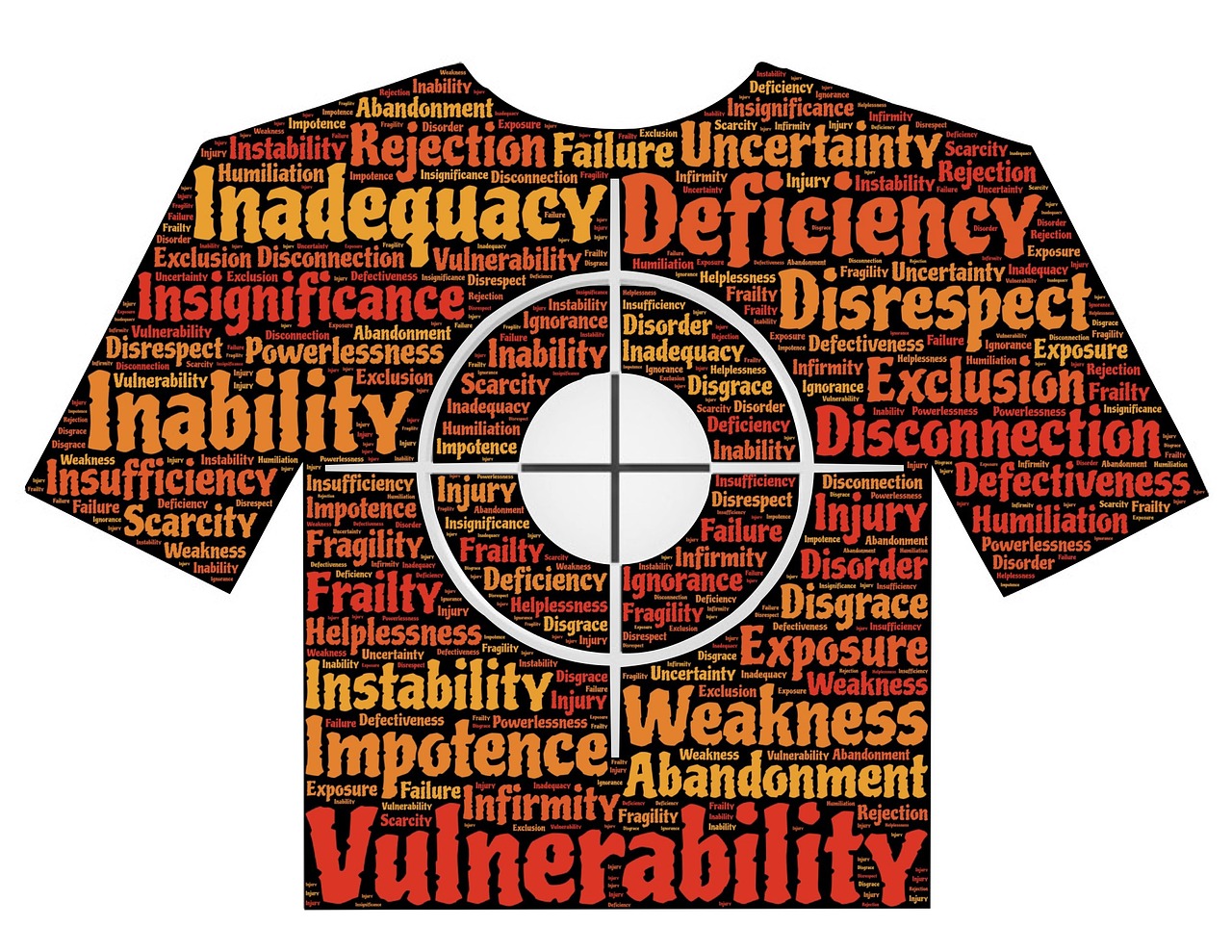
6 Ways to overcome low self-esteem

By David Joel Miller, MS, Licensed Therapist & Licensed Counselor.

Low Self-esteem

Low Self-esteem.
Photo courtesy of Pixabay.com

Want to feel better about yourself? Here are some ways.

The problem of low self-esteem is way more common than any problems resulting from feeling too good about yourself. My view is that this whole rating yourself thing is way overrated.

There are a great many ways to overcome your low self-esteem issues. Some of these methods are concrete and some are more global. There are things you can do and there are ways to change your thinking.

The simple ones are not always easy and the easy ways are not always simple.

The doing things are more specific but the being methods are more globally effective. Pick what works for you and see the results.

1. Work with a counselor or therapist.

Professionals are specifically trained in mental health issues and have all sorts of methods to help you. As you get more mentally healthy you should see a corresponding increase in your self-esteem.

Seeing a counselor does not mean you are “crazy.” The best athletes have coaches and there are some life problems that need a counselor. Most counselors are in the field because we like people. That liking is one of our “core conditions.” We call this “unconditional positive regard” which means I like my clients and have a belief that they can get better, do better, and have a happy life.

Would having someone who believes in you on your team help?

2. Learn a new skill.

Knowing that there is something that you are able to do is a huge boost in your self-confidence. Take a class on any subject you would enjoy and as you learn more about that topic you will find you are able to talk about that topic with others and you feel more confident.

This could be an academic class but I find many people prefer a non-graded class or activity. Learn a sport; take a cooking or yoga class or even something practical like a parenting education class.

The more skills you learn the better you will feel. And please do not fall into the trap of needing to be the best at everything so you can feel OK about yourself.

You do not need to become a master chef. You can aim for a “good enough” chef and just make something new that does not get people sick. You also do not need to be the parent of the year. There is such a thing as being a “good enough parent.” Be that good and your kids will think you are the best mom or dad ever.

3. Making more friends increases self-esteem.

Friends are often the result of shared activities. The “learn a new skill” above can help you meet new people and develop more friends. Consider also a church or other religious activities. It is nice to be around people who share your values. One caution. Do not turn your religious practice into another way to isolate and withdraw from anyone who is different from you.

Consider also making friends via volunteer work. Seek out chances to help in your community. You will make friends, help a cause, and feel better about yourself.

4. Become your own best friend.

So very many clients I see treat themselves in ways they would never let anyone else treat them. Stop beating yourself up. Learn to like yourself. In fact, learn to love yourself.

You make it difficult to like you any more than you like yourself. Think better of yourself and you will find that others around you treat you better. If they don’t catch on to this change in the rules, that from now on you are doing things to make yourself like you, then you need to get them out of your life or at least minimize their influence on your self-esteem.

5. Do an image breaking exercise.

This one came from Albert Ellis; it has been modified and used by lots of other people. He tells of having clients walk a banana through central park on a leash. Once you have done something that wild and crazy it is hard to take the day-to-day activities all that seriously.

Need to always be right and do the best at everything? Try taking a class you know you will fail. Once you failed one class and see that nothing life-threatening happened it becomes easier to take the risk of taking a class that you have a chance of passing and not feeling the pressure to be the best, perfect or you are no good. (That one is from Milton Ericsson by way of Haley.)

Remember every great person has failed at things. One writer (Joanna Penn) sums it up as “Fail early and often.” All writers have some pieces that get read and others that do not attract much attention. The more you try the more you will fail but the more you will also succeed.

Treasure those successes. It is way too easy to discount what you do right by thinking only of your faults. But remember to give yourself credit for the things you do well and keep on trying.

Someone said those who matter do not mind and those who mind do not matter. Do things to please yourself not others. Take credit for the good and if you get more things right than wrong you are at the head of the class.

One way to think of this is that most lawyers lose more cases than they win. There is at most one winner. More often both sides got less than they wanted and both think they lost.

For every person who is elected to office, scores, or more run for that office. Lots of people try and some few get there. Be one of the ones that keep trying and you will start to roll up the wins.

6. Stop rating yourself.

I left this one for last. Actually, this is the most powerful method. You are a worthwhile person just because you are you. Let all the rest go. Stop evaluating yourself and you will instantly feel just fine about what you do. This comes under the heading of radical acceptance in my book. (The one I live by not the ones I am writing.)

Hope those suggestions will help those of you who feel you have low self-esteem, anxiety, or depression to learn to improve the way you see yourself and to go on to have that happy life you deserve.

Staying connected with David Joel Miller

Seven David Joel Miller Books are available now!

My newest book is now available. It was my opportunity to try on a new genre. I’ve been working on this book for several years, but now seem like the right time to publish it.

Story Bureau.

Story Bureau is a thrilling Dystopian Post-Apocalyptic adventure in the Surviving the Apocalypse series.

Baldwin struggles to survive life in a post-apocalyptic world where the government controls everything.

As society collapses and his family gets plunged into poverty, Baldwin takes a job in the capital city, working for a government agency called the Story Bureau. He discovers the Story Bureau is not a benign news outlet but a sinister government plot to manipulate society.

Bumps on the Road of Life. Whether you struggle with anxiety, depression, low motivation, or addiction, you can recover. Bumps on the Road of Life is the story of how people get off track and how to get your life out of the ditch.

Dark Family Secrets: Doris wants to get her life back, but small-town prejudice could shatter her dreams.

Casino Robbery Arthur Mitchell escapes the trauma of watching his girlfriend die. But the killers know he’s a witness and want him dead.

Planned Accidents  The second Arthur Mitchell and Plutus mystery.

Letters from the Dead: The third in the Arthur Mitchell mystery series.

What would you do if you found a letter to a detective describing a crime and you knew the writer and detective were dead, and you could be next?

Sasquatch. Three things about us, you should know. One, we have seen the past. Two, we’re trapped there. Three, I don’t know if we’ll ever get back to our own time.

For these and my upcoming books; please visit my Author Page – David Joel Miller

Want the latest blog posts as they publish? Subscribe to this blog.

For videos, see: Counselorssoapbox YouTube Video Channel

What is low self-esteem? What causes low self-esteem?

By David Joel Miller, MS, Licensed Therapist & Licensed Counselor.

Low Self-esteem

Low Self-esteem.
Photo courtesy of Pixabay.com

Is self-esteem related to confidence?

Low self-esteem, despite all the talk we hear about it, is not a specific mental health diagnosis. Low self-esteem does co-exist with several mental health issues including depression and anxiety.

While it is hard to define precisely, it is easy to see in practice and if you have suffered from low self-esteem you know the devastating effects it can have on your life.

Definitions of self-esteem vary widely. The Dictionary definition includes such things as your confidence in your merit as an individual person.

Also contained in the concept of self-esteem are such things as self-confidence, self-respect, and problems solving abilities. In effect, self-esteem is all about your ability to cope with life.

There are many causes of low self-esteem but regardless of the cause low self-esteem can be overcome.

People with low self-esteem are frequently high in self-monitoring. They are constantly on the lookout for errors they might be making. The result of high self-monitoring is that we find what we are looking for if you expect to find yourself making mistakes and that is all you look for then you will come to believe that everything you do is wrong.

In extreme cases, people who over self-monitor, who never give themselves credit for things well done, become increasingly helpless and hopeless.

There is a major connection between low self-esteem and depression. Being depressed reduces your ability to do things you used to be able to do. One consequence of depression is reduced or low self-esteem. But the connection works in the opposite direction also. Having low self-esteem increases the probability that you will rate yourself harshly and one result of this over negative evaluation is to become depressed.

Depression is not the only mental health challenge that stems from harsh self-evaluation and low self-esteem. People who believe they are not able to do things and look for evidence become fearful that they will make mistakes. The beginning to expect others to have negative evaluations of them and they look for ways to avoid those negative evaluations.

Low self-esteem is a major cause of some anxiety disorders. But this excessive self-evaluation, this inability to give yourself credit for things you are able to do, can lead to other problems also.

One way a person with low self-esteem tries to protect themselves is to constantly check everything. They expect to do things wrong, they expect others to be negative about them as a result of their errors so they develop routines of constant checking of everything trying to prevent or correct the smallest of errors.

While not the only cause, low self-esteem, and overly harsh self-evaluation are causes of Obsessive-Compulsive Disorder symptoms. In extreme cases, this becomes Obsessive-Compulsive personality disorder.

A significant cause of low self-esteem is growing up in a non-affirming family. There was a time that parents were told that to praise the child would give them a “swelled head.” Many parents find it difficult to praise their children for things done right but are quick to fulfill their parental duties by pointing out the child’s flaws. The result is that the child only hears about the things they do wrong and begins to think that they are “wrong.” Believing that it is you that is at fault, not that you are unable to do something is a precipitator of much low self-esteem.

Even if your family did on occasion affirm you, failure to affirm yourself or having non-affirming friends can also create these symptoms. Being bullied, teased, or rejected, are reasons many children come to believe that there is something inherently wrong with them. The result is chronic low self-esteem.

One antidote for low self-esteem is high self-confidence. Being high in self-confidence is a cultural thing. Some cultures believe that to put yourself forward, to assert your ability to do things, is narcissistic and wrong. Our American culture often values those who are high in self-confidence, possibly even high in narcissistic tendencies. We accept sports heroes and politicians who brag about their abilities as long as they produce the results.

People with low self-esteem find it difficult to achieve in life. They expect to fail and so often do not try. The result is that if you do not attempt things you never achieve them. Low self-esteem is in this way self-perpetuating.

If you have low self-esteem you can learn to accept yourself and feel good about yourself. Raising your self-esteem does not put you at risk to be arrogant or have an excessive opinion of yourself. Increase your self-esteem or better yet stop judging yourself harshly and you may find that your anxiety and depression are reduced or eliminated. Get treatment for that depression or anxiety and you may find that you feel better about yourself and your life.

More to come in future posts on ways to reduce or eliminate the problem of low self-esteem.

Staying connected with David Joel Miller

Seven David Joel Miller Books are available now!

My newest book is now available. It was my opportunity to try on a new genre. I’ve been working on this book for several years, but now seem like the right time to publish it.

Story Bureau.

Story Bureau is a thrilling Dystopian Post-Apocalyptic adventure in the Surviving the Apocalypse series.

Baldwin struggles to survive life in a post-apocalyptic world where the government controls everything.

As society collapses and his family gets plunged into poverty, Baldwin takes a job in the capital city, working for a government agency called the Story Bureau. He discovers the Story Bureau is not a benign news outlet but a sinister government plot to manipulate society.

Bumps on the Road of Life. Whether you struggle with anxiety, depression, low motivation, or addiction, you can recover. Bumps on the Road of Life is the story of how people get off track and how to get your life out of the ditch.

Dark Family Secrets: Doris wants to get her life back, but small-town prejudice could shatter her dreams.

Casino Robbery Arthur Mitchell escapes the trauma of watching his girlfriend die. But the killers know he’s a witness and want him dead.

Planned Accidents  The second Arthur Mitchell and Plutus mystery.

Letters from the Dead: The third in the Arthur Mitchell mystery series.

What would you do if you found a letter to a detective describing a crime and you knew the writer and detective were dead, and you could be next?

Sasquatch. Three things about us, you should know. One, we have seen the past. Two, we’re trapped there. Three, I don’t know if we’ll ever get back to our own time.

For these and my upcoming books; please visit my Author Page – David Joel Miller

Want the latest blog posts as they publish? Subscribe to this blog.

For videos, see: Counselorssoapbox YouTube Video Channel

What should your tombstone say?

By David Joel Miller, MS, Licensed Therapist & Licensed Counselor.

What do you want your tombstone to say?
Photo courtesy of Pixabay.com

How do you want to be remembered?

This question of what we will be leaving behind does not occupy our thoughts very much, especially in our younger years. It is a topic older people think about more even when they may find it difficult to put into words.

When you are gone who will notice? What will they say about you? What do you wish they would say?

I am hoping that none of you are expecting or planning on quitting on life just yet. If you are please talk with someone, there is help available. Look for a suicide prevention line and call it or see a local professional.

One thing I have noticed from working in locked psychiatric facilities, frequently with suicidal people or people who have attempted suicide is that most often those who lived were glad for the second chance.

Those crisis moments when we almost die can put life in perspective. Those who have had near-death experiences describe them with a religious reverence as something which changed their way of seeing the world forever. Do you need to have that near-death experience to stop, pause, and think about what you want your existence on this planet to have meant?

What really matters to you? What do you want to leave behind?

Some of you, if they were to write your obituary – that piece would read something like

“They had a good time, but didn’t care who they hurt.”  Is that what you would want your obituary to say?

Or how about the person of whom it is said they “they sure were unhappy all the time, it was a downer just being around them.”

One way to gain perspective on your life is to try this simple exercise.

Write your obituary. What has your life been about, where have you traveled and what impact have you had on others. No one is ever too close to the end to rewrite their obituary. You can be that grumpy old person who hates everyone laying there in your bed in the hospital, the one that made life miserable for the staff at the nursing home or you can be the one who always had a smile and a thank you on their lips. You can choose to be miserable or a blessing.

Once you have finished that obituary, pause to reflect on it. What is the one most important thing you have said about you? Condense it down. What is the short sentence they will inscribe on your tombstone?

Now tuck that obit away and work on making the good things in it come true. Use whatever time you have left, a lot or a little, to create those things.

That positive saying for your tombstone, I suggest posting that somewhere where you can see it every day.

Live every day as if this is your last chance to make that saying you want on your tombstone to come true.

What do you want people to say about you when you are gone?

Staying connected with David Joel Miller

Seven David Joel Miller Books are available now!

My newest book is now available. It was my opportunity to try on a new genre. I’ve been working on this book for several years, but now seem like the right time to publish it.

Story Bureau.

Story Bureau is a thrilling Dystopian Post-Apocalyptic adventure in the Surviving the Apocalypse series.

Baldwin struggles to survive life in a post-apocalyptic world where the government controls everything.

As society collapses and his family gets plunged into poverty, Baldwin takes a job in the capital city, working for a government agency called the Story Bureau. He discovers the Story Bureau is not a benign news outlet but a sinister government plot to manipulate society.

Bumps on the Road of Life. Whether you struggle with anxiety, depression, low motivation, or addiction, you can recover. Bumps on the Road of Life is the story of how people get off track and how to get your life out of the ditch.

Dark Family Secrets: Doris wants to get her life back, but small-town prejudice could shatter her dreams.

Casino Robbery Arthur Mitchell escapes the trauma of watching his girlfriend die. But the killers know he’s a witness and want him dead.

Planned Accidents  The second Arthur Mitchell and Plutus mystery.

Letters from the Dead: The third in the Arthur Mitchell mystery series.

What would you do if you found a letter to a detective describing a crime and you knew the writer and detective were dead, and you could be next?

Sasquatch. Three things about us, you should know. One, we have seen the past. Two, we’re trapped there. Three, I don’t know if we’ll ever get back to our own time.

For these and my upcoming books; please visit my Author Page – David Joel Miller

Want the latest blog posts as they publish? Subscribe to this blog.

For videos, see: Counselorssoapbox YouTube Video Channel