
Memory March – How to improve your memory and motivation

By David Joel Miller, MS, Licensed Therapist & Licensed Counselor.

Puzzle

Memory pieces.
Photo courtesy of Pixabay.com

Your memory can be improved with a little effort, some motivation will help.

This month let’s take a look at memory, its role in our lives, and how you might improve it. Contrary to popular belief a good memory is not something you are either born with or you will never have.

There are ways to work on improving your memory regardless of how good a memory you started with. I want to keep this Memory March discussion on a practical basis. There has been a ton of research on memory over the years. This research has given us some insights into how the brain works but that information has not always translated into anything all that practical.

We can describe memory “systems” and parts of the brain involved, but the systems do not at this point correlate well with the brain parts and those parts of the brain serve many functions beyond memory.

From a practical point of view, there are ways to improve your memory, thinking, and mental acuity that has little to do with the way your brain is shaped and how much supposed intelligence you have or do not have. We have noted in past posts that some very smart people can do dumb things and some average people come up with some surprising ideas.

Having a good memory may begin with how much storage capacity your brain has but the efficiency of storage and how you use those abilities can make a tremendous difference.

A long time ago before we discovered ADHD and learning disabilities, there used to be some programs on memory improvement and mind development. New advances in medications and learning techniques have been helpful, but to date, we have found no magic pill that makes your memory better and the elusive part of learning remains learning how to learn.

Things you can do to improve your memory and mental efficiency.

A good memory is not something we are born with. In the early years, children’s memories are primarily stored as pictures. There are processes for consolidating those memories. As children move into the school years what they can remember is largely influenced by how many words they know. Memories begin to be stored in the brain as stories.

Much of our memory is about being a good storyteller. Very young children are often good “storytellers” meaning they can invent fantastic tales full of creativity. What they lack is the ability to consolidate those stories’ so they can be retold time after time. As we get older our storytelling abilities crystallize.

Fortunately for those of us with sometimes faulty memories, learning to remember stories is a skill that can be learned.

Don’t confuse a good memory with IQ or being smart. There are plenty of people who are smart in the IQ sense. They score very well on standardized tests. But can they remember anything? Not much! Those stories about the absent-minded professor have a lot of truth to them. Being smart does not mean you can remember anything outside your primary interest.

Having a good memory is more a skill, than something you are born with. Skills can be learned and they can be improved with practice.

Over the course of Memory March, I will try to offer some everyday suggestions on how to improve your memory, your mental efficiency, and your productivity. There will be some suggested exercises. You may do them or not. I have borrowed some of these ideas from old memory improvement and mental efficiency texts but where possible have updated them for our current terminology and understandings. Can’t say the ideas are all that original and I will try to give credit where credit is due.

My hope is that these memory posts will be helpful. We will also need to say a few things about motivation. Being motivated to remember things helps the memory. I have written in the past about internal and external motivation. Throughout the month I plan to talk some more about motivation.

Links to a few of the older posts on both memory and motivation will appear at the end of these posts.

Let’s end this post with a simple memory prompt.

Please remember to leave a comment about memory, motivation, and how this may lead you towards your happy life.

Staying connected with David Joel Miller

Seven David Joel Miller Books are available now!

My newest book is now available. It was my opportunity to try on a new genre. I’ve been working on this book for several years, but now seem like the right time to publish it.

Story Bureau.

Story Bureau is a thrilling Dystopian Post-Apocalyptic adventure in the Surviving the Apocalypse series.

Baldwin struggles to survive life in a post-apocalyptic world where the government controls everything.

As society collapses and his family gets plunged into poverty, Baldwin takes a job in the capital city, working for a government agency called the Story Bureau. He discovers the Story Bureau is not a benign news outlet but a sinister government plot to manipulate society.

Bumps on the Road of Life. Whether you struggle with anxiety, depression, low motivation, or addiction, you can recover. Bumps on the Road of Life is the story of how people get off track and how to get your life out of the ditch.

Dark Family Secrets: Doris wants to get her life back, but small-town prejudice could shatter her dreams.

Casino Robbery Arthur Mitchell escapes the trauma of watching his girlfriend die. But the killers know he’s a witness and want him dead.

Planned Accidents  The second Arthur Mitchell and Plutus mystery.

Letters from the Dead: The third in the Arthur Mitchell mystery series.

What would you do if you found a letter to a detective describing a crime and you knew the writer and detective were dead, and you could be next?

Sasquatch. Three things about us, you should know. One, we have seen the past. Two, we’re trapped there. Three, I don’t know if we’ll ever get back to our own time.

For these and my upcoming books; please visit my Author Page – David Joel Miller

Want the latest blog posts as they publish? Subscribe to this blog.

For videos, see: Counselorssoapbox YouTube Video Channel
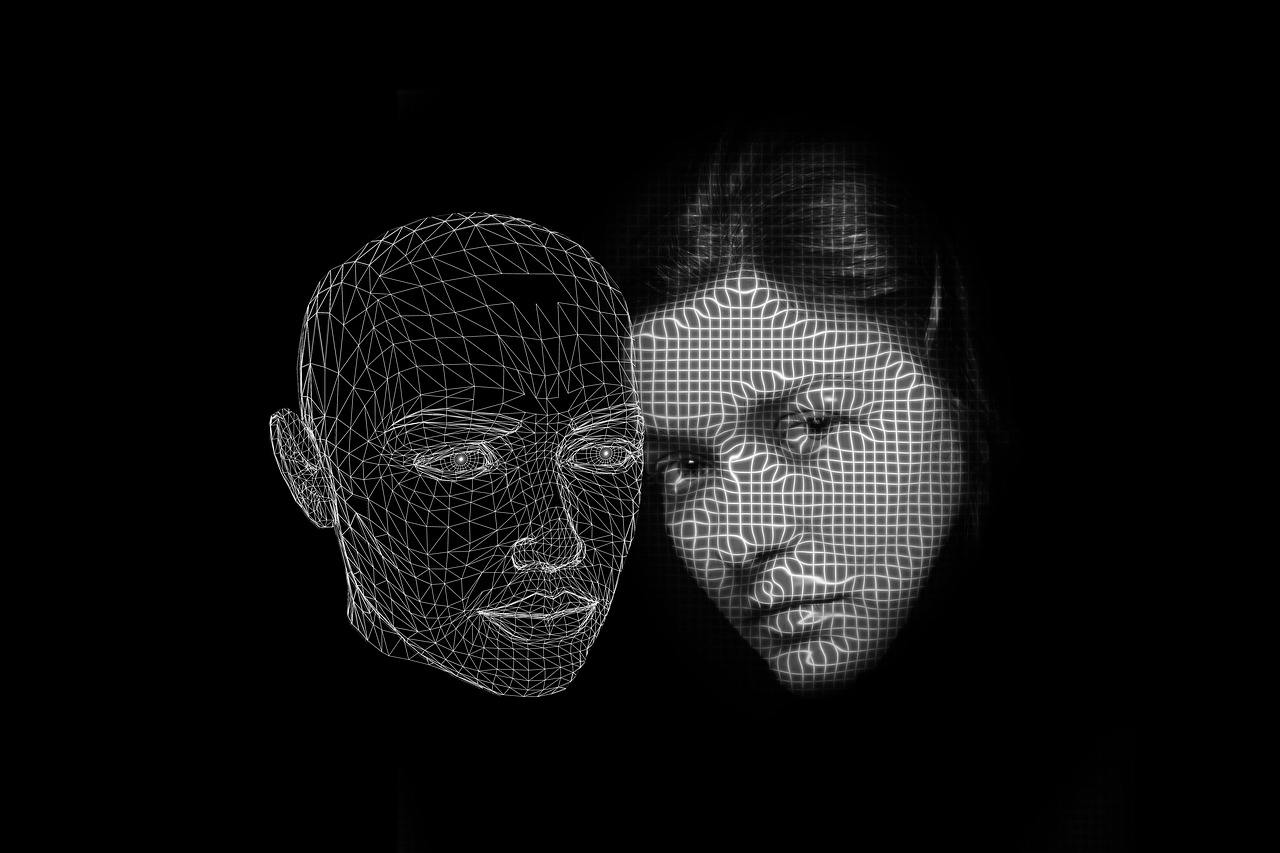
Is it the Bipolar or is it me? Confusion and self-doubt.

By David Joel Miller, MS, Licensed Therapist & Licensed Counselor.

Who am I?
Photo courtesy of pixabay.

The struggles to find you when you have Bipolar or another mental illness.

People who grow up with a mental illness have a difficult time finding out who they are separate from their disorder. The younger you are when the symptoms start the more difficult it is to find out who you are during those times the symptoms are at a severe point. People with other mental illnesses may experience this same confusion but it is easiest to illustrate by discussing the effects of Bipolar Disorder on self-doubt.

Youth with Bipolar disorder have a second set of tasks to navigate over and above those all teen’s experience. Finding you who you are is a necessary task of adolescence. Much of that sense of self is developed as a result of the experiences you have. For the person with Bipolar Disorder, the person who has those experiences changes depending on the severity of symptoms.

In the early stages of the disorder, the disease goes largely undiagnosed. The person who will someday get that bipolar diagnosis may spend 20 years or more struggling with out of control emotions before they discover that those unpredictable mood swings are a result of their disease, not some defect in who they are.

When you have symptoms, try to control them, but find you are out of control more than in, it is easy to begin to doubt yourself and to begin to hate yourself. Before receiving their diagnosis many youths with Bipolar Disorders have been led to believe they are “bad kids” and that they should be able to do things they find far outside their abilities.

The person with Bipolar Disorder will experience a large discrepancy between who they are supposed to be and who they are. Despite their best efforts, who they feel they are, will change depending on whether they are in a manic, hypomanic, depressive, or mixed phase.

The peak onset for Bipolar is between fifteen and nineteen years of age, precisely those late teen years when you need to establish who you are as a separate person from your caregivers and friends.

The earlier the onset of Bipolar Disorder the more difficult it becomes to define what is the disorder and what part of these feelings and behaviors are you.

Often the person with Bipolar will report that they don’t know how they feel. A given situation will make them feel happy one day and sad or angry the next. This creates extreme self-doubt.

Having a mind or body that betrays you can lead to self-hate. In the early stages of Bipolar Disorder, before the diagnosis, there is a high risk that you will come to hate yourself for having uncontrollable and unpredictable moods.

Clients sometimes report during a severe episode “This is not who I am.” They have the feeling that there are three or more of them, the depressed person, the manic person and sometimes there is that person that is them without the symptoms.

Someone with Bipolar Disorder may find that they shift between being an introvert and being an extrovert depending on the state of their illness. They can easily become confused as to which is the real them.

After a particularly manic episode or a really low depressive episode, the person with Bipolar Disorder may find themselves saying “That is not me, I don’t want to be like that.”

The result of all these conflicts in their self-image can leave a person in the early phase of Bipolar Disorder with negative self-beliefs. These beliefs are likely to persist into adulthood and then change slowly if at all. The person that they find themselves to be on medication or after therapy is a whole different person to the previous untreated person.

One risk for the undiagnosed person is the tendency to become a chameleon. Not knowing who they really are deep down they try to blend in and assume the roles of others around them. This results in an unstable self that is one way today and another tomorrow.

A common refrain is “I don’t like myself.” Or “I can’t do anything right.” Shaking these beliefs and sorting out who you are separate from your disorder is a difficult but necessary process.

Because of the mood swings between depression and mania the person with bipolar disorder faces unique challenges in finding who they really are separate from their diagnosis.

People with other mental and emotional problems will expertise these conflicts in varying ways. The key task is to learn that you are not your diagnosis and that your condition does not define who and what you will become.

Staying connected with David Joel Miller

Seven David Joel Miller Books are available now!

My newest book is now available. It was my opportunity to try on a new genre. I’ve been working on this book for several years, but now seem like the right time to publish it.

Story Bureau.

Story Bureau is a thrilling Dystopian Post-Apocalyptic adventure in the Surviving the Apocalypse series.

Baldwin struggles to survive life in a post-apocalyptic world where the government controls everything.

As society collapses and his family gets plunged into poverty, Baldwin takes a job in the capital city, working for a government agency called the Story Bureau. He discovers the Story Bureau is not a benign news outlet but a sinister government plot to manipulate society.

Bumps on the Road of Life. Whether you struggle with anxiety, depression, low motivation, or addiction, you can recover. Bumps on the Road of Life is the story of how people get off track and how to get your life out of the ditch.

Dark Family Secrets: Doris wants to get her life back, but small-town prejudice could shatter her dreams.

Casino Robbery Arthur Mitchell escapes the trauma of watching his girlfriend die. But the killers know he’s a witness and want him dead.

Planned Accidents  The second Arthur Mitchell and Plutus mystery.

Letters from the Dead: The third in the Arthur Mitchell mystery series.

What would you do if you found a letter to a detective describing a crime and you knew the writer and detective were dead, and you could be next?

Sasquatch. Three things about us, you should know. One, we have seen the past. Two, we’re trapped there. Three, I don’t know if we’ll ever get back to our own time.

For these and my upcoming books; please visit my Author Page – David Joel Miller

Want the latest blog posts as they publish? Subscribe to this blog.

For videos, see: Counselorssoapbox YouTube Video Channel

Undoing a bad habit – lessons from the big box stores

By David Joel Miller, MS, Licensed Therapist & Licensed Counselor.

Healthy habits background

Healthy habits.

Sometimes trying to break a habit only makes it worse.

If you have a habit that you wish you had never started, gambling, drinking, drug use, overeating, or whatever, and want to change it, take a strategy from the big boy’s playbook.

The major chain retailers all want you in their store. To get you in the door and then make a regular shopper out of you, they have to get you out of their competitor’s store. There are right ways to do this and wrong ways.

These strategies are not about will power or won’t power. They also have little to do with your motivation. In the future, we will talk more about how to motivate yourself and stay motivated. When we talk about that we will look at why it is so easy to motivate yourself to do fun things and so hard to motivate yourself to do disagreeable things. Here is how retailers motivate you.

The ways major retailers get you to switch is a blueprint for changing your behavior.  Here are some things the stores do and how you can use these techniques to end a habit.

1. Do not focus on the behavior you want to stop.

This is where most self-improvement programs go wrong. The more you try to not do something the stronger the urges to do exactly that thing. One retailer does not, if they are smart, run commercials telling you to “don’t shop at brand X.”

Commercials like that only remind you of brand x. Occasionally retailers forget and do this. The result is not more customers in their store, even if they get them out of the competitor’s store. (See the post on “Don’t think about elephants.”)

If you are trying to get rid of a habit like drinking, focusing on not drinking is likely to get you to find another habit to take the drinking’s place. That new habit, like gambling, may be just as undesirable as the old habit.

People in recovery find that just quitting the old habit leaves you miserable. There is a whole body of literature on “dry drunks” people who have quit the drinking but they are still miserable. So what do you do?

2. Create a competing behavior.

Stores try to give you a reason to try them, just once. They use coupons, specials this week only, offers, and the like to create a really strong reason for you to come to them this one time.

With undesirable habits, we need to create a new positive habit to replace the old one. This is one reason A.A. or church services are so helpful to recovering people. It creates a new habit to replace the old one.

3. Make sure the new habit is enjoyable.

If the store gets you in the door they should do all they can to make this new experience a positive one. Smart retailers bring in extra help for the sale even if they are selling things at cost.

They want you to get service and get it promptly if they are to have any chance of keeping you as a regular customer. Stores that forget this and make you wait in long lines or treat you rudely end up sending you back to the place you used to shop even if you didn’t really like it there.

If your change effort involves pain and doing without then you are likely to say why bother and head right back to what you used to do. Make this new change behavior enjoyable and the chances that this fun thing will replace the old undesired behavior.

4. Keep coming back.

Stores know that if you switch your shopping pattern and visit a new place three times in a row there is a strong chance you have a new regular place to shop. This is why they use coupons that have expiration dates, offers that allow you so much off or something for free each week or month.

Make a habit of the new behavior and it is likely to persist.

This is why recovery groups will suggest 30 meetings in 30 days or even 90 meetings in 90 days. Anything you do that many times in a row will become your new default behavior. Even if you start missing meetings down the road, the habit of going to meetings instead of drinking is now firmly entrenched.

So if you really want to stop a bad habit take these simple steps. Create a new habit to replace the old one. Make it fun to do. Minimize any negative parts of the new behavior and keep doing it over and over until it is your new default behavior.

Do these steps and you can be a habit shaper just like the big boys.

Related articles

Staying connected with David Joel Miller

Seven David Joel Miller Books are available now!

My newest book is now available. It was my opportunity to try on a new genre. I’ve been working on this book for several years, but now seem like the right time to publish it.

Story Bureau.

Story Bureau is a thrilling Dystopian Post-Apocalyptic adventure in the Surviving the Apocalypse series.

Baldwin struggles to survive life in a post-apocalyptic world where the government controls everything.

As society collapses and his family gets plunged into poverty, Baldwin takes a job in the capital city, working for a government agency called the Story Bureau. He discovers the Story Bureau is not a benign news outlet but a sinister government plot to manipulate society.

Bumps on the Road of Life. Whether you struggle with anxiety, depression, low motivation, or addiction, you can recover. Bumps on the Road of Life is the story of how people get off track and how to get your life out of the ditch.

Dark Family Secrets: Doris wants to get her life back, but small-town prejudice could shatter her dreams.

Casino Robbery Arthur Mitchell escapes the trauma of watching his girlfriend die. But the killers know he’s a witness and want him dead.

Planned Accidents  The second Arthur Mitchell and Plutus mystery.

Letters from the Dead: The third in the Arthur Mitchell mystery series.

What would you do if you found a letter to a detective describing a crime and you knew the writer and detective were dead, and you could be next?

Sasquatch. Three things about us, you should know. One, we have seen the past. Two, we’re trapped there. Three, I don’t know if we’ll ever get back to our own time.

For these and my upcoming books; please visit my Author Page – David Joel Miller

Want the latest blog posts as they publish? Subscribe to this blog.

For videos, see: Counselorssoapbox YouTube Video Channel

Friends can be like jumper cables or emotional vampires.

By David Joel Miller, MS, Licensed Therapist & Licensed Counselor.

Jumper cables

Energy.
Photo courtesy of Pixabay.com

Friends either get you started or drain you of all your energy.

Are your friends helpful or do they drain your batteries?

Do your friends help you get going or do they hold you back? This thought, that a good friend is sort of like a set of jumper cables, came to me the other day when I discovered that in my haste to get to work and get going I had left the lights in my car on. By the time I noticed, the battery had gone dead.

Most of us have had this experience. Some people carry jumper cables in order to be prepared. The cables, of course, are not the only thing you need. You need someone with a good battery to help give you a jump.

Not only do you need a willing person to help you jump-start your car but their battery and charging system needs to be strong enough to run their car and start yours.

Trying to find someone who not only had jumper cables but was willing to give me a jump got me thinking. At this point, it occurred to me how much like a jump-start our friends can be.

Some people do nothing but drain you. No matter what sort of help you go to them for, they need you to do something in return or do something before they can help you. The experience of going looking for help is so draining that you leave thinking that you are now in worse shape than when you started.

Some people described these emotionally draining people as Emotional Vampires; they suck all the joy and pleasure out of your life. Asking them for help is like requesting an emotional bloodletting.

Many recovering people discover that those around them, the ones they call their support system are not very helpful. Some so-called friends want you to fail. Others have so little energy left that they drain you rather than recharging you.

Friends should be someone we are close to and we can trust emotionally. Too many of the people, we call friends are in fact acquaintances. People we have to be around because we run into them often, but who are not especially dependable or close.

One of the dictionary definitions of a friend is an “ally or someone who is not an enemy.” From a lot of people’s descriptions of their friends, it is hard to tell the allies from the enemies. Does your friend encourage you to live well and happily? Or is that person in a friend disguise telling you to go ahead and stay in your addiction or disease? Do they build you up and encourage you to move forward or are they telling you that it is someone else’s fault and there is nothing you can do in life?

Does that person encourage you to be a victim or a survivor?

There are those people in our lives that brighten our day anytime we see them. We all need more of those kinds of friends. Happy positive friends are out there but they can be hard to find especially if you don’t look in the right places.

Clients tell me they can’t trust those around them. They have trust issues. Their friends are unreliable. How did you meet them, I ask?

The most common answers I get are in bars, dope houses, a friend of a person they met in jail, and so on. If you look in hospitals you will find sick people. If you want to improve your support system and have friends who energize you then look in places where people are trying to improve themselves.

The word friendship includes not only being on good terms but also giving mutual assistance, approval, and support. That is something we all can use, support in times of struggle. A full dose of approval will go a long way also.

In looking for this supportive friend be sure that the relationship is mutual. Good friends get tired of you if every time they see you, you have your hand out for something. This works in two directions. People who are only your friends for what they can get out of you are abusers, not friends.

Look for people who are full of enthusiasm and love life. People who want to spread recovery and not those who want to stay in their disease.

This does not mean you should avoid other recovering people. Far from it. If you have a mental illness, look for those who have overcome their emotional problems. They have something to share with you. Those who use their diagnosis as an excuse to stop trying will drain your battery. Those who have recovered or are well along in their recovery can help energize you.

What kind of friends do you have? Are they the kind that energizes you or the ones that drain your batteries?

Staying connected with David Joel Miller

Seven David Joel Miller Books are available now!

My newest book is now available. It was my opportunity to try on a new genre. I’ve been working on this book for several years, but now seem like the right time to publish it.

Story Bureau.

Story Bureau is a thrilling Dystopian Post-Apocalyptic adventure in the Surviving the Apocalypse series.

Baldwin struggles to survive life in a post-apocalyptic world where the government controls everything.

As society collapses and his family gets plunged into poverty, Baldwin takes a job in the capital city, working for a government agency called the Story Bureau. He discovers the Story Bureau is not a benign news outlet but a sinister government plot to manipulate society.

Bumps on the Road of Life. Whether you struggle with anxiety, depression, low motivation, or addiction, you can recover. Bumps on the Road of Life is the story of how people get off track and how to get your life out of the ditch.

Dark Family Secrets: Doris wants to get her life back, but small-town prejudice could shatter her dreams.

Casino Robbery Arthur Mitchell escapes the trauma of watching his girlfriend die. But the killers know he’s a witness and want him dead.

Planned Accidents  The second Arthur Mitchell and Plutus mystery.

Letters from the Dead: The third in the Arthur Mitchell mystery series.

What would you do if you found a letter to a detective describing a crime and you knew the writer and detective were dead, and you could be next?

Sasquatch. Three things about us, you should know. One, we have seen the past. Two, we’re trapped there. Three, I don’t know if we’ll ever get back to our own time.

For these and my upcoming books; please visit my Author Page – David Joel Miller

Want the latest blog posts as they publish? Subscribe to this blog.

For videos, see: Counselorssoapbox YouTube Video Channel

Perfectionism – good thing or bad thing

By David Joel Miller, MS, Licensed Therapist & Licensed Counselor.

Hitting a target

Goal.
Photo courtesy of Pixabay.com

Is your perfectionism out of control?

Perfectionism, that constant striving to do everything just right, has been connected with high accomplishment. Parents often believe the way to get the most out of their children is to push them for ever-increasing goals. Parents may feel their role is to point out their child’s failings to inspire them to do better.

People who aim for perfection set higher goals and may achieve grander things than those who have lower expectations. Does perfectionism really inspire more effort and accomplishment? Or does perfectionism have a dark side?

Perfectionism’s dark side.

Perfectionism has been linked to high worry, fear of failure, eating disorders, depression, obsessive-compulsive disorder, and an increased risk of suicide. Perfectionists can suffer unmercifully and they can make those around them miserable also.

Perfectionism, Learned, or Genetic?

In this conversation about perfectionism, I am talking about the learned variety. Anything which is learned can be unlearned. There are those whose perfectionist tendencies are a part of Obsessive-Compulsive Disorder or Obsessive-Compulsive Personality Disorder. These disorders appear to have a physical or genetic basis in addition to any learned component. If you have OCD or OCPD medication and therapy may be helpful in managing your disorder so can other recovery methods.

Perfectionism has mixed results.

Why does this striving for perfection sometimes result in champions and other times in learned hopelessness and failure? The key lies in how the perfectionist was raised and in how they are raising themselves. What were the messages the perfectionist received in childhood from whatever source and how have they gone on to adopt those “need to be perfect” themes?

One way in which setting high standards goes wrong and results in unhealthy perfectionism is when caregivers set high standards but are at the same time disapproving of the child. If the parent’s approval of the child is contingent on success, the only way a child can get that parent’s love is to always be perfect and win at everything.

After receiving this message for a while the perfectionist internalizes the message “I am what I accomplish, if I don’t do everything perfectly I am no good.” Not only do they believe this message but they repeatedly retell themselves this story.

No matter how hard this child tries it is never enough, a little league championship should have been a World Series win and a gold medal should have been the most Gold Medals ever. The target keeps changing and the child internalizes this belief that they will never be good enough and that their self-worth is dependent on never making a mistake.

Homes that produce unhealthy perfectionists are high in control, the parent is in charge of most everything, but they are low in warmth and affection. To win is to be loved. To lose is to face rejection. Perfectionists go on to love or reject themselves based on their successes and failures.

Parental acceptance in children and presumably self-acceptance in adulthood appear to be the best antidotes to perfectionism, self-doubt, and excessive worry about mistakes.

If you didn’t get acceptance in childhood or didn’t get as much as you feel you need, begin today to accept yourself. Whatever you do is good enough. This is tough medicine for the perfectionist to swallow. Something about that constant struggle to be perfect reduces anxiety and seems protective at the time until the perfectionist fails at something.

If how you feel about yourself or how others feel about you is dependent not on effort but upon results you are in for a rough ride. Smooth out the road ahead by cutting yourself some slack.

Self-esteem for perfectionists fluctuates widely. When they achieve their goals they feel good about themselves and when they fall short they are overly negative and pessimistic. You should not base your self-esteem on what you win or lose. You are not a better person for being a perfectionist and may, in fact, be a pain to be around.

Parents who over control children and do not allow their child to develop a sense of self-control do not prevent the child from making mistakes. These parents prevent their children from learning how to make choices.

If that happened to you, stop making the same mistake with yourself and start accepting that most things in life do not need to be perfect. The time used to make one thing perfect is time taken away from other things you should do, like being present with your children and not passing the perfectionist disorder on to them.

If you are plagued by perfectionism and it has made you or those around you miserable are you ready to seek help for your perfectionism?

Staying connected with David Joel Miller

Seven David Joel Miller Books are available now!

My newest book is now available. It was my opportunity to try on a new genre. I’ve been working on this book for several years, but now seem like the right time to publish it.

Story Bureau.

Story Bureau is a thrilling Dystopian Post-Apocalyptic adventure in the Surviving the Apocalypse series.

Baldwin struggles to survive life in a post-apocalyptic world where the government controls everything.

As society collapses and his family gets plunged into poverty, Baldwin takes a job in the capital city, working for a government agency called the Story Bureau. He discovers the Story Bureau is not a benign news outlet but a sinister government plot to manipulate society.

Bumps on the Road of Life. Whether you struggle with anxiety, depression, low motivation, or addiction, you can recover. Bumps on the Road of Life is the story of how people get off track and how to get your life out of the ditch.

Dark Family Secrets: Doris wants to get her life back, but small-town prejudice could shatter her dreams.

Casino Robbery Arthur Mitchell escapes the trauma of watching his girlfriend die. But the killers know he’s a witness and want him dead.

Planned Accidents  The second Arthur Mitchell and Plutus mystery.

Letters from the Dead: The third in the Arthur Mitchell mystery series.

What would you do if you found a letter to a detective describing a crime and you knew the writer and detective were dead, and you could be next?

Sasquatch. Three things about us, you should know. One, we have seen the past. Two, we’re trapped there. Three, I don’t know if we’ll ever get back to our own time.

For these and my upcoming books; please visit my Author Page – David Joel Miller

Want the latest blog posts as they publish? Subscribe to this blog.

For videos, see: Counselorssoapbox YouTube Video Channel

When Mindfulness makes you feel worse – about pain.

By David Joel Miller, MS, Licensed Therapist & Licensed Counselor.

Back pain

Coping with pain.
Photo courtesy of Pixabay.com

What are you doing to avoid feeling pain?

The question came up in a discussion of mindfulness about people who feel unable to be mindful, to meditate, because every time they do they become overwhelmed by extreme pain.

What do you do if you would like to use some of these introspective self-examinations approaches but when you stop what you are doing, even for a moment, you begin to suffer from painful memories of the past?

Here is the dilemma.  I am not one to think that to have a happy life we need to excavate every trauma and pain you have experienced. I do in fact see times when cross-examining clients about past trauma can be harmful. The last thing I want to do in therapy is to re-traumatize someone who is suffering. But there is value to cleaning out the wreckage of the past.

One recovery saying that often rings true is “we are only as sick as our secrets.” Lots of dysfunctional behavior, substance abuse, excessive spending, sexual addictions, and other compulsions are ways of trying to avoid having to feel those feelings which are so unpleasant.

Depression, PTSD, anxiety, and a whole host of mental and emotional problems are also maintained by wounds from the past that have not healed.

We know that if you are feeling physical pain, just ignoring that pain is not a good idea. Athletes can sustain long-term injuries if they do not listen to their bodies and stop playing when they are in pain.

My take on this is that if when you try to meditate or be mindful and all that comes up is an overwhelming pain, you need to seek professional help to process and work through that pain. Otherwise, you are at high risk to keep running from the pain until one day your escape mechanism stops working.

Plenty of alcoholics and addicts will tell you that one day their drug of choice stopped working. Any effort to deny the pain can only work for so long and then eventually you will have to face the problem you have been running from.

Drugs and alcohol are common ways of trying to escape feelings but there are others. Using drugs in this way is a very dangerous habit. The relief from the pain is short-lived. When the drugs wear off the pain returns, only now it feels even more overwhelming. So you use again. The intervals between uses get shorter and the amount you need to use gets larger and there you are one day at your upper limit and still feeling the emotional pain.

Most of us are not good at reading our body sensations. We humans often confuse thirst and hunger, resulting in consuming excess calories and weight gain. We also confuse physical and emotional pain. Physical pain may be managed by medication but emotional pain, most of the time you need to feel it, in a safe environment, in order to heal it.

America is currently facing an epidemic of prescription drug abuse.

One reason for this abuse is that people are using prescription pain medications, designed to treat physical pain, for treating emotional pain. The short-term relief results in long-term addiction. If you describe your pain to the doctor as all over in your body he may prescribe medication. If you tell the truth that you have felt this way since you lost your job or partner, the prescription will be some counseling.

The technical term for this is prescription drug abuse. It is easy to get addicted. Pills are quick and easy. They work for a while, then the pills create other problems like addiction. Counseling takes time but it helps you recover.

Mindfulness is meant to help with this, but it can be hard to just sit and stay with a pain for a while and really find out what this pain is all about. Sometimes we need to work on this emotional pain a little at a time.

I have heard this approach to reducing emotional pain described as “peeling the feelings onion.” You peel off a little, tell your helper about what you are feeling, and why then you cry. When the crying is done go back to the peeling. Repeat until all the pain is peeled away.

If you find that when you are alone or you try to clear your mind the only things that race in are those old memories of pain and hurt then you need to start healing those old wounds.

We humans have a bad habit of continuing to hold onto negative emotions long after those emotions have had any benefit. Not being able to release stress or regret can keep the torture of the past alive long after the incident should have been forgotten.

Staying connected with David Joel Miller

Seven David Joel Miller Books are available now!

My newest book is now available. It was my opportunity to try on a new genre. I’ve been working on this book for several years, but now seem like the right time to publish it.

Story Bureau.

Story Bureau is a thrilling Dystopian Post-Apocalyptic adventure in the Surviving the Apocalypse series.

Baldwin struggles to survive life in a post-apocalyptic world where the government controls everything.

As society collapses and his family gets plunged into poverty, Baldwin takes a job in the capital city, working for a government agency called the Story Bureau. He discovers the Story Bureau is not a benign news outlet but a sinister government plot to manipulate society.

Bumps on the Road of Life. Whether you struggle with anxiety, depression, low motivation, or addiction, you can recover. Bumps on the Road of Life is the story of how people get off track and how to get your life out of the ditch.

Dark Family Secrets: Doris wants to get her life back, but small-town prejudice could shatter her dreams.

Casino Robbery Arthur Mitchell escapes the trauma of watching his girlfriend die. But the killers know he’s a witness and want him dead.

Planned Accidents  The second Arthur Mitchell and Plutus mystery.

Letters from the Dead: The third in the Arthur Mitchell mystery series.

What would you do if you found a letter to a detective describing a crime and you knew the writer and detective were dead, and you could be next?

Sasquatch. Three things about us, you should know. One, we have seen the past. Two, we’re trapped there. Three, I don’t know if we’ll ever get back to our own time.

For these and my upcoming books; please visit my Author Page – David Joel Miller

Want the latest blog posts as they publish? Subscribe to this blog.

For videos, see: Counselorssoapbox YouTube Video Channel

Self-Doubt – silencing the inner critic.

By David Joel Miller, MS, Licensed Therapist & Licensed Counselor.

Low Self-esteem

Low Self-esteem.
Photo courtesy of Pixabay.com

How are you creating your self-doubt?

Self-doubt is that inner voice telling you that you can’t do this and won’t succeed at that. Many of us first entertained these visits from our inner critic in childhood when we began to experience doubts. Over time the inner critic’s voice has become so loud that any positive self-talk is quickly drowned out by the inner critic’s constant denigration.

Parents may have planted the seeds for your inner self-critic but we are all likely to have nurtured his growth. Parents used to think that the way to get more out of their children was to point out the child’s faults, expecting the child to improve the areas where they were weak. An over-reliance on criticism and fault-finding leads to the child’s belief that they are inherently defective and can’t do anything correctly.

We find that discipline-based only on fault-finding and punishment over time harms not helps. Any criticism needs to be balanced with an equal or larger amount of praise.
The more the child is criticized the faster that inner self-critic, the part of us that says we can’t do this and we will never be good enough, grows.

Over the years that self-criticism which starting from things others told us about ourselves, grows to become our belief about ourselves and the dominant story of our lives. The more you tell yourself and others this story the more fixed it becomes in your brain. Telling yourself you can’t and shouldn’t make it impossible for you to do those very things that might prove you can succeed.

Plenty of parents have tried to live through their children. The stage mothers and the frustrated athletes begin early to try to make their children into the successes the adult did not have. If parents or others in your life nurtured one part of you but dismissed another, that inner part of you that should have been was silenced by those inner and outer critics.

Having a parent who encourages and supports you has helped many a champion become what they could be. They tell the story of how that parent was there encouraging them on, through the difficult times. A good supporter tells you that if you keep trying you can do it. If you fall down a good coach tells you to get up and try again. They say “You can do this, I know you can.”

A bad coach tells you that you are clumsy and they don’t know why you are there. Eventually, you wonder that same thing and stop trying. Funny how much parents are like coaches even when they don’t recognize they are filling that role.

But having a parent that only accepts and loves you when you win, who takes your successes as validation of themselves and your losses as undermining their self-esteem, results in children who grow up to only like themselves if they win every contest they enter.

A story does not have to be true for you to believe it. Tell yourself often enough that you are a failure and you will live down to that judgment.

That does not mean that if you lie to yourself and tell yourself that you will be able to accomplish the impossible then it becomes achievable. Part of self-love is to be realistic about your abilities and opportunities.

If your inner critic has been telling you that you can’t or shouldn’t do something consider the evidence. Argue with that critic. Who says you can’t. Even if you won’t do it perfectly, why shouldn’t you reach for your dreams and see how far you could go if that inner voice were to tell you “YOU CAN DO IT!”

Remember that inner critic, like the inner cheerleader, they are both you. You provide the script that inner voice will read. Start today telling yourself you can and see what wonderful outcomes are possible.

Staying connected with David Joel Miller

Seven David Joel Miller Books are available now!

My newest book is now available. It was my opportunity to try on a new genre. I’ve been working on this book for several years, but now seem like the right time to publish it.

Story Bureau.

Story Bureau is a thrilling Dystopian Post-Apocalyptic adventure in the Surviving the Apocalypse series.

Baldwin struggles to survive life in a post-apocalyptic world where the government controls everything.

As society collapses and his family gets plunged into poverty, Baldwin takes a job in the capital city, working for a government agency called the Story Bureau. He discovers the Story Bureau is not a benign news outlet but a sinister government plot to manipulate society.

Bumps on the Road of Life. Whether you struggle with anxiety, depression, low motivation, or addiction, you can recover. Bumps on the Road of Life is the story of how people get off track and how to get your life out of the ditch.

Dark Family Secrets: Doris wants to get her life back, but small-town prejudice could shatter her dreams.

Casino Robbery Arthur Mitchell escapes the trauma of watching his girlfriend die. But the killers know he’s a witness and want him dead.

Planned Accidents  The second Arthur Mitchell and Plutus mystery.

Letters from the Dead: The third in the Arthur Mitchell mystery series.

What would you do if you found a letter to a detective describing a crime and you knew the writer and detective were dead, and you could be next?

Sasquatch. Three things about us, you should know. One, we have seen the past. Two, we’re trapped there. Three, I don’t know if we’ll ever get back to our own time.

For these and my upcoming books; please visit my Author Page – David Joel Miller

Want the latest blog posts as they publish? Subscribe to this blog.

For videos, see: Counselorssoapbox YouTube Video Channel
Fear, anxiety or phobia?

By David Joel Miller, MS, Licensed Therapist & Licensed Counselor.

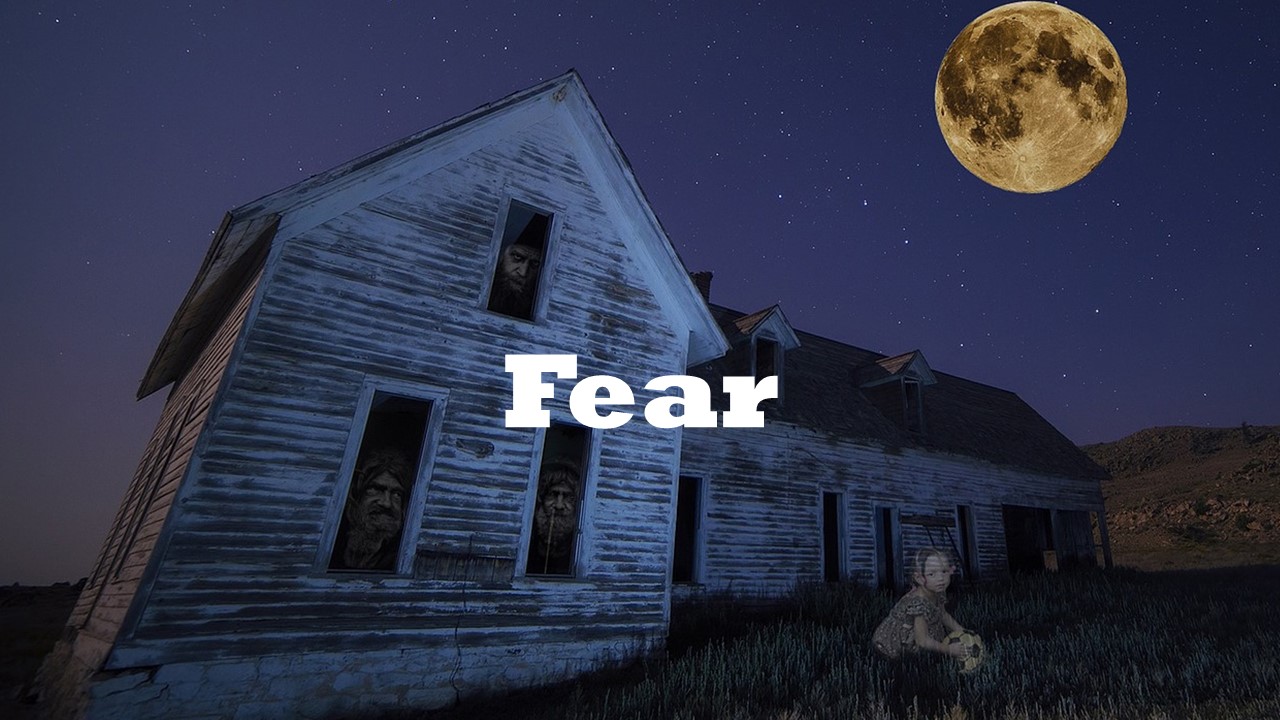
Fear.

Fear.
Photo courtesy of Pixabay.com

Is it fear, anxiety or have you developed a phobia?

The textbooks tell us there is a difference between Fear and Anxiety. The researchers use some specific criteria to differentiate the two. In our own lives, even without looking it up in the dictionary, we know if we are anxious or in fear. Like so many other words, fear and anxiety may have different meanings to different people.

Fear is about a sense of specific danger. We are afraid of a person with a gun or an animal chasing us. We might also be afraid of a relationship like marriage or an act like public speaking.

Anxiety, on the other hand, is a heightened sense of awareness, a being on alert looking out for danger. New situations, places known to contain dangerous items or risky relationships, can provoke anxiety because of the uncertainty.

Some authors suggest that fear is or should be about a real danger; though in practice many of the fears people are most worried about hold a small risk of harm.

One other distinction between fear and anxiety is that fear is largely about the future while anxiety is about the present. Anxiety is about not knowing.

Specific Phobia is a mental health diagnosis involving excessive anxiety when exposed to a feared object or situation. This used to be called Simple Phobia. This excess anxiety begins interfering in the person’s life to the extent of disrupting relationships, keeping them from school or work or making them personally unhappy.

Both anxiety and fear are survival mechanisms.  Fear tells us to avoid things that are known to be harmful. Anxiety is about being extra careful when in new, novel situations or at times of increased danger. Anxiety is often free-floating and attaches to any and all events that are not expected.

Fear becomes a problem when it is attached to things with a low likelihood of happening and this fear keeps you from doing things you need to do. When that fear becomes debilitating and prevents having a job, family, or friends, then it has gone out of control.

Fear is commonly learned as a result of three factors, personal experience, watching others, and verbal accounts.

A child who climbs on the roof of the house and falls, breaking a limb, may forever after be afraid of heights. People who grew up in homes where violence was a standard part of life may be afraid of relationships or commitment to a long-term relationship.

You do not have to experience the event personally. If you witness someone being injured or killed you will have an increased fear of whatever caused that injury or death. Social learning theory tells us that humans have a phenomenal ability to learn from the experiences of others.

Those experiences of others do not even need to be real to create fear in us. Children told often enough about the boogeyman become frightened of the dark. People of all ages can develop intense fears from watching events unfold on television. As parents discover, the young child may be unable to tell the difference between reality and fantasy and may become fearful of things they saw in fictional movies.

There is a long list of common fears below. This list is far from complete and is not in any particular order. The fear involved often greatly exceeds the risk of something happening but as anyone who has a specific fear (phobia) will tell you real or not that fear can cause great suffering.

Fear of Public Speaking or performing in public.

Public speaking is reported to be the most common fear exceeding even the fear of death. The principle concern here is that the larger the group the more likely you are to say something that alienates someone or causes them to judge you negativity.

This is especially crippling for people whose occupation requires them to appear in front of the public.

Fear of Snakes or Spiders.

The majority of snakes and spiders are not poisonous to humans. Still, this is no comfort if you are bitten and die. Being afraid of particular creatures helped people who lived in rural areas survive.

If your fear reaches a point that you can’t leave the house, it has gotten way out of hand.

Fear of Flying.

Despite plenty of statistics to show that flying in a plane is safer than driving a car on the freeway people are still afraid of flying. There are two reasons I believe for this heightened fear of flying.

In driving, we are largely able to maintain the illusion that we are in control. In flying there is no question that our lives are in the hands of a person we have probably never met.

Plane crashes are spectacular and widely publicized. We see extensive media coverage of these events. This heightened awareness results in an increased perception that flying is dangerous.

Fear of Failure.

Fear of failure is especially troubling for those who were raised in a home where success was everything and failure was interpreted as you were defective. If you have to always be perfect to be worthwhile any failure is catastrophic.

Other common fears include intimacy, marriage, heights, water, clowns, death, terrorist attacks, and violence.

Some of these have clear reasons for causing fear and others are likely learned from experiences and tales we were told.

If fear is impacting your life and the fear you feel is beyond the real risk of danger there is help available. Several therapies, as well as medication, have been shown to be effective in reducing the impact fear has on your life. Systematic desensitization is known to be effective in conquering many of these fears.

Have you been troubled by Fear, Anxiety, or a Specific Phobia and are you willing to do something about those fears?

Staying connected with David Joel Miller

Seven David Joel Miller Books are available now!

My newest book is now available. It was my opportunity to try on a new genre. I’ve been working on this book for several years, but now seem like the right time to publish it.

Story Bureau.

Story Bureau is a thrilling Dystopian Post-Apocalyptic adventure in the Surviving the Apocalypse series.

Baldwin struggles to survive life in a post-apocalyptic world where the government controls everything.

As society collapses and his family gets plunged into poverty, Baldwin takes a job in the capital city, working for a government agency called the Story Bureau. He discovers the Story Bureau is not a benign news outlet but a sinister government plot to manipulate society.

Bumps on the Road of Life. Whether you struggle with anxiety, depression, low motivation, or addiction, you can recover. Bumps on the Road of Life is the story of how people get off track and how to get your life out of the ditch.

Dark Family Secrets: Doris wants to get her life back, but small-town prejudice could shatter her dreams.

Casino Robbery Arthur Mitchell escapes the trauma of watching his girlfriend die. But the killers know he’s a witness and want him dead.

Planned Accidents  The second Arthur Mitchell and Plutus mystery.

Letters from the Dead: The third in the Arthur Mitchell mystery series.

What would you do if you found a letter to a detective describing a crime and you knew the writer and detective were dead, and you could be next?

Sasquatch. Three things about us, you should know. One, we have seen the past. Two, we’re trapped there. Three, I don’t know if we’ll ever get back to our own time.

For these and my upcoming books; please visit my Author Page – David Joel Miller

Want the latest blog posts as they publish? Subscribe to this blog.

For videos, see: Counselorssoapbox YouTube Video Channel

How far is it to Contentment?

By David Joel Miller, MS, Licensed Therapist & Licensed Counselor.

Contentment

Contentment
Photo courtesy of Pixabay.com

We know about wants and needs, pain, and suffering but what about contentment?

Contentment has been defined variously as “calm satisfaction” or the feeling you get when you reach your destination. Some say it includes ease of mind making it a very rare commodity indeed.

One traditional belief was that you worked hard here on earth, lived correctly, and then when you died you go to heaven, or something like that, where you are allowed to finally be happy and contented. With the decline in religious beliefs, it is becoming difficult for people to fathom the idea of waiting until you die to finally be happy or contented.

There are some who would argue that contentment is not a good thing. Contented people are happy where they are. Contented people enjoy the journey and are in no rush to reach their destination. Most of us live life as if we can’t wait for it to be over.

There are those who argue that human progress is dependent on pain. That without an unhappiness people would become lazy and unmotivated. There is no denying that pain can motivate. Some find it hard to give up their belief that we need to be in pain and suffering. They tell us that it is part of the human condition. In truth, the pain may happen to all of us but the suffering is optional.

Two people can live is similar life circumstances, experience similar pain or trauma and one is able to maintain their attitude while the other suffers. The difference is not in what they experience but in their attitude towards the events of their life.

One source of unhappiness is the constantly moving expectations we set for our lives and ourselves. When your goal is “more” no amount of having can get you there.

Many a person who has struggled to reach a goal finds a deep depression after their accomplishment. They lack the ability to appreciate what they have accomplished, always wanting more.

Contentment is the emotional equivalent of eating. Some people are driven to eat long after the hunger has been satiated. You can feel intense pain if having arrived at a goal you are unable to enjoy that success and need to constantly be chasing the next one.

Those who do things because they love what they do, in addition to finding they may be paid to do what they would want to do anyway, also find that they are happy and content because they are enjoying the journey not fretting about the goal.

One great source of contentment is having friends and a positive support system. People who have supportive others in their life are more likely to be content. Extroverts find it easy to be with and around others and are often happy as a result. But introverts who make conscious efforts to develop and maintain a positive relationship with others are also more likely to be content.

Reaching a goal that you have set for yourself is extremely important in achieving happiness and contentment. People who have struggled to reach a goal in order to please a parent or other person in their life are frequently disappointed when reaching that goal is hollow and emotionally unrewarding. Make sure the goal you are working on is one that matters to you.

While poverty may make us unhappy, no amount of money seems to make people content. As our income or wealth expands beyond our basic needs so do our expectations. The wealthy pay larger bills than the poor but are often no more content. As you climb the pyramid the danger of being pushed off rises. The truly content person is able to pause and enjoy the things they have accomplished, the friends they have, and give themselves credit for what they have accomplished along the way.

Contentment we find is not so much a feeling as it is a skill that you can practice any time or place you find yourself.

Staying connected with David Joel Miller

Seven David Joel Miller Books are available now!

My newest book is now available. It was my opportunity to try on a new genre. I’ve been working on this book for several years, but now seem like the right time to publish it.

Story Bureau.

Story Bureau is a thrilling Dystopian Post-Apocalyptic adventure in the Surviving the Apocalypse series.

Baldwin struggles to survive life in a post-apocalyptic world where the government controls everything.

As society collapses and his family gets plunged into poverty, Baldwin takes a job in the capital city, working for a government agency called the Story Bureau. He discovers the Story Bureau is not a benign news outlet but a sinister government plot to manipulate society.

Bumps on the Road of Life. Whether you struggle with anxiety, depression, low motivation, or addiction, you can recover. Bumps on the Road of Life is the story of how people get off track and how to get your life out of the ditch.

Dark Family Secrets: Doris wants to get her life back, but small-town prejudice could shatter her dreams.

Casino Robbery Arthur Mitchell escapes the trauma of watching his girlfriend die. But the killers know he’s a witness and want him dead.

Planned Accidents  The second Arthur Mitchell and Plutus mystery.

Letters from the Dead: The third in the Arthur Mitchell mystery series.

What would you do if you found a letter to a detective describing a crime and you knew the writer and detective were dead, and you could be next?

Sasquatch. Three things about us, you should know. One, we have seen the past. Two, we’re trapped there. Three, I don’t know if we’ll ever get back to our own time.

For these and my upcoming books; please visit my Author Page – David Joel Miller

Want the latest blog posts as they publish? Subscribe to this blog.

For videos, see: Counselorssoapbox YouTube Video Channel
Nervous constitution or Anxiety disorder?

By David Joel Miller, MS, Licensed Therapist & Licensed Counselor.

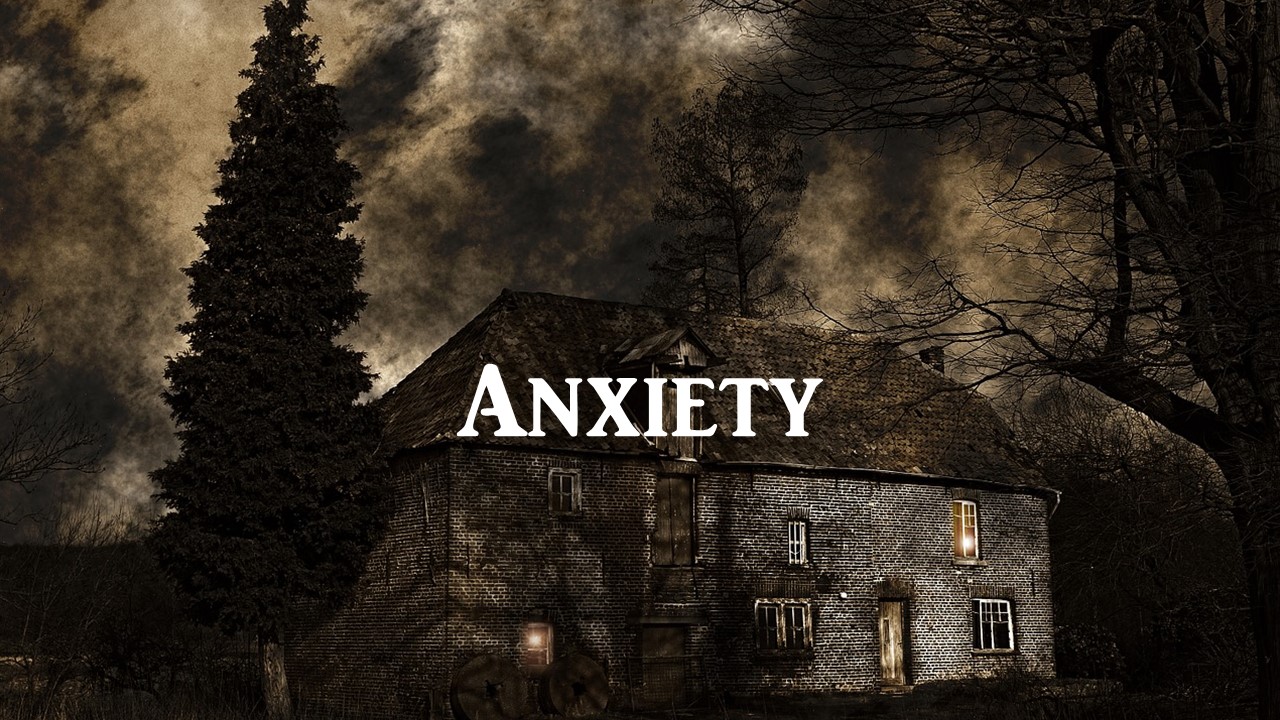
Anxiety provoking.

Anxiety.
Photo courtesy of Pixabay.com

How much nervousness does it take to get diagnosed with an anxiety disorder?

Some people are just nervous by nature. Anxiety disorders are the most commonly diagnosed mental or emotional illness in America and probably the rest of the world also. How much anxiety does it take to get you the label of having an anxiety disorder?

Clearly, there are some extremely debilitating disorders whose main characteristic is anxiety. In Post-traumatic Stress Disorder (PTSD) some telltale symptoms are recurrent intrusive thoughts and efforts to avoid stimuli that remind you of the original trauma. Panic disorder results in anxiety produced physical symptoms that can be difficult for a trained physician to tell apart without lab work.

Short of those extreme cases, there are a lot of people who have varying degrees of symptoms, less severe symptoms than what is seen in Panic attacks and PTSD but still very impairing to their quality of life.

This makes me think of the days when most anyone who went to see a psychoanalyst got the label of Neurotic. If everyone is neurotic then does the label tell us anything about your problem and what you need to do to get better? I would not be willing to agree that everyone is sick and no one ever gets any better.

While neurotic does not get diagnosed much anymore we seem to be slipping into an area where everyone gets a psychiatric diagnosis.

One thing we were taught in graduate school was to be careful to not pathologize all our clients. That beginning student mistake of having learned about a new disease you begin to think that every client you see has something wrong with them. Keep this up long enough and the therapist starts thinking they have the illness also.

Now look, I am not even sure that anxiety is a bad thing. Sometimes it is when it gets out of control, but it can also be a good thing. Anxiety is supposed to warn you when you are in danger.  If you live in a bad part of town, with lots of drive-by shootings, and you hear gunfire, I think it is a good idea to get anxious and duck behind something for protection.

So a little bit of anxiety is good. Too much is bad. How can you tell if you have too much or too little?

Too little anxiety probably is not a big problem in our society. If you fail to appreciate the danger and don’t duck, you get shot. Maybe you die. If you continually get into dangerous situations and get hurt, consider that you may have the volume turned down too low on your anxiety detector. That or you may be subconsciously trying to get hurt. So if you take excessive risks talk with someone about that. Preferably talk with a professional or become a daredevil and get an agent.

What about those who are anxious all the time?

Here are some things you need to consider. Do others around you feel the same anxiety? Just because going to the mall terrifies you, does not in all likelihood mean that your particular mall is life-threatening. If you have high levels of anxiety in situations where your friends, family, or people you trust have no problem, then you may have excess anxiety.

If that excess anxiety begins to keep you home from work, we call that interfering with occupational functioning, then it is a problem. If it interferes with your social function, keeps you from being with or doing things with family and friends then it is excessive.

So anytime a mental health symptom interferes with family, friends, or your job, and school counts as a job, you need help. If this anxiety is bothering you, we call that subjective distress, you should also get help.

Consider also what age you were when you began to experience anxiety. Children can have more anxiety than adults. They don’t know what should scare them and what should not.

Our fairy tales and media entertainment can scare them, also. They are likely to be scared of strangers and going to school these days despite the fact that they are far more likely to be molested by a family member than a stranger. They are also more likely, here in the United States to be shot at home by their parent than to be injured by someone with a gun while at school.

Keeping guns out of schools and avoiding strangers are two more fairy tales we tell our children to make ourselves feel safer. Providing more mental health treatment for people with anger issues and other mental illnesses is too logical a solution to ever become popular with most politicians.

Sermon over – back to post on anxiety.

People who develop a severe, life-impairing, anxiety in their adult years frequently had excess anxiety in childhood. If you remember having excess anxiety, being scared all the time as a child and did not grow out of it, you should especially consider getting help for this issue.

If your child has excess anxiety and does not seem to be growing out of it, then the sooner they get help from family, friends, or professionals the less likely they are to have to struggle with an anxiety disorder for the rest of their life.

Additionally, if your anxiety has a basis in a real trauma, you were raped, molested, abused or experienced a traumatic event, and this anxiety is not fading as time goes on, you need to seek help for the skills you need to cope with life. Look for a counselor that wants to help you heal from the pain and is able and willing to hear whatever you need to tell without them having the compulsion to cut you open and dig out every detail of every trauma you may have experienced.

What has been your experience with a nervous constitution, an Anxiety Disorder, PTSD or panic disorder, or any other fear-based problem?

Staying connected with David Joel Miller

Seven David Joel Miller Books are available now!

My newest book is now available. It was my opportunity to try on a new genre. I’ve been working on this book for several years, but now seem like the right time to publish it.

Story Bureau.

Story Bureau is a thrilling Dystopian Post-Apocalyptic adventure in the Surviving the Apocalypse series.

Baldwin struggles to survive life in a post-apocalyptic world where the government controls everything.

As society collapses and his family gets plunged into poverty, Baldwin takes a job in the capital city, working for a government agency called the Story Bureau. He discovers the Story Bureau is not a benign news outlet but a sinister government plot to manipulate society.

Bumps on the Road of Life. Whether you struggle with anxiety, depression, low motivation, or addiction, you can recover. Bumps on the Road of Life is the story of how people get off track and how to get your life out of the ditch.

Dark Family Secrets: Doris wants to get her life back, but small-town prejudice could shatter her dreams.

Casino Robbery Arthur Mitchell escapes the trauma of watching his girlfriend die. But the killers know he’s a witness and want him dead.

Planned Accidents  The second Arthur Mitchell and Plutus mystery.

Letters from the Dead: The third in the Arthur Mitchell mystery series.

What would you do if you found a letter to a detective describing a crime and you knew the writer and detective were dead, and you could be next?

Sasquatch. Three things about us, you should know. One, we have seen the past. Two, we’re trapped there. Three, I don’t know if we’ll ever get back to our own time.

For these and my upcoming books; please visit my Author Page – David Joel Miller

Want the latest blog posts as they publish? Subscribe to this blog.

For videos, see: Counselorssoapbox YouTube Video Channel