
11 signs you crossed the addiction line. Is it partying, drinking and using or addiction?

By David Joel Miller, MS, Licensed Therapist & Licensed Counselor.
sign

No Drugs.
Photo courtesy of Pixabay.com

How do you know when your drug or alcohol use has become a problem?

Some people report that they can drink a few drinks now and then and they have no problem. There are those rare individuals who are able to try a drug a few times and then put it away with no apparent bad result. But many people discover that what started out as all fun has progressed to becoming a problem. Here are 11 signs that your partying has moved from being fun to being a problem, maybe even an addiction.

1. You are trying to control your use.

One of the first signs of an addiction gone wild are the efforts to control use. Normal people, people without a problem, do not try to control their use. They do not need to control anything because they can take it or leave it. If you find that when you drink or use you end up doing more than you planned on doing if you start needing to control your usage, then you are on your way to a problem.

2. You arrange your life around chances to drink or use.

People with an abuse problem begin to arrange their life around getting and having their drug of choice. They pick restaurants based on the bar, not the food. They avoid social settings where there will be no drugs or alcohol or they will not be able to drink and use.

They also begin giving up friends who do not use or drink.

3. It takes more of the drug or alcohol to get the same high.

This is called tolerance. If you need to drink more alcohol to feel the same effects, you are developing tolerance. If the same amount of a drug produces less and less of an effect on you, then your body has begun to develop tolerance. You are headed for problems. Those who can “hold their liquor” are not safe from alcoholism. They are already on the way to becoming an alcoholic.

4. You have symptoms of sickness when you suddenly stop getting your drug of choice.

This is called withdrawal or sometimes abstinence syndrome. Hangovers when you drink. Other physical symptoms, headaches constipation, diarrhea, changes in sleep, or appetite directly tied to your use are indicators of problems. So is needing more of the thing you did in the morning to recover. Taking some of the hair of the dog that bit you means you have been both bitten and infected with the addiction germ.

5. You get angry when people try to talk to you about your drug or alcohol use.

People who drink or use in responsible ways do not have people talking to them about their use. If your use has reached a point where people need to talk to you about it, then you have gone past the point of casual use and are headed for problems.

6. You have begun to accumulate negative consequences as a result of your use.

If you get in fights, verbal or physical, with people, are getting DUI’s or lose your job as a result of drinking or drug use then it has become a problem. If your relationships are suffering or you are fighting with your partner about your drug or alcohol use then the drug has entered the relationship and you are now in a threesome with that drug. This is not likely to turn out well. Both Sherry (alcohol) and Crystal (Methamphetamine) are jealous lovers and they do not want you to see your current partner.

7. You feel guilty about things you have done while under the influence.

Most times you can drink too much or do a little drugs and the next day you can think I wish I hadn’t done that and everything is fine. But it is not always like that.

Some people find the first time they drink they end up blackout drunk, the may drive drunk and kill someone, do something violent or even commit rape while under the influence. The little things are easier to hide than the big ones. No one knows when they will cross that line.

One warning sign is if more than once you wake up the next day having done things you wish you hadn’t and things that you need to pay for, make right, or worse yet things you can’t take back or fix.

If you feel guilty for things you do when under the influence of drugs or alcohol then you are headed towards addiction. You may already be there.

8. Most of your life involves getting the drug, using, and getting over the effects.

This is a classic sign of addiction. The addict finds that most of the day is spent thinking about their drug of choice, getting it, doing it, and then getting over the effects.

9. Drinking or using interferes with the roles you need to fill in life.

It affects your job, your relationship, and your parenting skills. When you stop seeing your friend or family, when you let your kids or spouse down all because of the things that drugs or alcohol are now requiring of you, it has passed from being fun to being a problem.

10. When you wake up one morning and this is no longer fun.

When you wonder how you ever got started. When you wish you had never taken that first drink or hit, you have reached the point where you don’t need to ask if this is a problem, you already know.

11. When what used to be your solution has become your problem.

If you move from thinking that a little alcohol or weed would mellow you out and make you happier or help you have more fun, and then after a long time using you need this substance to help you wake up, this is a problem. When you decide that this drug is your problem you have crossed the line by then it has become too late. You are now way past the point of return and have arrived at addiction.

Remember not all addictions are physical, getting sick kinds. The psychological addictions are often harder to kick than the physical ones.

If you are seeing some or all of these eleven signs in your life, then consider if it is time for you to give it up. There is help out there but you need to reach out for the help. Some professionals, counselors, and therapists, have been trained to help. There are substance abuse programs in almost every place. If those options do not work for you there are plenty of twelve-step groups and a few other peer self-help groups, all full of people who would like to help you as a part of their recovery.

If your fun has turned into your problem please consider asking for help.

Staying connected with David Joel Miller

Seven David Joel Miller Books are available now!

My newest book is now available. It was my opportunity to try on a new genre. I’ve been working on this book for several years, but now seem like the right time to publish it.

Story Bureau.

Story Bureau is a thrilling Dystopian Post-Apocalyptic adventure in the Surviving the Apocalypse series.

Baldwin struggles to survive life in a post-apocalyptic world where the government controls everything.

As society collapses and his family gets plunged into poverty, Baldwin takes a job in the capital city, working for a government agency called the Story Bureau. He discovers the Story Bureau is not a benign news outlet but a sinister government plot to manipulate society.

Bumps on the Road of Life. Whether you struggle with anxiety, depression, low motivation, or addiction, you can recover. Bumps on the Road of Life is the story of how people get off track and how to get your life out of the ditch.

Dark Family Secrets: Doris wants to get her life back, but small-town prejudice could shatter her dreams.

Casino Robbery Arthur Mitchell escapes the trauma of watching his girlfriend die. But the killers know he’s a witness and want him dead.

Planned Accidents  The second Arthur Mitchell and Plutus mystery.

Letters from the Dead: The third in the Arthur Mitchell mystery series.

What would you do if you found a letter to a detective describing a crime and you knew the writer and detective were dead, and you could be next?

Sasquatch. Three things about us, you should know. One, we have seen the past. Two, we’re trapped there. Three, I don’t know if we’ll ever get back to our own time.

For these and my upcoming books; please visit my Author Page – David Joel Miller

Want the latest blog posts as they publish? Subscribe to this blog.

For videos, see: Counselorssoapbox YouTube Video Channel
Why we need to talk about mental illness, drugs and alcohol in combination

By David Joel Miller, MS, Licensed Therapist & Licensed Counselor.

Drugs.

Drugs.
Photo courtesy of Pixabay.

Why you need to know about mental illness, substance abuse, and co-occurring disorders.

Most people identify with one major problem, they have a mental illness, they are addicts or alcoholics or they may just have a “communication problem” with their significant other. No matter what you identify as your primary problem there are reasons you need to know about the other possible problems and how they may affect you.

Why “normal” people should know about both mental illness and addiction.

In the course of any given year, 25% of all Americans (numbers in other countries are about the same for most issues) will experience symptoms of a mental or emotional problem that are severe enough to be diagnosed. Most of those people will first see a medical doctor thinking that their loss of energy or their nerves is a physical, medical problem.

Most people who die from a mental illness have been to see a primary care or medical doctor in the 30 days before they die. When there is no medical cause for their suffering found they may fail to go for mental health treatment.

In their lifetime, about 50% of all Americans will experience an episode of an emotional or mental illness. Many of these issues can be mild if caught and treated early but untreated they get worse. The old practice of pretending you are O. K. even when you are in pain did and does not work. If you have a mental illness it needs treatment and getting it treated is no more giving in than going for treatment for a heart problem or cancer.

Many people will experience at least one episode of substance abuse, some get away with it a few times. Some abuse drugs and alcohol on a regular basis and do not get caught for a while, but eventually, most people have difficulties.

Even if you do not do drugs or alcohol there is a high likelihood that someone in your family or social circle will become an alcoholic or addict. For every substance abuse out there we estimate that there 5 to 8 people directly affected by the substance abuser’s disease.

Why the mentally ill need to know about substance abuse issues.

Not all mentally ill people abuse substances but the overlap is larger than most people would care to recognize.

Those with a mental illness are drawn to using drugs and alcohol to try to cope with their symptoms. Many Bipolar people like the mood swings that accompany alcohol use. If you like the mood swing you are likely to continue using or drinking.

When the depressed person drinks it helps them forget their problems for a while. Then the alcohol wears off and the problems return. There is often a rebound effect and the result is that your mental health issues are now worse than when you started. This leads to more and more frequent drinking.

Using drugs or alcohol to change the way you feel is a risky way to use them. If you are an emotional user you are at increased risk to develop an addiction.

Most psychiatric meds do not work that way, they do not suddenly and miraculously make you feel good, and then when the med wears off you feel worse. This is why psychiatric meds which only help you function, not cure your problems, need to be taken as prescribed and every day for a period of time before most of them will begin to help.

Why addicts and alcoholics need to know about mental illnesses.

A great many people in substance abuse recovery initially feel great, they are clean and this feels good. They the good feeling wear off and they are at high risk for relapse.

Many people began using and drinking at such an early age they do not know what it feels like to be without the drugs in their system. We often find that the early symptoms of a mental illness were there before the person first experienced drugs. But the long-term use obscured the emotional part of their problems.

Using drugs, the lifestyle, the drug, or alcohol experiences, distort your development. People who go for years using and drinking do not undergo the developmental milestones they should have experienced, and as a result, they are unprepared for life without drugs. The drug of choice and that could include alcohol or gambling or any other addictive behavior, has been your best friend and now when you give that friend up you may go through a period of grieving.

So drug and alcohol use may have hidden the symptoms of a mental illness, the emotional or mental illness may have been caused by the drug use or may occur when you give the drug up and discover that there is a whole lot of wreckage that you now need to clean up.

People just do not get through life having only one problem. The chances are high that you or someone close to you will have multiple problems in their lifetime. Having a mental or emotional illness and substance abuse or misuse is one of the more common cases of having multiple problems.

Staying connected with David Joel Miller

Seven David Joel Miller Books are available now!

My newest book is now available. It was my opportunity to try on a new genre. I’ve been working on this book for several years, but now seem like the right time to publish it.

Story Bureau.

Story Bureau is a thrilling Dystopian Post-Apocalyptic adventure in the Surviving the Apocalypse series.

Baldwin struggles to survive life in a post-apocalyptic world where the government controls everything.

As society collapses and his family gets plunged into poverty, Baldwin takes a job in the capital city, working for a government agency called the Story Bureau. He discovers the Story Bureau is not a benign news outlet but a sinister government plot to manipulate society.

Bumps on the Road of Life. Whether you struggle with anxiety, depression, low motivation, or addiction, you can recover. Bumps on the Road of Life is the story of how people get off track and how to get your life out of the ditch.

Dark Family Secrets: Doris wants to get her life back, but small-town prejudice could shatter her dreams.

Casino Robbery Arthur Mitchell escapes the trauma of watching his girlfriend die. But the killers know he’s a witness and want him dead.

Planned Accidents  The second Arthur Mitchell and Plutus mystery.

Letters from the Dead: The third in the Arthur Mitchell mystery series.

What would you do if you found a letter to a detective describing a crime and you knew the writer and detective were dead, and you could be next?

Sasquatch. Three things about us, you should know. One, we have seen the past. Two, we’re trapped there. Three, I don’t know if we’ll ever get back to our own time.

For these and my upcoming books; please visit my Author Page – David Joel Miller

Want the latest blog posts as they publish? Subscribe to this blog.

For videos, see: Counselorssoapbox YouTube Video Channel

When Mindfulness makes you feel worse – about pain.

By David Joel Miller, MS, Licensed Therapist & Licensed Counselor.

Back pain

Coping with pain.
Photo courtesy of Pixabay.com

What are you doing to avoid feeling pain?

The question came up in a discussion of mindfulness about people who feel unable to be mindful, to meditate, because every time they do they become overwhelmed by extreme pain.

What do you do if you would like to use some of these introspective self-examinations approaches but when you stop what you are doing, even for a moment, you begin to suffer from painful memories of the past?

Here is the dilemma.  I am not one to think that to have a happy life we need to excavate every trauma and pain you have experienced. I do in fact see times when cross-examining clients about past trauma can be harmful. The last thing I want to do in therapy is to re-traumatize someone who is suffering. But there is value to cleaning out the wreckage of the past.

One recovery saying that often rings true is “we are only as sick as our secrets.” Lots of dysfunctional behavior, substance abuse, excessive spending, sexual addictions, and other compulsions are ways of trying to avoid having to feel those feelings which are so unpleasant.

Depression, PTSD, anxiety, and a whole host of mental and emotional problems are also maintained by wounds from the past that have not healed.

We know that if you are feeling physical pain, just ignoring that pain is not a good idea. Athletes can sustain long-term injuries if they do not listen to their bodies and stop playing when they are in pain.

My take on this is that if when you try to meditate or be mindful and all that comes up is an overwhelming pain, you need to seek professional help to process and work through that pain. Otherwise, you are at high risk to keep running from the pain until one day your escape mechanism stops working.

Plenty of alcoholics and addicts will tell you that one day their drug of choice stopped working. Any effort to deny the pain can only work for so long and then eventually you will have to face the problem you have been running from.

Drugs and alcohol are common ways of trying to escape feelings but there are others. Using drugs in this way is a very dangerous habit. The relief from the pain is short-lived. When the drugs wear off the pain returns, only now it feels even more overwhelming. So you use again. The intervals between uses get shorter and the amount you need to use gets larger and there you are one day at your upper limit and still feeling the emotional pain.

Most of us are not good at reading our body sensations. We humans often confuse thirst and hunger, resulting in consuming excess calories and weight gain. We also confuse physical and emotional pain. Physical pain may be managed by medication but emotional pain, most of the time you need to feel it, in a safe environment, in order to heal it.

America is currently facing an epidemic of prescription drug abuse.

One reason for this abuse is that people are using prescription pain medications, designed to treat physical pain, for treating emotional pain. The short-term relief results in long-term addiction. If you describe your pain to the doctor as all over in your body he may prescribe medication. If you tell the truth that you have felt this way since you lost your job or partner, the prescription will be some counseling.

The technical term for this is prescription drug abuse. It is easy to get addicted. Pills are quick and easy. They work for a while, then the pills create other problems like addiction. Counseling takes time but it helps you recover.

Mindfulness is meant to help with this, but it can be hard to just sit and stay with a pain for a while and really find out what this pain is all about. Sometimes we need to work on this emotional pain a little at a time.

I have heard this approach to reducing emotional pain described as “peeling the feelings onion.” You peel off a little, tell your helper about what you are feeling, and why then you cry. When the crying is done go back to the peeling. Repeat until all the pain is peeled away.

If you find that when you are alone or you try to clear your mind the only things that race in are those old memories of pain and hurt then you need to start healing those old wounds.

We humans have a bad habit of continuing to hold onto negative emotions long after those emotions have had any benefit. Not being able to release stress or regret can keep the torture of the past alive long after the incident should have been forgotten.

Staying connected with David Joel Miller

Seven David Joel Miller Books are available now!

My newest book is now available. It was my opportunity to try on a new genre. I’ve been working on this book for several years, but now seem like the right time to publish it.

Story Bureau.

Story Bureau is a thrilling Dystopian Post-Apocalyptic adventure in the Surviving the Apocalypse series.

Baldwin struggles to survive life in a post-apocalyptic world where the government controls everything.

As society collapses and his family gets plunged into poverty, Baldwin takes a job in the capital city, working for a government agency called the Story Bureau. He discovers the Story Bureau is not a benign news outlet but a sinister government plot to manipulate society.

Bumps on the Road of Life. Whether you struggle with anxiety, depression, low motivation, or addiction, you can recover. Bumps on the Road of Life is the story of how people get off track and how to get your life out of the ditch.

Dark Family Secrets: Doris wants to get her life back, but small-town prejudice could shatter her dreams.

Casino Robbery Arthur Mitchell escapes the trauma of watching his girlfriend die. But the killers know he’s a witness and want him dead.

Planned Accidents  The second Arthur Mitchell and Plutus mystery.

Letters from the Dead: The third in the Arthur Mitchell mystery series.

What would you do if you found a letter to a detective describing a crime and you knew the writer and detective were dead, and you could be next?

Sasquatch. Three things about us, you should know. One, we have seen the past. Two, we’re trapped there. Three, I don’t know if we’ll ever get back to our own time.

For these and my upcoming books; please visit my Author Page – David Joel Miller

Want the latest blog posts as they publish? Subscribe to this blog.

For videos, see: Counselorssoapbox YouTube Video Channel
Drug programs are not about treating addiction

By David Joel Miller, MS, Licensed Therapist & Licensed Counselor.

Drugs.

Drugs.
Photo courtesy of Pixabay.

Did you think drug treatment programs were designed to treat addiction?

Drug treatment efforts in the United States are generally not about treating addiction. If we really cared about reducing addiction we would be doing things differently.

There has been a fair amount of criticism surrounding drug treatment programs and why there are so many people who have been through a treatment program and still use drugs. The reason this situation looks so bleak is that the majority of these programs were never designed to treat addiction despite what the program may be called.

Addiction is not the only area where programs are designed to do one thing despite being sold to the public and called by a name that implies they are supposed to solve that problem.

Having angered half the world with my posts on prayer and the role of spirituality in recovery I might as well anger the rest of the world with some comments about the defects in our political system.

Most drug treatment programs are not meant to get addicts off drugs!

Does that surprise you? It is only very recently and among a very small number of people; that addiction, alcoholism, and related impulse control disorders like compulsive gambling have come to be regarded as diseases.

The traditional approach to addiction was to consider those people criminals and lock them up until they quit doing drugs. Alcoholics were considered crazy and got confined to psychiatric facilities called “sanitariums.”  The high prevalence of repeat DUI’s (Driving under the influence sometimes called DWI, driving while intoxicated) and rearrests for drug use confirms that more than just locking them away is needed to solve this problem.

Some examples of possible treatments

Methadone maintenance for Heroin Addicts.

Methadone maintenance is not designed to cure addiction.  It is designed to reduce crime. The goal in this and most other drug and alcohol treatment programs is now and always has been on crime prevention.

The Heroin Addict with a $200 a day habit has to come up with that money every day or become very sick. There are ways to put the bill off, like getting an advance from the dealer, but that works for a very short time unless you are very, very wealthy. Eventually, you need cash. Drug connections are not charitable institutions, they want the cash.

Many Heroin users resort to stealing to cover their costs, burglary is a common way. To get $200 a day for drugs the addict needs to steal $2,000 worth of property. Fences do not pay retail. In the process of stealing $2,000 a day to cover their drug needs the addict may do $20,000 in damage. They do not care if they break a $1,000 window to steal a $1 item.

Giving the addict a $2 dose of “narcotic replacement therapy” will save as much as $20,000 in burglary and vandalism costs. What shocks me at this point is that the insurance companies are not lining up to fund this kind of crime prevention effort.

Remember that Heroin was discovered back in the 1800s and has been way out of patent protection for a long time. The only reason it is so expensive is that it is illegal. Doctors are not even allowed to prescribe it for clients who are addicted.

The replacement drug, most often Methadone, is not less addicting but more addicting than heroin. It is also not easy to get off. So the system does not treat the heroin addict. We get them hooked on another even more addicting drug.

Please do not misread this as my arguing for the legalization of Heroin or the end of methadone clinics. Keeping as much heroin as possible off our streets may reduce initial cases of addiction. Putting more Heroin on the streets will likely increase cases of addiction. I also know of many cases of people whose lives were changed by the use of narcotic replacement therapy (mostly methadone.)  Some people need that drug to get out of the illegal lifestyle and on to a legitimate job.

What I am pointing to is that this program like so many other government programs is not meant to help the people with the problem.

Drug treatment programs are designed to reduce crime not cure addiction.

Prop 36 or SACPA.

The “Prop 36” program in California which sent tens of thousands of addicts to treatment resulted in a number getting off and staying off drugs. The program has since been in large part “defunded.” The official title of the program was SACPA, short for Substance Abuse Crime Prevention Act. Clearly, the emphasis was on crime prevention, not addiction treatment.

Drunk Driving programs.

Further evidence for this hypothesis comes from Drunk Driving programs. Drunk driving programs do NOT treat alcoholism despite the high number of alcoholics with chronic medical problems who are driving up the cost of medical care for all of us. Programs forbid their instructors from talking about alcoholism.

Drunk driving programs are focused on teaching you how to drink more and still not get a DUI. Things like designated driver programs and spacing your drinks so you can continue drinking, the more the better, and still not get a DUI.

It is possible with the expansion of health care we will get serious about treating addiction, alcoholism, and mental health issues. I remain hopeful but skeptical. Past experience has made me that way.

Sorry to spoil your illusions. Drug treatment never was about the addict. But then you are not one of those people who believe in fairy tales like the tooth fairy or that food stamps are meant to reduce hunger are you?

Staying connected with David Joel Miller

Seven David Joel Miller Books are available now!

My newest book is now available. It was my opportunity to try on a new genre. I’ve been working on this book for several years, but now seem like the right time to publish it.

Story Bureau.

Story Bureau is a thrilling Dystopian Post-Apocalyptic adventure in the Surviving the Apocalypse series.

Baldwin struggles to survive life in a post-apocalyptic world where the government controls everything.

As society collapses and his family gets plunged into poverty, Baldwin takes a job in the capital city, working for a government agency called the Story Bureau. He discovers the Story Bureau is not a benign news outlet but a sinister government plot to manipulate society.

Bumps on the Road of Life. Whether you struggle with anxiety, depression, low motivation, or addiction, you can recover. Bumps on the Road of Life is the story of how people get off track and how to get your life out of the ditch.

Dark Family Secrets: Doris wants to get her life back, but small-town prejudice could shatter her dreams.

Casino Robbery Arthur Mitchell escapes the trauma of watching his girlfriend die. But the killers know he’s a witness and want him dead.

Planned Accidents  The second Arthur Mitchell and Plutus mystery.

Letters from the Dead: The third in the Arthur Mitchell mystery series.

What would you do if you found a letter to a detective describing a crime and you knew the writer and detective were dead, and you could be next?

Sasquatch. Three things about us, you should know. One, we have seen the past. Two, we’re trapped there. Three, I don’t know if we’ll ever get back to our own time.

For these and my upcoming books; please visit my Author Page – David Joel Miller

Want the latest blog posts as they publish? Subscribe to this blog.

For videos, see: Counselorssoapbox YouTube Video Channel
What does “an expectation not an exception” mean when applied to co-occurring disorders?

By David Joel Miller, MS, Licensed Therapist & Licensed Counselor.

Mental illness and addiction go together.
Photo courtesy of Pixabay.com

Are Co-occurring disorders to be expected? – Morning Question #24

Most substance abusers also have some form of mental illness. The two are seen together so often we need to begin by assuming the client could have both and then assess as if both disorders were present. Many substance users had a mental illness before they began using drugs or alcohol. Depression, Bipolar Disorder, and Anxiety are all common among those with an addiction.

People who use and abuse substances are at risk of developing mental health issues as a result of the using experience.

Substances can also alter the brain, resulting in mental illnesses while under the influence, while withdrawing, or after use. Mental illnesses that are the result of drug or alcohol use are called drug-induced illnesses.

Anyone who works with the mentally ill or substance abusers should expect that they will see both of these problems and others on a frequent basis.

Staying connected with David Joel Miller

Seven David Joel Miller Books are available now!

My newest book is now available. It was my opportunity to try on a new genre. I’ve been working on this book for several years, but now seem like the right time to publish it.

Story Bureau.

Story Bureau is a thrilling Dystopian Post-Apocalyptic adventure in the Surviving the Apocalypse series.

Baldwin struggles to survive life in a post-apocalyptic world where the government controls everything.

As society collapses and his family gets plunged into poverty, Baldwin takes a job in the capital city, working for a government agency called the Story Bureau. He discovers the Story Bureau is not a benign news outlet but a sinister government plot to manipulate society.

Bumps on the Road of Life. Whether you struggle with anxiety, depression, low motivation, or addiction, you can recover. Bumps on the Road of Life is the story of how people get off track and how to get your life out of the ditch.

Dark Family Secrets: Doris wants to get her life back, but small-town prejudice could shatter her dreams.

Casino Robbery Arthur Mitchell escapes the trauma of watching his girlfriend die. But the killers know he’s a witness and want him dead.

Planned Accidents  The second Arthur Mitchell and Plutus mystery.

Letters from the Dead: The third in the Arthur Mitchell mystery series.

What would you do if you found a letter to a detective describing a crime and you knew the writer and detective were dead, and you could be next?

Sasquatch. Three things about us, you should know. One, we have seen the past. Two, we’re trapped there. Three, I don’t know if we’ll ever get back to our own time.

For these and my upcoming books; please visit my Author Page – David Joel Miller

Want the latest blog posts as they publish? Subscribe to this blog.

For videos, see: Counselorssoapbox YouTube Video Channel
Should I tell my therapist about Porn? Morning Question #21

By David Joel Miller, MS, Licensed Therapist & Licensed Counselor.

Should he tell?
Photo courtesy of Pixabay.com

Talk to the counselor about porn?

Why? I would think they already know about it. The better question is – are you or your partner having a problem with porn? If this is something that is causing you problems then yes, by all means, tell the counselor about it.

Another reason to disclose the use of porn is if you and your partner are having relationship problems. Even if one partner does not think porn is a problem the other partner may. Viewing sexually explicit materials can create a false sense of reality. Internet porn is about pixels, not people. So if one partner in a relationship looks at porn and there are problems, sexual or otherwise, between the two of you, that porn watching activity is very relevant to individual and couples counseling.

Don’t be afraid or ashamed to talk about anything relevant to your problem. If you are having relationship issues of any kind then what you see portrayed as relationships in any media is relevant. If your therapist is unable to talk with you about this or is excessively moralistic or judgmental, then you just might have the wrong therapist for you.  See also Counseling as a novel relationship and posts about What the counselor can and can’t tell. The post about threesomes was written about bringing an addiction into your relationship but it is very relevant to porn or internet addictions also.

Staying connected with David Joel Miller

Seven David Joel Miller Books are available now!

My newest book is now available. It was my opportunity to try on a new genre. I’ve been working on this book for several years, but now seem like the right time to publish it.

Story Bureau.

Story Bureau is a thrilling Dystopian Post-Apocalyptic adventure in the Surviving the Apocalypse series.

Baldwin struggles to survive life in a post-apocalyptic world where the government controls everything.

As society collapses and his family gets plunged into poverty, Baldwin takes a job in the capital city, working for a government agency called the Story Bureau. He discovers the Story Bureau is not a benign news outlet but a sinister government plot to manipulate society.

Bumps on the Road of Life. Whether you struggle with anxiety, depression, low motivation, or addiction, you can recover. Bumps on the Road of Life is the story of how people get off track and how to get your life out of the ditch.

Dark Family Secrets: Doris wants to get her life back, but small-town prejudice could shatter her dreams.

Casino Robbery Arthur Mitchell escapes the trauma of watching his girlfriend die. But the killers know he’s a witness and want him dead.

Planned Accidents  The second Arthur Mitchell and Plutus mystery.

Letters from the Dead: The third in the Arthur Mitchell mystery series.

What would you do if you found a letter to a detective describing a crime and you knew the writer and detective were dead, and you could be next?

Sasquatch. Three things about us, you should know. One, we have seen the past. Two, we’re trapped there. Three, I don’t know if we’ll ever get back to our own time.

For these and my upcoming books; please visit my Author Page – David Joel Miller

Want the latest blog posts as they publish? Subscribe to this blog.

For videos, see: Counselorssoapbox YouTube Video Channel

Co-occurring Disorders and Dual Diagnosis

By David Joel Miller, MS, Licensed Therapist & Licensed Counselor.

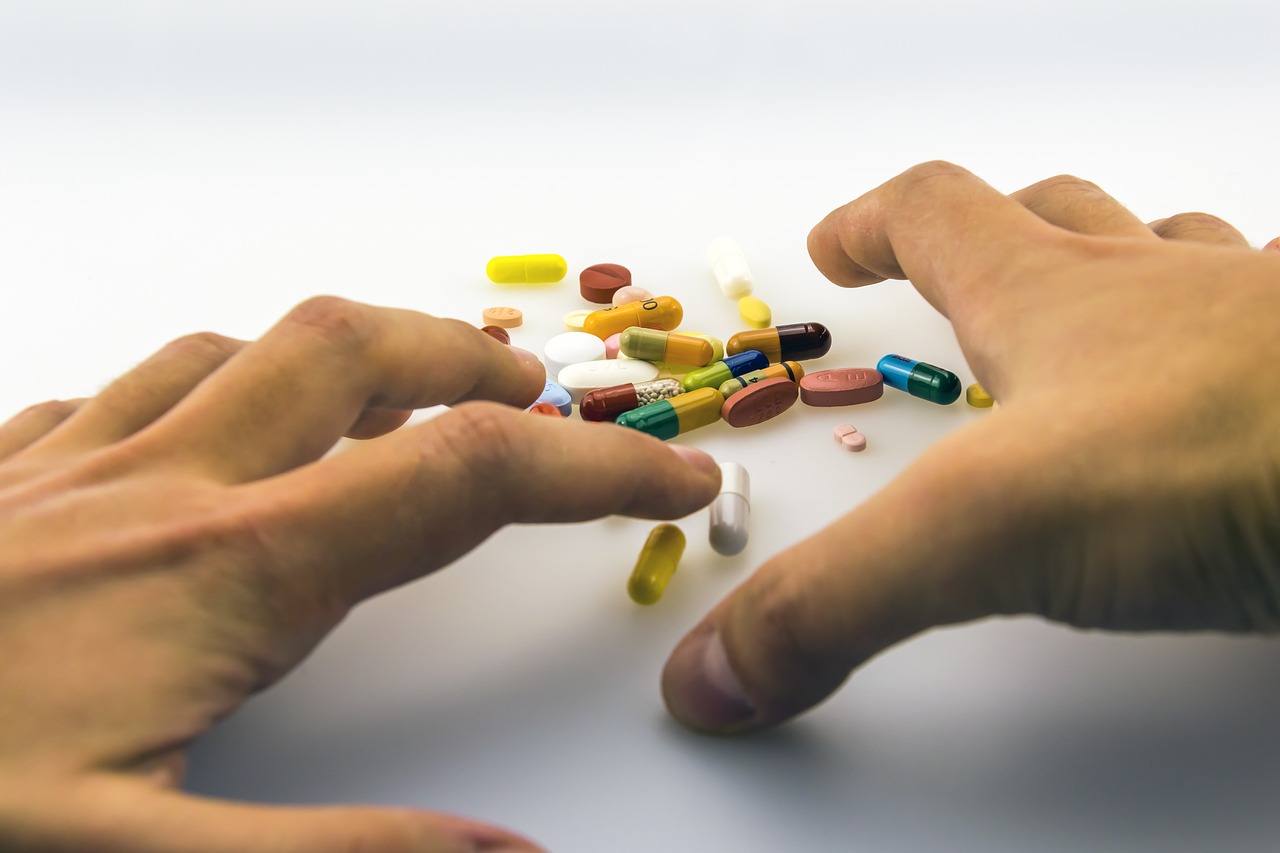
Hands with pills

Addiction and Mental illness. 
Photo courtesy of Pixabay

What are these things? They sound serious. – They are.

Someone who has two problems may have a harder time getting help than people with only one problem. Once society recognized that it was possible to help people with mental and emotional problems instead of just locking them up in an institution, we began to create special programs to deal with these issues.

The problem has been that most programs that were meant to help, was that they were organized around problems and not around people.

Mental Health programs.

Programs for the mentally ill were separated from those that treated other problems. We were afraid the mentally ill would become violent. We were afraid they might hurt themselves. Mostly we were just afraid. If they acted out we arrested them and locked them away.

Then medications for the mentally ill were discovered and we decided that maybe we did not need to keep locking them away. They could be helped in outpatient settings. Mental health clinics were created.

Substance Use Disorders.

Substance abusers were segregated also. At first, the thought was that “those people” chose to do what they do. We arrested and incarcerated the alcoholics and addicts. The thought was “they never get better” or they just need to quit.

Alcoholics Anonymous changed our way of understanding alcoholism. Groups of alcoholics got together and talked about recovery, they got better. After Alcoholics Anonymous came Narcotics Anonymous, followed by hundreds of other 12 step groups and ultimately the creation of substance abuse facilities.

Treatment for addiction and alcoholism worked.

The Silos

The specialized programs quickly evolved into silos. The Mental health programs treated the mentally ill, they sent all substance abusers away – referred them to a substance abuse program.

The substance abuse programs referred the mentally ill to a mental health program.

The programs developed mantras.

If you do drugs, drink alcohol, you can’t be in a mental health program. Get 30 (or 90 or more) days clean and come back.

The substance abuse programs told clients they could not attend drug classes if they took psychiatric medication. Some counselors told clients that “if you take psych meds you are not clean.”

Old-timers grumbled that the Big Book says to follow the doctor’s advice and take your meds as prescribed. Still the programs sent anyone with a mental health problem to mental health.

The client was ping-ponged back and forth between mental health and substance abuse programs often ending up in the hospital emergency room where they received their treatment one E. R. visit at a time.

Dual Diagnosis programs are created.

Over time the number of people who were identified with both mental illness and substance abuse problems began to be recognized as significant. They were seen at the doors of mental health clinics, substance abuse programs, hospitals, homeless shelters, and welfare offices.

People with both a substance abuse disorder and mental illness usually can’t work. They burn out their families. They live on the street and in low-income neighborhoods.

People who live on the street, have no medical care, get sick, and end up in E.R.’s We began to designate this condition as “Dual Diagnosis.”

Books were written on Dual diagnosis, what it is, how to treat it. Some programs began to train beginning professionals on how to recognize the presence of substance abuse and mental illness. Still, most programs were organized as if all clients had one and only one problem.

Dual Diagnosis swells.

Doctors do most of the diagnosing and most of the clients with substance use disorders and a mental illness end up in the emergency clinics, they have few other options. Counselors saw dual diagnoses as one thing, doctors saw another.

The term dual diagnosis began to widen to include anyone with two (or more) diagnoses. From a medical treatment perspective, this makes sense. A client with diabetes or a heart condition and substance abuse has two problems. Someone with a mental illness and hypertension has two problems also. And for the treating physician, this can be very important. Medications for the psychiatric problem or the alcohol and street drugs can interact with the medications for the physical problem. The doctors need to know these things. There are articles now on dual-diagnoses that are about treating two medical problems at the same time.

Co-occurring Disorders emerge.

The term “Co-occurring Disorders” began to be used for that common issue of clients who had both a mental illness and a substance use disorder. Specialized trainings and even programs were created for people with those two problems that occur together so often.

The expression “co-occurring disorders are an expectation, not an exception” was born.

Things have begun to get better for the client who has both of these problems. But there are still clinicians who work in one area and are uncomfortable with clients who have the other problem also. Programs still see themselves as providing service either to substance abusers or to the mentally ill but not both.

Behavioral Health programs.

Behavioral health agencies now exist with the mandate to serve the mentally ill and the substance abuse clients. Some programs also include services for the mentally retarded and the developmentally delayed. Programs continue to be developed around problems and not people.

Could a developmentally delayed person also have a mental illness, say depression, and abuse substances?

Even the term “behavioral health” is problematic. It focuses on the problem as behavior. “Those people” do not do what society wants. It has been taken to mean that the people who receive services at behavioral health chose to be the way they are rather than that they have a disorder that is treatable.

The coordination of substance abuse and mental health services is a step forward but it is far from the end of the journey.

The future.

In the future, we hope to see a time when anyone who needs help gets it regardless of the specific combinations of challenges they are faced with. A time when mental health services and substance abuse treatment is offered alongside physical health services.

We hope the day will come when the largest housing facilities for the mentally ill are not in jails and where the bulk of substance abuse treatment is not done in prisons. Where we as a society provide prevention and treatment in the childhood years before our children have to go to jails and prisons rather than wait to offer services to them in prison.

We have a long way to go before the treatment of dual diagnoses becomes routine, but the fields of mental illness, substance use disorder treatment, and physical health management are changing for the better.

For more on Dual Diagnosis, Co-occurring disorders, substance abuse, and mental health topics see the categories list to the right. Coming soon will be a list of “Dual Diagnosis links and resources.”

Staying connected with David Joel Miller

Seven David Joel Miller Books are available now!

My newest book is now available. It was my opportunity to try on a new genre. I’ve been working on this book for several years, but now seem like the right time to publish it.

Story Bureau.

Story Bureau is a thrilling Dystopian Post-Apocalyptic adventure in the Surviving the Apocalypse series.

Baldwin struggles to survive life in a post-apocalyptic world where the government controls everything.

As society collapses and his family gets plunged into poverty, Baldwin takes a job in the capital city, working for a government agency called the Story Bureau. He discovers the Story Bureau is not a benign news outlet but a sinister government plot to manipulate society.

Bumps on the Road of Life. Whether you struggle with anxiety, depression, low motivation, or addiction, you can recover. Bumps on the Road of Life is the story of how people get off track and how to get your life out of the ditch.

Dark Family Secrets: Doris wants to get her life back, but small-town prejudice could shatter her dreams.

Casino Robbery Arthur Mitchell escapes the trauma of watching his girlfriend die. But the killers know he’s a witness and want him dead.

Planned Accidents  The second Arthur Mitchell and Plutus mystery.

Letters from the Dead: The third in the Arthur Mitchell mystery series.

What would you do if you found a letter to a detective describing a crime and you knew the writer and detective were dead, and you could be next?

Sasquatch. Three things about us, you should know. One, we have seen the past. Two, we’re trapped there. Three, I don’t know if we’ll ever get back to our own time.

For these and my upcoming books; please visit my Author Page – David Joel Miller

Want the latest blog posts as they publish? Subscribe to this blog.

For videos, see: Counselorssoapbox YouTube Video Channel

What are Morning Questions?

By David Joel Miller, MS, Licensed Therapist & Licensed Counselor.

Counseling questions

Counseling questions.
Photo courtesy of Pixabay.com

Morning Questions?

Sometimes a question or comment comes in or someone uses a search term that needs a short answer but not a post. Occasionally in the early morning, I will post answers to those questions.

Here is the most recent list of morning questions. You should also be able to reach them from the list of categories to the right of the posts.

Morning Question # 1 – MFT trainee or MFTT?

Morning Question # 2 Does Methcathinone help you get big in the gym?

Morning Question # 3 What stimulant drug causes mental illnesses?

Morning Question # 4 – Is there a mental illness you can’t recover from?

Morning Question # 5 How often and how long should you see a therapist?

Morning Question #6 – Could a father’s meth use cause Schizoaffective Disorder?

Morning Question #7 – Toxicology not picking up bath salts?

Morning Question # 8 – Which personality Disorders can’t read other people?

Morning Question # 9 Is Substance abuse or mental illness first?

Morning Question #10 Do counselors report crimes?

Morning Question #11 Adjustment disorder, depression & mania

Morning Question #12 – Double Depression

Morning Question #13 Is anxiety a mental illness?

Morning Question #14 Is Dysthymia better in the morning or worse?

Morning Question #15 Blackouts -common or rare?

Morning Question #16 Can one person be a support system?

Morning Question #17 Should LPC interns tell people they are interns?

Morning Question #18 Is stress a diagnosable reason for time off from work?

Morning Question #19 What if a client tells you they had sex with their last psychotherapist?

Morning Question #20 Side effects by being impregnated by a Methcathinone user?

Hope this helps you find what you are looking for. If you have other questions or suggestions please drop me a line.

Staying connected with David Joel Miller

Seven David Joel Miller Books are available now!

My newest book is now available. It was my opportunity to try on a new genre. I’ve been working on this book for several years, but now seem like the right time to publish it.

Story Bureau.

Story Bureau is a thrilling Dystopian Post-Apocalyptic adventure in the Surviving the Apocalypse series.

Baldwin struggles to survive life in a post-apocalyptic world where the government controls everything.

As society collapses and his family gets plunged into poverty, Baldwin takes a job in the capital city, working for a government agency called the Story Bureau. He discovers the Story Bureau is not a benign news outlet but a sinister government plot to manipulate society.

Bumps on the Road of Life. Whether you struggle with anxiety, depression, low motivation, or addiction, you can recover. Bumps on the Road of Life is the story of how people get off track and how to get your life out of the ditch.

Dark Family Secrets: Doris wants to get her life back, but small-town prejudice could shatter her dreams.

Casino Robbery Arthur Mitchell escapes the trauma of watching his girlfriend die. But the killers know he’s a witness and want him dead.

Planned Accidents  The second Arthur Mitchell and Plutus mystery.

Letters from the Dead: The third in the Arthur Mitchell mystery series.

What would you do if you found a letter to a detective describing a crime and you knew the writer and detective were dead, and you could be next?

Sasquatch. Three things about us, you should know. One, we have seen the past. Two, we’re trapped there. Three, I don’t know if we’ll ever get back to our own time.

For these and my upcoming books; please visit my Author Page – David Joel Miller

Want the latest blog posts as they publish? Subscribe to this blog.

For videos, see: Counselorssoapbox YouTube Video Channel
How does someone become an addict?

By David Joel Miller, MS, Licensed Therapist & Licensed Counselor.

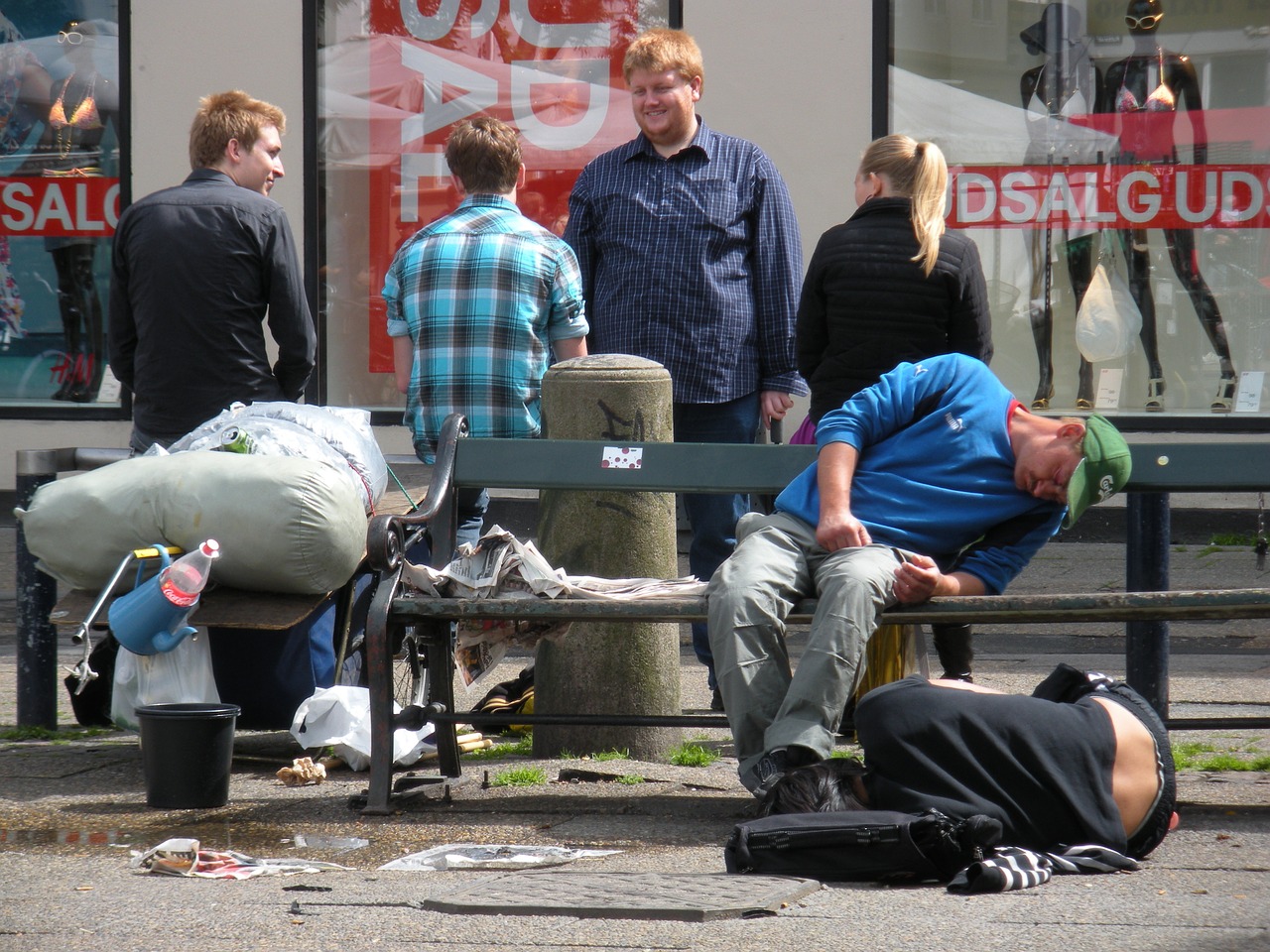
Drugs of addiction

Addiction.
Photo courtesy of Pixabay.com

How to become an addict – The process of addiction.

I haven’t met anyone yet who deliberately set out to become an addict. Some people intended to do all the drugs or drink all the alcohol they could, but mostly they did not expect to really become addicted. How does this thing called addiction develop and why don’t people stop before it is too late?

I don’t remember Alcoholic being on the list of occupations in our school career classes. Even without instruction plenty of people go on to become addicted. You would think that highly educated people would know better than to put themselves at risk. Clearly learning and teaching the process of addiction has been left out of our educational system.

Here is how we teach the process of addiction in substance abuse and co-occurring disorder classes.

You too could become an addict in five easy steps. Not everyone goes through all these steps in exactly this order, but most people do. You could go through all of the steps quickly or slowly. Stay on the using course and you should eventually get to the endpoint of addiction. After the addition, doctors call this chemical dependency; you will find death, incarceration, or psychiatric facilities.

Step One – Experimentation with substances.

At some point, the child or young adult tries a substance. Forget what you have heard about pushers. They are too busy making deliveries to do the startup work of creating a new addict. Most kids get their first drug from their parents or grandparents. (See my post on Grandma as a drug pusher.)

The first time for most kids is sneaking some of their parent’s cigarettes or finishing a parent’s beer. Plenty of kids tell me they drank for years emptying out dad’s bottle of vodka halfway and then topping it off with water.

This process even happens in families where the parents don’t smoke or drink. Boys usually are introduced to substances by other male relatives, an older brother, cousin, uncle, or friends. Girls are often given something by a boyfriend or would-be boyfriend.

For a while, this may go a long hit or miss. The person tries this or that, likes some things and does more of that drug or does not like the feeling and does not do that again.

People from non-smoking and non-drinking homes are not immune from this process. They may find a friend to mentor them in drug use or they may delay the experimentation till they leave home for college, the military, or after marriage.

Step Two – Social substance use.

At some point in this process, the person finds that all their friends are into a particular drug. It might be that their crowd smokes cigarettes. Once the underage smoker has lite up that second cigarette there is an 85% chance they will smoke for the rest of their life.

But maybe your group of friends gets together somewhere and drinks a few beers or smokes some weed. That shouldn’t lead to an addiction right? Well not directly. You still have time to avoid that consequence but you are moving closer.

Drug users of any type tend to clump together. Each drug of choice has a culture. Beer drinkers party together and so do weed smokers and heroin injectors.

In the beginning drug use is a social thing. When the group you are in or want to be in gets together they drink this stuff, smoke this stuff, do this drug, you do it also or you stop hanging out with them. Why do you want to spend every Friday night with people who are drinking if you don’t drink?

Step Three – substance use becomes a habit.

One week all your friends are gone, out of town, and here you are stuck at home alone. It is Friday night – this is the night that you drink a few beers or smoke some weed right? So you drink a few or light one up.

At this point using a particular drug has moved from being a social activity you do with others to a habit you have. It may stay there for a long while. You may keep your beer drinking or smoking weed to Friday nights, only but most people don’t.

If you like the drug you would like to do it more than one time a week. If you don’t like it you may move on and try something else. Maybe find a new group of friends and adopt their drug of choice. You might take up drinking coffee or smoking methamphetamine.

One thing about drugs, mild or strong is that they are reliable. You do them and they change the way you feel. If you like the head change you want more. If you do not like the change you probably will pick a new drug you do like, or stop altogether. But that means you have to get new friends. So your trip down the addiction road continues.

Psychological dependency develops after a while.

One week you find you are alone, you want to drink or smoke and you have to go somewhere with the family or somewhere there will be no drugs. You get upset, you get angry, you may even pick a fight with your family and storm out. Then it is their fault you had to go get high.

At this point, you want the drug more than ever before. You need the drug to get by. You think about her all the time. And when you don’t get to do your drug you are angry about it – or depressed or anxious – until you get to get high again.

You are not yet physically addicted but you have developed a psychological need for the drug. This is the last stop on the path before you reach full chemical dependency. And you are thinking at this point that the drug is your friend and your helper.

Physical Addiction can be the last house on the block.

One day you can’t get the drug. You become sick, psychically, or emotionally ill. You may end up in the hospital, the psychiatric ward, or the jail. Suddenly you realize that even when you want to quit when you try to go for a few days without that drug, you just can’t do it.

Beyond addiction, now what?

Once you have reached the point of addiction, doctors call this chemical dependency, you have very few choices. You can quit, which turns out to be very difficult without help. You could go to some meetings, get a sponsor, and work some steps in the process of change. You might go to a program or see a counselor or you might just decide that you are helpless and you will stay addicted. Lots of people chose to stay addicted.

The A.A. big book tells us that beyond addiction if you chose not to accept help, you are headed for misery, jails, institutions, or death. But as with all the stages before this, the choice is of course yours. Lots of addicted people cycle through psychiatric facilities as the drug addiction warps their thinking. We call this joint problem of addiction and mental illness co-occurring disorders or dual diagnosis.

Any questions about my description of how an addiction could develop, be maintained, and result in a co-occurring addiction and mental illness?

Staying connected with David Joel Miller

Seven David Joel Miller Books are available now!

My newest book is now available. It was my opportunity to try on a new genre. I’ve been working on this book for several years, but now seem like the right time to publish it.

Story Bureau.

Story Bureau is a thrilling Dystopian Post-Apocalyptic adventure in the Surviving the Apocalypse series.

Baldwin struggles to survive life in a post-apocalyptic world where the government controls everything.

As society collapses and his family gets plunged into poverty, Baldwin takes a job in the capital city, working for a government agency called the Story Bureau. He discovers the Story Bureau is not a benign news outlet but a sinister government plot to manipulate society.

Bumps on the Road of Life. Whether you struggle with anxiety, depression, low motivation, or addiction, you can recover. Bumps on the Road of Life is the story of how people get off track and how to get your life out of the ditch.

Dark Family Secrets: Doris wants to get her life back, but small-town prejudice could shatter her dreams.

Casino Robbery Arthur Mitchell escapes the trauma of watching his girlfriend die. But the killers know he’s a witness and want him dead.

Planned Accidents  The second Arthur Mitchell and Plutus mystery.

Letters from the Dead: The third in the Arthur Mitchell mystery series.

What would you do if you found a letter to a detective describing a crime and you knew the writer and detective were dead, and you could be next?

Sasquatch. Three things about us, you should know. One, we have seen the past. Two, we’re trapped there. Three, I don’t know if we’ll ever get back to our own time.

For these and my upcoming books; please visit my Author Page – David Joel Miller

Want the latest blog posts as they publish? Subscribe to this blog.

For videos, see: Counselorssoapbox YouTube Video Channel

Pink elephants kill – Dangers of Delirium Tremens (DT’s)

By David Joel Miller, MS, Licensed Therapist & Licensed Counselor.

Inebriated people.

Alcoholism.
Photo courtesy of Pixabay.

Seeing bugs when drinking?

There are lots of jokes about people seeing things while drinking. Having Delirium Tremens (D.T.’s) is no joke.

Withdrawal from alcohol can be fatal. When we mention withdrawal from drugs most people think of the physical symptoms of heroin withdrawal. Kicking Heroin can make someone wish they were dead, but alcohol withdrawal is far more likely to kill.

Deaths directly related to alcohol each year exceed all the deaths from other drugs, legal and illegal.

DT’s occur when the drinker is withdrawing from alcohol as the blood level is declining. Before modern medicine was available up to one-third of alcoholics with DTs died during withdrawal. Modern medical treatment has cut that rate dramatically but people do still die while sobering up.

If the drinker has EVER had hallucinations or a seizure when drinking or detoxing they need medical attention and should be detoxed in a hospital.

Other symptoms of DT’s can include fever, shakes, and formication. Tactile hallucinations, bugs or snakes crawling over the skin are commonly associated with the DT’s. These symptoms are sometimes worse at night and can begin to occur days after the last drink as the body attempts to adjust to the absence of alcohol.

Any unusual symptoms that occur when an alcoholic stops drinking should be checked out by a medical professional.

Staying connected with David Joel Miller

Seven David Joel Miller Books are available now!

My newest book is now available. It was my opportunity to try on a new genre. I’ve been working on this book for several years, but now seem like the right time to publish it.

Story Bureau.

Story Bureau is a thrilling Dystopian Post-Apocalyptic adventure in the Surviving the Apocalypse series.

Baldwin struggles to survive life in a post-apocalyptic world where the government controls everything.

As society collapses and his family gets plunged into poverty, Baldwin takes a job in the capital city, working for a government agency called the Story Bureau. He discovers the Story Bureau is not a benign news outlet but a sinister government plot to manipulate society.

Bumps on the Road of Life. Whether you struggle with anxiety, depression, low motivation, or addiction, you can recover. Bumps on the Road of Life is the story of how people get off track and how to get your life out of the ditch.

Dark Family Secrets: Doris wants to get her life back, but small-town prejudice could shatter her dreams.

Casino Robbery Arthur Mitchell escapes the trauma of watching his girlfriend die. But the killers know he’s a witness and want him dead.

Planned Accidents  The second Arthur Mitchell and Plutus mystery.

Letters from the Dead: The third in the Arthur Mitchell mystery series.

What would you do if you found a letter to a detective describing a crime and you knew the writer and detective were dead, and you could be next?

Sasquatch. Three things about us, you should know. One, we have seen the past. Two, we’re trapped there. Three, I don’t know if we’ll ever get back to our own time.

For these and my upcoming books; please visit my Author Page – David Joel Miller

Want the latest blog posts as they publish? Subscribe to this blog.

For videos, see: Counselorssoapbox YouTube Video Channel