Pink elephants kill – Dangers of Delirium Tremens (DT’s)

By David Joel Miller, MS, Licensed Therapist & Licensed Counselor.

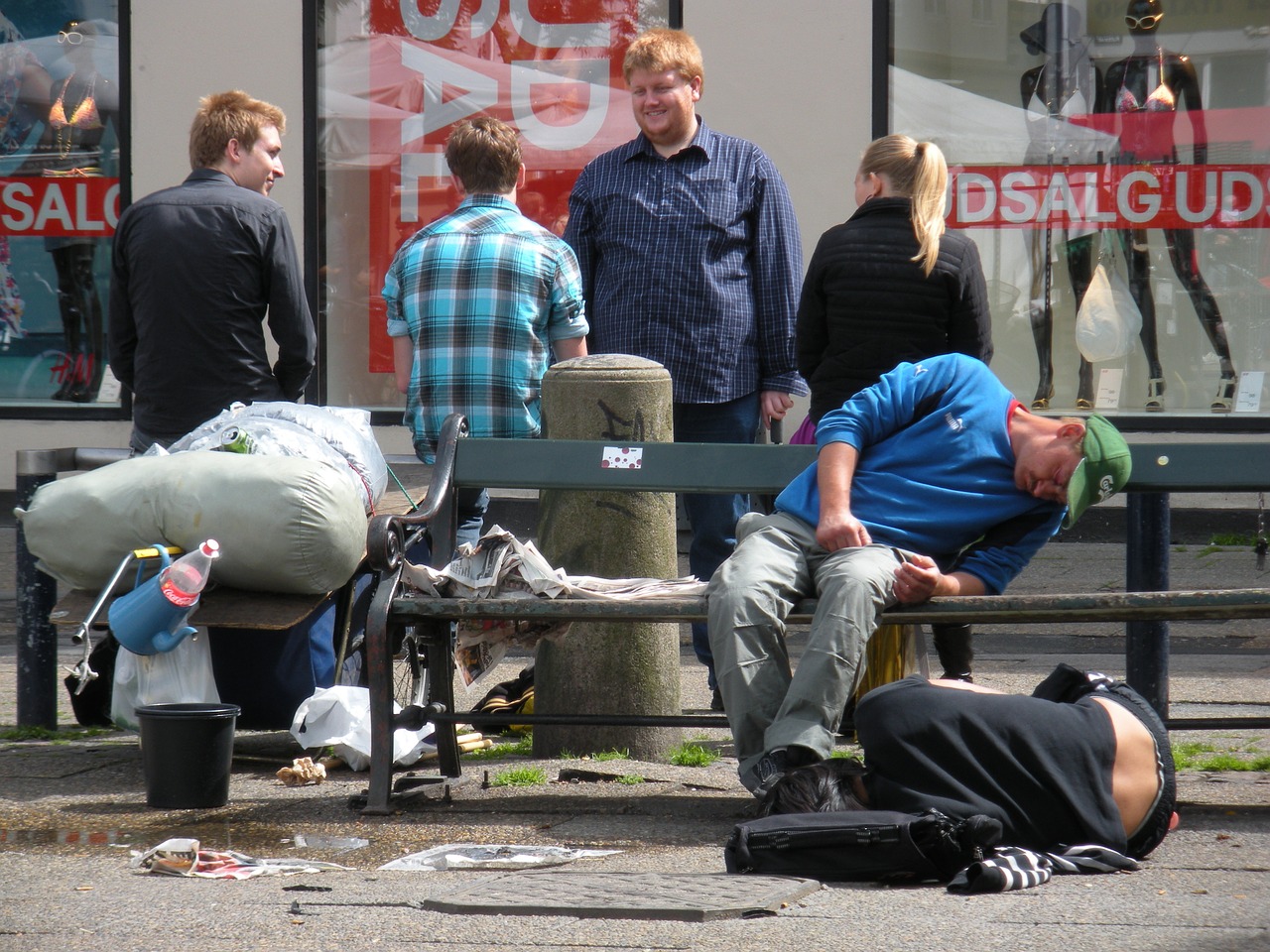
Inebriated people.

Alcoholism.
Photo courtesy of Pixabay.

Seeing bugs when drinking?

There are lots of jokes about people seeing things while drinking. Having Delirium Tremens (D.T.’s) is no joke.

Withdrawal from alcohol can be fatal. When we mention withdrawal from drugs most people think of the physical symptoms of heroin withdrawal. Kicking Heroin can make someone wish they were dead, but alcohol withdrawal is far more likely to kill.

Deaths directly related to alcohol each year exceed all the deaths from other drugs, legal and illegal.

DT’s occur when the drinker is withdrawing from alcohol as the blood level is declining. Before modern medicine was available up to one-third of alcoholics with DTs died during withdrawal. Modern medical treatment has cut that rate dramatically but people do still die while sobering up.

If the drinker has EVER had hallucinations or a seizure when drinking or detoxing they need medical attention and should be detoxed in a hospital.

Other symptoms of DT’s can include fever, shakes, and formication. Tactile hallucinations, bugs or snakes crawling over the skin are commonly associated with the DT’s. These symptoms are sometimes worse at night and can begin to occur days after the last drink as the body attempts to adjust to the absence of alcohol.

Any unusual symptoms that occur when an alcoholic stops drinking should be checked out by a medical professional.

Staying connected with David Joel Miller

Seven David Joel Miller Books are available now!

My newest book is now available. It was my opportunity to try on a new genre. I’ve been working on this book for several years, but now seem like the right time to publish it.

Story Bureau.

Story Bureau is a thrilling Dystopian Post-Apocalyptic adventure in the Surviving the Apocalypse series.

Baldwin struggles to survive life in a post-apocalyptic world where the government controls everything.

As society collapses and his family gets plunged into poverty, Baldwin takes a job in the capital city, working for a government agency called the Story Bureau. He discovers the Story Bureau is not a benign news outlet but a sinister government plot to manipulate society.

Bumps on the Road of Life. Whether you struggle with anxiety, depression, low motivation, or addiction, you can recover. Bumps on the Road of Life is the story of how people get off track and how to get your life out of the ditch.

Dark Family Secrets: Doris wants to get her life back, but small-town prejudice could shatter her dreams.

Casino Robbery Arthur Mitchell escapes the trauma of watching his girlfriend die. But the killers know he’s a witness and want him dead.

Planned Accidents  The second Arthur Mitchell and Plutus mystery.

Letters from the Dead: The third in the Arthur Mitchell mystery series.

What would you do if you found a letter to a detective describing a crime and you knew the writer and detective were dead, and you could be next?

Sasquatch. Three things about us, you should know. One, we have seen the past. Two, we’re trapped there. Three, I don’t know if we’ll ever get back to our own time.

For these and my upcoming books; please visit my Author Page – David Joel Miller

Want the latest blog posts as they publish? Subscribe to this blog.

For videos, see: Counselorssoapbox YouTube Video Channel

Just being honest – 5 times telling the truth is a bad thing

By David Joel Miller, MS, Licensed Therapist & Licensed Counselor.

Telling the truth.

Truth.
Photo courtesy of Pixabay.com

Not all “truth” is created equal – Communication Skills part 2.

As children most of us were taught we should always tell the truth, even when we knew the adults around us were not being truthful. In relationship counseling, we spend a lot of time on communications but improving communication does not always improve the relationship.

People who say they are “just telling the truth” find that their relationships suffer. Truth and honesty can build trust in a relationship but there are times when telling the truth can be both harmful and misleading.

Some people can say the most hurtful things, only to excuse what they have said by reporting “I am just being truthful.” People who use the truth defense are usually not so very receptive to having their partner reply with similar truths.

While telling the truth is a very desirable characteristic here are sometimes when the truth may damage relationships and may not be the “whole truth and nothing but the truth.”

When your version of the truth is an exaggeration.

Common statements, especially during arguments are “You always – You never, you are totally.”

Categorical statements are rarely, if ever, true. This way of saying things is meant to put the other person down and is criticism for criticism’s sake.

Criticism is a way of being hurtful and may cause permanent damage to the relationship. You don’t get to do this and then play the “I was only being truthful” card.

When you say it out of anger the truth is you are angry.

Things said out of anger are meant to hurt. Even if you avoid the exaggeration trap you are likely to say things laced with sarcasm and personal attacks. “Truths,” said in anger, are going to damage not improve the relationship.

Having hurt the other person they have no incentive to work on changing anything. When you are saying things in anger you are lashing out not looking for constructive resolution. Even if the statements were true, when you are full of anger, this is not the time to have that frank talk.

The truth-telling was all about you.

Sometimes “being honest” is about pointing out all the possible flaws in the other person in order to make yourself feel better about you.

Being honest is one thing, but there is no reason to blurt out every single defect you see in the other person. No one needs or wants that much honesty all at once. Think about the purpose behind telling someone the things you see wrong with them.

Is your honesty really about helping them improve or is it coming from a place of selfishness on your part? Honesty like meals needs to be spaced out over time as the need arises.

If you really want to be helpful talk only about as much of the person’s faults as they are ready to hear. Be sure you are not just doing these things to make yourself feel superior.

If the Honesty talk is all about the other person’s faults and you are not ready to own any of the faults this is not real honesty.

You can’t sleep at night or have an emotional hangover after truth-telling.

If after a binge of “ruthless honesty” you find you are unable to sleep at night. If you are emotionally drained for a while after the conversation then you might be experiencing an emotional hangover.

Telling someone off, like drinking too much, may feel good at the time but it is likely to come with the cost of an emotional hangover.

If you find you regret what you have said after an episode of “being honest” You know that the reason is the damage that what you said has caused to the relationship.

Excess of negative emotions, especially anger and fear will lead you to do things while emotional that you may regret afterward.

“It was true” may be a defense in a court of law but it will not make for happy relationships.

The other person is not ready to hear it – you need to use compassion.

Yelling at the deaf and showing pictures to the blind don’t aid communication. Telling someone more truth than they are ready to hear is only going to harm your relationship.

If you really want to end the relationship you don’t need to catalog the other person’s faults to justify your decision.

Remember to practice your compassion skill first and the honesty will have a place to grow when needed.

More on communication skills can be found at:

Communication is not what you think

Just Being Honest        

Criticism, complaining, asking for change

Staying connected with David Joel Miller

Seven David Joel Miller Books are available now!

My newest book is now available. It was my opportunity to try on a new genre. I’ve been working on this book for several years, but now seem like the right time to publish it.

Story Bureau.

Story Bureau is a thrilling Dystopian Post-Apocalyptic adventure in the Surviving the Apocalypse series.

Baldwin struggles to survive life in a post-apocalyptic world where the government controls everything.

As society collapses and his family gets plunged into poverty, Baldwin takes a job in the capital city, working for a government agency called the Story Bureau. He discovers the Story Bureau is not a benign news outlet but a sinister government plot to manipulate society.

Bumps on the Road of Life. Whether you struggle with anxiety, depression, low motivation, or addiction, you can recover. Bumps on the Road of Life is the story of how people get off track and how to get your life out of the ditch.

Dark Family Secrets: Doris wants to get her life back, but small-town prejudice could shatter her dreams.

Casino Robbery Arthur Mitchell escapes the trauma of watching his girlfriend die. But the killers know he’s a witness and want him dead.

Planned Accidents  The second Arthur Mitchell and Plutus mystery.

Letters from the Dead: The third in the Arthur Mitchell mystery series.

What would you do if you found a letter to a detective describing a crime and you knew the writer and detective were dead, and you could be next?

Sasquatch. Three things about us, you should know. One, we have seen the past. Two, we’re trapped there. Three, I don’t know if we’ll ever get back to our own time.

For these and my upcoming books; please visit my Author Page – David Joel Miller

Want the latest blog posts as they publish? Subscribe to this blog.

For videos, see: Counselorssoapbox YouTube Video Channel
DBT Treatment for Borderline Personality Disorder – Dialectic Behavioral Therapy

By David Joel Miller, MS, Licensed Therapist & Licensed Counselor.

DBT therapy – mindfulness.
Photo courtesy of pixabay.

Does treatment for Borderline Personality Disorder work?

Lots of treatments for Borderline Personality Disorder have been tried over the years. One treatment, Dialectic Behavioral Therapy (DBT) has lots of evidence that it works and is effective.

The problem in treating Borderline Personality Disorder.

Lots of clinicians (Counselors and Therapists) do not use DBT and don’t want to learn it. In fact, plenty of clinicians I know don’t even like seeing BPD clients. Some clients don’t like going for DBT either, despite the glowing testimonials we hear from clients who say DBT changed their life.

If DBT is so effective for treating BPD, why do so few clinicians want to use it and why aren’t their lines of clients waiting for treatment?

BPD is a painful disorder. Treating BPD is like treating a burn victim. They are in terrible pain. Just touching them (emotionally) may cause them to feel the pain. Helpers don’t like to hear their clients scream in pain. Clients in pain tend to lash out. Clients with BPD are more likely than other people to lash out at the therapist, walk out of session, and even go out and try to hurt themselves.

Their pattern of unstable relationships is so pervasive that they have difficulty forming a healthy relationship with the clinician. Just when we think we are helping them they may quit treatment and blame the clinician for their increased pain. They are also more likely to file complaints with the licensing board or even a lawsuit because they feel therapy did not help them and now their pain is even worse.

Despite all these issues DBT does work and does help clients with BPD.

About Dialectic Behavioral Therapy (DBT.)

DBT was developed by Marsha Linehan (Ph.D.) at the University of Washington. Her book Cognitive-Behavioral Treatment of Borderline Personality Disorder is a classic in the field and her workbook has lots of useful exercises for clients to use. I have had the pleasure of hearing Marsha Linehan speak a number of times but can’t say I am fully trained on DBT. What follows is my horrifically oversimplified understanding of what DBT is and how it works.

DBT is a blend of Cognitive Behavioral Therapy, that change your thinking, to change your feelings, to change your behavior stuff that I like to use, and “stuff” Marsha Linehan calls mindfulness. The pain from BPD is so intense that the normal reaction would be to run away.

Mindfulness involves stress reduction, meditation, and ways to be able to reduce and tolerate that pain. By reducing the need to run from pain the pain can be shrunk to a manageable size. This skill is called “distress tolerance.”

Since many clients with BPD (maybe all) came from non-affirming environments they struggle with issues of self-worth and self-acceptance. Clients with the full-blown disorder not just some small level of BPD traits have lots of self-harming and self-destructive behaviors which they use to get away from the negative feelings.

Treating DBT has been described as “like driving a car with one foot on the gas and one on the brake.”  It makes for a bumpy ride for both the clinician and the client.

The client needs to learn to accept and like themselves just the way they are. The clinician continually tells the client that they are a worthwhile human just the way they are.

The client needs to change. They need to stop doing those self-destructive, self-sabotaging behaviors, which are keeping them stuck in an unhappy life. Now comes the tricky part.

When the clinician says “I want you to change” the client hears “I am no good and need to change to be accepted.” The clinician then says “You are accepted just the way you are, but I still want you to change.”

The struggle here is to have clients accept that the goal is not for them to be a certain way to be acceptable, but that what we are looking for is “progress not perfection.”  Any good coach or teacher wants to see their student’s progress and do better, that does not mean there is anything wrong with them if they do not become the best at their discipline.

There is a second challenge for those with BPD and those who treat them which DBT seeks to address.

People who have BPD do not live in the meadow full of flowers in the springtime, they live in the hurricane. If they are ever in a calm place, they know this is the eye of the hurricane and the next blast of the storm is a moment away.

Because the volume on their emotions is turned up so loud, there is always the crisis of the day, hour, or minute. When you are living in an emotional hurricane it is hard to think about disaster preparedness.

The clinician who does DBT has to limit the time they spend on today’s crisis so they can work on developing skills to prevent or cope with future crises. This “let’s not talk about your urges to cut on yourself or use drugs right now, let’s work on your skills” attitude is hard for clinicians and clients who are used to that warm fuzzy empathetic listening stuff.

Clients can leave a skills-based session thinking that the counselor didn’t listen to them and doesn’t care. The counselor may worry “what if they do cut or self-harm? Will it be my fault because I wanted to work on stress reduction skills?” Sticking to the skills-building curriculum can be difficult for both.

One ethical principle that clinicians have learned is that it is not helpful to keep the client dependent on their counselor to cope with life. Our goal should be to get the client to the place where they can function without the clinician. Sometimes that is uncomfortable for both client and counselor.

So DBT is very useful in treating BPD because it increases the client’s self-confidence and self-esteem while teaching them the skills to believe they can cope with life’s problems without having other people do it for them.

Other posts on Borderline Personality Disorder include:

What is Borderline Personality Disorder?

What causes Borderline Personality Disorder?

Levels or types of Borderline Personality Disorder

Treatment for Borderline Personality Disorder

If any of you have been to someone for Dialectic Behavioral Therapy or have had another treatment for Borderline Personality Disorder, would you be willing to leave a comment and tell us how it worked or didn’t work for you?

Staying connected with David Joel Miller

Seven David Joel Miller Books are available now!

My newest book is now available. It was my opportunity to try on a new genre. I’ve been working on this book for several years, but now seem like the right time to publish it.

Story Bureau.

Story Bureau is a thrilling Dystopian Post-Apocalyptic adventure in the Surviving the Apocalypse series.

Baldwin struggles to survive life in a post-apocalyptic world where the government controls everything.

As society collapses and his family gets plunged into poverty, Baldwin takes a job in the capital city, working for a government agency called the Story Bureau. He discovers the Story Bureau is not a benign news outlet but a sinister government plot to manipulate society.

Bumps on the Road of Life. Whether you struggle with anxiety, depression, low motivation, or addiction, you can recover. Bumps on the Road of Life is the story of how people get off track and how to get your life out of the ditch.

Dark Family Secrets: Doris wants to get her life back, but small-town prejudice could shatter her dreams.

Casino Robbery Arthur Mitchell escapes the trauma of watching his girlfriend die. But the killers know he’s a witness and want him dead.

Planned Accidents  The second Arthur Mitchell and Plutus mystery.

Letters from the Dead: The third in the Arthur Mitchell mystery series.

What would you do if you found a letter to a detective describing a crime and you knew the writer and detective were dead, and you could be next?

Sasquatch. Three things about us, you should know. One, we have seen the past. Two, we’re trapped there. Three, I don’t know if we’ll ever get back to our own time.

For these and my upcoming books; please visit my Author Page – David Joel Miller

Want the latest blog posts as they publish? Subscribe to this blog.

For videos, see: Counselorssoapbox YouTube Video Channel

Lady Diana, Bipolar and Borderline Personality Disorder

By David Joel Miller, MS, Licensed Therapist & Licensed Counselor.

Lady Diana’s headstone.
Photo courtesy pixabay.

Did Lady Diana have Bipolar disorder, Borderline Personality Disorder, or what?

Some interesting questions from reader Gledwood about Bipolar, Borderline Personality Disorder, and Lady Diana. See the comments after Levels or Types of Borderline Personality Disorder.

I never met Lady Diana and am not so much a follower of royalty, so I can’t give you a specific diagnosis about her. In fact, it is considered unprofessional for therapists to give opinions on someone they have not assessed. But maybe I can give you some general answers on these two conditions and on how psychiatric labels may not fit celebrities very well.

1. Borderline Personality Disorder (BPD) and Bipolar are very different conditions.

There may be some small similarities and someone could have both but my thinking is there are quite different conditions.

BPD is like a volcano erupting. Huge uncontrollable emotions. They love you – then they hate you, sometimes the emotions change in the same hour. BPD has a huge pain component. Most people with BPD were abused, molested, or had a non-affirming childhood. People with BPD often self-harm and they do it to relieve the pain not to find pleasure. They have trouble coping with negative emotions and will frantically try to find ways to stop having to feel bad.

Medication may help BPD and so will therapy but it is a slow process.

Bipolar is like a ride through the mountain in a car.

Sometimes down in the valleys in the shade and other times up near the top in the sun. Bipolar also involves some irresponsible impulsive behavior when manic but it is more about impulsive over-seeking of pleasure than anger-driven. The ups and downs happen more slowly and someone with Bipolar can have years of depressed behavior and mouths or years of overactive pressured behavior. Bipolar Disorder often responds to medication. Over-responding to antidepressants is one characteristic that makes us think – Bipolar.

Someone with Bipolar can be trapped by depression for long periods of time and stay stuck there.

Diana Spencer and Lady Diana were probably very different people.

Public figures are often very different in their personal lives than their public lives. The Royals can’t very well hang out at the local bar (or Pub.) Take that press about what someone is like based on their public appearances with a lot of salt. Many comedians and singers are very shy in small groups but once on stage, they can assume a whole other “persona.”

Fans need to be careful to not confuse the person with the character they play. Celebrities have the same problem and start thinking they are their character. There is a difference between being “typecast” and always portraying the villain and those performers who play themselves while on stage. My guess is that having to play the role made it hard for her to maintain old friendships and relationships.

The diagnostic criteria professionals use and the popular meaning of terms are not the same.

I see way too many people who are being called “Bipolar” who are moody, irritable or just plain hard to get along with but they do not necessarily have periods of either depression or mania.

The DSM descriptions are a lot longer than the oversimplified description in most blog posts. There are 11 factors listed for mania and mania is only one factor needed for a diagnosis of Bipolar I Disorder. Professionals need a lot of information before making these decisions.

Symptoms of both these and other disorders are normal traits that get out of control.

Despite the fact that I get paid to treat people with mental illnesses and substance use disorders I think we are trying to turn a lot of normal human emotions into diseases.

Everybody gets sad sometimes. Most of us do impulsive things. If you have never acted on an impulse we think you may have a problem with being obsessive or compulsive. Lots of us get into disagreements and don’t want to be around or talk to others who annoyed us. Someone who has BPD has a pattern of lots of unstable relationships their whole life.

The labels Bipolar and BPD apply to people with severe forms of these conditions; there are a whole lot of other people who have a few characteristics, sort of like one of these conditions. If you have just a few symptoms, counseling or other preventative measures may help you avoid developing a full-blown disease.

Other posts on Borderline Personality Disorder include:

What is Borderline Personality Disorder?

What causes Borderline Personality Disorder?

Levels or types of Borderline Personality Disorder

Treatment for Borderline Personality Disorder

Hope that helped with the case of Lady Diana, Bipolar, and Borderline Personality Disorder.

Staying connected with David Joel Miller

Seven David Joel Miller Books are available now!

My newest book is now available. It was my opportunity to try on a new genre. I’ve been working on this book for several years, but now seem like the right time to publish it.

Story Bureau.

Story Bureau is a thrilling Dystopian Post-Apocalyptic adventure in the Surviving the Apocalypse series.

Baldwin struggles to survive life in a post-apocalyptic world where the government controls everything.

As society collapses and his family gets plunged into poverty, Baldwin takes a job in the capital city, working for a government agency called the Story Bureau. He discovers the Story Bureau is not a benign news outlet but a sinister government plot to manipulate society.

Bumps on the Road of Life. Whether you struggle with anxiety, depression, low motivation, or addiction, you can recover. Bumps on the Road of Life is the story of how people get off track and how to get your life out of the ditch.

Dark Family Secrets: Doris wants to get her life back, but small-town prejudice could shatter her dreams.

Casino Robbery Arthur Mitchell escapes the trauma of watching his girlfriend die. But the killers know he’s a witness and want him dead.

Planned Accidents  The second Arthur Mitchell and Plutus mystery.

Letters from the Dead: The third in the Arthur Mitchell mystery series.

What would you do if you found a letter to a detective describing a crime and you knew the writer and detective were dead, and you could be next?

Sasquatch. Three things about us, you should know. One, we have seen the past. Two, we’re trapped there. Three, I don’t know if we’ll ever get back to our own time.

For these and my upcoming books; please visit my Author Page – David Joel Miller

Want the latest blog posts as they publish? Subscribe to this blog.

For videos, see: Counselorssoapbox YouTube Video Channel

Levels or types of Borderline Personality Disorder

By David Joel Miller MS, Licensed Therapist & Licensed Counselor.

Are there different types of Borderline Personality Disorder?

personality disorder

Are there types of Borderline Personality Disorder?
Photos courtesy of Pixabay.

People with Borderline Personality Disorder (BPD) differ so much there might be more than one type of BPD or that we may be placing several different mental illnesses together under one label. Gunderson in his book Borderline Personality Disorder describes three levels of functioning in people with BPD. Hotchkiss appears to enlarge this idea into three types of borderlines.

Diagnostic criteria for mental health disorders are largely normal characteristics that have grown so large that they begin to interfere with everyday life. Everyone has sadness sometimes and we all are or should be anxious occasionally. That same concept of degree rather than nature is applicable to BPD.

Masterson wrote about Narcissistic Personality Disorder and described this as coming in low, medium, and high levels. I think the use of that same sort of yardstick for measuring BPD might be useful.

Low Borderline characteristics or traits.

People with low BPD or beginning Borderline traits have or are able to sustain a primary relationship. This relationship may be rocky but the low borderline trait individual is able to have satisfying interactions with a partner. They will perceive this partner as supportive.

What brings a low symptom Borderline into treatment will be feelings of emptiness, loneliness, or depression despite having a supportive partner. They may also suffer from chronic boredom or masochism. They want both a close relationship and fear that relationship because needing someone exposes you to becoming dependent on them.

As a result of the presence of that supportive person in their life, a mild BPD individual may go undiagnosed. They may lack the intense anger and have fewer and milder mood swings than those that appear in more severe cases. Their self-destructive behaviors will be fewer and less frequent and may be ascribed to life experiences like layoffs or fights with their S. O. rather than being recognized as BPD traits.

What tips the clinician off to the BPD traits is not the current relationship but a history of previous unstable relationships and a pattern of over-rapid entry into and speedy exit from relationships, as well as a history of being the victim of abuse or neglect.

Medium BPD.

As the symptoms of BPD become more severe you may experience more anger, more worries about losing your partner, and more frantic efforts to keep your partner in the relationship. People with medium BPD are described as having difficulty seeing things from other’s points of view and devaluing others. They may manipulate as a way to get their needs met. They have the belief that asking will not get them what they need and that they need to force others to stay with them.

This level of borderline functioning is full of break-ups and make-ups, drama from current and previous relationships, and recurrent self-harm or suicide attempts to force the partner to stay. Someone with medium intensity BPD may plan suicide with the thought that this will punish the other for not loving them enough.

High Borderline Personality Symptoms.

When BPD reaches this level the person with Borderline Personality Disorder is unable to maintain a relationship with a significant other. They are without a functioning support system and become increasingly lonely and angry. They may develop distorted thinking, delusions, and eventually hallucinations. They may have episodes of panic involving various anxiety-provoking possibilities.

At this level of BPD symptoms, the most likely coping mechanisms are efforts to distract the self by using drugs and alcohol, abusing food, and acting out behaviors. Fights, promiscuity, self-mutilation, or suicide attempts will be common.

Are relationships a cause or the result of the level of BPD?

There is some question as to whether having a significant relationship reduces the level of borderline traits or if people low in traits can maintain better relationships than those who are high in BPD traits.

One thing that seems clear is that if you have a supportive other in your life, especially in your primary relationship, you are more likely to be able to cope with your mental illness. Learning life skills can improve your functioning and increase the likelihood of finding a supportive partner. Healthy people attract healthy partners.

Are you doing all you can to create good relationships with others and to become the kind of person who can have happy supportive relationships?

Other posts on Borderline Personality Disorder are:

What is Borderline Personality Disorder?

What causes Borderline Personality Disorder?

Levels or types of Borderline Personality Disorder

Treatment for Borderline Personality Disorder

Staying connected with David Joel Miller

Seven David Joel Miller Books are available now!

My newest book is now available. It was my opportunity to try on a new genre. I’ve been working on this book for several years, but now seem like the right time to publish it.

Story Bureau.

Story Bureau is a thrilling Dystopian Post-Apocalyptic adventure in the Surviving the Apocalypse series.

Baldwin struggles to survive life in a post-apocalyptic world where the government controls everything.

As society collapses and his family gets plunged into poverty, Baldwin takes a job in the capital city, working for a government agency called the Story Bureau. He discovers the Story Bureau is not a benign news outlet but a sinister government plot to manipulate society.

Bumps on the Road of Life. Whether you struggle with anxiety, depression, low motivation, or addiction, you can recover. Bumps on the Road of Life is the story of how people get off track and how to get your life out of the ditch.

Dark Family Secrets: Doris wants to get her life back, but small-town prejudice could shatter her dreams.

Casino Robbery Arthur Mitchell escapes the trauma of watching his girlfriend die. But the killers know he’s a witness and want him dead.

Planned Accidents  The second Arthur Mitchell and Plutus mystery.

Letters from the Dead: The third in the Arthur Mitchell mystery series.

What would you do if you found a letter to a detective describing a crime and you knew the writer and detective were dead, and you could be next?

Sasquatch. Three things about us, you should know. One, we have seen the past. Two, we’re trapped there. Three, I don’t know if we’ll ever get back to our own time.

For these and my upcoming books; please visit my Author Page – David Joel Miller

Want the latest blog posts as they publish? Subscribe to this blog.

For videos, see: Counselorssoapbox YouTube Video Channel

What Causes Borderline Personality Disorder?

By David Joel Miller, MS, Licensed Therapist & Licensed Counselor.

personality disorder

What Causes Borderline Personality Disorder?
Photo courtesy of Pixabay.com

Suggested causes for Borderline Personality Disorder (BPD)

Since this is a condition that is diagnosed by the presence or absence of a group of symptoms rather than any one specific test our understanding continues to change. Some authors have suggested that there are several levels or types of Borderline Personality Disorder. People with milder BPD symptoms can be described as having Borderline traits. It is possible that various levels of BPD symptoms may have different causes.

Like most other mental illnesses, Borderline Personality Disorder (BPD) appears to have both a genetic risk factor and an environmental risk factor. Having a risk factor does not mean that you are going to develop the disorder but the more the risk factors the more the risk.

Genetics is a risk factor for mental illness.

NIMH (National Institute of Mental Health reported some time back (2008,) that there appears to be a genetic risk factor for BPD. This study found that a particular mutation on chromosome nine created an increased risk for BPD. At some point in the human past, the characteristics we think of as Borderline traits may have been helpful in certain situations.

Experience has made any one research report linking a particular chromosome and a disorder highly suspect. It would be nice if this study were correct and we could do a simple test for BPD, but with other disorders, we find that it is not one gene or chromosome that creates mental illness. It is the influences of several or a combination of large numbers of the many possible genes that result in an increased risk.

In this study, the contribution of genetics was 40%. Meaning that the environment contributed the other 60% or put another way, your relationships and experiences increase the risk of developing BPD 150% as much as your genetics.

The environment can increase the risk for Borderline Personality Disorder.

One factor seems to contribute a huge amount of this environmental risk.

Growing up in a non-affirming place with people who did not validate you, is a hugely important cause of many of the symptoms that make up BPD and Borderline Personality traits.

Many people with borderline traits report that their family was not supportive. Their caregivers were either absent or constantly frustrating.

Many people with BPD grew up in homes that did not create the feeling of being valued as a human being. People with BPD may have been neglected, abused, or simply did not have their emotional needs met. They may have found that direct requests for things did not work and that the only way to get their needs met was to engage in behaviors that forced the family to notice them. In adult life, their behaviors will be described as manipulative.

A borderline can be both clingy and distant, wanting a close intimate relationship but also fearful that to let someone get in close to them invites another abandonment.

People with BPD may associate any accomplishment with an increased risk of abandonment. They often quit school a week before finals or fail to show up for a job on the first day.

People with Borderline characteristics may end up slipping into a relationship with someone who has difficulty being close. Just like the co-dependent person who keeps marrying the alcoholic trying to get it right, someone with BPD may continue to enter a relationship with a partner who is unable to provide any warmth and closeness.

The classic expression of this feeling becomes “If I become fully me, will you stop loving me?” The recurring fear is that the significant person in their life will abandon them and they will fall apart without someone to support them.

One issue people with BPD may need to tackle is the inability to have and enjoy happiness or other positive feelings. If you came from an environment that said it was not OK to have or display feelings, it can be terrifying to allow yourself to feel happiness of any sort.

The person with PBD may feel empty, numb, or bored without someone else in their life that provides for their needs. The theory here is that the more the person was let down by their support system, the less able they have been at becoming an independent person, the more likely they will be to develop borderline traits.

Learning to act Borderline.

Those with BPD often come from homes where the caregivers themselves had poorly regulated emotional lives. Parents can and do frequently provide genetic risk factors, environmental factors, and learned behavior that support the continuation of BPD.

Is seems likely that living with or around a caregiver with BPD is likely to alter the way in which someone handles emotion.

The takeaway from all this is that whatever the reason someone has BPD there are treatments available that can help manage, reduce, or eliminate the symptoms of Borderline Personality Disorders.

Other posts on Borderline Personality Disorder include:

What is Borderline Personality Disorder?

What causes Borderline Personality Disorder?

Levels or types of Borderline Personality Disorder

Treatment for Borderline Personality Disorder

Staying connected with David Joel Miller

Seven David Joel Miller Books are available now!

My newest book is now available. It was my opportunity to try on a new genre. I’ve been working on this book for several years, but now seem like the right time to publish it.

Story Bureau.

Story Bureau is a thrilling Dystopian Post-Apocalyptic adventure in the Surviving the Apocalypse series.

Baldwin struggles to survive life in a post-apocalyptic world where the government controls everything.

As society collapses and his family gets plunged into poverty, Baldwin takes a job in the capital city, working for a government agency called the Story Bureau. He discovers the Story Bureau is not a benign news outlet but a sinister government plot to manipulate society.

Bumps on the Road of Life. Whether you struggle with anxiety, depression, low motivation, or addiction, you can recover. Bumps on the Road of Life is the story of how people get off track and how to get your life out of the ditch.

Dark Family Secrets: Doris wants to get her life back, but small-town prejudice could shatter her dreams.

Casino Robbery Arthur Mitchell escapes the trauma of watching his girlfriend die. But the killers know he’s a witness and want him dead.

Planned Accidents  The second Arthur Mitchell and Plutus mystery.

Letters from the Dead: The third in the Arthur Mitchell mystery series.

What would you do if you found a letter to a detective describing a crime and you knew the writer and detective were dead, and you could be next?

Sasquatch. Three things about us, you should know. One, we have seen the past. Two, we’re trapped there. Three, I don’t know if we’ll ever get back to our own time.

For these and my upcoming books; please visit my Author Page – David Joel Miller

Want the latest blog posts as they publish? Subscribe to this blog.

For videos, see: Counselorssoapbox YouTube Video Channel

What is Borderline Personality Disorder?

By David Joel Miller, MS, Licensed Therapist & Licensed Counselor.

personality disorder

What is borderline personality disorder?
Photo courtesy of Pixabay.com

Bipolar or Borderline Personality Disorder?

People with Borderline Personality Disorder (BPD) experience intense emotional pain and lots of loss in their life. They never feel the faint breeze or the warmth of the sun in the springtime. For the Borderline the world is a place of hurricanes and scorching heat. Life is one horrific storm. They experience terrible loss. BPD may result in interrupted education, ruined or unstable relationships, and frequent job loss.

BPD can look like Bipolar Disorder but while the Bipolar person may have months of depression and long periods of elevated mood or irritability the BPD person has all those mood changes in a single day.

Borderline Personality Disorder (BPD) is an often overlooked and misunderstood mental health issue that gets placed under the heading Personality Disorders. BPD is coded on Axis II and viewed as long-standing and difficult to treat. Personality disorders often co-occur with other mental health challenges such as depression and Bipolar disorder. Because of the notion that a personality disorder is difficult, if not impossible to treat, there is a reluctance to give clients this diagnosis.

Untreated BPD is viewed as a “pervasive” or inflexible pattern in life and includes four characteristics, unstable relationships, fuzzy self-image, impulsivity, and lots of negative emotions. The DSM lists 9 “criteria” or symptoms the client might have but only requires 5 of those nine symptoms to make the diagnosis. In practice, this means a lot of judgment calls.

Most people with Borderline Personality Disorder have some but not all of the “criteria” for the disorder. Gunderson suggests in his book that there are three distinct Levels of Borderline Personality Disorder based on the nature of your relationships with others.

Children experience some mood instability as a normal part of growing up. We expect some BPD characteristics that will go away as they mature. As a result, children are almost never given a personality disorder diagnosis. When the BPD picture seems to be developing, the child may be described as having “Borderline traits.”  Those with untreated BPD generally do not get better with age, the pain they experience grows.

BPD begins in early adulthood and those “characteristics” or “traits” need to occur in multiple situations. This disorder, when treated, generally fades as the person gets older. Women make up 75% of those who get BPD diagnosis and frequently had a diagnosis of Bipolar Disorder prior to being diagnosed with BPD. This disorder is probably underdiagnosed in men because men act out, break laws, and get caught abusing substances more often than women. These other problems get diagnosed first and become the focus of treatment.

Treatment for Borderline Personality Disorder is effective in reducing symptoms. Ten years after treatment half of those diagnosed with BPD no longer have enough symptoms to receive the diagnosis though they may continue to have some Borderline “traits.”

There appear to be a number of Causes of Borderline Personality Disorder. Some of the symptoms of BPD are adaptive behaviors that may have worked to protect you and get your needs met when you were younger but as you grow up these behaviors no longer work.

Abandonment is a key issue for those with BPD. They need someone in their life and can’t stand being alone but fear being rejected and abandoned. They are constantly on the lookout for signs of potential abandonment. As a result, they may appear needy and drive people away. Their impulsive behavior creates exactly what they most fear.

Someone with BPD is very sensitive to their environment. When things do not go well in relationships they blame themselves and may “take it out” on themselves. Self-mutilating, cutting, burning, and suicide attempts are common.

Because of their terrible need for a supportive relationship BPD individuals tend to jump into very close intimate relationships without getting to know the other person. As a result, they over-trust people who should not be trusted and expect more from partners than another person can provide. Once disappointed they become furiously angry. They are often demanding in relationships and need lots of time with their partner. They may have violent emotional reactions when their partner attempts to leave for work, school, or errands.

Sudden changes in their opinions of others are common. When let down by those in their life they respond with lots of anger, sarcasm, and bitterness which only drives others farther away.

Many individuals with BPD report they don’t know who they are other than by adopting the values of those around them. They may have sudden changes or difficulty identifying values, goals, or career plans. They often self-sabotage. It is not uncommon for someone with BPD to quit school just before finals or leave a job just as they were about to get a raise or promotion.

Living with Borderline Personality Disorder is a horrific challenge for those with this condition and it challenges those who would like to be in a relationship with the person with a Borderline condition. While treatment is never easy it can be effective and result in creating a happy, fulfilled, and connected life.

Other posts on Borderline Personality Disorder include:

What is Borderline Personality Disorder?

What causes Borderline Personality Disorder?

Levels or types of Borderline Personality Disorder

Treatment for Borderline Personality Disorder

Staying connected with David Joel Miller

Seven David Joel Miller Books are available now!

My newest book is now available. It was my opportunity to try on a new genre. I’ve been working on this book for several years, but now seem like the right time to publish it.

Story Bureau.

Story Bureau is a thrilling Dystopian Post-Apocalyptic adventure in the Surviving the Apocalypse series.

Baldwin struggles to survive life in a post-apocalyptic world where the government controls everything.

As society collapses and his family gets plunged into poverty, Baldwin takes a job in the capital city, working for a government agency called the Story Bureau. He discovers the Story Bureau is not a benign news outlet but a sinister government plot to manipulate society.

Bumps on the Road of Life. Whether you struggle with anxiety, depression, low motivation, or addiction, you can recover. Bumps on the Road of Life is the story of how people get off track and how to get your life out of the ditch.

Dark Family Secrets: Doris wants to get her life back, but small-town prejudice could shatter her dreams.

Casino Robbery Arthur Mitchell escapes the trauma of watching his girlfriend die. But the killers know he’s a witness and want him dead.

Planned Accidents  The second Arthur Mitchell and Plutus mystery.

Letters from the Dead: The third in the Arthur Mitchell mystery series.

What would you do if you found a letter to a detective describing a crime and you knew the writer and detective were dead, and you could be next?

Sasquatch. Three things about us, you should know. One, we have seen the past. Two, we’re trapped there. Three, I don’t know if we’ll ever get back to our own time.

For these and my upcoming books; please visit my Author Page – David Joel Miller

Want the latest blog posts as they publish? Subscribe to this blog.

For videos, see: Counselorssoapbox YouTube Video Channel

Can one person be a support system?

By David Joel Miller, MS, Licensed Therapist & Licensed Counselor.

Support system.
Photo courtesy of Pixabay.com

How many people make a support system?

Morning Question #16

Having a close, significant person as a support system can be extremely helpful. People with a serious and persistent mental illness who are in a long-term supportive relationship are less likely to end up back in the hospital. There are several reasons why a one-person support system is risky for them and for you.

Expecting one person to carry the full load of supporting you is an awful lot to ask. It is too much for someone to care for your needs and to be in a close relationship with you. How does that person get their needs met? If you need a support system, can you be fully present to meet your partner’s needs? Having people other than your partner in a support network increases the support you can call on and avoids pushing that one person who is around you all the time to the breaking point.

More people in your support system spreads the burden around and increases the joy of being able to help each other. Building a support system is important, so is making sure they are supportive.

Support people are often relatives or close intimate partners. Having someone to love and who loves you can be very supportive. No relationship is ever conflict-free. If you and your partner have a disagreement, if there is a fight, you risk your support system being unavailable just at the time you most need one.

We tend to be attracted to and close to people like ourselves. There is no reason why two people who have depression or any other mental illness can’t be in a relationship. If your partner has issues also they may not always be available or able to cope with your issues.

Too many people in your support system may be just as much of a problem, as too few. It is difficult to stay in contact with many people. A support person should be someone you know well and who knows you well.

How many people do you have in your support system? How many do you believe would be ideal?

Other posts about support systems can be found at:

How supportive is your support system?

Support meetings for family members?

How do you develop a support system?

Staying connected with David Joel Miller

Seven David Joel Miller Books are available now!

My newest book is now available. It was my opportunity to try on a new genre. I’ve been working on this book for several years, but now seem like the right time to publish it.

Story Bureau.

Story Bureau is a thrilling Dystopian Post-Apocalyptic adventure in the Surviving the Apocalypse series.

Baldwin struggles to survive life in a post-apocalyptic world where the government controls everything.

As society collapses and his family gets plunged into poverty, Baldwin takes a job in the capital city, working for a government agency called the Story Bureau. He discovers the Story Bureau is not a benign news outlet but a sinister government plot to manipulate society.

Bumps on the Road of Life. Whether you struggle with anxiety, depression, low motivation, or addiction, you can recover. Bumps on the Road of Life is the story of how people get off track and how to get your life out of the ditch.

Dark Family Secrets: Doris wants to get her life back, but small-town prejudice could shatter her dreams.

Casino Robbery Arthur Mitchell escapes the trauma of watching his girlfriend die. But the killers know he’s a witness and want him dead.

Planned Accidents  The second Arthur Mitchell and Plutus mystery.

Letters from the Dead: The third in the Arthur Mitchell mystery series.

What would you do if you found a letter to a detective describing a crime and you knew the writer and detective were dead, and you could be next?

Sasquatch. Three things about us, you should know. One, we have seen the past. Two, we’re trapped there. Three, I don’t know if we’ll ever get back to our own time.

For these and my upcoming books; please visit my Author Page – David Joel Miller

Want the latest blog posts as they publish? Subscribe to this blog.

For videos, see: Counselorssoapbox YouTube Video Channel

Can you change a mentally ill family member – Powerlessness?

By David Joel Miller, MS, Licensed Therapist & Licensed Counselor.

Change

Change.
Photo courtesy of Pixabay.com

What is powerlessness?

Does powerlessness have anything to do with mental illness and family members? The more we move from a model of mental illness that emphasizes permanent disability to a wellness and recovery model the more we see terms like powerlessness applied to the recovery from mental illness process. One blog reader asked about applying Al-anon principles to their problems with mentally ill family members.

Are people really powerless over mental illness and addiction? Doesn’t saying you are powerless just breed an attitude of helplessness, a victim mentality? Not at all.

There are some things in life we have control over, there are a lot of other things that we have little or no control over. The important thing is learning which is which.

This kid was walking along texting on his phone and generally not watching where he was going. He walked straight into a cement wall. The whole situation looked humorous to me, but I am quite sure it was not a laughing matter to that teen. He became quite angry and hit that wall a good one with his fist.

That teen could stand there pounding away at the cement wall but in the end, he is likely to find he is powerless over that wall. Eventually, he may damage the wall but he is going to harm himself seriously in the process.

Now insisting that the wall is wrong, that it needs to get out of his way is unlikely to be helpful. But isn’t that what happens to so many people, especially people in recovery, every day. Despite clear indications that the current approach we are taking is not working we continue to insist that the world change to accommodate us.

Looking at that wall in an objective way it was easy to see that there was a gate only a short distance away. The teen could have taken the gate, or at the other end the wall ended and with a few extra steps he could have gone around, still, he insisted the wall change.

The alcoholic is like that. Every time they drink they end up drunk. They struggle to control their drinking. The anxious or depressed person tries to deny they have a problem. Ignore the problem and it will go away is the universal motto.

Even after untold negative consequences, alcoholics tell themselves they will find a way to keep drinking and not have problems. The sad truth is that if anything has become an addiction in your life you will never be able to control that thing again. You are powerless to make that thing do what you want it to.

We are all powerless over rain. Now anyone can take a few raindrops. But I have never been able to make it rain or not rain on command. Facing a hurricane I can walk into the storm contending that I am not powerless over a little rain but eventually the storm will get the better of me.

The surest course of action when encountering the hurricane is to admit you are powerless over the storm and take cover in as safe a place as possible. Accepting that you are powerless over hurricanes and that the storm will do what it will do is a wise use of thought. Accepting help for your emotional problem is a wise course also.

The safest thing to do when encountering a drug is to admit that the tiny little thing can whip you any day. Struggling to do a little of the drug and still not let it control you is looking for disaster. No one controls their addiction. Learning that you can say no before the first taste, that is power.

We also need to learn that we are powerless over others. All that begging and bribing, the threatening and the use of force, this approach never really gets you control of the person. If your partner is addicted do you really think you can somehow win the battle to control the substance? We are powerless over people and things.

People will struggle for years to not be sick even when an effective treatment for their problem is right in front of them.

So the idea that a family member might by some special effort get their family member to change and presumably not have a mental illness, that is the clearest sort of delusion.

A central message of Al-anon as I understand it is the same as the message to addict’s, continued efforts to pretend that we have control over others, people, or things, are an illusion. Once you admit you are powerless over the mental illness, then the person can stop trying to pretend they don’t have the problem and begin to look for help in living with their issue.

The key to helping others is to first change yourself. The serenity prayer tells us to change the things we can, mostly that is ourselves, accept the things we cannot change, and develop the wisdom to know the difference.

Absolutely spiritual principles like those of A.A., Al-anon, and other 12 step groups apply to mental illness just as they apply to addiction and alcoholism.

Staying connected with David Joel Miller

Seven David Joel Miller Books are available now!

My newest book is now available. It was my opportunity to try on a new genre. I’ve been working on this book for several years, but now seem like the right time to publish it.

Story Bureau.

Story Bureau is a thrilling Dystopian Post-Apocalyptic adventure in the Surviving the Apocalypse series.

Baldwin struggles to survive life in a post-apocalyptic world where the government controls everything.

As society collapses and his family gets plunged into poverty, Baldwin takes a job in the capital city, working for a government agency called the Story Bureau. He discovers the Story Bureau is not a benign news outlet but a sinister government plot to manipulate society.

Bumps on the Road of Life. Whether you struggle with anxiety, depression, low motivation, or addiction, you can recover. Bumps on the Road of Life is the story of how people get off track and how to get your life out of the ditch.

Dark Family Secrets: Doris wants to get her life back, but small-town prejudice could shatter her dreams.

Casino Robbery Arthur Mitchell escapes the trauma of watching his girlfriend die. But the killers know he’s a witness and want him dead.

Planned Accidents  The second Arthur Mitchell and Plutus mystery.

Letters from the Dead: The third in the Arthur Mitchell mystery series.

What would you do if you found a letter to a detective describing a crime and you knew the writer and detective were dead, and you could be next?

Sasquatch. Three things about us, you should know. One, we have seen the past. Two, we’re trapped there. Three, I don’t know if we’ll ever get back to our own time.

For these and my upcoming books; please visit my Author Page – David Joel Miller

Want the latest blog posts as they publish? Subscribe to this blog.

For videos, see: Counselorssoapbox YouTube Video Channel

What is the difference between depression and Major Depressive Disorder?

By David Joel Miller, MS, Licensed Therapist & Licensed Counselor.

Depressed person

Depression.
Photo courtesy of Pixabay.com

Depression, Mood Disorder, or Major Depressive disorder?

Major Depressive Disorder is a specific diagnosable disorder listed in the DSM (Diagnostic and Statistical Manual of Mental Disorders.)  Sometimes we use the term imprecisely to refer to both the common-sense feeling of sadness and a series of specific mental disorders that we professionals call mood disorders.

The dictionary definition of depression is essentially sadness. In the mental health field, it means so much more.

The differences in mood or depressive disorders are largely a matter of certain specific features that the person has rather than saying anything about the cause. There are also some related conditions that are not currently official “depressive disorders” but for which depression is a feature.

Confused yet? It takes 4 years of college and two more of grad school to make it all this complicated.

Mood problems often occur in “episodes” so they can come and go with or without treatment. The episodes don’t get specific diagnoses, but they do get used to seeing if you have all the features of a specific diagnosis.

Now if you are depressed and suicidal, which specific mood disorder you have may not matter to you, but it matters a whole lot to the insurance person approving your treatment. Since not everyone agrees which things are severe enough to require treatment, the list fades in and out with time.

What makes depression into a Major Depressive Disorder rather than a garden-variety depression is a few key factors.

How long you been feeling that way?

To be major depression it should have lasted for more than 2 weeks AND there should be at least 4 other symptoms of impairment. The effort here is to separate normal life problems from an illness that needs treatment.

How has this affected you?

There needs to be some problem in your life over and above just being sad. Being over sad all the time but not quite getting bad enough to be diagnosed with Major Depressive Disorder is called Dysthymic Disorder.

So we look to see can you work? Do you have friends and family? Do you still do some things for fun? These things separate out the sad moods and the sad-for-a-reason from the sad-way-to-much-and-too-long that characterizes Major Depressive Disorder.

Major Depressive Disorder is also separated into “single episodes” and “recurrent.” The first time someone has Major Depression we look more for causes. If they have repeat performances of depression we look at this as likely to be something produced by the person, either biologically or thinking wise.

Depressive Episodes, hence Major Depressive Disorder can also be “graded” into mild, moderate, and severe. For the treating professional this helps plan treatment. For the insurance company, it helps them known how big a bill they are getting for this treatment.

Sometimes the depression gets so bad that the brain starts making up stories. This looks a lot like the psychosis in Schizophrenia but it only happens to some people and then only when they are severely depressed.  This is called with (or without) psychosis depending on whether you have or do not have psychosis.

People who have Major Depressive Disorder do not all look or act the same. Some people become so depressed they have trouble moving. This is called Catatonia which is also associated with sleep paralysis.

The old fashion name for depression was melancholy. This is typically very severe in the morning but gets better as the day moves forward. People with this variety also wake up early. They don’t feel like eating and they either sit unable to summon up the energy to do anything, or they pace aimlessly about.  Often they also feel guilty about everything and hate to bother people.

People with atypical features are more like bears hibernating for the winter. They are hungry when awake and they sleep day and night but are still tired.  They are likely to feel that people are rejecting them and don’t what them around. People with atypical features can brighten a little for a while if you dangle something they like in front of them, but this improved mood doesn’t last long.

Postpartum Depression is also a recognized type. This is easy to understand in women soon after the birth of a child, due to the changes in the hormones in the woman’s body. It can also be seen in men especially after the birth of the first child as there is a change in the primary relationship. The fairy tale is over. Some men become excited about fatherhood, others feel like they have lost a lover.

There is also a seasonal pattern associated with depression. Sometimes this is referred to as Seasonal Affective disorder or “winter blues.”  This pattern can occur in the summer or at the spring and fall changes of weather, but those changes are more likely to be associated with Bipolar Disorder than Major Depressive Disorder.

For more on related conditions check the categories list to the right of the posts or watch for words to turn blue indicating they have been linked to other posts about this topic. My plan is to add links as quickly as I can finish the posts on these other topics.

Feel free to leave comments or email me about your questions. While I can’t provide therapy or counseling over the internet, you need to come to see me in the office for that, I will be glad to try to answer questions of general interest.

Staying connected with David Joel Miller

Seven David Joel Miller Books are available now!

My newest book is now available. It was my opportunity to try on a new genre. I’ve been working on this book for several years, but now seem like the right time to publish it.

Story Bureau.

Story Bureau is a thrilling Dystopian Post-Apocalyptic adventure in the Surviving the Apocalypse series.

Baldwin struggles to survive life in a post-apocalyptic world where the government controls everything.

As society collapses and his family gets plunged into poverty, Baldwin takes a job in the capital city, working for a government agency called the Story Bureau. He discovers the Story Bureau is not a benign news outlet but a sinister government plot to manipulate society.

Bumps on the Road of Life. Whether you struggle with anxiety, depression, low motivation, or addiction, you can recover. Bumps on the Road of Life is the story of how people get off track and how to get your life out of the ditch.

Dark Family Secrets: Doris wants to get her life back, but small-town prejudice could shatter her dreams.

Casino Robbery Arthur Mitchell escapes the trauma of watching his girlfriend die. But the killers know he’s a witness and want him dead.

Planned Accidents  The second Arthur Mitchell and Plutus mystery.

Letters from the Dead: The third in the Arthur Mitchell mystery series.

What would you do if you found a letter to a detective describing a crime and you knew the writer and detective were dead, and you could be next?

Sasquatch. Three things about us, you should know. One, we have seen the past. Two, we’re trapped there. Three, I don’t know if we’ll ever get back to our own time.

For these and my upcoming books; please visit my Author Page – David Joel Miller

Want the latest blog posts as they publish? Subscribe to this blog.

For videos, see: Counselorssoapbox YouTube Video Channel