Taking stock of yourself. Posts about self-discovery

By David Joel Miller, MS, Licensed Therapist & Licensed Counselor.

Self

Getting to know yourself.
Photo courtesy of Pixabay.com

Here are links to posts about self-discovery and getting to know yourself.

I decided to post this list to help you find some of the past posts on this important subject. There will be additional posts on the topic of finding out “Who are you?” as we progress through the year.

Eventually, my plan is to pull all these posts together into a longer document, maybe even a book. Only time will tell. If you have other suggestions on how to get in touch with yourself, that old inventory process, feel free to leave a comment.

How sure are you about that goal?

Finding your Quest – what life challenge will define you?

Inventorying your baggage

What do you most want in your life?

Your autobiography as therapy

How heavy is your baggage – Unpacking your baggage

Would a Genie help? Happiness by magic

Who are you? Who do you want to be?

5 things you need to ask yourself about mistakes to avoid making them again

Are you original or ordinary?

Are you successful?

How did you know that? When and where we learn things matters.

Every day is April Fools’ Day when you are fooling yourself

Hope that helps.

Staying connected with David Joel Miller

Seven David Joel Miller Books are available now!

My newest book is now available. It was my opportunity to try on a new genre. I’ve been working on this book for several years, but now seem like the right time to publish it.

Story Bureau.

Story Bureau is a thrilling Dystopian Post-Apocalyptic adventure in the Surviving the Apocalypse series.

Baldwin struggles to survive life in a post-apocalyptic world where the government controls everything.

As society collapses and his family gets plunged into poverty, Baldwin takes a job in the capital city, working for a government agency called the Story Bureau. He discovers the Story Bureau is not a benign news outlet but a sinister government plot to manipulate society.

Bumps on the Road of Life. Whether you struggle with anxiety, depression, low motivation, or addiction, you can recover. Bumps on the Road of Life is the story of how people get off track and how to get your life out of the ditch.

Dark Family Secrets: Doris wants to get her life back, but small-town prejudice could shatter her dreams.

Casino Robbery Arthur Mitchell escapes the trauma of watching his girlfriend die. But the killers know he’s a witness and want him dead.

Planned Accidents  The second Arthur Mitchell and Plutus mystery.

Letters from the Dead: The third in the Arthur Mitchell mystery series.

What would you do if you found a letter to a detective describing a crime and you knew the writer and detective were dead, and you could be next?

Sasquatch. Three things about us, you should know. One, we have seen the past. Two, we’re trapped there. Three, I don’t know if we’ll ever get back to our own time.

For these and my upcoming books; please visit my Author Page – David Joel Miller

Want the latest blog posts as they publish? Subscribe to this blog.

For videos, see: Counselorssoapbox YouTube Video Channel

4 Ethical Loopholes strangle therapists

By David Joel Miller, MS, Licensed Therapist & Licensed Counselor.

Ethical loopholes strangle.
Photo courtesy of Pixabay.com

4 Ethical Loopholes Strangle Therapists – Part 1.

Therapists who violate codes of ethics harm clients; they also may lose their licenses or ruin their carriers. Often these ethical breaches start with thinking that there might be sometimes when it is OK to make an exception to an ethical standard.

Not following ethical guidelines can harm clients. Making exceptions to ethical codes can be fatal flaws.

Therapists are taught codes of ethics in school. We take exams that include questions on laws and ethics or may even need to take a separate law and ethics exam. Every few years most of us have to take a refresher course in law and ethics. Still, people violate these guidelines. Why?

Somewhere down the line, some professionals start looking for loopholes, exceptions to those ethical requirements. When they do this, put their head through that ethical loophole, too often they can get strangled and lose their licenses or lose the trust of their clients.

Four ethical violations seem to create the most problems for clients and therapists. Most of these violations start with the professional think that while this rule is a good one there might be times when someone, not them of course, but another therapist, might do this and that would be OK. Once you have been able to picture a time when there might be an exception to this ethical rule it is likely that you will cross that boundary and try to put your head through that loophole.

Most therapists think immediately about the ethical standard that says no sex with clients. They know that if you think that might EVER be OK then you are at risk to do it. While this is huge for therapists, it may not be the ethical violation that harms the client the most.

Here are the Big 4 ethical violations in their order of harm to the client

1. Not keeping what clients say confidential.

When I get away from other professionals, out in the community this comes up more than I thought it would. Look at the list of top posts on this blog. Month after month people search for information about what is and is not kept confidential. Unfortunately, I also hear too many stories about how a therapist told that client’s story somewhere, someone recognized them from the story and this has hurt them when a family member, friend, or boss found out.

Knowing that the way counseling helps is because of the relationship and that strict confidentiality is fundamental to that confidentiality, how do so many professionals cross that line?

The first stretch through this loophole often happens innocently. Here is a HYPOTHETICAL example.

The therapist is somewhere and is asked about a particular mental health disorder. “Is there any treatment for Trichotillomania?”

“Sure there is, the therapist says. “I saw a client recently with Trichotillomania. She has suffered a trauma and began pulling out her hair uncontrollably, almost unconsciously. I treated her using treatment “X” and she got better.”

So far so good. But the therapist wants to sound great, impress this person, and get more referrals. He or she is thinking maybe I should become the authority on treating trichotillomania in this town. So they go on to tell more.

This was a tough case you know. Her family is very influential in this town. Her father is a prominent politician in this town and he did not want this getting out in his district or it might affect his reelection campaign. That district on the “X” side of town is awful conservative.

Is there a problem now? Sure there is. This is way too much information and has identified that client to anyone who thinks about this for over 5 seconds.

One little story – what harm?

But the next time the story gets more elaborate and before long this clinician is talking about their clients all over. They even decide to warn their church group about that sexual offender that has moved in on the same block as the church. What harm can there be in helping people keep their children safe?

The harm comes first because they have violated that client’s trust and eventually someone will find out and then it turns major. The harm may also include attacks on that client. Sometimes that registered sex offender, the one that the counselor warned people about, what he did was when he was 18 he had sex with his 17-year-old girlfriend and her parents pressed charges. This couple since has gotten married but he could still turn up on a list of sexual offenders.

If this therapist has a private practice and people find out about this they may just stop going to see them. But if the clients are low-income and have to go to a government-funded clinic they may not be allowed to change therapists. They may just stop coming and they will be counted, not as victims of the system but as treatment failures and drop-outs.

You would think a profession like counseling would police itself. Not usually. The complaint in this situation is most effective if it comes from the client. But then the client already afraid because of the harm done to them, that registered sex offender or Muslim may be getting death threats at this point, probably just wants to escape the system.

Other professionals may hesitate to report this. It is their word against the others. Whistleblowers can and do get punished. Also because this happened to a client there may be minimal ways that this can be reported by another counselor without violating this client’s confidentiality again. All of these are ethical and practical concerns.

Oh my! I am past 900 words and have only talked about one of four ways ethical boundary violations hurt clients.

One caution here – Ethical guidelines are just that “Guidelines” not hard and fast rules. So any professional, at any point, is in danger and may have a problem with something. What I am talking about here are the big problems and the professionals who repeatedly break these ethical principles.

In the future, I want to talk about other ethical problems also. My plan is to talk about one of these problems each Friday for the next three weeks. This post was mainly aimed at counselors and would-be counselors, but then I thought others might be interested in the ethical dilemmas we confront.

Here are ethical issues number two, three, and four.

2. Thinking that it is OK to party a little. If you just chip on the weekends how can that hurt clients?

3. Dual Relationships, hiring clients to work for you, getting them to loan you money or loaning them money, especially getting into investments together.

4. Falling in love and getting into sexual relationships with clients. We all want to believe in Snow White and Prince Charming but if a therapist falls in love with a client who came to him with a mental illness, this may turn out more like a sexual predator than a prince.

Let’s look at these three problems over the next three weeks.

Since we are over on words today I will skip the links to other stuff, you know where to find me. Check the categories to the right for more on other mental health and substance abuse issues.

David Joel Miller, LMFT, LPCC

Staying connected with David Joel Miller

Seven David Joel Miller Books are available now!

My newest book is now available. It was my opportunity to try on a new genre. I’ve been working on this book for several years, but now seem like the right time to publish it.

Story Bureau.

Story Bureau is a thrilling Dystopian Post-Apocalyptic adventure in the Surviving the Apocalypse series.

Baldwin struggles to survive life in a post-apocalyptic world where the government controls everything.

As society collapses and his family gets plunged into poverty, Baldwin takes a job in the capital city, working for a government agency called the Story Bureau. He discovers the Story Bureau is not a benign news outlet but a sinister government plot to manipulate society.

Bumps on the Road of Life. Whether you struggle with anxiety, depression, low motivation, or addiction, you can recover. Bumps on the Road of Life is the story of how people get off track and how to get your life out of the ditch.

Dark Family Secrets: Doris wants to get her life back, but small-town prejudice could shatter her dreams.

Casino Robbery Arthur Mitchell escapes the trauma of watching his girlfriend die. But the killers know he’s a witness and want him dead.

Planned Accidents  The second Arthur Mitchell and Plutus mystery.

Letters from the Dead: The third in the Arthur Mitchell mystery series.

What would you do if you found a letter to a detective describing a crime and you knew the writer and detective were dead, and you could be next?

Sasquatch. Three things about us, you should know. One, we have seen the past. Two, we’re trapped there. Three, I don’t know if we’ll ever get back to our own time.

For these and my upcoming books; please visit my Author Page – David Joel Miller

Want the latest blog posts as they publish? Subscribe to this blog.

For videos, see: Counselorssoapbox YouTube Video Channel

Where did the LPCC Gap exam go?

By David Joel Miller, MS, Licensed Therapist & Licensed Counselor.

Counseling questions

Counseling questions.
Photo courtesy of Pixabay.com

About the grandfathering test for Licensed Professional Clinical Counselors.

Both CALPCC and CAMFT have reported that the California Board of Behavioral Sciences has stopped administering the Gap exam for those wishing to grandfather in as LPCC’s.

The information I have heard is that the testing company has notified potential candidates for the exam that BBS has temporarily stopped the test.

At this point, we do not know why or when the exam will be resumed.

My suggestion for those who plan to take the exam is to keep reviewing those things that were listed as inside the LPCC’s scope of practice. Especially focus on those things that were not emphasized in you testing for the LMFT or LCSW.

Let us hope this will be a short delay and that BBS will announce something soon. For more on this, I would encourage all potential LPCC’s and PCC Interns to join CALPCC and make use of the latest news and information in the member’s only area. If you are already a member of CAMFT, I encourage you to continue your membership in CAMFT as I have done.

The Mental Health Field needs all the advocates it can get.

LPCC’s PCCI’s and Medi-Cal – News update from CALPCC

By David Joel Miller, MS, Licensed Therapist & Licensed Counselor.

Counseling questions

Counseling questions.
Photo courtesy of Pixabay.com

LPCC’s PCCI’s and Medi-Cal – News update from CALPCC

CALPCC the state-wide association for LPCC’s and PCC interns today released a news update confirming that LPCC’s and PCCI’s will be able to bill Medi-Cal here in California. This greatly increases the job opportunities for this new mental health profession.

Professional Clinician Counselors in California will be able to see adults and children. If they wish to see couples or families they will need to have had specific training in family therapy.

This SPA (state plan amendment) was signed in December 2012 with an effective date of July 1, 2012. The result of this SPA is that Professional Clinician Counselors will be able to bill Medi-Cal during the current fiscal year.

For more information please check the CALPCC website. Those of you who plan to practice as Professional Clinician Counselors in California should plan to join CALPCC if you have not already done so.

What if your loved one refuses treatment?

By David Joel Miller, MS, Licensed Therapist & Licensed Counselor.

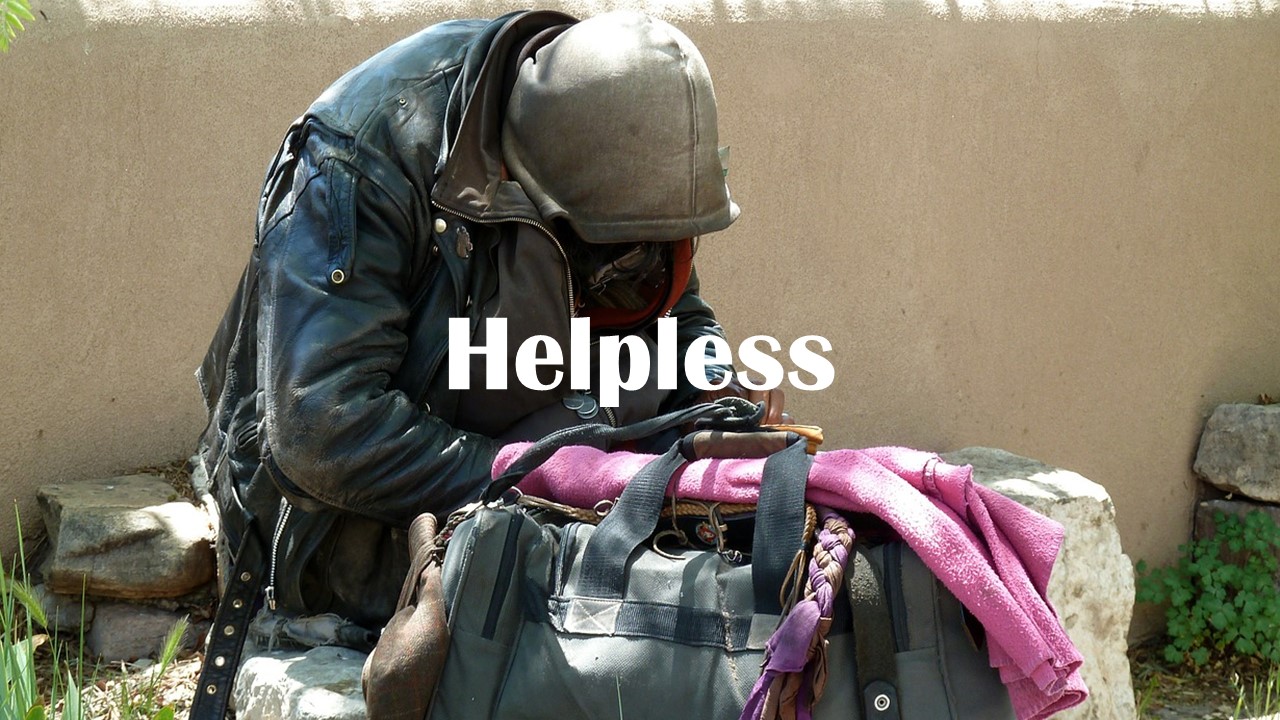
Helpless person

Helpless.
Photo courtesy of Pixabay.com

What do you do when they get mad at you for suggesting they get help?

It is not unusual for people with a serious mental illness to refuse treatment. They don’t want to admit they need help, they are embarrassed or they don’t think that anything can help them. Sometimes people don’t want to give up their problems even when others around them see the need for them to change.

People with Bipolar Disorder may be especially resistant to getting treatment. They like the way the mania or hypomania makes them feel. When they slip into depression they may be more receptive but the second the depression lifts and the mania returns they are prone to stop taking their meds. This is very difficult for those around them.

People with a drug or alcohol problem are also resistant to change. They like the mood change their chemical friend creates and are unlikely to think the problem is the drug. They will blame others, make excuses, and offer plenty of reasons why they don’t have a problem. The harder you press them to change the angrier they will get.

Other additions, gambling, sex, and pornography are also more likely to be seen as a problem by those around the addict. So what does the family member do?

Unless the person with the addiction or the mental illness wants to change there is little those around them can do to make them change. The ill person needs to decide that this issue is causing them a problem and for a very long time they will insist that the problem is all those other people around them who don’t understand them.

If the person with the problem does not want help I highly recommend that the family member who wants them to change needs to get counseling for themselves. Continuing to insist that someone change to make you happy make us wonder who the mentally ill person is.  Ask yourself a few questions.

If this person never changes one bit will I be happy in this relationship?

Most people who have a mental illness or an addiction will not change until they find that they can no longer go on acting the way they have been. As long as a family member or friend stays in their life, helping them out and caring for them, they are unlikely to admit they have a problem. If you love them you may have to let them go, only to find when they have lost everything and finally get into recovery they may want to be with someone new who has not been through all the pain with them.

Staying with them means you will need to be prepared for whatever ride you end up taking. They may get arrested, become violent; leave you for their addiction or another person. They may think, at least for a while, that you are the reason they drink, do drugs, or are “stressed out.”

Can I accept that this is just the way things are?

Some family members conclude that they would rather put up with an ill family member and stay in the relationship even if the ill person never goes for treatment. Others will conclude they can’t take living with an alcoholic, drug addict, or bipolar person who is unwilling to get help. The choice is not a black or white one; these life choices are very personal. Just don’t fool yourself into thinking that if you stay around long enough and try hard enough your love will change them.

Consider also how far into this relationship are you?

If you have several children together that is one situation. If you have no children do you want to raise a child or children while the impaired person continues to act this way? Is it fair to put a child through this?

Too many people think they can change the partner, that a child will make the relationship better and that the other person will suddenly snap out of it and assume responsibilities when they have to. Occasionally that happens but not very often.

When the ill person will not come for therapy then the rest of the family needs to come to talk through their options and for help in coping with an ill family member.

Photo credit: Wikipedia

Staying connected with David Joel Miller

Seven David Joel Miller Books are available now!

My newest book is now available. It was my opportunity to try on a new genre. I’ve been working on this book for several years, but now seem like the right time to publish it.

Story Bureau.

Story Bureau is a thrilling Dystopian Post-Apocalyptic adventure in the Surviving the Apocalypse series.

Baldwin struggles to survive life in a post-apocalyptic world where the government controls everything.

As society collapses and his family gets plunged into poverty, Baldwin takes a job in the capital city, working for a government agency called the Story Bureau. He discovers the Story Bureau is not a benign news outlet but a sinister government plot to manipulate society.

Bumps on the Road of Life. Whether you struggle with anxiety, depression, low motivation, or addiction, you can recover. Bumps on the Road of Life is the story of how people get off track and how to get your life out of the ditch.

Dark Family Secrets: Doris wants to get her life back, but small-town prejudice could shatter her dreams.

Casino Robbery Arthur Mitchell escapes the trauma of watching his girlfriend die. But the killers know he’s a witness and want him dead.

Planned Accidents  The second Arthur Mitchell and Plutus mystery.

Letters from the Dead: The third in the Arthur Mitchell mystery series.

What would you do if you found a letter to a detective describing a crime and you knew the writer and detective were dead, and you could be next?

Sasquatch. Three things about us, you should know. One, we have seen the past. Two, we’re trapped there. Three, I don’t know if we’ll ever get back to our own time.

For these and my upcoming books; please visit my Author Page – David Joel Miller

Want the latest blog posts as they publish? Subscribe to this blog.

For videos, see: Counselorssoapbox YouTube Video Channel

Do addict, mentally ill labels help or hurt?

By David Joel Miller, MS, Licensed Therapist & Licensed Counselor.

Mental Health or Mental Illness

Mental Health or Mental Illness?
Photo courtesy of Pixabay.com

Do most people accept labels like “addict” or “mentally ill?”

The use of labels to identify clients keeps coming up. Does having a label, a name, for your problem help you find answers, or does it stigmatize you?

The recovery movement often uses labels, usually self-applied to define the nature of their issue. Saying you are an Alcoholic helps you to understand the problem and what you need to do to overcome it. In this case, if you are really an alcoholic you should not drink.

In A.A. they don’t give out the labels. They present information and let people decide for themselves if the designation fits. This approach has a lot to recommend it.

Some people feel that giving out labels can be a barrier to recovery. If you say you are an addict then, of course, you will use drugs, the use of the label could be interpreted as a reason to stay in your problem rather than move towards a solution.

Personally, if I have a cough it makes a lot of difference to me whether I have an allergy or tuberculosis. I am frankly a lot suspicious of a doctor who wants me to take medication for my cough but does not want to tell me what is wrong with me for fear of labeling me.

People are not defined by their disorders. We should not refer to them as “the schizophrenic” or the “depressive.” We know that there are times the person with schizophrenia or another psychosis may not be experiencing symptoms or the symptoms may be milder. This sometimes is referred to as periods of lucidity. People with depression can get better.

Most people, in my experience, embrace these labels. They help define the challenge the person is facing. It is reassuring to know that you have a treatable disorder rather than to think that you are crazy or that there is something so wrong with you and there is no hope. What most people find is that there are lots of other people who are struggling with the same illness.

As a professional, I feel I owe it to a client to tell them what I think they are struggling with. Knowing the problem can suggest solutions. I don’t find it useful to argue with clients overdiagnosis. Whenever possible we start by working on the things the client thinks are problems for them. Help them find a job and the depression just may go away.

Sometimes people put too much trust in a diagnosis. What if the person who gave you that one was wrong? Learn to use that information, their view of what you are struggling with, and go from there.

Now if you have been given medication, I recommend you take it as prescribed. If it is not working or you are experiencing side effects, talk with the prescribing doctor before you make a sudden change, and please do not take a med only on the days you think you need it, unless the doctor prescribed it to be used that way.

Feel free to add other helpful things, like therapy, meditation, and a strong support system to your medication. Medication can only take you so far. Working on your recovery includes learning and practicing the skills you will need to maintain that recovery.

So as far as diagnosis or labels go, if they help your recovery, use them. If your label is getting in the way of your recovery don’t worry about what it is called and focus on your recovery skills.

My view – for most people labeling the problem is helpful, labeling yourself is not. You are, after all, much more than any one problem you may be struggling with.

For more on this whole label-diagnosis thing see also the posts on:

What is wrong with me?

5 Axis diagnosis esoterica

Is it a medical problem or a mental health problem?

Staying connected with David Joel Miller

Seven David Joel Miller Books are available now!

My newest book is now available. It was my opportunity to try on a new genre. I’ve been working on this book for several years, but now seem like the right time to publish it.

Story Bureau.

Story Bureau is a thrilling Dystopian Post-Apocalyptic adventure in the Surviving the Apocalypse series.

Baldwin struggles to survive life in a post-apocalyptic world where the government controls everything.

As society collapses and his family gets plunged into poverty, Baldwin takes a job in the capital city, working for a government agency called the Story Bureau. He discovers the Story Bureau is not a benign news outlet but a sinister government plot to manipulate society.

Bumps on the Road of Life. Whether you struggle with anxiety, depression, low motivation, or addiction, you can recover. Bumps on the Road of Life is the story of how people get off track and how to get your life out of the ditch.

Dark Family Secrets: Doris wants to get her life back, but small-town prejudice could shatter her dreams.

Casino Robbery Arthur Mitchell escapes the trauma of watching his girlfriend die. But the killers know he’s a witness and want him dead.

Planned Accidents  The second Arthur Mitchell and Plutus mystery.

Letters from the Dead: The third in the Arthur Mitchell mystery series.

What would you do if you found a letter to a detective describing a crime and you knew the writer and detective were dead, and you could be next?

Sasquatch. Three things about us, you should know. One, we have seen the past. Two, we’re trapped there. Three, I don’t know if we’ll ever get back to our own time.

For these and my upcoming books; please visit my Author Page – David Joel Miller

Want the latest blog posts as they publish? Subscribe to this blog.

For videos, see: Counselorssoapbox YouTube Video Channel

.

Job stress?

By David Joel Miller, MS, Licensed Therapist & Licensed Counselor.

Stress person

Stress.
Photo courtesy of Pixabay.com

Job stressing you out?

Feel trapped in your current position? Is your work contributing to your anxiety and depression?

David Miller, LMFT, LPCC.

What is Cyclothymia?

By David Joel Miller, MS, Licensed Therapist & Licensed Counselor.

Person with masks

Bipolar.
Photo courtesy of Pixabay.com

Cyclothymia, Bipolar, and Substance Abuse.

Cyclothymia is generally seen as a milder, subclinical form of Bipolar disorder. If it is the milder form we would expect to see a lot more Cyclothymia than Bipolar disorder. We don’t. So why and what is Cyclothymia?

A person with Cyclothymia is considered to be “temperamental, moody, unpredictable inconsistent and unreliable” (DSM-4-TR.) Cyclothymia seems to also be related to or overlaps Borderline personality disorder. Genetic risk factors, as well as environment and learning, may all play a role in creating Cyclothymia.

Cyclothymia, per the DSM, is a disorder characterized by chronic mood swings that do not meet the criteria for Bipolar disorder. Most mental illnesses require that the person, in order to get the disorder must experience a specific number of symptoms from a list of symptoms.

To be Bipolar I disorder you must have had a manic episode. For Bipolar Two, there must be a hypomanic (near manic) episode. That means that the person in addition to having an episode of elevated mood for at least 4 days must also have 4 of 7 listed symptoms. What if they only have three symptoms or if they have five “almost” symptoms. The way we count symptoms and who does the counting makes a lot of difference.

Cyclothymia waves the 4-day rule but requires that the mood swings go on over at least two years. (We make that one year in children.)  So for over two years, the person needs to keep having episodes of depression and episodes of almost hypomania but never reaching the full criteria for depressive or hypomanic episodes.

My experience says that no diagnosis, no treatment, unless you have the money to pay and the motivation to push, like having an overly moody child. So rather than wait the whole year for a child or two years for an adult before treatment is begun, people with these almost hypomanic therefore almost Bipolar diagnoses end up with the label Bipolar NOS or Mood Disorder NOS.

The statistics seem to bear that out. Estimates of the prevalence of Cyclothymia run from 4 to 6 people per 10,000. Bipolar One and Two are in the range of 50 to 150 people per 10,000. Meaning that Cyclothymia despite being thought of as mild Bipolar is much rarer. Mostly Cyclothymia gets diagnosed in people who have suffered for a long time – the full two years before something happened that sent them to treatment.

The criteria say someone with Cyclothymia should be experiencing “almost” depression, mania, or hypomania most of the time over those two years. Those episodes should all be just short of the Bipolar or Major Depressive disorder diagnosis but should cause a lot of distress. There also cannot ever be two months when you don’t have mood swings or we don’t think you meet the criteria for Cyclothymia.

To be Cyclothymia you should never have had any psychosis, which includes both hallucinations and severe delusional symptoms. And these symptoms can’t be the result of a medical condition.

Medications and Drugs can cause this.

It is not just street drugs but medications, prescribed and over the counter medications, that can cause Hypomania. Failure to sleep has been reported to cause hypomania and some overlooked products can cause the lack of sleep that induces mania.

Stimulants can interfere with sleep and that includes most of the medications for ADHD. But there is a bigger worry in children.

I feel certain I have seen sleep disruptions and resulting mood disturbances in kids who take in excessive caffeine. Energy drinks are a problem in teens but the little ones, the preschoolers and the early-grade student are also at risk.

Most sodas contain not just obesity causing sugar but massive amounts (relative to body weight) of caffeine. That huge amount of caffeine per pound of bodyweight causes sleep disruption and sleep disturbances which may be causing mood swings and even inducing Bipolar disorder.

The DSM-5 will tighten up the exclusion for any Drug or medication-induced hypomania.

Environmental and learned factors

Some of these symptoms, the swings between depression and hypomania look a lot like what we see in children from abusive, neglectful, or deprived backgrounds. Adult children of Alcoholics report that one time they would do something and be praised or rewarded for a behavior, the next time they might get hit.

An inconsistent environment would encourage you to be depressed and anxious at times and when it was safe to possibly go overboard at seeking pleasure. So being sort of hypomanic could be adaptive in a dysfunctional environment.

Cognitive Behavioral therapy has been reported as effective in treating people diagnosed with Cyclothymia. This suggests to me that some of these symptoms are learned and that there are core beliefs or schemas supporting this fluctuating mood way-of-being.

There are a host of other factors that influence the expression of Cyclothymia. Sleep changes can trigger changes in mood but so can changes in eating. Social support systems and the level of stress all contribute to mood swings.

Studies of Cyclothymia have the same defects as studies of other mood and anxiety disorders. People who act out and get arrested don’t get included in studies. Neither do people with drug or alcohol problems or those who are suicidal. Psychosis and delusions also get you kicked out of research. So those most likely to really be impaired by Cyclothymia are most likely to be excluded.

Information on Bipolar, Hyperthymia, Cyclothymia, Depression, and Other Mood disorders is scattered through this blog and I will continue to add to those posts. Check the categories list to the right. To make Bipolar Family posts easier to find there soon will be a separate post devoted to links on this blog and other places on the subjects of mood disorders.

Staying connected with David Joel Miller

Seven David Joel Miller Books are available now!

My newest book is now available. It was my opportunity to try on a new genre. I’ve been working on this book for several years, but now seem like the right time to publish it.

Story Bureau.

Story Bureau is a thrilling Dystopian Post-Apocalyptic adventure in the Surviving the Apocalypse series.

Baldwin struggles to survive life in a post-apocalyptic world where the government controls everything.

As society collapses and his family gets plunged into poverty, Baldwin takes a job in the capital city, working for a government agency called the Story Bureau. He discovers the Story Bureau is not a benign news outlet but a sinister government plot to manipulate society.

Bumps on the Road of Life. Whether you struggle with anxiety, depression, low motivation, or addiction, you can recover. Bumps on the Road of Life is the story of how people get off track and how to get your life out of the ditch.

Dark Family Secrets: Doris wants to get her life back, but small-town prejudice could shatter her dreams.

Casino Robbery Arthur Mitchell escapes the trauma of watching his girlfriend die. But the killers know he’s a witness and want him dead.

Planned Accidents  The second Arthur Mitchell and Plutus mystery.

Letters from the Dead: The third in the Arthur Mitchell mystery series.

What would you do if you found a letter to a detective describing a crime and you knew the writer and detective were dead, and you could be next?

Sasquatch. Three things about us, you should know. One, we have seen the past. Two, we’re trapped there. Three, I don’t know if we’ll ever get back to our own time.

For these and my upcoming books; please visit my Author Page – David Joel Miller

Want the latest blog posts as they publish? Subscribe to this blog.

For videos, see: Counselorssoapbox YouTube Video Channel
Small Businesses learn the value of mental wellness.

By David Joel Miller, MS, Licensed Therapist & Licensed Counselor.

Mental Health or Mental Illness

Mental Health or Mental Illness?
Photo courtesy of Pixabay.com

When you are happy you are more productive.

An interesting trend in my private practice has been the number of small business owners and managers who come to me to work on stress management and solving relationship problems. The manager with a happy home life is a more productive manager and gets more done with less time required at work. Reducing stress at work also reduces the tendency to take the problems home with you at night.

For more on this see the post “Counseling Helps the Small Business Owner” at counselorfresno.com

CALPCC, California and the future.

By David Joel Miller, MS, Licensed Therapist & Licensed Counselor.

Counseling questions

Counseling questions.
Photo courtesy of Pixabay.com

More about the new field of Professional Clinical Counseling.

Some of you have read my posts on LPCC’s and the establishment of Professional Clinical Counseling here in California. Those who know me personally, in the before the blog days, have probably heard me talk about my belief that there is a difference between MFT’s, LCSW’s, and the new LPCC profession.

I have written some posts about LPCC’s and my experience with taking the GAP exam. I became licensed as an MFT (LMFT) because at the time California did not offer the LPCC license as an option. When the opportunity arose to take the GAP exam and become licensed as an LPCC I took it. Because in private practice I do see children, couples, and families I will continue to maintain both.

Why was California the last state to license LPCC’s?

Most other states license Professional Counselors, Clinical Counselors, or some similar title.

Not all states licensed marriage and family therapists. (Update: I am told they now all do.) In fact, the California Association of MFT’s (CAMFT) has more members than the national association (AAMFT.)  States that recognized LPCC’s first were slow to recognize MFT’s and vice versa.

It has taken a while to recognize the importance of mental health as an integral part of providing health care. The various specialties within the area of mental health, substance abuse, and co-occurring disorders continue to evolve and differentiate.

It took a long time to establish that there were other mental health specialties beyond Social Workers and psychiatrists. Some states elected to license Professional Clinical Counselors first and other states recognized Marriage and Family Therapists first. Eventually, I believe, both professions will be recognized everywhere as important additions to the mental health field.

My past posts on LPCC’s were written from my perspective as I took the step to take the GAP exam and complete both licenses. See:

Therapist, Counselor, or Social Worker?

Licensed Professional Clinical Counselor (LPCC) Update

Licensed Professional Clinical Counselor (LPCC) in California

LPCC Exam is behind me!

LPC or LPCC?   

Recently I have been talking with CALPCC about ways in which I could become more involved with CALPCC. More about that in a future blog post.

If you are interested in CALPCC or the profession of Licensed Professional Clinical Counselors take a look at CALPCC’s website.    http://calpcc.org/

Staying connected with David Joel Miller

Seven David Joel Miller Books are available now!

My newest book is now available. It was my opportunity to try on a new genre. I’ve been working on this book for several years, but now seem like the right time to publish it.

Story Bureau.

Story Bureau is a thrilling Dystopian Post-Apocalyptic adventure in the Surviving the Apocalypse series.

Baldwin struggles to survive life in a post-apocalyptic world where the government controls everything.

As society collapses and his family gets plunged into poverty, Baldwin takes a job in the capital city, working for a government agency called the Story Bureau. He discovers the Story Bureau is not a benign news outlet but a sinister government plot to manipulate society.

Bumps on the Road of Life. Whether you struggle with anxiety, depression, low motivation, or addiction, you can recover. Bumps on the Road of Life is the story of how people get off track and how to get your life out of the ditch.

Dark Family Secrets: Doris wants to get her life back, but small-town prejudice could shatter her dreams.

Casino Robbery Arthur Mitchell escapes the trauma of watching his girlfriend die. But the killers know he’s a witness and want him dead.

Planned Accidents  The second Arthur Mitchell and Plutus mystery.

Letters from the Dead: The third in the Arthur Mitchell mystery series.

What would you do if you found a letter to a detective describing a crime and you knew the writer and detective were dead, and you could be next?

Sasquatch. Three things about us, you should know. One, we have seen the past. Two, we’re trapped there. Three, I don’t know if we’ll ever get back to our own time.

For these and my upcoming books; please visit my Author Page – David Joel Miller

Want the latest blog posts as they publish? Subscribe to this blog.

For videos, see: Counselorssoapbox YouTube Video Channel