Driving the recovery bus – the role of self-motivation in recovery

By David Joel Miller, MS, Licensed Therapist & Licensed Counselor.

Bus

Driving the recovery Bus.
Photo courtesy of Pixabay.com

Why you need to take charge of your recovery.

Have you ever considered who is in charge of your recovery? Someone needs to take charge and if not you then who? This recovery may be from mental illness, substance abuse, or most any other problem in life.

People go into recovery from the 28-day program (now often 30 days) to the long-term commitment without ever think about who will be guiding their recovery process. Yes, there are professions that work in these places but they can only do so much. As a professional, I can give you directions but to really arrive at the destination you want to reach you need to get upfront and take the wheel.

In recovery, we get out of programs what we put into them.

Recovery or treatment programs have their place. One reason that programs work is that they can break the cycle of drinking, drug use, and abuse or other self-destructive behavior. It is hard to get clean in a place where everyone is still active in their addiction.

This process can hold true for those with mental illness also. It is hard to get your life under control when you live in the midst of chaos. When you are struggling daily with your issues it is hard to look at the big picture and see what needs to change for you to find recovery.

If these programs, and sometimes the stays in the psych hospital, however brief, can be so very helpful in getting the journey of recovery underway, why does the situation revert to the old struggles so soon after you leave the safe walls of the program or hospital?

One reason that recovery does not “stick” is a misunderstanding of what recovery is and where it lives. Do not make the mistake of thinking that recovery lives in the white walls of safe places. You do not need to keep returning to that place where you first started your recovery journey in order to stay on track.

Recovery is a journey, a process, not a place. Once your recovery is launched you need to keep on doing the work. This is where so many people get in trouble. They expect the place, the counselors, therapists, and staff to change them, and then they will never have that issue again.

Change comes from the inside, not the out. Yes, knowledgeable people, professional staff, can give you lots of help and information in the beginning stages of your recovery, but to continue to recovery you need to take charge and drive that recovery bus yourself.

You should know what your life looked like when it was saturated with problems and have a clear idea of what recovery looks like. Helpful people can assist you along the journey but eventually, you need to take hold of that wheel and steer your life in the direction of a recovered life however you see that recovery.

Are you driving your recovery bus or are you a passenger going wherever life takes you?

Staying connected with David Joel Miller

Seven David Joel Miller Books are available now!

My newest book is now available. It was my opportunity to try on a new genre. I’ve been working on this book for several years, but now seem like the right time to publish it.

Story Bureau.

Story Bureau is a thrilling Dystopian Post-Apocalyptic adventure in the Surviving the Apocalypse series.

Baldwin struggles to survive life in a post-apocalyptic world where the government controls everything.

As society collapses and his family gets plunged into poverty, Baldwin takes a job in the capital city, working for a government agency called the Story Bureau. He discovers the Story Bureau is not a benign news outlet but a sinister government plot to manipulate society.

Bumps on the Road of Life. Whether you struggle with anxiety, depression, low motivation, or addiction, you can recover. Bumps on the Road of Life is the story of how people get off track and how to get your life out of the ditch.

Dark Family Secrets: Doris wants to get her life back, but small-town prejudice could shatter her dreams.

Casino Robbery Arthur Mitchell escapes the trauma of watching his girlfriend die. But the killers know he’s a witness and want him dead.

Planned Accidents  The second Arthur Mitchell and Plutus mystery.

Letters from the Dead: The third in the Arthur Mitchell mystery series.

What would you do if you found a letter to a detective describing a crime and you knew the writer and detective were dead, and you could be next?

Sasquatch. Three things about us, you should know. One, we have seen the past. Two, we’re trapped there. Three, I don’t know if we’ll ever get back to our own time.

For these and my upcoming books; please visit my Author Page – David Joel Miller

Want the latest blog posts as they publish? Subscribe to this blog.

For videos, see: Counselorssoapbox YouTube Video Channel

How to fail –Getting F’s may be harder than you think

By David Joel Miller, MS, Licensed Therapist & Licensed Counselor.

Success or failure sign

Success or failure.
Photo courtesy of Pixabay.com

All F’s are hard to get. Consistent repeated failure is harder than you think.

Every semester we who are teaching, have to put together a syllabus that describes the things the class will cover, what you have to do to get a particular grade, and the other things you need to know.

Wouldn’t it be nice if the rest of life came with that sort of clear directions?

How come we get a syllabus in college but not in life?

I have become convinced that many of the same factors that result in successes or failures in school also apply to life in general. There are certain things that will result in good grades and others that will result in consistent failure.

What surprises my students each semester is when I tell them that most of the time getting an F is more work than getting an A.

Here are things you will need to do to fail in school and these tips can help you fail in life if you so choose.

Drinking a lot of alcohol and doing a lot of drugs ensures failure.

Studies have consistently shown that the more drugs you do the lower your GPA. Drink enough and you will stop coming to class. Not showing up helps in your quest for failure.

There are lots of other escape mechanisms to let you run from your problems. Once you avoid a problem by using a crutch the problem gets bigger and you become more dependent on that crutch.

To avoid learning do not read the book or take notes.

Avoiding any new information assists in the art of failure. While you may not know enough to succeed you already know more than enough to fail.

This aversion to new knowledge can increase the chances of failure where ever you apply it. Jobs change so do relationships. The person who does not learn new job skills will become obsolete. The person who does not put anything into a relationship eventually finds the affection account has run dry.

Do not do the work and you are on the way to failure.

Work is an interference in the failure filled life. Do too much work and you might get something right. Those who do best at failure try the least.

Continue to insist that things should come your way by luck or as something you are owed. Never consider that effort could be necessary.

If by accident you did the homework, do not turn it in.

This is a sure-fire method for grabbing failure from the jaws of success. Leave the homework at home; keep that report in your desk until it is past the deadline. Never start anything until it is too late and you can avoid even the semblance of success.

If you do make some effort, minimize it, discount it, and avoid letting anyone see what you have worked on. In a failure filled life, it is necessary to keep your efforts a secret.

Miss as much class as possible; don’t show up for anything in life that matters.

Nothing so improves the probability of failure as to not be there when things are being done. Miss enough work and you will not need to come in anymore. Salesmen if you stop making calls you will be assured of a sales-free month.

Do not take any tests and you can’t ever pass one.

Avoiding any midterms or the final is a way to get the total points down below the passing level. Don’t show up for job interviews and you will not need to go to work. Avoid any evaluation and you will never have any big successes.

The consistent application of these principles will radically increase the chances you will have a life full of failure.

For maximum failure stop trying.

Still having a life full of deliberate failures may not make you a failure. To assure that you and others will consider your life a failure it is necessary to give up trying anything and everything and avoid all success no matter what the cost.

To begin to have a successful life do the opposite of these tips and begin to live your life by making the efforts needed to succeed. You might be pleasantly surprised how an occasional success can result in a positive attitude and that new improved attitude can result in a progressively longer string of success.

Staying connected with David Joel Miller

Seven David Joel Miller Books are available now!

My newest book is now available. It was my opportunity to try on a new genre. I’ve been working on this book for several years, but now seem like the right time to publish it.

Story Bureau.

Story Bureau is a thrilling Dystopian Post-Apocalyptic adventure in the Surviving the Apocalypse series.

Baldwin struggles to survive life in a post-apocalyptic world where the government controls everything.

As society collapses and his family gets plunged into poverty, Baldwin takes a job in the capital city, working for a government agency called the Story Bureau. He discovers the Story Bureau is not a benign news outlet but a sinister government plot to manipulate society.

Bumps on the Road of Life. Whether you struggle with anxiety, depression, low motivation, or addiction, you can recover. Bumps on the Road of Life is the story of how people get off track and how to get your life out of the ditch.

Dark Family Secrets: Doris wants to get her life back, but small-town prejudice could shatter her dreams.

Casino Robbery Arthur Mitchell escapes the trauma of watching his girlfriend die. But the killers know he’s a witness and want him dead.

Planned Accidents  The second Arthur Mitchell and Plutus mystery.

Letters from the Dead: The third in the Arthur Mitchell mystery series.

What would you do if you found a letter to a detective describing a crime and you knew the writer and detective were dead, and you could be next?

Sasquatch. Three things about us, you should know. One, we have seen the past. Two, we’re trapped there. Three, I don’t know if we’ll ever get back to our own time.

For these and my upcoming books; please visit my Author Page – David Joel Miller

Want the latest blog posts as they publish? Subscribe to this blog.

For videos, see: Counselorssoapbox YouTube Video Channel

Does the 4th of July need a corporate sponsor?

By David Joel Miller, MS, Licensed Therapist & Licensed Counselor.

Fourth of July.
Photo courtesy of Pixabay.com

Who is the official sponsor of the 4th of July?

The celebration of the Fourth of July as Independence Day is uniquely American. In other countries, they mark their independence on different dates. People in some countries are conflicted or even downright ambivalent about independence day, they may be rid of a colonial or conquering power but they have not yet achieved any meaningful form of independence.

Regardless of the status of your freedom and rights, I suspect that you have seen plenty of commercial enterprises who want to become the official sponsor of most everything. We have Olympic sponsors. There are official beers, shoes, and cars for almost every event.

Do we, here in America, need an official sponsor of our Independence Day? Maybe we could pay off the national debt by auctioning off official sponsorships of this and other holidays. Is freedom insolvent and in need of an infusion of cash to prevent its demise?

The concept that our independence or freedom might be improved by becoming dependent on an official sponsor’s product is a bit confusing, but not much else about freedom makes any sense anymore.

There appear to be official sponsorships for sale on most every place or event that occurs. A sponsor can put their name on the local stadium or festival why not on a holiday?

A concerted effort to sell sponsorships might be extended to almost every social need.

How about an official sponsor for DUI’s? We have a number of unofficial sponsors but why not sell that right to one particular company?

How about official sponsors for prisons?  We seem to have self-proclaimed official sponsors of backyard barbecues and summer fun, though I am unsure who they paid to become an “Official Sponsor.”

I feel very certain that the signers of the declaration of independence had a clear idea of what they were declaring. From this hindsight position, there appears to be some confusion about just what independence means, let alone freedom.

I have my doubts that Samuel Adams or John Hancock expected independence to include a United colonial scribe listening in through their windows and recording their thoughts and words. Today, should those gentlemen have any progeny among us; those descendants routinely expect their government to listen in on their email and phone conversations.

Sometimes to protect freedom and independence you need to give up a lot of rights, or so we are told.

I do not recall any official sponsors of the constitutional convention or the declaration of independence. Perhaps we missed a bet?

In colonial times when the government extends an official right to be the exclusive supplier of something, this right was called a monopoly. That monopoly on tea is reported to have played a role in sparking America’s rebellion.

On my more cynical days, I am inclined to think that the American war of rebellion was also a war to preserve our uninterrupted access to drugs, stimulants in the form of tea.

Since monopolies have gotten a bad name we now call these exclusive rights by other names like “official sponsor” or “bidder’s preference.”

Those who are celebrating Independence Day here in America are not the only group who are moving towards selling official sponsorship rights. Neither the Pilgrims nor the followers of that Jesus guy had any plan, as far as I can see, to sell the commercial rights to their holidays but those days now would barely be functional without commercial sponsorships.

Despite all the apparent opportunities for a commercial sponsor on this Independence Day, I remain unconvinced that we will be any more independent or free for having an official sponsor or two for this celebration.

Having another furniture or used car sale by an official sponsor will not promote or establish anyone’s freedom.

Independence and freedom are bought and preserved by the sacrifices of patriots; however, you understand that patriotism, not bought and sold by the cash of official sponsors.

Here is hoping that each and every one of you is enjoying the blessings of freedom and independence on this day devoted to remembering what it cost to assure those rights.

(Personal aside: I wrote and scheduled this post on 6/30/13. Today while browsing I came across a website ad that said, – celebrate the Fourth of July – shop now. Someone is already into the holiday spirit or is it the holiday spirits?)

Staying connected with David Joel Miller

Seven David Joel Miller Books are available now!

My newest book is now available. It was my opportunity to try on a new genre. I’ve been working on this book for several years, but now seem like the right time to publish it.

Story Bureau.

Story Bureau is a thrilling Dystopian Post-Apocalyptic adventure in the Surviving the Apocalypse series.

Baldwin struggles to survive life in a post-apocalyptic world where the government controls everything.

As society collapses and his family gets plunged into poverty, Baldwin takes a job in the capital city, working for a government agency called the Story Bureau. He discovers the Story Bureau is not a benign news outlet but a sinister government plot to manipulate society.

Bumps on the Road of Life. Whether you struggle with anxiety, depression, low motivation, or addiction, you can recover. Bumps on the Road of Life is the story of how people get off track and how to get your life out of the ditch.

Dark Family Secrets: Doris wants to get her life back, but small-town prejudice could shatter her dreams.

Casino Robbery Arthur Mitchell escapes the trauma of watching his girlfriend die. But the killers know he’s a witness and want him dead.

Planned Accidents  The second Arthur Mitchell and Plutus mystery.

Letters from the Dead: The third in the Arthur Mitchell mystery series.

What would you do if you found a letter to a detective describing a crime and you knew the writer and detective were dead, and you could be next?

Sasquatch. Three things about us, you should know. One, we have seen the past. Two, we’re trapped there. Three, I don’t know if we’ll ever get back to our own time.

For these and my upcoming books; please visit my Author Page – David Joel Miller

Want the latest blog posts as they publish? Subscribe to this blog.

For videos, see: Counselorssoapbox YouTube Video Channel

4 types of addiction

By David Joel Miller, MS, Licensed Therapist & Licensed Counselor.

Hands with pills

Addiction.
Photo courtesy of Pixabay

Not all addictions are created equal.

The word addiction and the whole concept of addiction have taken on a number of meanings. The result is that when we talk about addiction we are not all meaning the same thing.

As a counselor, I have come to see 4 different classes or patterns of addictions.

The meaning of the word addiction has changed so much it becomes difficult to know when to use the word addiction in one way and when it is being used in another.

My favorite dictionary, a real physical, book type dictionary, is the Century Dictionary from 1889. It defines addiction as “A state of being given up to some habit, practice or pursuit; addictedness; devotion. This definition explains why so very many different patterns of behavior have come to be called addictions.

Modern on-line dictionaries have inserted a first meaning of drug dependency and reduced the notion of devotion to something to a secondary position. Both meanings bring people to the counseling room.

Here are 4 primary types of addiction that may call for treatment or recovery.

Physical tissue dependency on a substance is an addiction.

Doctors might refer to this form of addiction as “Chemical Dependency.” We all know about addictions to chemicals which result in severe withdrawal symptoms when the user stops. The Heroin or opioid user gets violently physically ill when they are without their drug for a period of time. Alcoholics may experience the DTs if they are without a drink for a period of time.

Psychological dependence on a substance is addiction.

This manifests when the addict goes through a rehab, 28 or 30 days, and then, when they leave rehab, they return to drug or alcohol use. Clearly, this form of addiction is in the mind, not the body.

One reason we might develop this variety of addiction is the belief that we should be able to handle our alcohol or that we need substances to have a good time. The idea of heavy alcohol or drug uses is almost synonymous with the concept of a party and with having fun.

When people develop problems, DUI’s or similar issues, from drug use, they think it is their fault, that they should be able to handle their alcohol. We are mostly reluctant to admit that drugs, including alcohol, are inherently problematic.

By the way – it is quite possible to have fun, enjoy yourself – without resorting to drugs or alcohol. And this is one case where more is not better, more is a bad thing.

Process addictions, when doing takes control of the doer.

Some processes are psychologically rewarding and become so reinforcing that people find themselves unable to stop an activity or to regulate the time they spend on this behavior.

Slot machines and gambling are one activity that can form a process addiction. Video games, sexual activity, and shopping can all become repetitive patterns that a person can give themselves over to. The result is an addiction, a loss of control of your life, as a result of over participation in this activity.

Overeating may well be a form of process addiction. Other eating disorders anorexia or bulimia may fall into the psychological dependency category.

Lifestyles can become addictions.

The dope game or criminal behavior can also be addicting. Dope dealers get caught up in the game. The lifestyle provides large amounts of money, status, and recognition within a subgroup. The lifestyle also provides many other personal benefits. Every dope man knows there are plenty of customers willing to trade sex or other illegal activities for more dope.

The great fallacy of this game is that because you can make a lot of money in a short time it is very profitable. Careful studies have shown that many a young man thought he had it made; the cars, women, the bling, and the cash. But when we factor in the fines, the legal fees, and the time locked up and making nothing, it is not unusual for the dope man to make less than minimum wage. The catch is that he makes thousands in a weekend and then nothing for the years he spends in prison.

No doubt I have left out listing examples of other items that might fit these four categories. Have you experienced an over-dependence, a devotion to something that has affected your life? Have you been chemically or psychologically dependent on a substance or developed an excessive reliance on a process or a lifestyle?

If you have any of these issues help is available.

Staying connected with David Joel Miller

Seven David Joel Miller Books are available now!

My newest book is now available. It was my opportunity to try on a new genre. I’ve been working on this book for several years, but now seem like the right time to publish it.

Story Bureau.

Story Bureau is a thrilling Dystopian Post-Apocalyptic adventure in the Surviving the Apocalypse series.

Baldwin struggles to survive life in a post-apocalyptic world where the government controls everything.

As society collapses and his family gets plunged into poverty, Baldwin takes a job in the capital city, working for a government agency called the Story Bureau. He discovers the Story Bureau is not a benign news outlet but a sinister government plot to manipulate society.

Bumps on the Road of Life. Whether you struggle with anxiety, depression, low motivation, or addiction, you can recover. Bumps on the Road of Life is the story of how people get off track and how to get your life out of the ditch.

Dark Family Secrets: Doris wants to get her life back, but small-town prejudice could shatter her dreams.

Casino Robbery Arthur Mitchell escapes the trauma of watching his girlfriend die. But the killers know he’s a witness and want him dead.

Planned Accidents  The second Arthur Mitchell and Plutus mystery.

Letters from the Dead: The third in the Arthur Mitchell mystery series.

What would you do if you found a letter to a detective describing a crime and you knew the writer and detective were dead, and you could be next?

Sasquatch. Three things about us, you should know. One, we have seen the past. Two, we’re trapped there. Three, I don’t know if we’ll ever get back to our own time.

For these and my upcoming books; please visit my Author Page – David Joel Miller

Want the latest blog posts as they publish? Subscribe to this blog.

For videos, see: Counselorssoapbox YouTube Video Channel

Should your daughter’s therapist be talking to you?

By David Joel Miller, MS, Licensed Therapist & Licensed Counselor.

child

Child.
Photo courtesy of Pixabay.com

When should your child’s therapist include you in the conversation?

Sometimes the therapist should be talking to the parent and sometimes not.  Which is which and what factors are in play?

The child’s age.

If your child is 4 then yes, most of the time the therapist should actively engage you in the conversation and in participating in the process of therapy. You need to be a part of what is going on. You are with the child 24 /7 and you will need to do things to maintain any progress that is made in therapy. Mostly, if the child is young, the parent needs to be involved. Most of the work will focus on helping the parent to manage this child’s symptoms in the home environment.

When your child is older will the therapist talk to you?

What if your child is 44? Sorry folks, I know that you parents think of this person as your child, you care about them and want to help them. But once they pass 18 they get privacy and confidentiality. Unless they are severely disabled and you are their only caregiver it is unlikely you will be included in the conversation at all. Even then most of the conversation will stay confidential between the client and therapist. Your child will need to tell you what you want to know or you will not get the information.

Between four and 18 years of age the “including parents” part gets iffier. The older the child the less that parent will be included in the therapy.

The more the parent pushes to know every detail of what the child is saying in therapy the more this intrusion can interfere with making progress. As the parent pushes more to control the therapy we therapists also get progressively more suspicious.

I love it when the parent cares about their child and wants them to get well. But the parent who insists on being present at every session and wants to know everything that the child says and the therapist does – what is up with that?

Is the parent the solution to the child’s problem or the cause?

Most therapists have stories of parents who seemed overly interested in what their child said in therapy. One reason this happens is that the parent is the cause of the problem.

Parents who are abusing their children are afraid the child might talk about that abuse. Some parents have their own secrets they want to hide, drug use, alcoholism, criminal activity, all manner of things.

Even if the parent is not the proximate cause of the problem, the family’s situation may be what is making this child depressed. Most parents want the conversation focused on the child and they do not want any discussion of the domestic violence or other problem behaviors that take place at home. Some parents do not want the therapist to find out that one parent has been missing for a few years in prison or that there has been a whole string of step-parents.

When parents are present, or when the child thinks the parent will hear what they say, they don’t talk about the embarrassing things.

Most kids do not talk about the pressures to have sex or the urges when parents are present. They know what their parents have told them about drugs, alcohol, and sex. They also know what the parents are doing in these areas and that what parents say and do are often at odds. So lots of embarrassing things get left out of conversations when the parent is present in the therapy room.

The fear that the parent will disapprove or the risk of embarrassment should the parent know what is going on might keep the child from talking about things that really need to be discussed.

Even that fear of failing algebra may not get talked about with mom in the room. The kid knows mom will just rag on them to study more rather than hear that this fear of failing algebra is giving them test anxiety and making it harder to finish the test.

Therapists help families through role changes.

During those late teen years, the parent’s role moves from protecting the child to teaching them how to make choices and learn from their mistakes. Parents, if your teen’s problems are severe enough to need the services of a professional then you probably will not be involved in the discussion until the teen has worked the problem out.

One thing a therapist should do is help the teen work up the courage to tell their parents what is wrong. Sometimes we even facilitate the teen telling the parents embarrassing things.

Many a child is surprised to find that when they do work up their courage and tell the parent this secret, the parent is more understanding and supportive than the teen expected.

Lots of problems could be worked out if a family could just talk about the issues in a supportive; “we are all in this together” atmosphere. But for family’s who can’t do this or have lost the ability to talk with each other, there are professionals that can help.

Staying connected with David Joel Miller

Seven David Joel Miller Books are available now!

My newest book is now available. It was my opportunity to try on a new genre. I’ve been working on this book for several years, but now seem like the right time to publish it.

Story Bureau.

Story Bureau is a thrilling Dystopian Post-Apocalyptic adventure in the Surviving the Apocalypse series.

Baldwin struggles to survive life in a post-apocalyptic world where the government controls everything.

As society collapses and his family gets plunged into poverty, Baldwin takes a job in the capital city, working for a government agency called the Story Bureau. He discovers the Story Bureau is not a benign news outlet but a sinister government plot to manipulate society.

Bumps on the Road of Life. Whether you struggle with anxiety, depression, low motivation, or addiction, you can recover. Bumps on the Road of Life is the story of how people get off track and how to get your life out of the ditch.

Dark Family Secrets: Doris wants to get her life back, but small-town prejudice could shatter her dreams.

Casino Robbery Arthur Mitchell escapes the trauma of watching his girlfriend die. But the killers know he’s a witness and want him dead.

Planned Accidents  The second Arthur Mitchell and Plutus mystery.

Letters from the Dead: The third in the Arthur Mitchell mystery series.

What would you do if you found a letter to a detective describing a crime and you knew the writer and detective were dead, and you could be next?

Sasquatch. Three things about us, you should know. One, we have seen the past. Two, we’re trapped there. Three, I don’t know if we’ll ever get back to our own time.

For these and my upcoming books; please visit my Author Page – David Joel Miller

Want the latest blog posts as they publish? Subscribe to this blog.

For videos, see: Counselorssoapbox YouTube Video Channel

Will therapy work even if you don’t believe in it?

By David Joel Miller, MS, Licensed Therapist & Licensed Counselor.

Therapy

Therapy.
Photo courtesy of Pixabay.com

What is therapy and how do you know if it will work for you?

Interesting question, this came in as a search term and that always gets me thinking about what was on the reader’s mind and what did they want to find. As a therapist, I believe that therapy works, sometimes, for some people, but at other times people tell me that they went for therapy and it did not help them.

Why does therapy sometimes help and sometimes not? Maybe this depends on what therapy really is. I think there are ways it works and ways it doesn’t.

Let’s try some similar questions and see if it helps understand this dilemma.

Does gravity work if you do not believe in it?

Most of us would say a conclusive yes; gravity always works, at least here on planet earth. So if therapy is a force that produces change yes it should always work regardless of whether you think it will or not.

Do cars work whether you believe in them or not? If you just hang around them, but because you do not believe in cars, you never get in one, then no for you, they will not work.

If you think that therapy is a process of change; then for it to work you will need to do some work.  If you do not do the work, your disbelief will prevent the process from taking you anywhere. Disbelief will keep you stuck where you are.

We know that you do not have to be a therapist for what you to do to be therapeutic. We even talk about therapeutic environments. So if you have supportive friends who can listen to you and help you think and talk things out, that might be therapeutic.

The most effective therapy occurs when you believe that the therapist wants to help you and you feel comfortable talking about your problems. The short answer is that counseling works best if the client believes it will. But like gravity, counseling or therapy can work for you if you just temporarily suspend your disbelief and give it a try.

Staying connected with David Joel Miller

Seven David Joel Miller Books are available now!

My newest book is now available. It was my opportunity to try on a new genre. I’ve been working on this book for several years, but now seem like the right time to publish it.

Story Bureau.

Story Bureau is a thrilling Dystopian Post-Apocalyptic adventure in the Surviving the Apocalypse series.

Baldwin struggles to survive life in a post-apocalyptic world where the government controls everything.

As society collapses and his family gets plunged into poverty, Baldwin takes a job in the capital city, working for a government agency called the Story Bureau. He discovers the Story Bureau is not a benign news outlet but a sinister government plot to manipulate society.

Bumps on the Road of Life. Whether you struggle with anxiety, depression, low motivation, or addiction, you can recover. Bumps on the Road of Life is the story of how people get off track and how to get your life out of the ditch.

Dark Family Secrets: Doris wants to get her life back, but small-town prejudice could shatter her dreams.

Casino Robbery Arthur Mitchell escapes the trauma of watching his girlfriend die. But the killers know he’s a witness and want him dead.

Planned Accidents  The second Arthur Mitchell and Plutus mystery.

Letters from the Dead: The third in the Arthur Mitchell mystery series.

What would you do if you found a letter to a detective describing a crime and you knew the writer and detective were dead, and you could be next?

Sasquatch. Three things about us, you should know. One, we have seen the past. Two, we’re trapped there. Three, I don’t know if we’ll ever get back to our own time.

For these and my upcoming books; please visit my Author Page – David Joel Miller

Want the latest blog posts as they publish? Subscribe to this blog.

For videos, see: Counselorssoapbox YouTube Video Channel

2013 Midpoint – Top 10 posts

Counselorssoapbox.com

By David Joel Miller, MS, Licensed Therapist & Licensed Counselor.

First 6 months of 2013 most read counselorssoapbox.com mental health posts.

David

David Miller. LMFT, LPCC

Can you believe it? 2013 is half gone? Seems like only yesterday we were talking about resolutions, goals, values, and what we might all do to have a happy life.

This year the plan was to aim to average one new post each day. No one has been more surprised than I that a new post has appeared every day.

The theme for this blog has been and will continue to be mental health, substance abuse, co-occurring disorders, and having a happy life.

Along that road to a happy life, however, you might define that, we have talked about a lot of other life issues, the senses, feelings, success and failure, and the like.

Always popular have been the posts around about therapy and counseling, can it help, can I trust them, what will they keep secret, and the like.

Posts on specific diagnoses, depression, Bipolar and the like, substance-related disorders, relationship issues, and parenting have also gotten some attention. For the balance of the year, we will try to fill in some gaps in the topics.

My aim is to cover things that might be helpful in your recovery, successes, and happiness. In that spirit, the goal, not quite a resolution, is to post another 180 items, roughly one per day. Forgive me if I miss a few days here and there, but I will try to make up for that with some extra answers to readers’ questions.

You can all help me out here by leaving comments or asking questions.

Here are the top 10 posts for the first 6 months of 2013, a few new posts are moving up the list but have not made the top 10 yet.

  1. How much should you tell a therapist?  
  2. Do therapists have to report a crime?
  3. Are you Hyperthymic?
  4. Do people really forget what happened when drinking? – Blackouts
  5. Levels or types of Borderline Personality Disorder
  6. Is nicotine a stimulant or a depressant?  
  7. Why can’t we forget the painful past?
  8. Which border is Borderline Intellectual Functioning on?
  9. What is the difference between depression and Major Depressive Disorder?
  10. Hyperthymia, Hyperthymic Personality Disorder and Bipolar Disorder

Best wishes on your journey towards the life you want to be living.

Staying connected with David Joel Miller

Seven David Joel Miller Books are available now!

My newest book is now available. It was my opportunity to try on a new genre. I’ve been working on this book for several years, but now seem like the right time to publish it.

Story Bureau.

Story Bureau is a thrilling Dystopian Post-Apocalyptic adventure in the Surviving the Apocalypse series.

Baldwin struggles to survive life in a post-apocalyptic world where the government controls everything.

As society collapses and his family gets plunged into poverty, Baldwin takes a job in the capital city, working for a government agency called the Story Bureau. He discovers the Story Bureau is not a benign news outlet but a sinister government plot to manipulate society.

Bumps on the Road of Life. Whether you struggle with anxiety, depression, low motivation, or addiction, you can recover. Bumps on the Road of Life is the story of how people get off track and how to get your life out of the ditch.

Dark Family Secrets: Doris wants to get her life back, but small-town prejudice could shatter her dreams.

Casino Robbery Arthur Mitchell escapes the trauma of watching his girlfriend die. But the killers know he’s a witness and want him dead.

Planned Accidents  The second Arthur Mitchell and Plutus mystery.

Letters from the Dead: The third in the Arthur Mitchell mystery series.

What would you do if you found a letter to a detective describing a crime and you knew the writer and detective were dead, and you could be next?

Sasquatch. Three things about us, you should know. One, we have seen the past. Two, we’re trapped there. Three, I don’t know if we’ll ever get back to our own time.

For these and my upcoming books; please visit my Author Page – David Joel Miller

Want the latest blog posts as they publish? Subscribe to this blog.

For videos, see: Counselorssoapbox YouTube Video Channel

Are you Playing the victim? Breaking free

By David Joel Miller, MS, Licensed Therapist & Licensed Counselor.

The victim role.
Photo courtesy of Pixabay.com

How does the victim role feel?

Some people are victimized and others become permanent victims. The more times you are knocked down the harder it may become to get back up. What you need to avoid is assuming that hopeless victim role.

Clients sometimes make sudden remarkable recoveries. Recently I had a client whose whole life seemed to make a sudden shift. One day they were depressed and hopeless and the next they were upbeat and hopeful.

I would love to take credit for this sudden change, but I have learned that ultimately the clients are in charge of their own recovery and I am just a tour guide on that journey.  So when this dramatic shift happens I want to know why.

What do you think they told me?

“I stopped playing the victim role” was the response.

So regardless of how dysfunctional their family of origin, no matter what their ex, had done, this client determined to not fill the victim role for them or anyone else. Starting that day their life was different.

Certainly, life’s troubles leave scars. We walk with a physical or an emotional limp, and those accumulated scars become a part of who we are. All my past experiences have made me who I am today. But what this client had suddenly realized was that those experiences do not need to define them. They can choose to wear that “victim role” hat or they can trade this role in for a “recovered person” hat.

One approach, the being a victim one, is looking back. Staying stuck in the past, arguing that it should not have been that way can keep you stuck for as long as you chose to stay there.

The other approach, looking forward, is full of hope. When we trade in that “hopeless victim” hat for the new “recovering person” hat we can become filled with hope and a positive attitude.

We see this over and over. Some people chose the victim of domestic violence or cancer hat and others pick up the survivor of domestic violence or cancer hat. The difference is one of attitude.

So in what ways have you been playing the victim? Are you ready to trade that part in for a new recovered person role? All you need to do is turn your head and look forward instead of back.

Best wishes on your journey to that happy life you deserve.

Staying connected with David Joel Miller

Seven David Joel Miller Books are available now!

My newest book is now available. It was my opportunity to try on a new genre. I’ve been working on this book for several years, but now seem like the right time to publish it.

Story Bureau.

Story Bureau is a thrilling Dystopian Post-Apocalyptic adventure in the Surviving the Apocalypse series.

Baldwin struggles to survive life in a post-apocalyptic world where the government controls everything.

As society collapses and his family gets plunged into poverty, Baldwin takes a job in the capital city, working for a government agency called the Story Bureau. He discovers the Story Bureau is not a benign news outlet but a sinister government plot to manipulate society.

Bumps on the Road of Life. Whether you struggle with anxiety, depression, low motivation, or addiction, you can recover. Bumps on the Road of Life is the story of how people get off track and how to get your life out of the ditch.

Dark Family Secrets: Doris wants to get her life back, but small-town prejudice could shatter her dreams.

Casino Robbery Arthur Mitchell escapes the trauma of watching his girlfriend die. But the killers know he’s a witness and want him dead.

Planned Accidents  The second Arthur Mitchell and Plutus mystery.

Letters from the Dead: The third in the Arthur Mitchell mystery series.

What would you do if you found a letter to a detective describing a crime and you knew the writer and detective were dead, and you could be next?

Sasquatch. Three things about us, you should know. One, we have seen the past. Two, we’re trapped there. Three, I don’t know if we’ll ever get back to our own time.

For these and my upcoming books; please visit my Author Page – David Joel Miller

Want the latest blog posts as they publish? Subscribe to this blog.

For videos, see: Counselorssoapbox YouTube Video Channel
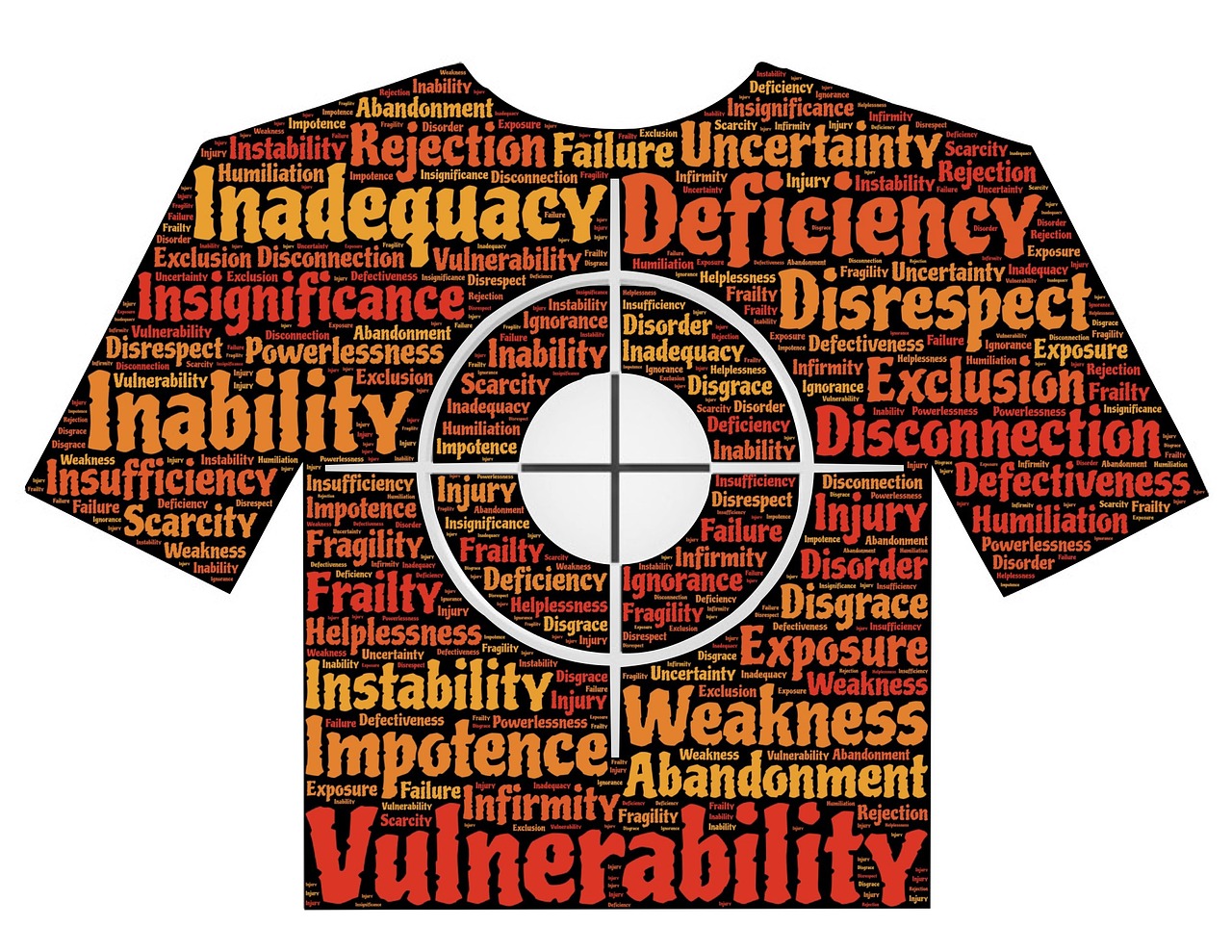
Men don’t only want one thing! Ladies you’ve been misled.

By David Joel Miller, MS, Licensed Therapist & Licensed Counselor.

Sex?
Photo courtesy of pixabay.

It takes way more than sex to keep a man’s interest.

The spring falling-in-love season is about over, the summer wedding season has begun. The divorce and break up season, that season is pretty much year-round.

Women who come for counseling and they mostly come during and after the breakup, repeatedly tell me, and remember I am a man, that men only want one thing.

Women seem to think that all men expect in a relationship is sex. They are so wrong. Men want sex, yes they do. It is a biological imperative for men to make that contribution to the continuation of the human race. But ladies if you think that is all it takes to keep a man happy no wonder so many relationships are in trouble.

It takes more than great sex to keep a relationship happy and functional.

For your edification ladies, men in after-the-break-up counseling, they say Women only want one thing. What they think women want is way different from what you ladies say they want. I will tell you about what men think is the only thing you women want in a future post.

What do men want other than sex?

Women seem to think, some of you anyway, that you spread your legs apart and the man should be happy. Then when he does not do what you want, you withdraw the sex and say he only wanted one thing. He was settling for the thing you offered but many men want so much more than just sex.

Some women use sex to get the man hooked – The old bait and switch.

Try taking your kids to the amusement park, let them ride the roller-coaster once. Then plan to spend the rest of the day looking at the flowers and the decor. How long till they feel cheated and want to go home.

For men, sex is symbolic as well as physical. If you love me you would want to do that. So they find it hard to believe you genuinely care about them if the sex is not happening. They think you should want to give them this gift. Women, on the other hand, want to feel loved before they are interested in sex. So we do the love dance, do you love me or not and each couple finds the time and place to complete the dance and engage in sex.

Some of you start at the end of the dance and then wonder why neither of you knows the steps to keep it going.

What else do men want?

Men want to know that they can make you happy.

In the courting stage, you let him know he was making you happy.  You laughed at his jokes, smiled when you saw him, and talked about the things he was interested in.

One day after you two are together, you stop laughing at his jokes, you don’t want to hear about his team or his interests, and if he leaves his socks on the floor one more time that will be the end of the sex.

Men hang in there for a while, some longer than others, but if nothing he does pleases you and then you stop telling him you love him in the bedroom, you know the rest.

Men want to be with someone who likes them.

All-day they are out at work. People are critical. then the man comes home and what does his partner and lover do? She tells him all the things he is doing wrong.

When you were dating he thought you liked him. Suddenly he is living with a person who thinks he is an SOS (sack of stuff.)

I know you ladies think you are being helpful telling him all the things he could improve on, but he knows he is not perfect. He just would like to come home to someone who could affirm he is a worthwhile person. He needs someone in his house, his castle, who thinks he is a great guy.

So ladies when you decide you no longer need to affirm his worth, that it is your sworn duty to tell him all his flaws, is it any wonder he goes looking for those affirmations from his therapist or his mistress?

So ladies, if you think all men want, is sex, you are putting your man on an emotional starvation diet. Eventually, you will get tired of giving him the sex and then things will be all over.

Men need affirmation to know they can make you happy, they need appreciation for what they do and they need to know that you still like them and want them. It takes a full course emotional meal to keep a man’s love needs fed.

There is that other secret men keep. Many men are convinced that women only want one thing and it is not always something men have to give. Next post the thing men say is “all women want” in the relationship and why this pushes men away.

Staying connected with David Joel Miller

Seven David Joel Miller Books are available now!

My newest book is now available. It was my opportunity to try on a new genre. I’ve been working on this book for several years, but now seem like the right time to publish it.

Story Bureau.

Story Bureau is a thrilling Dystopian Post-Apocalyptic adventure in the Surviving the Apocalypse series.

Baldwin struggles to survive life in a post-apocalyptic world where the government controls everything.

As society collapses and his family gets plunged into poverty, Baldwin takes a job in the capital city, working for a government agency called the Story Bureau. He discovers the Story Bureau is not a benign news outlet but a sinister government plot to manipulate society.

Bumps on the Road of Life. Whether you struggle with anxiety, depression, low motivation, or addiction, you can recover. Bumps on the Road of Life is the story of how people get off track and how to get your life out of the ditch.

Dark Family Secrets: Doris wants to get her life back, but small-town prejudice could shatter her dreams.

Casino Robbery Arthur Mitchell escapes the trauma of watching his girlfriend die. But the killers know he’s a witness and want him dead.

Planned Accidents  The second Arthur Mitchell and Plutus mystery.

Letters from the Dead: The third in the Arthur Mitchell mystery series.

What would you do if you found a letter to a detective describing a crime and you knew the writer and detective were dead, and you could be next?

Sasquatch. Three things about us, you should know. One, we have seen the past. Two, we’re trapped there. Three, I don’t know if we’ll ever get back to our own time.

For these and my upcoming books; please visit my Author Page – David Joel Miller

Want the latest blog posts as they publish? Subscribe to this blog.

For videos, see: Counselorssoapbox YouTube Video Channel

Success does not cure low self esteem

By David Joel Miller, MS, Licensed Therapist & Licensed Counselor.

Success

Success.
Photo courtesy of Pixabay.com

Racking up the successes may make your low self-esteem worse, not better.

You would think that people with a string of successes to their credit would feel good about themselves. Often this is not the case.

Olympic caliber athletes get depressed even suicidal; professionals in many fields suffer from low self-esteem.

The cause of this low self-esteem among high achievers is that ancient enemy – perfectionism.

Perfectionism destroys self-esteem.

The highly motivated student, the one with the all “A’s” on their record, if they were to just once get a B that would ruin their perfect record. Needing to be perfect is a way to overcompensate for feelings of inadequacy.

The way this works is one of the sneakiest of all possible manifestations of the fear of failure. Set impossible high goals and then if you fail to achieve them this is not your fault. Who could possibly be expected to be perfect?

The consequence of this setting yourself up to fail but making the goal beyond anyone’s reach is to feel that having not achieved perfection, not being the best at everything, you are worthless and nothing.

We saw in a previous post, it is not the all A student that is the happiest. The good-enough student, the B student, is far happier. So is the student who is self-motivated, who does things to satisfy themselves and learns for the sake of learning not the external motivation of grades.

Dr. Berry at U.C. Berkeley wrote an interesting paper on the causes of failure (Special Feature: Fear of Failure in the Student Experience, Personnel/ and Guidance Journal, 1975.) As I understand this article he understands perfectionists as being high in Fear of Failure.

Refusing compliments lowers self-esteem.

In my experience people who suffer from a strong case of perfectionism discount all compliments. They find it impossible to accept that any form of praise can be sincere and they find themselves unable to accept compliments. The inferences here is that for them to accept an accolade means they are in some way in control of and responsible for their success. If you accept success then you also assume responsibility for your failure and the one thing any good perfectionist does not want to do is set themselves up to have to acknowledge a failure.

Perfectionists do not hear praise, from themselves or others. What they do hear is the criticisms, real or implied. Since good is never good enough and nothing but perfect is acceptable any mention of a success risks being heard as a back-handed compliment. Yes you did well this time, but what did you expect, the task was easy. Or more importantly, what will you do next time? For the perfectionist, failure is nipping at their heels and success is a distant target off on the horizon.

They dismiss out of hand all compliments by hold onto and cherish the negative message that even they are not perfect and eventually will fail.

Dr. Berry tells the story of his experiences as a child, participating in a contest with friends to throw snowballs at a post. They picked a post that was extremely far away. The consequence of setting this impossible target? If you hit it, then it was just luck. If you miss it, it was so far away no one could be expected to hit it. Either way, you were expected to miss and therefore could not fail.

Perfectionists set up just such tests for themselves.

The purpose of aiming for perfection, so this theory of psychology and others goes, is to establish such unreasonably high standards that no one could be criticized for not meeting that goal. The perfectionist keeps on trying to reach perfection until one day they give up trying as impossible and drop out of school or other activities or they finally do fail and then ascribe their lack of success to the impossible expectations of others.

Do you fear failure? Are you setting yourself up with excuses that result in creating the failure you fear? What would it mean to you to set realistic goals and actually meet some of them?

Staying connected with David Joel Miller

Seven David Joel Miller Books are available now!

My newest book is now available. It was my opportunity to try on a new genre. I’ve been working on this book for several years, but now seem like the right time to publish it.

Story Bureau.

Story Bureau is a thrilling Dystopian Post-Apocalyptic adventure in the Surviving the Apocalypse series.

Baldwin struggles to survive life in a post-apocalyptic world where the government controls everything.

As society collapses and his family gets plunged into poverty, Baldwin takes a job in the capital city, working for a government agency called the Story Bureau. He discovers the Story Bureau is not a benign news outlet but a sinister government plot to manipulate society.

Bumps on the Road of Life. Whether you struggle with anxiety, depression, low motivation, or addiction, you can recover. Bumps on the Road of Life is the story of how people get off track and how to get your life out of the ditch.

Dark Family Secrets: Doris wants to get her life back, but small-town prejudice could shatter her dreams.

Casino Robbery Arthur Mitchell escapes the trauma of watching his girlfriend die. But the killers know he’s a witness and want him dead.

Planned Accidents  The second Arthur Mitchell and Plutus mystery.

Letters from the Dead: The third in the Arthur Mitchell mystery series.

What would you do if you found a letter to a detective describing a crime and you knew the writer and detective were dead, and you could be next?

Sasquatch. Three things about us, you should know. One, we have seen the past. Two, we’re trapped there. Three, I don’t know if we’ll ever get back to our own time.

For these and my upcoming books; please visit my Author Page – David Joel Miller

Want the latest blog posts as they publish? Subscribe to this blog.

For videos, see: Counselorssoapbox YouTube Video Channel