Why your diagnosis does not fit

By David Joel Miller, MS, Licensed Therapist & Licensed Counselor.

Medical record

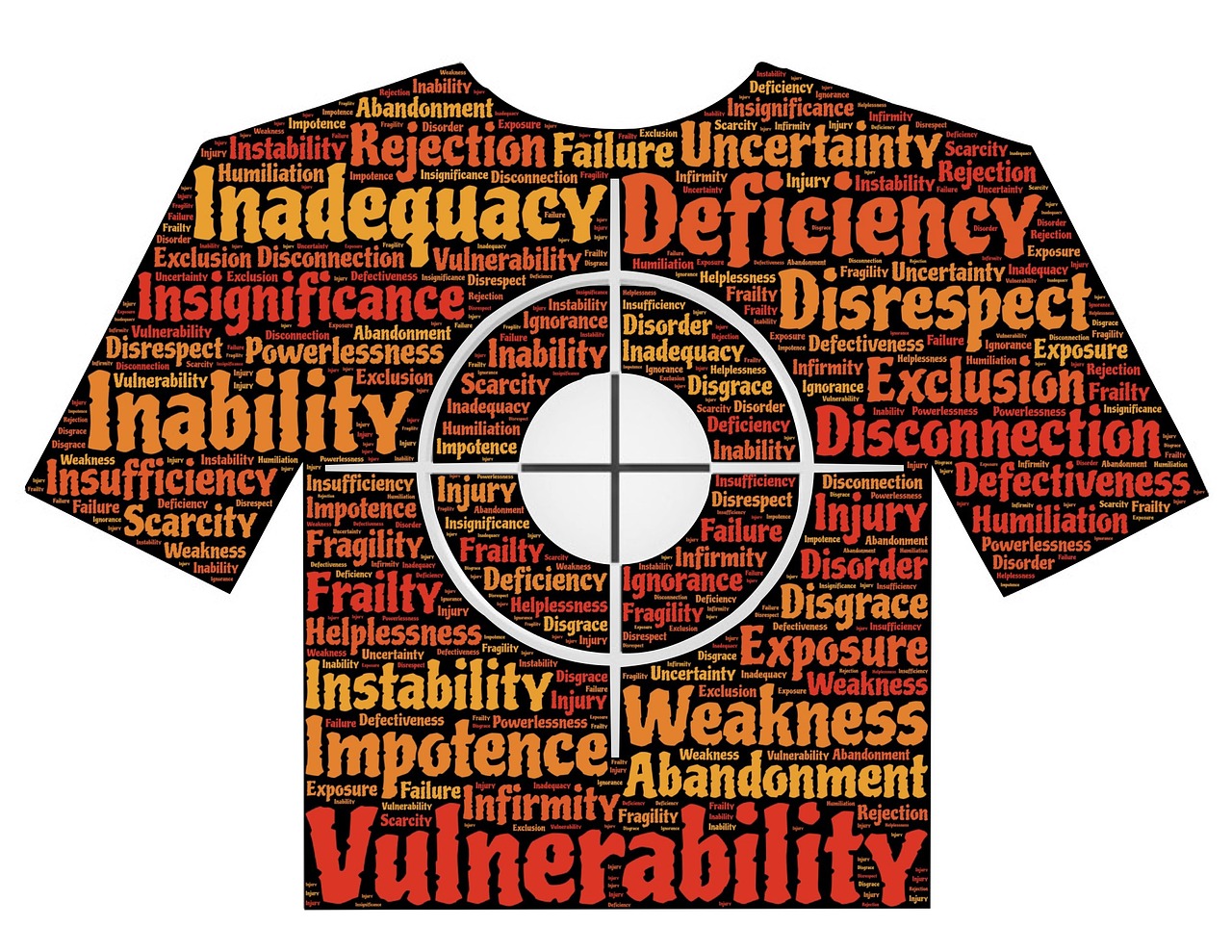
Diagnosis.
Photo courtesy of Pixabay.com

Why do they keep changing my mental health diagnosis?

If you or someone you know has a mental health diagnosis you might be wondering why the information you get is so inconsistent. You read about your diagnoses somewhere and yes you have some of those symptoms some of the time but there may be other symptoms you do not think you have had ever.

Then you see another professional and they give you a new diagnosis. Keep getting treatment and the diagnosis may keep changing. What is wrong with this? Which of the things you have been told are your problem is the correct diagnosis and why? Are the other diagnoses wrong?

You can have more than one problem.

Could be several diagnoses are correct. You could have high blood pressure and still have diabetes. You may have Depression and Anxiety and still have Partner Relational Problems.

It could also be that none of the diagnoses are right on the money and that what you are being given is a “provisional” diagnosis. As more information comes in your diagnosis might get changed. I know this is frustrating for you, it bothers most professionals also, but the truth is that the correct diagnosis is not always that clear.

“Strict Criteria” leaves a lot of people out.

Mental health diagnoses, in practice, are a lot fuzzier than they look in the textbooks. When we read research reports these are based on “strict criteria.” This means that the research participants are fully screened by someone on the researcher’s team and then they, or their files, are often reviewed again. During this process lots of potential subjects are screened out.  Anyone who has ever had a substance use disorder is not included.

So if you have bipolar disorder and have abused alcohol – no research for or about you. The result of these screening out process is that we know a lot about people who have exactly one and only one issue but not so much about anyone who has two or more problems or whose symptoms do not exactly match the “strict criteria.” The problem with getting a correct diagnosis does not end with strict criteria.

Mental illness as a brain disorder.

Mental illness, as currently understood, includes most all thinking, feeling, and behaving disorders. This creates a conflict when we start talking about “brain disorders.”

You could be born with a brain problem that makes you at more risk for depression – but then being neglected, abused, or other sad life experiences could overload your system and result in depression. So the environment can change the brain. Learning can alter your mood and if you learned to be depressed you can unlearn it.

Life experiences can and do change the wiring in your brain.  As far as your brain is concerned every thought you have is an experience as the electrical impulses and the chemical messengers move through your brain.

Change your thinking and your feelings change. As your feelings change your behavior will change. New feelings, new behavior, and your diagnoses could change.

Changes in thinking are not the only way you can change your feelings.

This freeway in your brain and nervous system moves in both directions. Change your behavior and your feelings will start to change. As your feelings change your thinking will change.

You keep changing without trying.

As you add more years to your life experiences, I am avoiding saying that anyone is getting older, your brain undergoes changes. Some of this is the result of learning and the growth of nerve cells. Other parts of the changes include hormones, puberty, menopause, and so on.

Some mental illnesses are first seen at certain times in people’s life. Schizophrenia symptoms are a lot more likely to first start or become pronounced enough to be recognized during the teen years or early twenty’s.

Bipolar Disorders do not get diagnosed until after you have had your first recognizable manic or hypomanic episode. The result is that most people first get a diagnosis of some kind of depression, with or without irritable mood and behavior, and then, later on, they may get a diagnosis of Bipolar Disorder.

As we age our symptoms may change and the diagnosis will change. The underlying person is still the same person, just the life problems they are working on have shifted.

If you do not feel that your current diagnosis is accurate, do not stress. You could try another provider or you could just wait and that diagnosis may change all on its own.

Diagnoses, like off the rack clothing rarely fit perfectly. What you need is a good enough fit that it assists you in developing a program of recovery. Sometimes that recovery program is primarily about managing your symptoms so you can stay out of the hospitals or institution. For other people recovery involves seeing how far they can take their life.

Personally, I am a believer in recovery. I have seen so many people with serious mental illnesses recover that I find it hard to believe there is anyone who can’t have some recovery in their life.

Recovery means different things to different people. Focus on what you can do, what you can improve, and see where your recovery will take you. Don’t let that ill-fitting diagnoses deter you from making the recovery journey.

Staying connected with David Joel Miller

Seven David Joel Miller Books are available now!

My newest book is now available. It was my opportunity to try on a new genre. I’ve been working on this book for several years, but now seem like the right time to publish it.

Story Bureau.

Story Bureau is a thrilling Dystopian Post-Apocalyptic adventure in the Surviving the Apocalypse series.

Baldwin struggles to survive life in a post-apocalyptic world where the government controls everything.

As society collapses and his family gets plunged into poverty, Baldwin takes a job in the capital city, working for a government agency called the Story Bureau. He discovers the Story Bureau is not a benign news outlet but a sinister government plot to manipulate society.

Bumps on the Road of Life. Whether you struggle with anxiety, depression, low motivation, or addiction, you can recover. Bumps on the Road of Life is the story of how people get off track and how to get your life out of the ditch.

Dark Family Secrets: Doris wants to get her life back, but small-town prejudice could shatter her dreams.

Casino Robbery Arthur Mitchell escapes the trauma of watching his girlfriend die. But the killers know he’s a witness and want him dead.

Planned Accidents  The second Arthur Mitchell and Plutus mystery.

Letters from the Dead: The third in the Arthur Mitchell mystery series.

What would you do if you found a letter to a detective describing a crime and you knew the writer and detective were dead, and you could be next?

Sasquatch. Three things about us, you should know. One, we have seen the past. Two, we’re trapped there. Three, I don’t know if we’ll ever get back to our own time.

For these and my upcoming books; please visit my Author Page – David Joel Miller

Want the latest blog posts as they publish? Subscribe to this blog.

For videos, see: Counselorssoapbox YouTube Video Channel

Driving the recovery bus – the role of self-motivation in recovery

By David Joel Miller, MS, Licensed Therapist & Licensed Counselor.

Bus

Driving the recovery Bus.
Photo courtesy of Pixabay.com

Why you need to take charge of your recovery.

Have you ever considered who is in charge of your recovery? Someone needs to take charge and if not you then who? This recovery may be from mental illness, substance abuse, or most any other problem in life.

People go into recovery from the 28-day program (now often 30 days) to the long-term commitment without ever think about who will be guiding their recovery process. Yes, there are professions that work in these places but they can only do so much. As a professional, I can give you directions but to really arrive at the destination you want to reach you need to get upfront and take the wheel.

In recovery, we get out of programs what we put into them.

Recovery or treatment programs have their place. One reason that programs work is that they can break the cycle of drinking, drug use, and abuse or other self-destructive behavior. It is hard to get clean in a place where everyone is still active in their addiction.

This process can hold true for those with mental illness also. It is hard to get your life under control when you live in the midst of chaos. When you are struggling daily with your issues it is hard to look at the big picture and see what needs to change for you to find recovery.

If these programs, and sometimes the stays in the psych hospital, however brief, can be so very helpful in getting the journey of recovery underway, why does the situation revert to the old struggles so soon after you leave the safe walls of the program or hospital?

One reason that recovery does not “stick” is a misunderstanding of what recovery is and where it lives. Do not make the mistake of thinking that recovery lives in the white walls of safe places. You do not need to keep returning to that place where you first started your recovery journey in order to stay on track.

Recovery is a journey, a process, not a place. Once your recovery is launched you need to keep on doing the work. This is where so many people get in trouble. They expect the place, the counselors, therapists, and staff to change them, and then they will never have that issue again.

Change comes from the inside, not the out. Yes, knowledgeable people, professional staff, can give you lots of help and information in the beginning stages of your recovery, but to continue to recovery you need to take charge and drive that recovery bus yourself.

You should know what your life looked like when it was saturated with problems and have a clear idea of what recovery looks like. Helpful people can assist you along the journey but eventually, you need to take hold of that wheel and steer your life in the direction of a recovered life however you see that recovery.

Are you driving your recovery bus or are you a passenger going wherever life takes you?

Staying connected with David Joel Miller

Seven David Joel Miller Books are available now!

My newest book is now available. It was my opportunity to try on a new genre. I’ve been working on this book for several years, but now seem like the right time to publish it.

Story Bureau.

Story Bureau is a thrilling Dystopian Post-Apocalyptic adventure in the Surviving the Apocalypse series.

Baldwin struggles to survive life in a post-apocalyptic world where the government controls everything.

As society collapses and his family gets plunged into poverty, Baldwin takes a job in the capital city, working for a government agency called the Story Bureau. He discovers the Story Bureau is not a benign news outlet but a sinister government plot to manipulate society.

Bumps on the Road of Life. Whether you struggle with anxiety, depression, low motivation, or addiction, you can recover. Bumps on the Road of Life is the story of how people get off track and how to get your life out of the ditch.

Dark Family Secrets: Doris wants to get her life back, but small-town prejudice could shatter her dreams.

Casino Robbery Arthur Mitchell escapes the trauma of watching his girlfriend die. But the killers know he’s a witness and want him dead.

Planned Accidents  The second Arthur Mitchell and Plutus mystery.

Letters from the Dead: The third in the Arthur Mitchell mystery series.

What would you do if you found a letter to a detective describing a crime and you knew the writer and detective were dead, and you could be next?

Sasquatch. Three things about us, you should know. One, we have seen the past. Two, we’re trapped there. Three, I don’t know if we’ll ever get back to our own time.

For these and my upcoming books; please visit my Author Page – David Joel Miller

Want the latest blog posts as they publish? Subscribe to this blog.

For videos, see: Counselorssoapbox YouTube Video Channel

What is a blog? Why are you writing a blog?

By David Joel Miller, MS, Licensed Therapist & Licensed Counselor.

blog

Blog.
Photo courtesy of Pixabay.com

So you ask: “What is a blog and why are you writing one?”

Probably 5 years or so ago, I asked a friend “What’s a blog.” Just recently she commented on one of my posts, an in-person comment by the way not an “at the end of post” comment. Seems she gets my blog delivered to her smartphone daily.

She informed me, back then, that a blog was a “Web Log” a sort of public journal where people talk about things that are important to them and hope those ideas are important to others. This intrigued me.

Finding that people I actually knew were receiving my blog, hopefully occasionally reading it, has me thinking about how I learned about blogs, why am I writing this one, and more importantly why people read these blogs. Clearly, for most of us, it is not about becoming rich or influenzal (Influential?) Bloggers keep hoping their post will go viral right?

Back then I kept running into blogs and occasionally reading about them on the internet. Mostly I seemed to be reading about how people made a lot of money blogging and how if I would just sign up for their program I to could become a world-famous advice-giver blogger. I almost added Blogs to my allergy list at that point.

I am clearly old school. Learning that a computer is something that fits on my desk, not a person to contract with took me some adjusting. But somehow I have learned a thing or two about blogs.

One reason I wanted to write a blog was that there were all these thoughts in my head and that I wanted to get them down on paper (electrons?) and hoped that they would be useful or of interest to someone else. Also, I want to write a book or two and all the writing sites say you need to have a blog and let people know what you are about if you ever want to get them to read your book. So I took the plunge.

Most of my posts are about substance abuse, mental health, counseling and therapy, and the whole recovery process. I wanted to share what I had learned about creating a happy life and about that journey.

The cool thing about this is that I get to write about what interests me and then see if any of you want to read that post. Sometimes I am really surprised. Things I thought were just an oh-by-the-way, have gotten a lot of readers and other posts, ones I worked on really hard, did not get many hits. Clearly, I am still learning.

Reader questions and search terms have gotten me thinking, made me do more research, and spawned some posts. I have learned a lot.

Learning the technology part has sometimes been painful. Anything labeled user-friendly should not include docs (documents) that are longer than a Tolstoy novel.  I am glad that I discovered WordPress since this site has been easier to use. They still have way more features than I will have the lifespan to learn to use, but it is nice to know that I could do more if I was so inclined.

If you who are from a post-big-war era find technical problems or care to make a suggestion please leave a comment. Just make your comment in intelligible English as I still have mastered only third-grade computer speak.

In the process of writing this blog I have read and subscribed to a lot of other blogs, some were really good ones and some not so good. Some blogs strike me as very uneven. One day they are so great and the next post is not so much. I think my blog has that same issue. Coming up with a new topic on a regular basis and then turning out a post takes time and effort and not everyone is a hit.

This blog (counselorssoapbox.com) is now in its third year with over 500 posts published so far. The book has turned into several books and they are all still works in progress. My current plan is to put more emphasis on the books as we head towards 2014 so I may have to miss posting a day or two on the blog.

So there you have it: What a blog is and why I am writing one. Any questions?

Related articles

Staying connected with David Joel Miller

Seven David Joel Miller Books are available now!

My newest book is now available. It was my opportunity to try on a new genre. I’ve been working on this book for several years, but now seem like the right time to publish it.

Story Bureau.

Story Bureau is a thrilling Dystopian Post-Apocalyptic adventure in the Surviving the Apocalypse series.

Baldwin struggles to survive life in a post-apocalyptic world where the government controls everything.

As society collapses and his family gets plunged into poverty, Baldwin takes a job in the capital city, working for a government agency called the Story Bureau. He discovers the Story Bureau is not a benign news outlet but a sinister government plot to manipulate society.

Bumps on the Road of Life. Whether you struggle with anxiety, depression, low motivation, or addiction, you can recover. Bumps on the Road of Life is the story of how people get off track and how to get your life out of the ditch.

Dark Family Secrets: Doris wants to get her life back, but small-town prejudice could shatter her dreams.

Casino Robbery Arthur Mitchell escapes the trauma of watching his girlfriend die. But the killers know he’s a witness and want him dead.

Planned Accidents  The second Arthur Mitchell and Plutus mystery.

Letters from the Dead: The third in the Arthur Mitchell mystery series.

What would you do if you found a letter to a detective describing a crime and you knew the writer and detective were dead, and you could be next?

Sasquatch. Three things about us, you should know. One, we have seen the past. Two, we’re trapped there. Three, I don’t know if we’ll ever get back to our own time.

For these and my upcoming books; please visit my Author Page – David Joel Miller

Want the latest blog posts as they publish? Subscribe to this blog.

For videos, see: Counselorssoapbox YouTube Video Channel

Has intuition gotten a bad name?

By David Joel Miller, MS, Licensed Therapist & Licensed Counselor.

Picking the right door.
Photo courtesy of Pixabay.com

People who use intuition correctly make better decisions.

In this modern scientific era, it has become conventional wisdom to dismiss intuition as nonsense and to insist that everyone thinks rationally – whatever rationally means. Recent research tells us that people who have developed their intuition make better decisions much of the time and that just relying on rational explanations does not get you the best answer all the time.

Top business executives and successful entrepreneurs use intuition to get ahead and stay ahead of their competitors.

Psychological tests and particularly the Myers-Brigs personality types distinguish two personality types. Those who decide “in a blink” and those who need time to think. One way of deciding is not necessarily better than the other and people who are able to use both methods do better at many tasks.

To understand the role of intuition in our lives we need to look first at what it is and then at how its proper use might help us have a better and happier life.

The dictionary definition, from an old paper dictionary, includes “To receive or assimilate knowledge by direct perception or comprehension.” This section on defining intuition is exceptionally long and includes a list of ways in which one might receive information: look at or upon, observe, regard, contemplate or consider, immediate perception.

The principal meaning of intuition is those things you know immediately by personal experience as opposed to thinking them based on some theory or second-hand knowledge.

While I may not trust that I get everything a see correctly, the essence of intuition is found in the old adage “seeing is believing.” Which explains why knowledge based on personal experiences including feelings can often be trusted more than the opinions of others including experts who have studied the subject but have no firsthand knowledge of the thing they are talking about.

Intuition, it would appear, is firsthand knowledge based on experiences not only in the head but in all the nerves in the body. We tend to believe that our brain is in our heads. More than half of those nerve cells that process information are outside the head. That feeling in your gut just might be telling you something your head needs to know. We experience these nerves outside our head as feelings or emotions and it turns out that this “felt-sense” is often more accurate than what we might be thinking.

What are some of the advantages of using intuition in making decisions and why might it beat out slow careful deliberation?

Using intuition has several features to recommend it.

1. It is easy, requires no effort to assemble data, analyze that data, and deliberate decisions.

2. It is often much faster than deliberative or logical decision-making. By the time you get the research done the market opportunity may be passed and your competitor may be in charge.

3. Using intuition does not require deliberation, committee meetings or extensive testing.

4. We are often more confident in the results of our intuitive decisions because they – just feel right.

Taking the slow deliberative approach does not eliminate mistakes as any marketing research director should be able to tell you. Here are the problems with doing market research to use as a basis for your decisions.

1. The information you will get is often not what you wanted.

2. If you get the facts you want they might not be the ones you need.

3. Fully researching things may take too much time and cost too much

4. Even when you get all the facts, can afford the cost, get the info you were looking for it still might not tell you what you need to do.

The trends in products may take years to develop and a new introduction by a competitor could change the whole market overnight while you are doing research. Try applying this research model to your personal life.

A personality test may tell you if you have things in common with a potential partner but it does not guarantee success in the relationship. Making that cute guy or gal take a 5-hour personality test may just blow the whole deal even before you get to the first date.

There are times in our lives, both personal and professional when we just might need to trust our instincts and use that old friend intuition.

Staying connected with David Joel Miller

Seven David Joel Miller Books are available now!

My newest book is now available. It was my opportunity to try on a new genre. I’ve been working on this book for several years, but now seem like the right time to publish it.

Story Bureau.

Story Bureau is a thrilling Dystopian Post-Apocalyptic adventure in the Surviving the Apocalypse series.

Baldwin struggles to survive life in a post-apocalyptic world where the government controls everything.

As society collapses and his family gets plunged into poverty, Baldwin takes a job in the capital city, working for a government agency called the Story Bureau. He discovers the Story Bureau is not a benign news outlet but a sinister government plot to manipulate society.

Bumps on the Road of Life. Whether you struggle with anxiety, depression, low motivation, or addiction, you can recover. Bumps on the Road of Life is the story of how people get off track and how to get your life out of the ditch.

Dark Family Secrets: Doris wants to get her life back, but small-town prejudice could shatter her dreams.

Casino Robbery Arthur Mitchell escapes the trauma of watching his girlfriend die. But the killers know he’s a witness and want him dead.

Planned Accidents  The second Arthur Mitchell and Plutus mystery.

Letters from the Dead: The third in the Arthur Mitchell mystery series.

What would you do if you found a letter to a detective describing a crime and you knew the writer and detective were dead, and you could be next?

Sasquatch. Three things about us, you should know. One, we have seen the past. Two, we’re trapped there. Three, I don’t know if we’ll ever get back to our own time.

For these and my upcoming books; please visit my Author Page – David Joel Miller

Want the latest blog posts as they publish? Subscribe to this blog.

For videos, see: Counselorssoapbox YouTube Video Channel

How to fail –Getting F’s may be harder than you think

By David Joel Miller, MS, Licensed Therapist & Licensed Counselor.

Success or failure sign

Success or failure.
Photo courtesy of Pixabay.com

All F’s are hard to get. Consistent repeated failure is harder than you think.

Every semester we who are teaching, have to put together a syllabus that describes the things the class will cover, what you have to do to get a particular grade, and the other things you need to know.

Wouldn’t it be nice if the rest of life came with that sort of clear directions?

How come we get a syllabus in college but not in life?

I have become convinced that many of the same factors that result in successes or failures in school also apply to life in general. There are certain things that will result in good grades and others that will result in consistent failure.

What surprises my students each semester is when I tell them that most of the time getting an F is more work than getting an A.

Here are things you will need to do to fail in school and these tips can help you fail in life if you so choose.

Drinking a lot of alcohol and doing a lot of drugs ensures failure.

Studies have consistently shown that the more drugs you do the lower your GPA. Drink enough and you will stop coming to class. Not showing up helps in your quest for failure.

There are lots of other escape mechanisms to let you run from your problems. Once you avoid a problem by using a crutch the problem gets bigger and you become more dependent on that crutch.

To avoid learning do not read the book or take notes.

Avoiding any new information assists in the art of failure. While you may not know enough to succeed you already know more than enough to fail.

This aversion to new knowledge can increase the chances of failure where ever you apply it. Jobs change so do relationships. The person who does not learn new job skills will become obsolete. The person who does not put anything into a relationship eventually finds the affection account has run dry.

Do not do the work and you are on the way to failure.

Work is an interference in the failure filled life. Do too much work and you might get something right. Those who do best at failure try the least.

Continue to insist that things should come your way by luck or as something you are owed. Never consider that effort could be necessary.

If by accident you did the homework, do not turn it in.

This is a sure-fire method for grabbing failure from the jaws of success. Leave the homework at home; keep that report in your desk until it is past the deadline. Never start anything until it is too late and you can avoid even the semblance of success.

If you do make some effort, minimize it, discount it, and avoid letting anyone see what you have worked on. In a failure filled life, it is necessary to keep your efforts a secret.

Miss as much class as possible; don’t show up for anything in life that matters.

Nothing so improves the probability of failure as to not be there when things are being done. Miss enough work and you will not need to come in anymore. Salesmen if you stop making calls you will be assured of a sales-free month.

Do not take any tests and you can’t ever pass one.

Avoiding any midterms or the final is a way to get the total points down below the passing level. Don’t show up for job interviews and you will not need to go to work. Avoid any evaluation and you will never have any big successes.

The consistent application of these principles will radically increase the chances you will have a life full of failure.

For maximum failure stop trying.

Still having a life full of deliberate failures may not make you a failure. To assure that you and others will consider your life a failure it is necessary to give up trying anything and everything and avoid all success no matter what the cost.

To begin to have a successful life do the opposite of these tips and begin to live your life by making the efforts needed to succeed. You might be pleasantly surprised how an occasional success can result in a positive attitude and that new improved attitude can result in a progressively longer string of success.

Staying connected with David Joel Miller

Seven David Joel Miller Books are available now!

My newest book is now available. It was my opportunity to try on a new genre. I’ve been working on this book for several years, but now seem like the right time to publish it.

Story Bureau.

Story Bureau is a thrilling Dystopian Post-Apocalyptic adventure in the Surviving the Apocalypse series.

Baldwin struggles to survive life in a post-apocalyptic world where the government controls everything.

As society collapses and his family gets plunged into poverty, Baldwin takes a job in the capital city, working for a government agency called the Story Bureau. He discovers the Story Bureau is not a benign news outlet but a sinister government plot to manipulate society.

Bumps on the Road of Life. Whether you struggle with anxiety, depression, low motivation, or addiction, you can recover. Bumps on the Road of Life is the story of how people get off track and how to get your life out of the ditch.

Dark Family Secrets: Doris wants to get her life back, but small-town prejudice could shatter her dreams.

Casino Robbery Arthur Mitchell escapes the trauma of watching his girlfriend die. But the killers know he’s a witness and want him dead.

Planned Accidents  The second Arthur Mitchell and Plutus mystery.

Letters from the Dead: The third in the Arthur Mitchell mystery series.

What would you do if you found a letter to a detective describing a crime and you knew the writer and detective were dead, and you could be next?

Sasquatch. Three things about us, you should know. One, we have seen the past. Two, we’re trapped there. Three, I don’t know if we’ll ever get back to our own time.

For these and my upcoming books; please visit my Author Page – David Joel Miller

Want the latest blog posts as they publish? Subscribe to this blog.

For videos, see: Counselorssoapbox YouTube Video Channel

Should your daughter’s therapist be talking to you?

By David Joel Miller, MS, Licensed Therapist & Licensed Counselor.

child

Child.
Photo courtesy of Pixabay.com

When should your child’s therapist include you in the conversation?

Sometimes the therapist should be talking to the parent and sometimes not.  Which is which and what factors are in play?

The child’s age.

If your child is 4 then yes, most of the time the therapist should actively engage you in the conversation and in participating in the process of therapy. You need to be a part of what is going on. You are with the child 24 /7 and you will need to do things to maintain any progress that is made in therapy. Mostly, if the child is young, the parent needs to be involved. Most of the work will focus on helping the parent to manage this child’s symptoms in the home environment.

When your child is older will the therapist talk to you?

What if your child is 44? Sorry folks, I know that you parents think of this person as your child, you care about them and want to help them. But once they pass 18 they get privacy and confidentiality. Unless they are severely disabled and you are their only caregiver it is unlikely you will be included in the conversation at all. Even then most of the conversation will stay confidential between the client and therapist. Your child will need to tell you what you want to know or you will not get the information.

Between four and 18 years of age the “including parents” part gets iffier. The older the child the less that parent will be included in the therapy.

The more the parent pushes to know every detail of what the child is saying in therapy the more this intrusion can interfere with making progress. As the parent pushes more to control the therapy we therapists also get progressively more suspicious.

I love it when the parent cares about their child and wants them to get well. But the parent who insists on being present at every session and wants to know everything that the child says and the therapist does – what is up with that?

Is the parent the solution to the child’s problem or the cause?

Most therapists have stories of parents who seemed overly interested in what their child said in therapy. One reason this happens is that the parent is the cause of the problem.

Parents who are abusing their children are afraid the child might talk about that abuse. Some parents have their own secrets they want to hide, drug use, alcoholism, criminal activity, all manner of things.

Even if the parent is not the proximate cause of the problem, the family’s situation may be what is making this child depressed. Most parents want the conversation focused on the child and they do not want any discussion of the domestic violence or other problem behaviors that take place at home. Some parents do not want the therapist to find out that one parent has been missing for a few years in prison or that there has been a whole string of step-parents.

When parents are present, or when the child thinks the parent will hear what they say, they don’t talk about the embarrassing things.

Most kids do not talk about the pressures to have sex or the urges when parents are present. They know what their parents have told them about drugs, alcohol, and sex. They also know what the parents are doing in these areas and that what parents say and do are often at odds. So lots of embarrassing things get left out of conversations when the parent is present in the therapy room.

The fear that the parent will disapprove or the risk of embarrassment should the parent know what is going on might keep the child from talking about things that really need to be discussed.

Even that fear of failing algebra may not get talked about with mom in the room. The kid knows mom will just rag on them to study more rather than hear that this fear of failing algebra is giving them test anxiety and making it harder to finish the test.

Therapists help families through role changes.

During those late teen years, the parent’s role moves from protecting the child to teaching them how to make choices and learn from their mistakes. Parents, if your teen’s problems are severe enough to need the services of a professional then you probably will not be involved in the discussion until the teen has worked the problem out.

One thing a therapist should do is help the teen work up the courage to tell their parents what is wrong. Sometimes we even facilitate the teen telling the parents embarrassing things.

Many a child is surprised to find that when they do work up their courage and tell the parent this secret, the parent is more understanding and supportive than the teen expected.

Lots of problems could be worked out if a family could just talk about the issues in a supportive; “we are all in this together” atmosphere. But for family’s who can’t do this or have lost the ability to talk with each other, there are professionals that can help.

Staying connected with David Joel Miller

Seven David Joel Miller Books are available now!

My newest book is now available. It was my opportunity to try on a new genre. I’ve been working on this book for several years, but now seem like the right time to publish it.

Story Bureau.

Story Bureau is a thrilling Dystopian Post-Apocalyptic adventure in the Surviving the Apocalypse series.

Baldwin struggles to survive life in a post-apocalyptic world where the government controls everything.

As society collapses and his family gets plunged into poverty, Baldwin takes a job in the capital city, working for a government agency called the Story Bureau. He discovers the Story Bureau is not a benign news outlet but a sinister government plot to manipulate society.

Bumps on the Road of Life. Whether you struggle with anxiety, depression, low motivation, or addiction, you can recover. Bumps on the Road of Life is the story of how people get off track and how to get your life out of the ditch.

Dark Family Secrets: Doris wants to get her life back, but small-town prejudice could shatter her dreams.

Casino Robbery Arthur Mitchell escapes the trauma of watching his girlfriend die. But the killers know he’s a witness and want him dead.

Planned Accidents  The second Arthur Mitchell and Plutus mystery.

Letters from the Dead: The third in the Arthur Mitchell mystery series.

What would you do if you found a letter to a detective describing a crime and you knew the writer and detective were dead, and you could be next?

Sasquatch. Three things about us, you should know. One, we have seen the past. Two, we’re trapped there. Three, I don’t know if we’ll ever get back to our own time.

For these and my upcoming books; please visit my Author Page – David Joel Miller

Want the latest blog posts as they publish? Subscribe to this blog.

For videos, see: Counselorssoapbox YouTube Video Channel

Will therapy work even if you don’t believe in it?

By David Joel Miller, MS, Licensed Therapist & Licensed Counselor.

Therapy

Therapy.
Photo courtesy of Pixabay.com

What is therapy and how do you know if it will work for you?

Interesting question, this came in as a search term and that always gets me thinking about what was on the reader’s mind and what did they want to find. As a therapist, I believe that therapy works, sometimes, for some people, but at other times people tell me that they went for therapy and it did not help them.

Why does therapy sometimes help and sometimes not? Maybe this depends on what therapy really is. I think there are ways it works and ways it doesn’t.

Let’s try some similar questions and see if it helps understand this dilemma.

Does gravity work if you do not believe in it?

Most of us would say a conclusive yes; gravity always works, at least here on planet earth. So if therapy is a force that produces change yes it should always work regardless of whether you think it will or not.

Do cars work whether you believe in them or not? If you just hang around them, but because you do not believe in cars, you never get in one, then no for you, they will not work.

If you think that therapy is a process of change; then for it to work you will need to do some work.  If you do not do the work, your disbelief will prevent the process from taking you anywhere. Disbelief will keep you stuck where you are.

We know that you do not have to be a therapist for what you to do to be therapeutic. We even talk about therapeutic environments. So if you have supportive friends who can listen to you and help you think and talk things out, that might be therapeutic.

The most effective therapy occurs when you believe that the therapist wants to help you and you feel comfortable talking about your problems. The short answer is that counseling works best if the client believes it will. But like gravity, counseling or therapy can work for you if you just temporarily suspend your disbelief and give it a try.

Staying connected with David Joel Miller

Seven David Joel Miller Books are available now!

My newest book is now available. It was my opportunity to try on a new genre. I’ve been working on this book for several years, but now seem like the right time to publish it.

Story Bureau.

Story Bureau is a thrilling Dystopian Post-Apocalyptic adventure in the Surviving the Apocalypse series.

Baldwin struggles to survive life in a post-apocalyptic world where the government controls everything.

As society collapses and his family gets plunged into poverty, Baldwin takes a job in the capital city, working for a government agency called the Story Bureau. He discovers the Story Bureau is not a benign news outlet but a sinister government plot to manipulate society.

Bumps on the Road of Life. Whether you struggle with anxiety, depression, low motivation, or addiction, you can recover. Bumps on the Road of Life is the story of how people get off track and how to get your life out of the ditch.

Dark Family Secrets: Doris wants to get her life back, but small-town prejudice could shatter her dreams.

Casino Robbery Arthur Mitchell escapes the trauma of watching his girlfriend die. But the killers know he’s a witness and want him dead.

Planned Accidents  The second Arthur Mitchell and Plutus mystery.

Letters from the Dead: The third in the Arthur Mitchell mystery series.

What would you do if you found a letter to a detective describing a crime and you knew the writer and detective were dead, and you could be next?

Sasquatch. Three things about us, you should know. One, we have seen the past. Two, we’re trapped there. Three, I don’t know if we’ll ever get back to our own time.

For these and my upcoming books; please visit my Author Page – David Joel Miller

Want the latest blog posts as they publish? Subscribe to this blog.

For videos, see: Counselorssoapbox YouTube Video Channel

2013 Midpoint – Top 10 posts

Counselorssoapbox.com

By David Joel Miller, MS, Licensed Therapist & Licensed Counselor.

First 6 months of 2013 most read counselorssoapbox.com mental health posts.

David

David Miller. LMFT, LPCC

Can you believe it? 2013 is half gone? Seems like only yesterday we were talking about resolutions, goals, values, and what we might all do to have a happy life.

This year the plan was to aim to average one new post each day. No one has been more surprised than I that a new post has appeared every day.

The theme for this blog has been and will continue to be mental health, substance abuse, co-occurring disorders, and having a happy life.

Along that road to a happy life, however, you might define that, we have talked about a lot of other life issues, the senses, feelings, success and failure, and the like.

Always popular have been the posts around about therapy and counseling, can it help, can I trust them, what will they keep secret, and the like.

Posts on specific diagnoses, depression, Bipolar and the like, substance-related disorders, relationship issues, and parenting have also gotten some attention. For the balance of the year, we will try to fill in some gaps in the topics.

My aim is to cover things that might be helpful in your recovery, successes, and happiness. In that spirit, the goal, not quite a resolution, is to post another 180 items, roughly one per day. Forgive me if I miss a few days here and there, but I will try to make up for that with some extra answers to readers’ questions.

You can all help me out here by leaving comments or asking questions.

Here are the top 10 posts for the first 6 months of 2013, a few new posts are moving up the list but have not made the top 10 yet.

  1. How much should you tell a therapist?  
  2. Do therapists have to report a crime?
  3. Are you Hyperthymic?
  4. Do people really forget what happened when drinking? – Blackouts
  5. Levels or types of Borderline Personality Disorder
  6. Is nicotine a stimulant or a depressant?  
  7. Why can’t we forget the painful past?
  8. Which border is Borderline Intellectual Functioning on?
  9. What is the difference between depression and Major Depressive Disorder?
  10. Hyperthymia, Hyperthymic Personality Disorder and Bipolar Disorder

Best wishes on your journey towards the life you want to be living.

Staying connected with David Joel Miller

Seven David Joel Miller Books are available now!

My newest book is now available. It was my opportunity to try on a new genre. I’ve been working on this book for several years, but now seem like the right time to publish it.

Story Bureau.

Story Bureau is a thrilling Dystopian Post-Apocalyptic adventure in the Surviving the Apocalypse series.

Baldwin struggles to survive life in a post-apocalyptic world where the government controls everything.

As society collapses and his family gets plunged into poverty, Baldwin takes a job in the capital city, working for a government agency called the Story Bureau. He discovers the Story Bureau is not a benign news outlet but a sinister government plot to manipulate society.

Bumps on the Road of Life. Whether you struggle with anxiety, depression, low motivation, or addiction, you can recover. Bumps on the Road of Life is the story of how people get off track and how to get your life out of the ditch.

Dark Family Secrets: Doris wants to get her life back, but small-town prejudice could shatter her dreams.

Casino Robbery Arthur Mitchell escapes the trauma of watching his girlfriend die. But the killers know he’s a witness and want him dead.

Planned Accidents  The second Arthur Mitchell and Plutus mystery.

Letters from the Dead: The third in the Arthur Mitchell mystery series.

What would you do if you found a letter to a detective describing a crime and you knew the writer and detective were dead, and you could be next?

Sasquatch. Three things about us, you should know. One, we have seen the past. Two, we’re trapped there. Three, I don’t know if we’ll ever get back to our own time.

For these and my upcoming books; please visit my Author Page – David Joel Miller

Want the latest blog posts as they publish? Subscribe to this blog.

For videos, see: Counselorssoapbox YouTube Video Channel

Are you Playing the victim? Breaking free

By David Joel Miller, MS, Licensed Therapist & Licensed Counselor.

The victim role.
Photo courtesy of Pixabay.com

How does the victim role feel?

Some people are victimized and others become permanent victims. The more times you are knocked down the harder it may become to get back up. What you need to avoid is assuming that hopeless victim role.

Clients sometimes make sudden remarkable recoveries. Recently I had a client whose whole life seemed to make a sudden shift. One day they were depressed and hopeless and the next they were upbeat and hopeful.

I would love to take credit for this sudden change, but I have learned that ultimately the clients are in charge of their own recovery and I am just a tour guide on that journey.  So when this dramatic shift happens I want to know why.

What do you think they told me?

“I stopped playing the victim role” was the response.

So regardless of how dysfunctional their family of origin, no matter what their ex, had done, this client determined to not fill the victim role for them or anyone else. Starting that day their life was different.

Certainly, life’s troubles leave scars. We walk with a physical or an emotional limp, and those accumulated scars become a part of who we are. All my past experiences have made me who I am today. But what this client had suddenly realized was that those experiences do not need to define them. They can choose to wear that “victim role” hat or they can trade this role in for a “recovered person” hat.

One approach, the being a victim one, is looking back. Staying stuck in the past, arguing that it should not have been that way can keep you stuck for as long as you chose to stay there.

The other approach, looking forward, is full of hope. When we trade in that “hopeless victim” hat for the new “recovering person” hat we can become filled with hope and a positive attitude.

We see this over and over. Some people chose the victim of domestic violence or cancer hat and others pick up the survivor of domestic violence or cancer hat. The difference is one of attitude.

So in what ways have you been playing the victim? Are you ready to trade that part in for a new recovered person role? All you need to do is turn your head and look forward instead of back.

Best wishes on your journey to that happy life you deserve.

Staying connected with David Joel Miller

Seven David Joel Miller Books are available now!

My newest book is now available. It was my opportunity to try on a new genre. I’ve been working on this book for several years, but now seem like the right time to publish it.

Story Bureau.

Story Bureau is a thrilling Dystopian Post-Apocalyptic adventure in the Surviving the Apocalypse series.

Baldwin struggles to survive life in a post-apocalyptic world where the government controls everything.

As society collapses and his family gets plunged into poverty, Baldwin takes a job in the capital city, working for a government agency called the Story Bureau. He discovers the Story Bureau is not a benign news outlet but a sinister government plot to manipulate society.

Bumps on the Road of Life. Whether you struggle with anxiety, depression, low motivation, or addiction, you can recover. Bumps on the Road of Life is the story of how people get off track and how to get your life out of the ditch.

Dark Family Secrets: Doris wants to get her life back, but small-town prejudice could shatter her dreams.

Casino Robbery Arthur Mitchell escapes the trauma of watching his girlfriend die. But the killers know he’s a witness and want him dead.

Planned Accidents  The second Arthur Mitchell and Plutus mystery.

Letters from the Dead: The third in the Arthur Mitchell mystery series.

What would you do if you found a letter to a detective describing a crime and you knew the writer and detective were dead, and you could be next?

Sasquatch. Three things about us, you should know. One, we have seen the past. Two, we’re trapped there. Three, I don’t know if we’ll ever get back to our own time.

For these and my upcoming books; please visit my Author Page – David Joel Miller

Want the latest blog posts as they publish? Subscribe to this blog.

For videos, see: Counselorssoapbox YouTube Video Channel
Do women only want one thing? Men think so

By David Joel Miller, MS, Licensed Therapist & Licensed Counselor.

Money.
Photo courtesy of Pixabay.com

Why do men tell me that the woman they were with only wanted one thing?

Men are convinced that women only want one thing. There may be some truth to this assertion; every good lie has a grain of truth in it.

Men are convinced that the primary reason women get into relationships is to get the man’s money. Women seem to be far more concerned about what a man makes and how much they will be able to spend than what kind of father he will make.

Some scientists and not a few feminists still assert that the primary needed characteristic for a mate and father should be his ability to be a good provider. The man does, after all, make a relatively small contribution to the creation of the child and he is more than willing to make those contributions multiple times with multiple women.

The woman, on the other hand, has to carry the child for about 9 months and then raise that child for the next 18 or so years. It makes sense for a woman to look for a man willing to make the commitment to stick around for all those years and one with the potential to carry his share of the weight.

Some women appear to be concerned not about getting a good provider but about picking a mate the same way they buy a lottery ticket. Pick the right man and I am set for life and will never have to do anything I do not want to do again.

The changing social landscape has changed a little of this, more women than ever can and do work and many do not want to be dependent on a man. There are also prenuptial’s that might limit the ability of the woman to cash in so big. Most of the time the man knows that he will still get the bill.

Men report with varying degrees of truth that the ex and kids are living in a nice house with a new man and still she is determined to squeeze every last cent in child support and alimony from him. This can happen even when the man is staying at the homeless shelter and child support has taken his driver’s license for not paying his ex.

When they were together she could work and help out but let the relationship end and this formerly loving woman will use the money as a weapon to punish this man as cruelly as possible.

Men tell me that should they fail to accede to the smallest request of this ex-partner or her new lover then they will be denied the chance to see their kids. This is frequently contrary to the court order but a crafty woman can find all sorts of ways to evade that order, schedule the trip to the theme park on dad’s weekend and then tell the kid’s dad does not care about them, he only cares about getting his visit. You can, of course, imagine a host of other scenarios.

This is a really bad idea, women. First, it is customarily contrary to the court order. Second, keeping your children from their dad can backfire. When they turn 18 they are off to meet, maybe even live with the dad you never let them know. You become the bad, selfish person in your child’s eyes. That love you were trying to guarantee by keeping the child from their father, your selfishness may cause you to lose that love. If you really love your children, almost all women say they do, then letting them have a relationship with their father is in the child’s best interest.

There is another reason for allowing your child to see their father. Men who stay connected to their children, who see them on a regular basis, are way more likely to spend money to help care for this child they love and know. But once you and the new father figure start playing house and you keep the kids from seeing their dad, what man feels inclined to support you and Sancho and still not get to have a relationship with those kids?

It looks like a really selfish woman who keeps her kids from this man she once said she loved and made these children with but still wants him to send money.

This punishing dad financially for the relationship is fairly easy to see in retrospect. The woman is angry. She wants revenge. But men tell me and so do women that the woman expected this to happen, even planned the relationship so she could maximize the payout.

Women have been known to consult a divorce attorney to see just what they can expect to get if they leave dad now. Then they stay a longer period of time; occasionally even have more children so they can maximize the payout. Some women seem to think of the relationship as their version of a pension. Put up with this guy as long as you have to and then when you can get the cash bail.

Is it any wonder these men think that all the woman ever wanted was a stream of cash flow?

Some women have said that they would prefer if their spouse lived somewhere else, another country preferably, and then just deposit the money in her bank account.

So women, is what men say true? Do you only want their money and if they can’t produce the cash then no sex and no love? Are you really aspiring to be the kind of woman who only had sex with this man for the money? You know what we call that relationship, and if that was your motivation, how do you feel about yourself now?

Are men right? Do women only want one thing – the money?

Staying connected with David Joel Miller

Seven David Joel Miller Books are available now!

My newest book is now available. It was my opportunity to try on a new genre. I’ve been working on this book for several years, but now seem like the right time to publish it.

Story Bureau.

Story Bureau is a thrilling Dystopian Post-Apocalyptic adventure in the Surviving the Apocalypse series.

Baldwin struggles to survive life in a post-apocalyptic world where the government controls everything.

As society collapses and his family gets plunged into poverty, Baldwin takes a job in the capital city, working for a government agency called the Story Bureau. He discovers the Story Bureau is not a benign news outlet but a sinister government plot to manipulate society.

Bumps on the Road of Life. Whether you struggle with anxiety, depression, low motivation, or addiction, you can recover. Bumps on the Road of Life is the story of how people get off track and how to get your life out of the ditch.

Dark Family Secrets: Doris wants to get her life back, but small-town prejudice could shatter her dreams.

Casino Robbery Arthur Mitchell escapes the trauma of watching his girlfriend die. But the killers know he’s a witness and want him dead.

Planned Accidents  The second Arthur Mitchell and Plutus mystery.

Letters from the Dead: The third in the Arthur Mitchell mystery series.

What would you do if you found a letter to a detective describing a crime and you knew the writer and detective were dead, and you could be next?

Sasquatch. Three things about us, you should know. One, we have seen the past. Two, we’re trapped there. Three, I don’t know if we’ll ever get back to our own time.

For these and my upcoming books; please visit my Author Page – David Joel Miller

Want the latest blog posts as they publish? Subscribe to this blog.

For videos, see: Counselorssoapbox YouTube Video Channel