
4 Reasons counselors don’t say they like you

By David Joel Miller, MS, Licensed Therapist & Licensed Counselor.

Counseling and therapy

Counseling.
Photo courtesy of Pixabay.com

Does my counselor like me? Why won’t they say they like me?

Counselors are reluctant to tell clients they like them and for some very good reasons. Most of the time I do like the clients I work with, but there are lots of reasons I don’t say so.

1. We want the client to learn to like themselves.

Many clients report they have “low self-esteem.” As often as I hear that expression you would think it was a specific diagnosis. It isn’t.

One reason for this low self-esteem problem is that too often all of us are looking to outside things to establish our self-esteem. If you need someone, anyone, to tell you that they like you, then your self-worth is dependent on doing and saying things so they will like you. This is a risky place to be.

I do not tell the client I like them. Most of the time I do not encourage them to even worry about what other people think about them. There is a huge danger in basing your self-worth on ratings or other’s opinions.

It is worthwhile to watch and see how you are affecting others. We call this self-monitoring. If lots of people are getting irritated with you, then you may need to take a look at yourself and see what you might improve. What you do not need to do is base your self-worth on what they think. Improve what you can and accept the parts of you that you can’t change.

What I do tell a client is that I think they are worthwhile people. They are the unique them just like everyone else on earth is a unique person. They do not need to do or be anything to be worthwhile. What they need to do is to do those things that will make them happy and that they can be proud of. If they do estimable things they can feel good about themselves regardless of what others think about them.

2. Counselors should not foster dependency.

Counseling is a helping relationship. It is not helping when someone else does everything for you. Rather than doing for clients, we want to teach them to do for themselves.

Rather than being in need of a friend, which increases the risk of becoming a needy person, you should become your own best friend. Once you learn to like yourself, you will find that you are much more likable to others.

Coming every week to see your counselor for another booster shot of self-esteem is not the same thing as recovering from whatever you chose to call your problem.

3. You need to develop an outside support system.

Counselors are professional people but we can’t be there every hour of every day.  Yes, professionals are a part of a person’s support system, but we should not be the whole thing.

If you are in recovery, and who among us is not recovering from something or someone, you need a strong support system that is positive and in your corner.

There are a few people who have become conditioned to use the psychiatric hospital and professional therapists as their one and only support. They are sometimes surprised to find they do not have to go on doing that forever.

Having a positive friend you can call in the evening before bedtime or when you are feeling a little low, beats the heck out of having to call the psych hospital every night before bed for some reassurance.

Providers who create peer lines, which are places people with problems can call and talk to other peers, find there are more people who can function without needing psychiatric hospitals. Those communities that rely on hospitals to provide all the services need more hospital beds.

Peers are an important part of the recovery process.

4. There is a danger of developing a second or dual relationship.

The counseling relationship is special. It should not get mixed up with any other relationship. Counselors who forget those boundaries are at risk to get into friendship, financial or even romantic relationships with their clients. That is very likely to harm the client.

If someone says they like you there is that natural tendency to say you like them back. For a week or vulnerable person, there is the risk of trying to feel that way even if that is not how you really feel. The net result is an unwanted unprofessional relationship.

These second or dual relationships harm clients and they can cost counselors their licenses. Best to avoid this from the start.

Hope that explains this odd behavior we counselors feel obligated to observe with our clients.

David Joel Miller, LMFT, LPCC

Staying connected with David Joel Miller

Seven David Joel Miller Books are available now!

My newest book is now available. It was my opportunity to try on a new genre. I’ve been working on this book for several years, but now seem like the right time to publish it.

Story Bureau.

Story Bureau is a thrilling Dystopian Post-Apocalyptic adventure in the Surviving the Apocalypse series.

Baldwin struggles to survive life in a post-apocalyptic world where the government controls everything.

As society collapses and his family gets plunged into poverty, Baldwin takes a job in the capital city, working for a government agency called the Story Bureau. He discovers the Story Bureau is not a benign news outlet but a sinister government plot to manipulate society.

Bumps on the Road of Life. Whether you struggle with anxiety, depression, low motivation, or addiction, you can recover. Bumps on the Road of Life is the story of how people get off track and how to get your life out of the ditch.

Dark Family Secrets: Doris wants to get her life back, but small-town prejudice could shatter her dreams.

Casino Robbery Arthur Mitchell escapes the trauma of watching his girlfriend die. But the killers know he’s a witness and want him dead.

Planned Accidents  The second Arthur Mitchell and Plutus mystery.

Letters from the Dead: The third in the Arthur Mitchell mystery series.

What would you do if you found a letter to a detective describing a crime and you knew the writer and detective were dead, and you could be next?

Sasquatch. Three things about us, you should know. One, we have seen the past. Two, we’re trapped there. Three, I don’t know if we’ll ever get back to our own time.

For these and my upcoming books; please visit my Author Page – David Joel Miller

Want the latest blog posts as they publish? Subscribe to this blog.

For videos, see: Counselorssoapbox YouTube Video Channel
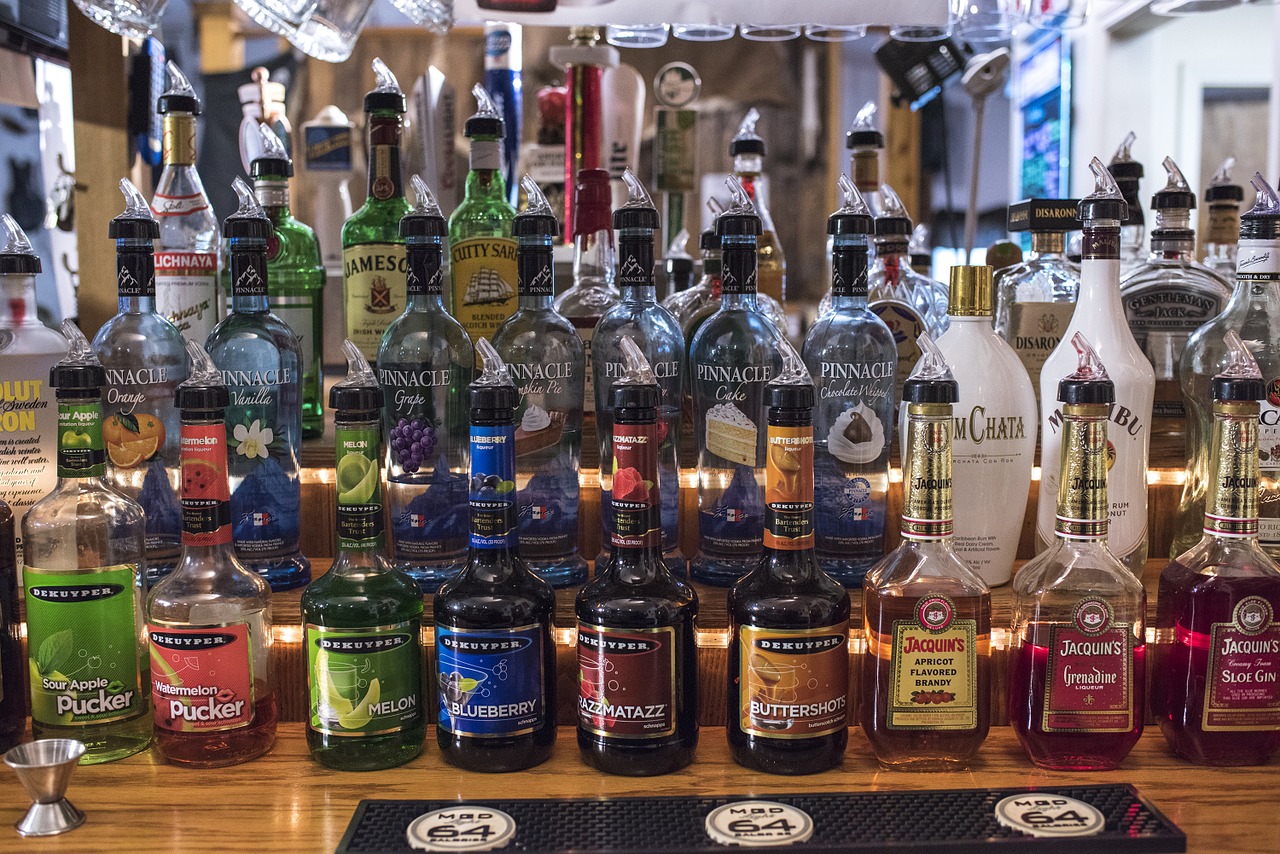
Social or anti-social drinker? Dangers of emotional drug use.

By David Joel Miller, MS, Licensed Therapist & Licensed Counselor.

Bottles of alcohol.

Alcoholic Beverages.
Photo courtesy of Pixabay.com

Using drugs to regulate emotions is high-risk behavior.

We have all heard and seen the use of drugs, especially alcohol to alter your mood. The media has bought into this and it is a common perception. If you feel bad then you need a drink.

This is the worst possible way to use any substance.

People who are sad drink, to cheer themselves up. The angry person has a few to calm down why doesn’t this work?

Absolutely drinking and other drugs can change the way you feel. You feel a little down so you have a few. For a while, you feel better. That drinking makes you forget why you were down in the first place. Then it wears off.

As the alcohol wears off the feeling returns only now you have the consequences of drinking, money spent, maybe a hangover, maybe just an empty feeling that you are sad and nothing is getting better. So you need to drink again.

Each time you drink you feel a mood swing. When it wears off your mood moves back to where it came from. Once you learn the mood swing that accompanies the use of your drug of choice it is reliable. Too reliable.

Over time, as tolerance builds it will take more of that drug to get the same feeling. Or the same amount will do less. Either way, the tendency is to do more, drink more, to try to change the way you feel. Each time the drug wears off you end up lower than where you were before you used.

Eventually, you need to drink or use all the time if you want to keep feeling good or stay out of that blackness. Then something changes.

You find that when the drug wears off you feel worse than before. You need to drink a few now just to get back to where you started. Eventually, you will need to drink just to feel normal. Whatever normal is for you and for many of us that normal was the reason we started to drink or use in the first place.

At this point, no amount of use will get you back to the feeling OK place. If only using and drinking could help you cope but at some point that substance that promised to be your solution, it has become your problem. Now you are drinking and using just to get by. You may reach a point where you can’t get back to normal anymore. Now you need some of that hair of the dog that bit you just to be able to function at all.

People who use alcohol because they are angry, find that once drunk they lose control of their emotions. That alcohol, it reduces inhibitions. A couple of drinks makes you social in the beginning but later a few drinks can make you antisocial. Under the influence, disinhibited, you may do things that you never would have done sober.

That person who needs a few to get up the courage to say what they think is now acting on that suppressed rage. One survey concluded that the vast majority of people in prison were drunk or high in the 24 hours before they committed the crime that sent them away.

That supposed friend that was helping you cope, your drug of choice, has it become the reason you are in jail or homeless?

People who are sad. Who drink to cheer themselves up, find they can forget their troubles for a while but eventually those troubles find them. And now those troubles have become worse because of failed responsibilities and things done and said while under the influence.

We know that people who are sad and depressed who drink are 55 times more likely to attempt suicide. Often with completed suicides and overdose deaths, there is alcohol in the bloodstream that reduced the inhibitions and permitted the act that brought this life to an end.

A single drink on a social occasion may make for fun. But if you find you need that drink to have fun, that without the drink, or the drug, your life is full of emotions that you just can’t stand, then that drink or drug is not your friend anymore, it has become your tormentor.

Having to drink or use to regulate emotions places you at high risk for addiction. Alcoholism, suicide or homicide. It also can induce mental and emotional illnesses or make a pre-existing mental health problem significantly worse.

You can’t learn much when unconscious and those emotional regulation lessons you learned while under the influence, there is a strong chance that you got those emotional lessons wrong.

Drinking and using for emotional reasons can take you in a really bad direction.

Staying connected with David Joel Miller

Seven David Joel Miller Books are available now!

My newest book is now available. It was my opportunity to try on a new genre. I’ve been working on this book for several years, but now seem like the right time to publish it.

Story Bureau.

Story Bureau is a thrilling Dystopian Post-Apocalyptic adventure in the Surviving the Apocalypse series.

Baldwin struggles to survive life in a post-apocalyptic world where the government controls everything.

As society collapses and his family gets plunged into poverty, Baldwin takes a job in the capital city, working for a government agency called the Story Bureau. He discovers the Story Bureau is not a benign news outlet but a sinister government plot to manipulate society.

Bumps on the Road of Life. Whether you struggle with anxiety, depression, low motivation, or addiction, you can recover. Bumps on the Road of Life is the story of how people get off track and how to get your life out of the ditch.

Dark Family Secrets: Doris wants to get her life back, but small-town prejudice could shatter her dreams.

Casino Robbery Arthur Mitchell escapes the trauma of watching his girlfriend die. But the killers know he’s a witness and want him dead.

Planned Accidents  The second Arthur Mitchell and Plutus mystery.

Letters from the Dead: The third in the Arthur Mitchell mystery series.

What would you do if you found a letter to a detective describing a crime and you knew the writer and detective were dead, and you could be next?

Sasquatch. Three things about us, you should know. One, we have seen the past. Two, we’re trapped there. Three, I don’t know if we’ll ever get back to our own time.

For these and my upcoming books; please visit my Author Page – David Joel Miller

Want the latest blog posts as they publish? Subscribe to this blog.

For videos, see: Counselorssoapbox YouTube Video Channel
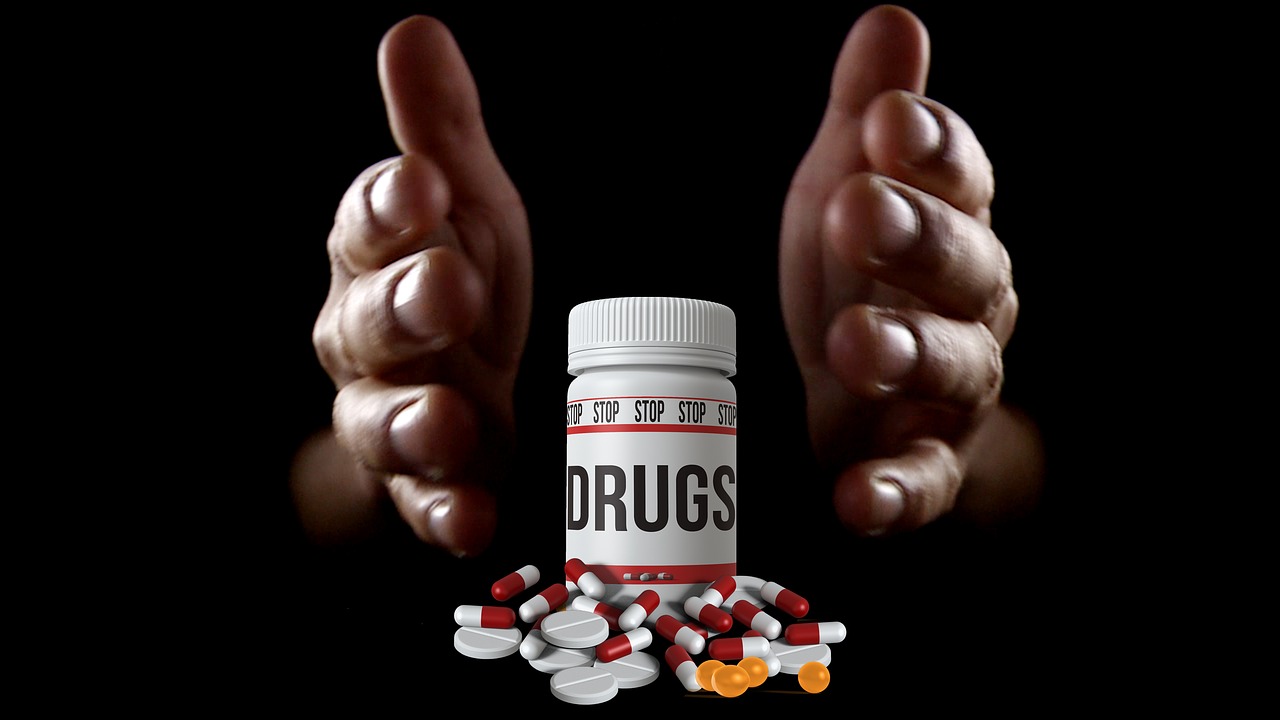
What is Alcohol and Drug tolerance?

By David Joel Miller, MS, Licensed Therapist & Licensed Counselor.

Drugs.

Drugs.
Photo courtesy of Pixabay.

When it comes to drugs and alcohol tolerance is not a good thing!

If your doctor, psychiatrist, or counselor has begun to talk with you about tolerance and your drug use this is a bad sign. The concept of tolerance when applied to drugs, and alcohol is a drug also, is a very different idea than when applied to civil rights.

Alcoholic tolerance does not mean that you are OK with a drunk sleeping on your lawn. It also does not mean that you are good with sleeping on other people’s lawns on the night you are too drunk to get home. Tolerance for the ill person is a commendable thing. Building up a tolerance to a drug of choice is not.

If your body develops a tolerance for the drug, that is a serious problem.

From here on we will use the definition of a drug as “anything that goes into your body and changes functioning or thought that is not food.” So yes Alcohol is a drug and so are prescribed medications whether you have the prescription or not. Remember also that this is written from a counselor’s perspective so if you have questions of a medical or legal nature ask your doctor or lawyer.

Alcoholic tolerance is about the ways in which your body and your mind become accustomed to the presence of alcohol or another drug of choice. As a result of having lots of this drug in your system, you begin to change from the inside out.

Tolerance along with Withdrawal are two of the hallmark, identifiable characteristics of addiction or alcoholism. Doctors might define this as chemical dependency but the concept is essentially the same.

Tolerance is that natural adaptive skill your body has to resist things in you that are not normally there.

So the first time you drink you will have a low tolerance. Once the liver has experienced the presence of alcohol it will ramp up and begin to produce more of the enzymes that break down the alcohol. Each successive time you drink you will need more alcohol to feel as drunk as last time. Over time you will develop a tolerance that means you can “hold your liquor” better and better.

This ability to “Hold your liquor” or other drug is not a good thing. It indicates that your body is already changing as a result of use.

As you develop higher tolerance you will feel less drunk or high than before resulting in a need or desire for more of the drug to get that same effect that you used to get.

For some drugs, this is described as “chasing the high” as users find that they can never recreate that first using experience. Over time you will need more and more drugs to get the same or similar effect and the same amount you used to use will produce less and less of an effect.

This does not mean that the danger from use is declining. Just the opposite.

I have worked with clients whose blood alcohol content (or level) was above .32 (read as point 32). Since .08 is legally drunk in this state, that person is drunk enough for four people.

They were talking and walking around just like any normal person, or close to it. How? Because this person practiced drinking on a daily basis. Does that mean that they were OK? Not a chance.

While they may be able to talk coherently and even walk a line close to the way a non-intoxicated person would, behind the wheel they would hit anything that was out there, on the road or not. In that condition a, person who is driving has been known to drive right into the tail lights of a parked car not recognizing that the car was not moving.

People in this state of high tolerance can and do die without ever realizing the risks.

Lots of heroin overdose deaths are a result of this tolerance phenomenon.

A person has a certain level of Heroin use, over time they need to increase the amount they use as their body builds tolerance. One day they get arrested. They are in jail for a while, say thirty days. Over that time the body resets. Their tolerance to their drug of choice goes down.

Now they get released from jail. When they get home they find that packet of drugs they had tucked away. They use exactly the same amount of the same drug as they were using the day before their arrest. They overdose and if medical attention is not fast enough they die.

Why did this happen? Because over the time in jail while they were not using their tolerance declined.

So if you stay off the drugs for a while then your tolerance will decline and you can start over using a small amount occasionally? Lots of alcoholics think this way. Give them a year of not drinking and they think they are cured and can safely drink again.

What we are told is that once the body increases its ability to neutralize that drug of choice that increased capacity may take a vacation but it is still there. An alcoholic who has not had a drink for 5 years can develop the same tolerance and use pattern they had before they quit in days rather than the years it took the first time.

Tolerance even after a long period of not using comes back fast and strong.

The moral here is that if you have begun to develop tolerance or have used long enough to have this result you will probably never return to safe use.

This tolerance effect explains why some prescribed medications need to be increased in dosage after a period of use. Sometimes doctors have to switch meds if you build up too much tolerance to one medication.

Not every drug results in tolerance at the same rate. Some drugs can be used for years and little or no tolerance develops. With other drugs, tolerance develops so rapidly that if you use the drug one day it will have no effect on you the next day. I won’t tell you which drug that is but those of you who use it know what I am talking about.

I should also point out that most street drugs, drugs of abuse, are much more likely to produce rapid tolerance and the resulting addiction than most prescribed medications but there are exceptions to that rule.

When in doubt about the physical signs and symptoms of tolerance consult your doctor. If you are having behavioral or emotional issues as a result of using to the point of tolerance then consider treatment or counseling.

This discussion about tolerance has focused on changes in physical tolerance. There are also characteristic mental and emotional changes that can occur as a result of drug use. For more on those mental health issues look under co-occurring disorders in the list of topics this blog covers.

David Joel Miller, LMFT, LPCC

Staying connected with David Joel Miller

Seven David Joel Miller Books are available now!

My newest book is now available. It was my opportunity to try on a new genre. I’ve been working on this book for several years, but now seem like the right time to publish it.

Story Bureau.

Story Bureau is a thrilling Dystopian Post-Apocalyptic adventure in the Surviving the Apocalypse series.

Baldwin struggles to survive life in a post-apocalyptic world where the government controls everything.

As society collapses and his family gets plunged into poverty, Baldwin takes a job in the capital city, working for a government agency called the Story Bureau. He discovers the Story Bureau is not a benign news outlet but a sinister government plot to manipulate society.

Bumps on the Road of Life. Whether you struggle with anxiety, depression, low motivation, or addiction, you can recover. Bumps on the Road of Life is the story of how people get off track and how to get your life out of the ditch.

Dark Family Secrets: Doris wants to get her life back, but small-town prejudice could shatter her dreams.

Casino Robbery Arthur Mitchell escapes the trauma of watching his girlfriend die. But the killers know he’s a witness and want him dead.

Planned Accidents  The second Arthur Mitchell and Plutus mystery.

Letters from the Dead: The third in the Arthur Mitchell mystery series.

What would you do if you found a letter to a detective describing a crime and you knew the writer and detective were dead, and you could be next?

Sasquatch. Three things about us, you should know. One, we have seen the past. Two, we’re trapped there. Three, I don’t know if we’ll ever get back to our own time.

For these and my upcoming books; please visit my Author Page – David Joel Miller

Want the latest blog posts as they publish? Subscribe to this blog.

For videos, see: Counselorssoapbox YouTube Video Channel

Finding the recovery door

By David Joel Miller, MS, Licensed Therapist & Licensed Counselor.

Row of doors

Picking the right door.
Photo courtesy of Pixabay.com

Why this time recovery just might take.

“This program has really helped me, ” the client said. I had to wonder why. They had been in several programs before and none of them had worked. I thought of all the usual reasons.

We like to think that every client needs to be ready. The old way of thinking about that was to say that people need to “hit bottom.” The assumption here was that until things get really, really, bad you might not be willing to give up that familiar problem.

This hitting bottom idea is most often applied to people in substance abuse recovery but experience has taught me that the same process of looking for and finding recovery happens to those people who have a mental or emotional issue. Sometimes people have both.

One person’s bottom may be getting arrested for a DUI or being so anxious they miss work again and lose their job. For another person, their bottom may be a total loss of family, friends, and job. Some people find recovery when they are homeless, some not even then.

So when I see someone who has been through various programs I always wonder what will be different this time.

“I knew there was recovery out there” the client replied, “but every time I got to the recovery door I just didn’t go in.” I knew they weren’t talking about programs or even about the number of therapists they had seen. That list was in the file and there were plenty.

“What door?” I asked.

“The recovery door.” The client said again. I knew there was recovery behind that door but I was just afraid to open the door and go through it. That would mean changing my life and when I got there I was just afraid of what else might change so I never walked through and entered recovery.” They explained.

In recovery, it takes whatever it takes for someone to be ready to walk through that door. It doesn’t do any good to try to pull them through the door kicking and screaming. The best I can ever do is hold the door open and let them catch a glimpse of recovery. Maybe they will build up some desire for this thing called recovery, especially when they see others who look like them who have found recovery.

I have heard other ways of saying this. The metaphors may be different but the sentiment is the same.

People go to programs and they get a set of “tools” then they don’t take those tools out of the package and get them dirty. They don’t use the recovery tools to solve their problems.

We get close to that door to a new life and then out of fear of the unknown, we are afraid to take that last step and walk through the door into a new happy life.

Is there some life change you need to make to find your recovery? Do you need to reach out for help? Should you be attending a program or a self-help group?

What do you need to be walking away from and what should you be moving towards?

No matter how long it takes to get there are you finally ready to walk through the recovery door?

Here is wishing you a happy, recovered life.

David Joel Miller, LMFT, LPCC

Staying connected with David Joel Miller

Seven David Joel Miller Books are available now!

My newest book is now available. It was my opportunity to try on a new genre. I’ve been working on this book for several years, but now seem like the right time to publish it.

Story Bureau.

Story Bureau is a thrilling Dystopian Post-Apocalyptic adventure in the Surviving the Apocalypse series.

Baldwin struggles to survive life in a post-apocalyptic world where the government controls everything.

As society collapses and his family gets plunged into poverty, Baldwin takes a job in the capital city, working for a government agency called the Story Bureau. He discovers the Story Bureau is not a benign news outlet but a sinister government plot to manipulate society.

Bumps on the Road of Life. Whether you struggle with anxiety, depression, low motivation, or addiction, you can recover. Bumps on the Road of Life is the story of how people get off track and how to get your life out of the ditch.

Dark Family Secrets: Doris wants to get her life back, but small-town prejudice could shatter her dreams.

Casino Robbery Arthur Mitchell escapes the trauma of watching his girlfriend die. But the killers know he’s a witness and want him dead.

Planned Accidents  The second Arthur Mitchell and Plutus mystery.

Letters from the Dead: The third in the Arthur Mitchell mystery series.

What would you do if you found a letter to a detective describing a crime and you knew the writer and detective were dead, and you could be next?

Sasquatch. Three things about us, you should know. One, we have seen the past. Two, we’re trapped there. Three, I don’t know if we’ll ever get back to our own time.

For these and my upcoming books; please visit my Author Page – David Joel Miller

Want the latest blog posts as they publish? Subscribe to this blog.

For videos, see: Counselorssoapbox YouTube Video Channel

Why love and counseling don’t mix – ethical Loophole 4

By David Joel Miller, MS, Licensed Therapist & Licensed Counselor.

Falling in love in recovery.
Photo courtesy of Pixabay.com

This time love is not the answer.

We thoroughly enjoy our romance. Everyone can connect with the story of Cinderella and the price, wouldn’t it be nice if every commoner girl could find and marry her prince charming?

There is a whole category of books devoted to romance. There are plenty of films that script out the story of someone who finally meets this wonderful person who makes their life complete, and they live happily ever after. It is when we try to bring that fantasy into the real world that things go wrong.

Men, particularly older men have this fantasy, that should some woman, usually, a beautiful younger woman, enter their life, they will have wild passionate sex and live happily ever after. As long as this stays in the world of fiction this may cause few problems.

When these fantasies make their way into the counseling room this looks less like a flowery romance and more like a fatal car crash viewed in slow motion.

It is not unusual for a client to find they are falling in love with their therapist. They may be weak, vulnerable, and needing love and affection. Clinicians are taught to be aware of this and to work on helping the client learn to love again without taking unfair advantage of the client and becoming that new romantic partner.

Some codes of ethics say that a therapist or counselor should never date or become romantically involved. Some set limits, 2 years, five years, or more. The thought here is that after many years of not being in a professional relationship, then should you meet a former client on a cruise or at a school function you might establish a relationship. Even here the counselor is supposed to make a note in the chart indicating they thought about this, that enough time has passed and they believe this will not harm the client.

This is critical; will falling in love with former client harm them? By the way, ending therapy and giving the client a love letter saying call me in two years on date X and then we can date. That is just as bad as starting up the relationship while the counselor is still seeing them.

Given all these warnings why do counselors still engage in romantic and sexual relationships with clients?

Every time the new professional magazine arrives we see a list of professionals whose licenses have been suspended or revoked. Counselors who started using drugs or abused alcohol is always a big one. But right up there, sometimes in first place, are the reports of therapists that engaged in sex with a client.

Why does this happen? What is the ethical loophole that people stick their heads through that ends up strangling them?

Frequently this ethics issue begins with the counselor entertaining the notion that yes sometimes it is possible to fall in love with a client and live happier ever after. No, they would not do it, but they can see how it might be all right sometimes for some counselors and clients.

This can also start with the idea that it is possible for a counselor to develop an outside social relationship or friendship, without it becoming sexual. Sometimes it starts with attending a social event, going to a movie or having dinner together. There are all the usual excuses, the client needs to feel safe going out, we are helping them learn to make friends or socialize.

But having once said that it may be OK to have some dual relationship with a client that sometimes it might be OK for some counselors and clients to fall in love and have a romantic sexual relationship, it becomes possible that this time, they and this client, that is one of those exceptions to the rule.

Once we start making exceptions, looking for loopholes, sooner or later we are at risk to put our heads through that hole. Why should we care if an occasional therapist has sex with a client, maybe the code of ethics is too strict?

We should care because those relationships are inherently unequal and have a serious potential to harm the weaker party, commonly this weaker person is the client.

Falling in love with a client, that one is always a bad idea. Beware the tendency to look for loopholes. Many an unwary counselor has tried to put their head through this one and ended up hung.

David Joel Miller, LMFT, LPCC

Staying connected with David Joel Miller

Seven David Joel Miller Books are available now!

My newest book is now available. It was my opportunity to try on a new genre. I’ve been working on this book for several years, but now seem like the right time to publish it.

Story Bureau.

Story Bureau is a thrilling Dystopian Post-Apocalyptic adventure in the Surviving the Apocalypse series.

Baldwin struggles to survive life in a post-apocalyptic world where the government controls everything.

As society collapses and his family gets plunged into poverty, Baldwin takes a job in the capital city, working for a government agency called the Story Bureau. He discovers the Story Bureau is not a benign news outlet but a sinister government plot to manipulate society.

Bumps on the Road of Life. Whether you struggle with anxiety, depression, low motivation, or addiction, you can recover. Bumps on the Road of Life is the story of how people get off track and how to get your life out of the ditch.

Dark Family Secrets: Doris wants to get her life back, but small-town prejudice could shatter her dreams.

Casino Robbery Arthur Mitchell escapes the trauma of watching his girlfriend die. But the killers know he’s a witness and want him dead.

Planned Accidents  The second Arthur Mitchell and Plutus mystery.

Letters from the Dead: The third in the Arthur Mitchell mystery series.

What would you do if you found a letter to a detective describing a crime and you knew the writer and detective were dead, and you could be next?

Sasquatch. Three things about us, you should know. One, we have seen the past. Two, we’re trapped there. Three, I don’t know if we’ll ever get back to our own time.

For these and my upcoming books; please visit my Author Page – David Joel Miller

Want the latest blog posts as they publish? Subscribe to this blog.

For videos, see: Counselorssoapbox YouTube Video Channel

Should an addict take psych meds?

By David Joel Miller, MS, Licensed Therapist & Licensed Counselor.

Drugs

Medications.
Photo courtesy of Pixabay.com

How safe is it for someone in recovery from drugs or alcohol to take psych meds?

Many recovering people are worried about the effects of taking psychiatric meds on their recovery. The recovery community has long been divided on this issue. Here is some background on the topic and my thoughts as a professional counselor.

Any decision to take, start or stop any medication should be talked over with your doctor. There can be side effects, withdrawal effects and the effects of the medication can change over time as your body adjusts to the effects. Never make sudden changes to meds without talking to your doctor.

Unfortunately, not all doctors are equally informed when it comes to the area of addiction and psychiatric medication. You need to be an informed consumer. Ask questions and talk these issues out with your doctor. Here are some things to consider in making your decision about taking psychiatric meds.

One long-standing belief in some recovery circles is that if you are taking medication then you are not clean, you are still using a drug to alter the way you feel. I think this is a bogus argument.

If you have a medical condition and there is a med that will help you, by all means, take that med. Diabetics need insulin and using that should in no way interfere with or compromise your sobriety.

Are you taking your meds AS PRESCRIBED!

This question is important. It is not should you take them but are you using them correctly.

Two med compliance issues arise for people in recovery. One they tend to play doctor and one day they take the med then the next day when they feel better they skip the meds. Most meds and psychiatric meds are especially in this group; need to be taken every day. You need a certain level in your bloodstream to be effective. Taking them some days and not others can result in developing tolerance more rapidly, or can prevent building tolerance and can result in them not working correctly when you start taking them again.

Do not do the on and off thing with prescribed meds. Take them as prescribed.

Second problem – If one is good 30 should work better right?

If you find yourself boosting the dose, taking more than was prescribed, this is the dangerous path to addiction and problems. First, most psych meds do not work that way. More is not better. The correct dose is what you need and only you and your doctor working together can figure that one out. If taking more of most psych meds makes you feel better, then this may be more of a placebo effect than the meds. Talk to your doctor and your counselors about those issues.

As a counselor what can I tell you about psych meds and their risk for recovering people? Here are my thoughts based on experience for whatever they are worth. If this gets you thinking for or against, please talk this over with your doctor.

There are four main categories (based on use not chemical formula) of psych meds, Antidepressants, Mood stabilizers (anti-mania), antipsychotics, and Anti-anxiety meds.

Let’s look at these one at a time and let me tell you what clients who have taken them, tell me about the effects they have had on their recovery. I will sneak in a few things from the effects of drugs and alcohol on the body and the brain class I teach. For more on this topic check either “Drug Use and Abuse, Maisto, Galizio and Connors” or “Uppers Downers and All Arounders, Inaba, and Cohen.” Any recent edition has good information.

1. Antidepressants.

These are NOT happy pills. They need to build up slowly over time and it can take 30 or 45 days to have an effect. You must take them every day as prescribed.

No self-respecting addict will take a pill today to feel better a month from now. No one in recovery has told me they had any problem with an antidepressant. If you don’t need them they just don’t do much and pass out of your system.

Occasionally someone will have a sudden, week or ten days, response to an antidepressant this makes me think that the person may have bipolar disorder or that this is a medication-induced hypomanic episode. If that happens, talk it over with your doctor. This is rare in my experience though I suspect psychiatrists see this more than a recovery counselor hears about it.

Either way, I don’t worry about clients in substance abuse recovery taking an anti-depressant.

2. Mood stabilizers (anti-mania.)

Mood stabilizers are used to treat Bipolar and other mood instability problems. I am told they do not make you feel any particular way. They seem to just take the edge off.

Some of these have side effects that people find unpleasant. If you need them you need them if not you will not want to take them. Either way, there is not a lot of abuse potential for recovering people.

3. Anti-psychotics.

There are two main kinds of antipsychotics the older ones or typical and the newer atypical. Some of the older ones are very sedating and they tended to be overused in prisons and institutions to keep people “zombie out.” If you like being stoned and nodding out all the time then you may want to discuss with your doctor taking the newer atypical antipsychotics.

The newer atypical ones, no one has said they like how it feels enough to abuse it. Mostly they do not like the risk of weight gain that comes with these. If you take an antipsychotic invest some time in diet and exercise and try to keep the weight off.

All in all, antipsychotics do not seem to be a big issue for those who are in recovery.

Not taking an antipsychotic if you need one, is a major risk for relapse if you are in recovery.  Getting rid of or managing hallucinations or delusions are best done with prescribed medication and counseling, not street drugs.

4. Anti-anxiety meds.

This one seems to cause the most problems for people in recovery.

If you need them, you really need them, and prescribed meds are a whole lot better than alcohol or street drugs for managing anxiety.

The worry with this group of meds is that many, (probably most) are tranquilizers. People can and do abuse these. So if you are one of those “the more pills the better” people, you will need to have that hard talk with your doctor about the risks and benefits of these meds. Let that doctor know you are in substance abuse recovery and that you are concerned about the effects of meds on your recovery.

Also with anti-anxiety meds take them EXACTLY as prescribed. Do not take extras unless the doctor has said it is OK and if they are to be used when needed try to get through as many things as possible without “needing” to take them.

Anxiety disorders are a time when social supports may be absolutely essential to your recovery. Whenever possible reach for the phone and talk with your support system before you reach for a pill.

There you have it, my opinion on psych meds. Most help and have a low risk of abuse. If you need them, you need them and do not be afraid to take them as prescribed. If you find yourself abusing them, talk with everyone on your treatment team, the doctor, and the therapist about these issues.

One last aside, those who do the best in recovery use every resource they can. Meds help but they will not do the whole job. You need a head change, a change in your way of thinking, and you need a good support system if you want to go the rest of the way in recovery.

Best wishes for your happy life.

David Joel Miller, LMFT, LPCC

Staying connected with David Joel Miller

Seven David Joel Miller Books are available now!

My newest book is now available. It was my opportunity to try on a new genre. I’ve been working on this book for several years, but now seem like the right time to publish it.

Story Bureau.

Story Bureau is a thrilling Dystopian Post-Apocalyptic adventure in the Surviving the Apocalypse series.

Baldwin struggles to survive life in a post-apocalyptic world where the government controls everything.

As society collapses and his family gets plunged into poverty, Baldwin takes a job in the capital city, working for a government agency called the Story Bureau. He discovers the Story Bureau is not a benign news outlet but a sinister government plot to manipulate society.

Bumps on the Road of Life. Whether you struggle with anxiety, depression, low motivation, or addiction, you can recover. Bumps on the Road of Life is the story of how people get off track and how to get your life out of the ditch.

Dark Family Secrets: Doris wants to get her life back, but small-town prejudice could shatter her dreams.

Casino Robbery Arthur Mitchell escapes the trauma of watching his girlfriend die. But the killers know he’s a witness and want him dead.

Planned Accidents  The second Arthur Mitchell and Plutus mystery.

Letters from the Dead: The third in the Arthur Mitchell mystery series.

What would you do if you found a letter to a detective describing a crime and you knew the writer and detective were dead, and you could be next?

Sasquatch. Three things about us, you should know. One, we have seen the past. Two, we’re trapped there. Three, I don’t know if we’ll ever get back to our own time.

For these and my upcoming books; please visit my Author Page – David Joel Miller

Want the latest blog posts as they publish? Subscribe to this blog.

For videos, see: Counselorssoapbox YouTube Video Channel

Pretending to be happy?

By David Joel Miller, MS, Licensed Therapist & Licensed Counselor.

Happy faces

Happiness.
Photo courtesy of Pixabay.com

How much effort does it take to try to be happy?

Are you one of those people who grew up trying to be happy, trying to look happy for a parent, for friends, or those around you? Were you pretending to be happy but you never really felt it?

After long periods of trying to be happy, of pretending so that you don’t make others sad, you lose touch with how you really feel.

You may have despaired of ever really feeling happy. Happiness for you was something you faked for others, but deep down inside you never really felt it. You began to wonder if you would ever genuinely feel happy the way others appeared to experience it every day.

For this effort to try to feel the way you should, the way others tell you that you should feel, you pay a high price. You lose touch; become disconnected, from how you are really feeling. You begin to doubt that you will ever have a genuinely happy experience the way others do.

You may give up on happiness and opt for not feeling so much pain. You may use drugs or alcohol to numb out or you might disconnect from your feelings altogether.

One cause of this disconnect between your feelings and you, and there can be many causes, is those adults who did not validate your feelings. When you said you were sad they said you had nothing to be sad about. You began to question what you felt and what you should feel.

Most of us know what anger feels like. But you may have been told that it’s not acceptable to feel anger, so you tried your hardest to feel an approved feeling. Before long you need others to tell you what it is you are feeling as you struggle to feel the way you should feel, rather than the way you do feel.

Some of you gave up on the idea of feeling happy or content or accepted. Those positive feelings were beyond your reach. You opted instead to avoid feelings and to try to feel the way those around you told you to feel. You may have thought that you would never get there and tried to accept your lot as one whose role was to make others happy, not to find those feelings for yourself.

Over time this trying to feel the way you should and the denial of what you are truly feeling in favor of pretending to experience the feelings others ascribe to you, these behaviors extract a heavy price. You become increasingly disconcerted from feelings and your inside becomes empty.

There are solutions. You can find happiness. Acting in happy ways, doing things that you find enjoyable can help, but only if you stop pretending and let yourself feel what it is that you truly feel.

The road to happiness runs through you. It requires getting to know you, that fearless and patient path of self-exploration. Finding happiness also requires developing a palate of feelings that bring the color back into your life. With the joy and pleasure, there will also be some pain and discomfort. But accepting that this is a real life and sometimes you will not like it is part of finding out who you are.

Be very cautious when other people tell you who you are, especially family members and those misery-loves-company friends. What they say is only their opinion. You do not have to create the things they tell you.

Other people’s opinions of who you are and what you should feel are things they hand you, nothing more. Like things that they might pass to you in a restaurant, some are worth eating and some are already destined for the garbage. You don’t have to keep everything you are handed in the restaurant for the rest of your life. Some of it goes in the trash on the way out. Some things you use for a while and leave behind. Let other’s opinions of you be like something they pass to you over dinner. You decide if you want this or you will trash it.

Some things others tell us, like a napkin given at the dinner, may indicate they have seen a part of us that needs cleaning up. If two or more people tell you that same thing you may need to look at this part of you. Think about this for a while and see if they are right. But just because they hand you a napkin to wipe the ketchup off your face does not mean that you will have a dirty face forever.

Consider that you determine who you want to be and how you will get there. Along the way you are entitled to feel and think anything you want, as long as you don’t try to impose those thoughts on others.

Get to know yourself, accept yourself as just fine the way you are, but with the potential to be and do more, and you will find that you just might discover that true happiness, the kind you do not have to fake for anyone, around the next life corner.

Are you ready to stop pretending to be happy and begin the hunt for a life worthy of the person you can become?

David Joel Miller, LMFT, LPCC

Staying connected with David Joel Miller

Seven David Joel Miller Books are available now!

My newest book is now available. It was my opportunity to try on a new genre. I’ve been working on this book for several years, but now seem like the right time to publish it.

Story Bureau.

Story Bureau is a thrilling Dystopian Post-Apocalyptic adventure in the Surviving the Apocalypse series.

Baldwin struggles to survive life in a post-apocalyptic world where the government controls everything.

As society collapses and his family gets plunged into poverty, Baldwin takes a job in the capital city, working for a government agency called the Story Bureau. He discovers the Story Bureau is not a benign news outlet but a sinister government plot to manipulate society.

Bumps on the Road of Life. Whether you struggle with anxiety, depression, low motivation, or addiction, you can recover. Bumps on the Road of Life is the story of how people get off track and how to get your life out of the ditch.

Dark Family Secrets: Doris wants to get her life back, but small-town prejudice could shatter her dreams.

Casino Robbery Arthur Mitchell escapes the trauma of watching his girlfriend die. But the killers know he’s a witness and want him dead.

Planned Accidents  The second Arthur Mitchell and Plutus mystery.

Letters from the Dead: The third in the Arthur Mitchell mystery series.

What would you do if you found a letter to a detective describing a crime and you knew the writer and detective were dead, and you could be next?

Sasquatch. Three things about us, you should know. One, we have seen the past. Two, we’re trapped there. Three, I don’t know if we’ll ever get back to our own time.

For these and my upcoming books; please visit my Author Page – David Joel Miller

Want the latest blog posts as they publish? Subscribe to this blog.

For videos, see: Counselorssoapbox YouTube Video Channel
5 motivation skills you should learn

By David Joel Miller, MS, Licensed Therapist & Licensed Counselor.

Motivation.

Motivation.
Photo courtesy of Pixabay.com

Attitude will only get you so far – you need skills to stay motivated.

When people talk about motivation we hear a lot about some people having motivation and others not having it. Having a positive, motivated attitude is good, but that will only take you so far.

To get motivated and stay motivated you need some skills and these are abilities you can learn. Research suggests that simply wanting something is not enough; you need to develop the skills needed to make those dreams a reality.

1. Self-motivated people challenge themselves.

People who are high in motivation have learned how to learn new things. To them, a new situation is a challenge they know they can overcome because whatever information is needed they believe they can acquire it.

Self-motivated people seek out these challenges because they have the belief that if they try something they can accomplish it. This belief is built up over time by trying small things and being successful at them.

Self-motivated people may like applause or recognition from others, they may enjoy the money or recognition that comes their way, but they also are extremely pleased when they are able to do something that they have set out to accomplish.

2. Motivated people make a consistent effort.

Sprints won’t win any distance races and life is essentially a long-distance race. Being highly motivated one day and getting a lot done pales next to the person who day in and day out does a little of what is needed to get the task done.

Lots of people start new projects, new businesses, schools, or relationships, but they fail because they think that you can do it all in the beginning and then no more effort will be required.

To be successful you need to keep doing a little or more every day, whether you feel motivated or not.

Do some work on your goal and it will produce motivation, not the other way round. Every writer hears the way to write is to sit with your rear in the chair and pound some keys. Eventually, you will get something done. The rest of life is like that also. Do a little each day and watch the results add up.

3. Manage your time.

Enough time for that great achievement will never come. Big projects get done one step at a time. Motivated people create a time budget just as they create a money budget. Each day includes some time for working on reaching your goal.

Don’t wait till you have extra time to write that book or start that business. Begin doing the footwork now. If all you have is thirty minutes a day, spend that on moving towards your goals and see what progress you can make.

4. Have a plan to reach your goal.

Great achievements rarely happen by accident. Yes, motivated people can make good use of opportunities when they appear, but they recognize those opportunities because they are already on the path to their goal.

Any achievement becomes more probable when you can break the task up into small steps and work on a little step each day. Make a plan and keep on the path towards your goal.

5. Continue to monitor your progress towards your goal.

If you follow a bad map you can get really lost. Some of us created plans for our lives and left steps out. This does not mean your life needs to be a failure. Any good plan needs frequent monitoring and revision. Keep an eye on the goal but keep checking your map to make sure you are headed in the right direction.

Work on these five skills and you will become a lot more motivated and can keep that motivation strong over the long course of life.

David Joel Miller, LMFT, LPCC

Staying connected with David Joel Miller

Seven David Joel Miller Books are available now!

My newest book is now available. It was my opportunity to try on a new genre. I’ve been working on this book for several years, but now seem like the right time to publish it.

Story Bureau.

Story Bureau is a thrilling Dystopian Post-Apocalyptic adventure in the Surviving the Apocalypse series.

Baldwin struggles to survive life in a post-apocalyptic world where the government controls everything.

As society collapses and his family gets plunged into poverty, Baldwin takes a job in the capital city, working for a government agency called the Story Bureau. He discovers the Story Bureau is not a benign news outlet but a sinister government plot to manipulate society.

Bumps on the Road of Life. Whether you struggle with anxiety, depression, low motivation, or addiction, you can recover. Bumps on the Road of Life is the story of how people get off track and how to get your life out of the ditch.

Dark Family Secrets: Doris wants to get her life back, but small-town prejudice could shatter her dreams.

Casino Robbery Arthur Mitchell escapes the trauma of watching his girlfriend die. But the killers know he’s a witness and want him dead.

Planned Accidents  The second Arthur Mitchell and Plutus mystery.

Letters from the Dead: The third in the Arthur Mitchell mystery series.

What would you do if you found a letter to a detective describing a crime and you knew the writer and detective were dead, and you could be next?

Sasquatch. Three things about us, you should know. One, we have seen the past. Two, we’re trapped there. Three, I don’t know if we’ll ever get back to our own time.

For these and my upcoming books; please visit my Author Page – David Joel Miller

Want the latest blog posts as they publish? Subscribe to this blog.

For videos, see: Counselorssoapbox YouTube Video Channel
How to Build a Successes Machine – The technology of success

By David Joel Miller, MS, Licensed Therapist & Licensed Counselor.

Success

Success.
Photo courtesy of Pixabay.com

Build a successes machine, turn the crank, and out comes another goal accomplished.

How do successful people do it?

Ever meet one of those people who are able to accomplish most anything they set their minds to? They are able to reproduce their successes project after project. I am not talking about the Bill Gates and Steve Jobs; knock one out of the park kinds of success. For that, you need not only ability, but a great idea and some good timing helps.

What I am talking about is that person who is more successful than most. They are the people in the next cubicle or down the block who seems to get a lot done, accomplish their life goals, and manage to be happy doing it. How do those people do it?

They have built a success machine and they are able to repeat those accomplishments over and over. Want to know how to build yourself a success machine? Here is how you train yourself to improve the odds that your next effort will work out the way you wanted it to.

1. Doing your homework increases success.

People who repeatedly accomplish things don’t go off half-cocked. They have done their homework and know which things have a chance of working and which don’t. They don’t jump into doing things because they want them to be possible. No wishful thinking here but sound research.

This does not mean they go along with the crowd. They evaluate things for themselves, do their homework, and once they have the facts make their own decision. They get noticed because they made the effort to check out an opportunity that other people overlooked.

2. Create a plan for success.

Good results do not happen by chance. People who get a lot done have plans; doable, well-researched plans. They also have ways of measuring outcomes and monitoring their efforts to see if they are on track. This does not mean they give up every time they get behind schedule but they do know if they are headed in the right direction or not.

For most projects, these plans are written out in some detail. They have budgets for both time and money and they have criteria for evaluation.

3. Break that success plan up into manageable steps.

Getting out of debt does not generally happen because you get a sudden windfall of money. It happens a few dollars at a time. The same thing holds true for other life goals.

Want a new better-paying job? There will be a series of steps you will need to do to get from where you are to having that job. Do them one thing at a time and if your research and planning were done well then you have a good chance of landing that big one.

4. Don’t set yourself up for failure.

One major cause of failure to get things accomplished is trying to do too much too fast. You decide to go back to school for a new degree, get a new job, lose weight, and get in shape all in the same month.

All of these things are good goals. Over time you can get there, but trying to do too much at one time sets you up for failure. You won’t do well in school if you are out exercising. It is also hard to concentrate on exams if you are looking for a new job.

Break these projects up into small manageable steps. Make small changes in your routine.  Monitor your progress and switch your emphasis to the next phase as you finish each thing.

5. Keep on the path to where you are going.

Excessive, frequent changes in goals are likely to undo all the effort you have made. Spend time evaluating goals before you start on the journey. At some point, it helps to recheck those plans. Some people do annual or even monthly reevaluations. But don’t change those plans from day-to-day without a good reason.

Switching goals from day-to-day ensure that you will not be successful at anything.

6. Enjoy the trip towards your version of success.

People who enjoy the process of exercising lose more weight. Find a form of exercise that you enjoy, maybe walking, maybe join a softball league. If you want to eat healthier consider learning to cook healthier.

If you enjoy the subject you are studying you get better grades. And if you like this new career you are more likely to get hired and do well. They can tell in the interview if you are only taking the job because you are desperate and will plan to leave the minute you can.

Follow these 6 steps. Pick a small goal, do the process, and watch your progress. As one goal becomes a part of your normal routine add another until eventually, you can say you have built the life you want.

Do not make the mistake of thinking that happiness will come from having or accomplishing. True happiness is the result of the pride you will take in your progress along the way.

Staying connected with David Joel Miller

Seven David Joel Miller Books are available now!

My newest book is now available. It was my opportunity to try on a new genre. I’ve been working on this book for several years, but now seem like the right time to publish it.

Story Bureau.

Story Bureau is a thrilling Dystopian Post-Apocalyptic adventure in the Surviving the Apocalypse series.

Baldwin struggles to survive life in a post-apocalyptic world where the government controls everything.

As society collapses and his family gets plunged into poverty, Baldwin takes a job in the capital city, working for a government agency called the Story Bureau. He discovers the Story Bureau is not a benign news outlet but a sinister government plot to manipulate society.

Bumps on the Road of Life. Whether you struggle with anxiety, depression, low motivation, or addiction, you can recover. Bumps on the Road of Life is the story of how people get off track and how to get your life out of the ditch.

Dark Family Secrets: Doris wants to get her life back, but small-town prejudice could shatter her dreams.

Casino Robbery Arthur Mitchell escapes the trauma of watching his girlfriend die. But the killers know he’s a witness and want him dead.

Planned Accidents  The second Arthur Mitchell and Plutus mystery.

Letters from the Dead: The third in the Arthur Mitchell mystery series.

What would you do if you found a letter to a detective describing a crime and you knew the writer and detective were dead, and you could be next?

Sasquatch. Three things about us, you should know. One, we have seen the past. Two, we’re trapped there. Three, I don’t know if we’ll ever get back to our own time.

For these and my upcoming books; please visit my Author Page – David Joel Miller

Want the latest blog posts as they publish? Subscribe to this blog.

For videos, see: Counselorssoapbox YouTube Video Channel

Desperate for friends? – Signs of a destructive friendship.

By David Joel Miller, MS, Licensed Therapist & Licensed Counselor.

group of friends.

Friendship.
Photo courtesy of Pixabay.com

5 Ways to evaluate a friendship.

Some friendships are destructive; some drain the life out of you. Why then do we hold on to those friendships even when there is something inside of us telling us this is not right?

Certainly one quality we want in a friend is someone who cares about us and likes us all the time. It is not much of a friendship if their feelings towards us are dependent on us being a certain way or doing a certain thing for them.

If we expect that kind of total acceptance from a friend then we might tell ourselves that we need to be there for them even when it is painful or has its emotional price. How then do we decide if this friendship has become toxic? When do we need to let friends go?

Some of us stay with unhealthy friends out of guilt or duty. We feel we owe it to them to continue the friendship. Others stay in unhealthy relationships because of an inner fear that if we did not have this friend then we might have no one.

It takes courage to look at this relationship and realize that this “friendship” is not healthy. When you spend time with this friend how does this make you feel?

1. Friends should be uplifting.

You should part company with a friend feeling better than when you met. That conversation you had with the friend should make you feel happy and good about yourself.

If you leave your time with that “friend” feeling drained, down or bad about yourself then you should reconsider this relationship.

2. How do you feel when away from this person?

Do you feel relieved that the visit is over? This is clearly a bad sign. Do you dread seeing them again but feel you owe it to them to visit?

A clear sign of a toxic friendship is the dread you get when you think about going to see them.

3. What do you do when you are together?

If the time together is all about the other person, when you are there to cater to their wants and needs, then this is a one-way friendship and they are on the taking end.

Some people are ill. We may take care of them. When we leave this person we may feel a sense of joy at having been able to be helpful. But if that person seems to constantly demand more, then this is not a healthy relationship.

4. What does this person like to do when you are not around?

If this friend’s primary interest is in doing things that make you uncomfortable then this is not a healthy relationship.

People who like to drink, get drunk, or do drugs, want those around them to do those same things. Is there pressure to be like them?

Does being around them place you at unnecessary risk? Are they involved in an illegal lifestyle? Then how healthy is it for them to involve you in their problems?

5. Do you feel pride or shame when you see how they treat others?

If how this person is treating others makes you feel bad, then consider that they are probably treating you that same way but you are avoiding looking at those behaviors.

Positive friends should make you proud, not ashamed of their behavior.

Take a look at your friendships, and the other relationships in your life, look at the unhealthy ones and consider how you can cut these off or limit your contact with people who are harmful to you and your recovery.

Staying connected with David Joel Miller

Seven David Joel Miller Books are available now!

My newest book is now available. It was my opportunity to try on a new genre. I’ve been working on this book for several years, but now seem like the right time to publish it.

Story Bureau.

Story Bureau is a thrilling Dystopian Post-Apocalyptic adventure in the Surviving the Apocalypse series.

Baldwin struggles to survive life in a post-apocalyptic world where the government controls everything.

As society collapses and his family gets plunged into poverty, Baldwin takes a job in the capital city, working for a government agency called the Story Bureau. He discovers the Story Bureau is not a benign news outlet but a sinister government plot to manipulate society.

Bumps on the Road of Life. Whether you struggle with anxiety, depression, low motivation, or addiction, you can recover. Bumps on the Road of Life is the story of how people get off track and how to get your life out of the ditch.

Dark Family Secrets: Doris wants to get her life back, but small-town prejudice could shatter her dreams.

Casino Robbery Arthur Mitchell escapes the trauma of watching his girlfriend die. But the killers know he’s a witness and want him dead.

Planned Accidents  The second Arthur Mitchell and Plutus mystery.

Letters from the Dead: The third in the Arthur Mitchell mystery series.

What would you do if you found a letter to a detective describing a crime and you knew the writer and detective were dead, and you could be next?

Sasquatch. Three things about us, you should know. One, we have seen the past. Two, we’re trapped there. Three, I don’t know if we’ll ever get back to our own time.

For these and my upcoming books; please visit my Author Page – David Joel Miller

Want the latest blog posts as they publish? Subscribe to this blog.

For videos, see: Counselorssoapbox YouTube Video Channel