
Steps to become a Substance Abuse Counselor.

By David Joel Miller, MS, Licensed Therapist & Licensed Counselor.

Counseling questions

Counseling questions.
Photo courtesy of Pixabay.com

How do you become a drug counselor?

What are the typical steps someone takes to become a substance abuse or Alcohol and Other Drug (AOD) Counselor?

The profession of substance abuse counselor is in flux.  There is a large chance that this path will change in the future and it can be different in one jurisdiction than in another part of the country.

Substance Abuse Counselors follow a different path than Social Workers, Professional Clinical Counselors or Marriage, and Family Therapist largely because their profession stems from different roots. Substance Abuse Counselors have been recognized as a professional discipline relatively recently.

The professions involved in psychotherapy have a hundred-year head start on the newer profession of substance abuse counseling.

Psychotherapy stems from the medical profession. The founders are MD’s like Freud and Jung. Psychiatrists are trained as MD’s first and then trained in mental health second. Psychologists have Doctorate degrees (Ph.D. or PsyD) involving at least 8 years of college. Licensed Counselors and Marriage and Family Therapists all have master’s degrees requiring, in most cases, 6 years of college education.

Social workers come from a slightly different origin. They began with “friendly visitors.” Their background is in welfare, social work, and providing aid and assistance. Most licensed social workers have master’s degrees (6 years of college) though some entry-level positions can be gotten with a 4-year degree. I expect that the term “social worker” in the future may be restricted to those with a degree in social work or possible to those with a master’s degree. Just working in a social work agency should not make you a “Social Worker.”

Substance Abuse Counselors come from a different world. Most substance abuse professionals have what we call “lived experiences” meaning they or someone close to them is in recovery. They have lived through the process of addiction and recovery and from first-hand experience, they know the difference between the disease of addiction and the life of recovery.

Most recovering people are suspicious of those counselors who learned about addiction or recovery from a textbook rather than from firsthand experience. We know of course that a doctor does not have to have personally had all the diseases he treats in order to be a superior physician. We wonder though why someone would choose to be a substance abuse counselor whose life has not been touched in some way by addiction, especially when we realize that substance abuse professionals often make less than their counterparts in other related fields.

Recently we have moved from, everyone who works in a recovery facility having lived experience only, to require that they also have some training in counseling, the disease of addiction, and the laws and regulations that involve counseling.

As more funding has been provided by the government for substance abuse treatment, society has asked, and rightfully so, what are the qualifications of those who do the counseling and what results are we getting for our money? The result of these questions has been to increase the qualifications needed to become a substance abuse professional.

Different jurisdictions have moved in different directions and things continue to change.

Some states or areas have instituted a form of licensing for substance abuse counselors. This has been resisted by longer established professions. The argument runs that it is confusing to the public when to be a psychotherapist or clinical counselor it requires 6 to 8 years of college, but the AOD counselor has a much lesser requirement. How comparable is a substance abuse counselor who has no education or only a few hours of training and should they get to use the term “licensed counselor?” Does the public understand that someone with a substance abuse counseling license has much less education than a licensed mental health counselor?

California so far has not seen fit to license substance abuse counselors. Here we have a system of registration and certification. The state does not so far register or certify AOD professionals. AOD counselors register with an organization and then complete supervised hours and an exam to become certified. How many hours of education and experience can vary dramatically from one registry to another.

Registered and certified counselors are not, at this point, allowed to set up private practices but must work for a licensed facility. Facilities are licensed by the state but this does not ensure any particular level of staff training other than a percentage of counselors must be registered or certified by some of the many registries that have gotten themselves listed with the state.

Under this system it is possible for a non-licensed person to open a facility and get that facility licensed, thereafter then can work as a registered person in their own facility. In fairness, it should be mentioned that most drug treatment facilities are operated by nonprofit companies.

Over time, of course, these regulations continue to increase the required skills and experience needed to become an AOD counselor.

So the path to becoming an AOD counselor requires, some level of knowledge and interest to begin with, usually by lived experience, some course of education which can vary anywhere from a weekend training to a 36 unit college certificate. And some number of hours of experience followed by a certification exam. In practice not all AOD counselors are equally trained.

If this is a profession you wish to pursue, I recommend that you check the most recent regulations in the jurisdiction in which you live. Consider also what the job prospects and pay scale is for this occupation in your area. And also look at how portable will your credential be if you chose to move. Some registrations or certifications are transferable and some are not.

Increasingly professionals in the substance abuse counseling field are continuing their education to the master’s level so that they are qualified to work not only with substance abuse disorders but in the area of mental health and co-occurring disorders.

Thanks to the readers who sent in this question. Best wishes on creating your happy life.

David Miller, LMFT, LPCC

Staying connected with David Joel Miller

Seven David Joel Miller Books are available now!

My newest book is now available. It was my opportunity to try on a new genre. I’ve been working on this book for several years, but now seem like the right time to publish it.

Story Bureau.

Story Bureau is a thrilling Dystopian Post-Apocalyptic adventure in the Surviving the Apocalypse series.

Baldwin struggles to survive life in a post-apocalyptic world where the government controls everything.

As society collapses and his family gets plunged into poverty, Baldwin takes a job in the capital city, working for a government agency called the Story Bureau. He discovers the Story Bureau is not a benign news outlet but a sinister government plot to manipulate society.

Bumps on the Road of Life. Whether you struggle with anxiety, depression, low motivation, or addiction, you can recover. Bumps on the Road of Life is the story of how people get off track and how to get your life out of the ditch.

Dark Family Secrets: Doris wants to get her life back, but small-town prejudice could shatter her dreams.

Casino Robbery Arthur Mitchell escapes the trauma of watching his girlfriend die. But the killers know he’s a witness and want him dead.

Planned Accidents  The second Arthur Mitchell and Plutus mystery.

Letters from the Dead: The third in the Arthur Mitchell mystery series.

What would you do if you found a letter to a detective describing a crime and you knew the writer and detective were dead, and you could be next?

Sasquatch. Three things about us, you should know. One, we have seen the past. Two, we’re trapped there. Three, I don’t know if we’ll ever get back to our own time.

For these and my upcoming books; please visit my Author Page – David Joel Miller

Want the latest blog posts as they publish? Subscribe to this blog.

For videos, see: Counselorssoapbox YouTube Video Channel

Why does the Earth need a day?

By David Joel Miller, MS, Licensed Therapist & Licensed Counselor.

Earth.
Photo courtesy of Pixabay.com

Which Celestial Bodies get a day and which don’t?

Today my calendar reports that this is earth day. I have some very mixed feelings about this day.

First is just the idea that the earth, home to all us humans, as far as I know, gets this one day a year. Why an earth day and then why only once a year.

The sun gets one day a week called Sunday. But poor old Mother Earth, just one day a year. Granted without the sun we would not be able to hang in here on planet earth very long, still, why do we not give the earth equal billing and add an eighth day each week just devoted to Mother Earth?

The moon also has its day called Monday. Like the Sun our moon gets one day a week. Not Mother Earth, she gets only one day and that is poorly observed. We do special things every week on Sunday and for most of us we return to our regular employment on Monday but what if anything special do we do on Earth Day?

Which also raises the question of why is Earth Day written that way and not as Earthday as in Sunday and Monday?

Why do only the celestial bodies in our immediate neighborhood get a day? Do Mars and Saturn get their own special days? What about Pluto, I always liked him, he should get a day even if there is some question about his membership in the planet club.

Further consideration – is Earth Day a happy occurrence? Given the state of our planet, this day does not seem to be anything to celebrate. The ice is melting, the air is polluted and there is more and more debris and destruction.

You would think that after all the time we humans have been on this earth we would have reached some sort of peace treaty with Mother Earth. What we have done to her, all in the name of progress has been nothing short of appalling.

In any contest between mother earth, I as a hopeless human, tend to come down on the side of the humans. But all in all most of our efforts to improve the earth, tame her, and put her to the use of humans, have not worked out anywhere near the way we planned this.

Most of our improvements have left us coming up short on things we used to have. The forest we cut down has created less oxygen for us to breathe and more dust bowls. Those mines that brought us minerals to improve our lives, some of them left toxic wastes that render that old mountain uninhabitable. We also have discovered that our activities can give us all sorts of toxins and new diseases.

On the whole, our efforts to improve Mother Earth seem to be backfiring.

Our relationship with Mother Earth seems to have taken a turn for the worse. We are acting like a pack of descendants gone to stay with grandma for the holidays; we eat her food, trash her house, and treat her with great disrespect. At this point in the visit, grandma is hoping we will all pack up and go home.

I am thinking that when we have eaten Mother Earth out of house and home when we have so polluted the earth and depleted her resources, she may not be sorry to see us go.

You would think that after all this time of living off Mother Earth’s bounty we would behave better and treat her hospitality like we appreciated it.

One thing is clear, Mother Earth will be here still spinning on her axis and making trips around the sun long after we humans have vanished from the scene.

So if you find a forest you particularly love, cut it down to make paper so we can write books in praise of the vanishing forest. Let’s build as many buildings as possible even if they fall down and decay in the next few years. We need to give Mother Earth some things to work on fixing after we are all long gone.

Someone told me that Mother Earth only invented humans because she wanted a way to make Styrofoam. That may be true because our synthetics will surely outlast all of us.

Hope you are having a happy Earth Day and that you are finding that happiness does not come from what you have or own but from who you are on the inside.

Thanks for listening to me.

David Joel Miller, LMFT, LPCC

Staying connected with David Joel Miller

Seven David Joel Miller Books are available now!

My newest book is now available. It was my opportunity to try on a new genre. I’ve been working on this book for several years, but now seem like the right time to publish it.

Story Bureau.

Story Bureau is a thrilling Dystopian Post-Apocalyptic adventure in the Surviving the Apocalypse series.

Baldwin struggles to survive life in a post-apocalyptic world where the government controls everything.

As society collapses and his family gets plunged into poverty, Baldwin takes a job in the capital city, working for a government agency called the Story Bureau. He discovers the Story Bureau is not a benign news outlet but a sinister government plot to manipulate society.

Bumps on the Road of Life. Whether you struggle with anxiety, depression, low motivation, or addiction, you can recover. Bumps on the Road of Life is the story of how people get off track and how to get your life out of the ditch.

Dark Family Secrets: Doris wants to get her life back, but small-town prejudice could shatter her dreams.

Casino Robbery Arthur Mitchell escapes the trauma of watching his girlfriend die. But the killers know he’s a witness and want him dead.

Planned Accidents  The second Arthur Mitchell and Plutus mystery.

Letters from the Dead: The third in the Arthur Mitchell mystery series.

What would you do if you found a letter to a detective describing a crime and you knew the writer and detective were dead, and you could be next?

Sasquatch. Three things about us, you should know. One, we have seen the past. Two, we’re trapped there. Three, I don’t know if we’ll ever get back to our own time.

For these and my upcoming books; please visit my Author Page – David Joel Miller

Want the latest blog posts as they publish? Subscribe to this blog.

For videos, see: Counselorssoapbox YouTube Video Channel

Are we in the middle of a spiritual famine?

By David Joel Miller, MS, Licensed Therapist & Licensed Counselor.

Religion

Religious cemetery.
Photo courtesy of Pixabay.com

Is there a Higher Power shortage?

Recently I have been struck by the number of people who sit down with me to talk about their mental and emotional problems who say they are spiritual but can’t describe themselves as a member of any particular religion.

These clients know that they need some spiritual help, they often have some sort of general idea of a God or higher power that they feel could be particularly helpful to them, but they find no way to connect that belief in a higher power with any particular religious practice.

We know that for recovering people having a strong support system a key ingredient in their recovery. I suspect that having that resource is helpful in keeping other people mentally healthy also. But repeatedly I hear that despite multiple tries these folk are not getting their spiritual needs met at any particular religious organization.

As a professional, I try to not take sides in any religious controversies. It is not my place to tell you what you should believe. I find that having that spiritual belief, so long as it is helpful to you and does not encourage you to harm yourself or others, can be of great benefit to most everyone.

One question on the assessment form we use asks about the client having a particular religious or spiritual connection. Most clients can’t answer this one.

One common saying in recovery is that if you hang out in a barbershop you will get a haircut. We know this also applies to bars and crack houses, not getting a haircut there, but drinking and using drugs. So it makes sense that attending some sort of religious institution should help connect you with other supportive people who are working on their relationship with their higher power.

In trying to help clients find that support system, I often ask what religious or spiritual group they might choose to affiliate with. The suggestion here is that attending a particular church, temple, mosque, coven or what have you, might connect them with other people with similar spiritual beliefs. I make these suggestions despite my sometimes having personal misgivings about the particular religious group they have been affiliated with in the past.

A very large percentage of these folks report that they have tried and are unable to find a religious group that meets their spiritual needs.

It is not just my clients that have this problem. This situation is not unique to those who are in recovery from mental or emotional problems. It is not a special issue for just those who use or abuse drugs and alcohol. Nationwide surveys indicate that the number of people who report being spiritual rather than religious has been rising and in some surveys, those who describe themselves as spiritual rather than religious exceed those who have a particular religious affiliation.

It has been suggested that this move away from God and organized religion is the result of secular materialism and our modern culture. I find that hard to believe. Most of my clients have tried that culture of things and drugs, found it wanting, and are searching for some spiritual values.

There is a spiritual hunger that is not getting fed. This hunger is approaching famine stage.

One reason for this spiritual hunger is that the food being offered in so many religious institutions has spoiled.

We do not need to pick on any particular religion to see the effects of this spiritual spoilage.

Christian groups splitter and hate each other. Wars occur because of doctrinal differences. The Protestants fight the Catholics and then they fight each other. The Muslims divide up into Sunni and Shiite and they then bomb and kill each other.

Clearly these religions Gods are grumpy cantankerous, constipated old men who hate anyone who does not wear the right clothing and join the correct political party.

Too many of my clients have been harmed by someone under the guise of being the servant of some particular God. When I suggest taking the family to church the client may confide in me about being sexually or physically abused by a religious leader. They are afraid to leave their child alone with a religious leader.

They may have been told repeatedly that they are worthless and will never be of any value if they do not do the work prescribed by their religious leader. Once convinced you will never be satisfactory in your god’s eyes, you eventually give up trying. We call this learned helplessness.

When someone says they are an alcoholic I give thanks, I know where to send them. They will find a spiritual tradition and people who will accept them at an A.A. meeting. Drug addicts have N. A. I feel sorry for those who are merely depressed or anxious. I am not sure where to send them.

I find it hard to make religious referrals. Most places of worship do not want my clients. They dress funny, they have used drugs and some of them are mentally ill. Not many religions want those people around.

Where am I to send Mary Ann or Mary Sue? Churches do not want prostitutes or psychotic people coming to services. I am not sure I could make a referral for Mary Magdalena or even Jesus these days.

I am even worried about Mohammed if he were to return. If I send him to the wrong mosque will he die again, this time in a bombing?

Despite a church, mosque, or other religious institution on almost every corner, the spiritual famine continues. My only hope is that God is not restricted to doing business in a particular building and that spirituality can work anywhere.

So if your higher power has let you down consider a new search for a spiritual power and a spiritual home that can help you find that happy life you deserve.

For more on this topic take a look at a previous post here on counselorssoapbox.com about how to hire a God that is up to the task you need him for.

Wishing you the best on your road to a happy life

David Joel Miller, LMFT, LPCC

Staying connected with David Joel Miller

Seven David Joel Miller Books are available now!

My newest book is now available. It was my opportunity to try on a new genre. I’ve been working on this book for several years, but now seem like the right time to publish it.

Story Bureau.

Story Bureau is a thrilling Dystopian Post-Apocalyptic adventure in the Surviving the Apocalypse series.

Baldwin struggles to survive life in a post-apocalyptic world where the government controls everything.

As society collapses and his family gets plunged into poverty, Baldwin takes a job in the capital city, working for a government agency called the Story Bureau. He discovers the Story Bureau is not a benign news outlet but a sinister government plot to manipulate society.

Bumps on the Road of Life. Whether you struggle with anxiety, depression, low motivation, or addiction, you can recover. Bumps on the Road of Life is the story of how people get off track and how to get your life out of the ditch.

Dark Family Secrets: Doris wants to get her life back, but small-town prejudice could shatter her dreams.

Casino Robbery Arthur Mitchell escapes the trauma of watching his girlfriend die. But the killers know he’s a witness and want him dead.

Planned Accidents  The second Arthur Mitchell and Plutus mystery.

Letters from the Dead: The third in the Arthur Mitchell mystery series.

What would you do if you found a letter to a detective describing a crime and you knew the writer and detective were dead, and you could be next?

Sasquatch. Three things about us, you should know. One, we have seen the past. Two, we’re trapped there. Three, I don’t know if we’ll ever get back to our own time.

For these and my upcoming books; please visit my Author Page – David Joel Miller

Want the latest blog posts as they publish? Subscribe to this blog.

For videos, see: Counselorssoapbox YouTube Video Channel
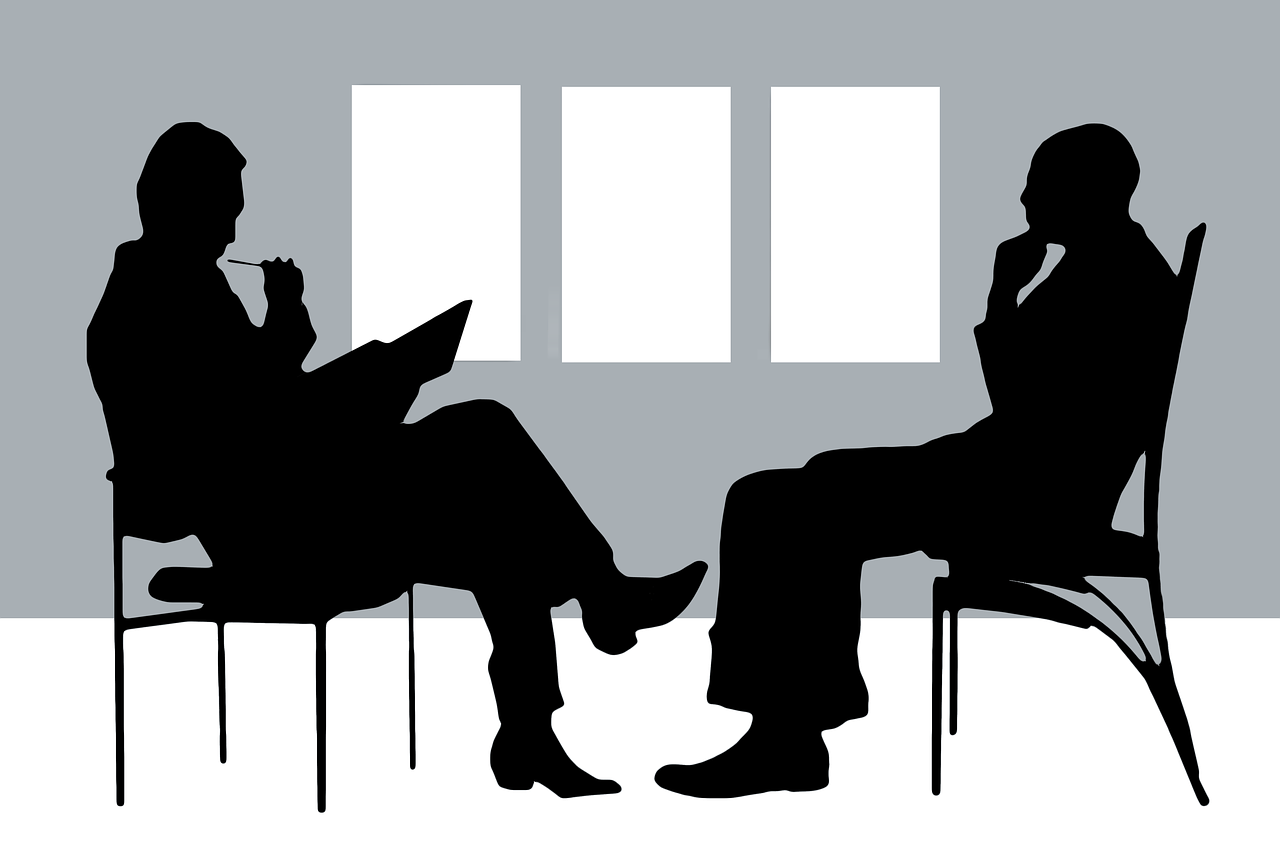
What if your Therapist loses their cool?

By David Joel Miller, MS, Licensed Therapist & Licensed Counselor.

Therapy

Therapy.
Photo courtesy of Pixabay.com

What should you do if the therapist loses their cool with you in the session?

It was interesting to me that more than one search term included this idea of a counselor or therapist losing their composure with a client. Here are some basic thoughts.

Counselors like clients are people and sometimes they do things they later wish they hadn’t done. The way this gets handled depends on how far off the track the counselor has gotten.

Sometimes it’s the counselor that is inappropriate, sometimes it is the client.

If the counselor feels their buttons getting pushed, they are getting upset; this is most likely about the counselor. We, professionals, are all taught that in those situations we should get counseling for our issues, talk with our supervisor, or do other things to work on ourselves. What we should not do is take our problems out on the client. If we are unable to deal with our stuff and work with this client we owe it to the client to transfer them to someone who can.

Sometimes this thing that is upsetting us can be useful material for the counseling session. One way your therapist might handle this is to tell you that what you are doing or saying is getting them upset and then ask you “Do other people in your life also get upset when you do this?” This approach can be useful to the client to let them see how their behavior and statements are affecting others around them.

Talking about this issue is only useful before the counselor loses their cool.

If the counselor gets physical with the client and the client has not been physical first, that is not OK.  Counselors can be disciplined or even lose their licenses for acting inappropriately with clients. Yelling, cursing and other hurtful statements and behaviors are also not acceptable. These things are rare, or so I would like to believe, but yes they can happen.

Both parties in the relationship should always feel safe. If the counselor feels physically threatened then there needs to be some intervention to make them feel safe. Sometimes there is just a bad fit between the two people and the relationship needs to be changed.

The results of counseling are almost exclusively dependent on the relationship between the counselor and the client. Anything that damages this relationship harms the client’s progress. Counselors sometimes need to balance the need to maintain a helpful relationship with the need to tell the client the truth about how the things they say and do are affecting others.

Occasionally the counselor has done nothing wrong but the client does not like hearing what the counselor says and they become threatening or even physically violent.

Having an emotional or mental illness is no excuse for acting out and becoming physical with someone. If the client does that then the counselor may need to call the police and have that client arrested. We don’t like to do that, we use all our skills to de-escalate the situation and prevent the need for law enforcement, but sometimes it has to be done.

So if you have been in a situation with a professional who lost their cool with you, think carefully about was this about you or about them. If it was about you, while the behavior was not OK you can learn from it. If it was about them then it is probably time to change counselors.

If the prospect of changing providers is overwhelming take a look at a previous post here on counselorssoapbox.com where I talked about how to fire a counselor.

If this provider is not meeting your needs, is making you worse instead of better, you need to advocate for yourself and find someone who can help you.

Here is hoping that this helps those of you who feel that your clinician has lost their cool with you. If this has happened to you and you can share the event without harm to you consider telling the rest of us about your experience and how you have resolved this or are trying to resolve it.

Here is wishing you a speedy recovery and a happy life.

David Joel Miller, LMFT, LPCC

Staying connected with David Joel Miller

Seven David Joel Miller Books are available now!

My newest book is now available. It was my opportunity to try on a new genre. I’ve been working on this book for several years, but now seem like the right time to publish it.

Story Bureau.

Story Bureau is a thrilling Dystopian Post-Apocalyptic adventure in the Surviving the Apocalypse series.

Baldwin struggles to survive life in a post-apocalyptic world where the government controls everything.

As society collapses and his family gets plunged into poverty, Baldwin takes a job in the capital city, working for a government agency called the Story Bureau. He discovers the Story Bureau is not a benign news outlet but a sinister government plot to manipulate society.

Bumps on the Road of Life. Whether you struggle with anxiety, depression, low motivation, or addiction, you can recover. Bumps on the Road of Life is the story of how people get off track and how to get your life out of the ditch.

Dark Family Secrets: Doris wants to get her life back, but small-town prejudice could shatter her dreams.

Casino Robbery Arthur Mitchell escapes the trauma of watching his girlfriend die. But the killers know he’s a witness and want him dead.

Planned Accidents  The second Arthur Mitchell and Plutus mystery.

Letters from the Dead: The third in the Arthur Mitchell mystery series.

What would you do if you found a letter to a detective describing a crime and you knew the writer and detective were dead, and you could be next?

Sasquatch. Three things about us, you should know. One, we have seen the past. Two, we’re trapped there. Three, I don’t know if we’ll ever get back to our own time.

For these and my upcoming books; please visit my Author Page – David Joel Miller

Want the latest blog posts as they publish? Subscribe to this blog.

For videos, see: Counselorssoapbox YouTube Video Channel

How do you fire a psychologist or counselor?

By David Joel Miller, MS, Licensed Therapist & Licensed Counselor.

Therapy

Therapy.
Photo courtesy of Pixabay.com

Is it hard to say goodbye to your therapist?

There are several reasons you should say goodbye to a counselor and a few reasons you shouldn’t  Let’s look at these reasons first and then the how second.

Times you should stop seeing the therapist

1. If you have made the progress you need to make.

In managed care, we draw up a treatment plan. The goal is not a complete elimination of the symptoms. That would keep even normal humans in treatment forever. The goal of treatment should be to reduce the symptoms to a manageable level and to teach the client to be able to manage those symptoms in the future.

If your symptoms are under control and you feel you have the tools to live life without staying in therapy, you may be ready to move on. Ending this episode of therapy does not mean that you will never return to therapy with this or another counselor. It means that right now you don’t have a need to keep going to therapy.

2. If you are making NO progress.

Ethically a counselor should stop seeing you and refer you to someone else if they can’t help you. Sometimes we counselors want so much to be helpful it is hard to see when we are not the one that can help this client.

You’re bringing up the idea of ending therapy may come as a relief for your counselor who has been trying to think of a good way to tell you that you need to see someone else. Therapists do not want to abandon clients in need and it is hard for them to stop trying.

Sometimes a self-help group, peer counseling, or a friend support system is what you need just now.

Reasons you shouldn’t stop seeing this counselor

1. It is getting painful or difficult to talk about your problems.

Quitting therapy when the work gets hard or painful is a sure way to stay in your problem. When the work gets hard it is tempting to blame the therapist and change. It takes time for the new counselor to get to know you and you can put off really facing the issue for a while. This makes moving from one therapist to another tempting. Eventually, that issue will come up again and the pain is back.

Running from problems has kept a lot of people sick. Sometimes we use drugs and alcohol or romantic encounters. Other times people just change counselors. Either way, evading your issues will not get you better.

2. There will be negative consequences if you stop.

If you were court-ordered or need to complete the sessions to get your license back then stopping is a really bad idea.

If you are facing consequences as a result of stopping, think carefully before you do so. This probably means there are things about yourself you do not want to face.

How do you stop therapy?

There are oh so many ways but a few are more recommended than others. Counseling is all about the relationship and if you have been together with this counselor for any length of time you should have a good enough relationship to talk with them about this.

Most counseling relationships do not go one forever. Eventually, there will be a “termination stage,” to your counseling that involves the counselor preparing you to stop coming. If you bring this up the counselor should be willing to talk about where you are in the process, what else they think you need to accomplish and how you two will go about ending the counseling relationship.

If you have given this a try and the relationship is not working you owe it to yourself to tell the counselor that. Sometimes that discussion will result in taking a new approach and you will begin to make the progress you need to make.

With an independent private practice counselor, this can be as simple as saying no to another appointment and calling around to make an appointment elsewhere. If you have insurance that is paying for the treatment you should talk with your insurance provider about who else can see you and be prepared to give some reason why you need this change.

If you go to a large agency they may have rules and procedures for therapist changes. You need to ask how you go about doing this. While you may need to talk with a supervisor or administration about your desire to change you should always think of this as advocating for yourself and for the care you need.

If you find this especially difficult look for a case manager or patients advocate that can help you with the process.

Making progress in counseling is about finding a provider that you can develop a good working relationship with and then about doing work. Here is wishing you the best on your process of recovery.

David Joel Miller, LMFT, LPCC

Staying connected with David Joel Miller

Seven David Joel Miller Books are available now!

My newest book is now available. It was my opportunity to try on a new genre. I’ve been working on this book for several years, but now seem like the right time to publish it.

Story Bureau.

Story Bureau is a thrilling Dystopian Post-Apocalyptic adventure in the Surviving the Apocalypse series.

Baldwin struggles to survive life in a post-apocalyptic world where the government controls everything.

As society collapses and his family gets plunged into poverty, Baldwin takes a job in the capital city, working for a government agency called the Story Bureau. He discovers the Story Bureau is not a benign news outlet but a sinister government plot to manipulate society.

Bumps on the Road of Life. Whether you struggle with anxiety, depression, low motivation, or addiction, you can recover. Bumps on the Road of Life is the story of how people get off track and how to get your life out of the ditch.

Dark Family Secrets: Doris wants to get her life back, but small-town prejudice could shatter her dreams.

Casino Robbery Arthur Mitchell escapes the trauma of watching his girlfriend die. But the killers know he’s a witness and want him dead.

Planned Accidents  The second Arthur Mitchell and Plutus mystery.

Letters from the Dead: The third in the Arthur Mitchell mystery series.

What would you do if you found a letter to a detective describing a crime and you knew the writer and detective were dead, and you could be next?

Sasquatch. Three things about us, you should know. One, we have seen the past. Two, we’re trapped there. Three, I don’t know if we’ll ever get back to our own time.

For these and my upcoming books; please visit my Author Page – David Joel Miller

Want the latest blog posts as they publish? Subscribe to this blog.

For videos, see: Counselorssoapbox YouTube Video Channel

Warning – 6 reasons what you learned may not be true!

By David Joel Miller, MS, Licensed Therapist & Licensed Counselor.

Truth or lie

Separating truth from lies is hard work.
Photo courtesy of Pixabay.com

6 Reasons why some of the things we learned turn out to not be true.

Turns out that a whole lot of what most of us think we know is not accurate. Some of this does not matter. But if you base your life on things that turn out to be wrong, you can be in a lot of hurts. If we got it wrong we may be teaching our children things that could hurt them. It pays to reexamine some of the things we think we know and see if we got it right.

Here are 6 reasons you may have gotten it wrong.

1. Parents are fallible.

Think back to the first lessons you learned in life. Did you learn a lot about life from your parent or caregiver?

Most of us have things tucked away in our brain, emotional learning, moral learning, and attitudes about life that we internalized at a very early point in our lives. Your parent may have told you wrong.

Not that they meant to lie. Back then they looked so big and strong and knowledgeable. For most kids, the adult that raised them looks like an all-powerful god. Then we get older and realize that this person does not know everything. We forget that much of our way of seeing the world was learned from that caregiver before we were able to judge if they had it right.

It continues to amaze me that humans have survived and prospered, more or less, on the earth. Consider that child production and rearing is mostly left to the youngest and least mature of our members. Think about those teen parents trying to raise children even before they have learned how to have a healthy relationship, get a job, and cope with life.

Is it any wonder that lots of what we learned, we learned from other children, even if they were our parents?

2. The person we learned from may have been wrong.

We all learned lots of lessons from our peers. Did you learn a lesson about how people are, how you should be on the playground, from another child in an early grade?

That first romantic partner, did you learn about life from someone who had little knowledge also? That 14-year-old girl with a 15-year-old boyfriend, did you learn about love and sex from them? How did they know? In those early relationships, that other partner can appear so adult and knowledgeable. Later we find, as we have more life experiences, that they knew no more than we did, they and we may have been making it up as we went along. Who wants to look ignorant with their lover?

3. Brain chemicals may have interfered with storing and retrieving memories.

Drugs and alcohol are significant culprits in this area. People under the influence have distortions in the way their memories are stored and retrieved. Drug and alcohol use has continued to creep down to younger and younger people. Children in elementary school are experimenting and using drugs on a regular basis.

Stress hormones also interfere with learning and memory. Prescription meds may or may not be needed but there is always that risk that prescribed medication will alter the experience. If you do not feel pain you are at increased risk to be injured. This applies to emotional as well as physical pain.

4. We may have been watching the wrong people for danger.

Many a child has been taught to avoid strangers and not talk to strangers. There is some truth to begin cautious around strangers. What we leave out is that the majority of abuse of children is perpetrated by close family members and friends.

Not every teacher or religious leader is a safe person. Every day we hear about children who were abused or molested, frequently by someone in a position of authority and trust.

If you learn an unrealistic view of the safety or danger of the world your future life experiences will be distorted. A child who is injured by someone they should have been able to trust will be affected for the rest of their life.

5. Even the best student does not get everything right.

For example, the top score in one class on a recent test was 80%, this is a passing score, maybe even a B in most classes. Now if that student teaches this material to a younger brother and that brother gets 80% of what he is taught he now has 64% correct

See how a small error gets rapidly compounded as the facts, almost correct, are repeated.

Consider the effect it may have had on you if someone you learned from had it mostly right but not completely. Then you learn most of what they taught you and now you are trying to pass this on.

This is a reason that we need to continue to check and recheck those things we think we know to see if they are really true.

6. The prevailing wisdom may be wrong.

Just because everyone says something is right, you see it on T. V. or in a movie, does not make that right.

Our media has made it look like the good guys go out and fight every day. Often they use guns and kill the bad guys. The result is a general tolerance for the use of violence to solve problems.

Would it surprise you to know that on some police forces the majority of officers go their whole careers, all the way to retirement, without ever having to discharge their gun in the line of duty?

People who get killed in their own home, they are often the victim of a family member or friend. It is not strangers breaking into your home that you should fear. It is your family member who knows where you keep the loaded gun.

Many of the things I learned as a child, that was thought to be absolutely the way things were, have since turned out to be wrong.

Even the flat earth society has suffered a decline in membership.

Consider these six reasons why things you learned may not be so and then continue to learn new lessons. Accurate knowledge helps make the journey along life’s road happier and more enjoyable.

If you have found other reasons that you have learned things that later turned out to not be true please leave a comment and share these with the rest of us.

Are you on the path to the happy life you deserve?

David Joel Miller, LMFT, LPCC

Staying connected with David Joel Miller

Seven David Joel Miller Books are available now!

My newest book is now available. It was my opportunity to try on a new genre. I’ve been working on this book for several years, but now seem like the right time to publish it.

Story Bureau.

Story Bureau is a thrilling Dystopian Post-Apocalyptic adventure in the Surviving the Apocalypse series.

Baldwin struggles to survive life in a post-apocalyptic world where the government controls everything.

As society collapses and his family gets plunged into poverty, Baldwin takes a job in the capital city, working for a government agency called the Story Bureau. He discovers the Story Bureau is not a benign news outlet but a sinister government plot to manipulate society.

Bumps on the Road of Life. Whether you struggle with anxiety, depression, low motivation, or addiction, you can recover. Bumps on the Road of Life is the story of how people get off track and how to get your life out of the ditch.

Dark Family Secrets: Doris wants to get her life back, but small-town prejudice could shatter her dreams.

Casino Robbery Arthur Mitchell escapes the trauma of watching his girlfriend die. But the killers know he’s a witness and want him dead.

Planned Accidents  The second Arthur Mitchell and Plutus mystery.

Letters from the Dead: The third in the Arthur Mitchell mystery series.

What would you do if you found a letter to a detective describing a crime and you knew the writer and detective were dead, and you could be next?

Sasquatch. Three things about us, you should know. One, we have seen the past. Two, we’re trapped there. Three, I don’t know if we’ll ever get back to our own time.

For these and my upcoming books; please visit my Author Page – David Joel Miller

Want the latest blog posts as they publish? Subscribe to this blog.

For videos, see: Counselorssoapbox YouTube Video Channel
Does your family know right from wrong? Moral Reasoning

By David Joel Miller, MS, Licensed Therapist & Licensed Counselor.

Ethics

Ethical loopholes strangle.
Photo courtesy of Pixabay.com

How did those in your life learn right and wrong?

If you look around these days you start to wonder if anyone knows the difference between right and wrong. All-day and every night the media is full of stories about wrongdoing. Each successive incident seems to top the last for cruelty and wrongness. It would be easy to become pessimistic.

The optimist will point to any number of past incidents of wrongdoing and say we are making progress. There are laws designed to prevent wrongdoing on an individual level and more worldwide awareness that when something wrong occurs anywhere in the world it affects all of us.

Occasionally we see a young child who has done some great deed of kindness and at a tender age has an apparent grasp of right and wrong, but that is the exception and not the rule. There are always more stories about some youth who has done some unspeakable deed.

Think for a moment about how you learned right and wrong. Did you have to figure it out for yourself or did someone teach you? If someone taught you, who? Have you continued to accept everything they told you or did you ever question? If you have children how are they learning right and wrong, from you or from someone else?

How do people learn right from wrong and how might we increase the number of people who know the difference?

There appears to be a process that people need to go through to learn the difference between right and wrong. What they learn depends on the student, the teachers, and the way the lessons are presented.

Just because you act well around your children or your spouse does not mean that those family members will learn your understanding of right and wrong. There are lots of things that can interfere with the process of learning right from wrong.

First the process of learning right and wrong and then how it can go awry. In my life, plenty of people have tried to tell me the difference between right and wrong. Most times they did not agree and they have various formulas for determining the difference between these two options. A few people assert that there really is no difference, that truth and falsehood like right and wrong are all relative.

This relative position may have appeal as a philosophy, but it is not much help if you are being beaten, robbed, or raped or if your teen is standing before a judge charged with a felony.

The idea that people learn the skill of “moral reasoning” comes from the work of Lawrence Kohlberg. I was first exposed to this concept when I read Dr. Lakona’s book Raising Good Children. These steps or stages of moral reasoning are sometimes subdivided as they develop and change over time. I will summarize their ideas from memory so if errors creep in they are my errors.

A. Primitive right and wrong.

It is fair if I get what I want and not fair if I do not get what I want. The young child might say “It’s not fair I did not get a red one and I wanted a red one.” Fairness and right and wrong are all about getting what you want. Other people’s wishes do not enter the equations.

This approach is understandable in very young children and dictators of countries but we expect most other people to outgrow this way of seeing right and wrong. Our prisons and banks are full of people who do not appear to have outgrown this way of determining right and wrong.

B. You do for me and I will do for you.

In this version, we trade right and wrong. This comes from learning to share with siblings and playmates. So if you do something nice for me I owe you a good deed. If I do for you and you do not reciprocate then I can do whatever I want.

This stage of moral reason comes up sometimes in relationship or marriage counseling. One party believes they have been wronged by the other and therefore they are justified in doing something to hurt the other party.

People who stay stuck in this tit-for-tat stage of moral reasoning are destined to be disappointed and have a life full of conflict or they become a permanent victim as others let them down.

C. Mommy says.

Eventually, most people begin to resolve their moral dilemmas by resorting to authority’s opinions. At first, it may be mommy and then later it will become the teacher.

Plenty of people abrogate their need to determine right or wrong by following a leader and asserting that if the leader says it is right then they should know.

This faith in authority explains why people can be convinced to follow a leader and do horrific things because that leader told them it was the right thing to do. If that leader can convince you that God or correct politics is on his side then you might be convinced that killing others was a moral thing to do. Even if in the back of your mind you question this leader, the weight of others who follow the same leader will pressure you to adopt that leader’s version of right and wrong.

Peers are also authorities.

Somewhere in the adolescent years, our peers start having more influence on us than adults. If you join a gang, then their norms become your criteria for right and wrong. If you hang with drug addicts then you develop a “hustle” and stealing or other criminal activities stops being wrong and becomes acceptable.

In a previous post, I wrote about why trying to resist peer pressure is a choice doomed to failure and why sooner or later all humans give in to peer pressure or change their peers.

D. The rule or the law.

Many people come to believe in the rule of law. They memorize the law, regulation, or bylaws of an organization. Their appeal for right and wrong always goes to what the law says. People quote the constitution or other law as evidence for their belief in what is right and wrong. We have a supreme court to make just those fine distinctions as both sides in the argument can see how the law agrees with what they want the right and the wrong to be.

Others resort to a particular religious book, the Bible the Koran, or what have you. They are often adept at finding a verse to quote that establishes that they are correct in their view of right and wrong. As with other laws, these religious documents may also have other portions that lead to a different interpretation and there are religious wars a plenty over which religious book is the right one or the wrong one.

It is reassuring if you can find guidance in a book or law that eliminates the need to judge right and wrong but it does not always lead to a correct way of behaving.

E. Higher Values.

Beyond all these ways of separating right from wrong, there is in most of us a gut sense that regardless of what the authorities say, what our friends may tell us, or the holy book appears to be revealing, there is this fundamental thing that just does not feel right.

We have established by war crime trials, though some will disagree with this, that just because your party, leader, law, or religious book seems to sanction a practice there are some things that are inherently wrong and should not be done regardless of who says to do them.

Not everyone reaches or wants to reach this higher level of moral reasoning but it should be something that is encouraged if we want to avoid the excess of relying on leaders who might use their position, the law, or the religion, to justify doing fundamentally wrong things.

These are some thoughts about ways moral reasoning may develop. In a future post let’s look at the errors that may creep in along the way to better moral reasoning.

Here is wishing you the happy life you deserve. David Joel Miller, LMFT, LPCC

Staying connected with David Joel Miller

Seven David Joel Miller Books are available now!

My newest book is now available. It was my opportunity to try on a new genre. I’ve been working on this book for several years, but now seem like the right time to publish it.

Story Bureau.

Story Bureau is a thrilling Dystopian Post-Apocalyptic adventure in the Surviving the Apocalypse series.

Baldwin struggles to survive life in a post-apocalyptic world where the government controls everything.

As society collapses and his family gets plunged into poverty, Baldwin takes a job in the capital city, working for a government agency called the Story Bureau. He discovers the Story Bureau is not a benign news outlet but a sinister government plot to manipulate society.

Bumps on the Road of Life. Whether you struggle with anxiety, depression, low motivation, or addiction, you can recover. Bumps on the Road of Life is the story of how people get off track and how to get your life out of the ditch.

Dark Family Secrets: Doris wants to get her life back, but small-town prejudice could shatter her dreams.

Casino Robbery Arthur Mitchell escapes the trauma of watching his girlfriend die. But the killers know he’s a witness and want him dead.

Planned Accidents  The second Arthur Mitchell and Plutus mystery.

Letters from the Dead: The third in the Arthur Mitchell mystery series.

What would you do if you found a letter to a detective describing a crime and you knew the writer and detective were dead, and you could be next?

Sasquatch. Three things about us, you should know. One, we have seen the past. Two, we’re trapped there. Three, I don’t know if we’ll ever get back to our own time.

For these and my upcoming books; please visit my Author Page – David Joel Miller

Want the latest blog posts as they publish? Subscribe to this blog.

For videos, see: Counselorssoapbox YouTube Video Channel

Decluttering my head.

By David Joel Miller, MS, Licensed Therapist & Licensed Counselor.

Decluttering your mind.
Photo courtesy of Pixabay.com

When your head gets full everything slows down.

Sure is easy to get busy. Each thing on the schedule requires thought. Some days there just isn’t room left for me in my head. Do you ever feel that way?

Recently I had a bout of illness. Two things stood out as a result.

First, I need to spend more time and effort on staying physically healthy, more on that later, and second, at times when our physical health is down, everything takes more effort, especially the mental part.

I realized while I was physically sick that everything took way more mental effort. I suddenly discovered my head was so full of the things I think about each and every day that there was not enough room to focus on getting well. Something needed to give.

One thought that occurred to me as I was convalescing was if I were to not recover if this illness was to be long-term, what things would I still think mattered?

This thought, occurring as it did during one of those long trips between the bed and the bathroom resulted in a decision that there was just way to much stuff cluttering up my mind that did not need to be taking ups space there.

If any of you have unused space in your head and need something’s to store there, just to take up space, let me know and I will be glad to send you some things, particularly things that no longer seem to matter in my way of thinking.

One thing I noticed while ill and convalescing was that my email was consuming a lot more of my thought than remembering to take my medication. When you are really sick just reading all that stuff can be exhausting.

Not only did my inbox now contain hundreds of unread emails, but they continued to arrive faster than I could open them. I know there are ways to organize my email, but consider what is the benefit of organizing stuff I don’t need in the first place? Which did I want to spend my energy on, reading emails in the hope of not missing something or spend that energy on recuperation?

The result was a determination to pare down those emails and then to start looking at the other things that I have let expand to fill up every waking moment of my life. At times like this, less really is better.

My apologies to all those “how to blog” and “how to sell stuff” folk as well as the “how to buy happiness folk,” most of you not only got moved to the delete box, you were gifted with an unsubscribe. If reading your email takes up my time, it clearly needs to be worth my effort and I quickly realized I was following a whole lot of email newsletters that did nothing but fill up my head and suck my energy.

I shiver as I write this, fearing that my subscriber number will take a sudden drop but if reading my emails is costing you more than the benefit you are getting from this blog, than one gift I can give you is to help you save that much time anyway.

So how about you? Do you have a whole lot of things that fill up your head and your life? Do those things really matter and do they make you any happier?

What I found, the gift of this illness was that there are a lot of things that occupy my head and my time that needs to be cleaned out, especially if I want a healthier and happier life.

Here is wishing you a happy and meaningful life, whatever that means to you.

Staying connected with David Joel Miller

Seven David Joel Miller Books are available now!

My newest book is now available. It was my opportunity to try on a new genre. I’ve been working on this book for several years, but now seem like the right time to publish it.

Story Bureau.

Story Bureau is a thrilling Dystopian Post-Apocalyptic adventure in the Surviving the Apocalypse series.

Baldwin struggles to survive life in a post-apocalyptic world where the government controls everything.

As society collapses and his family gets plunged into poverty, Baldwin takes a job in the capital city, working for a government agency called the Story Bureau. He discovers the Story Bureau is not a benign news outlet but a sinister government plot to manipulate society.

Bumps on the Road of Life. Whether you struggle with anxiety, depression, low motivation, or addiction, you can recover. Bumps on the Road of Life is the story of how people get off track and how to get your life out of the ditch.

Dark Family Secrets: Doris wants to get her life back, but small-town prejudice could shatter her dreams.

Casino Robbery Arthur Mitchell escapes the trauma of watching his girlfriend die. But the killers know he’s a witness and want him dead.

Planned Accidents  The second Arthur Mitchell and Plutus mystery.

Letters from the Dead: The third in the Arthur Mitchell mystery series.

What would you do if you found a letter to a detective describing a crime and you knew the writer and detective were dead, and you could be next?

Sasquatch. Three things about us, you should know. One, we have seen the past. Two, we’re trapped there. Three, I don’t know if we’ll ever get back to our own time.

For these and my upcoming books; please visit my Author Page – David Joel Miller

Want the latest blog posts as they publish? Subscribe to this blog.

For videos, see: Counselorssoapbox YouTube Video Channel
Why not everyone ends up addicted to pain medication – set and setting

By David Joel Miller, MS, Licensed Therapist & Licensed Counselor.

Drugs

Medications.
Photo courtesy of Pixabay.com

Psychological factors can affect the addictive potential of drugs.

Some people with chronic pain are able to take pain meds for a long period of time with no apparent addiction problem.

Other people can become addicted to a pain med after using a single prescription.

A major factor in this outcome is a thing drug counselors know as set and setting.

The way you perceive the use of a medication or drug may have more of an effect on the results than the actual chemistry of the medication.

Both “set” and “setting” influence these effects.

Set refers to “mindset” not the taking of drugs on a Hollywood movie set. The drug will produce larger effects in the direction you expect than in the opposite direction. This is similar to the things we have talked about as placebo and nocebo effects.

Someone who is in a bad mood, who drinks when angry, is likely to become more angry and violent when drinking. Another person at the same party, thinking that this is a happy occasion will likely become more outgoing and uninhibited. Both people are taking the same drug, in this case, alcohol, but the results conform to the expectations or mindset of the user.

The place matters – setting.

A single glass of wine will affect someone differently if consumed at a religious ceremony than if consumed in a bar late at night. Drinking some wine as part of a ceremony may be relaxing or spiritual, that same glass of wine consumed at a party may result in the person consuming the wine becoming more sexual rather than more spiritual.

What does all this have to do with the abuse of prescription pain medications?

People who take prescribed medication, say morphine or an opioid, in the hospital when it is prescribed for pain are at low risk to develop an addiction. That same person who has taken large amounts of morphine in the hospital with no apparent ill effects is at high risk to develop an addiction if they purchase a single prescription from a dealer in the alley. The difference is in the setting in which the drugs are consumed and the purpose for which they are used.

Unfortunately, many of us can’t tell the difference between physical pain and emotional pain. Taking drugs for emotional pain, especially pain medications is a high-risk behavior. Those illicit meds can quickly become an addiction.

Recently we have seen a huge increase in teens and young adults who are abusing prescription meds, often stolen from older family members. While grandma may take a morphine pill every day for pain and not develop the signs and symptoms of a psychological addiction the grandson who steals those meds and uses them to get high can quickly become addicted both psychologically and physically. (See the post on Grandma as a drug pusher.)

What you are thinking about and where you are when you take drugs or medications can and does affect the results you get and the potential for addiction.

The recognition of set and setting points us to a better understanding that the psychological factors in drug addiction are far more powerful than the physical effects in a great many cases.

If you come to believe that you “need” your drug of choice to function well, that you can’t do things without your drug to get you through, even if that drug has a low abuse potential you are at risk to develop a psychological addiction to that drug.

Consider your own drug use and how set and setting may be affecting the results of that drug use.

Staying connected with David Joel Miller

Seven David Joel Miller Books are available now!

My newest book is now available. It was my opportunity to try on a new genre. I’ve been working on this book for several years, but now seem like the right time to publish it.

Story Bureau.

Story Bureau is a thrilling Dystopian Post-Apocalyptic adventure in the Surviving the Apocalypse series.

Baldwin struggles to survive life in a post-apocalyptic world where the government controls everything.

As society collapses and his family gets plunged into poverty, Baldwin takes a job in the capital city, working for a government agency called the Story Bureau. He discovers the Story Bureau is not a benign news outlet but a sinister government plot to manipulate society.

Bumps on the Road of Life. Whether you struggle with anxiety, depression, low motivation, or addiction, you can recover. Bumps on the Road of Life is the story of how people get off track and how to get your life out of the ditch.

Dark Family Secrets: Doris wants to get her life back, but small-town prejudice could shatter her dreams.

Casino Robbery Arthur Mitchell escapes the trauma of watching his girlfriend die. But the killers know he’s a witness and want him dead.

Planned Accidents  The second Arthur Mitchell and Plutus mystery.

Letters from the Dead: The third in the Arthur Mitchell mystery series.

What would you do if you found a letter to a detective describing a crime and you knew the writer and detective were dead, and you could be next?

Sasquatch. Three things about us, you should know. One, we have seen the past. Two, we’re trapped there. Three, I don’t know if we’ll ever get back to our own time.

For these and my upcoming books; please visit my Author Page – David Joel Miller

Want the latest blog posts as they publish? Subscribe to this blog.

For videos, see: Counselorssoapbox YouTube Video Channel

11 signs you crossed the addiction line. Is it partying, drinking and using or addiction?

By David Joel Miller, MS, Licensed Therapist & Licensed Counselor.

sign

No Drugs.
Photo courtesy of Pixabay.com

How do you know when your drug or alcohol use has become a problem?

Some people report that they can drink a few drinks now and then and they have no problem. There are those rare individuals who are able to try a drug a few times and then put it away with no apparent bad result. But many people discover that what started out as all fun has progressed to becoming a problem. Here are 11 signs that your partying has moved from being fun to being a problem, maybe even an addiction.

1. You are trying to control your use.

One of the first signs of an addiction gone wild are the efforts to control use. Normal people, people without a problem, do not try to control their use. They do not need to control anything because they can take it or leave it. If you find that when you drink or use you end up doing more than you planned on doing if you start needing to control your usage, then you are on your way to a problem.

2. You arrange your life around chances to drink or use.

People with an abuse problem begin to arrange their life around getting and having their drug of choice. They pick restaurants based on the bar, not the food. They avoid social settings where there will be no drugs or alcohol or they will not be able to drink and use.

They also begin giving up friends who do not use or drink.

3. It takes more of the drug or alcohol to get the same high.

This is called tolerance. If you need to drink more alcohol to feel the same effects, you are developing tolerance. If the same amount of a drug produces less and less of an effect on you, then your body has begun to develop tolerance. You are headed for problems. Those who can “hold their liquor” are not safe from alcoholism. They are already on the way to becoming an alcoholic.

4. You have symptoms of sickness when you suddenly stop getting your drug of choice.

This is called withdrawal or sometimes abstinence syndrome. Hangovers when you drink. Other physical symptoms, headaches constipation, diarrhea, changes in sleep, or appetite directly tied to your use are indicators of problems. So is needing more of the thing you did in the morning to recover. Taking some of the hair of the dog that bit you means you have been both bitten and infected with the addiction germ.

5. You get angry when people try to talk to you about your drug or alcohol use.

People who drink or use in responsible ways do not have people talking to them about their use. If your use has reached a point where people need to talk to you about it, then you have gone past the point of casual use and are headed for problems.

6. You have begun to accumulate negative consequences as a result of your use.

If you get in fights, verbal or physical, with people, are getting DUI’s or lose your job as a result of drinking or drug use then it has become a problem. If your relationships are suffering or you are fighting with your partner about your drug or alcohol use then the drug has entered the relationship and you are now in a threesome with that drug. This is not likely to turn out well. Both Sherry (alcohol) and Crystal (Methamphetamine) are jealous lovers and they do not want you to see your current partner.

7. You feel guilty about things you have done while under the influence.

Most times you can drink too much or do a little drugs and the next day you can think I wish I hadn’t done that and everything is fine. But it is not always like that.

Some people find the first time they drink they end up blackout drunk, the may drive drunk and kill someone, do something violent or even commit rape while under the influence. The little things are easier to hide than the big ones. No one knows when they will cross that line.

One warning sign is if more than once you wake up the next day having done things you wish you hadn’t and things that you need to pay for, make right, or worse yet things you can’t take back or fix.

If you feel guilty for things you do when under the influence of drugs or alcohol then you are headed towards addiction. You may already be there.

8. Most of your life involves getting the drug, using, and getting over the effects.

This is a classic sign of addiction. The addict finds that most of the day is spent thinking about their drug of choice, getting it, doing it, and then getting over the effects.

9. Drinking or using interferes with the roles you need to fill in life.

It affects your job, your relationship, and your parenting skills. When you stop seeing your friend or family, when you let your kids or spouse down all because of the things that drugs or alcohol are now requiring of you, it has passed from being fun to being a problem.

10. When you wake up one morning and this is no longer fun.

When you wonder how you ever got started. When you wish you had never taken that first drink or hit, you have reached the point where you don’t need to ask if this is a problem, you already know.

11. When what used to be your solution has become your problem.

If you move from thinking that a little alcohol or weed would mellow you out and make you happier or help you have more fun, and then after a long time using you need this substance to help you wake up, this is a problem. When you decide that this drug is your problem you have crossed the line by then it has become too late. You are now way past the point of return and have arrived at addiction.

Remember not all addictions are physical, getting sick kinds. The psychological addictions are often harder to kick than the physical ones.

If you are seeing some or all of these eleven signs in your life, then consider if it is time for you to give it up. There is help out there but you need to reach out for the help. Some professionals, counselors, and therapists, have been trained to help. There are substance abuse programs in almost every place. If those options do not work for you there are plenty of twelve-step groups and a few other peer self-help groups, all full of people who would like to help you as a part of their recovery.

If your fun has turned into your problem please consider asking for help.

Staying connected with David Joel Miller

Seven David Joel Miller Books are available now!

My newest book is now available. It was my opportunity to try on a new genre. I’ve been working on this book for several years, but now seem like the right time to publish it.

Story Bureau.

Story Bureau is a thrilling Dystopian Post-Apocalyptic adventure in the Surviving the Apocalypse series.

Baldwin struggles to survive life in a post-apocalyptic world where the government controls everything.

As society collapses and his family gets plunged into poverty, Baldwin takes a job in the capital city, working for a government agency called the Story Bureau. He discovers the Story Bureau is not a benign news outlet but a sinister government plot to manipulate society.

Bumps on the Road of Life. Whether you struggle with anxiety, depression, low motivation, or addiction, you can recover. Bumps on the Road of Life is the story of how people get off track and how to get your life out of the ditch.

Dark Family Secrets: Doris wants to get her life back, but small-town prejudice could shatter her dreams.

Casino Robbery Arthur Mitchell escapes the trauma of watching his girlfriend die. But the killers know he’s a witness and want him dead.

Planned Accidents  The second Arthur Mitchell and Plutus mystery.

Letters from the Dead: The third in the Arthur Mitchell mystery series.

What would you do if you found a letter to a detective describing a crime and you knew the writer and detective were dead, and you could be next?

Sasquatch. Three things about us, you should know. One, we have seen the past. Two, we’re trapped there. Three, I don’t know if we’ll ever get back to our own time.

For these and my upcoming books; please visit my Author Page – David Joel Miller

Want the latest blog posts as they publish? Subscribe to this blog.

For videos, see: Counselorssoapbox YouTube Video Channel