Running out of gas, when your self-improvement program stalls.

By David Joel Miller, MS, Licensed Therapist & Licensed Counselor.

Have you run out of fuel?
Photo courtesy of Pixabay.com

Has your self-improvement plan run out of gas?

We see this in all the creative professions. Writers complain about writer’s block. Artists run out of creative ideas. Businesses become stale and stagnate. Why is it so hard to stay creative, to keep making progress on your recovery? What can you do about those out of gas episodes?

As a counselor, I see a similar phenomenon. The client who is making lots of progress and then suddenly after one particularly great session they return and this subsequent session seems to go nowhere. What happened to the resolve to change?

We have different words to use to describe these occurrences but the common thread is that after a period of successful activity there is a period of needing to rest, relax, and recharge your batteries. One thing we learn in mindfulness is that you can’t fix a car when it is being driven at 65. The creative mind needs some time of rest if the creativity is going to keep coming.

Sometimes when we open up and reveal the true us, in counseling or in relationships, we fear we have gone too far in changing, gotten ahead of where we are comfortable and we need to pull back and reevaluate.

The client who has breakthroughs, who achieves insight, sometimes feels they have overdone, over shared, and the next time they are in the office they retreat to a safer, less involved place. The challenge is to not let this pullback, this need to recharge, become an end to our efforts to make things better.

How, if you are making significant progress on an issue do you sustain that effort? What keeps this uncomfortable place from becoming a place of permanently stuck?

How does the creative person recharge their batteries and pick up the process without long periods of being unproductive? Most writers have had episodes of writer’s block but if those episodes last too long then you stop being a writer. The writer writes, the creative business person conducts business and the parent needs to keep on parenting even when they run out of answers.

One reason that your productivity declines after a period of accomplishment are that your interest in the project or the field has decreased. We see this in college majors frequently. The first year and into the second the student wants to learn all they can. By the last year, they just want to get done and get a job. Somewhere along the way, for many of us, the passion ends long before the relationship.

A novelist starts out wanting to tell the story. Partway through the story, the essential ingredients are all down on paper, the plot the characters, and so on. From then and there the author knows how the characters will respond to events, the outcome becomes more predictable. The writer’s problem is to maintain the level of interest in what will happen and in telling the stories of his characters that he had at the beginning.

This same phenomenon happens to businesses. They grow and expand in the early stages and then the owners, having put in all that effort begin to lose interest, the fire of desire has gone out and the new innovative ideas stop flowing. Recharging brains helps but relighting the fires of interest is what is really needed.

We know that good relationships, romantic, parental, or relationships with self, do not just happen. To keep that relationship alive you need to invest some time and effort in maintaining those relationships.

What we all need to learn to do is to spend some time maintaining that one relationship that will last a lifetime, our relationship with ourselves.

What have you done recently to put the fun back into your life? How will you choose to take care of yourself? What specific actions will you take to maintain your relationship with your partner and with your children? How will you find ways to make that job you do, that career or business you own, fun again.

To put that creative spark back in all you do you first need to put the excitement back into what you are doing and how that will get done.

Staying connected with David Joel Miller

Seven David Joel Miller Books are available now!

My newest book is now available. It was my opportunity to try on a new genre. I’ve been working on this book for several years, but now seem like the right time to publish it.

Story Bureau.

Story Bureau is a thrilling Dystopian Post-Apocalyptic adventure in the Surviving the Apocalypse series.

Baldwin struggles to survive life in a post-apocalyptic world where the government controls everything.

As society collapses and his family gets plunged into poverty, Baldwin takes a job in the capital city, working for a government agency called the Story Bureau. He discovers the Story Bureau is not a benign news outlet but a sinister government plot to manipulate society.

Bumps on the Road of Life. Whether you struggle with anxiety, depression, low motivation, or addiction, you can recover. Bumps on the Road of Life is the story of how people get off track and how to get your life out of the ditch.

Dark Family Secrets: Doris wants to get her life back, but small-town prejudice could shatter her dreams.

Casino Robbery Arthur Mitchell escapes the trauma of watching his girlfriend die. But the killers know he’s a witness and want him dead.

Planned Accidents  The second Arthur Mitchell and Plutus mystery.

Letters from the Dead: The third in the Arthur Mitchell mystery series.

What would you do if you found a letter to a detective describing a crime and you knew the writer and detective were dead, and you could be next?

Sasquatch. Three things about us, you should know. One, we have seen the past. Two, we’re trapped there. Three, I don’t know if we’ll ever get back to our own time.

For these and my upcoming books; please visit my Author Page – David Joel Miller

Want the latest blog posts as they publish? Subscribe to this blog.

For videos, see: Counselorssoapbox YouTube Video Channel

Why practice makes perfect is the wrong advice

By David Joel Miller, MS, Licensed Therapist & Licensed Counselor.

Mistakes and errors

Mistakes.
Photo courtesy of Pixabay.com

What you should be practicing.

Do you think that if you keep practicing you will get better at what you want to improve? There are 2 reasons why this does not work.

1. We tend to practice what we like to do.

We enjoy doing the things we do well. It is human nature to keep practicing the things you are good at over and over trying to improve your game.

What many an Olympic contender or professional athlete knows is that victories are not won by constantly practicing only the things you are good at. Certainly, you need to continue to practice your strengths a little to keep them up to par but there is something more important to practice.

To improve your game, practice the things you are poor at. The consistently successful people find the things that they do poorly and work on improving them. A small amount of improvement in a flaw will result in a significant improvement in your overall performance.

Are there things you don’t do well and therefore avoid? Anything you feel you are not good at should be an opportunity to improve your overall game. Work on your weaknesses to build more strength.

2. You will not improve if you practice doing things incorrectly.

This is where we can be our own worst enemies. We tend to know what we do well and as we saw in point one above, we practice those things repeatedly. What we fail to recognize are the things we are doing that are not up to par.

Highly successful people frequently have a coach or adviser that can spot the areas that need improvement and get you motivated to work on those areas.

Even the best at things frequently have flaws that they never notice. One of the worst things you can do is to repeatedly practice doing something incorrectly. If you don’t get advice from others who know how it should be done you are at risk to continue practicing your mistakes until they become an integral part of the way you do things.

So if you want to take your game to the next level, whether that game is business, your recovery, or your relationships, you need to listen to advice from people who can help you improve and you need to be willing to tackle the things you do not do correctly. This way you can spot your flaws and work to improve the things that are not up to par.

Staying connected with David Joel Miller

Seven David Joel Miller Books are available now!

My newest book is now available. It was my opportunity to try on a new genre. I’ve been working on this book for several years, but now seem like the right time to publish it.

Story Bureau.

Story Bureau is a thrilling Dystopian Post-Apocalyptic adventure in the Surviving the Apocalypse series.

Baldwin struggles to survive life in a post-apocalyptic world where the government controls everything.

As society collapses and his family gets plunged into poverty, Baldwin takes a job in the capital city, working for a government agency called the Story Bureau. He discovers the Story Bureau is not a benign news outlet but a sinister government plot to manipulate society.

Bumps on the Road of Life. Whether you struggle with anxiety, depression, low motivation, or addiction, you can recover. Bumps on the Road of Life is the story of how people get off track and how to get your life out of the ditch.

Dark Family Secrets: Doris wants to get her life back, but small-town prejudice could shatter her dreams.

Casino Robbery Arthur Mitchell escapes the trauma of watching his girlfriend die. But the killers know he’s a witness and want him dead.

Planned Accidents  The second Arthur Mitchell and Plutus mystery.

Letters from the Dead: The third in the Arthur Mitchell mystery series.

What would you do if you found a letter to a detective describing a crime and you knew the writer and detective were dead, and you could be next?

Sasquatch. Three things about us, you should know. One, we have seen the past. Two, we’re trapped there. Three, I don’t know if we’ll ever get back to our own time.

For these and my upcoming books; please visit my Author Page – David Joel Miller

Want the latest blog posts as they publish? Subscribe to this blog.

For videos, see: Counselorssoapbox YouTube Video Channel

What do you do if your therapist cancels?

By David Joel Miller, MS, Licensed Therapist & Licensed Counselor.

What do you do if your therapist cancels?
Photo courtesy of Pixabay.com

How should you respond to an unavailable professional?

One thing that counselors are supposed to avoid is “creating dependence” on the part of their clients. Our goal should not be to tell the client what to do but to help them learn what they need to learn to get through life. But many clients come to expect that they will get to see their therapist at a given time and place and they are likely to experience extra life difficulties when the counselor they are used to seeing is not available.

Some simple cases first.

The counselor is just not in the office today.

This problem is especially difficult for clients who have “trust issues.”
One thing counselors try to do is engage in a “corrective emotional experience.” You did not learn some things, emotional lessons, because the people you lived with did not teach you correctly or because when they did, you got the lesson wrong.

If when you needed a caregiver they were unavailable or abusive, you grew up insecure. Now to have your therapist do this to you is extra traumatic. Why does this happen and what should you do about it?

Begin by thinking about the counselor; this is probably about them not you. Counselors are real people and real people have lives. Unless you live with them, and then they should not be doing therapy on you, there will be times they will not be available. Your regular counselor may be on vacation, out sick, or may have had a family emergency.

This plays out differently in private practice than in a large agency. In private practice, the counselor does not get paid if they do not see clients. They have a lot of financial incentive to see you. They also do not routinely have co-workers who can cover for them when they are out. So they will make an extra effort to be there or to reschedule your appointment.

In an agency, you are the client of that agency not necessarily of that particular counselor. When one person is out sick then someone else should call you and reschedule or you may get assigned a new person to see you.

As much as administrators want high productivity, meaning keep everyone busy as much as they can, too many changes of provider are not good for a client. You see someone and then after telling them your secrets, they are out sick the next week. Do you really want to repeat your whole life story to a new person?

In an agency, people go on vacation, get transferred to a new department, move or change workplaces and sometimes they retire or die. The agency should arrange for you to see someone else.

In private practice, your therapist should make a plan for who you can talk to and who you will see if they are not available. If they are no longer available you can choose to find someone else.

What if you are in crisis?

Relying on seeing your counselor when you are in crisis is a bad idea. Most counselors either have a recording or an answering person who will tell you that if you are in a crisis situation you need to call your local emergency number first. In my area, this would be 911.

There may also be talk lines or crisis lines in your area. Sometimes there are peer support lines or “warm lines” that are very useful if this is not a full-fledged emergency.

In a crisis, the counselor can’t always be there and even if they were at some point this needs to move from their office to a place where you can be stabilized.

What if you have a problem, it is not a crisis but it is getting to you, you just need to talk?

Some therapists are able to take a few calls from clients when they are having difficulties. They can’t take every call, from every client, every day, or they become a phone counselor.

Consider if you can wait till the next appointment, does this conversation need to happen now? Also, consider if this is a crisis situation? Now if it is not a life and death situation and you have tried all the tools you have been taught to cope with this problem then this may be a time for using your “support system.”

One thing your counselor should be moving towards from the very first session is called termination. That is the point when you can manage your life, problems, and all, without needing to come to see a professional every week.

There are some people who do need lots of help; they may even need weekly sessions for a long time in order to keep them stable and out of a psychiatric hospital. But even then the provider should be trying to get that client to a place of needing professionals less and less.

The fastest way to take control of your recovery is to develop a personal support system.

That support system may be other recovering people or a support group meeting. For recovering alcoholics and addicts this may include a 12 step group meeting. It may also include family members, friends, or romantic partners. Sometimes this includes online support groups, which is fine as long as they are about recovery and not about other ways to keep your disease.

So at times, your provider is not available and you have determined that this is not an emergency, call or visit your support system.

Lastly, if your provider keeps canceling and rescheduling, consider whether you need to change providers. This is easier for people seeing private practice providers. They vote with their feet. If they don’t get what they need from the person they are seeing they make an appointment with someone else.

In an agency setting, you may need to talk this out with your counselor, their supervisor or request a transfer to a different clinician.

There is a lot more I could say on this subject but this is getting long so, for now, I need to close.

Here is hoping that this helped those of you who have been asking search engines about what to do if your counselor is not available.

Staying connected with David Joel Miller

Seven David Joel Miller Books are available now!

My newest book is now available. It was my opportunity to try on a new genre. I’ve been working on this book for several years, but now seem like the right time to publish it.

Story Bureau.

Story Bureau is a thrilling Dystopian Post-Apocalyptic adventure in the Surviving the Apocalypse series.

Baldwin struggles to survive life in a post-apocalyptic world where the government controls everything.

As society collapses and his family gets plunged into poverty, Baldwin takes a job in the capital city, working for a government agency called the Story Bureau. He discovers the Story Bureau is not a benign news outlet but a sinister government plot to manipulate society.

Bumps on the Road of Life. Whether you struggle with anxiety, depression, low motivation, or addiction, you can recover. Bumps on the Road of Life is the story of how people get off track and how to get your life out of the ditch.

Dark Family Secrets: Doris wants to get her life back, but small-town prejudice could shatter her dreams.

Casino Robbery Arthur Mitchell escapes the trauma of watching his girlfriend die. But the killers know he’s a witness and want him dead.

Planned Accidents  The second Arthur Mitchell and Plutus mystery.

Letters from the Dead: The third in the Arthur Mitchell mystery series.

What would you do if you found a letter to a detective describing a crime and you knew the writer and detective were dead, and you could be next?

Sasquatch. Three things about us, you should know. One, we have seen the past. Two, we’re trapped there. Three, I don’t know if we’ll ever get back to our own time.

For these and my upcoming books; please visit my Author Page – David Joel Miller

Want the latest blog posts as they publish? Subscribe to this blog.

For videos, see: Counselorssoapbox YouTube Video Channel

Why you want them to criticize you.

By David Joel Miller, MS, Licensed Therapist & Licensed Counselor.

president

Important people s day.
Photo courtesy of Pixabay.com

Do people criticize you? A little or a lot?

Having people criticize you may be a better thing than you think. I have concluded that having people out there criticizing me is a good thing much of the time.

I know that this idea that “being criticized is a good thing” will trouble some people. They are used to thinking that they need to be perfect all the time. So for them, any criticism is unsettling. We looked in a previous post at why being ordinary has its advantages and being original may get you in trouble.

Let’s look at how being criticized factors into success and happiness.

Did you know that we have a president here in America? Anyone know his name? Did someone in the last row say, President Obama? Do you ever hear anyone say anything bad about him? Does he get criticized?

Did he have to run against someone else to get that job? This may be trickier. Fewer people will remember that other candidate’s name. Try Mitt Romney?  Did anyone say anything bad about him? Did he get criticized?

Did both the major party candidates have to run against other people to get nominated? And did all those people get criticized? Being criticized must be part of being a politician.

Ever hear about that guy that lives near Rome Italy, in a place called the Vatican? What do they call him again? Oh, yeah “The Pope?” If you are a non-Catholic you may remember Pope John Paul II and not many other popes but you get my point.

Has anyone ever said anything bad about a pope? Do the leaders of the world’s religions ever get criticized?

So when you tell me that people should not criticize you, that you can’t take criticism, are you trying to tell me and yourself that you are more important or special than the Pope or the President?

Doesn’t it follow that people who do great things, who rise to high offices, they all get criticized? The only people who escape criticism most of the time are people who do nothing.

Are you willing to do things, valuable things, even if you get criticized?

One trainer who teaches marketing people how to be successful said one time that if no one is telling you that your prices are too high then your prices are too low. Even if you sell things below cost there are still people who would complain.

So consider that if you are not getting your fair share of criticism you just might not be doing enough of anything worthwhile for anyone to care enough to criticize you.

Is what you are doing important enough to get you criticized?

Staying connected with David Joel Miller

Seven David Joel Miller Books are available now!

My newest book is now available. It was my opportunity to try on a new genre. I’ve been working on this book for several years, but now seem like the right time to publish it.

Story Bureau.

Story Bureau is a thrilling Dystopian Post-Apocalyptic adventure in the Surviving the Apocalypse series.

Baldwin struggles to survive life in a post-apocalyptic world where the government controls everything.

As society collapses and his family gets plunged into poverty, Baldwin takes a job in the capital city, working for a government agency called the Story Bureau. He discovers the Story Bureau is not a benign news outlet but a sinister government plot to manipulate society.

Bumps on the Road of Life. Whether you struggle with anxiety, depression, low motivation, or addiction, you can recover. Bumps on the Road of Life is the story of how people get off track and how to get your life out of the ditch.

Dark Family Secrets: Doris wants to get her life back, but small-town prejudice could shatter her dreams.

Casino Robbery Arthur Mitchell escapes the trauma of watching his girlfriend die. But the killers know he’s a witness and want him dead.

Planned Accidents  The second Arthur Mitchell and Plutus mystery.

Letters from the Dead: The third in the Arthur Mitchell mystery series.

What would you do if you found a letter to a detective describing a crime and you knew the writer and detective were dead, and you could be next?

Sasquatch. Three things about us, you should know. One, we have seen the past. Two, we’re trapped there. Three, I don’t know if we’ll ever get back to our own time.

For these and my upcoming books; please visit my Author Page – David Joel Miller

Want the latest blog posts as they publish? Subscribe to this blog.

For videos, see: Counselorssoapbox YouTube Video Channel

Five ways to sabotage your self-improvement or recovery program

By David Joel Miller, MS, Licensed Therapist & Licensed Counselor.

Inebriated people.

Alcoholism.
Photo courtesy of Pixabay.

Five ways to sabotage your self-improvement or recovery program.

1. Giving up undermines recovery.

Nothing will so surely end any self-change effort as to lose hope. Highly successful people will often tell you that they kept going when others stopped trying.

It pays to do your homework before tackling a project. Is this what you really want, can it succeed, and are you committed? But once that decision is made, stick to your efforts and believe that this can happen for you if you just keep moving forward.

It is also helpful if you make sure you are on the right path.

2. Telling yourself you can’t prevents recovery.

Negative self-talk will end any chance of success. The mind believes what we tell ourselves repeatedly. You can even make yourself sick by believing that you will get sick and acting accordingly. (See the Nocebo effect.)

3. Making excuses sabotages recovery.

Saying you are too old or too sick, any form of excuse-making, will prevent you from moving forward on your efforts to change. Tell yourself you can, but be realistic about your progress. Going too fast can set you up for failure and so can saying you can’t.

In this modern age, more than ever, people return to school, change careers, and start new lives at ages that would have stopped them in previous generations. I can tell you from experience that some of the best students, the most productive new employees, can be older people who have started a new life direction.

Eventually, the children grow up. Partners may leave, but you will be you. You will live your allotted time whether you try or not.

When someone says they are too old to do something they have always wanted to do, I ask them how old are you now? How old will you be in ten years if you don’t try? Will you be any older if you do try?

I am not a believer that being unhappy and not trying in this life will make you worthier in the next. We all should be seeking to have the happiest life possible and to learn all the life lessons we need to learn. That way you can reach the end of this earthly life with no regrets or fewer ones anyway.

A happy life, for the record, does not mean one that is selfish and self-indulgent. Doing for others can also make you happy. Doing the things you believe to be right adds to that happiness. Doing the right things for all the wrong reasons, helping others for their recognition, does not lead to happiness.

Do not put off doing something good today.

4. Expecting results overnight devalues recovery.

Change takes time. Really changing requires a commitment to keep trying over the long haul. Don’t let your brain overload the rest of you.

People set unrealistic goals for themselves in early recovery. They expect to lose lots of weight that first month. They expect to give up drugs and suddenly get an education, a good job, and the good esteem of all their family or friends. Repairing damaged relationships takes a lot of time.

Take this process of change, one day, one minute at a time. Make little baby steps. And see how far you will have gotten.

5. Going too fast gets you ahead of your recovery.

Anything that you can do in a day can disappear overnight. Slow consistent progress will take you a lot farther than one sprint followed by weeks of inactivity.

Any process of change requires maintenance. You need to change your habits. Habits made you overweight, an alcoholic, or another problem sufferer. It takes time to create a habit. It takes, even more, time to change that habit into a new functional way of living.

There you have the short list: 5 ways to sabotage your recovery. To improve the chances of success don’t do these things.

Staying connected with David Joel Miller

Seven David Joel Miller Books are available now!

My newest book is now available. It was my opportunity to try on a new genre. I’ve been working on this book for several years, but now seem like the right time to publish it.

Story Bureau.

Story Bureau is a thrilling Dystopian Post-Apocalyptic adventure in the Surviving the Apocalypse series.

Baldwin struggles to survive life in a post-apocalyptic world where the government controls everything.

As society collapses and his family gets plunged into poverty, Baldwin takes a job in the capital city, working for a government agency called the Story Bureau. He discovers the Story Bureau is not a benign news outlet but a sinister government plot to manipulate society.

Bumps on the Road of Life. Whether you struggle with anxiety, depression, low motivation, or addiction, you can recover. Bumps on the Road of Life is the story of how people get off track and how to get your life out of the ditch.

Dark Family Secrets: Doris wants to get her life back, but small-town prejudice could shatter her dreams.

Casino Robbery Arthur Mitchell escapes the trauma of watching his girlfriend die. But the killers know he’s a witness and want him dead.

Planned Accidents  The second Arthur Mitchell and Plutus mystery.

Letters from the Dead: The third in the Arthur Mitchell mystery series.

What would you do if you found a letter to a detective describing a crime and you knew the writer and detective were dead, and you could be next?

Sasquatch. Three things about us, you should know. One, we have seen the past. Two, we’re trapped there. Three, I don’t know if we’ll ever get back to our own time.

For these and my upcoming books; please visit my Author Page – David Joel Miller

Want the latest blog posts as they publish? Subscribe to this blog.

For videos, see: Counselorssoapbox YouTube Video Channel

Why worry may not be a bad thing.

By David Joel Miller, MS, Licensed Therapist & Licensed Counselor.

Man worrying,

Worried.
Photo courtesy of Pixabay.com

Do you worry too much or too little?

Self-help books and common wisdom tend to equate worry and anxiety. It would appear that the two are not the same thing and that sometimes a little worry can be good for you.

We saw in previous posts that words, especially words about feelings, do not mean the same thing to everyone. One person’s worry may not be another’s in the same way that my purple may be your fuchsia. While dictionary definitions make the definitions of worry and anxiety much the same, researchers think they are quite different and that sometimes worrying can be good for you.

Anxiety is about heightened awareness or hyper-vigilance. An anxious person is hypersensitive about things and may overreact to things that have little or no real danger. In that sense, anxiety is related to fear. Anxiety’s role is to keep us on the lookout and avoid things that might be dangerous.

Worry has the connotation of constant thinking about something. Researchers think anxiety and fear are more visual or emotional reactions while worry is a mental and verbal rumination.

Worrying about things can keep them in your mind and this can result in perpetuating fear and anxiety. But there can be good results from worry in addition to the bad ones if worry is not accompanied by excessive anxiety or fear.

Think of worry as being like my very old computer. Sometimes my computer slows down because an operation takes a lot of CPU memory. I get those little warning messages in the corner of my screen saying high CPU usage by and it names a program that is using all that memory.

Worry does the same thing to my mind. It uses up a lot of memory capacity, thinking about the thing that is worrying me. The result is that I slow down on what I am doing and devote more of my thinking ability to the task of worrying.  At this point, worrying is impairing my mental efficiency.

As my mind slows down and devotes more resources to the task that worries me, there is increased attention to that one thing and all other mental tasks are neglected. The result is that as a byproduct of worrying I may do fewer things but I am likely to devote more attention to the one thing I am worried about. Worriers make fewer errors on the task they worry about as a result of that increased attention. So worrying can be useful in reducing error rates by having a task fully occupy your mind.

Worrying results in a trade-off between the time needed to do the routine tasks I need to do and an increased accuracy as I try to avoid making any errors. If accuracy is imperative worrying makes sense.

Worry is not solely about the task or challenge I am facing, it is also about making plans, contingency plans for what I will do if – and here I may worry about both high probability occurrences as well as low probability ones.

As a result of all this worrying and contingent planning, I may react to situations faster than someone who has not thought about this possibility at all. So if you might be faced with a sudden unexpected need to do something and the risk of making an error would be catastrophic, worrying may be just the ticket to allow you to make an instant lifesaving decision.

Worrying can be seen as a symptom of some mental illnesses. It is especially viewed as a process that maintains Generalized Anxiety Disorder (GAD) in the same way that nightmares maintain Posttraumatic Stress Disorder PTSD.)

If you suffer from an anxiety disorder, then worrying is probably going to do you more harm than good. But if you are a relatively normal person and are faced with some really important life-changing decisions then some worry, thinking through all the possibilities and what could go wrong, may be just what you need.

If your worry has gotten out of hand, if you worry needlessly about small things and things that are very unlikely to happen, then improving your worry ability is not for you. If excessive worry has interfered with your job or fun activities it is a problem. If your friends and family avoid you or are concerned about all the worrying you do, then you may need help sorting out what is important and what is just an unproductive loop of constant worry.

If you have a major life change coming then do a little worrying and planning about what might happen and what you will need to do.

But if worry has gotten excessive and is making your life unhappy and out of control, consider getting some professional help for that out of control worry monster that has taken over your life.

Staying connected with David Joel Miller

Seven David Joel Miller Books are available now!

My newest book is now available. It was my opportunity to try on a new genre. I’ve been working on this book for several years, but now seem like the right time to publish it.

Story Bureau.

Story Bureau is a thrilling Dystopian Post-Apocalyptic adventure in the Surviving the Apocalypse series.

Baldwin struggles to survive life in a post-apocalyptic world where the government controls everything.

As society collapses and his family gets plunged into poverty, Baldwin takes a job in the capital city, working for a government agency called the Story Bureau. He discovers the Story Bureau is not a benign news outlet but a sinister government plot to manipulate society.

Bumps on the Road of Life. Whether you struggle with anxiety, depression, low motivation, or addiction, you can recover. Bumps on the Road of Life is the story of how people get off track and how to get your life out of the ditch.

Dark Family Secrets: Doris wants to get her life back, but small-town prejudice could shatter her dreams.

Casino Robbery Arthur Mitchell escapes the trauma of watching his girlfriend die. But the killers know he’s a witness and want him dead.

Planned Accidents  The second Arthur Mitchell and Plutus mystery.

Letters from the Dead: The third in the Arthur Mitchell mystery series.

What would you do if you found a letter to a detective describing a crime and you knew the writer and detective were dead, and you could be next?

Sasquatch. Three things about us, you should know. One, we have seen the past. Two, we’re trapped there. Three, I don’t know if we’ll ever get back to our own time.

For these and my upcoming books; please visit my Author Page – David Joel Miller

Want the latest blog posts as they publish? Subscribe to this blog.

For videos, see: Counselorssoapbox YouTube Video Channel
Learning to hear – Do you need to relearn?

By David Joel Miller, MS, Licensed Therapist & Licensed Counselor.

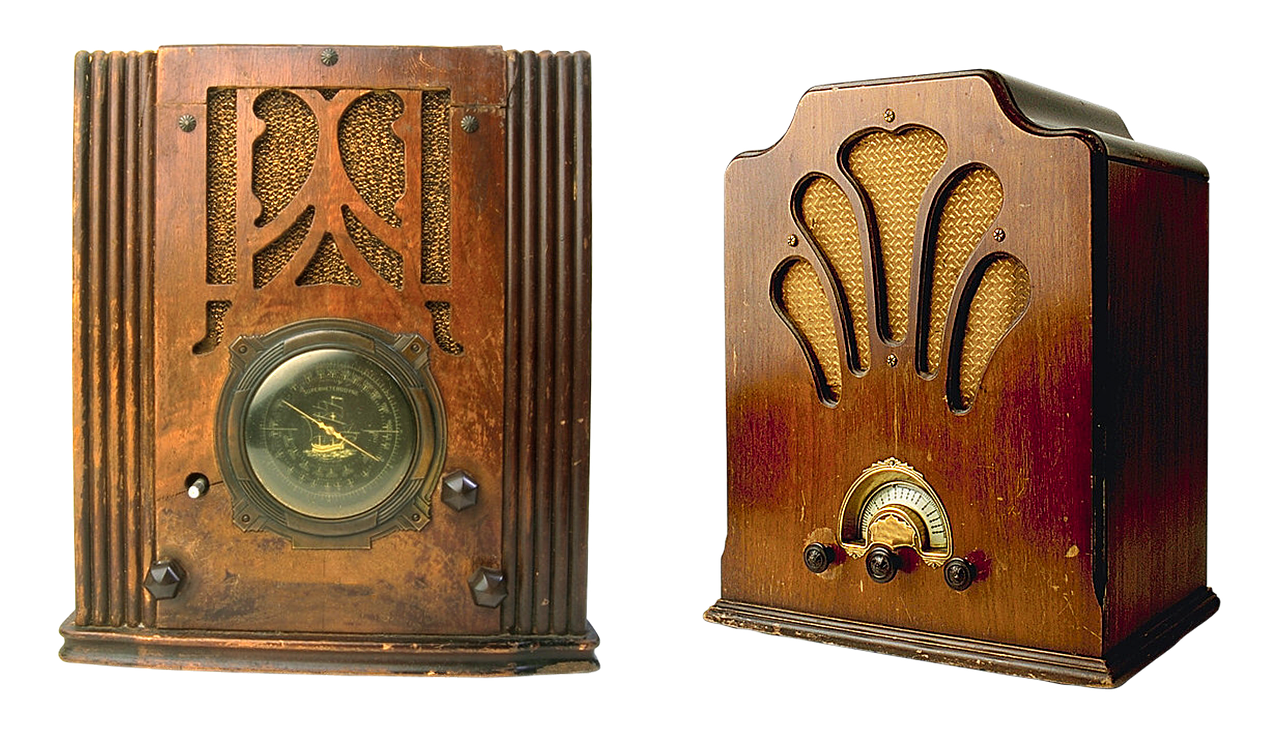
All radios

Hearing.
Photo courtesy of Pixabay.com

Who taught you to hear?

Hearing

Hearing (Photo credit: Keturah Stickann)

Most of us think of hearing as something you are born with, no need to learn how to hear.  Hearing can become more useful when it is trained just like any other sense. Hearing can also be lost through abuse.

In a previous post, I talked about the need to turn the sound off sometimes and make sure we are noticing the nonverbal things in the environment. Now we need to talk about the use and misuse of sound. Most of the time we are so flooded by loud and constant barrages of sound that over time we tune the small and the soft sounds out. The result of this desensitization to sound is that we begin to only appreciate sound when someone is screaming.

As any married woman will attest, poor hearing is more likely to occur as a result of a lack of attention to what your partner is saying than from any organic hearing loss. Married men over time develop a special disability known as selective deafness.

Learn to pay more attention to sounds and you too can become an expert at hearing things other people miss. This may also keep you out of some relationship problems.

Life’s pleasures are often about what you have experienced before. If you grow up listening to one kind of music you will likely have a preference for that kind of music.

Music appreciation classes ought to be more than simply listening to a favorite song. We need to learn how to listen, what to listen for, as well as practice that listening. Someone who wants to become a musician needs to learn to listen to music in the same way a writer needs to read, to learn what is good and what is not.

Most of us hear sounds all the time but rarely have we had any training that has taught us how to make more out of that hearing. Two simple exercises can improve your ability to notice sounds and then to make use of what you hear.

1. The ticking watch teaches good hearing.

Find one of those old fashion wind-up watches or alarm clocks. Wind it up and place it on a table. Listen to the pitch and tempo of the clock ticking.

Walk a few steps away. How does the clock sound now?

Continue to move away until you can no longer hear the ticking sound. Now move back a step or two until it becomes clear again. Practice this exercise a little each day. You will, over time, notice that you become sensitized to the ticking sound and will pick it out from other sounds even if you are quite a ways away.

Of course, if you notice any problem in doing this exercise, if you can’t hear when you think you should or if you are not able to pick the ticking out from surrounding noise, consider seeing a doctor to have your hearing checked.

Most people will discover that by practicing they become more attuned to the sound of the clock and notice not just this clock but others throughout their day. (See my previous post on the expert effect for more on this topic.)

Good mechanics will often be able to tell from the sounds an engine makes what the problem is. They have become sensitized over time because they have needed to find a noise and then determine why this engine made a sound that other engines do not normally make.

Practice being sensitive to sounds and you will see that these small sounds are all around you every day. Become mindful of the sounds you live with.

Hearing exercise two.

Find a place where you can hear others coming before you can see them. At work, you may be able to hear footsteps before the person comes into view.

Pay particular attention to the footsteps coming toward you. Are they quick and vigorous or slow and plodding? Does this walker make a particular sound by putting more weight on the toes or the heel?

When this person comes into sight glance at them and their shoes. Over time you will find that you can recognize who is coming down the hall by the rhythm of their footsteps. With more practice, you may find that you can identify the type of shoe the person is wearing even when you do not know that person.

Why is recognizing footsteps important or useful? By itself, it may not be important unless you sell shoes for a living. But at times recognizing someone from their step may be useful. Becoming more aware of sounds can help to improve your memory and your thinking efficiency.

Repeated efforts to fine-tune your hearing by the clock exercise or by attuning to the sound people make when walking will improve your ability to focus on sounds. Couple this with our earlier exercise on sitting and being aware of the information from all your senses and you will find that you are becoming more alive, more mentally efficient and that your memory for people and events has improved.

Staying connected with David Joel Miller

Seven David Joel Miller Books are available now!

My newest book is now available. It was my opportunity to try on a new genre. I’ve been working on this book for several years, but now seem like the right time to publish it.

Story Bureau.

Story Bureau is a thrilling Dystopian Post-Apocalyptic adventure in the Surviving the Apocalypse series.

Baldwin struggles to survive life in a post-apocalyptic world where the government controls everything.

As society collapses and his family gets plunged into poverty, Baldwin takes a job in the capital city, working for a government agency called the Story Bureau. He discovers the Story Bureau is not a benign news outlet but a sinister government plot to manipulate society.

Bumps on the Road of Life. Whether you struggle with anxiety, depression, low motivation, or addiction, you can recover. Bumps on the Road of Life is the story of how people get off track and how to get your life out of the ditch.

Dark Family Secrets: Doris wants to get her life back, but small-town prejudice could shatter her dreams.

Casino Robbery Arthur Mitchell escapes the trauma of watching his girlfriend die. But the killers know he’s a witness and want him dead.

Planned Accidents  The second Arthur Mitchell and Plutus mystery.

Letters from the Dead: The third in the Arthur Mitchell mystery series.

What would you do if you found a letter to a detective describing a crime and you knew the writer and detective were dead, and you could be next?

Sasquatch. Three things about us, you should know. One, we have seen the past. Two, we’re trapped there. Three, I don’t know if we’ll ever get back to our own time.

For these and my upcoming books; please visit my Author Page – David Joel Miller

Want the latest blog posts as they publish? Subscribe to this blog.

For videos, see: Counselorssoapbox YouTube Video Channel

Without the sound can you tell what is going on – Nonverbal communication

By David Joel Miller, MS, Licensed Therapist & Licensed Counselor.

Angry child

What is he feeling?
Photo courtesy of Pixabay.com

You hear them talking but you don’t believe them, why?

What do we do when the words don’t match the gut feeling we have? Do you trust yourself or do you think you must be wrong?

Your gut is telling you something and it should be getting more of an audience. In day-to-day life the sound is so overbearing we forget that more than half of all human communication comes via nonverbal channels. If you haven’t practiced paying attention to the other part of communication you are at a serious disadvantage.

Some small children seem to know this. Words telling them to come over here, I just want to talk with you, do not match up with the clenched fists, and the obvious signs of anger. They avoid people like that. Somewhere along the way most of us lose this ability to make use of the non-verbal parts of communication.

Here are some exercises to make you more aware of body language, nonverbal communication, and what the real meaning may be behind the words.

Exercise 1

Find a Television show you do not normally watch or rent a movie of a type that is not on your regular viewing list. Turn the sound down and begin to watch the show. What do you think is happening here? What are people feeling?

Make a few notes as you go along. Can you tell what the emotions being portrayed are from just the pictures? Can you spot when the director introduces a bad guy? How can you tell that? Most shows use a lot of music to cue up the feelings. Watch for a director that can tell the story with the pictures only. Did this come through in the story you are watching, or did you need words to tell if the characters liked each other or were enemies?

Next replay the same story with the sound up. Check what you see now with the notes you made. Do you get the same feelings now? Why or why not?

Exercise 2

Observe a couple or family through a window or in a public place, somewhere where you can be far enough away you can’t hear the words they are saying.

Watch for a while and begin to develop a theory about who these people are and why they are together.

Is this a family? Have they been together a long time? Do they like each other? Or is this the weekly visit from the absent dad? Are all the children from the same family or are some neighbors?

Are mom and dad still very much in love or is this mom or dad’s new partner out to meet the kids?

What do you think the relationships are like between the children? Do they get along normally or are they making an extra effort to get along today?

In this setting, you will probably not be able to confirm or deny your conclusions. Be willing to not know and to entertain possibilities.

A writer could construct a whole novel from this exercise but then the novelist does not need to stick to reality. Can you tell a playful tussle from a case of child abuse?

Conducting a few of these experiments trying to make meaning from situations can greatly improve your skills at reading nonverbal cues. It can also help you see how someone who is not able to read cues could miss read situations completely and acting on these misinterpretations get themselves into trouble.

Certain mental health disorders are characterized by an inability to read other people, not recognizing anger from facial expressions for example. Can you see how misreading what people mean or over-reliance on the words they say but missing the body language and the gestures could result in misunderstandings or even put you at risk for danger?

But poor nonverbal skills can hamper any of us.

Staying connected with David Joel Miller

Seven David Joel Miller Books are available now!

My newest book is now available. It was my opportunity to try on a new genre. I’ve been working on this book for several years, but now seem like the right time to publish it.

Story Bureau.

Story Bureau is a thrilling Dystopian Post-Apocalyptic adventure in the Surviving the Apocalypse series.

Baldwin struggles to survive life in a post-apocalyptic world where the government controls everything.

As society collapses and his family gets plunged into poverty, Baldwin takes a job in the capital city, working for a government agency called the Story Bureau. He discovers the Story Bureau is not a benign news outlet but a sinister government plot to manipulate society.

Bumps on the Road of Life. Whether you struggle with anxiety, depression, low motivation, or addiction, you can recover. Bumps on the Road of Life is the story of how people get off track and how to get your life out of the ditch.

Dark Family Secrets: Doris wants to get her life back, but small-town prejudice could shatter her dreams.

Casino Robbery Arthur Mitchell escapes the trauma of watching his girlfriend die. But the killers know he’s a witness and want him dead.

Planned Accidents  The second Arthur Mitchell and Plutus mystery.

Letters from the Dead: The third in the Arthur Mitchell mystery series.

What would you do if you found a letter to a detective describing a crime and you knew the writer and detective were dead, and you could be next?

Sasquatch. Three things about us, you should know. One, we have seen the past. Two, we’re trapped there. Three, I don’t know if we’ll ever get back to our own time.

For these and my upcoming books; please visit my Author Page – David Joel Miller

Want the latest blog posts as they publish? Subscribe to this blog.

For videos, see: Counselorssoapbox YouTube Video Channel

6 Reasons why you can’t make up your mind – Doubt and uncertainty fog memory

By David Joel Miller, MS, Licensed Therapist & Licensed Counselor.

Reasons why your indecision harms your memory.

Can’t make up your mind?
Photo courtesy of pixabay.

There are reasons why you may not be able to make up your mind. When there is an emotional storm going on in your mind it is difficult to make a clear choice. Here are 6 reasons why you may be having difficulty making up your mind and as a result are fogging up your memory.

1. You have to Choose and do not know which is the right choice.

Having to make a choice between two or more alternatives can be exhausting. If you have two potential jobs which one do you pick? Some of you are saying I would like to have to make that choice. Problem is that once you pick one the other is out.

This is especially a problem in relationships. Lots of men have a problem making a commitment. Once they pick one person to be with all the others start looking more attractive. You start second-guessing yourself and wondering if you made the right choice.

What people in this situation often do is try to avoid making a choice. That is also a choice. Some of the most life-changing decisions occur when we fail to make a choice and as a result, a whole world of possibilities closes to us.

If you don’t give the company who offered you that job a yes, they may proceed to offer that job to someone else. If you don’t go to a college you may forever wonder what would have happened if you had gone there.

You can only walk down one road at a time and no matter how fast you walk the outcomes change if you picked one thing and not the other.

There are three kinds of choices. Good and Good, Bad and Bad, and the worst kind Good-Bad verses Bad-Good. These are referred to in the language of psychology as approach-approach, avoidance-avoidance, and approach-avoidance choices.

Good-Good choices.

Pick between two dinners you like and no matter which one you pick it should be good. This decision does not get much thought. Either way is enjoyable and you get pleasure either way. Usually, over time we get our default pattern of making this choice. We either have one favorite meal we pick most of the time or you become someone who always looks for something new on the menu.

Fail to make this choice, say you can’t decide which person to marry, you may date a lot, but you don’t get to have the experience of watching children grow up as part of a family.

Bad-Bad choices.

Pick between two things both of which are bad and we try to pick the “lesser of two evils.” Most of us think of the elections every couple of years as this sort of choice. Most of the time there are things we don’t like about both candidates but we have to pick one or the other or let some idiot pick for us.

The good with the bad versus the bad with the good choices.

These can be tough choices. If you make either choice there may be some pleasure followed by paying some costs.

Choices between getting into drugs and alcohol fall into this category. There can be some fun and there can be some pain. The question is how much is good and when does the pain begin.

These approach-avoidance verses avoidance-approach choices may result in paralysis and failing to do anything as we have seen is also making a choice. Sometimes that choice is that the fear of being wrong keeps us from getting in on something good. Sometimes giving us some pleasure protects us from some pain. The problem is to figure out which is which.

Fail to make this choice, say you can’t decide which person to marry and you may date a lot but you don’t get to have the experience of spending your life with someone you love and who love you.

Pick the wrong person, have lots of exciting sex and you are stuck with a babies-parent that you don’t want to be around. Children’s parents are for life.

Balancing this “you need to make a decision” with the consequences of the decision in the short-term and the long-term can be challenging.

2. Confusion when you don’t know what your choices are.

A classic example of this is the high school senior picking a college and a major. Once you pick a college it gets harder to change that decision. No one has the time or energy to check out all the schools and often this decision, despite its life-changing consequences, is made with less than adequate information.

You can change your major more easily but plenty of people find after they graduated that there are few or no jobs for their major. Too many people make decisions on majors on very little information.

The worst outcome of this occurs when you get a degree and then find you don’t want to have to do that kind of work all day long.

3. None of the choices are what you want.

Sometimes this is called artificially limiting your choices. You pick between two schools the one you want and the one your parents want without looking to see if another one would have been better.

This also happens when people jump into a relationship with someone because they think no one will want them and if they pass up this one person who is showing an interest then they are destined to be alone.

4. Emotional contents buried in your decisions.

Some of us make decisions with our feelings when we should be making them with our heads. Just because something is scary does not make it dangerous. Also because something is safe and comfortable that does not mean it is the right choice.

Sometimes life is about stretching and trying on something new so that you can see who you can become given the opportunity.

Don’t settle for being less than you were meant to be because trying for something better will be scary.

5. Your heart is not in it.

If your heart is not in something, no matter how much you think this is the right decision you need to reconsider. If you can’t work up some enthusiasm when you begin on a life course then what will there be left when you get along the path?

6. It may not be time to chose yet.

One last problem with making choices. Sometimes we rush into making a decision when we don’t have the information we need, and the time is not yet ripe.

Think about this before making any decision with which you are uncomfortable.

Is this something you are afraid of or is it something you don’t need to decide just yet?

Did that confuse you totally or are you ready to make that life-changing decision?

Staying connected with David Joel Miller

Seven David Joel Miller Books are available now!

My newest book is now available. It was my opportunity to try on a new genre. I’ve been working on this book for several years, but now seem like the right time to publish it.

Story Bureau.

Story Bureau is a thrilling Dystopian Post-Apocalyptic adventure in the Surviving the Apocalypse series.

Baldwin struggles to survive life in a post-apocalyptic world where the government controls everything.

As society collapses and his family gets plunged into poverty, Baldwin takes a job in the capital city, working for a government agency called the Story Bureau. He discovers the Story Bureau is not a benign news outlet but a sinister government plot to manipulate society.

Bumps on the Road of Life. Whether you struggle with anxiety, depression, low motivation, or addiction, you can recover. Bumps on the Road of Life is the story of how people get off track and how to get your life out of the ditch.

Dark Family Secrets: Doris wants to get her life back, but small-town prejudice could shatter her dreams.

Casino Robbery Arthur Mitchell escapes the trauma of watching his girlfriend die. But the killers know he’s a witness and want him dead.

Planned Accidents  The second Arthur Mitchell and Plutus mystery.

Letters from the Dead: The third in the Arthur Mitchell mystery series.

What would you do if you found a letter to a detective describing a crime and you knew the writer and detective were dead, and you could be next?

Sasquatch. Three things about us, you should know. One, we have seen the past. Two, we’re trapped there. Three, I don’t know if we’ll ever get back to our own time.

For these and my upcoming books; please visit my Author Page – David Joel Miller

Want the latest blog posts as they publish? Subscribe to this blog.

For videos, see: Counselorssoapbox YouTube Video Channel

Are Wiccans Schizoid? Are African-Americans?

By David Joel Miller, MS, Licensed Therapist & Licensed Counselor.

Who is Schizoid?

These kinds of search questions come up periodically. Sometimes I feel like these questions need to be answered even at the risk of making some people mad. I think we need to look at Schizoid personality disorder and other psychosis and its relationship to religious and racial minorities even at the risk of making a whole lot of people angry.

Wow, religion and race in one post, guaranteed to piss someone off!

Particular religious groups have been connected with various mental illnesses from time to time. In fact, even in professional trainings, Wiccans, members of a particular recognized religion, get connected with mental illness especially Schizoid personality disorder or Schizotypal disorder frequently. There was a time that minority races were mostly considered to suffer from mental illnesses also.

So first let’s look at what is Schizoid personality disorder and then why races and religions get connected to particular disorders.

At this point, before the hate mail starts arriving, I would like to point out, for better or worse, that I do indeed know people; some yes are even friends, of both the Wiccan and the African-American persuasions. As an aside I have also made the acquaintance of a few assorted Muslims, Christians, Atheists, Israelis, Palestinians, an Icelander, and one person who might be described as a genetic Republican. Most of whom I consider more or less friends through no fault of theirs. I have left a few others out of this post because I could not spell their race or religion.

This issue of who or what is Schizoid is somewhat clouded by the way in which classification of personality disorders will change when the DSM-5 comes out in May. Some disorders stay, some go and then we reenter the whole question of are any diagnosis real? This is the old Categories versus dimensions controversy. Some people clearly have enough symptoms to get a diagnosis but what about people with only a few symptoms are they normal? Do they have a slight disorder? Or will we need to create a billion or so individual symptom severities to fit each and every one? I will leave that one to the authors of the DSM-5.

DSM-5 update.

Mostly they left the personality disorders alone.

What we currently think of as Schizoid personality characteristics is a person who:

Is detached from social relationships and has a restricted range of expressing emotions in interpersonal situations, and this has been going on since they reached adulthood. (I am crudely paraphrasing from the DSM-4-TR here) and they have 4 or 7 characteristics listed below and they do not have another mental illness that explains their symptoms.

You math majors out there will note that 4 of 7 symptoms allows for 840 possible combinations of symptoms. We clinician types also get to interpret whether you have or do not have any one of these symptoms which can result in a lot of disagreement between clinicians.

The seven symptoms to choose from are:

1. Does not enjoy or want close relationships including being part of a family

In addition to schizoid personality disorder this might fit people who have faced abuse or discrimination and as a result, avoid close relationships.

2. Almost always chooses solitary activities

These criteria could also fit gamers and those who are addicted to the internet.

3. Has little interest in having sex.

This could be the result of past aversive experiences.

4. Takes pleasure in few if any activities

This sounds a bit like depression so does the lack of interest in sex above, this will make it harder but not impossible for gamers to get this diagnosis.

5. Lacks friends other than first-degree family members.

Lots of victims of discrimination and immigrants could fit this criterion.

6. Appears indifferent to praise or criticism of others.

This fits lots of people with learned helplessness and those who live in non-affirming environments. Why seek praise or affirmation if when you expose your emotional self you will not be liked for who you are.

7. Shows emotional coldness, detachment, or flattened affect.

People who face discrimination may hide their true selves and restrict their emotions in public situations. If you get abused for your differentness you may keep your feelings inside even at home.

Now someone with a true personality disorder has these symptoms, most or all of them all the time and not just when in social settings. But can you see how someone who has faced discrimination or is a member of a religion with unusual beliefs could try to avoid expressing those feelings around others who might attack or punish you for being who you are?

Can you see how mental health could be used to punish people who were different racially or religiously and then when they try to keep who they are a secret to avoid that discrimination they could be labeled withdrawn and uninterested in others?

Sure some people with certain mental illnesses could be attracted to certain religious or political causes, but to move over into thinking that people of any one religion or race are probably suffering from any one mental illness is wrong and potentially dangerous.

Besides, I think the people who wrote these search terms probably had Schizoid personality disorder and Schizotypal personality disorder confused. Schizotypal probably fits some rock and rollers and celebrities better than it fits Wiccan and African-Americans but it also gets thrown on anyone who is different way too often.

Schizotypal people wear funny clothing like straw hats and suspenders – or are those farmers? See how easy it is to think that people who are different from you must be sick in some way?

Before we start thinking that people who are different must somehow be mentally ill, think back to those basic criteria. Does this person’s problem or behavior interfere with their ability to work, have friends and family or does it upset them? If not they shouldn’t get a mental health diagnosis just because they are different.

Staying connected with David Joel Miller

Seven David Joel Miller Books are available now!

My newest book is now available. It was my opportunity to try on a new genre. I’ve been working on this book for several years, but now seem like the right time to publish it.

Story Bureau.

Story Bureau is a thrilling Dystopian Post-Apocalyptic adventure in the Surviving the Apocalypse series.

Baldwin struggles to survive life in a post-apocalyptic world where the government controls everything.

As society collapses and his family gets plunged into poverty, Baldwin takes a job in the capital city, working for a government agency called the Story Bureau. He discovers the Story Bureau is not a benign news outlet but a sinister government plot to manipulate society.

Bumps on the Road of Life. Whether you struggle with anxiety, depression, low motivation, or addiction, you can recover. Bumps on the Road of Life is the story of how people get off track and how to get your life out of the ditch.

Dark Family Secrets: Doris wants to get her life back, but small-town prejudice could shatter her dreams.

Casino Robbery Arthur Mitchell escapes the trauma of watching his girlfriend die. But the killers know he’s a witness and want him dead.

Planned Accidents  The second Arthur Mitchell and Plutus mystery.

Letters from the Dead: The third in the Arthur Mitchell mystery series.

What would you do if you found a letter to a detective describing a crime and you knew the writer and detective were dead, and you could be next?

Sasquatch. Three things about us, you should know. One, we have seen the past. Two, we’re trapped there. Three, I don’t know if we’ll ever get back to our own time.

For these and my upcoming books; please visit my Author Page – David Joel Miller

Want the latest blog posts as they publish? Subscribe to this blog.

For videos, see: Counselorssoapbox YouTube Video Channel