
Reasons Counselors and Therapists Lose Licenses

By David Joel Miller, MS, Licensed Therapist & Licensed Counselor.

Therapist

Therapist.
Photo courtesy of Pixabay.com

Why do Counselors lose their license?

There are three main reasons counselors lose their licenses and a few minor ones. Frankly, most Counselors who “lose” their licenses don’t actually lose it. Everything here about counselors also applies to psychotherapists, therapists, psychologists, and related professions in most places.

Remember that as serious as these reasons are, most, almost all, counselors do this kind of work because they want to help people. The FEW that get their licenses revoked is just that – a very small number.

If a counselor or therapist is accused of committing a serious offense the licensing board investigates. Should the accusation turn out to be true the license board “revokes” the license. That revocation can then be “stayed” meaning the license is not gone yet but the counselor has to do certain things to get the license cleared.

One thing they have to do is pay back the licensing board for the cost of the investigation and any fines or fees. Second, they have to go through classes or additional education. They will also need to work for a period of time under the supervision of another licensed counselor just like when they were an intern or trainee. The hardest part of all is the requirement that they tell each and every client they are being supervised and by whom.

Sometimes the counselor will decide to give up or surrender the license rather than go through all this.

The three biggest reasons for revocation of a license are:

Sex with a client.

This is never OK. Forget all those stories about falling in love with the therapist or teacher. Most of the time this happens because both people are having problems and the relationship is never one of two equals. For someone who has a position of authority to become sexual, betrays the client’s trust.

Frequently the counselor loses their license over this and then the relationship breaks up, creating two ruined lives. This has happened a lot with substance abuse clients and then the client relapses leaving the counselor out of work and in a relationship with a using addict.

In California we are required to have a copy of the book “Professional Therapy Never Includes Sex” with us whenever we counsel and give a copy to any client who says they had sex with a previous provider. This book is available free at the California Board of Behavioral Sciences website.

Most other states and countries have similar regulations. Check the website for the agency that licenses counselors in your jurisdiction.

Being impaired.

This mostly means being arrested and often involves the use of drugs and alcohol. Since most counselors believe in recovery we like to see impaired professionals go for treatment. What is not good is for them to continue to see clients while using and drinking.

Counselors also get licenses revoked for committing crimes that result in jail or prison time.

Dual relationships involving money.

The big dual relationship is number one – Sex with clients. But lots of counselors fall for number three also. Your therapist should not borrow money, get into a business deal or otherwise be involved in your finances other than to help you decide what to do. If they stand to make a buck on you for any reason other than the rate they charge per hour this is looking bad.

Insurance fraud.

Mostly this involves a counselor billing public insurance for work they didn’t do or for way more time than they actually spent with the client. It is really suspicious if one counselor bills the state for a thousand dollars a month worth of work and another counselor bills – say twelve million. For a big lie like that, you get to lose your license, go to jail, and get the stupid person of the year award.

Remember the vast majority of counselors and therapists do NOT get their licenses revoked. The few professionals who do harm clients by doing the things that cost them their licenses make things bad for everyone, especially for their clients.

Hope that answered the question “Why counselors lose licenses” and helps people to find honest ethical help in their local area.

For more on this subject see:

5 Rules for Picking the Right Therapist

What to do if Therapy is not helping

How to Spot a Bad Therapist

Staying connected with David Joel Miller

Seven David Joel Miller Books are available now!

My newest book is now available. It was my opportunity to try on a new genre. I’ve been working on this book for several years, but now seem like the right time to publish it.

Story Bureau.

Story Bureau is a thrilling Dystopian Post-Apocalyptic adventure in the Surviving the Apocalypse series.

Baldwin struggles to survive life in a post-apocalyptic world where the government controls everything.

As society collapses and his family gets plunged into poverty, Baldwin takes a job in the capital city, working for a government agency called the Story Bureau. He discovers the Story Bureau is not a benign news outlet but a sinister government plot to manipulate society.

Bumps on the Road of Life. Whether you struggle with anxiety, depression, low motivation, or addiction, you can recover. Bumps on the Road of Life is the story of how people get off track and how to get your life out of the ditch.

Dark Family Secrets: Doris wants to get her life back, but small-town prejudice could shatter her dreams.

Casino Robbery Arthur Mitchell escapes the trauma of watching his girlfriend die. But the killers know he’s a witness and want him dead.

Planned Accidents  The second Arthur Mitchell and Plutus mystery.

Letters from the Dead: The third in the Arthur Mitchell mystery series.

What would you do if you found a letter to a detective describing a crime and you knew the writer and detective were dead, and you could be next?

Sasquatch. Three things about us, you should know. One, we have seen the past. Two, we’re trapped there. Three, I don’t know if we’ll ever get back to our own time.

For these and my upcoming books; please visit my Author Page – David Joel Miller

Want the latest blog posts as they publish? Subscribe to this blog.

For videos, see: Counselorssoapbox YouTube Video Channel
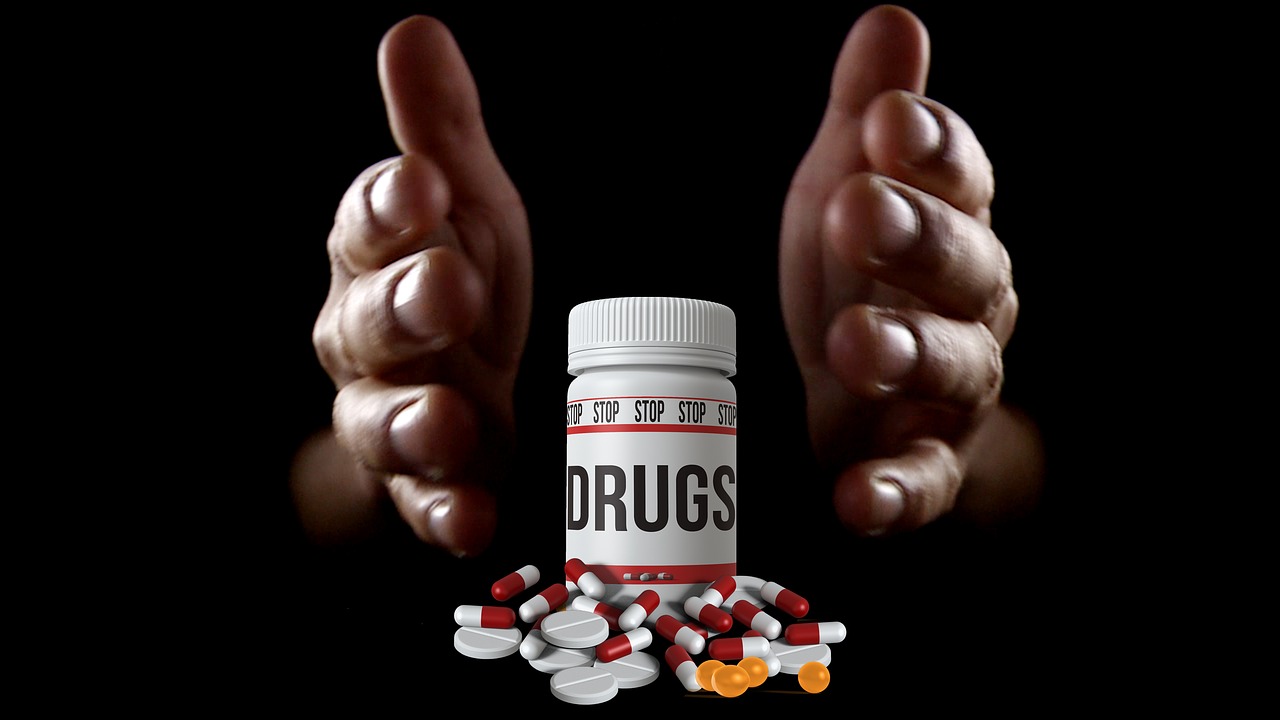
Why giving up the drugs and alcohol didn’t make you happy

By David Joel Miller, MS, Licensed Therapist & Licensed Counselor.

Drugs.

Drugs.
Photo courtesy of Pixabay.

What being a “dry drunk” means.

It’s a common problem; someone gives up the drugs and the alcohol. Time goes by and they are still miserable and their lives are a mess. They expected to quit and things would be better. They quit and things did not get better. They ask “Why?”

For most people who arrive at substance recovery, the drugs, and the alcohol are not the problems. For far too long they have been that person’s solution. The problem is they don’t know how to live life without drugs and alcohol.

People with a mental illness fall into the same trap. They see a doctor take a pill or complete a therapy program. They expect it to help. It may help a little, for a while, but then they feel worse and the recovery they have begins to slip away.

You may know deep down you need to give something up. Is it a drug, alcohol or is it Anger and feeling sorry for yourself? Yes, others may have wronged you. But they are gone and you are still suffering. The past fills up your mind with pain and suffering, leaving no room for a happy contented present or future.

You may have lost a relationship, a job, or been to jail or prison. Some people lose their children because they can’t stop drinking and drugging. Your doctor may have told you “one more drink and you will die.” None of those reasons are good enough to stop and stay stopped if life after drugs was dull, boring, and unhappy.

Some people quit, they stay off the sauce for a period of time, but they are still miserable. You can see someone like this at most any A.A. meeting, you see them in churches and self-help groups. Five years or ten without drugs and they are still angry, hate themselves and others. They know they can’t drink or drug but they wish they could. In recovery language, they are called dry drunks.

Anger, fear, and resentments, those are the poisons that keep people sick. Hard to let go of that resentment. Who wants to admit that holding on to that grudge may make them feel “right” but it also makes them feel miserable?

A dry drunk has all the behaviors of a drunk. They don’t like life and can’t cope without something outside themselves to make them feel better. Sometimes they move from addiction to addiction, they try gambling or spending, sometimes it is sex or a new religion. What they don’t do is try to change themselves.

Recovery is more than putting the plug in the jug. It is more than taking medication or completing a program. Recovery takes work. There is a process you need to go through to make peace with yourself and the past. Recovering people most often find they need to work on themselves a lot. Recovery is an inside job, you hear the recovered people say. Looking at yourself is painful sometimes. The pain of self-examination leads to healing. The pain of substance abuse leads to failed relationships, jails, prisons, psych hospitals, and eventually death.

Therapists have a saying “never work harder than the client.” What we mean by that is that recovery is not something we can do to a client. Recovery is a process we can guide someone through but they need to do the work.

As long as you hold on to that addiction, the anger, the blame, you don’t have to begin to take the responsibility for your own recovery.

Living with an addiction requires a skill set. So does living with a mental illness. People learn those skills whether they intend to or not.

Recovery requires learning a new set of skills, getting a new toolkit. It also requires putting those tools to work; you need to get your recovery tools dirty by using them.

What new skills have you learned? Have you gotten honest with yourself? Do you write about things in your journal? Do you talk with your counselor, or sponsor? Have you stopped running from crisis to crisis and started making up longer-term plans, not plans of what you will have, but plans for what you will do?

Recovery is a journey. If you stick to the route you will find that the trip gets better and better.

Staying connected with David Joel Miller

Seven David Joel Miller Books are available now!

My newest book is now available. It was my opportunity to try on a new genre. I’ve been working on this book for several years, but now seem like the right time to publish it.

Story Bureau.

Story Bureau is a thrilling Dystopian Post-Apocalyptic adventure in the Surviving the Apocalypse series.

Baldwin struggles to survive life in a post-apocalyptic world where the government controls everything.

As society collapses and his family gets plunged into poverty, Baldwin takes a job in the capital city, working for a government agency called the Story Bureau. He discovers the Story Bureau is not a benign news outlet but a sinister government plot to manipulate society.

Bumps on the Road of Life. Whether you struggle with anxiety, depression, low motivation, or addiction, you can recover. Bumps on the Road of Life is the story of how people get off track and how to get your life out of the ditch.

Dark Family Secrets: Doris wants to get her life back, but small-town prejudice could shatter her dreams.

Casino Robbery Arthur Mitchell escapes the trauma of watching his girlfriend die. But the killers know he’s a witness and want him dead.

Planned Accidents  The second Arthur Mitchell and Plutus mystery.

Letters from the Dead: The third in the Arthur Mitchell mystery series.

What would you do if you found a letter to a detective describing a crime and you knew the writer and detective were dead, and you could be next?

Sasquatch. Three things about us, you should know. One, we have seen the past. Two, we’re trapped there. Three, I don’t know if we’ll ever get back to our own time.

For these and my upcoming books; please visit my Author Page – David Joel Miller

Want the latest blog posts as they publish? Subscribe to this blog.

For videos, see: Counselorssoapbox YouTube Video Channel

4 Stages of recovery

By David Joel Miller, MS, Licensed Therapist & Licensed Counselor.

Ball recovery

Recovery and Resiliency. Photo courtesy of Pixabay.com

How does recovery grow and develop?

Recovery does not happen suddenly, out of nowhere. It takes time and work. From my way of thinking there are customary predictable stages of recovery. People may move through these stages at varying rates, some people move backward at times, but the goal for all should be to reach a final place where recovery is stable and less at risk.

The concept of recovery used to be mostly applied to substance abuse. Recently the concepts of wellness and recovery have been incorporated into Mental Health and physical health issues.

In a series of earlier posts, we talked about stages of change. Those stages begin with Pre-contemplation, the I don’t have a problem and even if I did I wouldn’t want to change anything, to Contemplation, yeah so – maybe I do have a problem but I am not sure I am ready to do anything about it. After that is Preparation, sometimes called Determination, and finally, the action process, which we divided into Early Action and Late Action phases. The last part of this recovery journey was Maintenance.

In this model, Relapse is seen not as part of recovery but as the inability to maintain recovery once we reach it. This is understood as a common result of failure to do the maintenance activities. There has been lots of literature on relapse, triggers and lifestyle changes to make to avoid relapse. Much less has been written about what someone might expect during recovery.

Here are the four stages of recovery as I see them

1. In recovery.

People in this stage are seeking answers, working on themselves, and investing time in their recovery. This is the time when people are taking action steps or may begin to do maintenance to hold onto the gains they have made. Lots of people will describe themselves as “in recovery”

2. Recovering.

People who describe themselves as recovering have moved from the point of being hopeless and lost to having hope and seeing their symptoms reduced. The urges and cravings may decrees even if they are never totally gone. People with mental health symptoms, while not fully back on their feet, may find they are able to do more things more days. Symptoms while present are shrinking.

3. Recovered.

Some people are afraid to say this. They are afraid that feeling recovered, they will let down on working on themselves and relapse. The A.A. Big Book uses this language on the title page of Alcoholics Anonymous, “The Story of How Many Thousands of Men and Woman Have Recovered from Alcoholism.”

People who call themselves “recovered” are quick to point out that they are not cured. Just as when someone is diagnosed with diabetes they may get their disease under control but they will never go back to being a non-diabetic. With any chronic, relapsing disease you may recover but you are never really cured.

People who are recovered begin to get their life back. They may go back to work, volunteer or be able to participate fully in everyday life.

4. Life on life’s terms.

Every recovered person will have bumps on their road of life. This is a real-life, good happens and bad happens. A person’s recovery is secure when they are able to withstand the things that happen, good or bad, in life without a return to active symptoms.

Doing the maintenance steps helps, so does building a comprehensive support system. The real test of someone’s recovery is – can bad or unexpected things happen in your life without triggering a return of your symptoms.

Best wishes on your recovery and having the happy life you deserve.

Other posts on this topic can be found at Pre-contemplation, Contemplation, Preparation, Early Action, Late Action, Maintenance, relapse, recovery, triggers, support system, more on support systems, Resiliency

Staying connected with David Joel Miller

Seven David Joel Miller Books are available now!

My newest book is now available. It was my opportunity to try on a new genre. I’ve been working on this book for several years, but now seem like the right time to publish it.

Story Bureau.

Story Bureau is a thrilling Dystopian Post-Apocalyptic adventure in the Surviving the Apocalypse series.

Baldwin struggles to survive life in a post-apocalyptic world where the government controls everything.

As society collapses and his family gets plunged into poverty, Baldwin takes a job in the capital city, working for a government agency called the Story Bureau. He discovers the Story Bureau is not a benign news outlet but a sinister government plot to manipulate society.

Bumps on the Road of Life. Whether you struggle with anxiety, depression, low motivation, or addiction, you can recover. Bumps on the Road of Life is the story of how people get off track and how to get your life out of the ditch.

Dark Family Secrets: Doris wants to get her life back, but small-town prejudice could shatter her dreams.

Casino Robbery Arthur Mitchell escapes the trauma of watching his girlfriend die. But the killers know he’s a witness and want him dead.

Planned Accidents  The second Arthur Mitchell and Plutus mystery.

Letters from the Dead: The third in the Arthur Mitchell mystery series.

What would you do if you found a letter to a detective describing a crime and you knew the writer and detective were dead, and you could be next?

Sasquatch. Three things about us, you should know. One, we have seen the past. Two, we’re trapped there. Three, I don’t know if we’ll ever get back to our own time.

For these and my upcoming books; please visit my Author Page – David Joel Miller

Want the latest blog posts as they publish? Subscribe to this blog.

For videos, see: Counselorssoapbox YouTube Video Channel

9 ways to be your own worst enemy

By David Joel Miller, MS, Licensed Therapist & Licensed Counselor.

Undesirable person

Undesirable person.
Photo courtesy of Pixabay.com

With a friend like that you don’t need enemies.

Do you treat yourself in a way you wouldn’t take from anyone else? Do you Self Sabotage? There are lots of things we do to ourselves that are not very affirming. You should strive to be your own best friend, not your own worst enemy.

Here are some things that you may be doing to yourself that you would never do to a friend and you probably wouldn’t and shouldn’t accept from someone close to you.

Lying to yourself.

Do you lie to yourself? Make excuses for why it is OK to do things that harm yourself? It is easy to let yourself do unhealthy things. We encourage our family and friends to live healthy all the while ignoring our own self-care.

Overdoing and not saying no.

Are you often overworked, overloaded, and behind schedule? Do you have trouble saying no to others and take on more than you should? Sometimes we are afraid to say no to others when they ask us to do things. It is easy to keep saying yes and doing more and more until one day you reach the breaking point. Do you stop and draw boundaries or do you work yourself to death?

Not learning anything new.

Are you uninformed? Do you avoid learning anything that might make you more confident and successful? Self-improvement takes time and effort. Do you invest in yourself or are you so unsure of your self-worth that you neglect to develop and sharpen skills?

Taking time for pleasure.

Is it O. K. for you to enjoy yourself? Do you do things that are just for fun? It is not selfish to take good care of yourself. We all need a little pleasure and relaxation from time to time.

Refuse credit or compliments for things well done.

Do you belittle your own accomplishments and fail to give yourself credit for the things you do well. It is easy to notice and praise others when they do something noteworthy but we often feel uncomfortable accepting praise for things well done.

Put yourself down.

If you repeatedly run yourself down and say negative things about yourself you will start believing those statements. Someone who is called fat and stupid by those around them may begin to think of themselves as fat and stupid. Years later after the bullies and tormentors are gone you may still be calling yourself those names and you may believe that this is the way you really are. If you believe something negative about yourself you may create it happening.

Make sure to say good things about yourself. Do you say good things to yourself every day? Do you praise yourself?

Listen to criticism or let it stop you.

People who are sensitive may be hurt by listening to criticism. Learn how to listen to criticism and decide which things to take and which to leave. Learning to self-monitor and change your behavior are valuable skills. Avoiding criticism may be neglecting to use a valuable source of information.

Let others decide for you.

Do you get your sense of self-worth from outside? People who are constantly looking for others approval look helpless and over needy. You wouldn’t like someone that needy and if you do this you won’t like yourself.

Do anything to get people to like you.

Constantly trying to get people to like you can result in your not being true to yourself and becoming someone so fake that even you would not want yourself around. The more you are acting the way you want to be and the way you want to be is the way your beliefs tell you that you should be the more mentally healthy you will be.

Consider all the ways you may be your own worst enemy and decide to stop self-sabotaging and become your own best friend.

Staying connected with David Joel Miller

Seven David Joel Miller Books are available now!

My newest book is now available. It was my opportunity to try on a new genre. I’ve been working on this book for several years, but now seem like the right time to publish it.

Story Bureau.

Story Bureau is a thrilling Dystopian Post-Apocalyptic adventure in the Surviving the Apocalypse series.

Baldwin struggles to survive life in a post-apocalyptic world where the government controls everything.

As society collapses and his family gets plunged into poverty, Baldwin takes a job in the capital city, working for a government agency called the Story Bureau. He discovers the Story Bureau is not a benign news outlet but a sinister government plot to manipulate society.

Bumps on the Road of Life. Whether you struggle with anxiety, depression, low motivation, or addiction, you can recover. Bumps on the Road of Life is the story of how people get off track and how to get your life out of the ditch.

Dark Family Secrets: Doris wants to get her life back, but small-town prejudice could shatter her dreams.

Casino Robbery Arthur Mitchell escapes the trauma of watching his girlfriend die. But the killers know he’s a witness and want him dead.

Planned Accidents  The second Arthur Mitchell and Plutus mystery.

Letters from the Dead: The third in the Arthur Mitchell mystery series.

What would you do if you found a letter to a detective describing a crime and you knew the writer and detective were dead, and you could be next?

Sasquatch. Three things about us, you should know. One, we have seen the past. Two, we’re trapped there. Three, I don’t know if we’ll ever get back to our own time.

For these and my upcoming books; please visit my Author Page – David Joel Miller

Want the latest blog posts as they publish? Subscribe to this blog.

For videos, see: Counselorssoapbox YouTube Video Channel
Morning Question # 9 Is Substance abuse or mental illness first?

By David Joel Miller, MS, Licensed Therapist & Licensed Counselor.

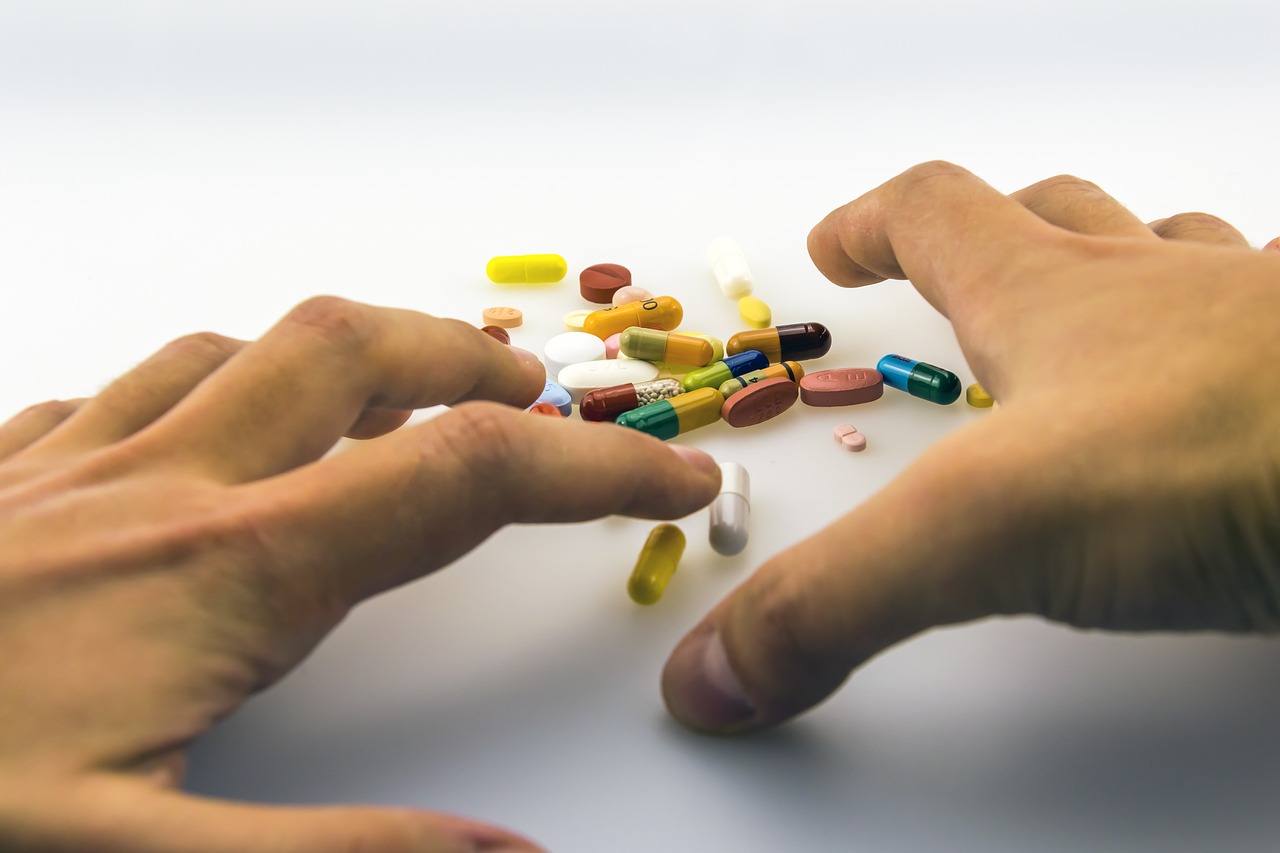
Hands with pills

Addiction.
Photo courtesy of Pixabay

Does Substance abuse or mental illness occur first?

Both can be first, depends on the person. People who have early symptoms of mental illness are at high risk of developing substance abuse disorders. People who begin abusing substances early in life are more likely to develop mental illness. It may be hard for many people to remember a time before they had one or the other so it is hard to tell sometimes. I like to start by asking how old someone was when they first began to use drugs and alcohol and then ask what life was like before the drugs or alcohol. Some people can’t remember a time before one or both.

Staying connected with David Joel Miller

Seven David Joel Miller Books are available now!

My newest book is now available. It was my opportunity to try on a new genre. I’ve been working on this book for several years, but now seem like the right time to publish it.

Story Bureau.

Story Bureau is a thrilling Dystopian Post-Apocalyptic adventure in the Surviving the Apocalypse series.

Baldwin struggles to survive life in a post-apocalyptic world where the government controls everything.

As society collapses and his family gets plunged into poverty, Baldwin takes a job in the capital city, working for a government agency called the Story Bureau. He discovers the Story Bureau is not a benign news outlet but a sinister government plot to manipulate society.

Bumps on the Road of Life. Whether you struggle with anxiety, depression, low motivation, or addiction, you can recover. Bumps on the Road of Life is the story of how people get off track and how to get your life out of the ditch.

Dark Family Secrets: Doris wants to get her life back, but small-town prejudice could shatter her dreams.

Casino Robbery Arthur Mitchell escapes the trauma of watching his girlfriend die. But the killers know he’s a witness and want him dead.

Planned Accidents  The second Arthur Mitchell and Plutus mystery.

Letters from the Dead: The third in the Arthur Mitchell mystery series.

What would you do if you found a letter to a detective describing a crime and you knew the writer and detective were dead, and you could be next?

Sasquatch. Three things about us, you should know. One, we have seen the past. Two, we’re trapped there. Three, I don’t know if we’ll ever get back to our own time.

For these and my upcoming books; please visit my Author Page – David Joel Miller

Want the latest blog posts as they publish? Subscribe to this blog.

For videos, see: Counselorssoapbox YouTube Video Channel

Procrastination gets a bad name?

By David Joel Miller, MS, Licensed Therapist & Licensed Counselor.

Procrastination.
Photo courtesy of Pixabay.com

If procrastination is so bad why do we do it so much?

With all the articles on the net about the evils of procrastination, you would think that by now it should have been eliminated from this part of the galaxy. Why then do so many people procrastinate if it is so bad for us? What is causing this epidemic of procrastination? Could the procrastinators be on to something the rest of us have missed?

Procrastination is a way of avoiding pain.

People don’t generally procrastinate when it comes to something enjoyable, do they? We use procrastination to avoid things that are painful and uncomfortable. Avoiding pain is generally a good thing.

Procrastination can help us escape things that are unpleasant. It is not as effective as drugs and alcohol but a whole lot less addicting. All in all, not a bad trade-off for avoiding some pain. Of course, pain may be telling us there is something wrong, and procrastinating may cost you an arm or leg – literally. but who knows you may not need that limb anyway.

Procrastination may be a way of simplifying our lives.

There was that box of manuals I was supposed to read for work. They were dry and boring. I kept putting off reading them. When I finally came across the box twenty years later I no longer worked at that job, or in that industry. Problem solved. I no longer needed to spend time reading something I never wanted to read in the first place. Could reading them have been helpful? Probably would have been if I had stayed in that field, but not now. Procrastinating saved me a lot of time on that one.

Putting too much work off at a job may result in not having that employment anymore. But not having to get up and go to work is some people’s idea of the simple life

Procrastination could save you money.

People who overspend have a problem with not procrastinating enough. If you could just get yourself to put off a lot of purchases for a few months, you might have enough money left over to buy something really nice. At that point, all that little cheap stuff you would have spent money on would seem trivial by comparison with that one major purchase. Could procrastination be a close cousin of saving?

Poor people use procrastination a lot to manage their money. Don’t pay any bills till they turn your service off. This means you will eliminate paying for trivial things you didn’t really need and will leave extra money for important things like getting the power turned back on.

The downside of using procrastination as a money-saving and rationing method is the extras service fees for late-payments and the re-connection fees. But you never know when you might get evicted and then you won’t need to have the power reconnected.

Procrastination saves energy.

With the high heat this summer, we all want to save energy. If I procrastinate enough on the yard work I will have the energy to fan myself while the power is out.

You avoid admitting you don’t know what you are doing or how to do it.

By putting things off long enough you avoid doing them. Often at work or home, someone else will just do it rather than waiting. Since you never do the task no one will ever know that you haven’t a clue how to do it.

You don’t get criticized for doing it wrong.

The person who does the most may make the most mistakes. Even someone with a high batting average has to miss a few. If you let others do all the work, you will never do anything wrong. People who are really good at this can spend their entire careers in their office looking busy despite the fact that they never really accomplish anything.

Procrastination may be a sneaky way to self-sabotage.

There – did that salvage the reputation of procrastination and explain why you may be saying you hate to procrastinate and you will stop doing it one of these days but you just haven’t gotten around to giving up procrastination yet?

There are probably a lot more reasons why procrastination is beneficial but I am going to put off writing about them until sometime in the future.

Staying connected with David Joel Miller

Seven David Joel Miller Books are available now!

My newest book is now available. It was my opportunity to try on a new genre. I’ve been working on this book for several years, but now seem like the right time to publish it.

Story Bureau.

Story Bureau is a thrilling Dystopian Post-Apocalyptic adventure in the Surviving the Apocalypse series.

Baldwin struggles to survive life in a post-apocalyptic world where the government controls everything.

As society collapses and his family gets plunged into poverty, Baldwin takes a job in the capital city, working for a government agency called the Story Bureau. He discovers the Story Bureau is not a benign news outlet but a sinister government plot to manipulate society.

Bumps on the Road of Life. Whether you struggle with anxiety, depression, low motivation, or addiction, you can recover. Bumps on the Road of Life is the story of how people get off track and how to get your life out of the ditch.

Dark Family Secrets: Doris wants to get her life back, but small-town prejudice could shatter her dreams.

Casino Robbery Arthur Mitchell escapes the trauma of watching his girlfriend die. But the killers know he’s a witness and want him dead.

Planned Accidents  The second Arthur Mitchell and Plutus mystery.

Letters from the Dead: The third in the Arthur Mitchell mystery series.

What would you do if you found a letter to a detective describing a crime and you knew the writer and detective were dead, and you could be next?

Sasquatch. Three things about us, you should know. One, we have seen the past. Two, we’re trapped there. Three, I don’t know if we’ll ever get back to our own time.

For these and my upcoming books; please visit my Author Page – David Joel Miller

Want the latest blog posts as they publish? Subscribe to this blog.

For videos, see: Counselorssoapbox YouTube Video Channel

Morning Question # 8 – Which personality Disorders can’t read other people?

By David Joel Miller, MS, Licensed Therapist & Licensed Counselor.

personality disorder

Personality Disorder?
Photo courtesy of Pixabay.com

Which Personality Disorders can’t read other people?

None really. The closest would be Schizoid Personality Disorder, they can read people they just don’t care for people, any people. They are the classic hermits and loners.

I think you are asking about the Autism Spectrum. Autism, Asperger’s, and Pervasive Developmental Disorder NOS. Next year with the DSM-5 these will all become part of a new label Autism Spectrum Disorders. People with these disorders or varying degrees of this disorder have difficulty reading other people.

When shown pictures of people’s faces they can’t tell the angry person from the calm person. They also have difficulty reading lots of non-verbal clues. So they don’t understand when someone likes them and wants to talk or is bored and wishes they would go away. This creates all sorts of social problems.

One new treatment approach consists of teaching them all about nonverbal clues to behavior. More on this treatment coming up in a future post.

Staying connected with David Joel Miller

Seven David Joel Miller Books are available now!

My newest book is now available. It was my opportunity to try on a new genre. I’ve been working on this book for several years, but now seem like the right time to publish it.

Story Bureau.

Story Bureau is a thrilling Dystopian Post-Apocalyptic adventure in the Surviving the Apocalypse series.

Baldwin struggles to survive life in a post-apocalyptic world where the government controls everything.

As society collapses and his family gets plunged into poverty, Baldwin takes a job in the capital city, working for a government agency called the Story Bureau. He discovers the Story Bureau is not a benign news outlet but a sinister government plot to manipulate society.

Bumps on the Road of Life. Whether you struggle with anxiety, depression, low motivation, or addiction, you can recover. Bumps on the Road of Life is the story of how people get off track and how to get your life out of the ditch.

Dark Family Secrets: Doris wants to get her life back, but small-town prejudice could shatter her dreams.

Casino Robbery Arthur Mitchell escapes the trauma of watching his girlfriend die. But the killers know he’s a witness and want him dead.

Planned Accidents  The second Arthur Mitchell and Plutus mystery.

Letters from the Dead: The third in the Arthur Mitchell mystery series.

What would you do if you found a letter to a detective describing a crime and you knew the writer and detective were dead, and you could be next?

Sasquatch. Three things about us, you should know. One, we have seen the past. Two, we’re trapped there. Three, I don’t know if we’ll ever get back to our own time.

For these and my upcoming books; please visit my Author Page – David Joel Miller

Want the latest blog posts as they publish? Subscribe to this blog.

For videos, see: Counselorssoapbox YouTube Video Channel
Creating failure from success – 9 ways to Self-Sabotage

By David Joel Miller, MS, Licensed Therapist & Licensed Counselor.

Roadblock to goal

Roadblock to Success.
Photo courtesy of Pixabay.com

How to self-sabotage.

Many people seem to get right to the threshold of success and then suddenly do exactly the wrong thing, the one action that is likely to create failure.  Here are ways that you might turn your potential success into a failure and some reasons why you might be doing just that.

1. Don’t believe in yourself.

The belief that you don’t deserve success can undermine any effort to improve your life. People who tell themselves they don’t deserve things can’t accept success even when they achieve it. Believe that you are worth having happiness not because you are more special than someone else but because you are the only unique you there is. You are special just like everyone else.

Saying positive affirmations and working on your belief that you deserve success can help this.

Believe that if you try you will be more successful than if you don’t try.  Self-efficacy is the belief that if you make the effort you can do this. Foster that belief in the “Yes I can” times of your life and in the lives of your family and children if you want to risk success.

2. Underestimate yourself and aim low to create failure.

People who believe they can’t do something are rarely surprised. If you aim low enough you will not be disappointed. You can’t hit a target if you don’t aim for it. Closely related to the belief “I can’t do it” is the belief that it is better to not try.

People who set high goals for themselves and then accept that what they achieve is better than not trying are happier and more productive than those who never try for fear of failure. Failures are required for learning and growth. Make lots of mistakes, learn from them, and grow. Try to not make huge costly mistakes or repeat the same mistake over and over. But when you do fail, dust yourself off and try again.

Not trying at all will guarantee failure.

3. Accept nothing short of perfection.

Lots of people see things as black and white. They think that if they can’t do something perfectly they are a failure. If you require perfection from yourself eventually you will fail and that just confirms that you are no good and shouldn’t try.

Great basketball players do not hit every shot but they do keep putting the ball up there. Unless you are aiming for failure you need to cut yourself some slack.

Not trying at all is a sure shortcut to failure.

4. When things are going well look for something irresponsible to overdo.

You can work hard for months to become successful and then if you work at it, you can destroy all your progress with a single act.  People, who are working on their finances, trying to get out of debt, can always find something to splurge on and put themselves back in debt.

Have you been looking for work for months? Finally, got that interview for a wonderful job? The night before the interview did you go out and get drunk? If you have a really bad hangover you can flush that interview without even trying. Showing up late and hungover eliminates the worry of getting that job.

Better yet, call that prospective new employer from jail. Apologize you can’t see him until you get out, ask for help with bail.

5. Keep testing yourself – find a way to fail.

Trying to stop drinking? Go visit your friends at the bar and see if you can spend the whole evening there without drinking.

On a budget, do lots of window shopping, check every sale, and see if you can resist.

Test yourself with temptations you known will sabotage your life reputedly. It is nice to know that it is too hard staying on track and it was not your fault that you yielded to temptation.

Repeat this mantra – “The credit card made me do it.”

6. Never do today what you can put off until tomorrow, or the day after.

Always show up late. Put things off until they are no longer an option. When your ship comes in make sure you are still in bed asleep.

Procrastination is the enemy of success. We all do it because it avoids pain. Sometimes progress is painful. If you are looking for failure you will want to practice procrastination.

7. Never prepare for anything.

People who plan ahead run the risk of accomplishing something. If you fail to plan you have a great plan for failure. Never research anything. Make all decisions impulsively and based on ignorance. Why confuse yourself with facts when you can make lots of mistakes based on no information.

Practice in sports and in life is for winners. If you want to fail, avoid this one.

8. Spend as much time as possible worrying and brooding about your problems.

If you concentrate on worry you can allow your problem to grow while you stay stuck in inactivity. A worried about problem expands until it is impossible to solve. This avoids the need to actually take any action.

Frequent long worry sessions will keep you too busy to do any problems solving.

9. Never evaluate or revise a plan that fails. You knew that nothing was going to turn out all right anyway.

Successful people are constantly reviewing and revising their goals and plans. You don’t want to be like that, do you?

Could you be your own worst enemy?

FINAL THOUGHT

If all of these ideas on how to self-sabotage and prevent success won’t work then you just may be stuck –  Planning ahead, taking action, aiming high, accepting yourself and your successes, learning from and forgiving the times you fail, and revising your plans to increases you rate of success.

Best wishes on creating the happy life you deserve.

Staying connected with David Joel Miller

Seven David Joel Miller Books are available now!

My newest book is now available. It was my opportunity to try on a new genre. I’ve been working on this book for several years, but now seem like the right time to publish it.

Story Bureau.

Story Bureau is a thrilling Dystopian Post-Apocalyptic adventure in the Surviving the Apocalypse series.

Baldwin struggles to survive life in a post-apocalyptic world where the government controls everything.

As society collapses and his family gets plunged into poverty, Baldwin takes a job in the capital city, working for a government agency called the Story Bureau. He discovers the Story Bureau is not a benign news outlet but a sinister government plot to manipulate society.

Bumps on the Road of Life. Whether you struggle with anxiety, depression, low motivation, or addiction, you can recover. Bumps on the Road of Life is the story of how people get off track and how to get your life out of the ditch.

Dark Family Secrets: Doris wants to get her life back, but small-town prejudice could shatter her dreams.

Casino Robbery Arthur Mitchell escapes the trauma of watching his girlfriend die. But the killers know he’s a witness and want him dead.

Planned Accidents  The second Arthur Mitchell and Plutus mystery.

Letters from the Dead: The third in the Arthur Mitchell mystery series.

What would you do if you found a letter to a detective describing a crime and you knew the writer and detective were dead, and you could be next?

Sasquatch. Three things about us, you should know. One, we have seen the past. Two, we’re trapped there. Three, I don’t know if we’ll ever get back to our own time.

For these and my upcoming books; please visit my Author Page – David Joel Miller

Want the latest blog posts as they publish? Subscribe to this blog.

For videos, see: Counselorssoapbox YouTube Video Channel