
Drugs increase false memories

By David Joel Miller, MS, Licensed Therapist & Licensed Counselor.

Memory pieces.
Photo courtesy of Pixabay.com

They may not be lying;

They remember things that never happened.

Drugs suppress true memories but also increase false memories. We have heard a lot about false memories over the last few years. Most of it around questioning techniques that suggested to children they had been abused. As a result, they began to believe these things had happened and then thought they remembered things that turned out to be false memories.

Recent research suggests that drugs and alcohol, as well as certain emotional states, may increase the risk that what people in recovery are remembering did not actually happen despite their memories.

People with certain mental or emotional problems are at increased risk to have false memories even if they never abused substances. Something about the chemistry of the brain regulates not only true memories but also creates false memories. We can get ourselves into trouble when we start believing memories that never happened.

There is a common belief in recovery circles that substance abusers have told stories, lies, so often they begin to believe their own dishonesties. I have seen enough examples of this phenomenon to believe it does happen. But the creation of false memories goes beyond simple lies and the person who told that lie beginning to believe the falsehood.

One group of researchers conducted a study using two commonly used and abused substances and came up with some surprising results (Ballard et al 2012) surprising to me anyway.

The test they used, called the DRM, gives people a list of words, such as bed, rest, awake, tired, dream. What is missing from the list is a word that would be commonly associated with the word list but which was never shown to the research participants. In this case, the word they are looking for was “sleep.”

If you remember the list correctly or are very observant you know that sleep was not on the list. The trick here is to see how many people will swear that the missing word, in this case, sleep, was shown to them. Using a procedure like this the researcher can see if a specific drug or emotional condition will increase the risk of a false memory. In this experiment, they wanted to see how many people would say that the word sleep was shown to them when it had not been a part of the experience.

This simple experiment may not make much difference. Does it matter if I think sleep was on the list of words I read? But if a drug or emotion increases my errors on this test it suggests that I may remember other things that did not happen. Did I remember someone being at the party that was never there? Do you remember being touched inappropriately when what really happened was a handshake or a pat on the back? Those things matter.

Some drugs reduce your ability to remember things that did happen. Alcohol is at the head of the list. Benzodiazepines also impair memory. Some drugs have been called date rape drugs and banned or tightly controlled for the same reason. The big question has been what effect do these drugs have on the creation of false memories? Ballard and group looked at that question.

It would be easy to conclude that depressant drugs like Alcohol and benzodiazepines would reduce memory and therefore give room for more false memories to fill in the gap. There is a related concept called “Confabulation” in which alcoholics brains fill in the gaps in memory that are the result of not having stored memories in the first place. Confabulation plus blackouts leave the memory of Alcoholics suspect.

We would expect that stimulants like caffeine and amphetamines would increase true memories and reduce the chance of false memories. That is not what happens. In Ballard’s study Amphetamines, of the type prescribed for ADHD, increased true memories but also increased false memories. An earlier study by Capek and Guenther (2009) cited by Ballard found the same effects for Caffeine.

It would appear that depressants reduce true memories and allow for false memories and stimulants increase memory formation of both true and false memories.

So what about “All Arounder’s.” (See Inaba & Cohen book Uppers, Downers, and All Arounder’s, 2004.)  Ballard and friends also looked at the effects of Marijuana on memory. While I try to stay out of the whole medical marijuana debate some of you may remember my previous post on the effects of Marijuana on memory. That post was about the effects on storage and retrieval of true memories, what about marijuana’s effect on false memories?

The drug used in Ballard’s study was THC, the most studied active ingredient in Marijuana, given in pill form. While this is not exactly the same as smoking Marijuana it is likely to be very similar and much more specific that studies using drugs of unknown potency. There are other chemicals in smoked Marijuana and the research on those other compounds is very lacking.

They found that Amphetamines had a larger effect in creating false memories than THC and while THC may affect both memory storage and memory retrieval, this study at least did not find a significant increase in false memories for THC users.

There are lots of problems with taking studies done in the lab and translating them to the experiences of people who take drugs in their daily life.

It is worth noting that there was significant individual variation in the effects of both drugs on true and false memory. So the conclusions are for all the people in the study as a group and individual results did vary. This raises questions about what individual differences account for these variations.

In Ballard’s study, as in so many other studies, people with diagnosed mental illnesses or those with a current substance abuse problem are not included in the study. Those are exactly the people for whom the effects of drugs and mood states on false memory may be the most critical.

There are some studies of people with various mental health diagnoses examining the effects of having an emotional issue and the creation of false memories. In a future post, I want to talk about the effects of Depression, Anxiety, and OCD on true and false memories.

Staying connected with David Joel Miller

Seven David Joel Miller Books are available now!

My newest book is now available. It was my opportunity to try on a new genre. I’ve been working on this book for several years, but now seem like the right time to publish it.

Story Bureau.

Story Bureau is a thrilling Dystopian Post-Apocalyptic adventure in the Surviving the Apocalypse series.

Baldwin struggles to survive life in a post-apocalyptic world where the government controls everything.

As society collapses and his family gets plunged into poverty, Baldwin takes a job in the capital city, working for a government agency called the Story Bureau. He discovers the Story Bureau is not a benign news outlet but a sinister government plot to manipulate society.

Bumps on the Road of Life. Whether you struggle with anxiety, depression, low motivation, or addiction, you can recover. Bumps on the Road of Life is the story of how people get off track and how to get your life out of the ditch.

Dark Family Secrets: Doris wants to get her life back, but small-town prejudice could shatter her dreams.

Casino Robbery Arthur Mitchell escapes the trauma of watching his girlfriend die. But the killers know he’s a witness and want him dead.

Planned Accidents  The second Arthur Mitchell and Plutus mystery.

Letters from the Dead: The third in the Arthur Mitchell mystery series.

What would you do if you found a letter to a detective describing a crime and you knew the writer and detective were dead, and you could be next?

Sasquatch. Three things about us, you should know. One, we have seen the past. Two, we’re trapped there. Three, I don’t know if we’ll ever get back to our own time.

For these and my upcoming books; please visit my Author Page – David Joel Miller

Want the latest blog posts as they publish? Subscribe to this blog.

For videos, see: Counselorssoapbox YouTube Video Channel
Are you original or ordinary?

By David Joel Miller, MS, Licensed Therapist & Licensed Counselor.

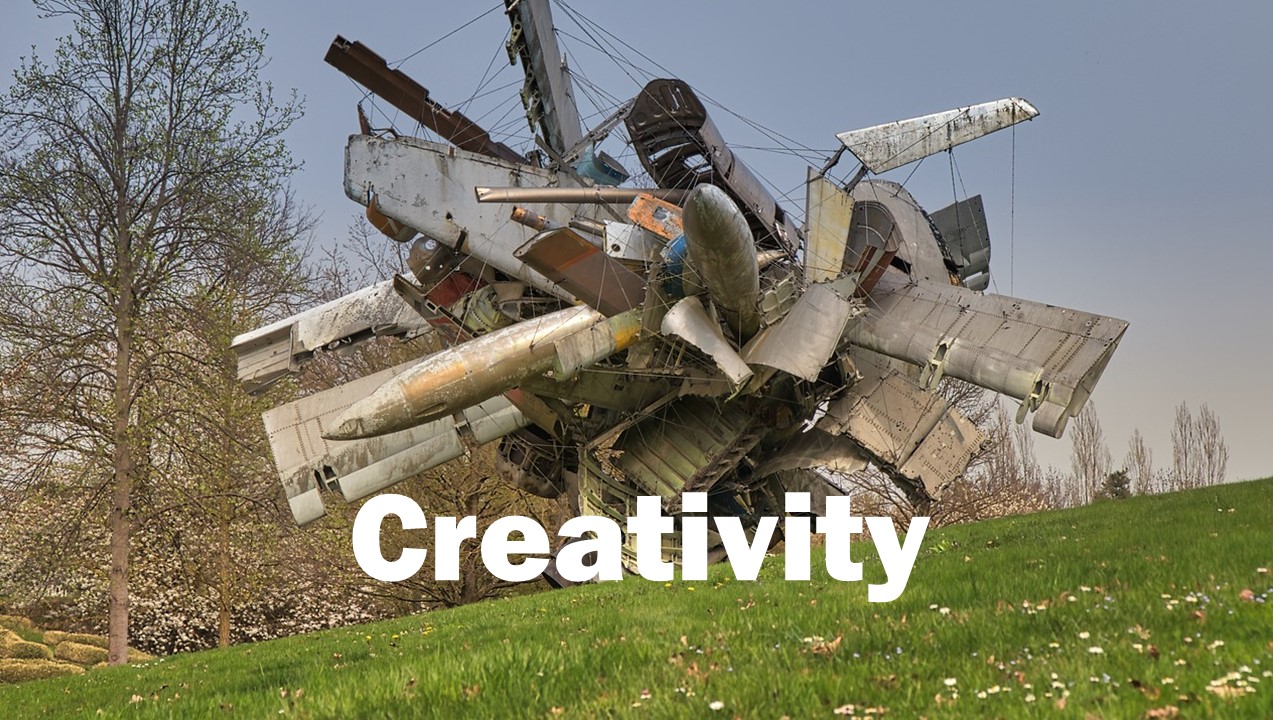
Creativity

Creativity.
Photo courtesy of Pixabay.com

Which is better, being ordinary or being original?

Careful – think about this before you answer. We sometimes tell our kids to be original without thinking about the cost. We adults sometimes forgo being original without thinking about the benefits.

Ordinary people do what is expected.

There is a lot of safety and security in being ordinary. You don’t have to risk criticism as much as original people. You don’t get singled out for punishment. You don’t get much attention. But attention can be a problem if it brings with it negativity and derision. Who wants to be different if that difference is going to be punished?

Ordinary people get left alone but they also don’t get many rewards.

Being ordinary has some survival benefits. People or animals that are too different from others in the herd get driven out. In some cultures, the mentally ill are sent into the jungle to live alone. Better they get eaten that the productive people the reasoning goes.

In those sorts of situations being too original has its punishment.

Some people would prefer to be ordinary. They are willing to forgo the attention and the rewards which accrue from originality in order to avoid the criticism that comes with being unique.

Ordinary people can be counted on to do what is expected, no more and no less. This also means that they attend the preferred religious and political gatherings, think the correct things, and largely do no one any harm. They also are slow to change when the circumstances shift.

Society needs conformity. Ordinary people conform. Even original people need to be original in the prescribed manner.

Original people do something different.

Originality, unfortunately, is also connected to making mistakes. The more original you are the greater the risk that you will do something, new, something unique, and it will be a total unequivocal failure.

Highly productive people do a lot of new original things; they also make some mistakes which can at times be highly visible. Even when original people do not fail, others will resist the changes the original person is causing. The establishment does not like change. Not unless it is change they created, change they can control, and change that benefits them.

Not everyone likes originality. We tend to like the familiar, the routine, and the expected. Even our excitement needs to fall within prescribed limits.

Edison is reported as saying he tried thousands of ways to make a light bulb before he found one that worked. The result could have been viewed as a man who made a record number of failures.

He reframed this as having found out thousands of things that would not work. By persistently trying things he eventually succeeded. He succeeded because he kept trying. Another person might have given up after a few dozen failures and worked on something else that had a better chance of success.

A less original person would have given up a long time before that success occurred.

On the job front, originality is not always valued.

Most companies want to keep their originality confined to a couple of departments. If you work in engineering or advertising departments then originality, up to a point, may be valued. Be careful about being too original if you work in a shipping department.

Highly original people tend to migrate to occupations and to places that encourage originality. Universities and colleges can afford to foster some level of originality because they incubate the original people for the next generation.

Countries that encourage originality find the highly innovative people migrate there. They also get stuck with a lot of dissidents who want to change the very things that brought them there.

In the arena of originality versus ordinary, you have to take the bad with the good. I for one would prefer to be more original but not everyone in my life sees it that way.

Which works best in your life, originality, or being ordinary?

Related articles

Staying connected with David Joel Miller

Seven David Joel Miller Books are available now!

My newest book is now available. It was my opportunity to try on a new genre. I’ve been working on this book for several years, but now seem like the right time to publish it.

Story Bureau.

Story Bureau is a thrilling Dystopian Post-Apocalyptic adventure in the Surviving the Apocalypse series.

Baldwin struggles to survive life in a post-apocalyptic world where the government controls everything.

As society collapses and his family gets plunged into poverty, Baldwin takes a job in the capital city, working for a government agency called the Story Bureau. He discovers the Story Bureau is not a benign news outlet but a sinister government plot to manipulate society.

Bumps on the Road of Life. Whether you struggle with anxiety, depression, low motivation, or addiction, you can recover. Bumps on the Road of Life is the story of how people get off track and how to get your life out of the ditch.

Dark Family Secrets: Doris wants to get her life back, but small-town prejudice could shatter her dreams.

Casino Robbery Arthur Mitchell escapes the trauma of watching his girlfriend die. But the killers know he’s a witness and want him dead.

Planned Accidents  The second Arthur Mitchell and Plutus mystery.

Letters from the Dead: The third in the Arthur Mitchell mystery series.

What would you do if you found a letter to a detective describing a crime and you knew the writer and detective were dead, and you could be next?

Sasquatch. Three things about us, you should know. One, we have seen the past. Two, we’re trapped there. Three, I don’t know if we’ll ever get back to our own time.

For these and my upcoming books; please visit my Author Page – David Joel Miller

Want the latest blog posts as they publish? Subscribe to this blog.

For videos, see: Counselorssoapbox YouTube Video Channel

Will the Counselor, therapist, psychologist keep your secret or tell?

By David Joel Miller, MS, Licensed Therapist & Licensed Counselor.

Keeping your secrets?
Photo courtesy of Pixabay.com

Just how confidential is confidentiality.

Just what is confidential and what is not is a major concern to clients in mental health treatment. I have written several posts in the past on this subject but from the number of searches on this subject, we need to talk some more about this. Links to some of the past posts are at the end of this post.

Confidentiality and its cousin privilege, are legal as well as ethical concepts.  Laws can vary greatly from place to place. Check in the jurisdiction you live in and ask the person you are seeing if you have concerns about this.

We spend a lot of time on these issues in graduate school. We are supposed to explain this to clients when we first see them. Beginning counselors tend to spend a lot of time telling new clients more than most clients want to know. After a few years of doing therapy, the amount the client gets told declines and sometimes slips below the minimum the client needs. If your provider has said less than you need to know please ask.

Please remember I am talking about this from a counselor’s point of view, how we try to meet our legal and ethical responsibilities in practice. For the law in this, you should consult a lawyer.

Here are the general rules.

Everything you tell your therapist-counselor is confidential UNLESS it falls into a required or permitted exception.

1. Danger to self is reportable.

If you are eminently suicidal we can break confidentiality to keep the client alive. We are supposed to do this whether we want to or not. In practice, it is a judgment call whether the client has thoughts but does not intend to carry through or if they plan to kill themselves soon. Our response may vary depending on the circumstances.

2. Danger to others gets reported.

If you say you intend to kill someone in the future this gets reported. Past crimes are generally not reportable unless they fall under one of the other exceptions. Throwing a book at your sister is not a danger to others.

3. Child abuse, abuse of an elderly or disabled person needs reporting.

Generally, all abuse of a child gets reported if the provider has a reason to suspect the child is being abused. The counselor is not responsible for investigating, only to report to authorities. Someone who murdered a child would have committed child abuse and this past crime could be a mandated report in some places.

4. If the counselor needs to consult with another professional.

In this case, they tell the minimum they need to get the answers they need. They might talk to another professional about your treatment, to a lawyer about what is reportable, or to a billing person. They can “use” the information you give them to help in your treatment and their getting paid for providing it, but they are not supposed to “disclose” that information to people who do not need to know. Counselors sometimes call their lawyers to find out what they need to keep confidential and what they need to disclose.

5. If you are Gravely Disabled they need to report to get you help.

If the client can’t feed themselves or use clothing and shelter the counselor needs to call someone and get this person help.

6. You sue your counselor and they can talk about treating you.

If you sue your counselor for doing a bad job they get to introduce your records and prove what you said and why they did what they did.

7. If you introduce your mental status into a court proceeding they will be required to tell things.

Once you use your mental illness as a defense in court for something you are charged with all your mental health records may come out.

8. You are not the client and are not paying for the counseling.

If you are sent for a court-ordered examination, a child protective service interview or other assessment paid for by someone else you will probably be asked to sign a release of information so that the person paying for the services can see what happened.

No release and there will be no treatment. Once you sign that release the person who is paying or who ordered the assessment and or treatment gets reports. You can revoke this sometimes, but not all the time, and what has been disclosed cannot, of course, be taken back and remade confidential.

9. You are a collateral person in a session.

If you go with your partner or child and they are the person being treated you may not be getting any confidentiality on what you say. You should ask about this before you stay things and then want them kept secret.

10. A court subpoenas your records.

This gets problematic. The counselor or therapist will try to keep some things confidential by asserting privilege but that is up to the lawyers and the judge. If this is a worry to you talk to your lawyer before you see the counselor and see if there is a chance this will come up in court.

One last thought. There are some clients who come for therapy and talk extensively about how guilty they feel about past crimes and how they want to change. They don’t usually give all the details of the crimes. There are others who seem to want to brag about what great criminals they are and they don’t want to change. The ones who don’t want to change frequently say things that end up needing to be disclosed.

Facing the things you have done wrong and trying to change is a huge part of recovery.

Staying connected with David Joel Miller

Seven David Joel Miller Books are available now!

My newest book is now available. It was my opportunity to try on a new genre. I’ve been working on this book for several years, but now seem like the right time to publish it.

Story Bureau.

Story Bureau is a thrilling Dystopian Post-Apocalyptic adventure in the Surviving the Apocalypse series.

Baldwin struggles to survive life in a post-apocalyptic world where the government controls everything.

As society collapses and his family gets plunged into poverty, Baldwin takes a job in the capital city, working for a government agency called the Story Bureau. He discovers the Story Bureau is not a benign news outlet but a sinister government plot to manipulate society.

Bumps on the Road of Life. Whether you struggle with anxiety, depression, low motivation, or addiction, you can recover. Bumps on the Road of Life is the story of how people get off track and how to get your life out of the ditch.

Dark Family Secrets: Doris wants to get her life back, but small-town prejudice could shatter her dreams.

Casino Robbery Arthur Mitchell escapes the trauma of watching his girlfriend die. But the killers know he’s a witness and want him dead.

Planned Accidents  The second Arthur Mitchell and Plutus mystery.

Letters from the Dead: The third in the Arthur Mitchell mystery series.

What would you do if you found a letter to a detective describing a crime and you knew the writer and detective were dead, and you could be next?

Sasquatch. Three things about us, you should know. One, we have seen the past. Two, we’re trapped there. Three, I don’t know if we’ll ever get back to our own time.

For these and my upcoming books; please visit my Author Page – David Joel Miller

Want the latest blog posts as they publish? Subscribe to this blog.

For videos, see: Counselorssoapbox YouTube Video Channel

How many senses do you use? Mindfulness and memory.

By David Joel Miller, MS, Licensed Therapist & Licensed Counselor.

Mindfulness

Mindfulness.
Photo courtesy of pixabay.

A mindfulness exercise for all the senses to improve mental efficiency and memory.

Most people rely on one or two senses to do all the work. How many do you routinely use?

One reason memories fade over time is our excessive reliance on one or two senses to store and anchor information. You were probably taught to remember things by converting them to words and then creating a story about the person or thing you needed to remember.

Memory functions better when you use more than one sense to store that memory.

Writers struggle with this problem frequently. We envision a scene; paint it with colors and plenty of verbal descriptions. We describe the shape of things, the size, and arrangement. With all that description, the scene should come to life. It doesn’t. Our scene is flat.

What has gone wrong?

Life is more than shapes and colors. Visual is important, ask any photographer. There is more to a life event than what is customarily captured in a two-dimensional picture.

Here is a simple mindfulness exercise to help you improve your powers of observation, use of multiple senses, and improve your memory as a result.

Take a walk. Find a place where you can pause to explore your situation without the use of your eyes. A park bench, bus stop or seating areas at public buildings make great places for this exercise.

Sit with your eyes closed, or if safety is a concern look down and focus on something small and plain. (Check my post on Shrinking the World by Staring at a Rock.)

Don’t try to figure things out, simply experience them.

What smells do you smell? Are they constant or do they fluctuate? Can you identify them? Are they pleasant or disturbing? How would you name them?

What are the sounds you hear? Without looking can you identify what is creating those sounds? Can you imagine the bird making that song? As you concentrate on the sounds you may well find that you notice more sounds and that they vary in pitch and intensity.

If you hear traffic, is it a car, truck, or bus? Which direction is it traveling? If there are people nearby what are they talking about? With whom?

What sensations do you feel on your body? Can you feel the wind on your skin? Where is the sun? Find the sun by feeling not by looking.

What tastes are you sensing? Was this something you brought with you, part of your breakfast or lunch or does this place have a taste as well as a smell?

Notice, but do not dwell on what your mind is thinking. If thoughts come racing through your mind let them go in peace. If you must capture that thought and not let it go I find that having a pen and paper in my pocket allows me to write the thought down and get it free of my mind, and then I return to my mindfulness exercise.

Do not allow yourself to judge your senses. Unless a professional has told you that there is some reason for a deficit in one of your senses it is likely that you can improve your underutilized senses by practice and by being more observant of the things they try to tell you.

Pay special attention to the times your senses of smell, taste or hearing disagree with the story your eyes told you about this place when you sat down here. Sitting by a fountain can be especially helpful here.

I once sat on a bench by the fountain on the college campus where I teach. There are many fountains down the center of that walkway. I had walked by repeatedly and seen only fountains that constantly throw water in the air. This day seated and experiencing the fountains I discovered that they each had a cycle, the flow fluctuated and with that fluctuation, the sounds varied. At length, I realized I could predict when the fountain nearest me was about to subside by a faint feeling of spray on my cheek even before the fountain had dropped in volume.

The constant pattern of fountains masked constant changes in the same way our over-reliance on sight may mask the changes in smells and sounds that go unnoticed in our daily life.

Learn to rely on more senses and you will find that your mental efficiency grows and your memory improves.

Photo courtesy of Flickr.

Staying connected with David Joel Miller

Seven David Joel Miller Books are available now!

My newest book is now available. It was my opportunity to try on a new genre. I’ve been working on this book for several years, but now seem like the right time to publish it.

Story Bureau.

Story Bureau is a thrilling Dystopian Post-Apocalyptic adventure in the Surviving the Apocalypse series.

Baldwin struggles to survive life in a post-apocalyptic world where the government controls everything.

As society collapses and his family gets plunged into poverty, Baldwin takes a job in the capital city, working for a government agency called the Story Bureau. He discovers the Story Bureau is not a benign news outlet but a sinister government plot to manipulate society.

Bumps on the Road of Life. Whether you struggle with anxiety, depression, low motivation, or addiction, you can recover. Bumps on the Road of Life is the story of how people get off track and how to get your life out of the ditch.

Dark Family Secrets: Doris wants to get her life back, but small-town prejudice could shatter her dreams.

Casino Robbery Arthur Mitchell escapes the trauma of watching his girlfriend die. But the killers know he’s a witness and want him dead.

Planned Accidents  The second Arthur Mitchell and Plutus mystery.

Letters from the Dead: The third in the Arthur Mitchell mystery series.

What would you do if you found a letter to a detective describing a crime and you knew the writer and detective were dead, and you could be next?

Sasquatch. Three things about us, you should know. One, we have seen the past. Two, we’re trapped there. Three, I don’t know if we’ll ever get back to our own time.

For these and my upcoming books; please visit my Author Page – David Joel Miller

Want the latest blog posts as they publish? Subscribe to this blog.

For videos, see: Counselorssoapbox YouTube Video Channel

Finding success when fear is in the way

By David Joel Miller, MS, Licensed Therapist & Licensed Counselor.

Success or failure sign

Success or failure.
Photo courtesy of Pixabay.com

Success – You can’t get there from here; you need to go somewhere else first.

Do you have a picture of success in your mind? Have you thought about the things you will need to do to get there from where you are? But you can’t seem to make any progress?

Is there a fear blocking your path?

One major obstacle in the path to being successful for many of us is that boulder-sized fear that is right in front of us. What will you need to do to get past that fear and reach the success you were meant to find?

We have talked in the past about making sure that what you say your goals are is in fact what you really want out of life. Nothing so clearly undermines success as heading towards the one goal we say we want while looking over our shoulder at the goal we wish we were working on.  Secretly wishing we were going somewhere else impedes all forward progress.

Your goals also need to be consistent with your values. If what really matters to you is your family and friends, good relationships make you happy; trying to make a lot of money will take you away from your goals and reduce the time you have to spend on improving those relationships. Sure you need some money, but how much money is enough, and how much time with a loved one is too much?

Fears in our path to success can come in all sizes and shapes.

One fear that keeps people from trying is the fear of success. What would it mean to you to be truly successful? If you are unsure if you believe you don’t deserve success or you think others will look down on you and reject you if you stood out, then your brain will help you out here and sabotage your efforts to do something that it knows you don’t really want.

To reach success, however, you define it; you need to believe that you deserve to succeed.

Fear can take up a place in your way to success wearing the disguise of doubt or self-distrust. If you don’t believe that you will be successful, others around you will find it difficult to believe in you. If you give off that vibe that you don’t really want to accomplish anything, those around you will spend their time helping people who want to go somewhere.

Some fears shrink when you approach them.

That old bogeyman under the bed disappears when we shine a light under the bed. The same is true of many other fears. Avoiding unpleasant things makes them scarier. Some fears will shrink rapidly once you walk up to them and begin the task.

Some fears won’t budge and you have to find ways around them.

If the thing you fear is a real risk, you need to look for ways to reduce that risk. Insurance and savings are two ways people shrink risk. Getting the education and training you need to be successful in a field also reduces the risk of heading in that direction.

Think for a while about the role of your fears in keeping you from the success you want. Is it trying to protect you from failing? Is it warning you of a real risk that needs to be taken into account?

Concurring fear is an important step in your journey to that happy, successful life you deserve.

Staying connected with David Joel Miller

Seven David Joel Miller Books are available now!

My newest book is now available. It was my opportunity to try on a new genre. I’ve been working on this book for several years, but now seem like the right time to publish it.

Story Bureau.

Story Bureau is a thrilling Dystopian Post-Apocalyptic adventure in the Surviving the Apocalypse series.

Baldwin struggles to survive life in a post-apocalyptic world where the government controls everything.

As society collapses and his family gets plunged into poverty, Baldwin takes a job in the capital city, working for a government agency called the Story Bureau. He discovers the Story Bureau is not a benign news outlet but a sinister government plot to manipulate society.

Bumps on the Road of Life. Whether you struggle with anxiety, depression, low motivation, or addiction, you can recover. Bumps on the Road of Life is the story of how people get off track and how to get your life out of the ditch.

Dark Family Secrets: Doris wants to get her life back, but small-town prejudice could shatter her dreams.

Casino Robbery Arthur Mitchell escapes the trauma of watching his girlfriend die. But the killers know he’s a witness and want him dead.

Planned Accidents  The second Arthur Mitchell and Plutus mystery.

Letters from the Dead: The third in the Arthur Mitchell mystery series.

What would you do if you found a letter to a detective describing a crime and you knew the writer and detective were dead, and you could be next?

Sasquatch. Three things about us, you should know. One, we have seen the past. Two, we’re trapped there. Three, I don’t know if we’ll ever get back to our own time.

For these and my upcoming books; please visit my Author Page – David Joel Miller

Want the latest blog posts as they publish? Subscribe to this blog.

For videos, see: Counselorssoapbox YouTube Video Channel
5 reasons learning and memory are not about intelligence

By David Joel Miller, MS, Licensed Therapist & Licensed Counselor.

Puzzle

Memory pieces.
Photo courtesy of Pixabay.com

Average people remember things that supposedly smart people forget.

Our educational system and a lot of parent’s efforts to help their children learn are misguided.

Somewhere along the line, we got the impression that to be a good learner you needed to be really smart and that if you scored low on an I.Q. test then you would never be able to learn.

That is just not so. Being smart helps, but it is not the whole story. There are things anyone can do to improve their memory and learning.

Here are some reasons why.

1. Learning is emotional, not intellectual.

If you truly enjoy something it is easy to learn a lot about that subject. If you don’t care about something it is next to impossible to remember. If you have ever had to take a class in school because it was required, but it was nothing you will ever care about after the class is over, you know what I mean.

Excitement fuels learning. Anything that gets you excited about a subject leads to better, learning, memory, and retention of that subject. Practicing memory games can make learning more fun and goes a long way towards improving your memory.

2. Learning is cumulative.

We find learning about something very difficult when we don’t have the foundation to understand the subject. Knowledge is cumulative. If you don’t have the basics down the advanced material becomes more difficult.

Begin with something simple, something that interests you, and as you learn more about that subject. Ask yourself what else you want to know about. Follow those trails wherever they go and you will find yourself become more knowledgeable about many things.

3. Learning and memory require willpower.

To learn some things requires willpower. I wrote a while back about how many people have difficulties with willpower. One reason willpower is so elusive is our tendency to confuse willpower and won’t power. Another cause of poor willpower is the natural human tendency to enjoy today and forget tomorrow.

The hardest form of willpower is the ability to do something unpleasant today because it will produce future gains.

4. Learning is about how many words you know.

Memories for most people are saved as stories. The more words you know the less effort it takes to convert this expertise, real or imagined, into a story that will be easy to remember.

Movies and books are hard to remember if you don’t have the vocabulary to store and retell the events that made this story important.

Reading anything can improve your vocabulary. The more you read the more you learn and the more able to learn and remember you become.

5. You can’t rely on only one sense to store information into memory.

Having multiple anchors in your memory from multiple senses helps you to store and retrieve that memory.

When there is someone or something that you want to remember to try associating that memory with all your senses. What did it smell like? What were the good smells and the bad orders? Did it touch you internally as well as externally?

Paying attention to the sound of the person’s voice, their facial expressions and the way you experienced their presence will help you in remembering that person.

Most of us have tried to improve memory by becoming better at memorizing words rather than by learning to engage all our senses and fully experience the event.

In future posts, we will talk about some ways to improve your acuity and mental efficiency using senses other than verbal memories as ways to improve your ability to remember.

Go out there and practice mental efficiency, memory improvement, and the other skills you will need to create the success you want.

Staying connected with David Joel Miller

Seven David Joel Miller Books are available now!

My newest book is now available. It was my opportunity to try on a new genre. I’ve been working on this book for several years, but now seem like the right time to publish it.

Story Bureau.

Story Bureau is a thrilling Dystopian Post-Apocalyptic adventure in the Surviving the Apocalypse series.

Baldwin struggles to survive life in a post-apocalyptic world where the government controls everything.

As society collapses and his family gets plunged into poverty, Baldwin takes a job in the capital city, working for a government agency called the Story Bureau. He discovers the Story Bureau is not a benign news outlet but a sinister government plot to manipulate society.

Bumps on the Road of Life. Whether you struggle with anxiety, depression, low motivation, or addiction, you can recover. Bumps on the Road of Life is the story of how people get off track and how to get your life out of the ditch.

Dark Family Secrets: Doris wants to get her life back, but small-town prejudice could shatter her dreams.

Casino Robbery Arthur Mitchell escapes the trauma of watching his girlfriend die. But the killers know he’s a witness and want him dead.

Planned Accidents  The second Arthur Mitchell and Plutus mystery.

Letters from the Dead: The third in the Arthur Mitchell mystery series.

What would you do if you found a letter to a detective describing a crime and you knew the writer and detective were dead, and you could be next?

Sasquatch. Three things about us, you should know. One, we have seen the past. Two, we’re trapped there. Three, I don’t know if we’ll ever get back to our own time.

For these and my upcoming books; please visit my Author Page – David Joel Miller

Want the latest blog posts as they publish? Subscribe to this blog.

For videos, see: Counselorssoapbox YouTube Video Channel

Increase mental efficiency – Remembering people better.

By David Joel Miller, MS, Licensed Therapist & Licensed Counselor.

Brain

Memory.
Photo courtesy of Pixabay.com

How to improve mental efficiency and rev up the memory.

Improve your mental efficiency and improve your memory by practicing skills of observation. Becoming more observant is a skill you can learn.

Before you can remember someone you first need to get a good look at them. You need to be really observant.

There is an exercise that can help you with your ability to observe and remember people. It is an old exercise, from back in the pre-computer age, but still, one worth doing.

Think of a person you know socially but not necessarily well. Try to visualize this person. Get out a piece of paper you can save and write the answers to the following questions down.

Briefly, who is this person and how do you know them?

Male or female?

How old do you estimate they are? What would you guess their weight to be? How tall are they?

What is their hairstyle? Identifying hairstyle may be a challenge for some men. As we saw in a previous post about the expert effect if you don’t know what to call a particular hairstyle you may have trouble remembering it.

If they are a male do they have a beard? A mustache? How long are their sideburns?

How are their nails done?

What do they usually wear?

What did they wear the last time you saw them?

What are some of their common expressions? If you received a note from them that was unsigned could you pick it out from the handwriting or from expressions they use?

What is their predominant mood?

Repeat this exercise for at least three people including at least one man and one woman.

Next time you see this person check back and see how much you got correct. What did you have wrong?

Repeatedly practicing this exercise will improve your powers of observation. It will sensitize you to individual variations and make you more aware of the people you meet.

How well did you do at remembering other people? Can you see the value of practicing to improve your mental efficiency and memory?

Staying connected with David Joel Miller

Seven David Joel Miller Books are available now!

My newest book is now available. It was my opportunity to try on a new genre. I’ve been working on this book for several years, but now seem like the right time to publish it.

Story Bureau.

Story Bureau is a thrilling Dystopian Post-Apocalyptic adventure in the Surviving the Apocalypse series.

Baldwin struggles to survive life in a post-apocalyptic world where the government controls everything.

As society collapses and his family gets plunged into poverty, Baldwin takes a job in the capital city, working for a government agency called the Story Bureau. He discovers the Story Bureau is not a benign news outlet but a sinister government plot to manipulate society.

Bumps on the Road of Life. Whether you struggle with anxiety, depression, low motivation, or addiction, you can recover. Bumps on the Road of Life is the story of how people get off track and how to get your life out of the ditch.

Dark Family Secrets: Doris wants to get her life back, but small-town prejudice could shatter her dreams.

Casino Robbery Arthur Mitchell escapes the trauma of watching his girlfriend die. But the killers know he’s a witness and want him dead.

Planned Accidents  The second Arthur Mitchell and Plutus mystery.

Letters from the Dead: The third in the Arthur Mitchell mystery series.

What would you do if you found a letter to a detective describing a crime and you knew the writer and detective were dead, and you could be next?

Sasquatch. Three things about us, you should know. One, we have seen the past. Two, we’re trapped there. Three, I don’t know if we’ll ever get back to our own time.

For these and my upcoming books; please visit my Author Page – David Joel Miller

Want the latest blog posts as they publish? Subscribe to this blog.

For videos, see: Counselorssoapbox YouTube Video Channel

What purple glass? Memory and the expert effect.

By David Joel Miller, MS, Licensed Therapist & Licensed Counselor.

Old pictures

Memories.
Photo courtesy of Pixabay.

The thing may be right in front of you and still, you can’t see it.

The tale of the collectible purple glass

For a brief period, I dabbled in antiques and collectibles. The goal here was to make some money of buying and selling these things as I traveled about. The truth be told most things sold in antique stores these days are far from old and many are not all that collectible.

From time to time a friend of mine and I would wander through the antique stores and see what they had, what they were charging for things and then hope that we might find things worth buying and reselling.

If you intend to make a buck off an activity it helps to know what you are doing and in retrospect, neither of us knew nearly enough to make anything off the effort but at the time it sounded like a fun thing to do.

Now the part about memory

One day after walking through an antique store we stopped to talk about what we had seen. “Did you see that Fenton glass piece? ” she said. N, I had to admit I had not.

“What did you think of that display of Boyd glass they had?” she asked. Again I had to admit that I had not noticed that either.

I had to admit I didn’t remember seeing either.

The final straw came when she asked about a large piece of Purple art glass. My answer about missing that led to some harsh words and well it was all downhill from there.

I realized I knew nothing about collectible glass and that no matter how many trips through the story we made I failed to remember the glass items I had seen.

The solution to this problem came when I went to the library and checked out a few books on collectible glass. At first, they all looked alike. But the more I read about collectible glass and the more pictures I looked at the more the various types of glass started to make sense.

Later on, I actually bought a book on some glass styles I discovered I liked.

After reading those books I discovered that now that I knew something about some styles of collectible glass I recognized them when I saw them. Knowing what things are, makes them more recognizable, results in remembering a lot more about what you see.

One term for this is “the expert effect.” A writer notices books; a mechanic notices cars and someone in real-estate notices more about homes than the average layperson.

I have no doubt that had I kept up my study of glass I would know a lot more about it. Having not looked at any collectible glass for a long time now, those memories have faded away. We should talk more about keeping memories intact and reviving memories that have faded in the future.

What about the memory stuff?

Now that I have become a counselor I realize how many things people come to counseling to talk about they have never noticed. People can’t tell me what they feel because they have never studied themselves and their feelings enough to be able to identify feelings.

Becoming an expert on yourself.

One reason we have so much difficulty recognizing our problems before they become unmanageable is we have never gotten to be experts on ourselves.

If you want a better memory, become an expert on the thing you are trying to remember and it will be much easier to spot that thing in the first place. Strong first impressions on our brains get held onto longer.

Happiness expert.

Are you an expert on happiness? What part of you and your growth or recovery do you need to become an expert about so it will stay fixed in your memory?

Staying connected with David Joel Miller

Seven David Joel Miller Books are available now!

My newest book is now available. It was my opportunity to try on a new genre. I’ve been working on this book for several years, but now seem like the right time to publish it.

Story Bureau.

Story Bureau is a thrilling Dystopian Post-Apocalyptic adventure in the Surviving the Apocalypse series.

Baldwin struggles to survive life in a post-apocalyptic world where the government controls everything.

As society collapses and his family gets plunged into poverty, Baldwin takes a job in the capital city, working for a government agency called the Story Bureau. He discovers the Story Bureau is not a benign news outlet but a sinister government plot to manipulate society.

Bumps on the Road of Life. Whether you struggle with anxiety, depression, low motivation, or addiction, you can recover. Bumps on the Road of Life is the story of how people get off track and how to get your life out of the ditch.

Dark Family Secrets: Doris wants to get her life back, but small-town prejudice could shatter her dreams.

Casino Robbery Arthur Mitchell escapes the trauma of watching his girlfriend die. But the killers know he’s a witness and want him dead.

Planned Accidents  The second Arthur Mitchell and Plutus mystery.

Letters from the Dead: The third in the Arthur Mitchell mystery series.

What would you do if you found a letter to a detective describing a crime and you knew the writer and detective were dead, and you could be next?

Sasquatch. Three things about us, you should know. One, we have seen the past. Two, we’re trapped there. Three, I don’t know if we’ll ever get back to our own time.

For these and my upcoming books; please visit my Author Page – David Joel Miller

Want the latest blog posts as they publish? Subscribe to this blog.

For videos, see: Counselorssoapbox YouTube Video Channel

National Problem Gambling Awareness Week

By David Joel Miller, MS, Licensed Therapist & Licensed Counselor.

Problem and problem solving

Problem-solving.

This week, March 3-9, is National Problem Gambling Week.

Problem Gambling is currently described as Pathological Gambling in the Diagnostic and Statistical Manual of Mental Disorders (DSM-TR-4.) Pathological Gambling is one of a group of disorders that currently are considered “impulse control disorders.”

Pathological Gambling is one of a group of disorders that currently are considered “impulse control disorders.”

DSM-5 Update.

In the DSM-5 this is named Gambling Disorder (F63.0) Essentially the same features.

Other impulse control problems not classified as an addictive disorder.

Other impulse control problems are intermittent explosive disorder, kleptomania, pyromania, and trichotillomania. Intermittent explosive disorder gets treated by far the most, but many more people need to get treated for pathological or problem gambling than are currently receiving help.

In California, this week-long effort to make people aware of the difficulties people may have with problem gambling is spearheaded by the California Department of Drug and Alcohol Programs via their Office of Problem Gambling. In a few other states Gambling issues are treated by separately trained and licensed counselors.

One reason for the interest in problem gambling among drug and alcohol counselors is the tendency for clients in early substance abuse or addiction recoveries to “switch addictions” and now off drugs and alcohol, to develop a new problem with compulsive or pathological gambling.

The similarities between addictive disorders and pathological gambling are so large that it was proposed that Pathological Gambling be moved to the addictive disorders rather than the impulse control disorders when the new DSM-5 comes out. We will need to look at that again in the future when the DSM-5 is available.

One of the controversies among treatment professionals is about the choice between trying to control an issue like drug use or gambling and the need to stop doing that activity completely.

If we view drinking excessively or pathological gambling as an addiction then we would expect the client to need to totally abstain. If it is an impulse control issue then we might reasonably try to teach the client to control the impulses and drink or gamble in moderation.

Most people who self-describe as addicts or alcoholics will tell you that control is an illusion. For them, the only answer is complete abstinence.

One reason for the conflict is that funding for treatment often comes from the people who make the most profit from the activity. The alcoholic beverage manufacturers would like counselors to teach people to drink responsibly not tell them to stop drinking altogether. The same issue occurs when problem gambling programs are funded by casinos.

So if you are one of those people who are able to control your drinking or gambling and for whom it is mostly just a source of entertainment, then problem gambling week is not of much interest to you.

But if you are one of those people who have lost the ability to control your gambling or your drinking consider getting help. If you live with someone who has a Pathological gambling problem, consider getting help for yourself as well as for them.

The web address for the California initiative is www.problemgambling.ca.gov

Staying connected with David Joel Miller

Seven David Joel Miller Books are available now!

My newest book is now available. It was my opportunity to try on a new genre. I’ve been working on this book for several years, but now seem like the right time to publish it.

Story Bureau.

Story Bureau is a thrilling Dystopian Post-Apocalyptic adventure in the Surviving the Apocalypse series.

Baldwin struggles to survive life in a post-apocalyptic world where the government controls everything.

As society collapses and his family gets plunged into poverty, Baldwin takes a job in the capital city, working for a government agency called the Story Bureau. He discovers the Story Bureau is not a benign news outlet but a sinister government plot to manipulate society.

Bumps on the Road of Life. Whether you struggle with anxiety, depression, low motivation, or addiction, you can recover. Bumps on the Road of Life is the story of how people get off track and how to get your life out of the ditch.

Dark Family Secrets: Doris wants to get her life back, but small-town prejudice could shatter her dreams.

Casino Robbery Arthur Mitchell escapes the trauma of watching his girlfriend die. But the killers know he’s a witness and want him dead.

Planned Accidents  The second Arthur Mitchell and Plutus mystery.

Letters from the Dead: The third in the Arthur Mitchell mystery series.

What would you do if you found a letter to a detective describing a crime and you knew the writer and detective were dead, and you could be next?

Sasquatch. Three things about us, you should know. One, we have seen the past. Two, we’re trapped there. Three, I don’t know if we’ll ever get back to our own time.

For these and my upcoming books; please visit my Author Page – David Joel Miller

Want the latest blog posts as they publish? Subscribe to this blog.

For videos, see: Counselorssoapbox YouTube Video Channel

Improving your memory by finding happiness – excavating happiness

By David Joel Miller, MS, Licensed Therapist & Licensed Counselor.

Old pictures

Memories.
Photo courtesy of Pixabay.

Sometimes you need to excavate those happy memories.

Part of memory improvement is reviving old memories you may still need but are having a hard time finding. One good place to start is reviving happy positive memories.

One great technique to retrieve those happy memories is a dose of introspection. Looking inside yourself can help you find things you had forgotten were there.

Happy memories are sometimes hard to recall. Let’s work on improving your memory by improving recall of happy times in the past. Memories that are not used degrade. With total disuse, the brain may prune off those memory connections. Certain times in your life and emotional states promote that pruning.

One good think about faded memories is that if you can find them before they are gone you can retrieve them. It is always easier to learn something a second time than it was the first time because there may be traces of those memories left in your brain.

Here are some questions to ask yourself. I suggest you write the answers down whenever possible. The act of writing them down stores them in a second part of the brain and may make retrieval easier. Telling someone about those happy memories has a similar effect. For good measure whenever possible do both.

1. When was the happiest time in your life? The three happiest times?

Try to walk back through those happy times. Where were you? Who were you with? If that person is no longer part of your life try to only remember the good part of this happy time, not the subsequent loss.

Try to recall as many details as possible. What time of year was it? Where there any smells? What was touching your skin? The more senses you can involve the more details you remember the more real and permanent the memory becomes.

If you find yourself stumped on that happy time, look for a happy place, somewhere you may have been or a trip you took. Even if that place was imaginary, returning to it can improve your mood.

Some of our memories come from the books we read, the movies we watched, and the characters from those stories that made their way into our hearts. For some that happy memory will be the time their favorite team won that big game.

2. What was the best job you ever had?

This may not have been the best paying but it was the one you wanted and may have wished you could do again. Relive that excitement of being chosen for that job.

Where were you when you had that job? What else was going on in your life at that time? Try to remember the people you worked with. How did they treat you? What made this the best job of your life?

In the moment we store a lot of memories about the problems on any job. If you look back searching for the things that meant the most to you there just might be some things you need to remember.

3. What are your good qualities?

This can be harder than the first two. If you are stumped on this one ask yourself how a friend would describe your good qualities? What would you say to a potential boss if you were asked this in an interview?

Don’t dismiss this question too quickly. Give yourself time to ponder.  Most people have far more skills and good qualities than they give themselves credit for.

Did you win a contest? Have you ever been given an honor? Do not dismiss that victory no matter how small and insignificant it may seem now. Those past achievements will tell you a lot about yourself and the potential you have to become even more.

4. When was the last time you learned something new?

Was this a good experience? Are you proud of what you learned? Had you planned on having this experience or did it just happen? If you learned this new thing with someone else, who? Is this person still in your life? In a good way?

People who continue to learn throughout the lifespan get more mileage from that thing we call a brain. Lifelong learning may not cure Alzheimer’s but it is good for knocking the cobwebs off the brain and keeping it working to the best of your ability.

5. When in your life was your health at its best?

What else was going on then? Has your health fluctuated over the years? Has that affected your happiness? Is there anything you can do to improve your health and re-experience those happy times?

Some of these introspective self-examination questions will bring up painful memories as well as the happy ones. Notice the pain and then let it go. Your goal is to focus on the happiness you had forgotten. For more on the problem of painful memories check out the post on meditation and painful memories.

Happiness and pain are not stored equally. It is easier to remember the bad than the good. Cultivate the habit of looking for the positive and adding those memories to your memory collection and you will find your happiness and your memory will improve.

Staying connected with David Joel Miller

Seven David Joel Miller Books are available now!

My newest book is now available. It was my opportunity to try on a new genre. I’ve been working on this book for several years, but now seem like the right time to publish it.

Story Bureau.

Story Bureau is a thrilling Dystopian Post-Apocalyptic adventure in the Surviving the Apocalypse series.

Baldwin struggles to survive life in a post-apocalyptic world where the government controls everything.

As society collapses and his family gets plunged into poverty, Baldwin takes a job in the capital city, working for a government agency called the Story Bureau. He discovers the Story Bureau is not a benign news outlet but a sinister government plot to manipulate society.

Bumps on the Road of Life. Whether you struggle with anxiety, depression, low motivation, or addiction, you can recover. Bumps on the Road of Life is the story of how people get off track and how to get your life out of the ditch.

Dark Family Secrets: Doris wants to get her life back, but small-town prejudice could shatter her dreams.

Casino Robbery Arthur Mitchell escapes the trauma of watching his girlfriend die. But the killers know he’s a witness and want him dead.

Planned Accidents  The second Arthur Mitchell and Plutus mystery.

Letters from the Dead: The third in the Arthur Mitchell mystery series.

What would you do if you found a letter to a detective describing a crime and you knew the writer and detective were dead, and you could be next?

Sasquatch. Three things about us, you should know. One, we have seen the past. Two, we’re trapped there. Three, I don’t know if we’ll ever get back to our own time.

For these and my upcoming books; please visit my Author Page – David Joel Miller

Want the latest blog posts as they publish? Subscribe to this blog.

For videos, see: Counselorssoapbox YouTube Video Channel