
Unknown's avatar

About David Joel Miller

David Miller is a California Licensed Marriage and Family Therapist, Clinical Counselor, faculty member at a local college, certified trainer and writer.

Waiting for the Ah Ha moment

By David Joel Miller, MS, Licensed Therapist & Licensed Counselor.

Insight.

Insight.
Photo courtesy of Pixabay.com

Those sudden moments of insight.

Have you had one of those times when suddenly it occurred to you that the way you had been doing things just wasn’t working? Where do those sudden insightful moments come from and why can’t I seem to get these things until I have done it wrong at least a thousand times?

There was that time when I went to register for classes. The first one on my list was trigonometry. It had come highly recommended by my school counselor. Suddenly it occurred to me that the last three times I had signed up for trig I had ended up dropping it. Then out of nowhere came the thought – maybe trig just wasn’t my thing, maybe I should consider another major?

Have you had those experiences? More than once after making a comment to someone I thought why did you say that?  Why can’t I stop saying stupid things in front of other people?

I believe I have solved that problem. Instead of saying stupid things to people one at a time, I write my thoughts here on the blog, for all to see. That way I can get the embarrassment over with all at once.

Wouldn’t it be nice if we could all find a way to get those mistakes of life over with and move on to be right more of the time?

In therapy, those Ah-Ha moments are the exact point when we or our clients make the greatest progress.

I am sitting with a teen talking about how unreasonable their parents are. Then I ask them about themselves. Any friends? Do you have a girlfriend or boyfriend? Think you will have kids someday? You think you will let your child go to that kind of party?

Out of nowhere that teen who was telling me, they are angry their parent does not trust them and won’t ever let them do the things their friend’s parents allow other kids to do, those kids are telling me they would never let their kids go to that kind of party cause they know what goes on there.

One thing that clients often say to me is “I hadn’t thought of it that way.” I find that one of the healthiest things I can do is reexamine things I thought I knew and see if there is another way to think about things.

That is one of the benefits of having friends, lots of friends. Now some friends are just people we work with or do a specific activity with. But we each have or should have those really close friends that we can talk with about anything. It is in those talks that suddenly we may have that flash of insight and realize that we have just never thought about it that way.

Professional helpers like counselors and therapists are specially trained that if they are going to be able to help someone it is all about the relationship. We, humans, have a hard time listening to people we don’t like or respect. But in that one trusting relationship, we can sometimes hear something that results in that Ah-Ha moment.
Ever asked yourself “What was I thinking?” Careful here – you may be about to have one of those Ah-Ha moments.

We get wrapped up in our own thinking. When it is rattling around in my mind it seems like such a good idea. Let me tell someone else and see their reaction and suddenly that brilliant idea does not sound so brilliant.

Hearing our behavior described by another, some of us are surprised at how others experience them. They describe this experience as being like “hearing about someone else.” That other point of view is so valuable in learning.

Some of you may have noticed that a few of those “What was I thinking” ideas slip by and get into these posts.” That is one of the prices we bloggers pay for trying to write a lot of posts and get them up quickly. Occasionally one of my friends assumes the role of editor and emails me about an error so I can correct it quickly. Other times it just gets by.

Now shouldn’t we all just be more careful and not make mistakes? I don’t think so. The only way you don’t make mistakes is to do nothing and that, come to think of it, would be an even grander error.

So what we all have to do as part of this human existence is to try new things and see what works and what doesn’t.  Do more of the good things and less of the things that do not work. Recognize that you, like everyone else, will have some of those Ah-Ha moments. Rather than beating yourself up and criticizing you, learn from those mistakes.

Be able to laugh at your mistakes. When you can look at something you did in the past and tell yourself that was “silly” which tells me that your way of looking at things is changing.

We all need more Ah-Ha moments in our lives and we need to forgive ourselves for the mistakes we are required to make to create those moments.

Staying connected with David Joel Miller

Seven David Joel Miller Books are available now!

My newest book is now available. It was my opportunity to try on a new genre. I’ve been working on this book for several years, but now seem like the right time to publish it.

Story Bureau.

Story Bureau is a thrilling Dystopian Post-Apocalyptic adventure in the Surviving the Apocalypse series.

Baldwin struggles to survive life in a post-apocalyptic world where the government controls everything.

As society collapses and his family gets plunged into poverty, Baldwin takes a job in the capital city, working for a government agency called the Story Bureau. He discovers the Story Bureau is not a benign news outlet but a sinister government plot to manipulate society.

Bumps on the Road of Life. Whether you struggle with anxiety, depression, low motivation, or addiction, you can recover. Bumps on the Road of Life is the story of how people get off track and how to get your life out of the ditch.

Dark Family Secrets: Doris wants to get her life back, but small-town prejudice could shatter her dreams.

Casino Robbery Arthur Mitchell escapes the trauma of watching his girlfriend die. But the killers know he’s a witness and want him dead.

Planned Accidents  The second Arthur Mitchell and Plutus mystery.

Letters from the Dead: The third in the Arthur Mitchell mystery series.

What would you do if you found a letter to a detective describing a crime and you knew the writer and detective were dead, and you could be next?

Sasquatch. Three things about us, you should know. One, we have seen the past. Two, we’re trapped there. Three, I don’t know if we’ll ever get back to our own time.

For these and my upcoming books; please visit my Author Page – David Joel Miller

Want the latest blog posts as they publish? Subscribe to this blog.

For videos, see: Counselorssoapbox YouTube Video Channel
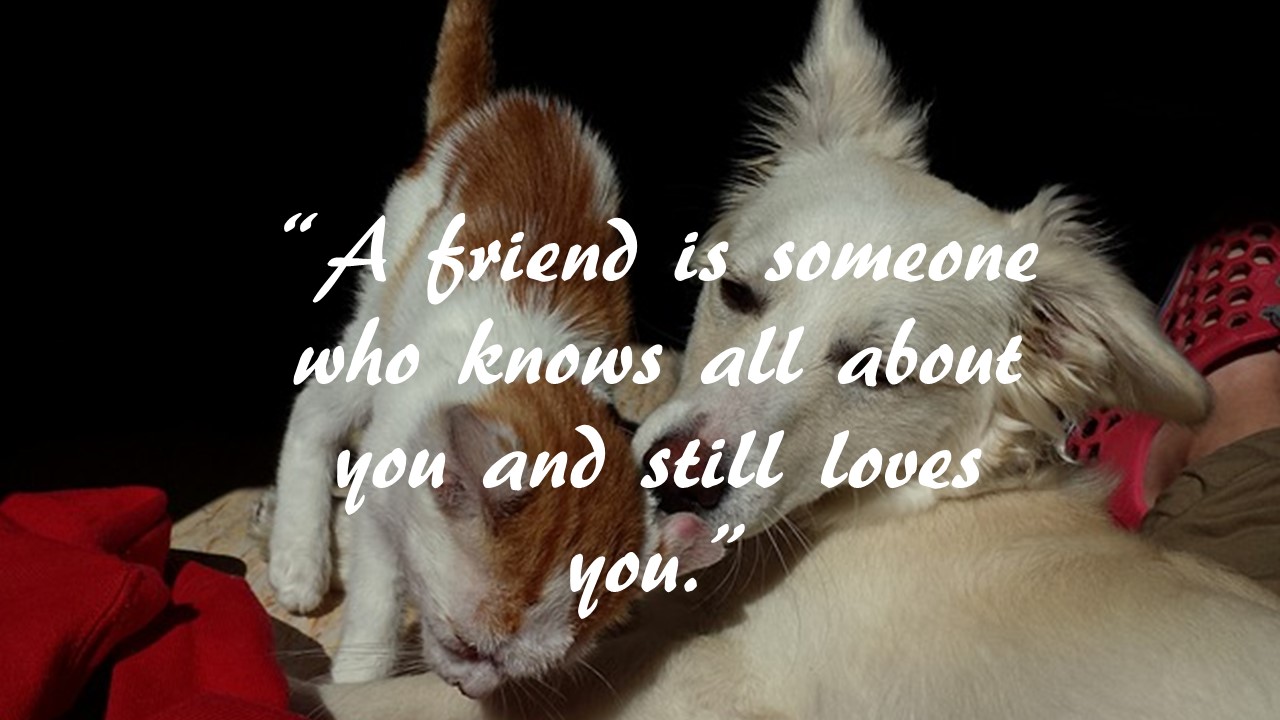
Making friends by calling them names.

By David Joel Miller, MS, Licensed Therapist & Licensed Counselor.

Friendship

Friendship
Photo courtesy of Pixabay.com

Does criticizing people get them to like you?

There seems to be a widely held belief that the way to get people to like and respect you is to criticize them and tell them what they are doing wrong.

Intuitively most people understand that if upon meeting someone for the first time, you began to upbraid them, called them names, and told them how worthless they are, this would not be likely to lead to having a large number of friends. We know this but we often do it anyway.

You would expect that each of us would be striving to treat ourselves well and yet we frequently call ourselves names that we would never, ever, dare call a friend.

Ever call yourself “stupid’ or “dumb?” Think for a moment about saying that to a friend. Not once, when they made an unusually poor choice, but consistently day after day. We wouldn’t do that to a friend, but most of us, most of the time, repeatedly call ourselves names.

The danger of calling yourself names is that you will start believing what you tell yourself.

Pictures of cute little puppies and little children inspire us to want to help. They can inspire us to kindness. It is easy to be kind to others. Most of us are afraid to be kind to ourselves.

Why is compassion reserved for other, unrelated people?

Somewhere we got the idea that it was acceptable to be kind to others but if we were to be nice or kind to ourselves then we would spoil ourselves and thereafter be worthless. So year after year we continue to beat ourselves up for one thing after another.

People, who truly spoil themselves, in a bad way, are not those who are kind and compassionate to themselves. The worst sort of spoilage occurs when we tell ourselves we are no good, worthless, or useless and then use that self-description as an excuse for behaving badly.

If you tell yourself you are a slob and then stop trying to clean up your living space because after all you are a slob and no one should expect a slob to clean. If you say you are stupid and then use that belief as an excuse to never attempt anything, expecting your family or society to take care of you. You are using your self-criticism to excuse poor behavior.

Some people tell themselves they are addicts, and what do you expect from an addict? Why of course I relapsed and used drugs again, I am an addict. But if you begin to tell yourself that I USED to be an addict, look at the possibilities that opens up.

One form of therapy is called “narrative therapy.” The way I understand this is that we tell ourselves and others stories, not untrue stories, just stories, and then as we tell them more and more we begin to believe our own fiction. So if you tell yourself you are dumb or worthless you become less and less able to accomplish anything.

People who say “I am an angry person,” stay angry and convince themselves they can’t change. If we can get them to start saying I USED to be an angry person, but I am changing, then amazingly they change.

Do you believe that the only way to get anybody to do things is to beat them? We find that this is a poor way to motivate either ourselves or others. Yet many people continue to beat themselves up, verbally, day after day.

One thing we tell parents as part of the basic parenting class is to catch their children doing something right. Small amounts of praise, judiciously used are great motivators. If the only way your children get your attention is to misbehave, they will misbehave for attention.

The parent who does nothing but criticizes their child finds that the child may give up. Consider the child who wants badly to please their parent; they study very hard for a big test. When the results come out the child has achieved a score of 99 out of 100 possible points.

What does this parent say? Why did you miss that one? You knew that! The result is that the child stops trying, convinced that no matter how hard they tried they will never be good enough.

Years later we find that person and many others still trying to motivate themselves by telling themselves that how they are is not good enough.

The risk here is that rather than motivate yourself to try harder, you will convince yourself that you are a failure and stop trying.

Ultimately you may become the person you say you are.

Staying connected with David Joel Miller

Seven David Joel Miller Books are available now!

My newest book is now available. It was my opportunity to try on a new genre. I’ve been working on this book for several years, but now seem like the right time to publish it.

Story Bureau.

Story Bureau is a thrilling Dystopian Post-Apocalyptic adventure in the Surviving the Apocalypse series.

Baldwin struggles to survive life in a post-apocalyptic world where the government controls everything.

As society collapses and his family gets plunged into poverty, Baldwin takes a job in the capital city, working for a government agency called the Story Bureau. He discovers the Story Bureau is not a benign news outlet but a sinister government plot to manipulate society.

Bumps on the Road of Life. Whether you struggle with anxiety, depression, low motivation, or addiction, you can recover. Bumps on the Road of Life is the story of how people get off track and how to get your life out of the ditch.

Dark Family Secrets: Doris wants to get her life back, but small-town prejudice could shatter her dreams.

Casino Robbery Arthur Mitchell escapes the trauma of watching his girlfriend die. But the killers know he’s a witness and want him dead.

Planned Accidents  The second Arthur Mitchell and Plutus mystery.

Letters from the Dead: The third in the Arthur Mitchell mystery series.

What would you do if you found a letter to a detective describing a crime and you knew the writer and detective were dead, and you could be next?

Sasquatch. Three things about us, you should know. One, we have seen the past. Two, we’re trapped there. Three, I don’t know if we’ll ever get back to our own time.

For these and my upcoming books; please visit my Author Page – David Joel Miller

Want the latest blog posts as they publish? Subscribe to this blog.

For videos, see: Counselorssoapbox YouTube Video Channel

Why violent people don’t get mental health treatment.

By David Joel Miller, MS, Licensed Therapist & Licensed Counselor.

Why don’t violent people get mental health treatment?
Photo courtesy of Pixabay.com

Mental health treatment for violence.

There have been questions recently about why violent or potentially violent people do not receive mental health treatment to reduce their potential for violence. Some professionals have told us that the mentally ill are no more likely to become violent than anyone else. I have said this myself and it is largely true. But not for the reasons we might wish.

Our systems in America and I suspect elsewhere in the world, are designed to exclude those with a potential for violence from our definitions of the mentally ill and to exclude them from most treatment modalities.

I heard a few parents, mostly on the blogosphere, say they fear their own offspring; they have asked for help for their children and themselves and were denied services. I have had to sit and tell these parents that we just don’t have the sort of services they need. If those services did exist they still might not help.

Here are some reasons the potentially violent frequently don’t get treatment.

Most mental health treatment is voluntary. People can’t really be forced to treatment. When they are forced the result is that they don’t get honest and work on changing themselves but want to convince their counselor they are right and others are wrong.

With kids, we have some diagnoses that cover a lot of unacceptable behavior, conduct disorder, oppositional defiant disorder, and so on. I once ran a group for oppositional defiant kids. Guess what, almost none of them ever showed up for group. If parents can’t get them to treatment, professionals can’t help.

The only way to get many of these violent kids into treatment is to have their own parents press charges and have them arrested. These kids only get mental health services while locked up in juvenile hall or probation schools.

Parents have told me that their own child hit them, knocked them down, and threatened to kill them. Sometimes these are really little children, we wonder where they learned to say and do these things. It would be easy to blame their parents for teaching them to behave that way. But we know deep down they did not learn this exclusively from their parents.

Other times these are not little kids. They are big kids, often gang involved, but the police find their hands largely tied. In violence within the home, they are reluctant to take away someone’s child and incarcerate them.

The parent who a minute before called the police saying “Help,” my kid is hurting me, suddenly does not want them arrested and taken away. The jails are full and putting more kids behind bars is not likely to reduce violence in America. We have found from experience that the more people are incarcerated the more likely they are to become repeat offenders.

Even when we feel there is a high probability that someone will become violent, we can’t arrest people for what they may do in the future. Our system of justice requires us to punish people for what they have done not what they might do.

People with mental health challenges frequently avoid others. They are shy, depressed, withdrawn. My suspicion is that it is not the mental illness that increases the risk of violence but what happens to these children when they act oddly or different. The different are often bullied, not just physically but mentally and emotionally.

The answer for society has been to create the illusion of safety by expelling mass numbers of students. Homeschooling may be a blessing for a family whose parents can be great teachers but placing a kid on homeschooling who lacks social skills and whose parents say he is out of control is a recipe for disaster.

We know, though we don’t like to accept this, that we can identify these high-risk people, these different children, as early as the end of the third grade. They fall behind in school academically and socially, they get poor grades, act out, quit school, or get kicked out. Even when they are very smart they become isolated and lack of social connection is a high-risk factor for problems.

Drug addiction and alcoholism are rampant among kids today.  They report beginning their use of substance sometimes as young as age eight. Parents tell me that their child was never like that until they did drugs. Adults in drug treatment have said to me their problems began in the fourth or fifth grade or maybe middle school when they first got into drinking and drugs.

There is drug treatment out there for kids, but they are mostly voluntary programs after school. The kids who really want to get high do not show up for treatment. Parents have repeatedly ask isn’t there a program I can send my child to that will keep him locked up and away from drugs? The answer is that in most places there are no such programs. Society, in effect, tells the parents you had them, raising them is your responsibility; even when the parents tell us they just can’t get this child to behave anymore. Any person on drugs becomes unmanageable.

When the child reaches full size then society picks them up and puts them in prison, for a while, very briefly. Increasingly we find our prisons full and the time served shortening. Further, those who were diagnosed with various mental illnesses in the past find funding for treatment and reentry programs have been cut from the budget.

Most of those we are defining as mentally ill, especially in childhood, are the ones who do not sit still or get high grades. Those with ADHD and anxiety get treated. The angry, the hurt, the potentially violent, not many people what them around, and they get excluded from the system.

What are the potential solutions?

Briefly, as I am running out of space here, are my suggestions for solving some of our society’s problems.

1. Make people more important than things by supporting education and mental health services for all.

2. An initiative to work with struggling students in the second, third, and fourth grades, to identify high-risk students and to engage them in society by creating caring relationships with supportive adults. Shift the focus of school counselors from grades and getting into college to being successful in life.

3. Restore funding for mandated drug treatment programs. California’s Prop 36 program was working. When drug users are released from jails and prisons they need to be required to complete drug treatment programs. That means the rest of us need to be willing to pay for those programs.

4. Create and fund residential drug treatment programs and long term mental health programs or adolescents. Currently, the potentially violent teen gets out of the psychiatric hospital in a week or two, just as soon as they can convince staff that they really won’t kill themselves or others. We know that up to thirty percent of those who promise in writing not to kill themselves go home and do so.

5. Create and expand behavioral health courts where the mentally ill will need to stay in treatment and on their meds as a condition of staying out of jail and prison.

6. Reduce violence in our society by creating positive alternatives. I tend to believe it is hard to maintain a violent rage while reading a good book. It is much easier to stay angered up by playing violent video games and doing drugs.

There you have my over-brief thoughts on why the potentially violent are being excluded from our mental health systems, how we might change this if we just had the willpower and the changes that are needed.

What do you think about this?

Staying connected with David Joel Miller

Seven David Joel Miller Books are available now!

My newest book is now available. It was my opportunity to try on a new genre. I’ve been working on this book for several years, but now seem like the right time to publish it.

Story Bureau.

Story Bureau is a thrilling Dystopian Post-Apocalyptic adventure in the Surviving the Apocalypse series.

Baldwin struggles to survive life in a post-apocalyptic world where the government controls everything.

As society collapses and his family gets plunged into poverty, Baldwin takes a job in the capital city, working for a government agency called the Story Bureau. He discovers the Story Bureau is not a benign news outlet but a sinister government plot to manipulate society.

Bumps on the Road of Life. Whether you struggle with anxiety, depression, low motivation, or addiction, you can recover. Bumps on the Road of Life is the story of how people get off track and how to get your life out of the ditch.

Dark Family Secrets: Doris wants to get her life back, but small-town prejudice could shatter her dreams.

Casino Robbery Arthur Mitchell escapes the trauma of watching his girlfriend die. But the killers know he’s a witness and want him dead.

Planned Accidents  The second Arthur Mitchell and Plutus mystery.

Letters from the Dead: The third in the Arthur Mitchell mystery series.

What would you do if you found a letter to a detective describing a crime and you knew the writer and detective were dead, and you could be next?

Sasquatch. Three things about us, you should know. One, we have seen the past. Two, we’re trapped there. Three, I don’t know if we’ll ever get back to our own time.

For these and my upcoming books; please visit my Author Page – David Joel Miller

Want the latest blog posts as they publish? Subscribe to this blog.

For videos, see: Counselorssoapbox YouTube Video Channel
When T.V. watching causes trauma – coverage of school shootings

By David Joel Miller, MS, Licensed Therapist & Licensed Counselor.

Why don’t violent people get mental health treatment?
Photo courtesy of Pixabay.com

Can we be traumatized by watching news coverage of mass tragedies?

Here in America, we have once more to consider an incident in which a shooter took a number of lives and died in the process.

I am gravely saddened by the events in Connecticut. My heart goes out to the families of the victims and those in that community whose lives will forever be altered by these events. I am also saddened by the implications this event has for our future.

There was a time when schools, churches, and hospitals were safe places, places of spiritual and psychical healing. That illusion of safety or even the possibility of safety in this modern world has been shattered.

For me, that allusion perished when I heard about the bombings of churches in the south and the shooting of students at Kent State. From this vantage point, those now seem like the first few waves of a hurricane. We now witness one violent incident after another each more horrific than the last.

We know that violence is growing. What we don’t yet know is how to respond. We also know that the window of opportunity to make some sense of this tragedy is small.

What is the effect of watching the extended coverage in the aftermath of these tragedies? We know that the events of September 11, 2001, have been highly studied. We found that watching extended television coverage of the event had the potential to traumatize people who were at some distance from the event. This form of trauma is understood as “secondary or vicarious traumatization.”

Young children who watched the repeated coverage of the planes flying into the towers began to believe that thousands of planes were hitting towers all around us and that soon one would be coming to their town. The more you see an event covered the more “normal” and expected that event becomes.

This is my worry, that so many of these events have been covered in such detail that troubled youths are coming to believe that this is “normal” or “typical” behavior. The question has stopped being if another school shooting will happen but rather when.

Most of us witness a tragedy and over time the event fades from our memory. The closer you are to the event, the more it personally affects you, and the longer you will hold it in your memory. If you lost a child or knew someone who did you will remember the rest of your life. But the rest of us, those of us at a distance will forget quickly. Those who will consider repeating this event, they will not forget.

In the aftermath of a tragedy, the news coverage stops in a day or two. The magnitude of our collective memory is dependent on the “news cycle” and the occurrence of the next great tragedy. The typical person is stressed for thirty to fourth five days and then their stress response returns to normal. Six weeks after 911 most schools in America had returned to close to normal.

Not everyone gets over the event. More media watching was not just harmful to children. Hours of T. V watching after 911 were connected to more stress in adults as well (Schlenger, 2002.)

Who is most likely to be affected by secondary trauma? Those who had a previous mental health issue!!

What effects will we expect to see in children who experience secondary traumatization in the aftermath of a tragedy?  They are likely to become anxious. Those students are likely to be noticed. They will become fearful, anxious, may refuse to attend school, and they may wet the bed. They are likely to receive treatment. But the others?

Some will become depressed. They will isolate. They are likely to go unnoticed. In our society we often “make treatment available”: but we are reluctant to seek out those children who desperately need help but fail to ask for it.

We may also see some children, a small number, who as a result of watching the events unfold, in person or in the media, will experience episodes of dissociation and psychosis. They may just shut down and fail to respond when spoken to. They may think they are seeing and hearing killers at every turn. Early treatment can help these children.

There is one last way in which children can respond to trauma. This response is a high risk to society’s response. These are the youth who are most at risk to become the next wave of schoolyard shooters and the least likely to receive any help.

Some people, children or adults, respond to trauma with what we professionals call “conduct problems.”  They get angry, refuse to comply with requests, swear, or throw things. They protect themselves from our intrusion by trying to drive us away. Most of the time this works for a while.

These are the students who are expelled from school, the ones who believe they are failures at life. By removing them from schools, by getting them on homestudy we create the illusion that we are keeping our schools and our society safe. We continue to sweep our damaged people under the rug rather than offer them the reparative services that might prevent future tragedies. Our jails and prisons are full of those who were rejected by society and who turned to violence. Some of them could have been saved, the course of their lives, and ours altered if we had been willing to provide the kind of help they needed in the early part of their life.

We will argue over the next few months over the role of guns in this and other tragedies. The politicians and others will offer solutions to make our schools safer. More metal detectors, more police dogs, and more training for teachers and first responders on what to do after the tragedy.

Within six weeks most of these initiatives will have been forgotten.

Beyond the great tragedy that just occurred a greater tragedy looms. We will fail to address the root causes of violence among young people. We will pursue the illusion that we can be safe by excluding the violent when in fact they are the wounded among us.

We will spend for more security measures, but I have my doubts we have the will to spend on prevention and treatment of those who will be our next generation of perpetrators.

For more on what we know about the causes of violence by youth and the ways to prevent that violence, you might want to look at the materials at the Melissa Institute for Violence Prevention and Treatment.  

Staying connected with David Joel Miller

Seven David Joel Miller Books are available now!

My newest book is now available. It was my opportunity to try on a new genre. I’ve been working on this book for several years, but now seem like the right time to publish it.

Story Bureau.

Story Bureau is a thrilling Dystopian Post-Apocalyptic adventure in the Surviving the Apocalypse series.

Baldwin struggles to survive life in a post-apocalyptic world where the government controls everything.

As society collapses and his family gets plunged into poverty, Baldwin takes a job in the capital city, working for a government agency called the Story Bureau. He discovers the Story Bureau is not a benign news outlet but a sinister government plot to manipulate society.

Bumps on the Road of Life. Whether you struggle with anxiety, depression, low motivation, or addiction, you can recover. Bumps on the Road of Life is the story of how people get off track and how to get your life out of the ditch.

Dark Family Secrets: Doris wants to get her life back, but small-town prejudice could shatter her dreams.

Casino Robbery Arthur Mitchell escapes the trauma of watching his girlfriend die. But the killers know he’s a witness and want him dead.

Planned Accidents  The second Arthur Mitchell and Plutus mystery.

Letters from the Dead: The third in the Arthur Mitchell mystery series.

What would you do if you found a letter to a detective describing a crime and you knew the writer and detective were dead, and you could be next?

Sasquatch. Three things about us, you should know. One, we have seen the past. Two, we’re trapped there. Three, I don’t know if we’ll ever get back to our own time.

For these and my upcoming books; please visit my Author Page – David Joel Miller

Want the latest blog posts as they publish? Subscribe to this blog.

For videos, see: Counselorssoapbox YouTube Video Channel

What if your loved one refuses treatment?

By David Joel Miller, MS, Licensed Therapist & Licensed Counselor.

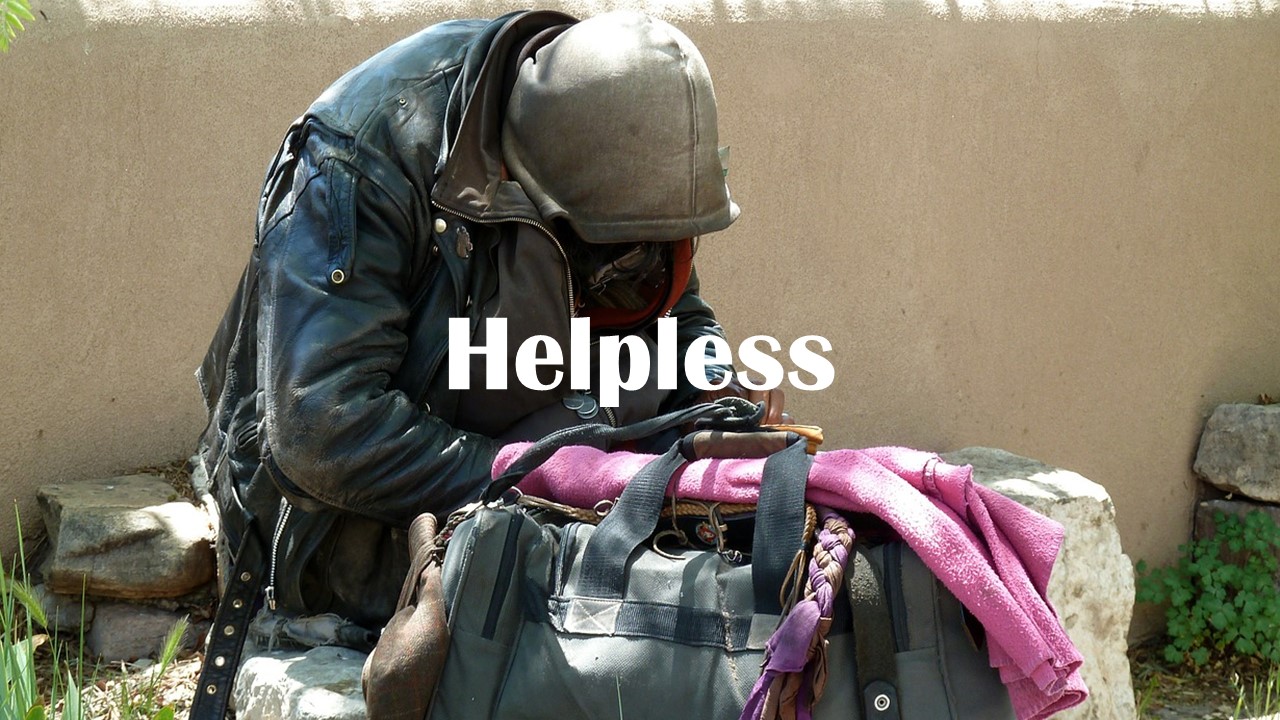
Helpless person

Helpless.
Photo courtesy of Pixabay.com

What do you do when they get mad at you for suggesting they get help?

It is not unusual for people with a serious mental illness to refuse treatment. They don’t want to admit they need help, they are embarrassed or they don’t think that anything can help them. Sometimes people don’t want to give up their problems even when others around them see the need for them to change.

People with Bipolar Disorder may be especially resistant to getting treatment. They like the way the mania or hypomania makes them feel. When they slip into depression they may be more receptive but the second the depression lifts and the mania returns they are prone to stop taking their meds. This is very difficult for those around them.

People with a drug or alcohol problem are also resistant to change. They like the mood change their chemical friend creates and are unlikely to think the problem is the drug. They will blame others, make excuses, and offer plenty of reasons why they don’t have a problem. The harder you press them to change the angrier they will get.

Other additions, gambling, sex, and pornography are also more likely to be seen as a problem by those around the addict. So what does the family member do?

Unless the person with the addiction or the mental illness wants to change there is little those around them can do to make them change. The ill person needs to decide that this issue is causing them a problem and for a very long time they will insist that the problem is all those other people around them who don’t understand them.

If the person with the problem does not want help I highly recommend that the family member who wants them to change needs to get counseling for themselves. Continuing to insist that someone change to make you happy make us wonder who the mentally ill person is.  Ask yourself a few questions.

If this person never changes one bit will I be happy in this relationship?

Most people who have a mental illness or an addiction will not change until they find that they can no longer go on acting the way they have been. As long as a family member or friend stays in their life, helping them out and caring for them, they are unlikely to admit they have a problem. If you love them you may have to let them go, only to find when they have lost everything and finally get into recovery they may want to be with someone new who has not been through all the pain with them.

Staying with them means you will need to be prepared for whatever ride you end up taking. They may get arrested, become violent; leave you for their addiction or another person. They may think, at least for a while, that you are the reason they drink, do drugs, or are “stressed out.”

Can I accept that this is just the way things are?

Some family members conclude that they would rather put up with an ill family member and stay in the relationship even if the ill person never goes for treatment. Others will conclude they can’t take living with an alcoholic, drug addict, or bipolar person who is unwilling to get help. The choice is not a black or white one; these life choices are very personal. Just don’t fool yourself into thinking that if you stay around long enough and try hard enough your love will change them.

Consider also how far into this relationship are you?

If you have several children together that is one situation. If you have no children do you want to raise a child or children while the impaired person continues to act this way? Is it fair to put a child through this?

Too many people think they can change the partner, that a child will make the relationship better and that the other person will suddenly snap out of it and assume responsibilities when they have to. Occasionally that happens but not very often.

When the ill person will not come for therapy then the rest of the family needs to come to talk through their options and for help in coping with an ill family member.

Photo credit: Wikipedia

Staying connected with David Joel Miller

Seven David Joel Miller Books are available now!

My newest book is now available. It was my opportunity to try on a new genre. I’ve been working on this book for several years, but now seem like the right time to publish it.

Story Bureau.

Story Bureau is a thrilling Dystopian Post-Apocalyptic adventure in the Surviving the Apocalypse series.

Baldwin struggles to survive life in a post-apocalyptic world where the government controls everything.

As society collapses and his family gets plunged into poverty, Baldwin takes a job in the capital city, working for a government agency called the Story Bureau. He discovers the Story Bureau is not a benign news outlet but a sinister government plot to manipulate society.

Bumps on the Road of Life. Whether you struggle with anxiety, depression, low motivation, or addiction, you can recover. Bumps on the Road of Life is the story of how people get off track and how to get your life out of the ditch.

Dark Family Secrets: Doris wants to get her life back, but small-town prejudice could shatter her dreams.

Casino Robbery Arthur Mitchell escapes the trauma of watching his girlfriend die. But the killers know he’s a witness and want him dead.

Planned Accidents  The second Arthur Mitchell and Plutus mystery.

Letters from the Dead: The third in the Arthur Mitchell mystery series.

What would you do if you found a letter to a detective describing a crime and you knew the writer and detective were dead, and you could be next?

Sasquatch. Three things about us, you should know. One, we have seen the past. Two, we’re trapped there. Three, I don’t know if we’ll ever get back to our own time.

For these and my upcoming books; please visit my Author Page – David Joel Miller

Want the latest blog posts as they publish? Subscribe to this blog.

For videos, see: Counselorssoapbox YouTube Video Channel

Inner adult vs. inner child

By David Joel Miller MS Licensed Therapist & Licensed Counselor.

Sad child

Sad.
Photo courtesy of Pixabay.com

Have your inner people made peace?

Lots of people talk about their need to do “inner child” work. Not many tell me they need to work on their inner adult. You need to get these two parts of you to live in peace. One rule of parenting is that parents need to be parents and children need to be children. Make sure your “inner family” gets its roles straight.

Don’t let your inner child take over running your adult life.

Your inner adult needs to run the adult parts of your life. We all have those childish parts of us. They have their good and their bad. Preserve that childish wonder about life. Children experience everything for the first time. Keep that open spirit. Children can be very creative. They can also be very selfish and hurt.

The inner child may need to cry and grieve over the past. They can stay stuck in the pain and the not wanting things to be the way they are for a long time. That childish part of you wants things to have been different.

The inner adult needs to recognize that now is not then. The past may have made you who you are but you don’t need to continue to live in the past. You need to find ways to stop letting those childhood experiences control your life now when it is the adult in you that needs to take the lead.

The inner child is that unknowing part of us that sees possibilities instead of rules. For a child, the soup dish might also make a good hat. The inner child knows that a box makes a great toy. The inner child can cry for hours over dropping a cookie in the sand.

The inner adult becomes a censor, they know toys are for playing and boxes are containers to put things in. The inner adult may be less creative unless they force themselves to stay open to other possibilities.

The inner adult is the one that picks up the sandy cookie and throws it away. The inner adult is the one that goes and gets another cookie or tells the self that “self you really don’t need another cookie.”

Your inner child does not know how to forgive its self for making mistakes. The inner child can be so afraid of criticism that it punishes itself before an adult can punish it.

Your inner adult will need to tell that inner child that it was OK to make mistakes. Your inner adult is the part that does the forgiving, the letting go, and discovers that you are far more than the sum total of all the errors you have made so far.

The inner adult can have compassion and can care for the whole of you.

One way you know your inner adult is in control is when your behavior begins to become more mature and responsible.

Inner child and inner adult are only two of many possible roles you may enact each and every day. Sometimes you will be a parent or partner. Other times you will be an employee or a boss. None of these roles is the full and total you.

Get all these roles, all these potential inner selves to cooperate and work together on the same team. Just make sure when it is time to be a responsible adult you have the inner adult in control of the actions.

Staying connected with David Joel Miller

Seven David Joel Miller Books are available now!

My newest book is now available. It was my opportunity to try on a new genre. I’ve been working on this book for several years, but now seem like the right time to publish it.

Story Bureau.

Story Bureau is a thrilling Dystopian Post-Apocalyptic adventure in the Surviving the Apocalypse series.

Baldwin struggles to survive life in a post-apocalyptic world where the government controls everything.

As society collapses and his family gets plunged into poverty, Baldwin takes a job in the capital city, working for a government agency called the Story Bureau. He discovers the Story Bureau is not a benign news outlet but a sinister government plot to manipulate society.

Bumps on the Road of Life. Whether you struggle with anxiety, depression, low motivation, or addiction, you can recover. Bumps on the Road of Life is the story of how people get off track and how to get your life out of the ditch.

Dark Family Secrets: Doris wants to get her life back, but small-town prejudice could shatter her dreams.

Casino Robbery Arthur Mitchell escapes the trauma of watching his girlfriend die. But the killers know he’s a witness and want him dead.

Planned Accidents  The second Arthur Mitchell and Plutus mystery.

Letters from the Dead: The third in the Arthur Mitchell mystery series.

What would you do if you found a letter to a detective describing a crime and you knew the writer and detective were dead, and you could be next?

Sasquatch. Three things about us, you should know. One, we have seen the past. Two, we’re trapped there. Three, I don’t know if we’ll ever get back to our own time.

For these and my upcoming books; please visit my Author Page – David Joel Miller

Want the latest blog posts as they publish? Subscribe to this blog.

For videos, see: Counselorssoapbox YouTube Video Channel

Have another helping of stress. Stress can be good for you.

By David Joel Miller, MS, Licensed Therapist & Licensed Counselor.

Stressed out

Stressed.
Photo courtesy of Pixabay.com

You might need more stress in your diet.

Recently one of my esteemed colleagues wrote a post on the need to avoid stress. I am not sure he is right about that. We have been told so often that we need to avoid stress, that a lot of people are avoiding anything that might be stressful and the result is that they are very low in productivity and lower yet in self-esteem.

More stress in your diet just might be what the doctor ordered.

If your doctor tells you that you are now overweight and you need to lose some weight, he does not prescribe reducing the physical stress in your life. He does not tell you to go home, put your feet up, and avoid anything that might put a stress load on your system.

What the doctor does suggest is that your exercise put a manageable level of stress on your muscles. As you become stronger you increase the level of stress you place on your muscles. The key here is not reducing or avoiding stress but learning how to manage your stress so that it is a growth opportunity rather than being at a breaking point level.

Clients have told me that their work “stresses them out.” Their conclusion is that they should avoid working to reduce the stress. What they fail to recognize often, is that not working will result in a substantial reduction in income. Losing your house to foreclosure, being homeless or even the task of living the rest of your life on the small amount of income available to welfare recipients is a lot more stressful than learning to not stress yourself out over your work.

Writers typically get stressed every time they look at a blank page. We call this writer’s block. You don’t overcome that kind of stress by avoiding the stress of writing and giving up on your dream. You reduce the stress by writing, writing anything to fill up that space, and then you edit and revise until hopefully a piece worth reading comes to life.

Most things in our life do not “stress us out” though we would all like to blame our level of negative emotions on some outside force that is producing “stress.” Most of the time we stress ourselves out by ruminating on the thing we would like to avoid until it grows to gigantic proportions. Casey Truffo described this in one of her webinars as “gnawing on the thing that is eating you.”

Should we by some accident find ourselves without stress one morning, why there are plenty of things we could choose to worry about? Start by worrying that you have forgotten to worry about something important. Get really into fear, fear of losing something, fear of not getting what you want. Create so much stress over what might happen that you are unable to do anything.

The stress reaction is our body and our mind’s way of gearing up for a challenging situation. The difficulty here is that so many people can turn up the stress, but don’t know how to turn it back down when the occasion for the stress is over.

Stress hormones are supposed to be temporary events. Some crisis occurs, we need to respond and our body helps out here by pushing out adrenaline and other hormones, we are ready to fight, flee or fight. The problem with humans is that most of us have forgotten how to turn the stress hormones off. Three months later we are still telling anyone who will listen how that incident “stressed us out’ and in the process, we are able to relieve the stress.

Have you ever met someone who was highly productive and seems to thrive on stress? Have you wondered what their secret was?

The thing they have found is how to keep the stress external and maintain their responses internally. They have learned to turn stress to their advantage by using that stress to turn their performance up another notch.

The difference between people who use stress to their advantage and those who are defeated by stress is not in the stress. It is in our attitude to the stress.

The secret is to stop running from the stress monster and to turn towards him and kick his tail.

There are dangers in life that we all should avoid. Most of the things that stress us out every day are not those overwhelming life-threatening kinds of stress. The worst kinds of stress are those times when we upset ourselves over things that are outside our control.

Learn to control your stress, learn mindfulness, breathing control or embrace radical acceptance but don’t try to avoid stress by running from it.

Staying connected with David Joel Miller

Six David Joel Miller Books are available now!

Dark Family Secrets: Some family secrets can be deadly.

What if your family secrets put you in danger?

Letters from the Dead The third in the Arthur Mitchell mystery series.

What would you do if you found a letter to a detective describing a crime and you knew the writer and detective were dead?

Casino Robbery is a novel about a man with PTSD who must cope with his symptoms to solve a mystery and create a new life.

Planned Accidents  The second Arthur Mitchell and Plutus mystery.

Sasquatch. Wandering through a hole in time, they encounter Sasquatch. Can they survive?

Bumps on the Road of Life. Whether you struggle with anxiety, depression, low motivation, or addiction, you can recover. Bumps on the Road of Life is the story of how people get off track and how to get your life out of the ditch.

For these and my upcoming books; please visit my Author Page – David Joel Miller

Books are now available on Amazon.

Want the latest blog posts as they publish? Subscribe to this blog.

For videos see: Counselorssoapbox YouTube Video Channel

Want the latest on news from recoveryland, the field of counseling, my writing projects, speaking, and teaching? Please sign up for my newsletter at – Newsletter. I promise not to share your email or to send you spam, and you can unsubscribe at any time.

For more about David Joel Miller and my work in the areas of mental health, substance abuse, and Co-occurring disorders see my Facebook author’s page, davidjoelmillerwriter.

Where does the Bipolar spectrum begin and end?

By David Joel Miller, MS, Licensed Therapist & Licensed Counselor.

Person with masks

Bipolar.
Photo courtesy of Pixabay.com

Thoughts on Bipolar spectrum.

My understanding of Bipolar Disorders, like many other “mental illnesses” has changed over the time I have been involved with this field. Not all professionals agree on some of these things so it is only fair I tell you some of my biases first.

When I first learned the technical part of diagnosis we had to study the diagnostic manual (the DSM.) The assumption here is that a really good clinician can distinguish between those with a mental illness and those without and further that those with a mental illness are in some specific way different from the normal ones.

Neither of those assumptions is necessarily true.

In school, it was really important to learn to distinguish the niceties of the diagnosis. I spent a lot of time on things like the differences between Schizophreniform disorder, Schizophrenia, and Schizoaffective disorder. This is very important in school and in taking your exams for licensure. In the real world, it is not so important. Both the meds and the talk therapy are likely to be the same for all of these.

Some of our view of the “Bipolar disorder spectrum” is distorted by the need to rule people in or out and to state which things are normal and which are diagnosable. The ruler you use can alter the results. Our venerable rule books on diagnosis in the mental health field fluctuate between the categorical approach, putting people into pre-sized boxes, and the continuum approach where we line them up from well to sick. Here are my beliefs on this.

1. There are NOT two groups, the “normal” and the “mentally ill.”

With some medical disorders, you either have it or don’t. Mental illness is not like that.

We are coming to recognize that there are not two distinct groups, the well and the unwell, but in fact, there is a continuum between being well and unwell. Something bad happens to you, then you should be sad or anxious. All of us have some days we feel better and other days that we feel less well.

Most of the things we count as symptoms are in fact normal human behaviors. It is just that the unwell person has more symptoms or more severe symptoms than the less unwell person. When the symptoms add up to enough to make a diagnosis is largely a judgment call.

People do not move directly from a healthy weight directly to obese. The move comes on slowly one ounce at a time. The same thing happens with mood disorders. It is not just the number of symptoms but also the severity of symptoms that cause a professional to assign a diagnosis. Two different professionals and you may get two different diagnoses even in research studies using “strict diagnostic criteria.”

2. Counting symptoms is not an exact science.

Each mental health disorder has a list of symptoms that are believed to make up the disorder. The client needs to have some number of symptoms to get the disorder. Say a disorder requires the majority of the list of symptoms, 7 of 13 possible symptoms, look at all the ways we could add this up. The mathematicians among us will recognize this as a factorial problem, the number of outcomes of 13 things taken 7 at a time. Email me if you do the math and get a number. Take my word for it the number of combinations is huge.

So as the clinician talks to you he considers, do you have enough characteristics of a symptom to count that one? Then he adds them all up and if you get enough you win the diagnosis.

Lots of judgment calls in this process.

So what about the spectrum of bipolar disorders?

I think this is a long spectrum and a lot of it does not deserve a diagnosis. The most severe cases can and should be diagnosed because if you have that many symptoms you need help.

Are birds Bipolar? Are other animals? I think they are a little. Every spring the days get longer, there is more daylight and they are awake more. They become interested in the opposite sex. Here in the northern hemisphere birds start looking for mates by Valentine’s day in February and by Easter, they have bred, created nests, and are hatching out chicks. People do this same thing.

We humans, tend to fall in love in the spring and marry in the summer. It takes a little longer for the children, but not that much longer.

There is also a seasonal decline in activities for all animals in the winter. Bears eat all they can and then go sleep for the winter. In humans, we call this atypical depression. So some change from active, even hypomanic behavior occurs naturally with the seasons. These mood changes are normal human behavior.

We probably should not give every teenager a Bipolar diagnosis, though most of the time their parents are sure that their preoccupation with sex and their moodiness should qualify.

People who have diagnosable Bipolar disorder do not really have different symptoms. What they have is a difference in the severity of symptoms. They also have different outcomes.

With all spectrum disorders, we should not make our decision based on the presence or absence of symptoms, which alone is not enough. The key factor is what effect do those symptoms have on the person.

If the increased interest in sex during the manic or hypomanic phase damages their relationships, gets them fired for sexual harassment of causes other disruptions in their work and relationships then they get the diagnosis. Also if the symptoms of the mood swings become unmanageable and they upset the person with those symptoms, then they should be treated.

So yes there is a spectrum of Bipolar-like symptoms from almost unnoticeable to debilitating severe. The thing we professionals should be looking at is not our judgment of the severity of the symptoms, but how are these symptoms, these problems in living life, affecting the client.

If the problems interfere with having a happy life then it has become severe enough we need to give it a diagnostic label and begin treatment.

Personally, I think there are a lot of people with less severe mood swings than what would be diagnosed as a Bipolar spectrum disorder that would benefit from some counseling. But as long as they can maintain the choice is up to the client.

Thanks to reader Dr. Charan Singh Jilowa for suggesting this topic. For more on this topic check the list of posts to the right or the post list on Bipolar disorder and mania.

Staying connected with David Joel Miller

Seven David Joel Miller Books are available now!

My newest book is now available. It was my opportunity to try on a new genre. I’ve been working on this book for several years, but now seem like the right time to publish it.

Story Bureau.

Story Bureau is a thrilling Dystopian Post-Apocalyptic adventure in the Surviving the Apocalypse series.

Baldwin struggles to survive life in a post-apocalyptic world where the government controls everything.

As society collapses and his family gets plunged into poverty, Baldwin takes a job in the capital city, working for a government agency called the Story Bureau. He discovers the Story Bureau is not a benign news outlet but a sinister government plot to manipulate society.

Bumps on the Road of Life. Whether you struggle with anxiety, depression, low motivation, or addiction, you can recover. Bumps on the Road of Life is the story of how people get off track and how to get your life out of the ditch.

Dark Family Secrets: Doris wants to get her life back, but small-town prejudice could shatter her dreams.

Casino Robbery Arthur Mitchell escapes the trauma of watching his girlfriend die. But the killers know he’s a witness and want him dead.

Planned Accidents  The second Arthur Mitchell and Plutus mystery.

Letters from the Dead: The third in the Arthur Mitchell mystery series.

What would you do if you found a letter to a detective describing a crime and you knew the writer and detective were dead, and you could be next?

Sasquatch. Three things about us, you should know. One, we have seen the past. Two, we’re trapped there. Three, I don’t know if we’ll ever get back to our own time.

For these and my upcoming books; please visit my Author Page – David Joel Miller

Want the latest blog posts as they publish? Subscribe to this blog.

For videos, see: Counselorssoapbox YouTube Video Channel

How do the mentally ill feel? About feelings.

By David Joel Miller, MS, Licensed Therapist & Licensed Counselor.

Man with feelings

Managing feelings.
Photo courtesy of Pixabay.com

Can you describe how the mentally ill feel?

This question actually comes up, both in-person and as search terms. Despite the difficulty of answering such a general question, I will take a stab at this.

Speaking for any group of people is always problematic. I am an old white guy. So I should be able to tell you how old white guys feel right? Trying to speak for any group is beyond difficult. How old white guys feel would depend on whether that old white guy was a homeless veteran living alone under a bridge or a Wall Street executive who was paid millions for running a company last year that lost billions. I really can’t describe how all old white men might feel about anything.

But I will try to tell you how the mentally ill feel.

It might be easier to describe how the mentally ill do NOT feel, though that begs the question of how they do feel.

The mentally ill don’t feel happy. Occasionally they may feel mania. They may run without stopping and not need to sleep but even then they will probably tell you they are not really happy.

It is hard for positive emotions like happiness, contentment, and peace to co-exist with active symptoms of a mental illness.

One reason I feel so sure that I can describe the way the mentally ill feel is that they are so much like those of us who would like to think we are not suffering from a mental illness – not at this moment anyway.

In the course of any one year, 25 % of Americans will have symptoms of a mental illness so severe they should be diagnosed. Over half of all Americans will have at least one episode of a mental illness during their lifetime. So they will feel a lot like the rest of us – only more so.

The rest of the world has similar prevalences of mental illness. What you call it may vary from place to place. What symptoms people may exhibit may vary from culture to culture, but most any of us can tell when people are not happy and when they are suffering from dis-happiness.

Most people with a mental illness feel flooded, overwhelmed with negative emotions. When they are anxious they feel really, really anxious. When they are sad they are down in the bottom of the hole sad. Their depression does not go away when they watch a sitcom. Their night of dark feelings is really, really black.

It would be reassuring to think that somehow the mentally ill are different from the rest of us. If only they somehow have a different temperament or had done something so wrong they deserved their misery.  But the truth be told, bad things can happen to good people and we all are at risk to have an experience that overwhelms us.

Sure once they develop mental illness they may act differently from the way they did when they were well. They will smoke more and maybe drink and drug more. They may lose the ability to care for themselves or to show up for work.

But tell the truth, if tomorrow you were to lose your job and your home, if your family and friends turned their back on you – wouldn’t you feel depressed, anxious, and like giving up?

So for those of you who wonder how the mentally ill feel, take a look at how you feel when things go wrong, and then you will know how you might feel if one day you woke up and discovered you had contracted a mental illness.

Staying connected with David Joel Miller

Seven David Joel Miller Books are available now!

My newest book is now available. It was my opportunity to try on a new genre. I’ve been working on this book for several years, but now seem like the right time to publish it.

Story Bureau.

Story Bureau is a thrilling Dystopian Post-Apocalyptic adventure in the Surviving the Apocalypse series.

Baldwin struggles to survive life in a post-apocalyptic world where the government controls everything.

As society collapses and his family gets plunged into poverty, Baldwin takes a job in the capital city, working for a government agency called the Story Bureau. He discovers the Story Bureau is not a benign news outlet but a sinister government plot to manipulate society.

Bumps on the Road of Life. Whether you struggle with anxiety, depression, low motivation, or addiction, you can recover. Bumps on the Road of Life is the story of how people get off track and how to get your life out of the ditch.

Dark Family Secrets: Doris wants to get her life back, but small-town prejudice could shatter her dreams.

Casino Robbery Arthur Mitchell escapes the trauma of watching his girlfriend die. But the killers know he’s a witness and want him dead.

Planned Accidents  The second Arthur Mitchell and Plutus mystery.

Letters from the Dead: The third in the Arthur Mitchell mystery series.

What would you do if you found a letter to a detective describing a crime and you knew the writer and detective were dead, and you could be next?

Sasquatch. Three things about us, you should know. One, we have seen the past. Two, we’re trapped there. Three, I don’t know if we’ll ever get back to our own time.

For these and my upcoming books; please visit my Author Page – David Joel Miller

Want the latest blog posts as they publish? Subscribe to this blog.

For videos, see: Counselorssoapbox YouTube Video Channel

How does my therapist know that? Isn’t counseling confidential?

By David Joel Miller, MS, Licensed Therapist & Licensed Counselor.

Is counseling confidential?
Picture courtesy of pixabay.

Did my last therapist tell?

This comes up a lot when people move from provider to provider. It especially happens when you see multiple people in the same agency. No not everything you told your old therapist will be kept secret from your new one. WHY?

Laws about confidentiality make a distinction between “Use” and “Disclosure” of information. If you are in the hospital anyone who is treating you needs to be able to look at your record and see what medications you are on, what procedures you have had, and what allergies you may have. Anyone who treats you in the future at that agency probably has the right to look at your old record and see what was done to you. The same applies to psychotherapy.

Everyone at the hospital does not get to look at anyone’s medical record just because they want to see it. The only reason to access a medical record should be for the purpose of treatment. People have gotten fired for looking up someone’s medical record just because they were curious. Even looking in medical records to see if a famous or infamous person was treated at your hospital can get you fired. But if you are treating a client you may need to know what is in their record.

Psychotherapists do and can share records and that is considered “use” not “disclosure.” Laws about confidentiality primarily relate to disclosure. Some of this has to do with law, for that see a lawyer. As a therapist though, I find this is an important issue to many of my clients and they need to understand how our system works.

It is considered good practice to separate psychotherapy notes from your general medical file. Everyone who treats you in the emergency room for an accident does not need to know about your marital problems.

We also don’t need a list of the names you or your spouse call each other. What the counselor wants to know is that you two are having conflicts and that you resort to name-calling with each other rather than problem-solving. One or two examples will suffice here. Long transcripts of the argument might be interesting in a movie script but they don’t need to be in psychotherapy notes.

Clients sometimes move from therapist to therapist. Sometimes clients want a new counselor, some therapists are known to “fire” clients for a variety of reasons. Ethically we should suggest a change of provider if we feel that we are not able to help a client. If your counselor retires, you may be assigned a new one.

When the client changes therapist, we do not, as a rule, start a new file. Would you want to go through all those tests and lab work every time you saw a different doctor? Same with taking a life history. It should be in your chart. The new provider should review your chart so they should have some knowledge of what your last therapist was treating you for and why.

Charts are needed to provide continuity of care as well as other reasons. Clients have told me they resent that the new therapist knows things they had not told them. They probably read this in the chart though they may have been briefed on the case by the last provider also. If the file moved to a new agency there probably was a release of information but at the same agency, the old paperwork still applies.

Personally, I like to meet the client first and form my own opinion about them, then review the chart. The risk is that the client will have to tell me something they just told the other counselor last week. The benefit is that in telling me again they may say something they did not say last time or I may ask a different question. A fresh set of eyes can sometimes see something new.

More than once after doing a new assessment I looked at the file and can see why the last counselor came up with the diagnosis they did, but having new facts I don’t necessarily agree with that opinion.

So yes, the new therapist may know something you did not tell them. That they were filled in by your previous provider is not a violation of confidentiality. Did you really want to have to retell your whole life history to a new person before getting down to the work of solving life’s problems?

The bigger question is why you would want to hide things from the therapist you are seeing now?  They will have trouble helping you if you don’t tell them what the situation really is.

The most important person for you to trust and get honest with is you. Some clients hide things from their counselor because they don’t want to face the fact that they have a particular problem.

The results of counseling are mostly about the relationship. We try to spend time upfront getting to know clients and building trust. Some clients have more trust issues than others. If you are not sure you trust your therapist, ask them questions. The names of their kids and their spouse are not important but their views on how to raise a child or have a good relationship might matter to you.

You should be able to rely on your provider to maintaining your confidentiality and not disclosing your information to someone who has no reason to know. Don’t expect one doctor or therapist to try to hide your symptoms from another professional who is treating you.

The bottom line? If you want help in recovering from your issues, whatever they are, you need to get honest with yourself and your counselor or find a provider you feel you can trust.

Staying connected with David Joel Miller

Seven David Joel Miller Books are available now!

My newest book is now available. It was my opportunity to try on a new genre. I’ve been working on this book for several years, but now seem like the right time to publish it.

Story Bureau.

Story Bureau is a thrilling Dystopian Post-Apocalyptic adventure in the Surviving the Apocalypse series.

Baldwin struggles to survive life in a post-apocalyptic world where the government controls everything.

As society collapses and his family gets plunged into poverty, Baldwin takes a job in the capital city, working for a government agency called the Story Bureau. He discovers the Story Bureau is not a benign news outlet but a sinister government plot to manipulate society.

Bumps on the Road of Life. Whether you struggle with anxiety, depression, low motivation, or addiction, you can recover. Bumps on the Road of Life is the story of how people get off track and how to get your life out of the ditch.

Dark Family Secrets: Doris wants to get her life back, but small-town prejudice could shatter her dreams.

Casino Robbery Arthur Mitchell escapes the trauma of watching his girlfriend die. But the killers know he’s a witness and want him dead.

Planned Accidents  The second Arthur Mitchell and Plutus mystery.

Letters from the Dead: The third in the Arthur Mitchell mystery series.

What would you do if you found a letter to a detective describing a crime and you knew the writer and detective were dead, and you could be next?

Sasquatch. Three things about us, you should know. One, we have seen the past. Two, we’re trapped there. Three, I don’t know if we’ll ever get back to our own time.

For these and my upcoming books; please visit my Author Page – David Joel Miller

Want the latest blog posts as they publish? Subscribe to this blog.

For videos, see: Counselorssoapbox YouTube Video Channel