
3 ways to Cut Down on Stress

By David Joel Miller, MS, Licensed Therapist & Licensed Counselor.

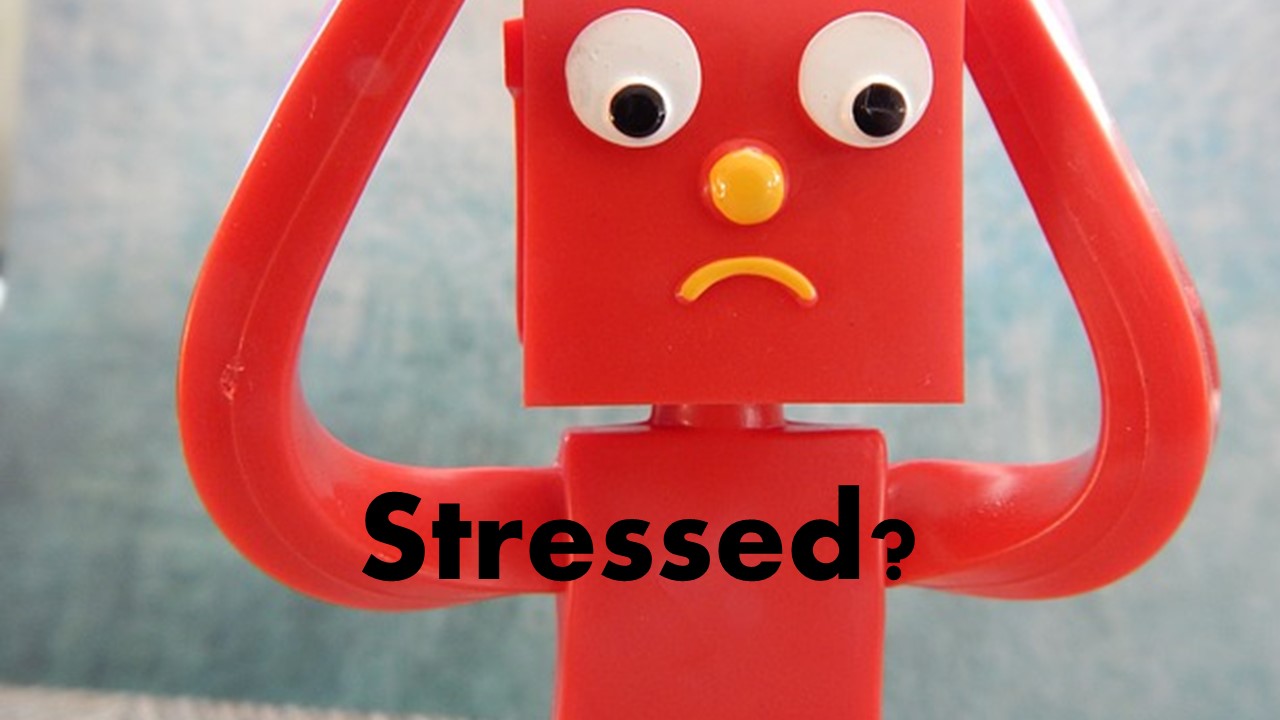
Stressed

Feeling stressed out?
Photo courtesy of Pixabay.com

Trim away the worries and live a healthier life.

Want a reduced stress diet? Try trimming out some of the stress. Just as weight loss programs tell you to trim the fat out of your diet there are three ways to trim excess stress out of your life.

1. Cut off the future

Learn to be mindful and stay in the present. Yes, of course, you should make plans for the future and take the steps needed to get there, but stressing over things that may or may not happen adds a lot of stress to your diet for events you haven’t even tasted yet.

Worrying that you may not get what you want can add a lot of stress to your life today when what you should really be doing is the required work to get where you are going. Stressing over the uncertainty of the future can keep you from enjoying the taste of the present.

2. Cut down on the past

A steady diet of regrets and recriminations about the past can keep you stressed out and unable to live in the present.

The work of grieving over losses and letting go of guilt and shame may require seeing a therapist or counselor. Make the effort to process those old hurts and let them go.

Many of us have resentments towards people who have harmed or wronged us in the past. Holding onto those old wounds keeps us living in the stress of events that have long since ended.

Let the past live in the past and spend your time having the best possible present to enjoy your low-stress diet.

3. Stop trying to eat other people’s dinner – worrying about problems others need to solve

That you care about others is wonderful, but if you are finding your life overrun by stressors then you need to send some of them back where they came from.

You can’t solve problems for others and the more you stress yourself out over their issues the fewer resources you have for your life in the here and now.

If you chose to worry and stress there will always be negative news from around the globe twenty-four-seven. Some people believe that worrying and stressing over what might happen somehow keeps the safe from an unwanted future. It doesn’t work that way.

Prepare for the worst but live in the now. Limit your worrying to the things that you really may be able to influence and practice your acceptance of those things that are out of your control.

Is a reduced stress diet for you?

Try one for a while and see if you are not healthier and happier. If reduced stress does not work for you then you can always go back to worrying about the problems that are out of your control.

Staying connected with David Joel Miller

Seven David Joel Miller Books are available now!

My newest book is now available. It was my opportunity to try on a new genre. I’ve been working on this book for several years, but now seem like the right time to publish it.

Story Bureau.

Story Bureau is a thrilling Dystopian Post-Apocalyptic adventure in the Surviving the Apocalypse series.

Baldwin struggles to survive life in a post-apocalyptic world where the government controls everything.

As society collapses and his family gets plunged into poverty, Baldwin takes a job in the capital city, working for a government agency called the Story Bureau. He discovers the Story Bureau is not a benign news outlet but a sinister government plot to manipulate society.

Bumps on the Road of Life. Whether you struggle with anxiety, depression, low motivation, or addiction, you can recover. Bumps on the Road of Life is the story of how people get off track and how to get your life out of the ditch.

Dark Family Secrets: Doris wants to get her life back, but small-town prejudice could shatter her dreams.

Casino Robbery Arthur Mitchell escapes the trauma of watching his girlfriend die. But the killers know he’s a witness and want him dead.

Planned Accidents  The second Arthur Mitchell and Plutus mystery.

Letters from the Dead: The third in the Arthur Mitchell mystery series.

What would you do if you found a letter to a detective describing a crime and you knew the writer and detective were dead, and you could be next?

Sasquatch. Three things about us, you should know. One, we have seen the past. Two, we’re trapped there. Three, I don’t know if we’ll ever get back to our own time.

For these and my upcoming books; please visit my Author Page – David Joel Miller

Want the latest blog posts as they publish? Subscribe to this blog.

For videos, see: Counselorssoapbox YouTube Video Channel

Are creative people anti-social?

By David Joel Miller, MS, Licensed Therapist & Licensed Counselor.

Original

Creative.
Photo courtesy of Pixabay.com

Are highly creative people, writers, and artists, also anti-social?

Some occupations require lots of time working alone. Artists and writers, in particular, need to spend a lot of time by themselves. Do these occupations attract people who want to avoid people?

Is there a mental health problem or personality type that is over-represented in the creative fields?

From a counselor’s perspective, people who work alone or prefer to spend time by themselves are not anti-social. We reserve the label of anti-social as in Anti-social Personality Disorder for people who have no empathy for others. An anti-social person takes advantage of others because they don’t care. They are the ones who get the label of psychopath or sociopath.

People who prefer to avoid others may have some form of anxiety as in social phobia or they may have an attachment style that results in avoiding others but neither of those personality features involves harming others on purpose.

An avoidantly attached person does not expect others to meet their needs and seeks to get their needs met by solitary activities. A creative person might be avoidant and prefer to avoid all contact with people but that is likely to be rare. To be successful at a creative activity as an occupation they will need to go out and spend time marketing and promoting their efforts. Avoidant people are not likely to be willing to do that and are likely to believe that others will not like them anyway.

Someone with social phobia would like to be around others but because of fear, they are unable to be in situations that trigger their anxiety.

Anti-social personality, avoidant attachments, and high levels of anxiety are not conducive to the risk-taking the artistic person needs to genuinely create something novel.

But an artist and those of an artistic temperament are more likely to have one particular emotional issue. Many artists are moody.

One mental health issue does appear to be correlated with creative temperaments. Kay Redfield Jamison in her book “Touched with Fire” describes the connection between Bipolar disorder and creative endeavors. Those episodes of above-average energy and times when the person is “in the zone” fuel creativity. Uncontrolled these episodes can turn into manic or hypomanic episodes and result in the creative person losing control and engaging in risky dangerous behaviors.

There are plenty of stories of famous artistic and creative people who had periods of high energy sometimes coupled with risky behavior followed by periods of deep depression. The energetic periods may fuel creativity but in the full-on manic episodes, the person is no longer able to stay focused long enough to complete projects.

The artistic fields have had a disproportionate share of individuals with mood swings who became alcoholics, addicted, or suicidal. The really productive artists, in the long run, learn to manage their moods with or without help and they keep their emotions in bounds.

See also posts on Hyperthymic Temperament, Bipolar Disorder, and Mania.

Staying connected with David Joel Miller

Seven David Joel Miller Books are available now!

My newest book is now available. It was my opportunity to try on a new genre. I’ve been working on this book for several years, but now seem like the right time to publish it.

Story Bureau.

Story Bureau is a thrilling Dystopian Post-Apocalyptic adventure in the Surviving the Apocalypse series.

Baldwin struggles to survive life in a post-apocalyptic world where the government controls everything.

As society collapses and his family gets plunged into poverty, Baldwin takes a job in the capital city, working for a government agency called the Story Bureau. He discovers the Story Bureau is not a benign news outlet but a sinister government plot to manipulate society.

Bumps on the Road of Life. Whether you struggle with anxiety, depression, low motivation, or addiction, you can recover. Bumps on the Road of Life is the story of how people get off track and how to get your life out of the ditch.

Dark Family Secrets: Doris wants to get her life back, but small-town prejudice could shatter her dreams.

Casino Robbery Arthur Mitchell escapes the trauma of watching his girlfriend die. But the killers know he’s a witness and want him dead.

Planned Accidents  The second Arthur Mitchell and Plutus mystery.

Letters from the Dead: The third in the Arthur Mitchell mystery series.

What would you do if you found a letter to a detective describing a crime and you knew the writer and detective were dead, and you could be next?

Sasquatch. Three things about us, you should know. One, we have seen the past. Two, we’re trapped there. Three, I don’t know if we’ll ever get back to our own time.

For these and my upcoming books; please visit my Author Page – David Joel Miller

Want the latest blog posts as they publish? Subscribe to this blog.

For videos, see: Counselorssoapbox YouTube Video Channel

Bipolar Disorder or Borderline Personality Disorder?

By David Joel Miller, MS, Licensed Therapist & Licensed Counselor.

personality disorder

Bipolar or borderline personality disorder?
Photo courtesy of Pixabay.com

Bipolar Disorder or Borderline?

There are several differences between these two disorders. But it is important to remember that it is possible for someone to have both problems which greatly confuses the issue.

The largest differences between the two are sleep and time. Ego strength and character structure also play roles in this choice of diagnoses. I have exaggerated the differences to make the distinction clearer.

Sleep matters.

To be Bipolar you must have had a Manic or Hypomanic episode. The key characteristic of those episodes is long periods (time) of above-average energy and decreased need for sleep.

In hypomania, the person may be able to get by on a few hours of sleep, 3 or 4, and they feel fine. In full-out mania, they may even go all night without sleeping and still be just fine. At least they think they are fine. Others around them may notice they are irritable from lack of sleep but they think they are just fine.

Also in Bipolar when they are up they feel great, expansive. The same person may have episodes of depression and during those times they may sleep too much or too little but the telling point is that in the up times they will tell you they are on top of the world, full of energy, and can just do so much without needing to sleep like lesser people.

With those Bipolar manic episodes comes tons of energy. They like to go up in the attic and swing from the rafters. They might work all day then go to the casino and gamble all night only to go back to work the next day like nothing has happened.

Time.

People with Borderline have many moods within a day. The can be “touchy” easily set off and others may hurt their feeling without meaning too or even knowing why. People with Borderline Personality disorder are full of pain and rarely have a good day. They can be so bruised that a look or word can hurt them.

People with Bipolar have longer periods of up or manic feelings. When times are good for them they are really good. They may go weeks, months, or even years when they are on top of the world. But eventually, the crash comes and there will be long periods of time when they are depressed, possibly unable to get out of bed. Recurring episodes of depression is a common feature of Bipolar Disorder.

Ego strength.

Borderline Personality Disorder is pain based. Many borderlines were abused, neglected or deserted. They are needy in relationships but always distrustful that the person they are with will leave them.  Borderline may threaten to kill themselves if you leave them.

Bipolar people mostly don’t care what you think of them, at least not when they are manic. They know they are smarter than Einstein and better looking. They believe they can work miracles. This overvaluation of themselves and their abilities gets them in trouble a lot. The take excessive risks not because they want to hurt themselves like the borderline but because they really believe they will win.

Borderlines are anxious, Bipolar people could care less. Let this one leave and they will find another.

Sex.

People with Bipolar Disorder are often hypersexual. They can’t seem to get enough. This will lead to sexual indiscretions that ruin their established relationships. When manic they just can’t seem to stop themselves. When you’re manic the whole world looks good.

Borderlines are rarely secure in a relationship, fearful that if this partner leaves them, that confirms their fear, they don’t deserve a partner. They will stick with a partner, often an unworthy one, because they fear that if they were to break up they just could not take it.

Who loves their disease?

Someone with Bipolar disorder resembles a Vegas Gambler when they are on a winning streak they want to ride it forever. When the crash they hate themselves and can’t face the wreckage they have created. Bipolar people like being manic. They frequently quit taking their meds just so they can feel manic again. Mania is seductive like a new lover, but one who keeps treating you wrong. Still, you want to recapture that allure.

Borderlines are more like characters from a soap opera, bad stuff keeps happening to them and they wish the pain would end. They live in a world of pain and hurt. They wish they could find a way to get things to change. They are often angry and feel others don’t treat them right. Frequently they are correct. They have been mistreated by someone somewhere and they keep trying to find a way to make it right, to make the pain go away.

Do they ever not have symptoms? – Character structure.

Someone who has Bipolar disorder has a “Mood disorder.” They have specific times (Periods) when they have mania or Depression but at other times they have no mood symptoms. These times of apparent “normal” behavior may last for months or years and then something kicks off another episode of mania or depression.

Someone with Borderline Personality Disorder has a “Personality Disorder.” The presumption here is that they learned to be this way and are like this most of the time. They learned to protect themselves, store their anger, and release it in bursts and other survival techniques. The trouble is that the way they handle emotion makes them and those around them miserable.

The younger you were when you learned basic ways of being with others the harder it is to change. Most people with Borderline Personality Disorder continue to have some symptoms even after treatment, though with good care they can and do get much better.

Please check out my other posts on Bipolar disorder and Borderline personality disorder the list of categories is to the right.

Staying connected with David Joel Miller

Seven David Joel Miller Books are available now!

My newest book is now available. It was my opportunity to try on a new genre. I’ve been working on this book for several years, but now seem like the right time to publish it.

Story Bureau.

Story Bureau is a thrilling Dystopian Post-Apocalyptic adventure in the Surviving the Apocalypse series.

Baldwin struggles to survive life in a post-apocalyptic world where the government controls everything.

As society collapses and his family gets plunged into poverty, Baldwin takes a job in the capital city, working for a government agency called the Story Bureau. He discovers the Story Bureau is not a benign news outlet but a sinister government plot to manipulate society.

Bumps on the Road of Life. Whether you struggle with anxiety, depression, low motivation, or addiction, you can recover. Bumps on the Road of Life is the story of how people get off track and how to get your life out of the ditch.

Dark Family Secrets: Doris wants to get her life back, but small-town prejudice could shatter her dreams.

Casino Robbery Arthur Mitchell escapes the trauma of watching his girlfriend die. But the killers know he’s a witness and want him dead.

Planned Accidents  The second Arthur Mitchell and Plutus mystery.

Letters from the Dead: The third in the Arthur Mitchell mystery series.

What would you do if you found a letter to a detective describing a crime and you knew the writer and detective were dead, and you could be next?

Sasquatch. Three things about us, you should know. One, we have seen the past. Two, we’re trapped there. Three, I don’t know if we’ll ever get back to our own time.

For these and my upcoming books; please visit my Author Page – David Joel Miller

Want the latest blog posts as they publish? Subscribe to this blog.

For videos, see: Counselorssoapbox YouTube Video Channel
What are Minor Depressive Disorder and Depressive Disorder NEC?

By David Joel Miller, MS, Licensed Therapist & Licensed Counselor.

Depressed person

Depression.
Photo courtesy of Pixabay.com

UPDATE – changes in the DSM.

You can erase most of this post from your memory. During the process of updating the Diagnostic and Statistical Manual of Mental Disorders (DSM) from the DSM-IV to the DSM-5 a lot of things were proposed. Some of those suggested changes were instituted and others were left out. This post includes mostly ideas that did not make it to the final DSM-5. Because these ideas were included in a lot of research articles and other blog posts I have left the post up, but need to tell you that this information is now out of date.

Minor Depressive Disorder is out.

It did not even make the maybe section of disorders needing more study that is in the back of the DSM.

NEC or Not Elsewhere Classified is one of those left out ideas.

It was discussed as an improvement over the old Not Otherwise Specified (NOS.) A lot of people were receiving a NOS diagnosis rather than a more precise or accurate diagnosis. In retrospect, I can see how NEC like NOS could have turned into another Fuzzy catchall diagnosis.

The final decision was for the DSM-5 to have two miscellaneous designations for things that do not fit nicely into a particular category. These two new designations are; Other Specified and Other Unspecified.  When those two specifiers get used will need a whole other post but for now, just know that:

NOS is out

NEC is not in and does not replace NOS

 Here is the old post:

The new sort-of depressive disorders

Minor Depressive Disorder is another one of those disorders that were proposed as somehow different from other depressive disorders. It was proposed in the DSM-4-TR as a condition needing further study.

The reason some researchers suggested this one is that the diagnoses in the DSM are yes or no things. You either meet criteria or you don’t, give or take some judgment calls we could describe as “clinical judgment.”

People do not come with discrete specific mental illnesses very often. They have problems and suffering and want help. To get that help we need to give them a “diagnosis.” The labels do not always fit well.

Minor Depressive Disorder was hard to tell from the other Depressive Disorders and does not seem to have made the cut for the DSM-5. (I am reading the on-line version; the paper version will not be out until next year.)

What we will have is a new group of Depressive Disorders Not Elsewhere Classified (NEC.) Here is my quickie version of the new categories. For the full version check the APA website for the DSM-5 or wait for the Book or the Movie version.

Recurrent Brief Depression

Every month for a year they have 2-13 days of depressive symptoms. This comes with a list of reasons to not give this one or other diagnosis that it might be.

Mixed Subsyndromal Anxiety and Depression

Lots of people who are anxious get depressed and people who get depressed can become anxious. This happens so often that a new Mixed Anxiety and Depression diagnosis was proposed. That one did not make the cut. So for full-on Depression and full Anxiety looks like we will continue to use both diagnoses. It will be interesting to read the full text on this one when the DSM-5 comes out. Somehow this Subsyndromal mix got its own label.

Short duration (4-13 days) Depressive Episode

So if your brief depression does not recur every month you can still get a depressive diagnosis. This one concerns me and I will need to learn more. It seems to open the door for anyone who has ever had a “blue week” to now get a diagnosis of a mental illness. Wonder if this will get used a lot or very little?

Subthreshold Depressive Episode with insufficient symptoms

With only a few exclusions everyone now gets to be depressed.

Uncertain Depressive Disorder

This works for anyone else that would like a depression diagnosis but has not yet gotten one.

The conclusion

In my estimation, there will be a lot more people who can qualify for a depressive disorder diagnosis under the new system. I will need to study this one some more before we implement the new DSM-5. This may mean that a lot of people who need help but used to get turned away because they did not meet the criteria for a diagnosis will get help. Or it could mean that everyone will get one of the depressive diagnoses and that a Depressive Disorder Diagnosis will stop meaning anything. Only time will tell.

Staying connected with David Joel Miller

Seven David Joel Miller Books are available now!

My newest book is now available. It was my opportunity to try on a new genre. I’ve been working on this book for several years, but now seem like the right time to publish it.

Story Bureau.

Story Bureau is a thrilling Dystopian Post-Apocalyptic adventure in the Surviving the Apocalypse series.

Baldwin struggles to survive life in a post-apocalyptic world where the government controls everything.

As society collapses and his family gets plunged into poverty, Baldwin takes a job in the capital city, working for a government agency called the Story Bureau. He discovers the Story Bureau is not a benign news outlet but a sinister government plot to manipulate society.

Bumps on the Road of Life. Whether you struggle with anxiety, depression, low motivation, or addiction, you can recover. Bumps on the Road of Life is the story of how people get off track and how to get your life out of the ditch.

Dark Family Secrets: Doris wants to get her life back, but small-town prejudice could shatter her dreams.

Casino Robbery Arthur Mitchell escapes the trauma of watching his girlfriend die. But the killers know he’s a witness and want him dead.

Planned Accidents  The second Arthur Mitchell and Plutus mystery.

Letters from the Dead: The third in the Arthur Mitchell mystery series.

What would you do if you found a letter to a detective describing a crime and you knew the writer and detective were dead, and you could be next?

Sasquatch. Three things about us, you should know. One, we have seen the past. Two, we’re trapped there. Three, I don’t know if we’ll ever get back to our own time.

For these and my upcoming books; please visit my Author Page – David Joel Miller

Want the latest blog posts as they publish? Subscribe to this blog.

For videos, see: Counselorssoapbox YouTube Video Channel

Does Depression go away suddenly if you have Bipolar Disorder?

By David Joel Miller, MS, Licensed Therapist & Licensed Counselor.

Person with masks

Bipolar.
Photo courtesy of Pixabay.com

Can people with Bipolar Disorder have a sudden remission of their depression?

Morning Question #23

YES, YES, and More YES. It is common for people with Bipolar Disorder to rebound suddenly from a depressive episode. Taking antidepressants can cause that. So can a lack of sleep. Most likely these sudden recoveries for depression will not take you to “normal” whatever that is. They propel the bipolar person into Mania or at least Hypomania. I suspect that lots of other things can cause that leap from depression.

For more on Bipolar Cyclothymia, Mania or Hyperthymic personality see the categories to the right or check out the blog post – List of Bipolar related posts.  

Staying connected with David Joel Miller

Seven David Joel Miller Books are available now!

My newest book is now available. It was my opportunity to try on a new genre. I’ve been working on this book for several years, but now seem like the right time to publish it.

Story Bureau.

Story Bureau is a thrilling Dystopian Post-Apocalyptic adventure in the Surviving the Apocalypse series.

Baldwin struggles to survive life in a post-apocalyptic world where the government controls everything.

As society collapses and his family gets plunged into poverty, Baldwin takes a job in the capital city, working for a government agency called the Story Bureau. He discovers the Story Bureau is not a benign news outlet but a sinister government plot to manipulate society.

Bumps on the Road of Life. Whether you struggle with anxiety, depression, low motivation, or addiction, you can recover. Bumps on the Road of Life is the story of how people get off track and how to get your life out of the ditch.

Dark Family Secrets: Doris wants to get her life back, but small-town prejudice could shatter her dreams.

Casino Robbery Arthur Mitchell escapes the trauma of watching his girlfriend die. But the killers know he’s a witness and want him dead.

Planned Accidents  The second Arthur Mitchell and Plutus mystery.

Letters from the Dead: The third in the Arthur Mitchell mystery series.

What would you do if you found a letter to a detective describing a crime and you knew the writer and detective were dead, and you could be next?

Sasquatch. Three things about us, you should know. One, we have seen the past. Two, we’re trapped there. Three, I don’t know if we’ll ever get back to our own time.

For these and my upcoming books; please visit my Author Page – David Joel Miller

Want the latest blog posts as they publish? Subscribe to this blog.

For videos, see: Counselorssoapbox YouTube Video Channel

What is Cyclothymia?

By David Joel Miller, MS, Licensed Therapist & Licensed Counselor.

Person with masks

Bipolar.
Photo courtesy of Pixabay.com

Cyclothymia, Bipolar, and Substance Abuse.

Cyclothymia is generally seen as a milder, subclinical form of Bipolar disorder. If it is the milder form we would expect to see a lot more Cyclothymia than Bipolar disorder. We don’t. So why and what is Cyclothymia?

A person with Cyclothymia is considered to be “temperamental, moody, unpredictable inconsistent and unreliable” (DSM-4-TR.) Cyclothymia seems to also be related to or overlaps Borderline personality disorder. Genetic risk factors, as well as environment and learning, may all play a role in creating Cyclothymia.

Cyclothymia, per the DSM, is a disorder characterized by chronic mood swings that do not meet the criteria for Bipolar disorder. Most mental illnesses require that the person, in order to get the disorder must experience a specific number of symptoms from a list of symptoms.

To be Bipolar I disorder you must have had a manic episode. For Bipolar Two, there must be a hypomanic (near manic) episode. That means that the person in addition to having an episode of elevated mood for at least 4 days must also have 4 of 7 listed symptoms. What if they only have three symptoms or if they have five “almost” symptoms. The way we count symptoms and who does the counting makes a lot of difference.

Cyclothymia waves the 4-day rule but requires that the mood swings go on over at least two years. (We make that one year in children.)  So for over two years, the person needs to keep having episodes of depression and episodes of almost hypomania but never reaching the full criteria for depressive or hypomanic episodes.

My experience says that no diagnosis, no treatment, unless you have the money to pay and the motivation to push, like having an overly moody child. So rather than wait the whole year for a child or two years for an adult before treatment is begun, people with these almost hypomanic therefore almost Bipolar diagnoses end up with the label Bipolar NOS or Mood Disorder NOS.

The statistics seem to bear that out. Estimates of the prevalence of Cyclothymia run from 4 to 6 people per 10,000. Bipolar One and Two are in the range of 50 to 150 people per 10,000. Meaning that Cyclothymia despite being thought of as mild Bipolar is much rarer. Mostly Cyclothymia gets diagnosed in people who have suffered for a long time – the full two years before something happened that sent them to treatment.

The criteria say someone with Cyclothymia should be experiencing “almost” depression, mania, or hypomania most of the time over those two years. Those episodes should all be just short of the Bipolar or Major Depressive disorder diagnosis but should cause a lot of distress. There also cannot ever be two months when you don’t have mood swings or we don’t think you meet the criteria for Cyclothymia.

To be Cyclothymia you should never have had any psychosis, which includes both hallucinations and severe delusional symptoms. And these symptoms can’t be the result of a medical condition.

Medications and Drugs can cause this.

It is not just street drugs but medications, prescribed and over the counter medications, that can cause Hypomania. Failure to sleep has been reported to cause hypomania and some overlooked products can cause the lack of sleep that induces mania.

Stimulants can interfere with sleep and that includes most of the medications for ADHD. But there is a bigger worry in children.

I feel certain I have seen sleep disruptions and resulting mood disturbances in kids who take in excessive caffeine. Energy drinks are a problem in teens but the little ones, the preschoolers and the early-grade student are also at risk.

Most sodas contain not just obesity causing sugar but massive amounts (relative to body weight) of caffeine. That huge amount of caffeine per pound of bodyweight causes sleep disruption and sleep disturbances which may be causing mood swings and even inducing Bipolar disorder.

The DSM-5 will tighten up the exclusion for any Drug or medication-induced hypomania.

Environmental and learned factors

Some of these symptoms, the swings between depression and hypomania look a lot like what we see in children from abusive, neglectful, or deprived backgrounds. Adult children of Alcoholics report that one time they would do something and be praised or rewarded for a behavior, the next time they might get hit.

An inconsistent environment would encourage you to be depressed and anxious at times and when it was safe to possibly go overboard at seeking pleasure. So being sort of hypomanic could be adaptive in a dysfunctional environment.

Cognitive Behavioral therapy has been reported as effective in treating people diagnosed with Cyclothymia. This suggests to me that some of these symptoms are learned and that there are core beliefs or schemas supporting this fluctuating mood way-of-being.

There are a host of other factors that influence the expression of Cyclothymia. Sleep changes can trigger changes in mood but so can changes in eating. Social support systems and the level of stress all contribute to mood swings.

Studies of Cyclothymia have the same defects as studies of other mood and anxiety disorders. People who act out and get arrested don’t get included in studies. Neither do people with drug or alcohol problems or those who are suicidal. Psychosis and delusions also get you kicked out of research. So those most likely to really be impaired by Cyclothymia are most likely to be excluded.

Information on Bipolar, Hyperthymia, Cyclothymia, Depression, and Other Mood disorders is scattered through this blog and I will continue to add to those posts. Check the categories list to the right. To make Bipolar Family posts easier to find there soon will be a separate post devoted to links on this blog and other places on the subjects of mood disorders.

Staying connected with David Joel Miller

Seven David Joel Miller Books are available now!

My newest book is now available. It was my opportunity to try on a new genre. I’ve been working on this book for several years, but now seem like the right time to publish it.

Story Bureau.

Story Bureau is a thrilling Dystopian Post-Apocalyptic adventure in the Surviving the Apocalypse series.

Baldwin struggles to survive life in a post-apocalyptic world where the government controls everything.

As society collapses and his family gets plunged into poverty, Baldwin takes a job in the capital city, working for a government agency called the Story Bureau. He discovers the Story Bureau is not a benign news outlet but a sinister government plot to manipulate society.

Bumps on the Road of Life. Whether you struggle with anxiety, depression, low motivation, or addiction, you can recover. Bumps on the Road of Life is the story of how people get off track and how to get your life out of the ditch.

Dark Family Secrets: Doris wants to get her life back, but small-town prejudice could shatter her dreams.

Casino Robbery Arthur Mitchell escapes the trauma of watching his girlfriend die. But the killers know he’s a witness and want him dead.

Planned Accidents  The second Arthur Mitchell and Plutus mystery.

Letters from the Dead: The third in the Arthur Mitchell mystery series.

What would you do if you found a letter to a detective describing a crime and you knew the writer and detective were dead, and you could be next?

Sasquatch. Three things about us, you should know. One, we have seen the past. Two, we’re trapped there. Three, I don’t know if we’ll ever get back to our own time.

For these and my upcoming books; please visit my Author Page – David Joel Miller

Want the latest blog posts as they publish? Subscribe to this blog.

For videos, see: Counselorssoapbox YouTube Video Channel

Bipolar, Mania, Cyclothymic and Hyperthymic Posts

By David Joel Miller, MS, Licensed Therapist & Licensed Counselor.

Person with masks

Bipolar.
Photo courtesy of Pixabay.com

Bipolar, Mania, Cyclothymic, and Hyperthymic Posts.

Here is the most recently updated list of posts and links on Bipolar Disorders and related conditions.

1. What is Mania?

2. Do medications or drugs cause mania or Bipolar disorder?

 3. What is Mania or a Manic Episode?

4. You Know You’re Manic When

5. Lady Diana, Bipolar, and Borderline Personality Disorder

6. Is everyone Bipolar?

7. Does an adjustment disorder produce depression & mania?

8. Tests for mental illness

9. Hyperthymia, Hyperthymic Personality Disorder and  Bipolar Disorder

10. Bipolar Disorder, Alcoholism, and Addiction 

11. Scared or Excited?

12. More depression these days?

13. Bipolar or Major Depression?

14. Bipolar – misdiagnosed or missing diagnosis?

15. Am I Bipolar?

16. Bipolar doesn’t mean moody

17. What is Cyclothymia?

Staying connected with David Joel Miller

Seven David Joel Miller Books are available now!

My newest book is now available. It was my opportunity to try on a new genre. I’ve been working on this book for several years, but now seem like the right time to publish it.

Story Bureau.

Story Bureau is a thrilling Dystopian Post-Apocalyptic adventure in the Surviving the Apocalypse series.

Baldwin struggles to survive life in a post-apocalyptic world where the government controls everything.

As society collapses and his family gets plunged into poverty, Baldwin takes a job in the capital city, working for a government agency called the Story Bureau. He discovers the Story Bureau is not a benign news outlet but a sinister government plot to manipulate society.

Bumps on the Road of Life. Whether you struggle with anxiety, depression, low motivation, or addiction, you can recover. Bumps on the Road of Life is the story of how people get off track and how to get your life out of the ditch.

Dark Family Secrets: Doris wants to get her life back, but small-town prejudice could shatter her dreams.

Casino Robbery Arthur Mitchell escapes the trauma of watching his girlfriend die. But the killers know he’s a witness and want him dead.

Planned Accidents  The second Arthur Mitchell and Plutus mystery.

Letters from the Dead: The third in the Arthur Mitchell mystery series.

What would you do if you found a letter to a detective describing a crime and you knew the writer and detective were dead, and you could be next?

Sasquatch. Three things about us, you should know. One, we have seen the past. Two, we’re trapped there. Three, I don’t know if we’ll ever get back to our own time.

For these and my upcoming books; please visit my Author Page – David Joel Miller

Want the latest blog posts as they publish? Subscribe to this blog.

For videos, see: Counselorssoapbox YouTube Video Channel

Mentally Ill Die Younger?

By David Joel Miller, MS, Licensed Therapist & Licensed Counselor.

Could you be mentally ill?

What Causes Mental Illness?

Do the Mentally ill have shorter life spans?

– Morning Question #22 –

Yes. Lots of disadvantages come with having a mental illness.

You are more likely to be a victim of crime. In fact, a mentally ill person is far more likely to be a victim than a perpetrator of a crime.

You have a larger chance of developing other physical illnesses. Some of these, like weight gain and obesity, can be the result of medications that the mentally ill need to take.

They are more likely to be unemployed, not have or lose medical care, become homeless, and all sorts of other life problems.

They are more likely to divorce or have children with partners who are no longer around and they are at extra risk to have families that cut them off and want nothing to do with them.

You are more likely to die young after a life full of illness.

No, the pity they may get does not compensate for the loneliness and hardship. Most clients I know would gladly give up the handful of dollars they get every month for being mentally ill and disabled if only they could be “normal” and work again.

Those who do recover and work again don’t always talk about their struggles because of the stigma.

Staying connected with David Joel Miller

Seven David Joel Miller Books are available now!

My newest book is now available. It was my opportunity to try on a new genre. I’ve been working on this book for several years, but now seem like the right time to publish it.

Story Bureau.

Story Bureau is a thrilling Dystopian Post-Apocalyptic adventure in the Surviving the Apocalypse series.

Baldwin struggles to survive life in a post-apocalyptic world where the government controls everything.

As society collapses and his family gets plunged into poverty, Baldwin takes a job in the capital city, working for a government agency called the Story Bureau. He discovers the Story Bureau is not a benign news outlet but a sinister government plot to manipulate society.

Bumps on the Road of Life. Whether you struggle with anxiety, depression, low motivation, or addiction, you can recover. Bumps on the Road of Life is the story of how people get off track and how to get your life out of the ditch.

Dark Family Secrets: Doris wants to get her life back, but small-town prejudice could shatter her dreams.

Casino Robbery Arthur Mitchell escapes the trauma of watching his girlfriend die. But the killers know he’s a witness and want him dead.

Planned Accidents  The second Arthur Mitchell and Plutus mystery.

Letters from the Dead: The third in the Arthur Mitchell mystery series.

What would you do if you found a letter to a detective describing a crime and you knew the writer and detective were dead, and you could be next?

Sasquatch. Three things about us, you should know. One, we have seen the past. Two, we’re trapped there. Three, I don’t know if we’ll ever get back to our own time.

For these and my upcoming books; please visit my Author Page – David Joel Miller

Want the latest blog posts as they publish? Subscribe to this blog.

For videos, see: Counselorssoapbox YouTube Video Channel

ADHD epidemic rages out of control – News Update

By David Joel Miller, MS, Licensed Therapist & Licensed Counselor.

ADHD?
Photo courtesy of Pixabay.com

Almost all U. S. children infected with Attention Deficit Hyperactivity Disorder.

In my morning news was the startling report that Attention Deficit Hyperactivity Disorder is spreading among America’s children (AHRQ, September 2012.) It now appears likely that all U. S. Children will not be able to pay attention sufficiently to grow into mature adults.

In a short ten-year period (2000 to 2010) the number of ADHD-related visits to doctors’ offices increased by a whopping 68%. During the much longer decade of the 1960s, most doctor’s office visits centered on getting children off drugs.

If I read those news statistics right, in just four of those recent years (2003-2007) 5.4 million children caught a case of ADHD.

So far this epidemic has been confined to the United States. The United Kingdom and northern Europe have not yet seen a flood of ADHD cases, but given the prevalence of internet viruses, the impact of this epidemic may soon be felt worldwide.

This problem has become so severe that two and three-year-old’s are now being brought in for diagnosis and medication to improve their attention. The fear has become that some children may forget how to grow older if they do not get medications.

The magnitude of this crisis has required that an army of child psychiatrists be redeployed from less serious issues like schizophrenia and suicidal depression to facing the onslaught of pediatric ADHD.

The news release on this topic reports that the huge increase in public education of ADHD may have led parents, children, and providers to identify conditions that previously would have been dismissed as behavioral and conduct disorders to now be attributed to ADHD.

Over this time period while we have been spending an increasing share of our resources on fighting a war on stimulant abuse in adults, from 87% to 98% of children identified with ADHD have been prescribed amphetamine-like stimulant ADHD medication. If amphetamines have been so effective in improving attention and behavior in children it is hard to understand why the widespread use of Methamphetamines has not eliminated the occurrence of adult crime.

In fairness to the manufacturers of stimulant ADHD medications, the evidence does not indicate that childhood use of stimulant ADHD medications increases adult drug abuse.

This huge rise in the number of American Children leads me to several possible Hypotheses.

1. All children have ADHD and should receive a prescription for medication at the time of birth.

OR

2. Children are inherently young and immature and no amount of effort on our part will get children to act like responsible adults until they have in fact grown old enough to legally be adults.

In support of hypothesis two I note that in countries where children start school at older ages, they have significantly less ADHD. Also, children, who receive more exercise and are allowed to waste time at recess on physical activity, are better able to sit quietly in class. Classrooms that eliminate recess to increases classroom time and test scores are those that have higher rates of ADHD.

All that said, with tongue protruding from my cheek, I do believe there legitimately are cases of ADHD, and those with ADHD are vastly helped by medication. My concern continues to be that we are trying to medicate our way out of family, societal, and economic problems, lack of quality education, and efforts to raise test schools by excessive expectations of very young children rather than more educational opportunity as the school experience progresses.

Staying connected with David Joel Miller

Seven David Joel Miller Books are available now!

My newest book is now available. It was my opportunity to try on a new genre. I’ve been working on this book for several years, but now seem like the right time to publish it.

Story Bureau.

Story Bureau is a thrilling Dystopian Post-Apocalyptic adventure in the Surviving the Apocalypse series.

Baldwin struggles to survive life in a post-apocalyptic world where the government controls everything.

As society collapses and his family gets plunged into poverty, Baldwin takes a job in the capital city, working for a government agency called the Story Bureau. He discovers the Story Bureau is not a benign news outlet but a sinister government plot to manipulate society.

Bumps on the Road of Life. Whether you struggle with anxiety, depression, low motivation, or addiction, you can recover. Bumps on the Road of Life is the story of how people get off track and how to get your life out of the ditch.

Dark Family Secrets: Doris wants to get her life back, but small-town prejudice could shatter her dreams.

Casino Robbery Arthur Mitchell escapes the trauma of watching his girlfriend die. But the killers know he’s a witness and want him dead.

Planned Accidents  The second Arthur Mitchell and Plutus mystery.

Letters from the Dead: The third in the Arthur Mitchell mystery series.

What would you do if you found a letter to a detective describing a crime and you knew the writer and detective were dead, and you could be next?

Sasquatch. Three things about us, you should know. One, we have seen the past. Two, we’re trapped there. Three, I don’t know if we’ll ever get back to our own time.

For these and my upcoming books; please visit my Author Page – David Joel Miller

Want the latest blog posts as they publish? Subscribe to this blog.

For videos, see: Counselorssoapbox YouTube Video Channel

Mania in children?

By David Joel Miller, MS, Licensed Therapist & Licensed Counselor.

Person with masks

Bipolar.
Photo courtesy of Pixabay.com

Do children really have mania?

Parents bring children into the emergency rooms and the psychiatric facilities because their child “flips out” and begins damaging property. Say the child begins breaking out all the windows in a row of buildings. They are angry and out of control. Efforts to get them to stop are unsuccessful and they may continue even when threatened with violence. Is this an early sign that the child has Bipolar disorder?

Diagnosing Bipolar Disorder in children is highly controversial. To make that diagnosis we need to know if children really have episodes of mania or hypomania. No mania and there should be no Bipolar Diagnosis. Anger and mania are related; they may overlap but are they part of the same thing? The researchers in this area are clearly not in agreement. I will save my opinion for the end.

Children have temper outbursts. If we reduce the level of symptoms needed to include those outbursts as a mental illness all children would get the label and the diagnoses would become meaningless.

To be considered Mania it should last 7 days, for Hypomania an episode needs to last for at least four days. This rules out all those brief temper outbursts from consideration.  It also excludes those times when any and all of us might have a time period of excitement when we sleep less or are excited to pursue a new activity, like a new love interest.

Recently there has been an increase in the use of the Bipolar NOS diagnoses in children because this allows for some judgment calls as to the length of the episode needed to make the diagnosis. One study (Stringaris et al. 2010) looked at children who had been diagnosed with Bipolar and concluded there was no evidence of mania in children under the age of thirteen, meaning no child that young should be getting the diagnosis of Bipolar. Other researchers disagree.

Stringaris did find that of those children who had brief episodes, too brief to meet criteria for a hypomanic episode, fully 25% did go on to develop all the symptoms needed to diagnose Bipolar Disorder within two years. His conclusion is that we should wait until the teen years and the full criterion is met before diagnosing Bipolar Disorder.

This is a problem for me. Why would we begin treating a child if they do not have an illness? No diagnosis no treatment. So to get the family the help they need, we need the diagnosis. If not Bipolar Disorder then what would we call this child’s problem? Also, the study tells us that 25% of these brief episodes will develop symptoms in 2 years. What about 10 years or 20?  I have not yet found research that answers those questions.

Early-onset researchers come up with a different answer. Telling us that – Mania, Bipolar one mostly starts in the adolescent period (McNamara, 2010.) This study goes on to cite 6 factors that may constitute risk factors for the early development of Bipolar Disorder.

One significant risk factor is a history of being the victim of abuse and neglect. We know that early childhood experiences can induce changes in the wiring of the brain. So can later life traumas. Psycho-social stressors are also listed as risk factors. These are also risk factors for personality disorders and other mental illnesses.

This tells us that experience and learning can be risk factors for developing Bipolar Disorder.

A family history of Bipolar is also a risk factor. Not just family members living in the home, but first-degree family members who have any mood disorder, whether in the home or not, appear to increase the risk of developing Bipolar.

That says that heredity is a risk factor for Bipolar Disorder.

A history of substance abuse, prescribed antidepressants and stimulants, and dietary deficiencies all have been implicated as having a connection to Bipolar disorder.

See: Do medications and drugs cause Mania or Bipolar Disorder and other Co-occurring blog posts

Lastly, McNamara sums up the argument for diagnosing Bipolar Disorder in children by saying that most people who go on to get the diagnosis had “prodromal” or early symptoms 10 full years before they were diagnosed.

We know from other mental health research that the sooner an illness is recognized and treated the better the chance of a full recovery.

My opinion

Children who have a brief – one day temper or behavioral outburst are unlikely to be having Bipolar disorder. This is anger or bad behavior and you should try treating them for anger and behavior first. But the pattern needs monitoring.

There are dangers from over-treating psychiatric illnesses in children and there are dangers of under-treating. Pick a provider you trust and listen to their advice and judgment. I especially recommend a consultation with a child psychiatrist whenever possible.

Don’t adopt a wait and attitude, even if you decide to skip the medication for now, if your child has these kinds of symptoms get the child counseling or therapy.

Care to share or comment?

Has your child had outbursts that looked like mania or hypomania and have you considered the possibility they may have Bipolar disorder?

Staying connected with David Joel Miller

Seven David Joel Miller Books are available now!

My newest book is now available. It was my opportunity to try on a new genre. I’ve been working on this book for several years, but now seem like the right time to publish it.

Story Bureau.

Story Bureau is a thrilling Dystopian Post-Apocalyptic adventure in the Surviving the Apocalypse series.

Baldwin struggles to survive life in a post-apocalyptic world where the government controls everything.

As society collapses and his family gets plunged into poverty, Baldwin takes a job in the capital city, working for a government agency called the Story Bureau. He discovers the Story Bureau is not a benign news outlet but a sinister government plot to manipulate society.

Bumps on the Road of Life. Whether you struggle with anxiety, depression, low motivation, or addiction, you can recover. Bumps on the Road of Life is the story of how people get off track and how to get your life out of the ditch.

Dark Family Secrets: Doris wants to get her life back, but small-town prejudice could shatter her dreams.

Casino Robbery Arthur Mitchell escapes the trauma of watching his girlfriend die. But the killers know he’s a witness and want him dead.

Planned Accidents  The second Arthur Mitchell and Plutus mystery.

Letters from the Dead: The third in the Arthur Mitchell mystery series.

What would you do if you found a letter to a detective describing a crime and you knew the writer and detective were dead, and you could be next?

Sasquatch. Three things about us, you should know. One, we have seen the past. Two, we’re trapped there. Three, I don’t know if we’ll ever get back to our own time.

For these and my upcoming books; please visit my Author Page – David Joel Miller

Want the latest blog posts as they publish? Subscribe to this blog.

For videos, see: Counselorssoapbox YouTube Video Channel