
Why do people act in Passive Aggressive ways?

By David Joel Miller, MS, Licensed Therapist & Licensed Counselor.

Passive-aggressive.
Photo courtesy of Pixabay.com

Why must they act Passive Aggressive?

Passive Aggressive Personality Disorder used to be a recognized mental illness. Then in the DSM-4, it was reduced to a condition that may need more study, and most recently it has simply disappeared from our way of thinking of mental illnesses.

Remember that there are times when a person gets criticized for adopting this form of behavior, maybe even referred for psychiatric care and then other people may be praised for adopting some form of passive reaction to an injustice.

So let’s look at why some people may adopt Passive Aggressive Behavior and why we are no longer so sure that it should qualify as a mental illness.

There are legitimate reasons people do not just come out and say what they mean. There are also reasons people may choose to say nothing but fail to carry through on things they were told to do. Passive-Aggressive behavior can be the result of some of those reasons.

People become Passive Aggressive when they have no power or control.

Children, especially if they are in an abusive or non-loving home, may not feel they can say no to their parents. They get out of things, not by saying no or discussing things but by taking excessive time or doing things wrong. If they break enough dishes mom may stop asking them to do the dishes.

The same behavior makes sense in the boss and employee situation. Sometimes you can’t tell the boss no, so you just do not get around to doing things that would be a waste of time anyway. Not everyone does this. Some employees are very conscientious, but the worse the boss in terms of giving arbitrary orders and not allowing people to disagree the more likely this becomes.

Some people use Passive Aggressive behavior more often than others.

If you came from a family where it was not acceptable to disagree with the parents or worse yet where you were not supposed to have any feeling unless they were sanctioned by the adult, you are more likely to hide your anger and then express it in Passive Aggressive ways.

Mental health clinicians used to think that there were things we called “Personality Disorders” and the presumption was that people who had these were always like that and that they were hard to treat and never changed. These premises have recently been called into question. Turns out that people can change their behavior when the situation changes.

One other thing that cuts against the validity of there being such a thing as Passive-Aggressive Personality Disorder is that it is mostly used in situations where there is a weaker person who is unable to disagree with a stronger person or in a close situation like a marriage where sometimes we want to avoid both doing what the other person told us to do and also avoid making this into an argument.

One characteristic that has been used to differentiate Passive Aggressive behavior from something like passive nonviolence is the level of anger or hostility that the person using passive-aggressive behavior is experiencing.

When the non-doing stops being a way of avoiding conflict and becomes a way to harm someone else without having to accept the responsibility that hidden or veiled aggression can drive the most rational person to open hostility.

One aspect of Passive-aggressive behavior that has received a lot of attention is the times when it appears to be motivated by contrariness or oppositional motives. When a youth adopts the position that they will avoid doing whatever the adult asks them to do just for the sake of asserting that the adult cannot control them this can escalate to severe problems.

Frankly, much of what was getting called Passive-Aggressive Personality Disorder looks way more like Oppositional Defiant Disorder when we see it in youths.

Passive Aggressive Personality Disorder shared so many features in common with other personality disorders and with depression and anxiety most professionals only used it when a parent or spouse said that was what the client was doing.

Most of the things we have been thinking of as personality disorders include a lot of antagonism towards others. Sometimes this is because the person’s life experiences tell them that they will not be treated fairly if they openly disagree or resist the will of others.

So while you will still read about Passive-Aggressive people, mental health has largely concluded that this is not a mental illness but is a way that some people cope with not being able to express disagreement. In other words, Passive Aggressive behavior is a symptom of some other problem rather than being a particular treatable disease.

Staying connected with David Joel Miller

Seven David Joel Miller Books are available now!

My newest book is now available. It was my opportunity to try on a new genre. I’ve been working on this book for several years, but now seem like the right time to publish it.

Story Bureau.

Story Bureau is a thrilling Dystopian Post-Apocalyptic adventure in the Surviving the Apocalypse series.

Baldwin struggles to survive life in a post-apocalyptic world where the government controls everything.

As society collapses and his family gets plunged into poverty, Baldwin takes a job in the capital city, working for a government agency called the Story Bureau. He discovers the Story Bureau is not a benign news outlet but a sinister government plot to manipulate society.

Bumps on the Road of Life. Whether you struggle with anxiety, depression, low motivation, or addiction, you can recover. Bumps on the Road of Life is the story of how people get off track and how to get your life out of the ditch.

Dark Family Secrets: Doris wants to get her life back, but small-town prejudice could shatter her dreams.

Casino Robbery Arthur Mitchell escapes the trauma of watching his girlfriend die. But the killers know he’s a witness and want him dead.

Planned Accidents  The second Arthur Mitchell and Plutus mystery.

Letters from the Dead: The third in the Arthur Mitchell mystery series.

What would you do if you found a letter to a detective describing a crime and you knew the writer and detective were dead, and you could be next?

Sasquatch. Three things about us, you should know. One, we have seen the past. Two, we’re trapped there. Three, I don’t know if we’ll ever get back to our own time.

For these and my upcoming books; please visit my Author Page – David Joel Miller

Want the latest blog posts as they publish? Subscribe to this blog.

For videos, see: Counselorssoapbox YouTube Video Channel

Are you the Passive Aggressive type?

By David Joel Miller, MS, Licensed Therapist & Licensed Counselor.

Couple fighting by not fighting

Passive-aggressive.
Photo courtesy of Pixabay.com

Who is the Passive-Aggressive?

There has been some discussion recently on the internet and elsewhere about people who are “Passive-Aggressive” how you deal with someone who is Passive-Aggressive and so forth.

What exactly is a “Passive-Aggressive Person” and how might this passive-aggressive personality be affecting you?

Turns out there are at least two somewhat different activities going by the name of Passive-Aggressive behavior.  On the subject of Passive-Aggressive Personality, psychology and mental health are not on the same page. There are not just separated and divorced on this one but living in different time zones.

Psychology has studied the way people may behave and do they have Passive characteristics or Aggressive characteristics. They used to think of these two as on opposite poles of the same axis.

Then it was suggested that some people combine both into a Passive-Aggressive style of dealing with conflicts. There were also some studies of whether these were stable traits, people did this all the time, or were these states, that the person might use a particular way of behaving in response to a specific situation and at one time but not another.

Mental health started looking at this as a potential mental illness, Passive-Aggressive Personality Disorder, which was causing problems in people’s social lives or in their work settings. The result of these two different perspectives is that the two fields came to differing views about Passive-Aggressive personality.

How did we get to a place where some professionals are writing about Passive-Aggressive people as if we all know what that is and why, while other groups have told us to drop the idea altogether?

Is a passive-aggressive person all bad or are there times when this is a useful way of behaving?

The idea that there are “Passive-Aggressive people” seems to have originated during World War Two when officers noticed, and then they complained, that they might give orders but the men just did not get around to doing what they were supposed to do. The result of this behavior was that the men got out of doing things and sometimes they communicated to a superior officer that they did not like that officer.

One example of this might be an officer who had the men dig a ditch one day and then had them fill it in the next. I suppose that the officer could argue that this is teaching discipline and is keeping the men active and fit, but the men soon caught on and found that there was no reason to put much effort into this ditch to nowhere.

This concept, of the person who is told to do something but then deliberately does it poorly or not at all, has also been applied to employees in the work setting. Some bosses like to think of themselves as generals or in other military terms. They talk about commanding their employees. You can make a good argument for the need of people in the military to carry out an order regardless of whether they agree with the order or not. It is harder to see why bosses give some orders that just make life harder for their employees and do not create any extra production.

The result of these irritating directives from management can be work slowdowns, stoppages, or people who just forget to do things. Sometimes it is hard to tell the difference. Some jobs take longer to do than planned. Sometimes people do forget. So the interpretation of “is this a Passive-Aggressive act” has to do with the motivations or intent of the employees, not with the resulting action or inaction.

This Passive-Aggressive idea was expanded to include children who did not do what adults asked. I still see this version in articles about our educational system. The student is told to move something but they drop and break it. Or they get the instructions wrong and go to the wrong place. Sometimes is as simple as them saying yes to doing something but then just sitting in their seat and doing nothing. The complaint by teachers is that the student may be saying yes but their actions are sabotaging the outcome.

One other place this is coming up, and here we are bordering on the mental health arena is in the field of marriage counseling.

One partner will refer to the other as passive-aggressive. Say the wife has a job interview the next day, she is busy getting ready and she asks the husband to stop at the grocery store on the way home.

He gets home late that night and reports he had a problem at work and “forgot” to stop at the store. This may lead to an argument and then either they eat leftovers or he goes to the local fast food for dinner. She is annoyed.

Next morning she goes to use the car for the job interview and finds that the gas tank is empty. She is now furious at him. Her conclusion is that he was late and left the gas tank empty to sabotage her efforts to get a job. Before long both partners may be “not doing” and “forgetting” to get their revenge on the other partner.

So from these examples, we can see why some people may do things that look Passive-Aggressive and that this can be really annoying if you are on the receiving end of this behavior.

This is also a hard thing to cope with because the person who is behaving in a Passive-Aggressive manner has all kinds of excuses for why they did not get things done or why they made a mistake.

Does that mean that someone who is acting in a Passive-Aggressive manner has a mental illness? Why do they do this and how can you get them to stop? And can Passive Aggressive behavior sometimes be a good thing, at least for the person who is using it?

Let’s take a look at all those issues in an upcoming post about the reasons people might adopt passive-aggressive behavior.

Staying connected with David Joel Miller

Seven David Joel Miller Books are available now!

My newest book is now available. It was my opportunity to try on a new genre. I’ve been working on this book for several years, but now seem like the right time to publish it.

Story Bureau.

Story Bureau is a thrilling Dystopian Post-Apocalyptic adventure in the Surviving the Apocalypse series.

Baldwin struggles to survive life in a post-apocalyptic world where the government controls everything.

As society collapses and his family gets plunged into poverty, Baldwin takes a job in the capital city, working for a government agency called the Story Bureau. He discovers the Story Bureau is not a benign news outlet but a sinister government plot to manipulate society.

Bumps on the Road of Life. Whether you struggle with anxiety, depression, low motivation, or addiction, you can recover. Bumps on the Road of Life is the story of how people get off track and how to get your life out of the ditch.

Dark Family Secrets: Doris wants to get her life back, but small-town prejudice could shatter her dreams.

Casino Robbery Arthur Mitchell escapes the trauma of watching his girlfriend die. But the killers know he’s a witness and want him dead.

Planned Accidents  The second Arthur Mitchell and Plutus mystery.

Letters from the Dead: The third in the Arthur Mitchell mystery series.

What would you do if you found a letter to a detective describing a crime and you knew the writer and detective were dead, and you could be next?

Sasquatch. Three things about us, you should know. One, we have seen the past. Two, we’re trapped there. Three, I don’t know if we’ll ever get back to our own time.

For these and my upcoming books; please visit my Author Page – David Joel Miller

Want the latest blog posts as they publish? Subscribe to this blog.

For videos, see: Counselorssoapbox YouTube Video Channel

Internet affairs? Internet addiction?

By David Joel Miller, MS, Licensed Therapist & Licensed Counselor.

Computer

Internet addiction.
Photo courtesy of Pixabay.com

Internet affairs? Internet addiction?

The internet is affecting a lot of real-life relationships. Today’s post over at our sister blog counselorfresno.com tells the story of three ways your internet usage may doom your other relationships.

Update – the article this post originally linked to no longer exists.
For more on this topic see the posts about Affairs.

Are you lonely?

By David Joel Miller, MS, Licensed Therapist & Licensed Counselor.

Loneliness.
Photo courtesy of Pixabay.com

Some tools to combat loneliness.

This is a time of the year when loneliness walks among us and it can swallow up the unwary. There are more people than ever on the earth, the stores are packed, and yet one place loneliness lurks is in the crowd.

Loneliness is a major cause of relapse, relapse to drug and alcohol use, relapse to depression, relapse on any part of your recovery.

Feeling lonely is not about the number of people in your world. It is about the connections you have with those people. As we get older it becomes harder to make new friends. Over the holidays everyone is so very busy. It is easy to become isolated – then depressed.

This time of year people are prone to start evaluating their relationships. Are they what you want? Some family dinners will be full of love, others will be full of recrimination and fault-finding. More than a few will be drunken brawls.

Your romantic relations may be under strain. You might look around and see presumably happy couples and we wonder if your relationship measures up. When we are lonely we can easily believe it is our partner or our family’s fault.

What are some ways to defeat loneliness if you find yourself feeling alone in your relationship or lonely in the crowd?

1. Get out of your routine.

It is easy to stay home and avoid situations where others will be around. We call that isolating. It is a symptom of depression. It can also be a cause of sadness and depression. Getting out and mingling is a good way to put yourself in contact with others if only for a while.

Try to do this with a hopeful attitude. Expect to talk to others and to make connections.

2. Reach out to someone else.

One really fast way to make new friends is to reach out to others. Put your hand out and introduce yourself. Say something kind or nice to someone around you.

Start a conversation with someone about where you are or what you are doing.

3. Spend time at a fellowship.

If you are a member of a religious group make it a priority to attend their functions this holiday. When there participate in something.

If you are in recovery attend a 12 step or other support group meeting. In many places, there are “Alchathons” or marathon meetings. These meetings occur every hour round the clock and provide a safe place for people in recovery to hang out over the holidays and not be alone in their own heads.

4. Reconnect with old friends.

Call someone you haven’t talked with in a while. Send out some emails. Do not let yourself dwell on the people who do not respond or who do not have time to talk. Focus on those people who stop and talk with you.

5. Reach out to someone else who may be feeling down and lonely.

In twelve steps groups, the advice is to call one other recovering person each day. That provides support for you in times of need. You may also find that other person needed the call even more than you did.

6. Do something nice for someone else.

Reaching out to others to help them – be of service – this can make you feel connected to others and far less lonely.

How will you defeat loneliness this holiday season? Do you have any other suggestions, not on my list?

Staying connected with David Joel Miller

Seven David Joel Miller Books are available now!

My newest book is now available. It was my opportunity to try on a new genre. I’ve been working on this book for several years, but now seem like the right time to publish it.

Story Bureau.

Story Bureau is a thrilling Dystopian Post-Apocalyptic adventure in the Surviving the Apocalypse series.

Baldwin struggles to survive life in a post-apocalyptic world where the government controls everything.

As society collapses and his family gets plunged into poverty, Baldwin takes a job in the capital city, working for a government agency called the Story Bureau. He discovers the Story Bureau is not a benign news outlet but a sinister government plot to manipulate society.

Bumps on the Road of Life. Whether you struggle with anxiety, depression, low motivation, or addiction, you can recover. Bumps on the Road of Life is the story of how people get off track and how to get your life out of the ditch.

Dark Family Secrets: Doris wants to get her life back, but small-town prejudice could shatter her dreams.

Casino Robbery Arthur Mitchell escapes the trauma of watching his girlfriend die. But the killers know he’s a witness and want him dead.

Planned Accidents  The second Arthur Mitchell and Plutus mystery.

Letters from the Dead: The third in the Arthur Mitchell mystery series.

What would you do if you found a letter to a detective describing a crime and you knew the writer and detective were dead, and you could be next?

Sasquatch. Three things about us, you should know. One, we have seen the past. Two, we’re trapped there. Three, I don’t know if we’ll ever get back to our own time.

For these and my upcoming books; please visit my Author Page – David Joel Miller

Want the latest blog posts as they publish? Subscribe to this blog.

For videos, see: Counselorssoapbox YouTube Video Channel

What is a friend?

By David Joel Miller, MS, Licensed Therapist & Licensed Counselor.

Friendship.

Friendship.
Photo courtesy of Pixabay.com

How do you identify a friend?

Friend, according to the Century Dictionary of 1889 is:

One who is attached to another by feelings of personal regard and preference.

One who entertains for another sentiment which leads him to seek their company and study to promote their welfare.

One not hostile, an ally.

One who is favorable.

Encarta says a friend is:

Someone with whom you are emotionally close

Someone who trusts and is fond of another

Somebody who thinks well of or is on good terms with somebody else

“Friendship is born at that moment when one person says to another: “What! You too? I thought that no one but myself . . .””
― C.S. LewisThe Four Loves

“A friend is someone who knows all about you and still loves you.”
― Elbert Hubbard

“Good friends, good books, and a sleepy conscience: this is the ideal life.”
― Mark Twain

“It is not a lack of love, but a lack of friendship that makes unhappy marriages.”
― Friedrich Nietzsche

“It’s the friends you can call up at 4 a.m. that matter.”
― Marlene Dietrich

Quotes from Goodreads

Is your lover an addiction?

By David Joel Miller, MS, Licensed Therapist & Licensed Counselor.

Couple

Relationship.
Photo courtesy of Pixabay.com

When your lover is an addiction it is not a healthy relationship.

Human lovers may be with you for a lifetime or they can come and go – but that addiction is always there for you. Some people have love or sex addictions. They can’t stand the thought of being alone or not having a partner. They settle for a bad relationship in preference to being alone. They can’t seem to develop a healthy relationship with themselves.

If your lover is Gambling, alcohol, or drugs you know that your addiction will be waiting for you, demanding your devotion as human partners come and go.

The love of your life may be shopping or the go-in-debt-at-home channel. It may be hoarding useless things. Most any activity can become an addiction if you can’t stop thinking about it and eventually you lose control and have to do it one more time, whether you wanted to or not.

Clearly, drugs and their older sneakier cousin, Alcohol, win the contest for addictions that can take control of you.

Most people with addictions become closer to their addiction, often a drug of choice than to the humans in their life. Somehow we hold on to that love for that addiction even when it begins to treat us badly.

I have seen a number of people stuck in bad relationships with other humans. Eventually, most of them have had enough. They either come for counseling and try to change their relationship, or they decide to leave the other person. Occasionally someone hangs on even though they know that this is not a good relationship. They hang on because the prospect of letting go feels worse to them than the pain of staying.

It is even worse when the partner you are leaving is an addiction.

People who give up their addiction are letting go of their best friend, their lover, and their full-time life companion.

They tell me that partners come and go but that “Crystal” is always there for them. Women may reject you but “Sherry” is there in the bottle waiting for you. And your drug of choice, it always changes the way you feel. Until it begins abusing you.

Having had a long-term relationship with a drug of choice results in a lot of grief and loss issues when you finally decide to give her up.

While you are grieving over your lost partner, Whisky or Beer, wine or Meth, everywhere you go there are people trying to get you two back together again.

Your friends, they all know “Crystal” and “Sherry” and they tell you – have just one more for old-time sake. Even the stores are out to get you with their reminders of your lost love. The beer is stacked up by the door and the milk is at the end of the wine aisle.

Like any other lost love when you are trying to get over an addiction everywhere you go there are reminders.

Do not give up. Going back to an addiction is not a way to find happiness. Eventually, the grief will pass and you will find a new happier life waiting for you.

Staying connected with David Joel Miller

Seven David Joel Miller Books are available now!

My newest book is now available. It was my opportunity to try on a new genre. I’ve been working on this book for several years, but now seem like the right time to publish it.

Story Bureau.

Story Bureau is a thrilling Dystopian Post-Apocalyptic adventure in the Surviving the Apocalypse series.

Baldwin struggles to survive life in a post-apocalyptic world where the government controls everything.

As society collapses and his family gets plunged into poverty, Baldwin takes a job in the capital city, working for a government agency called the Story Bureau. He discovers the Story Bureau is not a benign news outlet but a sinister government plot to manipulate society.

Bumps on the Road of Life. Whether you struggle with anxiety, depression, low motivation, or addiction, you can recover. Bumps on the Road of Life is the story of how people get off track and how to get your life out of the ditch.

Dark Family Secrets: Doris wants to get her life back, but small-town prejudice could shatter her dreams.

Casino Robbery Arthur Mitchell escapes the trauma of watching his girlfriend die. But the killers know he’s a witness and want him dead.

Planned Accidents  The second Arthur Mitchell and Plutus mystery.

Letters from the Dead: The third in the Arthur Mitchell mystery series.

What would you do if you found a letter to a detective describing a crime and you knew the writer and detective were dead, and you could be next?

Sasquatch. Three things about us, you should know. One, we have seen the past. Two, we’re trapped there. Three, I don’t know if we’ll ever get back to our own time.

For these and my upcoming books; please visit my Author Page – David Joel Miller

Want the latest blog posts as they publish? Subscribe to this blog.

For videos, see: Counselorssoapbox YouTube Video Channel

Gunny Sacking – When the emotional dam breaks

By David Joel Miller MS, Licensed Therapist & Licensed Counselor.

Pile of gunnysack

Gunny sacks.
Photo courtesy of  Pixabay.

Gunny Sacking is a major source of problems in relationships.

Gunny Sacking, sometimes called dam building, is that human tendency to hold grudges and then try to get even later. People who do this are often not aware they are doing it and they have, or think they have, good reasons for the behavior. Unfortunately, this Gunny Sacking behavior makes their relationship conflicts worse, not better.

Here is how the emotional Gunny sack fills up.

You get up one morning, you don’t feel well and you are running late. You trip over your husband’s dirty gym clothes that he left on the floor. You are miffed, maybe annoyed, but you let it go. When you get to the kitchen there are dirty dishes on the table and your husband is already gone. He did not wait for you, did not say goodbye, or clean up after himself.

Now you are getting angry. But you don’t say anything.

Later in the week, you make plans to go somewhere, maybe the two of you have been planning this activate for weeks, but he comes home late and you miss the thing you had planned on, or maybe you just go alone. Now you are furious, but still, you don’t say anything.

At this point, you men are getting defensive. I know that the boss called you to come in early. He also dropped an emergency on your desk at five minutes to five and when you called your partner the phone was busy. You have lots of reasons for all of this, she would call them excuses.

You guys are also thinking of all the things she did this week that you never said anything about.

None of that matters.

All week long she has been collecting slights, things he did wrong, and putting them in her gunny sack. By weekend that sack is overfull and getting too heavy to carry.

He has probably been filling up his gunny sack also. She didn’t do the dishes, there were tissues on the floor from the soap opera she watched and cried through, she was late getting dinner ready because of the meeting she had with the “The President” or “The Prime Minister.”

None of those things matter either.

Come Friday night, this was supposed to be their romantic evening alone, but before the loving can get started one or the other suddenly explodes and starts beating their partner to death with the full gunny sack. This beating usually starts off verbally but may end up becoming physical if both parties are not very careful.

The result of storing up all these issues and then dumping them all at once results in some particularly nasty disagreements. Well-functioning families talk out these issues as the week goes along and they do not let that gunny sack get full enough to be an unbearable weight.

Some people prefer to build a dam to hold the problems back. For them, a gunny sack is simply not big enough to hold all the resentments they are developing towards their family member.

They store stuff up over longer time frames, but when that dam finally breaks the deluge of anger is devastating. This broken dam release often washes away the relationship and takes family and friends downstream with it.

Cognitive-Behavioral Therapists (CBT) will ascribe the problems above to a faulty belief system. This couple has developed beliefs about why the other person is doing what they are doing. If she thinks his leaving without cleaning up and saying goodbye is because he is rude and uncaring, she gets mad. If she thinks something terribly important must have come up to make him do this, then she will be worried about him.

He probably also has distorted beliefs. Those tissues on the floor, they were because her girlfriend is very ill with cancer not because of the soap opera. See how faulty beliefs can turn life occurrences into crazy-making anger?

The stories you tell yourself matter.

Narrative therapists will say that both parties in this tale have constructed their own personal story or fable about why the other is doing what they are doing and what this means. Once the story gets full of problems and we can’t see anything good anymore. We will find this story we created harms our emotional health.

In future posts, I want to talk more about these ideas. But for now, whether you see this as faulty beliefs or a problem-filled story, we tell ourselves things and then live down to them. This couple would have gotten a whole lot farther if they had tackled each problem as they came along, in a loving accepting way, rather than storing up all their resentments for the inevitable catastrophe.

Do you gunny-sack?

How about you? Do you have a gunny sack for collecting resentments or are you building a dam full of resentments to wash away your relationship? If you or your partner are doing these things, this can change. If the two of you can’t talk about things without the gunny sack consider getting professional help.

Related articles

Staying connected with David Joel Miller

Seven David Joel Miller Books are available now!

My newest book is now available. It was my opportunity to try on a new genre. I’ve been working on this book for several years, but now seem like the right time to publish it.

Story Bureau.

Story Bureau is a thrilling Dystopian Post-Apocalyptic adventure in the Surviving the Apocalypse series.

Baldwin struggles to survive life in a post-apocalyptic world where the government controls everything.

As society collapses and his family gets plunged into poverty, Baldwin takes a job in the capital city, working for a government agency called the Story Bureau. He discovers the Story Bureau is not a benign news outlet but a sinister government plot to manipulate society.

Bumps on the Road of Life. Whether you struggle with anxiety, depression, low motivation, or addiction, you can recover. Bumps on the Road of Life is the story of how people get off track and how to get your life out of the ditch.

Dark Family Secrets: Doris wants to get her life back, but small-town prejudice could shatter her dreams.

Casino Robbery Arthur Mitchell escapes the trauma of watching his girlfriend die. But the killers know he’s a witness and want him dead.

Planned Accidents  The second Arthur Mitchell and Plutus mystery.

Letters from the Dead: The third in the Arthur Mitchell mystery series.

What would you do if you found a letter to a detective describing a crime and you knew the writer and detective were dead, and you could be next?

Sasquatch. Three things about us, you should know. One, we have seen the past. Two, we’re trapped there. Three, I don’t know if we’ll ever get back to our own time.

For these and my upcoming books; please visit my Author Page – David Joel Miller

Want the latest blog posts as they publish? Subscribe to this blog.

For videos, see: Counselorssoapbox YouTube Video Channel

Without Boundaries your children get lost

By David Joel Miller, MS, Licensed Therapist & Licensed Counselor.

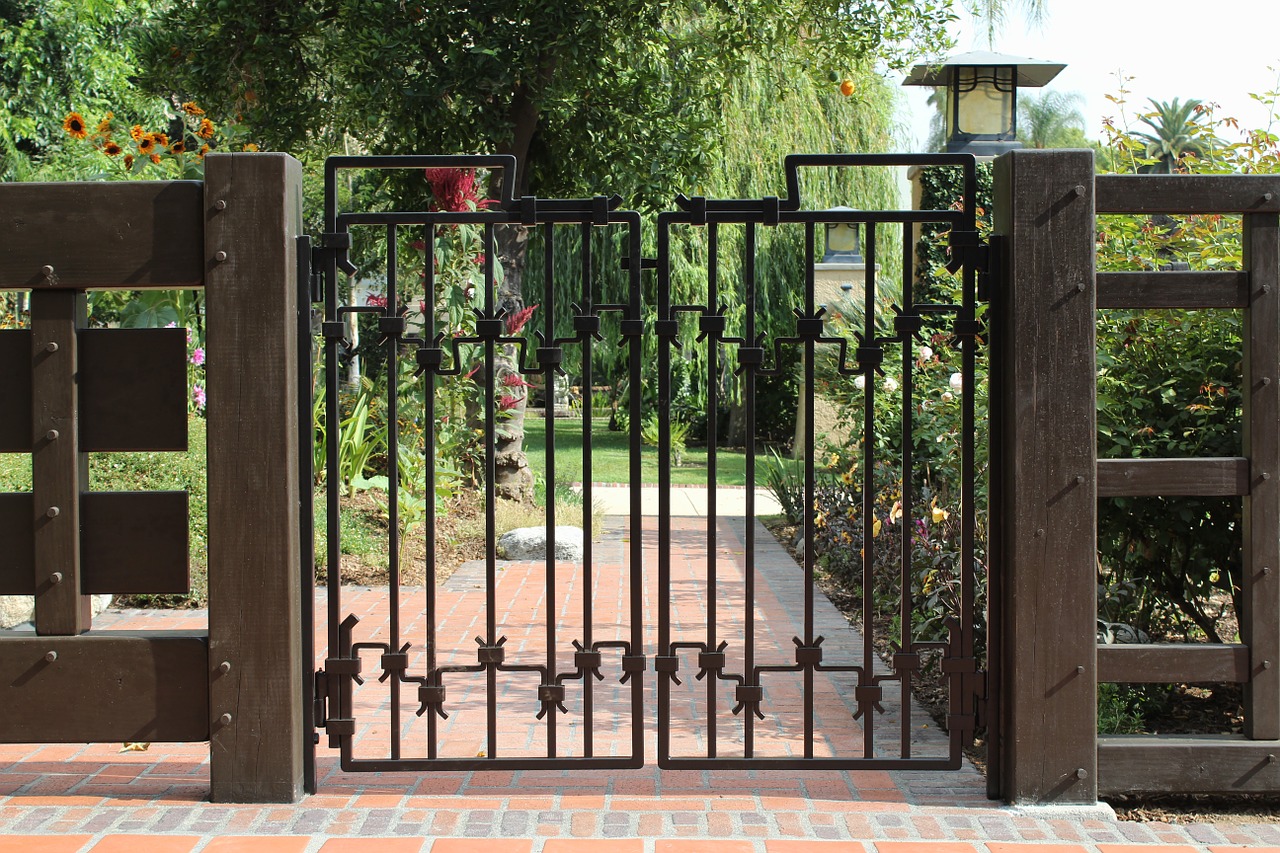
Boundary gate.
Photo courtesy of pixabay.

Your failure to set reasonable boundaries can be harming your children.

Many parents have weak, almost invisible boundaries. It is easy to confuse having boundaries with being rigid and inflexible. Being lenient with your children and having no boundaries is not the same thing by a long shot.

Consider that we often teach others how to treat us. Not having boundaries or not having appropriate boundaries with other adults in our lives teaches our children that boundaries are not important.

A family without boundaries.

Some families have little or no boundaries. The people in these families do whatever they want. Kids come and go as they please.  Adults behave in inappropriate ways.

If you grew up in a family like that you may have gotten the message that your parents were not able to control you. If they couldn’t control you then maybe you can’t be controlled.

Weak boundaries impair self-control.

The result of growing up with weak boundaries was that you found it progressively more difficult to control yourself. Good boundaries for adults and children help kids to learn what is acceptable behavior and what is not. It helps them learn self-control.

Weak boundaries can make you part of someone else.

Some families develop a more enmeshed pattern of interaction. Children are expected to think, feel, and act just as their parents do. This results in becoming disconnected from your feelings. When asked how you feel you may respond by telling others how you should feel rather than being able to find a genuine emotion inside you.

If you never had boundaries growing up you can be in for some real problems when you get into an adult relationship.

Not learning appropriate boundaries as a child puts you at risk to get into relationships with people who will not respect your boundaries. The cycle repeats itself.

The other issue that we often see is parents who just can’t let go. Their children, now adults, find it hard to set boundaries with their family of origin.

There is a lot of truth to those old in-law jokes. New couples find it hard to tell their parents no and set boundaries to keep those in-laws out of their new relationship. This can result in unhappy romantic relationships or blow up’s with the families you came from.

Learning boundaries as an adult.

It is hard learning to set appropriate boundaries when you are an adult. Children should learn what is OK and what is not and then as they grow they begin to establish for themselves what things are boundaries for them and what things they find OK.

Remember that as relationships and your life changes you need to strengthen and reinforce your boundaries.

Boundaries with exes.

Another boundary that is problematic is the one you draw with exes. Not keeping good boundaries with your ex’s can ruin your new relationship. Yes, some of you have baby’s fathers and baby’s mothers. You will always have a relationship with them through your children. But don’t let them cross your boundaries and try to continue an unhealthy relationship with you.

Never being who you are and the person who is in charge creates confusion for children and can make your life miserable.

Keep working on setting realistic appropriate boundaries with people in your life and your children will learn from you. Good fences make for good neighbors and good boundaries make for a happy life and a good recovery.

Staying connected with David Joel Miller

Seven David Joel Miller Books are available now!

My newest book is now available. It was my opportunity to try on a new genre. I’ve been working on this book for several years, but now seem like the right time to publish it.

Story Bureau.

Story Bureau is a thrilling Dystopian Post-Apocalyptic adventure in the Surviving the Apocalypse series.

Baldwin struggles to survive life in a post-apocalyptic world where the government controls everything.

As society collapses and his family gets plunged into poverty, Baldwin takes a job in the capital city, working for a government agency called the Story Bureau. He discovers the Story Bureau is not a benign news outlet but a sinister government plot to manipulate society.

Bumps on the Road of Life. Whether you struggle with anxiety, depression, low motivation, or addiction, you can recover. Bumps on the Road of Life is the story of how people get off track and how to get your life out of the ditch.

Dark Family Secrets: Doris wants to get her life back, but small-town prejudice could shatter her dreams.

Casino Robbery Arthur Mitchell escapes the trauma of watching his girlfriend die. But the killers know he’s a witness and want him dead.

Planned Accidents  The second Arthur Mitchell and Plutus mystery.

Letters from the Dead: The third in the Arthur Mitchell mystery series.

What would you do if you found a letter to a detective describing a crime and you knew the writer and detective were dead, and you could be next?

Sasquatch. Three things about us, you should know. One, we have seen the past. Two, we’re trapped there. Three, I don’t know if we’ll ever get back to our own time.

For these and my upcoming books; please visit my Author Page – David Joel Miller

Want the latest blog posts as they publish? Subscribe to this blog.

For videos, see: Counselorssoapbox YouTube Video Channel
Is it a ritual or a routine?

By David Joel Miller, MS, Licensed Therapist & Licensed Counselor.

Tea cup.

Morning tea.
Photo courtesy of Pixabay.com

Are you stuck in a routine? Maybe you need more rituals.

Families that have specific family rituals often are happy and more cohesive. Nowadays most families have abandoned rituals and are stuck in stagnant routines.

What’s the difference between a ritual and a routine?

A routine is defined as (From Encarta) repetitive, a usual pattern of activity, even part of a computer program.

A ritual is something else. It involves following a set pattern, ceremonies and may include set forms of communication. Let’s look at some differences and why they may be affecting you and your family.

Rituals mark transitions in time and space.

Think of this as the difference between the last day of school each year and a graduation ceremony when you complete your education.

Routine – You come home from work, your kids come home from school. People get hungry so they go in the kitchen and eat. Maybe what mom or dad made, maybe something else. Food in the after-the-work hours is every man or woman for themselves.

The result is often a kitchen that is a mess, dirty dishes scattered throughout the house, and people coming and going as they please. Other results include a family that doesn’t feel like a family. No one belongs and they are each doing their own thing. There is also probably a lot of fighting over who does what and why the kitchen and the rest of the house is such a mess.

For some families, dinner is a ritual rather than a routine.

Ritual

Dinner is served with everyone seated around a common table. No one starts till everyone gets there. (Oh the social pressure if you are the last in and keeping the rest of YOUR FAMILY from eating.)

The meal may start with a prayer or other opening words. There is likely to be a custom of people talking to each other, asking about each other’s day, and sharing what is going on in their life.

The result of transforming evening eating into a family dinner results in some positive benefits.

Families that regularly eat together, 4 or more nights per week, their kids get better grades. People are more likely to feel like they are all connected and belong as opposed to those people who feel more like guests in their own home.

Rituals include some symbolic elements. By doing this and saying that we are affirming we are part of something, belong to something, and that what we are doing has a greater significance than just getting through life.

Dinner, the meal, becomes dinner, the time we all spend together, and affirm we are a family.

Making meaning in your life.

If your life seems routine and boring, consider the meaning behind the things you do. Leave out the meanings and the rest of life is just going through the motions.

Staying connected with David Joel Miller

Seven David Joel Miller Books are available now!

My newest book is now available. It was my opportunity to try on a new genre. I’ve been working on this book for several years, but now seem like the right time to publish it.

Story Bureau.

Story Bureau is a thrilling Dystopian Post-Apocalyptic adventure in the Surviving the Apocalypse series.

Baldwin struggles to survive life in a post-apocalyptic world where the government controls everything.

As society collapses and his family gets plunged into poverty, Baldwin takes a job in the capital city, working for a government agency called the Story Bureau. He discovers the Story Bureau is not a benign news outlet but a sinister government plot to manipulate society.

Bumps on the Road of Life. Whether you struggle with anxiety, depression, low motivation, or addiction, you can recover. Bumps on the Road of Life is the story of how people get off track and how to get your life out of the ditch.

Dark Family Secrets: Doris wants to get her life back, but small-town prejudice could shatter her dreams.

Casino Robbery Arthur Mitchell escapes the trauma of watching his girlfriend die. But the killers know he’s a witness and want him dead.

Planned Accidents  The second Arthur Mitchell and Plutus mystery.

Letters from the Dead: The third in the Arthur Mitchell mystery series.

What would you do if you found a letter to a detective describing a crime and you knew the writer and detective were dead, and you could be next?

Sasquatch. Three things about us, you should know. One, we have seen the past. Two, we’re trapped there. Three, I don’t know if we’ll ever get back to our own time.

For these and my upcoming books; please visit my Author Page – David Joel Miller

Want the latest blog posts as they publish? Subscribe to this blog.

For videos, see: Counselorssoapbox YouTube Video Channel

Your other relationships are affecting your love life.

By David Joel Miller, MS, Licensed Therapist & Licensed Counselor.

Couple drinking

Couple’s relationship with alcohol.
Photo courtesy of Pixabay

That other relationship of yours.

Every one of us has other relationships that can at times interfere with our primary partner relationship. Now some of you already jumped to the conclusion that this has to do with affairs or cheating on your spouse. It is much worse than that.

We all have far more relationships during our lifetime than we recognize. Each of those relationships takes up time and space in our existence. Let these other relationships get out of whack and your primary, romantic relationship will suffer.

Family of origin relationships.

We all have families we grew up in. For some people, this is messier than for others. Even if you never knew your biological parents, you had foster parents, group homes or other relatives you stayed with.

We all take the lessons learned and the unresolved conflicts from those old relationships with us into the new ones. If you came from an unloving non-affirming family you may find it impossible to accept compliments. You may also settle for anyone out there who will love you. That puts you at risk to be victimized by someone who gives you a little love and then takes more than they gave.

If you were abused or neglected you can take that distrust along for the rest of your life. Scars from childhood influence our choice of relationship partners.

Relationships with Exes.

We have all kinds of Exes. Ex-bosses, ex-teachers, and ex-partners. Even if you are with your first love there are likely to be the ones you had a crush on who got away.

All those past relationships throw long shadows onto the current relationships. You are at risk to relate to the one you are with the way you learned to relate to others in your past. Make sure you are over those exes.

Balancing relations with children and partners.

Children are lifelong relationships. This is a special problem in blended families. How healthy your relationship is with your children and their other parent can seriously affect your new relationship. If you have not worked out your issues with your children and their other parent do so before it ruins the chances of a successful new relationship.

Work relationships impact home relationships.

Employers know that many of the problems their employees have on the job they brought to work with them. A fight with a spouse or children carries over into the workday. So do substance abuse problems and exes.

This connection between home and work problems works the other way also. If you are unhappy on the job it will make you stressed and tired when you go home.

Work on finding a job you love or on making the job you have more enjoyable. Sometimes just giving up the disappointment struggle and practicing radical acceptance is the best solution.

Substances or Interests.

Anyone who has lived with a substance abuser is likely to have felt like their partner was having an affair. I wrote a post a while back about how partners of substance abusers can get caught up in a Threesome.

We all create relationships with things as well as people. Some things we like, some things we hate. Some of those relationships are healthy and supportive others can become sick or dysfunctional.

If you have a relationship with a thing or a substance that has gone beyond a preference and is becoming a must-have, consider that your needy relationship with that substance or activity has probably already impacted your primary love relationship.

Partners of internet or porn addicts will tell you that they have lost their partner to an affair with imaginary pixels.

Spiritual and religious practices.

This issue runs the gamut. Some people have a rigid position on the “correct faith.” While they were fine with dating and falling in love with someone who did not believe as they did they feel the continued need to change and convert their partner.

At the other end of the spectrum are those people who have no particular religious or spiritual tradition and who wish their partner did not either. They try to make the partner chose between their faith and the relationship.

The solutions for all these other relationships? Begin by recognizing that you and your partner have other relationships in your lives. Work on learning to keep those other connections in their proper balance.

Some of you will have others, family, and friends who so intrude on your primary relationship you will need to distance yourself from that former relationship.

Good partner communication and a belief that whatever the challenges, your significant other is committed to this partner relationship will go a long way in keeping those other relationships from damaging your couple’s relationship.

Staying connected with David Joel Miller

Seven David Joel Miller Books are available now!

My newest book is now available. It was my opportunity to try on a new genre. I’ve been working on this book for several years, but now seem like the right time to publish it.

Story Bureau.

Story Bureau is a thrilling Dystopian Post-Apocalyptic adventure in the Surviving the Apocalypse series.

Baldwin struggles to survive life in a post-apocalyptic world where the government controls everything.

As society collapses and his family gets plunged into poverty, Baldwin takes a job in the capital city, working for a government agency called the Story Bureau. He discovers the Story Bureau is not a benign news outlet but a sinister government plot to manipulate society.

Bumps on the Road of Life. Whether you struggle with anxiety, depression, low motivation, or addiction, you can recover. Bumps on the Road of Life is the story of how people get off track and how to get your life out of the ditch.

Dark Family Secrets: Doris wants to get her life back, but small-town prejudice could shatter her dreams.

Casino Robbery Arthur Mitchell escapes the trauma of watching his girlfriend die. But the killers know he’s a witness and want him dead.

Planned Accidents  The second Arthur Mitchell and Plutus mystery.

Letters from the Dead: The third in the Arthur Mitchell mystery series.

What would you do if you found a letter to a detective describing a crime and you knew the writer and detective were dead, and you could be next?

Sasquatch. Three things about us, you should know. One, we have seen the past. Two, we’re trapped there. Three, I don’t know if we’ll ever get back to our own time.

For these and my upcoming books; please visit my Author Page – David Joel Miller

Want the latest blog posts as they publish? Subscribe to this blog.

For videos, see: Counselorssoapbox YouTube Video Channel