
Valentine’s Day and the search for love

By David Joel Miller, MS, Licensed Therapist & Licensed Counselor.

Feeling of love

Looking for love.
Photo courtesy of Pixabay.com

Today is the official day to celebrate Valentine’s Day.

There is some dispute about how Saint Valentine and the idea of love got connected in the first place. The most reasonable explanation appears to be that Chaucer noted that on Saint Valentine’s Day, falling in the spring as it does, the doves were commencing to mate. His poem connected that matting with the idea of romantic love and we have been chasing that connection ever since.

Eric Fromm in The Art of Loving made note that there is no other human activity that is so regularly begun with great hopes and expectations and yet so often fails. He also tells us that we take the intensity of this new infatuation as a reflection of our intensity of love when it is only a reflection of our previous loneliness.

No, I don’t mean to disparage those of you who have or are about to fall in love on or about this annual springtime holiday. Undeniably, there is no other human emotion that is so exciting, so rewarding, or as crazy-making as falling in love.

There have been those couples who have spent their entire lives together in a great love. What many of those couples will tell us is that those initial feelings of romance and attraction were not enough to sustain the relationship and that staying in love is a much greater task than falling in love in the first place.

Having one significant person in your life, most often a primary love and sexual partner has a profound influence on your mental health. A seriously mentally ill person who has that one person, they perceive as loving, living in the home with them is half as likely to end up in a psychiatric hospital. Love has its advantages.

If only love lasted. If only it had a slightly better shelf life.

With more marriages ending in divorce than those staying together these days, it is easy to be cynical about marriage. I fear the out of love spouse who has just found out their partner has been cheating more than the paranoid schizophrenic. Especially if that jilted lover has a gun.

Living together without marrying is even less secure. Unmarried couples are more likely to dissolve the relationship than married ones, particularly within the first year after the birth of a child. Something about not sleeping while being up all night to care for a sick child and the resulting irritability takes the bloom off any flowering love.

There is also an incredible disconnect between those wonderful romantic things that couples say about each other in that first bloom of love and the hurtful things they say about each other in mediation and family court appearances when the relationship comes unraveled.

Most of the time that person we fall in love with is less real than the cartoon characters on the Saturday morning show. We see in this other the reflection of what we want and need and we project back who we think we need to be in order to have them love us. The masks do not come off until the crying child and the stress of earning a living deter us from keeping up pretenses.

Beware listening to that siren sound that tells you, if you could just find that one person who has the things you lack, that person who could complete you, then you two will live happily ever after. Two partial people are not able to create a whole relationship.

Recognize on this day devoted to another love quest that no one will be able to love you more than you love yourself and if you feel empty and incomplete alone you will feel equally lacking when you are with someone.

Those people who like themselves and feel good alone have something to give to another. Two complete and happy people have a chance that two wounded and suffering people never will. If you want a happy relationship, get happy first and get relationshiped second.

Having said all this about caution in the matters of love, I know what is about to transpire. The days are getting warmer. The flowers are blooming. The birds are falling in love and mating and the hormones in we humans are on the rise.

Let the illogical falling in love begin.

Staying connected with David Joel Miller

Seven David Joel Miller Books are available now!

My newest book is now available. It was my opportunity to try on a new genre. I’ve been working on this book for several years, but now seem like the right time to publish it.

Story Bureau.

Story Bureau is a thrilling Dystopian Post-Apocalyptic adventure in the Surviving the Apocalypse series.

Baldwin struggles to survive life in a post-apocalyptic world where the government controls everything.

As society collapses and his family gets plunged into poverty, Baldwin takes a job in the capital city, working for a government agency called the Story Bureau. He discovers the Story Bureau is not a benign news outlet but a sinister government plot to manipulate society.

Bumps on the Road of Life. Whether you struggle with anxiety, depression, low motivation, or addiction, you can recover. Bumps on the Road of Life is the story of how people get off track and how to get your life out of the ditch.

Dark Family Secrets: Doris wants to get her life back, but small-town prejudice could shatter her dreams.

Casino Robbery Arthur Mitchell escapes the trauma of watching his girlfriend die. But the killers know he’s a witness and want him dead.

Planned Accidents  The second Arthur Mitchell and Plutus mystery.

Letters from the Dead: The third in the Arthur Mitchell mystery series.

What would you do if you found a letter to a detective describing a crime and you knew the writer and detective were dead, and you could be next?

Sasquatch. Three things about us, you should know. One, we have seen the past. Two, we’re trapped there. Three, I don’t know if we’ll ever get back to our own time.

For these and my upcoming books; please visit my Author Page – David Joel Miller

Want the latest blog posts as they publish? Subscribe to this blog.

For videos, see: Counselorssoapbox YouTube Video Channel

.

That’s not what I meant – Words can interfere with communication – Denotative and connotative meanings

By David Joel Miller MS Licensed Therapist & Licensed Counselor.

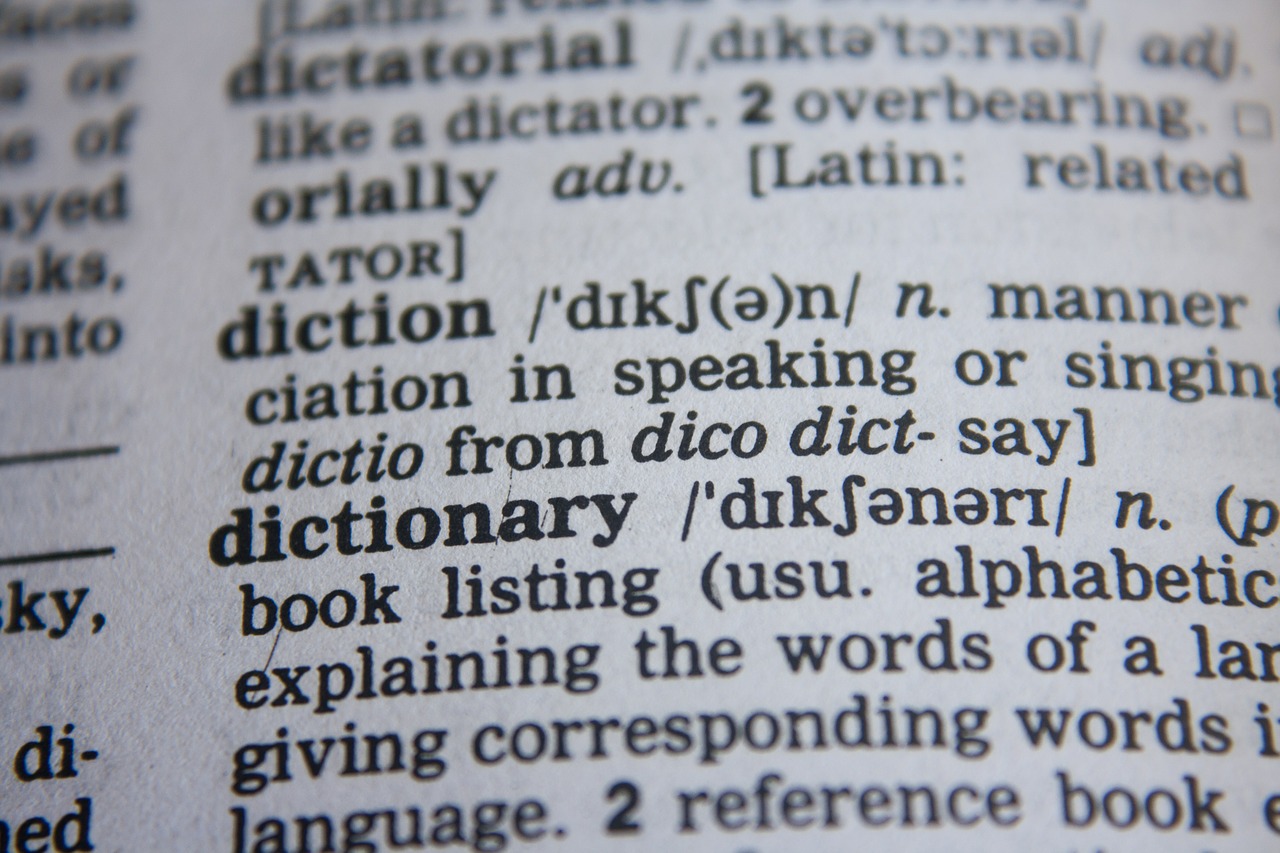
Dictionary

Looking it up in the dictionary won’t help.
Photo courtesy of Pixabay.com

Why what you thought I meant and what I meant to say get so far apart.

Even when we talk with someone in the same language and we think we should both know what the other one is talking about, we can walk away shaking our heads about how far apart our understandings are of the conversation.

These misunderstandings often get attributed to other people lying to us. It is not unusual for two people both engaged in an argument to accuse each other of lying. To the outside observer, it sounds like they are talking about two unrelated topics.

One cause of these disagreements is the different meanings we ascribe to the words we use. The things we say begin as thoughts in our heads. We can make a strong argument that thoughts are largely mental words or self-talk. Those thoughts are strongly influenced by our feelings before they leave our bodies via speech and action.

Words are symbolic and there is not a direct one to one correlation between thoughts and words. We can and often do disagree about what word best describes a thing or a feeling. Then our thoughts need to be transferred into words sent to the other person and then decoded. There is plenty of room for error in this process.

Consider the common two-finger gesture. Sometimes this is interpreted as a “peace sign” and other times as the sign for victory. Words frequently have multiple meanings.

Four discrepancies in the way we attach meanings to words can result in garbled communication even when we think we are being clear and that we understand what the other person is saying. Those four communication traps are the differences between “denotative” meanings and “connotative” meanings, personal idiosyncratic meanings, and slang.

What slang words mean.

Slang words require both people using them to attach the same meaning to the expression. They change over time and vary between subcultures.

Consider the word “hot.” To a weatherman, it could mean an above-average temperature or a day in the hundreds. To the scientist, this may be a statement about the amount of energy the item contains. To someone else, this may mean something that is new, in fashion, or desirable.

So the person in the shop points to an item on the table and says “that new part is really hot.” The apprentice quickly picks it up and then screams in pain. He expected this new part to be something novel that he might want. His coworker was warning him about the item’s temperature and potential to harm. See how using a word in multiple ways can obscure communication?

Denotative meanings.

Denotative meaning is what the dictionary says the word means. Look up most words in a dictionary and you will find that there are multiple definitions for the same word. Check many dictionaries and you get alternative meanings.

Most of us have learned a large number of words from hearing others use them in speech. We haven’t looked up every word and while we can feel pretty sure we know what we mean when we say the word we can’t be sure someone else has the same meaning in mind.

If I were to say that someone had been staring at the moon too long – what might you think I meant? That they are in love from too much time in the moonlight? That they had gone crazy as in becoming a “lunatic.” Or do we mean that they and their friends have been exposing their naked rear-ends a lot? It would make a lot of difference in our conversation.

What is a connotative meaning?

Connotation is when a meaning is implied or attached to something in addition to its basic denotative meaning. For a long time, black has been attached to bad, evil, or another negative opinion. If I describe someone’s character as black, it makes a lot of difference whether I am talking about someone from the African-American community who exemplifies what an African-American should be or if I were describing a Caucasian who is doing some evil things.

Idiosyncratic meanings.

Sometimes words develop a specific meaning for a person or group of people because of a particular experience.

Say a man came from a family that had a dog when he was a young child. For whatever reason he had difficulty saying the word dog and used its name, Spot to called the pet. From then on all dogs became “Spot.”  To this day if someone uses the word spot in a conversation this family will laugh and think of that dog. This has resulted in some embarrassing moments at the dry cleaners.

Other people might hear the word spot and think of a place they had visited, a stain on the carpet or an ad on T. V. The online dictionary I use listed 21 meanings for the word spot.

So when we consider that words can have so many different meanings, is it any wonder that we can have a conversation, think we have conveyed some meaning and then later find that what we said was totally misconstrued.

The real wonder is that with all this confusion we are able to communicate at all.

Staying connected with David Joel Miller

Seven David Joel Miller Books are available now!

My newest book is now available. It was my opportunity to try on a new genre. I’ve been working on this book for several years, but now seem like the right time to publish it.

Story Bureau.

Story Bureau is a thrilling Dystopian Post-Apocalyptic adventure in the Surviving the Apocalypse series.

Baldwin struggles to survive life in a post-apocalyptic world where the government controls everything.

As society collapses and his family gets plunged into poverty, Baldwin takes a job in the capital city, working for a government agency called the Story Bureau. He discovers the Story Bureau is not a benign news outlet but a sinister government plot to manipulate society.

Bumps on the Road of Life. Whether you struggle with anxiety, depression, low motivation, or addiction, you can recover. Bumps on the Road of Life is the story of how people get off track and how to get your life out of the ditch.

Dark Family Secrets: Doris wants to get her life back, but small-town prejudice could shatter her dreams.

Casino Robbery Arthur Mitchell escapes the trauma of watching his girlfriend die. But the killers know he’s a witness and want him dead.

Planned Accidents  The second Arthur Mitchell and Plutus mystery.

Letters from the Dead: The third in the Arthur Mitchell mystery series.

What would you do if you found a letter to a detective describing a crime and you knew the writer and detective were dead, and you could be next?

Sasquatch. Three things about us, you should know. One, we have seen the past. Two, we’re trapped there. Three, I don’t know if we’ll ever get back to our own time.

For these and my upcoming books; please visit my Author Page – David Joel Miller

Want the latest blog posts as they publish? Subscribe to this blog.

For videos, see: Counselorssoapbox YouTube Video Channel

Did your goldfish die? About relationships

By David Joel Miller, MS, Licensed Therapist & Licensed Counselor.

Goldfish.
Photo courtesy of Pixabay.com

What do goldfish and potted plants say about your relationship?

For people in recovery, relationships are a source of huge problems. Early in recovery, we discover that those relationships can be either an important source of support or a cause of pain and suffering.

One area that pops up on inventories, goals, and to-do lists is to create better relationships. People come to think that if they only had that one person that loved them they would be healed.

The result is a lot of people jumping into new relationships way before they are ready.

We can also start trying to fix relationships that have been strained or broken only to find that those first clumsy efforts to repair breaches have resulted in new arguments and slights that leave further wreckage in our lives.

Women in recovery are often urged to take the simple plant, pet test. Men would benefit from taking this test also.
Begin your recovery by getting a simple plant. A flowering houseplant is nice. Pick anything that you like and which fits your lifestyle. Spend some time looking around and selecting your plant. Most of us have selected life partners with less thought and consideration than we take on our plants.

For the next 6 months carefully tend your plant. Is it growing well? Does it need more light and water? Or does it need less water? Too much or too little of a lot of things can cause damage to plants and to relationships.

At the end of the six months grade yourself on plant care. Have you developed a caregiving relationship with your plant? Has the plant thrived? Have you?

If you have been successful at growing your plant then you are ready to move to stage two.

It is amazing how many people who can’t keep a plant alive jump into a sexual relationship and produce a child at a time when they don’t have the strength to care for a plant. This exercise is not just about gardening skills, it is about your ability to consistently day by day show concern and care for something outside yourself.

The next step in the process is to get a pet. This gets riskier. A goldfish is a good place to start. This involves more research. Most of us think we know all about taking care of goldfish but most of our fish die. Learn a little about what makes for a healthy goldfish and what their needs are.

You want to learn how to select a healthy one. Moving fish around can result in some not making it. Too much food or too little can make your fish sick. You may have to try this several times before you get one that likes the place you are keeping them and is healthy enough to be a part of your life.

By now I hope you are getting that this is not all about goldfish. What we are practicing is the skills needed to create healthy relationships. You will need to learn about any potential relationship partner. You will need to learn how to pick a healthy one. You will also learn that lots of things look better in the store window than they do after you get them home.

If your goldfish dies you may be sad or even cry but only you and the goldfish will be affected. If you “hook up” with someone there will be you and them but there will also be their family and yours mixing with you and your family and friends. If this relationship fails you can’t just flush it in the bathroom.

If you have been successful in raising your goldfish or other small pet for at least 6 months you are ready for the next big step. No, don’t rush out and start a family. If your living situation permits get a larger more demanding pet. A kitten or small shelter puppy make good next steps in this process. If where you live does not permit these types of animals, consider a small bird or other, more complicated small animal.

Now you have to balance your needs, do you feel like caring for your “family” today? Can you continue to meet the needs of your menagerie? Your dog or cat needs care every day whether you feel like it or not. You also have to consider the interaction between your previous household members and your new addition.

Does the cat try to get the goldfish? Do you need to move the fishbowl up high? How safe is the plant? Juggling all three creatures’ needs prepares you for juggling conflicts between other family members as your recovery progresses.

This creating a blended family is an important skill for those in recovery from a mental illness or a substance abuse issue. Once you enter a more adult romantic relationship there will always be conflicts between past relationships and the new one. Navigating blended families with step, half, and ex-relationships can put a lot of stress on you and on your new relationship.
This whole process will take about two years.

This step method of practicing relationship skills is not original with me. It has been used and recommended in recovery groups as far back as I know. It has largely been recommended to women who are at an especially high risk of rapidly entering a new relationship. This risk is especially high if you have children and need a partner to help with the financial and caregiving tasks.

In this new modern era, more men than ever are becoming the primary caregiver for their children and they especially need to be good caregivers not expect the replacement partner to take the primary responsibility for children from past relationships.

Some people become frustrated along the way and toss that plant against the wall. Some people forget to feed the fish for a while and the goldfish dies, or they overfeed the fish, pollute the water. and the fish dies from that. This gives you an opportunity to practice your recovery skills. I would rather you toss a plant at the wall then a child.

This discussion assumes that you are not currently in a romantic relationship and many recovering people are either not in one or not in a healthy relationship. If you are in a relationship or are coming home from the hospital or rehab to some children you already have you can modify this as needed.

The emphasis here is on your learning skills to have healthy relationships rather than thinking that if you just fell in love with someone else then your life and your problems will be fixed.
Any comments?

Staying connected with David Joel Miller

Seven David Joel Miller Books are available now!

My newest book is now available. It was my opportunity to try on a new genre. I’ve been working on this book for several years, but now seem like the right time to publish it.

Story Bureau.

Story Bureau is a thrilling Dystopian Post-Apocalyptic adventure in the Surviving the Apocalypse series.

Baldwin struggles to survive life in a post-apocalyptic world where the government controls everything.

As society collapses and his family gets plunged into poverty, Baldwin takes a job in the capital city, working for a government agency called the Story Bureau. He discovers the Story Bureau is not a benign news outlet but a sinister government plot to manipulate society.

Bumps on the Road of Life. Whether you struggle with anxiety, depression, low motivation, or addiction, you can recover. Bumps on the Road of Life is the story of how people get off track and how to get your life out of the ditch.

Dark Family Secrets: Doris wants to get her life back, but small-town prejudice could shatter her dreams.

Casino Robbery Arthur Mitchell escapes the trauma of watching his girlfriend die. But the killers know he’s a witness and want him dead.

Planned Accidents  The second Arthur Mitchell and Plutus mystery.

Letters from the Dead: The third in the Arthur Mitchell mystery series.

What would you do if you found a letter to a detective describing a crime and you knew the writer and detective were dead, and you could be next?

Sasquatch. Three things about us, you should know. One, we have seen the past. Two, we’re trapped there. Three, I don’t know if we’ll ever get back to our own time.

For these and my upcoming books; please visit my Author Page – David Joel Miller

Want the latest blog posts as they publish? Subscribe to this blog.

For videos, see: Counselorssoapbox YouTube Video Channel

Why the therapist doesn’t care about your problems- unit of treatment

By David Joel Miller, MS, Licensed Therapist & Licensed Counselor.

Counseling questions

Counseling questions.
Photo courtesy of Pixabay.com

Does it feel like the therapist only cares about the other person?

Sometimes you go for therapy, with a person you think of as “your therapist” only to find they don’t really want to talk about you or your problems. They are only interested in your family member’s problems. What is going on here?

One problem for therapists is defining the “unit of treatment.” A good therapist will try to explain this to you at the beginning, but sometimes they don’t, and sometimes in the crisis of the moment you don’t get the details. Let me explain a couple of situations where this may be occurring.

When one member of the family has been seeing a counselor and now they want the counselor to help them with their relationship with another family member. Let’s say the client is a twenty-something woman and she has conflicts with her mother.

Mom gets invited to the next session. Mom wants to talk about how difficult it is getting along with her daughter and how she had to raise the daughter all by herself and now mom’s depression has been interfering with her life. Mom would like more respect and caring from her daughter.

The therapist does not want to hear about mom’s history of problems with depression, her hard life, and all the times the daughter disrespected her mother. The therapist wants to talk about their last fight and how mom could better support her daughter by being more understanding of the daughter’s mental health problems. What has gone wrong here?

The therapist is the DAUGHTERS therapist.

The unit of treatment is the DAUGHTER. They are not going to spend time on mom’s problems. If mom needs therapy then she needs to get her own therapist.

In this situation, Mom is a guest in the daughter’s therapy session. This can sometimes be referred to as a collateral session. A collateral session is all about how the guest can help the identified patient. If you ever get this kind of invite you should ask some questions. Is this for both of you to work out problems or are you only there so that the other party can tell you why you hurt them and they are expected you to do something to help them?

As a guest, you do not get confidentiality. You are not the therapist’s client and if you disclose that time you did something wrong you may get reported even if this is not a mandated reportable situation. Also if the daughter has told the therapist about things she has done in the past to the mother, like steal her money and forge her signature, the therapist can’t break confidentiality and tell mom.

Another situation that causes a lot of confusion is when a person is being seen for individual therapy and then asks their partner to join this. Say the woman above now wants to do some sessions with her husband.

Is this a request to stop individual therapy and begin couples therapy? Or is this an effort to bring the partner in to learn how to be more supportive and helpful to the wife?

This is an awful situation for a lot of men. They have talked with me in individual sessions repeatedly about how they went to a session with the wife and felt bushwhacked. The therapist, sometimes with a very feminist point of view, spent the session telling the husband how it was his fault, that all women are oppressed by their husbands and he is to blame for their marital problems.

Now any good marriage therapist knows or should know, that taking sides is likely to make the conflict between the partner’s worse and is not going to help the relationship. We should always be neutral. But if you have spent months listening to a client tell you all the awful things their spouse does to them, it is very tempting to turn this into a “heart to heart talk” by creating a safe place for your client to tell their spouse off.

This kind of session usually ends up in a blowout argument and possible violence or an end to the relationship. Counselors who do this sort of work should warn their clients to come in separate cars because after beating up on one of the partners there is no way that person is likely to give in say it was all my fault and go home to do as told.

If you go to a session with your partner’s therapist and this is not to begin couples therapy, expect it to be ALL about them and not you. A few therapists can handle this well and help the couple or family work some things out, but just who is here for treatment should be clarified at the start of the session.

The last example I will give is the parent, usually mom, who takes the child for therapy. They expect the therapist to help them cope with raising this defiant, belligerent child. What happens is that the session becomes all about how mom can be a better more nurturing parent and what the developmental needs of the child are at this age. She is instructed to spend more time reading to her child, help him with his homework, and make sure to walk him to and from school to increase his sense of security. The sessions are all about the child.

Never mind that mom does not sleep nights because of the nightmares from the abusive violent relationship or that dad is away in prison for what he did to mom and child. Mom also wants help with how she as a single parent is supposed to work two jobs to support her kids and still do all this with the identified patient child. As much as she loves this child and knows he needs her attention she has three others who also need attention. What has gone wrong here?

The unit of treatment is the child, not the family.

Mom gets only the help that relates to her ability to help her son. Now sometimes the therapist will shift the focus and start helping mom. The risk then is that the therapist will side with mom and spend the sessions beating up on the child, telling him he is a bad person and that everything is his fault. A good therapist will balance all these needs and help the whole family but this is a difficult task.

There are a whole lot more issues around children in therapy we need to look at. Can they consent, do they get confidentiality, and if so how much? Can an 8-year-old really consent to treatment? Is telling him he is the bad child an institutionalized form of child abuse?  And do we sometimes abuse the parent to make the child feel better? This post is running long and I need to leave those issues for other posts.

My conclusion is that there are good therapists who do a great job and not so good therapists who don’t do a good job of juggling these issues. Any time more than one person walks into a consulting room there are conflicts about whom we are helping and how we should be with the others.

Have you ever been to a therapist who just didn’t seem to care about your problems?

Staying connected with David Joel Miller

Seven David Joel Miller Books are available now!

My newest book is now available. It was my opportunity to try on a new genre. I’ve been working on this book for several years, but now seem like the right time to publish it.

Story Bureau.

Story Bureau is a thrilling Dystopian Post-Apocalyptic adventure in the Surviving the Apocalypse series.

Baldwin struggles to survive life in a post-apocalyptic world where the government controls everything.

As society collapses and his family gets plunged into poverty, Baldwin takes a job in the capital city, working for a government agency called the Story Bureau. He discovers the Story Bureau is not a benign news outlet but a sinister government plot to manipulate society.

Bumps on the Road of Life. Whether you struggle with anxiety, depression, low motivation, or addiction, you can recover. Bumps on the Road of Life is the story of how people get off track and how to get your life out of the ditch.

Dark Family Secrets: Doris wants to get her life back, but small-town prejudice could shatter her dreams.

Casino Robbery Arthur Mitchell escapes the trauma of watching his girlfriend die. But the killers know he’s a witness and want him dead.

Planned Accidents  The second Arthur Mitchell and Plutus mystery.

Letters from the Dead: The third in the Arthur Mitchell mystery series.

What would you do if you found a letter to a detective describing a crime and you knew the writer and detective were dead, and you could be next?

Sasquatch. Three things about us, you should know. One, we have seen the past. Two, we’re trapped there. Three, I don’t know if we’ll ever get back to our own time.

For these and my upcoming books; please visit my Author Page – David Joel Miller

Want the latest blog posts as they publish? Subscribe to this blog.

For videos, see: Counselorssoapbox YouTube Video Channel
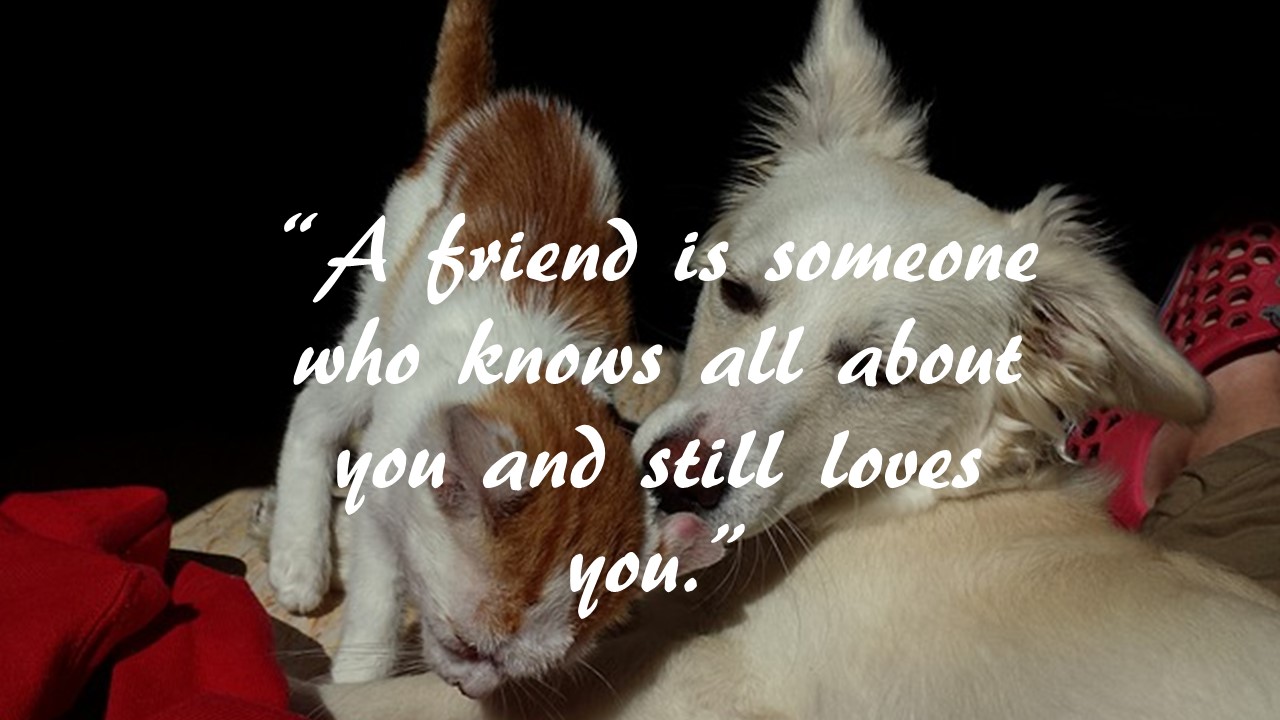
Making friends by calling them names.

By David Joel Miller, MS, Licensed Therapist & Licensed Counselor.

Friendship

Friendship
Photo courtesy of Pixabay.com

Does criticizing people get them to like you?

There seems to be a widely held belief that the way to get people to like and respect you is to criticize them and tell them what they are doing wrong.

Intuitively most people understand that if upon meeting someone for the first time, you began to upbraid them, called them names, and told them how worthless they are, this would not be likely to lead to having a large number of friends. We know this but we often do it anyway.

You would expect that each of us would be striving to treat ourselves well and yet we frequently call ourselves names that we would never, ever, dare call a friend.

Ever call yourself “stupid’ or “dumb?” Think for a moment about saying that to a friend. Not once, when they made an unusually poor choice, but consistently day after day. We wouldn’t do that to a friend, but most of us, most of the time, repeatedly call ourselves names.

The danger of calling yourself names is that you will start believing what you tell yourself.

Pictures of cute little puppies and little children inspire us to want to help. They can inspire us to kindness. It is easy to be kind to others. Most of us are afraid to be kind to ourselves.

Why is compassion reserved for other, unrelated people?

Somewhere we got the idea that it was acceptable to be kind to others but if we were to be nice or kind to ourselves then we would spoil ourselves and thereafter be worthless. So year after year we continue to beat ourselves up for one thing after another.

People, who truly spoil themselves, in a bad way, are not those who are kind and compassionate to themselves. The worst sort of spoilage occurs when we tell ourselves we are no good, worthless, or useless and then use that self-description as an excuse for behaving badly.

If you tell yourself you are a slob and then stop trying to clean up your living space because after all you are a slob and no one should expect a slob to clean. If you say you are stupid and then use that belief as an excuse to never attempt anything, expecting your family or society to take care of you. You are using your self-criticism to excuse poor behavior.

Some people tell themselves they are addicts, and what do you expect from an addict? Why of course I relapsed and used drugs again, I am an addict. But if you begin to tell yourself that I USED to be an addict, look at the possibilities that opens up.

One form of therapy is called “narrative therapy.” The way I understand this is that we tell ourselves and others stories, not untrue stories, just stories, and then as we tell them more and more we begin to believe our own fiction. So if you tell yourself you are dumb or worthless you become less and less able to accomplish anything.

People who say “I am an angry person,” stay angry and convince themselves they can’t change. If we can get them to start saying I USED to be an angry person, but I am changing, then amazingly they change.

Do you believe that the only way to get anybody to do things is to beat them? We find that this is a poor way to motivate either ourselves or others. Yet many people continue to beat themselves up, verbally, day after day.

One thing we tell parents as part of the basic parenting class is to catch their children doing something right. Small amounts of praise, judiciously used are great motivators. If the only way your children get your attention is to misbehave, they will misbehave for attention.

The parent who does nothing but criticizes their child finds that the child may give up. Consider the child who wants badly to please their parent; they study very hard for a big test. When the results come out the child has achieved a score of 99 out of 100 possible points.

What does this parent say? Why did you miss that one? You knew that! The result is that the child stops trying, convinced that no matter how hard they tried they will never be good enough.

Years later we find that person and many others still trying to motivate themselves by telling themselves that how they are is not good enough.

The risk here is that rather than motivate yourself to try harder, you will convince yourself that you are a failure and stop trying.

Ultimately you may become the person you say you are.

Staying connected with David Joel Miller

Seven David Joel Miller Books are available now!

My newest book is now available. It was my opportunity to try on a new genre. I’ve been working on this book for several years, but now seem like the right time to publish it.

Story Bureau.

Story Bureau is a thrilling Dystopian Post-Apocalyptic adventure in the Surviving the Apocalypse series.

Baldwin struggles to survive life in a post-apocalyptic world where the government controls everything.

As society collapses and his family gets plunged into poverty, Baldwin takes a job in the capital city, working for a government agency called the Story Bureau. He discovers the Story Bureau is not a benign news outlet but a sinister government plot to manipulate society.

Bumps on the Road of Life. Whether you struggle with anxiety, depression, low motivation, or addiction, you can recover. Bumps on the Road of Life is the story of how people get off track and how to get your life out of the ditch.

Dark Family Secrets: Doris wants to get her life back, but small-town prejudice could shatter her dreams.

Casino Robbery Arthur Mitchell escapes the trauma of watching his girlfriend die. But the killers know he’s a witness and want him dead.

Planned Accidents  The second Arthur Mitchell and Plutus mystery.

Letters from the Dead: The third in the Arthur Mitchell mystery series.

What would you do if you found a letter to a detective describing a crime and you knew the writer and detective were dead, and you could be next?

Sasquatch. Three things about us, you should know. One, we have seen the past. Two, we’re trapped there. Three, I don’t know if we’ll ever get back to our own time.

For these and my upcoming books; please visit my Author Page – David Joel Miller

Want the latest blog posts as they publish? Subscribe to this blog.

For videos, see: Counselorssoapbox YouTube Video Channel

What if your loved one refuses treatment?

By David Joel Miller, MS, Licensed Therapist & Licensed Counselor.

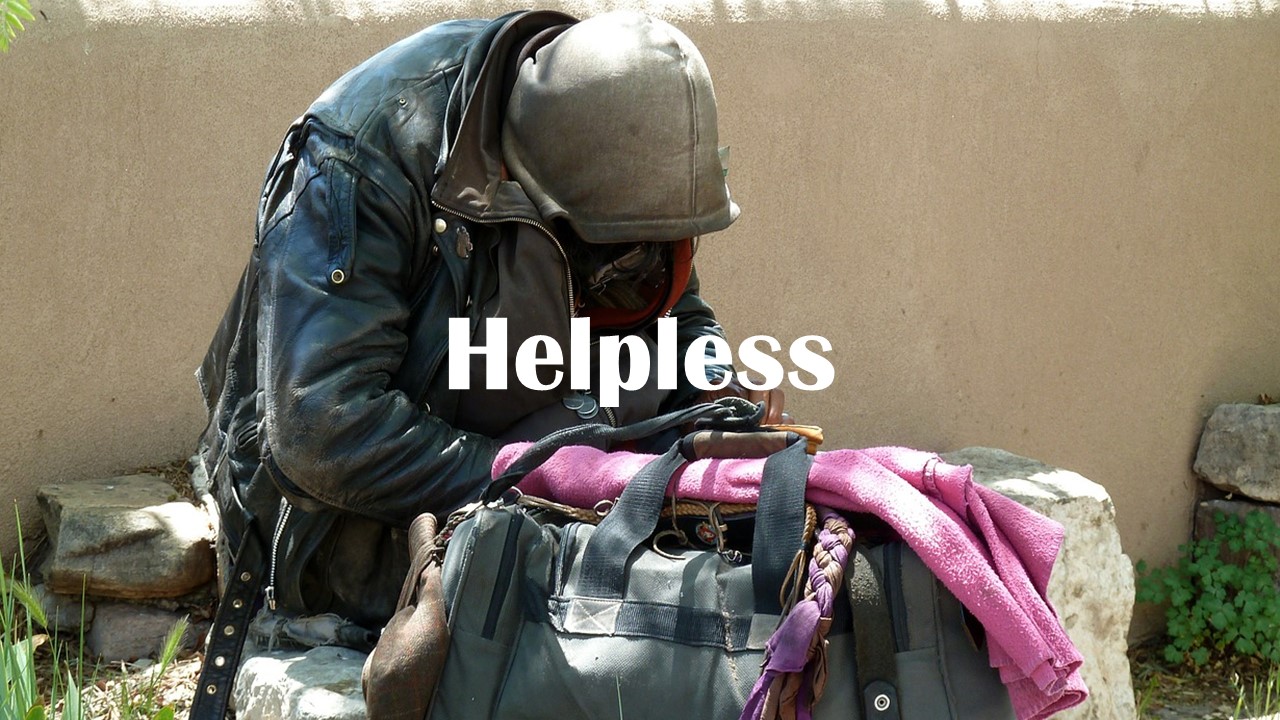
Helpless person

Helpless.
Photo courtesy of Pixabay.com

What do you do when they get mad at you for suggesting they get help?

It is not unusual for people with a serious mental illness to refuse treatment. They don’t want to admit they need help, they are embarrassed or they don’t think that anything can help them. Sometimes people don’t want to give up their problems even when others around them see the need for them to change.

People with Bipolar Disorder may be especially resistant to getting treatment. They like the way the mania or hypomania makes them feel. When they slip into depression they may be more receptive but the second the depression lifts and the mania returns they are prone to stop taking their meds. This is very difficult for those around them.

People with a drug or alcohol problem are also resistant to change. They like the mood change their chemical friend creates and are unlikely to think the problem is the drug. They will blame others, make excuses, and offer plenty of reasons why they don’t have a problem. The harder you press them to change the angrier they will get.

Other additions, gambling, sex, and pornography are also more likely to be seen as a problem by those around the addict. So what does the family member do?

Unless the person with the addiction or the mental illness wants to change there is little those around them can do to make them change. The ill person needs to decide that this issue is causing them a problem and for a very long time they will insist that the problem is all those other people around them who don’t understand them.

If the person with the problem does not want help I highly recommend that the family member who wants them to change needs to get counseling for themselves. Continuing to insist that someone change to make you happy make us wonder who the mentally ill person is.  Ask yourself a few questions.

If this person never changes one bit will I be happy in this relationship?

Most people who have a mental illness or an addiction will not change until they find that they can no longer go on acting the way they have been. As long as a family member or friend stays in their life, helping them out and caring for them, they are unlikely to admit they have a problem. If you love them you may have to let them go, only to find when they have lost everything and finally get into recovery they may want to be with someone new who has not been through all the pain with them.

Staying with them means you will need to be prepared for whatever ride you end up taking. They may get arrested, become violent; leave you for their addiction or another person. They may think, at least for a while, that you are the reason they drink, do drugs, or are “stressed out.”

Can I accept that this is just the way things are?

Some family members conclude that they would rather put up with an ill family member and stay in the relationship even if the ill person never goes for treatment. Others will conclude they can’t take living with an alcoholic, drug addict, or bipolar person who is unwilling to get help. The choice is not a black or white one; these life choices are very personal. Just don’t fool yourself into thinking that if you stay around long enough and try hard enough your love will change them.

Consider also how far into this relationship are you?

If you have several children together that is one situation. If you have no children do you want to raise a child or children while the impaired person continues to act this way? Is it fair to put a child through this?

Too many people think they can change the partner, that a child will make the relationship better and that the other person will suddenly snap out of it and assume responsibilities when they have to. Occasionally that happens but not very often.

When the ill person will not come for therapy then the rest of the family needs to come to talk through their options and for help in coping with an ill family member.

Photo credit: Wikipedia

Staying connected with David Joel Miller

Seven David Joel Miller Books are available now!

My newest book is now available. It was my opportunity to try on a new genre. I’ve been working on this book for several years, but now seem like the right time to publish it.

Story Bureau.

Story Bureau is a thrilling Dystopian Post-Apocalyptic adventure in the Surviving the Apocalypse series.

Baldwin struggles to survive life in a post-apocalyptic world where the government controls everything.

As society collapses and his family gets plunged into poverty, Baldwin takes a job in the capital city, working for a government agency called the Story Bureau. He discovers the Story Bureau is not a benign news outlet but a sinister government plot to manipulate society.

Bumps on the Road of Life. Whether you struggle with anxiety, depression, low motivation, or addiction, you can recover. Bumps on the Road of Life is the story of how people get off track and how to get your life out of the ditch.

Dark Family Secrets: Doris wants to get her life back, but small-town prejudice could shatter her dreams.

Casino Robbery Arthur Mitchell escapes the trauma of watching his girlfriend die. But the killers know he’s a witness and want him dead.

Planned Accidents  The second Arthur Mitchell and Plutus mystery.

Letters from the Dead: The third in the Arthur Mitchell mystery series.

What would you do if you found a letter to a detective describing a crime and you knew the writer and detective were dead, and you could be next?

Sasquatch. Three things about us, you should know. One, we have seen the past. Two, we’re trapped there. Three, I don’t know if we’ll ever get back to our own time.

For these and my upcoming books; please visit my Author Page – David Joel Miller

Want the latest blog posts as they publish? Subscribe to this blog.

For videos, see: Counselorssoapbox YouTube Video Channel

What is Passive-Aggressive Personality?

By David Joel Miller, MS, Licensed Therapist & Licensed Counselor.

Couple fighting by not fighting

Passive-aggressive.
Photo courtesy of Pixabay.com

Are you stuck with a passive-aggressive?

Passive-Aggressive Personality is another one of those things that may be hard to define but you know it when we see it. The Passive-Aggressive Person (PA) doesn’t say much, but they sabotage everyone else. They can be especially annoying if you are confined with one in close quarters, at home, or at work. PA’s are responsible for a lot of organization’s failure to meet goals. They create a lot of family pain.

The PA may smile and nod their head yes, but their behavior says “No! No! No!” Their way of disagreeing is indirect. Sometimes defined as “obstructionist” they seem especially skilled at snatching misery from the jaws of success. Their favorite weapon is inaction.

PA people are known for their hostility, unexpressed hostility which leaks out by getting even with others through “not doing.” They are frequently late and forgetful, resulting in not getting things done that they were expected to do. When you look back at the record you may find they never said they would do it, they just didn’t say no when you asked them.

This failure to express themselves, particularly about emotions results in a lot of misunderstandings. When confronted with the discrepancy between what everyone else thought they would do and what they, in fact, did not do, the PA is likely to deny they ever agreed to do that, assert they forgot, or all too often give the confronter the “cold shoulder” and say nothing.

PA is considered more a trait or a personality characteristic than a mental illness. It is not officially a DSM diagnosis, though it has moved in and out of the list of Personality Disorders over time. As a personality trait, PA can vary from a few rare occurrences to a characteristic pattern that someone uses most all the time.

Most people with PA traits often report “trust issues” but so do lots of people without PA traits. We think that developing PA characteristics is related to growing up in a home that was non-affirming or where it was not OK to express emotions. In this sense, it is like the “Attachment Disorders.”  They have learned to avoid criticism by avoiding action. They are good at excessive procrastination and other forms of learned helplessness. They go along with things but make sure that the project fails by withholding effort at a critical time.

In addition to highly critical parents, the PA person is also likely to have had painful disappointments in life. They have reduced their expectations for themselves and others to avoid disappointment. Setting low sights reduces disappointments. They become so afraid of being told no they stop asking.

People with strong PA traits will fear competition and avoid situations where they will be judged at the same time they avoid dependency. They tend to keep their distance from others and are especially hard to get to know. They often express the feeling that they are unable to please anyone no matter what they do. Others feel that they can’t depend on the person with the PA traits.

Lacking truly close relationships, someone with a lot of PA traits creates a lot of chaos, makes excuses for failure to meet other’s expectations, and chronically takes the victim stance. Rather than direct disagreement they use obstructionism and sabotage to undermine those they resent. Their sabotage is of the indirect “failing to do anything” in the face of an urgent need form.

A key characteristic of the PA person is a lack of assertiveness. Unable to directly confront others they use indirect methods to accomplish their aims.

In the workplace, PA’s can be hard to spot and can rise to the top ranks since they always seem to agree with superiors despite failing to meet goals. They always have excuses for why the goals were not attainable. Management does not always value the worker who openly disagrees even when their productivity is high. Working with someone with PA traits destroys teamwork.

In the home, people with PA traits can be hard to live with and often under function. We know from system theory that when one person in a family under functions another is likely to over function, the result is a dance that is hard to change.

The family member who is PA will be hypersensitive to criticism especially when they have let others down and may resort to telling the rest of the family that their expectations are unreasonable. The result is that the rest of the family takes on the PA person’s responsibilities.

Staying connected with David Joel Miller

Seven David Joel Miller Books are available now!

My newest book is now available. It was my opportunity to try on a new genre. I’ve been working on this book for several years, but now seem like the right time to publish it.

Story Bureau.

Story Bureau is a thrilling Dystopian Post-Apocalyptic adventure in the Surviving the Apocalypse series.

Baldwin struggles to survive life in a post-apocalyptic world where the government controls everything.

As society collapses and his family gets plunged into poverty, Baldwin takes a job in the capital city, working for a government agency called the Story Bureau. He discovers the Story Bureau is not a benign news outlet but a sinister government plot to manipulate society.

Bumps on the Road of Life. Whether you struggle with anxiety, depression, low motivation, or addiction, you can recover. Bumps on the Road of Life is the story of how people get off track and how to get your life out of the ditch.

Dark Family Secrets: Doris wants to get her life back, but small-town prejudice could shatter her dreams.

Casino Robbery Arthur Mitchell escapes the trauma of watching his girlfriend die. But the killers know he’s a witness and want him dead.

Planned Accidents  The second Arthur Mitchell and Plutus mystery.

Letters from the Dead: The third in the Arthur Mitchell mystery series.

What would you do if you found a letter to a detective describing a crime and you knew the writer and detective were dead, and you could be next?

Sasquatch. Three things about us, you should know. One, we have seen the past. Two, we’re trapped there. Three, I don’t know if we’ll ever get back to our own time.

For these and my upcoming books; please visit my Author Page – David Joel Miller

Want the latest blog posts as they publish? Subscribe to this blog.

For videos, see: Counselorssoapbox YouTube Video Channel
Happy families plan rituals and routines

By David Joel Miller, MS, Licensed Therapist & Licensed Counselor.

Family

Family.
Photo courtesy of Pixabay.com

Families that plan their rituals and routines have better-behaved children.

Families that begin by planning the kind of family they want, including rituals and routines have happier and better-behaved children EVEN when one of the parents is an alcoholic! (Kiser, Bennett, Heston, and Paavola, 2005)

Rituals and routines – what’s the difference?

Most families have routines.

Routines are the usual patterns of activities. Routines are often repetitive and they are frequently rehearsed to get them right. Routines are our usual or standard way of doing things.

A typical family, every night at 8:00 mom yells from the living room to the bedrooms, “time for bed, get ready NOW!” Mom goes back to watching T. V. Kids go back to playing. This routine may get repeated during the commercial break at 8:30 and again at 9:00. By 10:00 PM mom makes a dash for the bedroom yelling like a banshee. Kids now take her seriously and begin to get ready for bed.

Routines recur in a family but no one places much significance in the event. It is just the way things happen in a family. We do this over and over.

Rituals are created with advanced thought and they have symbolic meaning.

Rituals are formal, systematic, patterned, and usually, unvarying, often religious or spiritual patterns of behavior.

At 8:00 mom leaves her T. V. programs and goes to the room of her youngest who she helps get ready for bed. She tucks him in, says prayers or reads a story and ends with a hug or kiss, and tells them she loves them. Each child, in turn, gets a good night contact. The contact may change as the child ages but the significance of the parent coming to say goodnight remains the same. The good night ritual conveys to the child the feeling “you are loved.”

Routines become habits for good or bad, but creating rituals builds relationships that last a lifetime. Many family rituals get passed down from generation to generation often modified as the new generation adds others from the outside to the family.

Families that have rituals are characterized by better mental health.

Family rituals are likely to fall into one of three categories. What separates them from the mass of daily activities is the intentionality and the meaning they assume. The three types of rituals are:

1. Celebrations mark special events.

These rituals may be those practiced by the larger culture or they may be unique to the particular family. Some families continue to celebrate festivals unique to their family heritage. Holidays and rites of passage are common celebrations.

2. Traditions have a special meaning to you or your loved ones.

These are celebrations that are unique to a particular family. They may include anniversaries of important events, birthdays, or dates of particular significance to the family. Recovering people often celebrate their twelve-step or recovery birthday.

3. Patterned ritualized routines.

Family dinners are a good example of this process. For many families, dinner is a hurried meal which even if consumed together is a series of people arriving, rushed eating, and departures. Those at the table may be distracted by T. V. electronics, cell phones, and other non-family activities.

A family that transforms the dinner meal might make a deliberate effort to change this eating activity into a ritual.

Outside distractions are banned from the table. No one begins to eat until all the family is seated and someone says a prayer, blessing, or announces that it is time to eat. People are encouraged to engage in conversation. Each person will be expected to share something from their day.

School-age children may be asked to share one thing they learned that day. Begun at an early age, that practice of needing to have that one newly learned item to share can instill a lifelong interest in learning.

Having a deliberate plan for these family rituals is important and promotes healthy child development. Strong family rituals have been shown to limit the transmission of alcoholism and other dysfunctional behavior (Kiser, Bennett, Heston, and Paavola, 2005.)

Having set rituals for particular events can reduce the stress around those events. Following a disaster or change in family structure the sooner the family can return to their customary rituals the less stress the child experiences.

The earlier these family rituals were developed and incorporated into the family’s life the better it is for the child’s development.

Preplanned family rituals take on greater meaning. Planed ritual activities make family time more special.

One question new parents should ask themselves is “What kind of family do you want?” The rituals they create will determine the result.

Staying connected with David Joel Miller

Seven David Joel Miller Books are available now!

My newest book is now available. It was my opportunity to try on a new genre. I’ve been working on this book for several years, but now seem like the right time to publish it.

Story Bureau.

Story Bureau is a thrilling Dystopian Post-Apocalyptic adventure in the Surviving the Apocalypse series.

Baldwin struggles to survive life in a post-apocalyptic world where the government controls everything.

As society collapses and his family gets plunged into poverty, Baldwin takes a job in the capital city, working for a government agency called the Story Bureau. He discovers the Story Bureau is not a benign news outlet but a sinister government plot to manipulate society.

Bumps on the Road of Life. Whether you struggle with anxiety, depression, low motivation, or addiction, you can recover. Bumps on the Road of Life is the story of how people get off track and how to get your life out of the ditch.

Dark Family Secrets: Doris wants to get her life back, but small-town prejudice could shatter her dreams.

Casino Robbery Arthur Mitchell escapes the trauma of watching his girlfriend die. But the killers know he’s a witness and want him dead.

Planned Accidents  The second Arthur Mitchell and Plutus mystery.

Letters from the Dead: The third in the Arthur Mitchell mystery series.

What would you do if you found a letter to a detective describing a crime and you knew the writer and detective were dead, and you could be next?

Sasquatch. Three things about us, you should know. One, we have seen the past. Two, we’re trapped there. Three, I don’t know if we’ll ever get back to our own time.

For these and my upcoming books; please visit my Author Page – David Joel Miller

Want the latest blog posts as they publish? Subscribe to this blog.

For videos, see: Counselorssoapbox YouTube Video Channel
Finding a marriage counselor who can help.

By David Joel Miller, MS, Licensed Therapist & Licensed Counselor.

Old car

Getting better marriage mileage.
Photo courtesy of Pixabay.com

How do you select a marriage counselor?

Picking the right counselor for you can be difficult when you are dealing with your issues, but in couples counseling, there are added factors to consider.

The heat of the conflict between two people can make the whole process of agreeing to see a marriage therapist difficult, selecting that helping person, can take some effort at negotiation also. Here are some suggestions.

Make the counselor choice when both of you are feeling calm.

The middle of a fight may be the time one of you says for the first time “We need to go for counseling.” This might be the time to agree that you will go but it is not the best of times to make that selection.

Plan a time to sit down and discuss the selection process when you both are feeling less angry.

If your partner feels forced or manipulated into seeing a counselor you have chosen they are likely to be resistant to the process.

Don’t keep putting the problem off because some days things go better.

If you are having relationship problems the sooner you begin to work on these problems the more likely you are to find solutions that will work for both of you. Too often couples wait until the wreckage of repeated fights leaves them both convinced that even if the situation changes they still would want out of this relationship.

Every relationship has its ups and downs. When you are having that rough patch one of you may be thinking the worst. The times that you are able to talk with each other rationally are the best time to make progress.

Relationship counseling does not always need to be a long-drawn-out process. If you both approach it with the desire to work out your problems things may improve more quickly than you expect. Sometimes it is a matter of learning new skills or getting another perspective.

Don’t go to counseling to prove who is right or wrong.

A good marriage counselor will not solve the problems for you. They should never take sides. You will waste lots of time and money trying to be right and the result will be that both parties will leave the relationship angry and bitter.

Figuring out who is right is the job of a judge when you go to end the marriage. If you are stuck on making your partner the cause of the problems then you can’t focus on the solution.

The goal of counseling should be to find common ground, things you can agree on.

Repairing the damage is far more important than beating your partner into submission. Couples who stay together learn to see things from their partner’s viewpoint rather than becoming good at making that partner wrong.

Pick a counselor you both think can help you.

The best predictor of success in therapy is the client’s belief that the counselor can help. Pick someone you both feel will be helpful. If you don’t know a marriage counselor research those in your area. Some people travel long distances to see a really good therapist.

It is perfectly acceptable to interview the counselor when you call. Make sure you also feel comfortable with the office staff; can you call and reschedule an appointment? Is the receptionist helpful? Do they return calls?

How does this therapist help couples?

Some professionals believe every couple who comes for therapy should stay married; they may call themselves divorce busters. Other professionals may recommend divorce to a high percentage of their clients.

There was a time when therapists mainly listened to you without comment. Is that what you want? Other practitioners are more directive, they do exercises or activities in session, have you rehearse skills, and assign homework for you to do out of session. Which approach sounds most helpful to you?

Be honest with the therapist and yourself.

If you have decided you want a divorce but have been afraid to say so being in the room with a neutral mediator may help.

If your choice is to stay married? What are you willing to change about yourself to make this work? There are ways to influence your partner (see getting others to change post) but the fastest way to see things improve is often to change yourself. Changing you may require giving up that resentment you use over and over to beat your partner into submission.

Many couples come in unsure if they want to stay together. They know there are things about their partner that drew them together and things that are pushing them apart. One day they want to stay married and the next they think it is over. In couples like this, the “leaver” and the “stayer” may shift back and forth from day-to-day.

What do you think? If you have been for marriage counseling what was helpful and what was not?

For more on this topic also see:

Why men fear marriage counseling 

Will marriage Counseling help

Staying connected with David Joel Miller

Seven David Joel Miller Books are available now!

My newest book is now available. It was my opportunity to try on a new genre. I’ve been working on this book for several years, but now seem like the right time to publish it.

Story Bureau.

Story Bureau is a thrilling Dystopian Post-Apocalyptic adventure in the Surviving the Apocalypse series.

Baldwin struggles to survive life in a post-apocalyptic world where the government controls everything.

As society collapses and his family gets plunged into poverty, Baldwin takes a job in the capital city, working for a government agency called the Story Bureau. He discovers the Story Bureau is not a benign news outlet but a sinister government plot to manipulate society.

Bumps on the Road of Life. Whether you struggle with anxiety, depression, low motivation, or addiction, you can recover. Bumps on the Road of Life is the story of how people get off track and how to get your life out of the ditch.

Dark Family Secrets: Doris wants to get her life back, but small-town prejudice could shatter her dreams.

Casino Robbery Arthur Mitchell escapes the trauma of watching his girlfriend die. But the killers know he’s a witness and want him dead.

Planned Accidents  The second Arthur Mitchell and Plutus mystery.

Letters from the Dead: The third in the Arthur Mitchell mystery series.

What would you do if you found a letter to a detective describing a crime and you knew the writer and detective were dead, and you could be next?

Sasquatch. Three things about us, you should know. One, we have seen the past. Two, we’re trapped there. Three, I don’t know if we’ll ever get back to our own time.

For these and my upcoming books; please visit my Author Page – David Joel Miller

Want the latest blog posts as they publish? Subscribe to this blog.

For videos, see: Counselorssoapbox YouTube Video Channel

Will marriage counseling help?

By David Joel Miller, MS, Licensed Therapist & Licensed Counselor.

End of Marriage

Marriage mistakes.
Photo courtesy of Pixabay.com

How do you get the most from marriage counseling?

Not all marriage counseling results in couples staying together. Occasionally the problem is the fit between the two parties, they should never have married. Most of the time the problem is in the individuals. Pick a new partner and you will get a new set of problems.

What do you need to do to get the most from this marriage counseling experience?

For marriage counseling to be helpful there are two things that need to happen. You need to pick the right counselor and you need to go into this experience with the right goals and attitudes. See my posts on “Why men fear marriage counseling” and “Picking the right counselor for you.

Be serious about investing your time in counseling.

How many hours a week do you spend fighting? Do you spend a lot of time complaining to others about your partner? Do the hours of the week include lots of time for misery?

People tell me that their poor relationship is destroying their life, interfering with their work, and keeping them from having a happy life.

Then they tell me they are not sure they can fit an hour appointment in their schedule. Working on a relationship takes time and effort.

Why wait till after the divorce to come for therapy because of your anger or depression?

Lots of individual counseling I do is actually “post-divorce therapy.” People get divorced thinking that will make them happy and find they are still unhappy.

Be serious about investing your money in counseling.

People spend hundreds on nights out, concert tickets, new clothes, or hair appointments and then say they can’t afford marriage counseling.

If you have children the court-ordered medication and counseling for the children will cost a lot more than what you might have invested in marriage counseling.

How much of your money is spent in the pursuit of happiness? Consider going to counseling an investment in yourself, in learning the skills you will need to get along with a partner or to be happy without them.

Don’t keep putting the problem off because some days things go better.

If you are having relationship problems the sooner you begin to work on these problems the more likely you are to find solutions that will work for both of you. Too often couples wait until the wreckage of repeated fights leaves them both convinced that even if the situation changes they still would want out of this relationship.

Every relationship has its ups and downs. When you are having that rough patch, one of you may be thinking the worst. During the times that you are able to talk with each other rationally is the best time to make progress.

Relationship counseling does not always need to be a long-drawn-out process. If you both approach it with the desire to work out your problems things may improve more quickly than you expect. Sometimes it is a matter of learning new skills or getting another perspective.

Don’t go to counseling to prove who is right or wrong.

A good marriage counselor will not solve the problems for you. They should never take sides. You will waste lots of time and money trying to be right and the result will be that both parties will leave the relationship angry and bitter.

Figuring out who is right is the job of a judge when you go to end the marriage. If you are stuck on making your partner the cause of the problems then you can’t focus on the solution.

The goal in counseling should be to find common ground, things you can agree on.

Repairing the damage is far more important than beating your partner into submission. Couples who stay together learn to see things from their partner’s viewpoint rather than becoming good at making that partner wrong.

Be honest with the therapist and yourself.

If you have decided you want a divorce but have been afraid to say so, being in the room with a neutral mediator may help.

If your choice is to stay married? What are you willing to change about yourself to make this work? There are ways to influence your partner (see getting others to change posts) but the fastest way to see things improve is often to change yourself. Changing you may require giving up that resentment you use over and over to beat your partner into submission.

Many couples come in unsure if they want to stay together. They know there are things about their partner that drew them together and things that are pushing them apart. One day they want to stay married and the next they think it is over. In couples like this, the “leaver” and the “stayer” may shift back and forth from day-to-day.

See also:

Finding a marriage counselor who can help

Why men fear marriage counseling

Staying connected with David Joel Miller

Seven David Joel Miller Books are available now!

My newest book is now available. It was my opportunity to try on a new genre. I’ve been working on this book for several years, but now seem like the right time to publish it.

Story Bureau.

Story Bureau is a thrilling Dystopian Post-Apocalyptic adventure in the Surviving the Apocalypse series.

Baldwin struggles to survive life in a post-apocalyptic world where the government controls everything.

As society collapses and his family gets plunged into poverty, Baldwin takes a job in the capital city, working for a government agency called the Story Bureau. He discovers the Story Bureau is not a benign news outlet but a sinister government plot to manipulate society.

Bumps on the Road of Life. Whether you struggle with anxiety, depression, low motivation, or addiction, you can recover. Bumps on the Road of Life is the story of how people get off track and how to get your life out of the ditch.

Dark Family Secrets: Doris wants to get her life back, but small-town prejudice could shatter her dreams.

Casino Robbery Arthur Mitchell escapes the trauma of watching his girlfriend die. But the killers know he’s a witness and want him dead.

Planned Accidents  The second Arthur Mitchell and Plutus mystery.

Letters from the Dead: The third in the Arthur Mitchell mystery series.

What would you do if you found a letter to a detective describing a crime and you knew the writer and detective were dead, and you could be next?

Sasquatch. Three things about us, you should know. One, we have seen the past. Two, we’re trapped there. Three, I don’t know if we’ll ever get back to our own time.

For these and my upcoming books; please visit my Author Page – David Joel Miller

Want the latest blog posts as they publish? Subscribe to this blog.

For videos, see: Counselorssoapbox YouTube Video Channel