
Happy life skills.

By David Joel Miller, MS, Licensed Therapist & Licensed Counselor.

Happy faces

Happiness.
Photo courtesy of Pixabay.com

Want a happier life? Learn these skills.

A happy life does not just happen by chance. Happiness is not a commodity that can be bought with large quantities of money. Having good skills to manage your money can make life less stressful. Having good happy life skills can increase the level of happiness in any life. Here are some happy life skills you may need to practice until they become automatic parts of your life.

Treasure life’s imperfections to increase your happiness.

Some scratches, dents, and dings do not render a life worthless, defective or ruined. Those imperfections, far from being flaws, are the things that make your life unique. Treasure your life’s imperfections. Those trials have made you who you are.

Accept that sometimes things happen that are not in the plan, experiences you would have preferred to avoid, but continue on your life journey, lessons learned. You are in the process of becoming a valuable antique.

For more happiness end things that are over.

Cluttering up your life with things that no longer meet your needs takes up room that is needed for the new things in life.

If your job has become boring or stressful now is the time to look for another. Do you have habits that served you well in your teen or college days? Are some of these habits getting in the way of living a happy adult life? Weed them out.

Are their friends that are harmful? Relationships that are toxic? It may be time to move on and make new friendships.

Do you have habits you have outgrown? Time to declutter your life and make room for new experiences.

Don’t keep fixing things that are beyond repair.

It is common for people, especially people in early recovery to keep fixing a car when it would be far cheaper to get rid of it and replace it with a new ride. Learn what can be fixed economically and what needs to be replaced. Also, learn what you or a friend can fix and when it will be cheaper, in the long run, to get the repairs done by a professional.

Stop trying to control the uncontrollable.

Most of the things in our lives are out of our control. We can prepare ourselves, we can buy insurance or try to reduce risk, but in the end, most things happen whether we try to control them or not.

The majority of the things people worry about, 75% by one estimate, never happen. Spend your time, money, and effort working to improve things that have a high chance of success.

Worrying that a family member will get sick will not keep them healthy. Getting your children vaccinated, living a healthy lifestyle, and exercise, those will improve your odds.

For maximum happiness, restrict your worrying to only a few high probability events. Better yet, skip the worry and just do the things you need to do to maximize your chances of success when rough times come along.

You will be happier if you admit your faults and mistakes.

Hiding your mistakes takes a lot of effort. Happy people are able to admit when they are wrong. Recognized your error and move on. Do not waste time on making excuses. It does not matter who else contributed to your mistake.

Learn from the things at which you are less than perfect. Improve your game. If you miss the shot or the deadline, accept the responsibility. In the long run, you will have less to worry about and will be happier.

Do not volunteer to be the victim – not everything is your fault.

Do not accept the blame for things that are not your fault. Do not apologize for what others do. Don’t keep putting yourself in situations where you try to rescue others. Trying to control the uncontrollable sets you up to live the unhappy victim’s life.

Stretching your comfort zone enlarges happiness.

Avoiding risks does not keep you safe. It keeps you living in a very small place worrying about what might happen. Stretch that comfort zone. You do not necessarily need to demolish it and move to the middle of a war zone. What you should be doing is stretching it out a little each day of your life.

Happy people are able to take some risks, manageable risks, and they enjoy new experiences.

For more happiness like yourself – do not call yourself names.

Think well of yourself. Do not call yourself names or put yourself down. There is no evidence that calling yourself stupid will make you smarter. What it can do is make you feel bad about yourself. Happy people like themselves and their life regardless of the situation they may be in right now.

Parents who only see the flaws in their children raise kids who do not believe they can do very much. Use positive affirmations, tell yourself that you can. If you did not get positive strokes growing up, learn to give them to yourself as an adult. The result will be that you will accomplish more and be happier along the way.

Accept that things take the time they take.

Cut yourself some slack. Do not tell yourself that you should have more or be more at this point in your life. Some things take longer than others. Plenty of very successful people did not find their niche in life until they are older.

I have seen couples meet and develop wonderful relationships in their retirement years. It is never too late to create the happy life you want. Some doors may close but others open if you watch for them.

10. Watch where you are going – plan the future and forget the past.

Happy people do not try to drive looking over their shoulders at where they have been. Periodically you may need to look back just to see how far you have really come. Climbing a steep trail can feel like you are getting nowhere but a glance over your shoulder will show you what you left behind.

If you have wreckage in your past, work on cleaning it up and then get moving again. Do not continue to dwell in the land of the past.

11. Do not push yourself till you drop.

Hard work is necessary to accomplish things in life, too much hard work is more like self-abuse. Happy people learn that you can’t give at your peak if you do not replenish what you have. Happy people take time out for rest and relaxation. Life needs to be fun, not an incredible grind that you endure until you reach the end of your life all used up.

Learn to practice good self-care if you want to maximize your happiness.

12. Believe in yourself.

If you believe in yourself you will get more done. People who think they can’t won’t. If you believe you can and that you are worth it, you will go a lot farther in life and you will be happier along the journey.

Practice these happy life skills each day and watch your life improve.

Have you developed happy life skills?

Staying connected with David Joel Miller

Seven David Joel Miller Books are available now!

My newest book is now available. It was my opportunity to try on a new genre. I’ve been working on this book for several years, but now seem like the right time to publish it.

Story Bureau.

Story Bureau is a thrilling Dystopian Post-Apocalyptic adventure in the Surviving the Apocalypse series.

Baldwin struggles to survive life in a post-apocalyptic world where the government controls everything.

As society collapses and his family gets plunged into poverty, Baldwin takes a job in the capital city, working for a government agency called the Story Bureau. He discovers the Story Bureau is not a benign news outlet but a sinister government plot to manipulate society.

Bumps on the Road of Life. Whether you struggle with anxiety, depression, low motivation, or addiction, you can recover. Bumps on the Road of Life is the story of how people get off track and how to get your life out of the ditch.

Dark Family Secrets: Doris wants to get her life back, but small-town prejudice could shatter her dreams.

Casino Robbery Arthur Mitchell escapes the trauma of watching his girlfriend die. But the killers know he’s a witness and want him dead.

Planned Accidents  The second Arthur Mitchell and Plutus mystery.

Letters from the Dead: The third in the Arthur Mitchell mystery series.

What would you do if you found a letter to a detective describing a crime and you knew the writer and detective were dead, and you could be next?

Sasquatch. Three things about us, you should know. One, we have seen the past. Two, we’re trapped there. Three, I don’t know if we’ll ever get back to our own time.

For these and my upcoming books; please visit my Author Page – David Joel Miller

Want the latest blog posts as they publish? Subscribe to this blog.

For videos, see: Counselorssoapbox YouTube Video Channel

How to tame and train emotions and feelings.

By David Joel Miller, MS, Licensed Therapist & Licensed Counselor.

Man with feelings

Managing feelings.
Photo courtesy of Pixabay.com

3 step process for making feelings a part of your recovery.

There was a time, back in the Victorian days when feelings were suspect and the goal was to stop feeling and to think logically. This approach has resulted in feelings and intuition getting a bad name.

If you have struggled with an emotional or mental illness, say depression or anxiety, it is hard to keep in mind that in smaller doses that anxiety or sadness could have been your friend. A little bit of anxiety can keep you safe in dangerous situations. But if that anxiety beast has gotten unruly, you need to get them back to being well-behaved.

People who have abused substances, taken drugs or drank to help them be less anxious will find their emotions have gotten out of control like a house full of unruly children when the parents are away. Using alcohol to sleep or to not feel leaves you exhausted the next day and beyond.

Feelings can tell you things, provide you with the information you need if only you are willing to listen to them. If you grew up around others that did not pay attention to feelings, yours or theirs, or pretended they did not have feelings, you may be at a disadvantage when it comes to managing your emotions.

Learning to manage your emotions, feel what you need to feel but not let your emotions take over complete control of you requires you to develop a better relationship with your feelings.

Here are the three basic steps to learning to make peace with your emotions

Step One – Recognize that you are feeling.

Many people are accustomed to ignoring their emotions. Whether you are recovering from depression, anxiety, substance abuse, or any other life problem the first step to integrating feelings into your new recovered life is to become aware that you are feeling something.

Our bodies hold on to emotional feelings even when the mind is trying to ignore them. If you say that someone is a pain in the neck, check your neck. If your stomach is upset, look inside to see if there is someone or something “making you sick to your stomach.”

These body sensations are your nervous system’s way of telling you that something is wrong. Remember that you have lots of nerve cells outside your brain. One estimate places the number of nerve cells outside that brain at over fifty percent. You have nerve cells throughout your body for many reasons. One of those reasons is to convey information, especially emotional information, to the brain.

Learn to recognize that you are feeling something. Look for where in the body that feeling is staying. What physical sensations do you feel? Does this rev you up or shut you down.

Step Two – Name that feeling.

When you do not have a word for something it is more difficult to think about that item. To learn to make emotions your friends you need to learn their names. There is a lot of difference between being sad and being angry. Learn to recognize what you feel when you feel it and then name that feeling.

When you first enter a new field you do not have the vocabulary to talk about that field. New on a job you may find the old-timers see and react to things you had not noticed. As you get more familiar with things you learn their names and you respond more readily.

For an example of this take a look at my difficulties in understanding what a friend was talking about when I knew nothing about her area of interest. In this example, I could not remember or talk about something because I did not know enough about it to recognize it when I saw it.

What purple glass? Memory and the expert effect

Step Three – Apply your feeling change tools.

Once you recognize that you are feeling something, are able to describe where in your body you are feeling it, and then are able to name that feeling, you are well on your way to learning how to manage that feeling.

There are all sorts of feeling management tools. Many people are required to attend an anger management class because they never learned to follow these steps. If you just suddenly find yourself furiously angry then you are at a loss to know what to do about that anger once you have it. But if you learn to recognize that anger is coming on and how it is affecting you, there are all kinds of tools you can use to avoid excess anger and to manage that anger once it arrives.

Tools that are used for anger management work, most of the time, when they are applied to other feelings. One of the early stage feeling management tools is the process I have described above. Learn to recognize that you have feelings, identify what that feeling is, and then decide how you will respond.

Other emotional regulation tools include cognitive tools, changing your thinking and behavioral tools, physical things you can do to manage emotions. For more on tools to manage feelings look at other blog posts here on counselorssoapbox.com and keep an eye out for my book, in progress, which is nearing completion.

Move your feelings from out of control to friends.

Staying connected with David Joel Miller

Seven David Joel Miller Books are available now!

My newest book is now available. It was my opportunity to try on a new genre. I’ve been working on this book for several years, but now seem like the right time to publish it.

Story Bureau.

Story Bureau is a thrilling Dystopian Post-Apocalyptic adventure in the Surviving the Apocalypse series.

Baldwin struggles to survive life in a post-apocalyptic world where the government controls everything.

As society collapses and his family gets plunged into poverty, Baldwin takes a job in the capital city, working for a government agency called the Story Bureau. He discovers the Story Bureau is not a benign news outlet but a sinister government plot to manipulate society.

Bumps on the Road of Life. Whether you struggle with anxiety, depression, low motivation, or addiction, you can recover. Bumps on the Road of Life is the story of how people get off track and how to get your life out of the ditch.

Dark Family Secrets: Doris wants to get her life back, but small-town prejudice could shatter her dreams.

Casino Robbery Arthur Mitchell escapes the trauma of watching his girlfriend die. But the killers know he’s a witness and want him dead.

Planned Accidents  The second Arthur Mitchell and Plutus mystery.

Letters from the Dead: The third in the Arthur Mitchell mystery series.

What would you do if you found a letter to a detective describing a crime and you knew the writer and detective were dead, and you could be next?

Sasquatch. Three things about us, you should know. One, we have seen the past. Two, we’re trapped there. Three, I don’t know if we’ll ever get back to our own time.

For these and my upcoming books; please visit my Author Page – David Joel Miller

Want the latest blog posts as they publish? Subscribe to this blog.

For videos, see: Counselorssoapbox YouTube Video Channel

Do you believe these happiness lies ?

By David Joel Miller, MS, Licensed Therapist & Licensed Counselor.

Happy children

Happy.
Photo courtesy of Pixabay.com

Do you tell yourself happiness lies?

Most of us have some lies we tell ourselves every day. You may have been told these lies by others. Some are little ones and keep up hope. The big ones can make you miserable unless you face them.

When it comes to happiness lies a few of these critters can wreck your happiness. How many of these happiness lies do you tell?

Once X happens then I will be happy.

More money, a new relationship or finally reaching a goal all sound like things that should make you happy. The truth is more like, if you are not happy while traveling to this place, you will not be happy when you get there.

Learn to be happy while you are working to earn that money and then you can enjoy the happiness and the money. If you are miserable on the way to the money you will still be miserable when you arrive.

Once you become a success nothing bad will happen.

One thing people in recovery learn is that life keeps happening. You work hard on your issues and then life gets better. But then something else happens and things get tough again. Successful people still get sick. Their families break up and their children get in trouble.

Plenty of highly successful people develop addictions or get arrested. There is nothing out there you can get that grantee’s permanent happiness unless maybe that thing is a proper attitude towards life.

Life is fair or someone should make it fair.

Life is not always fair. Bad things happen to good people. No one can make life be fair. What you can do is learn the skills to get through hard times and how to keep a positive attitude when things look darkest.

There is something you can do to guarantee safety.

You can be constantly on the lookout for danger and still it can overtake you. It is reasonable to take precautions and watch out for danger, but do not fall into the trap of thinking that there are things you can do that will assure your safety. Insurance does not stop accidents it just pays you money to compensate for your losses. Excessive worry about what might happen robes you of the happy moment now.

Not taking chances will keep you safe.

Everything in life requires a measure of risk. Apply for a job and you may not get it. Avoid falling in love and you will not have to go through a break-up. You will also never know the joys of being in love.

If you want to have the good you need to accept the risk of things not always going the way you want them to.

You are or should be in control of everything.

The great illusion of control takes many forms. One is the belief that if you work hard enough and insist loudly enough you can get control over everything and everyone in your life.

No one ever has control of life. It rains whether you want it to or not. Weather happens. People in your family get sick whether you eat the right foods or not. No matter how hard you try to control your children some of them will turn out well and some will not.

You are in control of anything.

No matter what thing you believe you have reduced to your control that control is probably temporary. The only thing that may, in fact, yield to your control is your attitude towards the uncontrollable.

You are not good enough.

You are plenty good enough. We all can do better but do not tell yourself that the fault is that you are inherently defective. This belief is just a sneaky way of letting yourself off the hook and allowing you to stop trying.

The whole world is no good.

There are good people and bad people. Sometimes good people do bad things and bad people do good things. Things keep changing. There is good all around if you look for it. The most beautiful flower may have some dead leaves. Even a weed can have beautiful blooms.

Believe in your worthwhileness and accept yourself scars and all.

The future will never be any better.

There will always be another tomorrow. Some of those will be better and some few may be worse. Do not create a negative future by only looking for the defective. You will find what you are seeking but only if you believe that happiness is out there just waiting for you to find it.

You are the only one with this problem or issue.

Hang out in any recovery program and you begin to swear those people were following you around recording your story. Troubles seem to come at one point or another to most of us. Listen to the ways in which others have struggled and you may decide that you are not so different from others.

You should not have to tell others what you need.

People stay hungry or unloved because they don’t talk up. No matter how hard you try you will not always know what others around you need and want. They will not be able to read your mind. Give yourself permission to ask for what you need. Telling those in your support system what your needs are, helps them to be able to feel the joy of knowing how to help you.

You can’t take any more or can’t stand this situation.

If you say you can’t – you won’t. Most of us can take more than we think. Tell yourself that this too shall pass and much more becomes bearable. If your situation is intolerable take action to change it. Can’t change all of your life obstacles? Work on the changes you can make first and then reevaluate.

Your happiness depends on people, places, or things.

Happiness is an inside job. You can be happy no matter where you are if you permit it. You may wish things were different. You might prefer them to be different, but your ability to find happiness does not depend on having the right things or places in your life. No matter how much you miss someone who was in your life and is now gone out of it, do not let that absence rob you of the good times that you had. Do not let the loss of one person cheat you out of the relationship with the other people who could enrich your life.

Some other posts on finding and keeping a happy life are listed below

5 mandatory skills for a happy healthy life

16 Ways to create a happy life

17 Habits of unhappy people

Pretending to be happy?

How to be Happy

Find out the truth about happiness and stop telling happiness lies.

Staying connected with David Joel Miller

Seven David Joel Miller Books are available now!

My newest book is now available. It was my opportunity to try on a new genre. I’ve been working on this book for several years, but now seem like the right time to publish it.

Story Bureau.

Story Bureau is a thrilling Dystopian Post-Apocalyptic adventure in the Surviving the Apocalypse series.

Baldwin struggles to survive life in a post-apocalyptic world where the government controls everything.

As society collapses and his family gets plunged into poverty, Baldwin takes a job in the capital city, working for a government agency called the Story Bureau. He discovers the Story Bureau is not a benign news outlet but a sinister government plot to manipulate society.

Bumps on the Road of Life. Whether you struggle with anxiety, depression, low motivation, or addiction, you can recover. Bumps on the Road of Life is the story of how people get off track and how to get your life out of the ditch.

Dark Family Secrets: Doris wants to get her life back, but small-town prejudice could shatter her dreams.

Casino Robbery Arthur Mitchell escapes the trauma of watching his girlfriend die. But the killers know he’s a witness and want him dead.

Planned Accidents  The second Arthur Mitchell and Plutus mystery.

Letters from the Dead: The third in the Arthur Mitchell mystery series.

What would you do if you found a letter to a detective describing a crime and you knew the writer and detective were dead, and you could be next?

Sasquatch. Three things about us, you should know. One, we have seen the past. Two, we’re trapped there. Three, I don’t know if we’ll ever get back to our own time.

For these and my upcoming books; please visit my Author Page – David Joel Miller

Want the latest blog posts as they publish? Subscribe to this blog.

For videos, see: Counselorssoapbox YouTube Video Channel

5 mandatory skills for a happy healthy life

By David Joel Miller, MS, Licensed Therapist & Licensed Counselor.

Happy children

Happy.
Photo courtesy of Pixabay.com

For a happy, healthy life there are 5 must-have skills.

Most happy life skills are relatively simple. You would think we would all have learned them shortly after birth. Just in case no one told you about these happy life skills or if over the years you have forgotten to practice some of these skills, here are the top 5 skills you need for a happy life.

Just in case no one told you about these happy life skills or if over the years you have forgotten to practice some of these skills, here are the top 5 skills you need for a happy life.

1. Breath.

Breathe deeply and slowly. Do not rush through the breathing part of your life. Breath too fast or too little and you get to the end of your life too soon. Rapid shallow breathing promotes and maintains anxiety.

Learn to breathe slowly, from way down in your diaphragm. Linger over each breath and savor it like a tasty morsel. Slow deep breathing relaxes you and helps oxygenate your blood.

2. Sleep.

Think nothing happens when you sleep? Think again. The body heals and repair work gets done while you sleep. The brain uses a lot of energy and gets all heated up. A good sleep cools the brain down and gets neurons ready to work the next day.

Memories get sorted, consolidated, and filed away. Your brain also works on those leftover scenarios. It figures things out and helps you remember things to avoid to keep you safe.

Failure to get sufficient sleep will reduce your thinking and emotional regulation skills and put you at risk for more mistakes the next day.

Do not try to fake sleep. You can’t overdraw the sleep account and then try to make an extra deposit on the weekend. There is a hefty bounced check charge on lost sleep.

Drinking and drug use to fake sleep does not help either. Use alcohol to “nod off” and you are unconscious not sleeping. You may pass out but your brain gets no sleep.

3. Move around.

Use it or lose it should be the warning label on your body and your brain. Failure to get enough exercise leads to all sorts of medical problems.

Your brain also requires exercise and challenges to stay healthy. No watching a reality show is not brain food. One report tells us that for each hour of TV you watch while sitting down you lose 22 minutes off your lifespan.

Someone needs to make a TV that runs on the power you generate by riding your indoor bike.

4. Eat well.

Most people in the industrialized world have no trouble getting enough calories each day. The trouble is that quantity does not make up for quality. Being overweight does not equal good nutrition.

Learn to eat healthy and balanced meals. Avoid fad diets. Drink more water and fewer sodas. If you drink caffeinated beverages avoid the ones with sugar added and do not add more sweetener.

No one is likely to go from a junk food and sugar diet to a truly healthy diet in a short time. Make small changes as you can. Keep making changes and see where you will be in a year or two.

5. Cut out the drugs, alcohol, and cigarettes.

Do I need to tell you that happy people smoke far fewer cigarettes than unhappy people? The drug of choice among the homeless is cigarettes, followed by alcohol. Smoke over two packs a day and the chance you will be homeless at some point in your life increases something like – 400 %.

Cut out the alcohol and the drugs of abuse, prescribed or street type, for more happiness. Despite the heavy use of drugs to pursue happiness, I have not met many happy alcoholics or drug addicts.

5. Spend time with positive people.

The more time you spend with someone the more likely you are to think and act like they do. Hang out with the winners and you become one. Hangout with the failures and you will end up living down to their level.

Surround yourself with happy people and their happiness, along with their behaviors and attitudes, will “rub off” on you.

Those are my picks for the top five happy life skills. Notice that more money and more things did not make the list. Sure toys are nice and money gives you options, but no amount of money and things makes up for not breathing, sleeping, eating, or having friends.

Do you have any happy life skills, not on this list that you would like to share?

Staying connected with David Joel Miller

Seven David Joel Miller Books are available now!

My newest book is now available. It was my opportunity to try on a new genre. I’ve been working on this book for several years, but now seem like the right time to publish it.

Story Bureau.

Story Bureau is a thrilling Dystopian Post-Apocalyptic adventure in the Surviving the Apocalypse series.

Baldwin struggles to survive life in a post-apocalyptic world where the government controls everything.

As society collapses and his family gets plunged into poverty, Baldwin takes a job in the capital city, working for a government agency called the Story Bureau. He discovers the Story Bureau is not a benign news outlet but a sinister government plot to manipulate society.

Bumps on the Road of Life. Whether you struggle with anxiety, depression, low motivation, or addiction, you can recover. Bumps on the Road of Life is the story of how people get off track and how to get your life out of the ditch.

Dark Family Secrets: Doris wants to get her life back, but small-town prejudice could shatter her dreams.

Casino Robbery Arthur Mitchell escapes the trauma of watching his girlfriend die. But the killers know he’s a witness and want him dead.

Planned Accidents  The second Arthur Mitchell and Plutus mystery.

Letters from the Dead: The third in the Arthur Mitchell mystery series.

What would you do if you found a letter to a detective describing a crime and you knew the writer and detective were dead, and you could be next?

Sasquatch. Three things about us, you should know. One, we have seen the past. Two, we’re trapped there. Three, I don’t know if we’ll ever get back to our own time.

For these and my upcoming books; please visit my Author Page – David Joel Miller

Want the latest blog posts as they publish? Subscribe to this blog.

For videos, see: Counselorssoapbox YouTube Video Channel
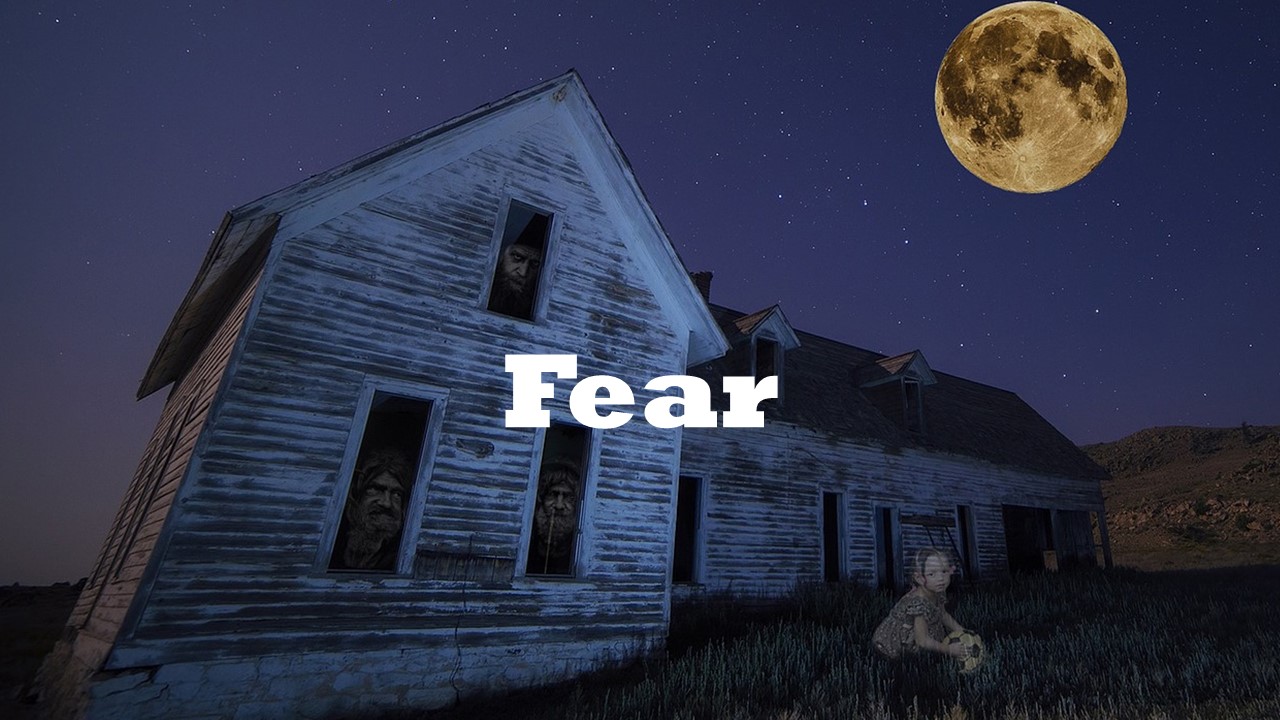
Conquer Your Fears and Anxieties

By David Joel Miller, MS, Licensed Therapist & Licensed Counselor.

Fear.

Fear.
Photo courtesy of Pixabay.com

How do you get past those fear and anxiety feelings?

Fear likes you to think it is a roaring lion.

We all have our fears, but some people let fear stop them while others do things in spite of those fears. Here are some tips to help you manage your fears and anxieties. These are techniques you might use to go about shrinking those anxieties down to kitten size roars.

1. Take a close look at the fear – what are you really afraid of?

Many fears are vague fuzzy creatures. You feel if you do something or don’t do something else, then for sure, something bad will happen. Take another look. What are you really afraid of? If you can’t identify specific, high probability bad possibilities, the chances are that what you are really afraid of is change and the unknown.

What is the worst that could happen? What is the best that might happen? Is it worth the risk?

Take another look at that fear and you may find that it is nothing you really need to let stand in your way.

2. Make an inventory of your fears and anxieties.

If you find that you have lots of fears and anxieties you need to start by learning to identify them. Write them all down by name. What are you afraid of? Give them ratings. How much do you fear each item you have listed? Arrange them in order and start by challenging the least terrifying fear. As you work your way up the list you may find that you were fearing things that are not scary once you bring that fear out of its dark hiding place into the light.

3. Is anxiety telling you the truth?

Challenge each fear. Is it telling you the truth? Just because something seems scary does not mean it is really dangerous. Gather evidence about the real risks of this thing that scares you. Do your friends and other supporters have this same fear? How do they cope despite those fears?

Fear tries to manipulate you by telling you lies. Cross-examine that fear and present it the evidence you have gathered on why this thing is not the awful calamity it pretends to be.

4. Keep your eye on the goal of being fear-free.

When you have your mind set on getting something you will find that fear will get out of your way. Want to help or protect your child from danger, then you will have less difficulty with your anxiety.

How much do you want or need that job? Keep reminding yourself of your goal and the importance of getting where you need to go. Keeping your eye on the prize keeps you moving forward regardless of the fear.

5. Keep stretching your comfort zone.

Our anxieties are at their worst when you get too far outside your comfort zone. Think of the things that you have done in the past that you did not feel comfortable doing, but because of a friend’s encouragement or a real desire you did it anyway.

Having stepped a little outside your comfort zone and realizing things went well can stretch your confront zone.

Keep stretching out that comfort zone a little at a time and see how brave you will become.

6. Do not let fear steal your life.

Fear is a thief. Anxiety is a bully. They want to take your life away from you. Keep control of your life and let your fears and anxieties know that you are in charge. You can choose to do or not do something, but no fear or pint-size anxiety will keep you from having the life you want and deserve.

7. Use positive self-talk.

Keep telling yourself that you can. Remind yourself of what you want and why. Words matter. We humans think in words and what we think tends to come true. Tell yourself you can’t and you create the failure. Tell yourself that you will give it your best effort and see what happens.

Occasionally you will give it the best shot you have and something will still turn out badly. Do not take this as a confirmation of your fears. Believe that no one hits 100% but that if you keep on going despite those fears there is no limit to how far you will go.

What have you done recently to give your fears and anxieties the boot? Leave a comment and let the rest of us know what works to keep the anxiety beast at bay.

Staying connected with David Joel Miller

Seven David Joel Miller Books are available now!

My newest book is now available. It was my opportunity to try on a new genre. I’ve been working on this book for several years, but now seem like the right time to publish it.

Story Bureau.

Story Bureau is a thrilling Dystopian Post-Apocalyptic adventure in the Surviving the Apocalypse series.

Baldwin struggles to survive life in a post-apocalyptic world where the government controls everything.

As society collapses and his family gets plunged into poverty, Baldwin takes a job in the capital city, working for a government agency called the Story Bureau. He discovers the Story Bureau is not a benign news outlet but a sinister government plot to manipulate society.

Bumps on the Road of Life. Whether you struggle with anxiety, depression, low motivation, or addiction, you can recover. Bumps on the Road of Life is the story of how people get off track and how to get your life out of the ditch.

Dark Family Secrets: Doris wants to get her life back, but small-town prejudice could shatter her dreams.

Casino Robbery Arthur Mitchell escapes the trauma of watching his girlfriend die. But the killers know he’s a witness and want him dead.

Planned Accidents  The second Arthur Mitchell and Plutus mystery.

Letters from the Dead: The third in the Arthur Mitchell mystery series.

What would you do if you found a letter to a detective describing a crime and you knew the writer and detective were dead, and you could be next?

Sasquatch. Three things about us, you should know. One, we have seen the past. Two, we’re trapped there. Three, I don’t know if we’ll ever get back to our own time.

For these and my upcoming books; please visit my Author Page – David Joel Miller

Want the latest blog posts as they publish? Subscribe to this blog.

For videos, see: Counselorssoapbox YouTube Video Channel

Recovery is where you’re going – not where you’ve been

By David Joel Miller, MS, Licensed Therapist & Licensed Counselor.

Road to a happy life.
Photo courtesy of Pixabay.com

If things are bad keep moving.

Recovery is about the future and the process of getting where you want to be.

When things are at their worse don’t look down, don’t look back, keep looking forward.

If right now things in your life look bad and you are tempted to give up, keep reminding yourself that your future is more important than your past. No matter how bad things may look from where you’re standing recovery is possible.

Whatever your issue, an emotional problem, an addiction, or a severe mental illness, you should know that lots of others have had that problem or similar ones, and they have moved from being in the problem to being in the solution.

When things are bad it is easy to look down and see where you are and feel stuck in this terrible situation. You may be telling yourself that things “can’t” get better or that they will “always” be this way for you. You may feel that you are somehow different or that your issues are unique and that others are not having to struggle with the things you have to cope with.

The reality of this situation is that lots of people struggle with issues every day. Some stay stuck in the problem and some keep moving and eventually things change. The way of things is to change. People, on the other hand, they have to work at changing themselves.

We all have pasts. Some people’s pasts are a whole lot worse than others. Your past may have determined who you are today. It made you the person you are. It does not have to determine the person you become.

Whether you are 16 or 86, you can spend the rest of your life looking back over your shoulder at your past and wishing it had been different. But looking over that shoulder and saying, because a particular thing happened to you, nothing better can ever be, that keeps you stuck in the pain.

Embrace the future. Believe that change is possible. Change starts with changing you. Do new things if you want a new result. Keep your eyes focused down the road on where you want to go and see where the path of life might take you.

Without a dream, a vision of the future life can be a nightmare.

If you feel stuck look for some help. Here are some suggestions for getting that help.

Develop a support system

Getting help

Professional help.

12 step or other self-help groups.

Just because you have been in a bad place in the past does not mean your future is set in stone. There are no guarantees but people who keep moving towards recovery get a lot farther than those who give up and stay stuck in the past.

When you are living in the past you have no future. Where would you like your road of recovery to take you?

Staying connected with David Joel Miller

Seven David Joel Miller Books are available now!

My newest book is now available. It was my opportunity to try on a new genre. I’ve been working on this book for several years, but now seem like the right time to publish it.

Story Bureau.

Story Bureau is a thrilling Dystopian Post-Apocalyptic adventure in the Surviving the Apocalypse series.

Baldwin struggles to survive life in a post-apocalyptic world where the government controls everything.

As society collapses and his family gets plunged into poverty, Baldwin takes a job in the capital city, working for a government agency called the Story Bureau. He discovers the Story Bureau is not a benign news outlet but a sinister government plot to manipulate society.

Bumps on the Road of Life. Whether you struggle with anxiety, depression, low motivation, or addiction, you can recover. Bumps on the Road of Life is the story of how people get off track and how to get your life out of the ditch.

Dark Family Secrets: Doris wants to get her life back, but small-town prejudice could shatter her dreams.

Casino Robbery Arthur Mitchell escapes the trauma of watching his girlfriend die. But the killers know he’s a witness and want him dead.

Planned Accidents  The second Arthur Mitchell and Plutus mystery.

Letters from the Dead: The third in the Arthur Mitchell mystery series.

What would you do if you found a letter to a detective describing a crime and you knew the writer and detective were dead, and you could be next?

Sasquatch. Three things about us, you should know. One, we have seen the past. Two, we’re trapped there. Three, I don’t know if we’ll ever get back to our own time.

For these and my upcoming books; please visit my Author Page – David Joel Miller

Want the latest blog posts as they publish? Subscribe to this blog.

For videos, see: Counselorssoapbox YouTube Video Channel

How will you feel when you feel better?

By David Joel Miller, MS, Licensed Therapist & Licensed Counselor.

Happy children

Happy.
Photo courtesy of Pixabay.com

You feel bad – you want to feel better – but how do you know when you get there.

We all know what it is like to feel bad. When we start feeling bad most of us instinctively want to feel better. But how do you get from bad to feeling better? And if you head off in a direction how will you know if this is taking you where you want to be.

Not everyone feels the same when they feel “bad” so the solution to changing how you feel may be different for each of us.

What is the feeling that you need more of in your life to move from feeling bad to feeling better?

Too much excitement becomes stress. Too much relaxation can turn into boredom. If you are feeling badly there just might be a lack of one of these other feelings in your life.

1. Contentment.

Contentment is the ability to enjoy where you are and what you have, now in the present. It is easy to spend your whole life running after more of this and less of that when what really matters, you, is always there.

Practice the art of contentment and you will feel less of a need for something else to make you feel “good.”

The stress created by chasing something, something else, to make us happy is the very thing that gets in our way. So rather than going after more of this or that consider stopping to enjoy what you have. Contentment, one way of understanding it anyway, is to stand still and enjoy where you are. Life will keep moving on and you will never be the same you that is there right now.

2. Relaxed.

Few people in western society are able to feel relaxed. Relaxing is something you can do anytime and any place if you learn the skill. Being relaxed is not the same feeling as being drugged out, drunk or unconscious.

Relaxed is a combined state where both the mind and the body come together to release the stress and the worries that become such heavy burdens.

It does not help if while we are doing throughout our day we are always rushing to get somewhere where we will be able to relax. Work on being able to relax anytime and any place.

3. Excited.

Ever watch little children play? They can become excited at the smallest things. If we restrict our focus, the things that bring us pleasure and excitement, to a few items, there will never be enough.

Work on getting excited whenever you do whatever it is you do.

4. Loving.

Practice the art of loving. Love yourself first and foremost. If you don’t like you no amount of love from anyone else will fill up that leaking container.

Love works better as a verb. Love and be loved. Try to make it a noun, I have love, I want more love and you may never get enough. Practice loving where you are, who you are with, the things you do, and especially yourself.

If you are not able to love, let it go. You can’t do enough to get others to love you. They either do or don’t. Be the best person you can be and love yourself in the process.

That does not mean being selfish. Giving can make you happy also. Just make sure you are not giving yourself away. Being loved should not have a price. If you try to buy love, that is another thing.

5. Caring.

Want to feel good, care a lot. Care about yourself, do self-care whatever that means to you. Don’t know how to do “self-care?” Make that a top priority. Love yourself enough to take care of yourself.

Care about others around you. Care about life and living a good one. If you find yourself no longer caring. Work on finding something to care about

Saying “I don’t care” most often means you do care but are afraid to let yourself do so because you may be disappointed. Let yourself care but accept that the way things are is the way they are.

Remember that old prayer. Change what you can and accept what you can’t. The task of living is to learn the difference.

Staying connected with David Joel Miller

Seven David Joel Miller Books are available now!

My newest book is now available. It was my opportunity to try on a new genre. I’ve been working on this book for several years, but now seem like the right time to publish it.

Story Bureau.

Story Bureau is a thrilling Dystopian Post-Apocalyptic adventure in the Surviving the Apocalypse series.

Baldwin struggles to survive life in a post-apocalyptic world where the government controls everything.

As society collapses and his family gets plunged into poverty, Baldwin takes a job in the capital city, working for a government agency called the Story Bureau. He discovers the Story Bureau is not a benign news outlet but a sinister government plot to manipulate society.

Bumps on the Road of Life. Whether you struggle with anxiety, depression, low motivation, or addiction, you can recover. Bumps on the Road of Life is the story of how people get off track and how to get your life out of the ditch.

Dark Family Secrets: Doris wants to get her life back, but small-town prejudice could shatter her dreams.

Casino Robbery Arthur Mitchell escapes the trauma of watching his girlfriend die. But the killers know he’s a witness and want him dead.

Planned Accidents  The second Arthur Mitchell and Plutus mystery.

Letters from the Dead: The third in the Arthur Mitchell mystery series.

What would you do if you found a letter to a detective describing a crime and you knew the writer and detective were dead, and you could be next?

Sasquatch. Three things about us, you should know. One, we have seen the past. Two, we’re trapped there. Three, I don’t know if we’ll ever get back to our own time.

For these and my upcoming books; please visit my Author Page – David Joel Miller

Want the latest blog posts as they publish? Subscribe to this blog.

For videos, see: Counselorssoapbox YouTube Video Channel

Making Feelings Your Friends

By David Joel Miller, MS, Licensed Therapist & Licensed Counselor.

group of friends.

Friendship.
Photo courtesy of Pixabay.com

20 ways to make your emotions your friends, not your master.

Sometime near the Victorian era humans adopted the idea that emotions were bad and pure rational thought was good. The result is that a lot of people make a serious effort to stay out of touch with their feelings.

Not allowing yourself to feel sad can result in an inability to feel happy.

Recently studies have shown that top executives who paid attention to their feelings, used their intuition as an element in making decisions were significantly more successful at growing their companies.

Here are some suggested practices that can make those feelings, even the uncomfortable ones, into friends that are providing you with the information you need to create the life you want.

1. Pay attention to the times you are feeling.

Do not ignore traffic lights or sirens. Learn to pay attention to the alarms that go off in your building and in your head.

The first step in making friends with your feelings is to notice when they are trying to tell you something. Like young children, these feelings you have been ignoring may keep repeating their message over and over until you stop and acknowledge that you have felt them.

2. Learn where your feelings live.

Most of us house feelings in particular places. Tension lives in the neck or head. Discussed can make you sick to your stomach. When you get a strange body sensation do not dismiss it. Check it out. Is this a physical ache or pain or is this emotional? A whole lot of undiagnosable pains turn out to be feelings that people mistake for a physical ailment. Yes, psychosomatic pain hurts. It is your emotions that live in your body telling you that they need your attention.

3. Learn the names of your feelings.

If you have feelings, and we all do, after you have identified that you are having this sensation, psychical or emotional, next try to put a name to the feeling. The more names you can attach to feelings the more accurate the information they can provide to you.

4. Recognize that others may not be feeling what you are feeling – empathy.

Not everyone experiences an event in the same way. Learn to recognize that others may be scared when you are intrigued. What makes someone else feel excitement may make you fearful.

5. Study and learn about nonverbal expressions of feelings.

More than half of human emotions are conveyed in nonverbal form. We share this with other animals. A growl means one thing and a wagging tail and a whimper another Humans make nonverbal statements all the time.

You probably do it whether you realize it or not.

Ever noticed someone who rolled their eyes when others talk? It is annoying if you are the one who is on the receiving end of the eye roll.

Do you roll your eyes? Make an effort to notice how others express their emotions nonverbally and then challenge yourself to see the times you use the same nonverbal displays of your emotions. You may be surprised that you have been giving off a lot of unconscious “vibes.”

6. Get to know yourself – what makes you feel each feeling.

In therapy, I often ask the client to tell me what makes them happy and what makes them sad. A surprisingly large number cannot list things that produce either of these feelings. They may occasionally feel happy but they have no idea why. If you know what makes you happy you can try to increase the happy experiences in life.

7. Stay in the present.

The feelings that matter most are those you are feeling right now. The nervous system is perfectly capable of reliving past experiences and providing you the feelings that accompanied those experiences. Staying in the present allows you to make the maximum use of the information your feelings are providing about your current situation.

8. Make peace with the past.

Most of us remember a lot of things from the past, those past memories are likely to be biased in the direction of painful experiences, memories of mistakes you made.

9. Do not try to live the future before it gets here.

You can dream about the future. You can prepare for it and practice for it, but your life is lived in the present. Make that the best possible present and you will create the future you want.

10. Believe in something beyond yourself.

Realistic people know that they are not perfect. We all make mistakes. The more you do the more errors you will make. Be kind and gentle with yourself. Do not expect yourself to be perfect.

Having a power greater than yourself to focus on keeps you from falling into the trap of believing that everything is unsatisfactory.

11. Set good boundaries.

Taking care of yourself is not being selfish. Set boundaries. Do not let others dump their garbage on your lawn or their negative feeling in your lap.

12. Learn to listen more than you talk.

Do not jump to conclusions. A lot of hurt feelings is the result of thinking someone said something to or about you that as not what they were really saying.

It is more important to understand what someone else is saying and feeling than it is to get them to understand you.

The person who most needs to understand you is you.

13. Observe others to see what they feel.

Words can be deceptive. Actions often speak louder than words. Watch what others do as well as say. Learn to read their nonverbal messages and see how they may be feeling behind the words they say.

14. Develop a passion – care about something.

Without a strong passion, life becomes bland. What energizes you? What do you care about? What is your life purpose and passion? Find those things and you will find that those feelings that dwell in your passion will make you a better person.

15. Learn your triggers.

Certain things can trigger strong emotions whether you want them to or not. Does the evening news make you feel informed or depressed? How do the weather and the changes of the season affect your mood states?

16. Do the right thing.

Living a life that is consistent with your values and goals will produce a life with fewer fears or regrets.

17. Give more than you take.

If you have ever helped a child or a person in need, you should have had the experience of feeling good that you could be of service. That feeling of pride in helping others is one of the great joys of life. Do not cheat yourself out of the chance to feel good by helping others. Do not cheat others out of the chance to feel good by helping you.

Do good to others for the joy of feeling good about what you did. If you do things for others expecting something in return then you are setting yourself up to feel cheated. The greatest joy is in the giving. But you can enjoy the receiving also if you accept the gift with no judgment about what it should have been.

18. Set high goals.

Set high goals for your life.  Aim higher than you need to reach to feel good about yourself. You are unlikely to accomplish more than you aimed for but do not be disheartened if you get less than all you have aimed for.

19. Accept failure as a required subject.

The only person who does not fail is the one who does not try. Learn from your misses. Take more shots and see what you may be able to accomplish.

20. Forgive yourself – guilt makes you do better, shame is that feeling of not being an OK person.

Learn the difference between guilt and shame. Guilt is a normal functional feeling. Guilt is the feeling “I did something I should not have done or failed to do what I should have done.” Guilt gets you to stop doing things you should not do. It can also motivate you to do those things you should do.

Shame is about feeling you are a bad person because you did something or failed in your efforts to do something. Some families are shame-based. They try to control each other by putting the others down for the things that were less than perfect. Do not feel ashamed if you tried and were less than perfect. That is what a human is supposed to do. Try, do the less than perfect, and then try again. If you can hit the bull eye the first time the target is too close.

Aiming higher by accepting that what you do, if done with good motives, is good enough.

Staying connected with David Joel Miller

Seven David Joel Miller Books are available now!

My newest book is now available. It was my opportunity to try on a new genre. I’ve been working on this book for several years, but now seem like the right time to publish it.

Story Bureau.

Story Bureau is a thrilling Dystopian Post-Apocalyptic adventure in the Surviving the Apocalypse series.

Baldwin struggles to survive life in a post-apocalyptic world where the government controls everything.

As society collapses and his family gets plunged into poverty, Baldwin takes a job in the capital city, working for a government agency called the Story Bureau. He discovers the Story Bureau is not a benign news outlet but a sinister government plot to manipulate society.

Bumps on the Road of Life. Whether you struggle with anxiety, depression, low motivation, or addiction, you can recover. Bumps on the Road of Life is the story of how people get off track and how to get your life out of the ditch.

Dark Family Secrets: Doris wants to get her life back, but small-town prejudice could shatter her dreams.

Casino Robbery Arthur Mitchell escapes the trauma of watching his girlfriend die. But the killers know he’s a witness and want him dead.

Planned Accidents  The second Arthur Mitchell and Plutus mystery.

Letters from the Dead: The third in the Arthur Mitchell mystery series.

What would you do if you found a letter to a detective describing a crime and you knew the writer and detective were dead, and you could be next?

Sasquatch. Three things about us, you should know. One, we have seen the past. Two, we’re trapped there. Three, I don’t know if we’ll ever get back to our own time.

For these and my upcoming books; please visit my Author Page – David Joel Miller

Want the latest blog posts as they publish? Subscribe to this blog.

For videos, see: Counselorssoapbox YouTube Video Channel

Things you need to stop worrying about

By David Joel Miller, MS, Licensed Therapist & Licensed Counselor.

Man worrying,

Some things you do not need to worry about.
Photo courtesy of Pixabay.com

Worrying about the wrong things is keeping you stuck.

Some things may be worth worrying about. Especially if that worry will spur you to take action and change something.

There are a whole lot of things that consume people’s time in worry that really should not be on your list of things to worry about.

Chuck these topics of worry for a happier more productive life.

1. Stop worrying about what others think about you.

The more you do the more people will find to criticize you about. What others think about you is none of your business. Do things because you think they are right, do them because they please you and because this is what you chose to do. Let others opinions go.

2. Stop worrying that you are not good enough.

You are however you are. Accept yourself as you are and then go on to make the best of who and what you are. You are plenty good enough for you. If there is room for improvement focus on the things you would like to be better and let go of the thoughts that you are not yet all you want to be.

You are and will be throughout your life a work in progress, not a finished person.

3. Stop worrying about what you “should” do.

That list of “should’s” left over from childhood is holding you back. Do not do things because others said you should. If you think it is right do it. Do only those things that are right for you.

Do what you are doing. Do it to the best of your ability and in a fair and honest way but never sweat whether the thing you have chosen to do is what you “should” be doing.

While doing one thing do not worry about other things you should be doing. Stay focused on the moment or quit and change what you are doing.

You are always doing what you are doing now.

4. Do not worry that people do not agree with you.

There are always people who will disagree no matter who you are or what you will do. New, innovative things arise because someone does something that others never thought of doing.

You will not be able to make everyone happy. Start by making yourself happy. Consider the consequences of who will disagree with you and why, but the final authority on you is you.

5. Do not worry about someone else’s issues.

You can only change you. If someone else has issues then they need to be willing to change. You can offer support if they chose to change but you are not in charge of others’ lives and they are not in control of yours.

Focus on your own issues, those things you can and should be working on, and offer others the same option.

6. Stop trying to get someone to do what you want.

You can waste a lot of time on manipulation and trying to control others. Work on being the kind of person others would want to work with rather than trying to make them do things your way.

Your way may be good for you but it might not be what someone else needs. Especially stay focused on the results you want rather than on making others do things the way you would do them.

7. Don’t worry that you do not have enough education

Plenty of people have accomplished great things with minimal education. People frequently use a lack of formal education as an excuse for not doing anything.

Do what you can with the training you have. Practical experience is a great teacher. Get more education if this is a requirement for a field you want to work in. You are never too old for more learning. Many people have to retrain multiple times for new careers. People with one degree decide that field is not a fit for them and change occupations.

Make the most of what you know and learn something new each day. You will be amazed at how far you can go.

8. Do not worry about your looks.

Make the most of what you have but always stay focused on who you are inside and what you can do. Sure in some fields a certain look is valued. But there are plenty of stories about how a person who is driven to succeed made it even though they did not fit the normal look.

A quick glance around any large employer will show you that there are lots of people working there that have less than perfect looks.

9. Do not think that you can’t face a problem.

Most problems have to be faced one way or another. Even if you run you have had an encounter with that problem. Run once and you may have to run the rest of your life. Problems do not disappear when you run from them. Many problems shrink as soon as you begin to take actions to work on them.

10. Avoid rehashing what you should have done.

The past is gone. Worrying about what you should have done prevents you from doing in the only time you ever really have – the now.

Keep doing. Accept that some things will work out. You will have some regrets and along the way, you will accomplish some things you can be proud of.

11. Stop thinking that you are not doing enough.

Do what you can. Make an honest effort. That is enough. If you can do more do it. Time spent worrying that you are not doing enough is time not spent working or relaxing. Self-care, time not working, is a part of keeping yourself productive.

12. Do not worry that you are doing too much.

If you are highly productive give yourself credit. If this is wearing you out cut back. Practice saying “No.” If you need to do this because of a boss or a position you hold then relax and stop worrying about it.

Do not concern yourself that you are doing more and someone else is doing less. You are not them and they are not you.

13. Stop worrying about things that are out of your control.

Plan for the unexpected. Work to mitigate the effects of disasters and the unexpected but worrying about them wastes time trying to control the uncontrollable when you should be making the most of the opportunities at hand.

Worrying about the unexpected wears you out and accomplishes nothing.

14. Do not worry that you are going to fast.

Some things take more time than others. Some people move and work at a fast pace. If you are making too many mistakes slow down. Work at the pace that is best for you.

15. Stop thinking that you made a mistake.

If you made mistakes, correct the ones that you can. If it can’t be corrected learn from it. Most mistakes are small things in the long run. What is the lesson you needed to learn? The more you try to accomplish the greater the risk that some things will not work out. Do not think of these less than perfect outcomes as mistakes. They are learning opportunities.

16. Avoid worrying about money.

Worrying about money does make more of it. Somehow those with little money get by and those with a lot never seem to have enough. If you have money problems work on ways to spend less, stretch what you have further, and make more.

Worrying is wasted effort. Learn all you can about money and finances. Do not be misled into thinking that if you just had more money your troubles would disappear. You would still have problems they would just be different problems.

17. Avoid the thought that there is something wrong with you.

You are fine just the way you are. If you have medical or psychiatric concerns see a doctor or a therapist. If you have legal or financial issues see a professional in that field.

Learn to accept yourself the way you are and then work on becoming a better more skilled person.

18. Don’t worry that you do not have the best things.

People who judge you based on the things you have are shallow people. Judging yourself that way will make you shallow. The more you have, the farther away the goal of having the “best things” moves.

There is no end to the things people think they need and then tomorrow those things are passé.

Anyone out there jealous of my collection of 8 track cassettes and 8-inch floppy diskettes?

19. Stop thinking that your opinion is wrong.

You have the right to your opinion. You also have the right to sometimes be wrong. Accept that no one is right all the time.

When making decisions and taking actions consider the possibility that you could be wrong. When you get new information or situations change reconsider your opinion.

Do not beat yourself up for having had an incorrect opinion and especially do not waste time on worrying that today’s opinion may be tomorrow’s error.

20. Stop worrying that people are taking advantage of you.

Be careful in your dealings. Do not assume others have your best interest at heart. Make sure you do things because you want to and they are right for you.

Once you make those decisions do not worry if someone else is getting something out of your interaction.

Reserve the right to periodically reevaluate things and change relationships as needed. Worrying will not protect you from being taken advantage of. Careful research and good advice will help here.

21. Do not worry that others are better than you.

There will always be someone better than everyone else. Records only stand so long and then someone breaks them.

You can’t be the best at everything. You may not be the best at anything. Work on being the best you can be and accept that if you approve of yourself then what you do will be good enough.

22. Don’t worry that you are out of time.

Time keeps moving forward. Make the best of what you have and then let it go. Worry that you are out of time waists some of the precious time you do have.

23. The things you want will never happen.

If they did happen then you would only want more. Some things we want do happen and some do not. In retrospect, as we grow older, some of the things we wanted in the past we become glad never happened.

There are 23 different things that you could worry about, but why would you? Stop worrying about as many of these things as you can and see if your life does not become happier and more productive.

Are there other things you have found that you no longer need to worry about?

Staying connected with David Joel Miller

Seven David Joel Miller Books are available now!

My newest book is now available. It was my opportunity to try on a new genre. I’ve been working on this book for several years, but now seem like the right time to publish it.

Story Bureau.

Story Bureau is a thrilling Dystopian Post-Apocalyptic adventure in the Surviving the Apocalypse series.

Baldwin struggles to survive life in a post-apocalyptic world where the government controls everything.

As society collapses and his family gets plunged into poverty, Baldwin takes a job in the capital city, working for a government agency called the Story Bureau. He discovers the Story Bureau is not a benign news outlet but a sinister government plot to manipulate society.

Bumps on the Road of Life. Whether you struggle with anxiety, depression, low motivation, or addiction, you can recover. Bumps on the Road of Life is the story of how people get off track and how to get your life out of the ditch.

Dark Family Secrets: Doris wants to get her life back, but small-town prejudice could shatter her dreams.

Casino Robbery Arthur Mitchell escapes the trauma of watching his girlfriend die. But the killers know he’s a witness and want him dead.

Planned Accidents  The second Arthur Mitchell and Plutus mystery.

Letters from the Dead: The third in the Arthur Mitchell mystery series.

What would you do if you found a letter to a detective describing a crime and you knew the writer and detective were dead, and you could be next?

Sasquatch. Three things about us, you should know. One, we have seen the past. Two, we’re trapped there. Three, I don’t know if we’ll ever get back to our own time.

For these and my upcoming books; please visit my Author Page – David Joel Miller

Want the latest blog posts as they publish? Subscribe to this blog.

For videos, see: Counselorssoapbox YouTube Video Channel

16 Ways to create a happy life.

By David Joel Miller, MS, Licensed Therapist & Licensed Counselor.

Happy children

Happy.
Photo courtesy of Pixabay.com

Not feeling very good about your life?

Here are 16 ways you can make your life a happier environment.

1. Do things you can be proud of.

When you do things you are proud of, you feel good about yourself. When you feel good about yourself it makes you happy.

To be something you are proud of what you do does not need to be any grand gesture. Make sure you recognize those little positive things you do each day.

Start recognizing all that you do for yourself and for others each day and hold on to those lists of things you have accomplished across your lifetime.

What are the things you are most proud of that you have done so far in your life? Can you do more of those things?

2. Do things for others.

Doing good deeds will make you happier than doing selfish ones. Whenever we are able to help someone else we get an opportunity to feel good about ourselves. Make sure you are doing this because you want to do something for another and as a result feel good yourself. If you do a good deed because someone forces you to or you do one which you really don’t want to do, it will result in developing a resentment.

3. Make a new friend.

Making friends will add to your happiness. Sometimes those friends are just for now. You talk to someone on the bus or in line and then you head off in opposite directions. Other times you will put out your hand, start a conversation, or offer to help and the result will be a friend that will brighten your life for a long time to come.

4. Schedule time to take care of you.

Make self-care a top priority. You can’t feel good or happy if you neglect yourself. Eat well, sleep enough to repair your body, and give yourself time to relax.

5. Treat yourself to something positive you enjoy.

Life should not be made up solely of the necessities. Sometimes you need to treat and pamper yourself. Be sure that these little treats for yourself are positive, not negative pleasures. Do things for yourself that involve relaxation and pleasure, not overspending or substance abuse. That would mean your pleasure comes at a cost that needs to be paid tomorrow.

6. Include humor in your life every chance you get.

Laughter changes your mood. The more you laugh the happier you become. If watching an hour of comedy does not brighten your mood you may have a significant depression. In that case, get help.

Take what you do seriously but do not take yourself overly seriously. Learn to laugh at your own foibles. We all have them, but happy people can laugh at their oddities.

7. Make up a gratitude list.

If you must compare yourself, pick people who have less than you to use for comparison. Be grateful for all you have. There are others, in your town or across the sea that have far less than you. Do not take blessings for granted but develop the practice of seeing those benefits when you have them.

8. Express yourself.

There are all kinds of ways to express yourself. Some people do it by talking. You may also find that you can express yourself through drawing, singing, or dance. You do not need to be an expert. You do not need to be any particular way. What you do need to do is to find ways that allow you to express and affirm who you are.

Draw, make music, or write. Be creative.

9. Visit Mother Nature.

We are getting a long way away from our roots. More people now live in cities than in small towns and rural areas. Make it a practice to stay connected to Mother Nature outside the times of inclement weather.

Take a trip to the beach or the mountains. Visit a park. Grow a plant. Take a walk and notice the things that are growing, flowering, and reaching for the sky.

Marvel at the birds that manage to eke out a living in our cities and still can fly off to places in the trees.

10. Spend time with a favorite animal.

Animals can be powerful connections to a happy life. Have a pet. Watch an animal that lives in your neighborhood. Visit a park and watch the birds and the squirrels.

11. Clean your glasses.

If you start to long at a dirty world the lenses through which you look become dirty. The constant mudslinging on the news can color your view of the world.

Find a fresh positive way to view your world. Look for people who do good things. Find youth that is making a difference and encourage them.

12. Develop your intuition.

Those nerve cells in your body are there for a reason. Learn to listen to those feelings in your stomach and those pains in your neck. They can help you identify risks and pleasures that your conscious mind has forgotten.

Notice the feel of the sun on your skin when you are cold. Live in tune with your senses for greater happiness wherever you find yourself.

13. Care for your body.

The part you call your body is not some inconvenient appendage to your thoughts. The flesh is not a lesser creature to be abused. Get plenty of good healthy food. Sleep well. Do not overtax your body. Do let it have the exercise it needs to function well.

Maintain your body and you will get years of happy use from it. Do not make it carry excess weight or do more than it can with less rest and food than it needs.

14. Develop a schedule for your day and week.

Create a rhythm for your life. Use schedules to bring certainty and predictability to your life. Keep those schedules loose and flexible enough to provide security. But do not become a slave to the tyranny of an excessively crowded schedule of your own making.

Include time in that schedule for happiness and the things that make you happy.

15. Nurture your mind and spirit.

Spend your time wisely. All work leaves you an unhappy person with things. Invest some of that time you get each day on things that improve and nurture your mind and your spirit. Read, watch a play, practice your religious faith.

16. Forgive yourself.

Making mistakes is a part of living life as a human. Learn to accept yourself warts and all. Let your mistakes go. Learn from experiences but don’t stay stuck in regrets.

These are some of my suggestions for creating a happy life. Do you have others that you would care to share?

Staying connected with David Joel Miller

Seven David Joel Miller Books are available now!

My newest book is now available. It was my opportunity to try on a new genre. I’ve been working on this book for several years, but now seem like the right time to publish it.

Story Bureau.

Story Bureau is a thrilling Dystopian Post-Apocalyptic adventure in the Surviving the Apocalypse series.

Baldwin struggles to survive life in a post-apocalyptic world where the government controls everything.

As society collapses and his family gets plunged into poverty, Baldwin takes a job in the capital city, working for a government agency called the Story Bureau. He discovers the Story Bureau is not a benign news outlet but a sinister government plot to manipulate society.

Bumps on the Road of Life. Whether you struggle with anxiety, depression, low motivation, or addiction, you can recover. Bumps on the Road of Life is the story of how people get off track and how to get your life out of the ditch.

Dark Family Secrets: Doris wants to get her life back, but small-town prejudice could shatter her dreams.

Casino Robbery Arthur Mitchell escapes the trauma of watching his girlfriend die. But the killers know he’s a witness and want him dead.

Planned Accidents  The second Arthur Mitchell and Plutus mystery.

Letters from the Dead: The third in the Arthur Mitchell mystery series.

What would you do if you found a letter to a detective describing a crime and you knew the writer and detective were dead, and you could be next?

Sasquatch. Three things about us, you should know. One, we have seen the past. Two, we’re trapped there. Three, I don’t know if we’ll ever get back to our own time.

For these and my upcoming books; please visit my Author Page – David Joel Miller

Want the latest blog posts as they publish? Subscribe to this blog.

For videos, see: Counselorssoapbox YouTube Video Channel