
5 mandatory skills for a happy healthy life

By David Joel Miller, MS, Licensed Therapist & Licensed Counselor.

Happy children

Happy.
Photo courtesy of Pixabay.com

For a happy, healthy life there are 5 must-have skills.

Most happy life skills are relatively simple. You would think we would all have learned them shortly after birth. Just in case no one told you about these happy life skills or if over the years you have forgotten to practice some of these skills, here are the top 5 skills you need for a happy life.

Just in case no one told you about these happy life skills or if over the years you have forgotten to practice some of these skills, here are the top 5 skills you need for a happy life.

1. Breath.

Breathe deeply and slowly. Do not rush through the breathing part of your life. Breath too fast or too little and you get to the end of your life too soon. Rapid shallow breathing promotes and maintains anxiety.

Learn to breathe slowly, from way down in your diaphragm. Linger over each breath and savor it like a tasty morsel. Slow deep breathing relaxes you and helps oxygenate your blood.

2. Sleep.

Think nothing happens when you sleep? Think again. The body heals and repair work gets done while you sleep. The brain uses a lot of energy and gets all heated up. A good sleep cools the brain down and gets neurons ready to work the next day.

Memories get sorted, consolidated, and filed away. Your brain also works on those leftover scenarios. It figures things out and helps you remember things to avoid to keep you safe.

Failure to get sufficient sleep will reduce your thinking and emotional regulation skills and put you at risk for more mistakes the next day.

Do not try to fake sleep. You can’t overdraw the sleep account and then try to make an extra deposit on the weekend. There is a hefty bounced check charge on lost sleep.

Drinking and drug use to fake sleep does not help either. Use alcohol to “nod off” and you are unconscious not sleeping. You may pass out but your brain gets no sleep.

3. Move around.

Use it or lose it should be the warning label on your body and your brain. Failure to get enough exercise leads to all sorts of medical problems.

Your brain also requires exercise and challenges to stay healthy. No watching a reality show is not brain food. One report tells us that for each hour of TV you watch while sitting down you lose 22 minutes off your lifespan.

Someone needs to make a TV that runs on the power you generate by riding your indoor bike.

4. Eat well.

Most people in the industrialized world have no trouble getting enough calories each day. The trouble is that quantity does not make up for quality. Being overweight does not equal good nutrition.

Learn to eat healthy and balanced meals. Avoid fad diets. Drink more water and fewer sodas. If you drink caffeinated beverages avoid the ones with sugar added and do not add more sweetener.

No one is likely to go from a junk food and sugar diet to a truly healthy diet in a short time. Make small changes as you can. Keep making changes and see where you will be in a year or two.

5. Cut out the drugs, alcohol, and cigarettes.

Do I need to tell you that happy people smoke far fewer cigarettes than unhappy people? The drug of choice among the homeless is cigarettes, followed by alcohol. Smoke over two packs a day and the chance you will be homeless at some point in your life increases something like – 400 %.

Cut out the alcohol and the drugs of abuse, prescribed or street type, for more happiness. Despite the heavy use of drugs to pursue happiness, I have not met many happy alcoholics or drug addicts.

5. Spend time with positive people.

The more time you spend with someone the more likely you are to think and act like they do. Hang out with the winners and you become one. Hangout with the failures and you will end up living down to their level.

Surround yourself with happy people and their happiness, along with their behaviors and attitudes, will “rub off” on you.

Those are my picks for the top five happy life skills. Notice that more money and more things did not make the list. Sure toys are nice and money gives you options, but no amount of money and things makes up for not breathing, sleeping, eating, or having friends.

Do you have any happy life skills, not on this list that you would like to share?

Staying connected with David Joel Miller

Seven David Joel Miller Books are available now!

My newest book is now available. It was my opportunity to try on a new genre. I’ve been working on this book for several years, but now seem like the right time to publish it.

Story Bureau.

Story Bureau is a thrilling Dystopian Post-Apocalyptic adventure in the Surviving the Apocalypse series.

Baldwin struggles to survive life in a post-apocalyptic world where the government controls everything.

As society collapses and his family gets plunged into poverty, Baldwin takes a job in the capital city, working for a government agency called the Story Bureau. He discovers the Story Bureau is not a benign news outlet but a sinister government plot to manipulate society.

Bumps on the Road of Life. Whether you struggle with anxiety, depression, low motivation, or addiction, you can recover. Bumps on the Road of Life is the story of how people get off track and how to get your life out of the ditch.

Dark Family Secrets: Doris wants to get her life back, but small-town prejudice could shatter her dreams.

Casino Robbery Arthur Mitchell escapes the trauma of watching his girlfriend die. But the killers know he’s a witness and want him dead.

Planned Accidents  The second Arthur Mitchell and Plutus mystery.

Letters from the Dead: The third in the Arthur Mitchell mystery series.

What would you do if you found a letter to a detective describing a crime and you knew the writer and detective were dead, and you could be next?

Sasquatch. Three things about us, you should know. One, we have seen the past. Two, we’re trapped there. Three, I don’t know if we’ll ever get back to our own time.

For these and my upcoming books; please visit my Author Page – David Joel Miller

Want the latest blog posts as they publish? Subscribe to this blog.

For videos, see: Counselorssoapbox YouTube Video Channel

Ways to overcome shyness.

By David Joel Miller, MS, Licensed Therapist & Licensed Counselor.

Shy Person

Shyness.
Photo courtesy of Pixabay.com

Here are some suggestions to get past your shyness.

Shyness can keep you on the sidelines and out of life. Some people have been shy since early childhood and others are only shy in certain social situations. Whatever your personal issues with meeting or being around others these tips can help you get past that shyness and get into a fuller, richer life.

Some people have been shy since early childhood and others are only shy in certain social situations.

Whatever your personal issues with meeting or being around others these tips can help you get past that shyness and get into a fuller, richer life.

1. Positive self-talk – keep telling yourself you can.

Keep telling yourself that you can do this. Have a personal mantra or affirmation that helps you keep your fears at bay and maintains your focus on meeting others and making new friends. Repeat the self-affirmation silently to yourself. Concentration on your coping slogan takes your mind away from your fears.

Remember the children’s story about the train engine that kept saying it could. When you are repeating positive thoughts there is less room for self-doubt.

2. Slip into character.

Some performers, actors, musicians, and even public speakers, are shy people in their personal life. But when they get on stage they think of themselves as filling that role. When you think of yourself as a “rock star” there is no room for shyness.

Create a person for yourself. Become the leader of the group, the den mother, or some other role. When you realize that you are here to represent something it is easier to get into that role and be that outgoing extrovert. Pretend to be extroverted a few times and you will find yourself being transformed from shy to confident.

3. Take a friend along.

A friend is reassuring. You can introduce them and they introduce you. Having someone there as a cheerleader can give the confidence to tackle challenges you might otherwise find impossible.

Two people challenging their fears may be just the strength you have been needing to take that step towards being more outgoing.

4. Play to your strengths.

Engage in activities that make you feel comfortable. Do you like to garden? Join a garden society and you will have like-minded others to talk with. Like to read? Join a book club.

Make it a point to attend activities that you enjoy and feel good about engaging in.

5. Do your homework.

Going somewhere new? Try to learn something about the people you will be meeting and their interests. Attending a charity function? Look up the charity and see what they do and who the leaders of the group are.

Knowing a little about your host’s interest or the place you are going helps you feel more confident in conversation.

6. Ask lots of questions.

Feel embarrassed when talking about yourself? Ask the other people lots of questions about themselves. Most people are delighted to talk about themselves and if you give them the chance they will carry most of the conversation. Once the conversation ball starts to roll you can add value to the conversation as the chances present themselves.

7. Make technology your friend.

Stay connected in between face-to-face meetings by emailing or texting. With email, you get extra time to think about what you want to say and to proofread to get your message right.

Give yourself time to compose your reply. You are not required to engage in Ping-Pong emails.

8. Put your hand out and introduce yourself.

A simple Hi my name is — will go a long way towards breaking the ice. Be the first one to say hi and you will become the sought-after friend of others.

There are 8 short ideas to help you overcome your shyness in positive ways without having to resort to drugs, alcohol, or other negative behaviors. Which one of these suggestions will you try first?  Have you found other ways to overcome your shyness?

Staying connected with David Joel Miller

Seven David Joel Miller Books are available now!

My newest book is now available. It was my opportunity to try on a new genre. I’ve been working on this book for several years, but now seem like the right time to publish it.

Story Bureau.

Story Bureau is a thrilling Dystopian Post-Apocalyptic adventure in the Surviving the Apocalypse series.

Baldwin struggles to survive life in a post-apocalyptic world where the government controls everything.

As society collapses and his family gets plunged into poverty, Baldwin takes a job in the capital city, working for a government agency called the Story Bureau. He discovers the Story Bureau is not a benign news outlet but a sinister government plot to manipulate society.

Bumps on the Road of Life. Whether you struggle with anxiety, depression, low motivation, or addiction, you can recover. Bumps on the Road of Life is the story of how people get off track and how to get your life out of the ditch.

Dark Family Secrets: Doris wants to get her life back, but small-town prejudice could shatter her dreams.

Casino Robbery Arthur Mitchell escapes the trauma of watching his girlfriend die. But the killers know he’s a witness and want him dead.

Planned Accidents  The second Arthur Mitchell and Plutus mystery.

Letters from the Dead: The third in the Arthur Mitchell mystery series.

What would you do if you found a letter to a detective describing a crime and you knew the writer and detective were dead, and you could be next?

Sasquatch. Three things about us, you should know. One, we have seen the past. Two, we’re trapped there. Three, I don’t know if we’ll ever get back to our own time.

For these and my upcoming books; please visit my Author Page – David Joel Miller

Want the latest blog posts as they publish? Subscribe to this blog.

For videos, see: Counselorssoapbox YouTube Video Channel
Conquer Your Fears and Anxieties

By David Joel Miller, MS, Licensed Therapist & Licensed Counselor.

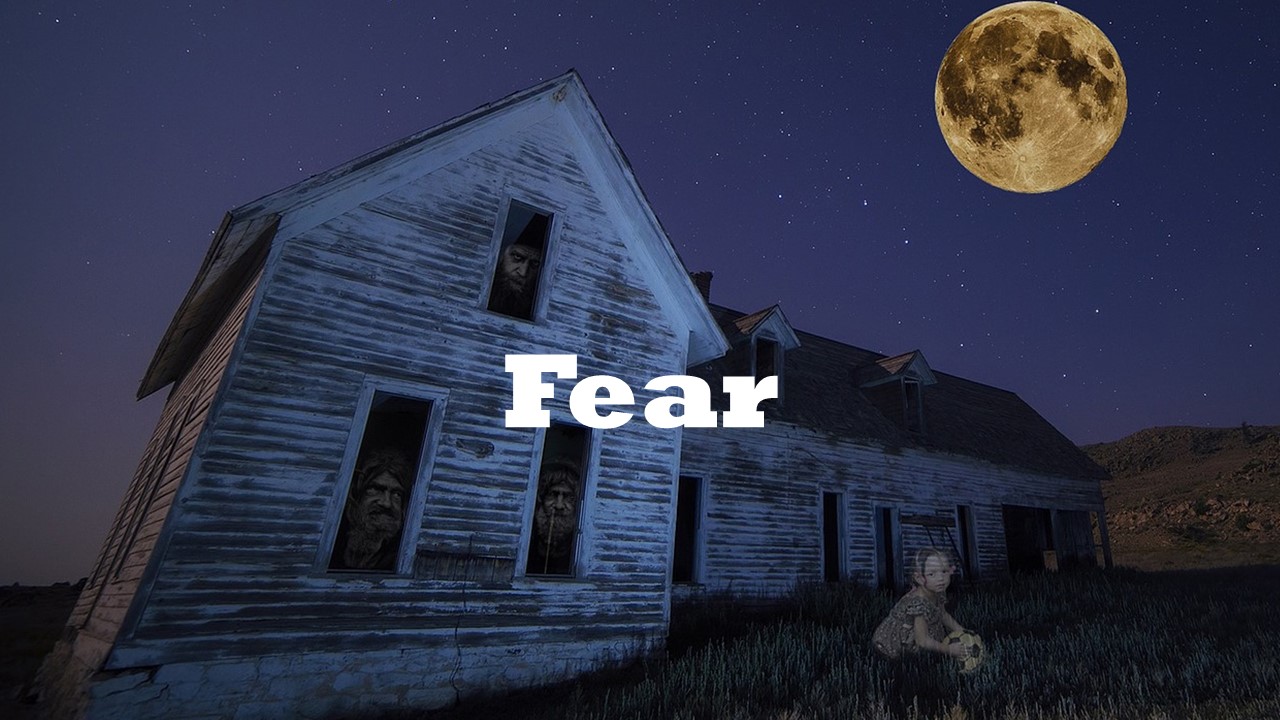
Fear.

Fear.
Photo courtesy of Pixabay.com

How do you get past those fear and anxiety feelings?

Fear likes you to think it is a roaring lion.

We all have our fears, but some people let fear stop them while others do things in spite of those fears. Here are some tips to help you manage your fears and anxieties. These are techniques you might use to go about shrinking those anxieties down to kitten size roars.

1. Take a close look at the fear – what are you really afraid of?

Many fears are vague fuzzy creatures. You feel if you do something or don’t do something else, then for sure, something bad will happen. Take another look. What are you really afraid of? If you can’t identify specific, high probability bad possibilities, the chances are that what you are really afraid of is change and the unknown.

What is the worst that could happen? What is the best that might happen? Is it worth the risk?

Take another look at that fear and you may find that it is nothing you really need to let stand in your way.

2. Make an inventory of your fears and anxieties.

If you find that you have lots of fears and anxieties you need to start by learning to identify them. Write them all down by name. What are you afraid of? Give them ratings. How much do you fear each item you have listed? Arrange them in order and start by challenging the least terrifying fear. As you work your way up the list you may find that you were fearing things that are not scary once you bring that fear out of its dark hiding place into the light.

3. Is anxiety telling you the truth?

Challenge each fear. Is it telling you the truth? Just because something seems scary does not mean it is really dangerous. Gather evidence about the real risks of this thing that scares you. Do your friends and other supporters have this same fear? How do they cope despite those fears?

Fear tries to manipulate you by telling you lies. Cross-examine that fear and present it the evidence you have gathered on why this thing is not the awful calamity it pretends to be.

4. Keep your eye on the goal of being fear-free.

When you have your mind set on getting something you will find that fear will get out of your way. Want to help or protect your child from danger, then you will have less difficulty with your anxiety.

How much do you want or need that job? Keep reminding yourself of your goal and the importance of getting where you need to go. Keeping your eye on the prize keeps you moving forward regardless of the fear.

5. Keep stretching your comfort zone.

Our anxieties are at their worst when you get too far outside your comfort zone. Think of the things that you have done in the past that you did not feel comfortable doing, but because of a friend’s encouragement or a real desire you did it anyway.

Having stepped a little outside your comfort zone and realizing things went well can stretch your confront zone.

Keep stretching out that comfort zone a little at a time and see how brave you will become.

6. Do not let fear steal your life.

Fear is a thief. Anxiety is a bully. They want to take your life away from you. Keep control of your life and let your fears and anxieties know that you are in charge. You can choose to do or not do something, but no fear or pint-size anxiety will keep you from having the life you want and deserve.

7. Use positive self-talk.

Keep telling yourself that you can. Remind yourself of what you want and why. Words matter. We humans think in words and what we think tends to come true. Tell yourself you can’t and you create the failure. Tell yourself that you will give it your best effort and see what happens.

Occasionally you will give it the best shot you have and something will still turn out badly. Do not take this as a confirmation of your fears. Believe that no one hits 100% but that if you keep on going despite those fears there is no limit to how far you will go.

What have you done recently to give your fears and anxieties the boot? Leave a comment and let the rest of us know what works to keep the anxiety beast at bay.

Staying connected with David Joel Miller

Seven David Joel Miller Books are available now!

My newest book is now available. It was my opportunity to try on a new genre. I’ve been working on this book for several years, but now seem like the right time to publish it.

Story Bureau.

Story Bureau is a thrilling Dystopian Post-Apocalyptic adventure in the Surviving the Apocalypse series.

Baldwin struggles to survive life in a post-apocalyptic world where the government controls everything.

As society collapses and his family gets plunged into poverty, Baldwin takes a job in the capital city, working for a government agency called the Story Bureau. He discovers the Story Bureau is not a benign news outlet but a sinister government plot to manipulate society.

Bumps on the Road of Life. Whether you struggle with anxiety, depression, low motivation, or addiction, you can recover. Bumps on the Road of Life is the story of how people get off track and how to get your life out of the ditch.

Dark Family Secrets: Doris wants to get her life back, but small-town prejudice could shatter her dreams.

Casino Robbery Arthur Mitchell escapes the trauma of watching his girlfriend die. But the killers know he’s a witness and want him dead.

Planned Accidents  The second Arthur Mitchell and Plutus mystery.

Letters from the Dead: The third in the Arthur Mitchell mystery series.

What would you do if you found a letter to a detective describing a crime and you knew the writer and detective were dead, and you could be next?

Sasquatch. Three things about us, you should know. One, we have seen the past. Two, we’re trapped there. Three, I don’t know if we’ll ever get back to our own time.

For these and my upcoming books; please visit my Author Page – David Joel Miller

Want the latest blog posts as they publish? Subscribe to this blog.

For videos, see: Counselorssoapbox YouTube Video Channel
17 Ways to de-stress

By David Joel Miller, MS, Licensed Therapist & Licensed Counselor.

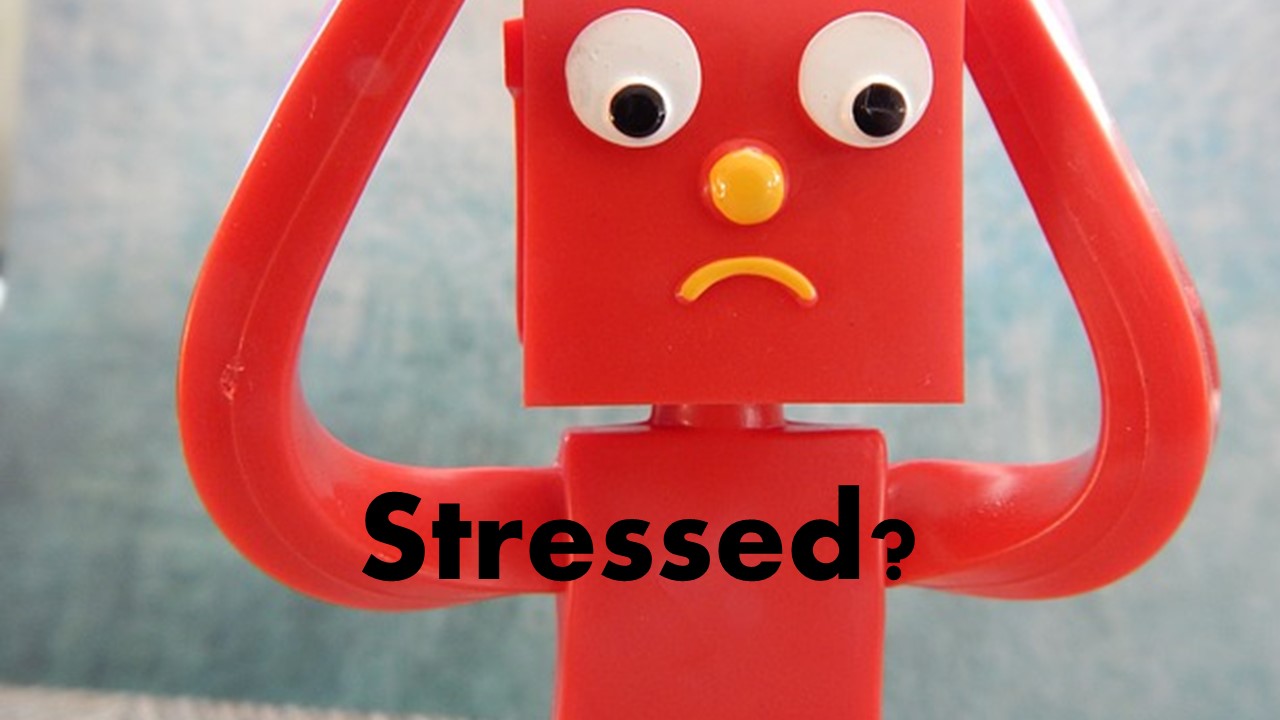
Stressed

Feeling stressed out?
Photo courtesy of Pixabay.com

How do you manage stress?

Stress can overwhelm you at any time or anywhere – Here are some suggested ways to turn down the stress volume.

1. Breath.

Under stress, most of us forget to breathe. The result is fewer shorter breathes and an overwhelming sense of panic that can follow a lack of air in your lungs.

Slow your breathing down. Take deep breaths from the diaphragm. You should feel your stomach moving in and out. Short fast breaths from high up in your chest can increase the feelings of stress.

Breathe slowly and deeply, pause between breaths. Watch your stress move out each time you breathe out and pause before taking in that next deep breath.

2. Make friends with silence.

There is noise everywhere. We have our radios and our televisions, our iPad’s and other electronics all screaming away at once. Add on people talking at you all day long and a few people screaming for whatever reason and you are bound to feel the stress meter rise.

Think back to that last time you felt really relaxed and distressed. Maybe a vacation in the mountains or at the beach. One thing you are likely to remember about that time is how quiet it was.

Those voices in your head can get awfully loud some days. Learn to quiet your mind down and embrace the silence. I keep a set of headphones at my desk to minimize the noise. Soft nature sounds help, sometimes no sound at all helps even more to reduce my stress.

3. Say a positive affirmation.

Affirmations are those little saying you tell yourself that help you to cope. Don’t lie to yourself or the whole affirmation will backfire. Tell yourself that this may be stressful but you can handle it. This too shall pass or whatever other saying works for you to put this current stress in perspective.

4. Make a list of the good things in your life.

If you keep thinking about all the problems your life story gets soaked through with problems. Most of us have lots of positive things going on. Take those little sparkling moments and hold on to them.

Writing out a list of things that are good, things you are grateful for can put the rest of your life in perspective. This list, sometimes called a gratitude list, can be a reference guide when things get tough.

The very act of writing down positive things in your life reinforces those things. Thinking saves the thought briefly in one part of the brain. Writing stores these blessings in a second part of the brain. Sharing them out loud with a friend stores them in a third part of the brain. The more of your brain that is full of happiness the less room there is for stress.

5. Stand more.

Stand and get the body moving. Stretch and relax those tense muscles. Tight muscles can be a result of stress but they can also be the cause of your body thinking that the stress is worse than it really is.

People who stand burn more calories than those who sit. Standing is a quick easy way to relax and reduce the stress of the moment.

6. Walk more.

Walking can be very effective in reducing depression. When the body shares the load the mind can get a rest. A quick walk to the end of the hall, the water cooler, or the bathroom can refocus the mind and move the stress off the front burner.

7. Make prioritized lists.

The human brain has a limit on the number of things you can keep in conscious memory at any one time. The more you try to keep in the front of the mind the less space is available to work on the current task.

Writing down a “to-do list” can free up space in your brain to get this task done. It also reduces the anxiety you may be feeling that you might forget something.

Once the list is down on paper, prioritize those things. Do one big hard thing first and leave the long list of quick things for later when you may only have a few minutes left.

Check those items off your list as you do them and by the end of the day you may find that you are far more productive and less stressed than when you were spending all that time trying to remember all those things you needed to get done today.

8. Feel what you’re feeling.

Feelings are not the enemy. They can convey much-needed information. Feelings like human friends are not always right. Because something scares you does not mean it is dangerous. Listen to the feelings but then make informed decisions on how you will handle those feelings.

See the post Making Friends with Feelings

9. Look at things that make you happy.

If you run from place to place with no time to take in the joys of life you will only accumulate more stress. Slow down sometimes and notice the pleasant things. Take an extra second or two and taste the thing you are eating. Pause to notice those flowers growing outside your office.

Accumulating those brief doses of pleasure can make the rest of the day less stressful.

Ever stop to really look at the pictures your workplace put up in the hall?

10. Carry a worry stone

A worry stone, religious symbol, or other personal object carried in your pocket can absorb a lot of that stress you are holding onto.

11. Make time for family and friends.

When you don’t have friends and family around you, then you are all alone. Seek out positive people for a role in your stress reduction plan.

12. A pet can help you reduce stress.

When no one else listens, when you feel all alone, that pet, a dog or cat, is waiting at the door when you come home. A pet is a great example of unconditional love.

13. Be an indoor explorer – look for new experiences.

Check out a new deli or other places to eat. Visit a new store or library. Keep an eye peeled for things you might try that you have never done. A local adult education or college class may offer all kinds of opportunities for new experiences.

There are lots of resources on the internet these days to allow you to take a class at a far off university or learn about something that interests you.

14. Develop a skill.

Is there a new skill you might develop? Something you always wanted to do but never got around to? Take the time to develop that skill and see where it takes you. Those breaks while you practice that skill reduce stress and challenge you to keep working on your self-improvement.

15. Do self-care.

The more stressed-out people get the less time they take for self-care. Do something nice for yourself. Look for ways to treat yourself well.

16. Practice your spirituality.

If you have a faith, practice it. Religion or spirituality are comforting when times are tough. If you have a belief make sure that your actions are consistent with that belief. Pray, meditate, or engage in other spiritual practices. Those moments of faith can get that stress volume down to a realistic size.

17. Express Yourself.

Write not because you have to but because you chose to. Draw if that interests you. Do this for yourself, not for the approval of others. Dance, pantomime or practice any other expressive skill.

There are my suggestions of 17 ways to reduce stress. Do you have other ways you have found to help you manage your stress?

Staying connected with David Joel Miller

Seven David Joel Miller Books are available now!

My newest book is now available. It was my opportunity to try on a new genre. I’ve been working on this book for several years, but now seem like the right time to publish it.

Story Bureau.

Story Bureau is a thrilling Dystopian Post-Apocalyptic adventure in the Surviving the Apocalypse series.

Baldwin struggles to survive life in a post-apocalyptic world where the government controls everything.

As society collapses and his family gets plunged into poverty, Baldwin takes a job in the capital city, working for a government agency called the Story Bureau. He discovers the Story Bureau is not a benign news outlet but a sinister government plot to manipulate society.

Bumps on the Road of Life. Whether you struggle with anxiety, depression, low motivation, or addiction, you can recover. Bumps on the Road of Life is the story of how people get off track and how to get your life out of the ditch.

Dark Family Secrets: Doris wants to get her life back, but small-town prejudice could shatter her dreams.

Casino Robbery Arthur Mitchell escapes the trauma of watching his girlfriend die. But the killers know he’s a witness and want him dead.

Planned Accidents  The second Arthur Mitchell and Plutus mystery.

Letters from the Dead: The third in the Arthur Mitchell mystery series.

What would you do if you found a letter to a detective describing a crime and you knew the writer and detective were dead, and you could be next?

Sasquatch. Three things about us, you should know. One, we have seen the past. Two, we’re trapped there. Three, I don’t know if we’ll ever get back to our own time.

For these and my upcoming books; please visit my Author Page – David Joel Miller

Want the latest blog posts as they publish? Subscribe to this blog.

For videos, see: Counselorssoapbox YouTube Video Channel

Reduce Stress by saying NO!

By David Joel Miller, MS, Licensed Therapist & Licensed Counselor.

Just say no.
Photo courtesy of Pixabay.com

Ways to say no and cut down on your stress.

There will always be more to do that there will be time to do it. The ability to say no and keep the stress in your life to a minimum is an important component of good mental health. Other people, of course, want you to do the things they want and so they take your yes for a given. Not telling people no can become the same as saying yes. Learning to be more assertive and to tell people no can help you keep your emotional life in balance.

Saying yes too much steals time from the things you really want to do. We would all like to make others happy. Sometimes it feels uncomfortable to say no to others. Every time you say yes or more importantly fail to say no you give up a little bit of you.

You get 168 hours of time each week. Spend them wisely. There will always be competing requests for your time. Your boss wants some, so does your spouse or partner. If you have kids they want all of your time they can get, at least until they become teens.

Your friends and family will also want some of your time. So do these people who call you on the phone or pound on your door wanting to sell you something.

Each time you let them have some time because you do not want to be rude or curt, you risk giving away some of the time you had planned to spend on something else.

When your life is over-full there is no room for new people or new activities.

If you let casual acquaintances take up your time, you spend that precious resource on them. If those people in your life ask you for money, whether you have it or not, remember that most of us have to give up some of our time to get that money. The more they ask of you the less there is for yourself or others.

If you have people in your life that take up your time and do not add value to your life, they are taking the place that could belong to someone else. Until you end a bad relationship there is no time or room in your life for a new one.

You can’t start something new till you end something you are doing now.

Any new activity will take time. Going back to school, starting a hobby, doing some traveling, they all require time.

You will not get any younger

Doing things you do not want to do spends your time. You will run out of that time reserve eventually.

Saying yes comes at a cost.

Saying yes creates an obligation, to yourself and others. The more the obligations the less the resources you have for you and the things that really matter. No not create obligations and then develop resentments because those other people are taking up your time.

Saying no does not make you a bad person.

If you feel that saying no is selfish or makes you a bad person think again. There are lots of good reasons to tell others no. Having good boundaries protects you and it protects others. Your children need to learn the word no and who but you are better qualified to teach them the power of no?

Giving reasons for your no sounds like you want to be talked into it.

If you have decided that the answer to this request should be no, state that answer and leave it at that. Offering reasons why you would like to do something but can’t just open the door for the other person to offer ways you can do what they requested.

Ever tell a salesman you do not have the money for something right now? And did they suggest using a credit card or time payments? See how your no’s may sound more like “talk me into it’s?”

Offer choices if you might want to do something another time or way.

In getting out of things, offering alternative choices can be a close cousin to saying no. The answer may be more like “I can’t do what you are asking but I can do —.” Consider this option if you do have something you would like to do with or for the person making the request but the original request is something you chose to not do.

Give yourself time to think it over.

You do not have to give everyone an answer the moment they ask the question. Many people have one of two default responses. They either say no to everything and regret it or they say yes to everything and regret a lot of those yes’s.

You can answer that you need time to think it over and then make that decision at your leisure.

Talk or write the decision out.

If you find it hard to make a decision and then stick to it consider writing out the request, the possible options, and then what will happen if you say yes, no or yes with some changes and qualifications.

Writing things out can often bring the correct responses into focus. Talking things out with a trusted friend or adviser can help clarify both the right decision and why it may be difficult for you to tell this other person the “No!” you are really feeling.

Do you have difficulty telling people no? How might your life be different if you practiced the “saying no” skill?

Staying connected with David Joel Miller

Seven David Joel Miller Books are available now!

My newest book is now available. It was my opportunity to try on a new genre. I’ve been working on this book for several years, but now seem like the right time to publish it.

Story Bureau.

Story Bureau is a thrilling Dystopian Post-Apocalyptic adventure in the Surviving the Apocalypse series.

Baldwin struggles to survive life in a post-apocalyptic world where the government controls everything.

As society collapses and his family gets plunged into poverty, Baldwin takes a job in the capital city, working for a government agency called the Story Bureau. He discovers the Story Bureau is not a benign news outlet but a sinister government plot to manipulate society.

Bumps on the Road of Life. Whether you struggle with anxiety, depression, low motivation, or addiction, you can recover. Bumps on the Road of Life is the story of how people get off track and how to get your life out of the ditch.

Dark Family Secrets: Doris wants to get her life back, but small-town prejudice could shatter her dreams.

Casino Robbery Arthur Mitchell escapes the trauma of watching his girlfriend die. But the killers know he’s a witness and want him dead.

Planned Accidents  The second Arthur Mitchell and Plutus mystery.

Letters from the Dead: The third in the Arthur Mitchell mystery series.

What would you do if you found a letter to a detective describing a crime and you knew the writer and detective were dead, and you could be next?

Sasquatch. Three things about us, you should know. One, we have seen the past. Two, we’re trapped there. Three, I don’t know if we’ll ever get back to our own time.

For these and my upcoming books; please visit my Author Page – David Joel Miller

Want the latest blog posts as they publish? Subscribe to this blog.

For videos, see: Counselorssoapbox YouTube Video Channel

Recovery is where you’re going – not where you’ve been

By David Joel Miller, MS, Licensed Therapist & Licensed Counselor.

Road to a happy life.
Photo courtesy of Pixabay.com

If things are bad keep moving.

Recovery is about the future and the process of getting where you want to be.

When things are at their worse don’t look down, don’t look back, keep looking forward.

If right now things in your life look bad and you are tempted to give up, keep reminding yourself that your future is more important than your past. No matter how bad things may look from where you’re standing recovery is possible.

Whatever your issue, an emotional problem, an addiction, or a severe mental illness, you should know that lots of others have had that problem or similar ones, and they have moved from being in the problem to being in the solution.

When things are bad it is easy to look down and see where you are and feel stuck in this terrible situation. You may be telling yourself that things “can’t” get better or that they will “always” be this way for you. You may feel that you are somehow different or that your issues are unique and that others are not having to struggle with the things you have to cope with.

The reality of this situation is that lots of people struggle with issues every day. Some stay stuck in the problem and some keep moving and eventually things change. The way of things is to change. People, on the other hand, they have to work at changing themselves.

We all have pasts. Some people’s pasts are a whole lot worse than others. Your past may have determined who you are today. It made you the person you are. It does not have to determine the person you become.

Whether you are 16 or 86, you can spend the rest of your life looking back over your shoulder at your past and wishing it had been different. But looking over that shoulder and saying, because a particular thing happened to you, nothing better can ever be, that keeps you stuck in the pain.

Embrace the future. Believe that change is possible. Change starts with changing you. Do new things if you want a new result. Keep your eyes focused down the road on where you want to go and see where the path of life might take you.

Without a dream, a vision of the future life can be a nightmare.

If you feel stuck look for some help. Here are some suggestions for getting that help.

Develop a support system

Getting help

Professional help.

12 step or other self-help groups.

Just because you have been in a bad place in the past does not mean your future is set in stone. There are no guarantees but people who keep moving towards recovery get a lot farther than those who give up and stay stuck in the past.

When you are living in the past you have no future. Where would you like your road of recovery to take you?

Staying connected with David Joel Miller

Seven David Joel Miller Books are available now!

My newest book is now available. It was my opportunity to try on a new genre. I’ve been working on this book for several years, but now seem like the right time to publish it.

Story Bureau.

Story Bureau is a thrilling Dystopian Post-Apocalyptic adventure in the Surviving the Apocalypse series.

Baldwin struggles to survive life in a post-apocalyptic world where the government controls everything.

As society collapses and his family gets plunged into poverty, Baldwin takes a job in the capital city, working for a government agency called the Story Bureau. He discovers the Story Bureau is not a benign news outlet but a sinister government plot to manipulate society.

Bumps on the Road of Life. Whether you struggle with anxiety, depression, low motivation, or addiction, you can recover. Bumps on the Road of Life is the story of how people get off track and how to get your life out of the ditch.

Dark Family Secrets: Doris wants to get her life back, but small-town prejudice could shatter her dreams.

Casino Robbery Arthur Mitchell escapes the trauma of watching his girlfriend die. But the killers know he’s a witness and want him dead.

Planned Accidents  The second Arthur Mitchell and Plutus mystery.

Letters from the Dead: The third in the Arthur Mitchell mystery series.

What would you do if you found a letter to a detective describing a crime and you knew the writer and detective were dead, and you could be next?

Sasquatch. Three things about us, you should know. One, we have seen the past. Two, we’re trapped there. Three, I don’t know if we’ll ever get back to our own time.

For these and my upcoming books; please visit my Author Page – David Joel Miller

Want the latest blog posts as they publish? Subscribe to this blog.

For videos, see: Counselorssoapbox YouTube Video Channel

Adult problems have been with you from childhood

By David Joel Miller, MS, Licensed Therapist & Licensed Counselor.

Crying child

Youth mental health.
Photo courtesy of Pixabay.com

You grew up – your problems didn’t.

Most adult problems are lessons you learned between 8 and 18 that you learned incorrectly or are no longer true.

If you got it wrong back then and are still holding on to those unhelpful beliefs about yourself and others, you are headed for a painful adulthood.

I think of this process as like trying to memorize the blueprints for a house and then, thinking you have them committed to memory, you toss those blueprints away. A year goes by, then more years, and now you start trying to build that house. What happens if you forgot a line or two? What if you build something where it shouldn’t be and leave something else out?

A very large number of adult problems, the kind of serious, painful things that bring people to therapy, are the result of things that you learned in childhood which are no longer true or helpful.

Some of those things are painful experiences that left scars, but a whole lot of other things are beliefs that you stored away in your brain, the result of those life experiences. You have been carrying around those beliefs about how life worked since you were small and you keep trying to make your adult life work using those rules you learned back then.

If you grew up in a negative hostile environment you may find it hard to relax and feel safe even when as an adult you have moved to a very safe location. If you came to believe that an adult’s bad moods were your fault you may be spending all your adult life trying to “make” people feel good.

Teased or Bullied?

If you were teased as a child, you may have come to believe the things others said to you. People called you fat and you have been worried about your weight ever since. You may even have stopped caring for your health because you formed this image of yourself that you were a “fat person.” As a result of this image you, somewhere along the line, stopped trying to live a healthy lifestyle.

Plenty of adults believe that they are “stupid” or incompetent because they were told they were slow so much that they adopted that as part of their persona. You may be used to thinking of yourself as the unpopular one that no one likes, long after the popular crowd from school has disappeared into the pages of old yearbooks.

You may have had problems and found that drugs, alcohol, sex, or gambling helped you feel better about yourself, at least temporarily. As a result of using negative coping tools, you came to believe that you could not do things without those harmful tools. You went from leaning on a crutch to believing you could not walk without that prop.

Part of recovery, from whatever challenge you are struggling with, is to take a fresh look at yourself and decide if all those lessons you learned back when you were small are still true today. Plenty of adult learners have discovered that they were a lot smarter and more capable than they thought.

A very large part of learning is interest. If you like something you can learn it. If you become discouraged and believe that you will never “get” a particular subject you make it so. Having been told you were not “good” at something you may have lost interest and given up before you ever learned how to do that skill.

Making friends, paying attention, and having self-confidence, those are all skills people have to learn. If you concluded you had no aptitude for something or could never do something your belief learned as a child has created that situation.

The good thing about having learned things as a child is – if those beliefs or behaviors are no longer working for you, if your head is full of unhelpful beliefs, you can change those beliefs. What you learned back as a child you can unlearn. Those unhelpful beliefs about yourself can be modified.

Whenever you find yourself having unhealthy thoughts, ask yourself where those thoughts came from? Is this something you are sure about or could you have learned this part of your happy life blueprint incorrectly and by learning a new skill could you change the way things are now in your present?

You might want to take a look at a past post: Why can’t we forget the painful past?

Coming up soon is a post on how to close the door on your past and stop those old experiences from continuing to govern your present and future.

Staying connected with David Joel Miller

Seven David Joel Miller Books are available now!

My newest book is now available. It was my opportunity to try on a new genre. I’ve been working on this book for several years, but now seem like the right time to publish it.

Story Bureau.

Story Bureau is a thrilling Dystopian Post-Apocalyptic adventure in the Surviving the Apocalypse series.

Baldwin struggles to survive life in a post-apocalyptic world where the government controls everything.

As society collapses and his family gets plunged into poverty, Baldwin takes a job in the capital city, working for a government agency called the Story Bureau. He discovers the Story Bureau is not a benign news outlet but a sinister government plot to manipulate society.

Bumps on the Road of Life. Whether you struggle with anxiety, depression, low motivation, or addiction, you can recover. Bumps on the Road of Life is the story of how people get off track and how to get your life out of the ditch.

Dark Family Secrets: Doris wants to get her life back, but small-town prejudice could shatter her dreams.

Casino Robbery Arthur Mitchell escapes the trauma of watching his girlfriend die. But the killers know he’s a witness and want him dead.

Planned Accidents  The second Arthur Mitchell and Plutus mystery.

Letters from the Dead: The third in the Arthur Mitchell mystery series.

What would you do if you found a letter to a detective describing a crime and you knew the writer and detective were dead, and you could be next?

Sasquatch. Three things about us, you should know. One, we have seen the past. Two, we’re trapped there. Three, I don’t know if we’ll ever get back to our own time.

For these and my upcoming books; please visit my Author Page – David Joel Miller

Want the latest blog posts as they publish? Subscribe to this blog.

For videos, see: Counselorssoapbox YouTube Video Channel

Tools to help reach your goals

By David Joel Miller, MS, Licensed Therapist & Licensed Counselor.

Ball recovery

Recovery and Resiliency.
Photo courtesy of Pixabay.com

What tools would help you reach your goal?

Ask someone what they need to reach their perfect, happy life goal and there is a good chance they will talk about one of those rare events like winning the lottery or marrying a movie star.

In real life reaching goals is less a matter of luck and more the result of using the right tools and applying the necessary effort.

What are tools that can move you in the direction of accomplishing your life goals?

1. Have the right friends.

Sometimes described as having an effective support system, positive friends can make a lot of difference. Your success is not something friends can do for you, but having the wrong friends can sure get in the way of any life achievement goal.

Hang out with winners and you begin to emulate their behaviors. The result is that you start acting like a success and the behaviors you practice result in reaching more of your life goals.

Avoid people who you have to “live down to.” If your successes challenge your friendships, those are not real friends. They are acquaintances. Real friends want the best for you.

2. Read a book.

There are lots of self-help and personal success books. Some better than others. No one book is the right fit for everyone. Read widely and be on the lookout for the things you need to learn.

Very successful people often take ideas from one field and apply them to another. Learn all you can, it will make you a well-rounded person.

Especially read books that will make you a better person. Work on healing from your painful past experiences and growing as a person.

3. Work with a coach.

A coach or a mentor is someone who can see the things in you that you may not be able to see. Practice the things you do well. Work on improving the things you do poorly. Doing the same thing over and over, when it is not working is unlikely to get you where you want to go.

A good coach or mentor can help you decide what to practice and improve and what to change.

4. Take a class.

We are never too old or too knowledgeable to take a class or attend a training. Learning is a lifelong adventure. Learn not just for the necessities on your job but look for the ways you can expand your competencies in new areas.

Classes and trainings are great places to meet new people and make new friends.

5. Reexamine what is not working.

Do not give up just before the successes happens. If more practice or learning new skills will get you there then keep up the work.

Sometimes it pays to take a second look with a dose of reality. If you are attempting something that can’t work, that depends more on luck and less on effort, eventually, you may need to give it up.

Do not look at the things in your life that do not meet expectations as failures. Look for the lesson you needed to learn. One setback does not equal a failed life. The winners find the things they need to change and then move forward.

6. See a Counselor or Therapist.

Seeing a Therapist does not mean that there is something wrong with you. Everyone has rough patches along the road of life. A good counselor can help you see which things you are going through are a normal part of the lifespan and which are the times you need to work on yourself.

Smart people know when to ask for help and how to make use of that help to sharpen their goals and their efforts.

Staying connected with David Joel Miller

Seven David Joel Miller Books are available now!

My newest book is now available. It was my opportunity to try on a new genre. I’ve been working on this book for several years, but now seem like the right time to publish it.

Story Bureau.

Story Bureau is a thrilling Dystopian Post-Apocalyptic adventure in the Surviving the Apocalypse series.

Baldwin struggles to survive life in a post-apocalyptic world where the government controls everything.

As society collapses and his family gets plunged into poverty, Baldwin takes a job in the capital city, working for a government agency called the Story Bureau. He discovers the Story Bureau is not a benign news outlet but a sinister government plot to manipulate society.

Bumps on the Road of Life. Whether you struggle with anxiety, depression, low motivation, or addiction, you can recover. Bumps on the Road of Life is the story of how people get off track and how to get your life out of the ditch.

Dark Family Secrets: Doris wants to get her life back, but small-town prejudice could shatter her dreams.

Casino Robbery Arthur Mitchell escapes the trauma of watching his girlfriend die. But the killers know he’s a witness and want him dead.

Planned Accidents  The second Arthur Mitchell and Plutus mystery.

Letters from the Dead: The third in the Arthur Mitchell mystery series.

What would you do if you found a letter to a detective describing a crime and you knew the writer and detective were dead, and you could be next?

Sasquatch. Three things about us, you should know. One, we have seen the past. Two, we’re trapped there. Three, I don’t know if we’ll ever get back to our own time.

For these and my upcoming books; please visit my Author Page – David Joel Miller

Want the latest blog posts as they publish? Subscribe to this blog.

For videos, see: Counselorssoapbox YouTube Video Channel

How will you feel when you feel better?

By David Joel Miller, MS, Licensed Therapist & Licensed Counselor.

Happy children

Happy.
Photo courtesy of Pixabay.com

You feel bad – you want to feel better – but how do you know when you get there.

We all know what it is like to feel bad. When we start feeling bad most of us instinctively want to feel better. But how do you get from bad to feeling better? And if you head off in a direction how will you know if this is taking you where you want to be.

Not everyone feels the same when they feel “bad” so the solution to changing how you feel may be different for each of us.

What is the feeling that you need more of in your life to move from feeling bad to feeling better?

Too much excitement becomes stress. Too much relaxation can turn into boredom. If you are feeling badly there just might be a lack of one of these other feelings in your life.

1. Contentment.

Contentment is the ability to enjoy where you are and what you have, now in the present. It is easy to spend your whole life running after more of this and less of that when what really matters, you, is always there.

Practice the art of contentment and you will feel less of a need for something else to make you feel “good.”

The stress created by chasing something, something else, to make us happy is the very thing that gets in our way. So rather than going after more of this or that consider stopping to enjoy what you have. Contentment, one way of understanding it anyway, is to stand still and enjoy where you are. Life will keep moving on and you will never be the same you that is there right now.

2. Relaxed.

Few people in western society are able to feel relaxed. Relaxing is something you can do anytime and any place if you learn the skill. Being relaxed is not the same feeling as being drugged out, drunk or unconscious.

Relaxed is a combined state where both the mind and the body come together to release the stress and the worries that become such heavy burdens.

It does not help if while we are doing throughout our day we are always rushing to get somewhere where we will be able to relax. Work on being able to relax anytime and any place.

3. Excited.

Ever watch little children play? They can become excited at the smallest things. If we restrict our focus, the things that bring us pleasure and excitement, to a few items, there will never be enough.

Work on getting excited whenever you do whatever it is you do.

4. Loving.

Practice the art of loving. Love yourself first and foremost. If you don’t like you no amount of love from anyone else will fill up that leaking container.

Love works better as a verb. Love and be loved. Try to make it a noun, I have love, I want more love and you may never get enough. Practice loving where you are, who you are with, the things you do, and especially yourself.

If you are not able to love, let it go. You can’t do enough to get others to love you. They either do or don’t. Be the best person you can be and love yourself in the process.

That does not mean being selfish. Giving can make you happy also. Just make sure you are not giving yourself away. Being loved should not have a price. If you try to buy love, that is another thing.

5. Caring.

Want to feel good, care a lot. Care about yourself, do self-care whatever that means to you. Don’t know how to do “self-care?” Make that a top priority. Love yourself enough to take care of yourself.

Care about others around you. Care about life and living a good one. If you find yourself no longer caring. Work on finding something to care about

Saying “I don’t care” most often means you do care but are afraid to let yourself do so because you may be disappointed. Let yourself care but accept that the way things are is the way they are.

Remember that old prayer. Change what you can and accept what you can’t. The task of living is to learn the difference.

Staying connected with David Joel Miller

Seven David Joel Miller Books are available now!

My newest book is now available. It was my opportunity to try on a new genre. I’ve been working on this book for several years, but now seem like the right time to publish it.

Story Bureau.

Story Bureau is a thrilling Dystopian Post-Apocalyptic adventure in the Surviving the Apocalypse series.

Baldwin struggles to survive life in a post-apocalyptic world where the government controls everything.

As society collapses and his family gets plunged into poverty, Baldwin takes a job in the capital city, working for a government agency called the Story Bureau. He discovers the Story Bureau is not a benign news outlet but a sinister government plot to manipulate society.

Bumps on the Road of Life. Whether you struggle with anxiety, depression, low motivation, or addiction, you can recover. Bumps on the Road of Life is the story of how people get off track and how to get your life out of the ditch.

Dark Family Secrets: Doris wants to get her life back, but small-town prejudice could shatter her dreams.

Casino Robbery Arthur Mitchell escapes the trauma of watching his girlfriend die. But the killers know he’s a witness and want him dead.

Planned Accidents  The second Arthur Mitchell and Plutus mystery.

Letters from the Dead: The third in the Arthur Mitchell mystery series.

What would you do if you found a letter to a detective describing a crime and you knew the writer and detective were dead, and you could be next?

Sasquatch. Three things about us, you should know. One, we have seen the past. Two, we’re trapped there. Three, I don’t know if we’ll ever get back to our own time.

For these and my upcoming books; please visit my Author Page – David Joel Miller

Want the latest blog posts as they publish? Subscribe to this blog.

For videos, see: Counselorssoapbox YouTube Video Channel

How to cure low self-esteem – 19 ways to higher self esteem

By David Joel Miller, MS, Licensed Therapist & Licensed Counselor.

Believe in you.

Self-Esteem.
Photo courtesy of Pixabay.com

Ways to boost your self-esteem.

Don’t feel good about yourself? Here are some ways to solve the low self-esteem problem.

1. Stop putting yourself down – negative self-talk causes low self-esteem

If you tell yourself you can’t then you won’t. Telling yourself negative things will keep you stuck. Putting yourself down will not protect you from failure it will protect you from success.

Continued self-criticism is the surest way to lower your self-esteem. Don’t do that to you and don’t put up with others doing it either. Don’t repeat the negative things you have been told to yourself.

2. Do something.

High self-esteem is based on what you accomplish. The more you try, the more you learn how to do things. The more you do the more you will accomplish and the more you have to make you feel good about your life. Make sure you tally up the successes, not just the errors.

3. Stop rating yourself.

Accept yourself as you are. The process of rating yourself points out where you are less than perfect. No one is perfect. There is always room for growth and improvement.

Remember that half-empty glass. Concentrate on doing, not measuring, and you will find that you will have less need of boosts to your self-esteem.

4. Stop discounting the positive.

Learn to give yourself credit for the things you do well. Practice accepting praise and compliments from others. If you do not count your successes then the tally will be only failure.

5. Write out a gratitude list.

Knowing the things that make your life good, paying attention to those things can help you to feel better about yourself.

6. Don’t listen to the haters.

There are plenty of haters in the world who need to pull you down to feel good about themselves. There are those evil trolls under every bridge. Do not listen to them. Do not believe them. Do not waste time on them.

Arguing with haters brings you nothing but pain. Sinking to their level can only destroy your self-confidence.

7. What would your best friend say about you?

Don’t dismiss the things your real friends and loving family might say about you. They know your good and your bad and they like you anyway. What are the good things they see in you? Not sure? Ask them what they see as your skills and abilities. You may be surprised to find how much others think of you while you have been thinking you are coming up short.

Don’t have family or friends that would see the good in you? Work on developing a positive support system.

8. Watch who you are comparing yourself to – looking over your shoulder.

Focus on what you are doing. Constantly comparing yourself to others will cause you to become discouraged. No one wins all the time. Do not compare your everyday life to someone else’s lifetime achievement.

9. Start over each day – past successes and failures do not count today.

Stop beating yourself up for the mistake of yesterday. Each day you start out fresh. Do your best to make today better than the day before.

10. Pick friends that support you.

Surround yourself with people who like you the way you are and will support you. Being surrounded by people who like you is a great way to boost your confidence.

11. Look for the evidence – are you really stupid?

Do not discount all the evidence that you are a worthwhile person. If you only count up the negatives you miss all the evidence that you are a person of value. Not enough evidence that you are accomplishing things? Do more, not less, and you are likely to do some worthwhile things.

12. Avoid emotional reasoning.

If you are sad that does not mean things are going poorly. Just because you feel down right now does not make you a failure. We can all have times when we are discouraged. Being discouraged means you need to take another look at what you are doing. It does not mean that you are not a worthwhile person.

13. Compliment others.

Get in the habit of noticing the good in others. Tell them what you like about them. Cultivate a positive good-seeing vision and you will be more able to see the good in yourself.

14. Accept compliments.

Do not dismiss compliments. You know when people are sincere and when they are buttering you up. Being able to accept compliments and say thank you helps you to feel good about yourself. Stop chasing the positive away from your door.

15. Tell yourself you can – positive affirmations.

Start out each day by saying good things, positive affirmations, and your brain will work on making them come true.

Restart your day at any time by telling yourself that this is a good day. You are a worthwhile person and you do not need to do or say anything to be acceptable.

16. Have a successes resume.

It is easy to remember failures and harder to remember successes. Make up a list of the things you do well. Write them down. Review that list periodically and add to it. You will be surprised how many things should be on that list that you may forget otherwise.

17. Do things.

The more you do the better you will feel about yourself. Do things for the sake of doing not for the success points. The more you do the better you will feel.

18. Play your own game, not the old family role.

Families have roles. You may have been handed the “stupid” hat or the “black sheep” hat when you were born. You can change that role. Stop living down to the things others tell you and the names you may have been called. Stop saying you are stupid or bad and try on a new role. You just might like the “OK person” role.

19. Stop keeping score all the time.

Life only happens for so long and then it is over. A hundred years from now no one will remember your mistakes. Life is about having the experience, not the score. Enjoy the trip.

Really your worth as a person does not depend on your algebra test score or your golf score.

There are my suggestions – 19 ways to cure low self-esteem. Most involving putting away the tape measure and accepting yourself the way you are. Do you have any other suggestions? What has helped you to feel good about yourself and the things you do?

Staying connected with David Joel Miller

Seven David Joel Miller Books are available now!

My newest book is now available. It was my opportunity to try on a new genre. I’ve been working on this book for several years, but now seem like the right time to publish it.

Story Bureau.

Story Bureau is a thrilling Dystopian Post-Apocalyptic adventure in the Surviving the Apocalypse series.

Baldwin struggles to survive life in a post-apocalyptic world where the government controls everything.

As society collapses and his family gets plunged into poverty, Baldwin takes a job in the capital city, working for a government agency called the Story Bureau. He discovers the Story Bureau is not a benign news outlet but a sinister government plot to manipulate society.

Bumps on the Road of Life. Whether you struggle with anxiety, depression, low motivation, or addiction, you can recover. Bumps on the Road of Life is the story of how people get off track and how to get your life out of the ditch.

Dark Family Secrets: Doris wants to get her life back, but small-town prejudice could shatter her dreams.

Casino Robbery Arthur Mitchell escapes the trauma of watching his girlfriend die. But the killers know he’s a witness and want him dead.

Planned Accidents  The second Arthur Mitchell and Plutus mystery.

Letters from the Dead: The third in the Arthur Mitchell mystery series.

What would you do if you found a letter to a detective describing a crime and you knew the writer and detective were dead, and you could be next?

Sasquatch. Three things about us, you should know. One, we have seen the past. Two, we’re trapped there. Three, I don’t know if we’ll ever get back to our own time.

For these and my upcoming books; please visit my Author Page – David Joel Miller

Want the latest blog posts as they publish? Subscribe to this blog.

For videos, see: Counselorssoapbox YouTube Video Channel