
Healthy Habits available for adoption

By David Joel Miller, MS, Licensed Therapist & Licensed Counselor.

Would you like to adopt some healthy habits?

One sign of mental illness or substance use disorders is living an unhealthy lifestyle. People with depression do not have the energy to take care of themselves. People who are ill do not have the strength to maintain healthy habits.

Even those who don’t consider themselves “in recovery” find that adopting healthier habits can increase the happiness of their life and reduce the risk of becoming emotionally unhealthy.

One thing I have noticed from my time around the tables and the therapy rooms is that illnesses and diseases take a back seat to discussions of healthy habits. People who are really struggling talk about how hard, impossible it is to take care of themselves. As people recover then begin to talk increasingly about self-care.

Some will say that better self-care promotes recovery and others say that as you recover you begin to pay more attention to your self-care. I suspect there is some of both.

So what things are you doing to take better care of yourself?

Some people feel so responsible for others that they find it hard to spend time, money or effort on self-care.

Taking good care of yourself is not being selfish!

Here are some major areas of self-care that I see clients engaging in as their recovery progresses.

A better, healthier diet is part of self-care.

When you are in your disorder preparing food and eating can be a chore. Depressed people either eat nothing or they eat most everything. Often their food choices are unhealthy. Substance abusers have similar disruptions in their eating. As people begin to recover they pay more attention to what they are eating and how this is affecting them. How is your diet supporting your emotional health and recovery?

Exercise and health maintenance are parts of recovery.

Recovering people often begin an exercise program. They think about seeing a doctor. They get their physical health problems treated.

After years of failure to take care of your body, working on your health can become a priority. Recovering people need to balance their physical recovery with their emotional and spiritual recoveries. It is easy to turn an exercise program or being health conscious into a new addiction. This may be a “better addiction” but it can take you down a wrong path and away from real lasting recovery.

It is important to tell yourself that no matter how much damage to your body your old lifestyle has caused, you are worth taking care of. Depression and inactivity take their toll. So do anxiety and addiction. See to it that you get the health part of your recovery in balance with the other portions.

Setting boundaries with others safeguards recovery.

Part of recovery is learning to say no, set healthy boundaries. As you treat yourself better you will no longer be able to abide by others treating you poorly.

You will also find that you are more able to treat others as they should be treated. You will begin to recognize and respect other’s boundaries.

Safe and comfortable housing promotes recovery.

When you are down and discouraged you stay where you can. Once in recovery, you home becomes important.

You may need help finding a safe place to stay, do not hesitate to use public programs and private resources. Be sure that you make your nest in a place that is supportive of your recovery, not a place of settling for something less than you deserve.

Do what you can to make where ever you stay “your place.”

Improving relationships promotes recovery.

Recovering people want a healthy relationship with their children, parents, and significant others. They also may need to reexamine friendships and try to strengthen healthy supportive relationships, mending breaches where possible, and sometimes they find that there are former associates that need to be let go.

Even if you do not think of yourself as a recovering person, adopting healthy lifestyle practices can improve the quality of your life.

What healthy lifestyle practices are you ready to adopt and take home?

Staying connected with David Joel Miller

Seven David Joel Miller Books are available now!

My newest book is now available. It was my opportunity to try on a new genre. I’ve been working on this book for several years, but now seem like the right time to publish it.

Story Bureau.

Story Bureau is a thrilling Dystopian Post-Apocalyptic adventure in the Surviving the Apocalypse series.

Baldwin struggles to survive life in a post-apocalyptic world where the government controls everything.

As society collapses and his family gets plunged into poverty, Baldwin takes a job in the capital city, working for a government agency called the Story Bureau. He discovers the Story Bureau is not a benign news outlet but a sinister government plot to manipulate society.

Bumps on the Road of Life. Whether you struggle with anxiety, depression, low motivation, or addiction, you can recover. Bumps on the Road of Life is the story of how people get off track and how to get your life out of the ditch.

Dark Family Secrets: Doris wants to get her life back, but small-town prejudice could shatter her dreams.

Casino Robbery Arthur Mitchell escapes the trauma of watching his girlfriend die. But the killers know he’s a witness and want him dead.

Planned Accidents  The second Arthur Mitchell and Plutus mystery.

Letters from the Dead: The third in the Arthur Mitchell mystery series.

What would you do if you found a letter to a detective describing a crime and you knew the writer and detective were dead, and you could be next?

Sasquatch. Three things about us, you should know. One, we have seen the past. Two, we’re trapped there. Three, I don’t know if we’ll ever get back to our own time.

For these and my upcoming books; please visit my Author Page – David Joel Miller

Want the latest blog posts as they publish? Subscribe to this blog.

For videos, see: Counselorssoapbox YouTube Video Channel

When does recovery start?

By David Joel Miller, MS, Licensed Therapist & Licensed Counselor.

Ball recovery

Recovery and Resiliency.
Photo courtesy of Pixabay.com

When will your recovery start?

If we believe in recovery – and I do – we need to ask, when does recovery start? How does someone know that they have begun the process of recovery?

Recognizing what is wrong.

The starting point for recovery is to admit that there is something wrong.

As long as someone continues to pretend that there is nothing wrong nothing changes. I know the old conventional wisdom was to just suck things up and keep going to work doing your tasks, keep trying to control your drinking, and so on.

The result of this effort to deny the problems resulted in a whole lot of unhappy people who kept up pretenses but never felt happy, never was able to do all they should do, until that final breakdown occurred.

The nervous breakdown, the DUI, or the arrest was not the problem. The problem was that there has been an underlying emotional or substance use problem that has gone untreated because people believe that denying you have a disease keeps you from having it.

This happens a lot in the medical field. Lots of people avoid tests for cancer or HIV because they do not want to have the disease. As if not knowing would prevent you from getting it. The result of failing to acknowledge an illness is not avoiding that disease.

Not admitting your problem allows it to get worse.

You need to recognize that something is wrong before you reach a point of not being able to avoid it. Untreated problems may even reach the point of being fatal.

Yes, depression untreated can be fatal. So can alcoholism, and addiction.

Many recovered people report that they began their journey to recovery the day they admitted they had a problem.

If you have been chronically depressed or anxious, you know you have had to make a lot of excuses to get out of things that you were unable to do and still not have to tell people about your emotional problem. You know that relapse is a risk.

Making excuses gets in the way of real recovery.

The alcoholic who tries to stop drinking will often, in the beginning, make excuses for why they are not drinking. They have a headache, they need to get up early tomorrow or they just are not in the mood to drink tonight. Others around them will continue to offer to buy them a drink; they want them to join in the “fun.” Many times those friends are alcoholics also so they do not want someone else admitting a drinking problem as that might imply they have one too.

The depressed person misses a lot of activates because they have no energy to participate. The need to make excuses also. But eventually, those excuses wear thin. People begin to think you are avoiding them rather than understanding that there are days when your emotional condition makes it impossible for you to engage in activities that you used to do.

You can suffer for years trying to pretend you do not have a problem. What you may find is that once you recognize what the problem is, the treatment can be remarkably simple, simple but not easy.

You may be trying to avoid other issues.

Many times these things we call emotional illness are really the symptoms of something else we have been unable to cope with. If you hate your job or have relationship problems and drink to cope, you may think the problem is the alcohol. If you keep drinking to avoid other emotional problems, eventually that alcohol will become a problem also.

Sooner or later you need to face not only the depression or the addiction but also the bad relationships you have with your job or your close family and friends. Avoiding these problems of living causes emotional illnesses.

Once you admit to yourself and others the nature of your problem and become ready to take a good look at how you got this way, you may find that recovery is a whole lot easier than continuing to have the disease.

Staying connected with David Joel Miller

Seven David Joel Miller Books are available now!

My newest book is now available. It was my opportunity to try on a new genre. I’ve been working on this book for several years, but now seem like the right time to publish it.

Story Bureau.

Story Bureau is a thrilling Dystopian Post-Apocalyptic adventure in the Surviving the Apocalypse series.

Baldwin struggles to survive life in a post-apocalyptic world where the government controls everything.

As society collapses and his family gets plunged into poverty, Baldwin takes a job in the capital city, working for a government agency called the Story Bureau. He discovers the Story Bureau is not a benign news outlet but a sinister government plot to manipulate society.

Bumps on the Road of Life. Whether you struggle with anxiety, depression, low motivation, or addiction, you can recover. Bumps on the Road of Life is the story of how people get off track and how to get your life out of the ditch.

Dark Family Secrets: Doris wants to get her life back, but small-town prejudice could shatter her dreams.

Casino Robbery Arthur Mitchell escapes the trauma of watching his girlfriend die. But the killers know he’s a witness and want him dead.

Planned Accidents  The second Arthur Mitchell and Plutus mystery.

Letters from the Dead: The third in the Arthur Mitchell mystery series.

What would you do if you found a letter to a detective describing a crime and you knew the writer and detective were dead, and you could be next?

Sasquatch. Three things about us, you should know. One, we have seen the past. Two, we’re trapped there. Three, I don’t know if we’ll ever get back to our own time.

For these and my upcoming books; please visit my Author Page – David Joel Miller

Want the latest blog posts as they publish? Subscribe to this blog.

For videos, see: Counselorssoapbox YouTube Video Channel

You can recover from your mental illness

By David Joel Miller, MS, Licensed Therapist & Licensed Counselor.

Woman crying with alcohol

Mental illness
Photo courtesy of Pixabay.com

Recovery happens – Does that surprise you?

Mental and emotional illnesses are relatively common.

Some of you are denying that you have or could ever get a mental illness. Half the population at some time in their life will have a mental illness. Depression and anxiety problems are the most common but many other emotional problems can throw you for a loss.

Among those who do develop a mental or emotional disorder, the conventional wisdom has been that they are “seriously and persistently” mental illness. The implication, all too often, has been that once you get a mental health diagnosis then life is over for you.

Recovery happens.

The truth is that many people do recover from their mental illness. Some by using professional help and others recover in spite of the obstacles the system puts in the way of recovery.

Before the discovery that medications could help with mental illness, the prevailing thought was that the mentally ill were “Crazy” and that once you “lost your mind” it was unlikely you would regain it. This has turned out to be untrue.

Medication can help.

For some, but not all, medication has completely changed the prognosis of mental illness. If a few days on medication can restore someone to functional behavior then it is clear that having a mental illness is not an incurable condition.

We have also discovered that many of the things we used to consider mental illnesses were the result of a lack of skills. People who did not learn good social skills in childhood find it difficult to have good relationships in adulthood. The good news is that anything you learned incorrectly can be unlearned and that the human brain is never too old and rarely to sick to preclude the chance of learning new material.

The consumer movement emphasizes recovery.

One other factor has challenged the notion that once mentally ill, forever sick. Because of the stigma, the mentally ill have traditionally faced many people hid their diseases. More and more of those who have had a mental illness have come forward to talk openly and honestly about their struggles. This openness is sometimes referred to as the consumer movement.

It has become clear to me and to others that there are many highly functional individuals who have at one point or another in their lives have struggled with a mental, emotional, or behavioral illness.

Unfortunately, discrimination against the mentally ill continues to keep people away from treatment.

In truth, half of all Americans are likely to experience one or more episodes of mental illness in their lifetimes. Those fortunate enough to have a strong support system and willing to seek treatment can and do recover.

Many a tragedy, personal and public, might be averted if more people could be encouraged to go for treatment rather than trying to hide their symptoms and pretend to themselves and others that they were not struggling with a mental health challenge.

Put an end to the lie – let people know – recovery happens.

Staying connected with David Joel Miller

Seven David Joel Miller Books are available now!

My newest book is now available. It was my opportunity to try on a new genre. I’ve been working on this book for several years, but now seem like the right time to publish it.

Story Bureau.

Story Bureau is a thrilling Dystopian Post-Apocalyptic adventure in the Surviving the Apocalypse series.

Baldwin struggles to survive life in a post-apocalyptic world where the government controls everything.

As society collapses and his family gets plunged into poverty, Baldwin takes a job in the capital city, working for a government agency called the Story Bureau. He discovers the Story Bureau is not a benign news outlet but a sinister government plot to manipulate society.

Bumps on the Road of Life. Whether you struggle with anxiety, depression, low motivation, or addiction, you can recover. Bumps on the Road of Life is the story of how people get off track and how to get your life out of the ditch.

Dark Family Secrets: Doris wants to get her life back, but small-town prejudice could shatter her dreams.

Casino Robbery Arthur Mitchell escapes the trauma of watching his girlfriend die. But the killers know he’s a witness and want him dead.

Planned Accidents  The second Arthur Mitchell and Plutus mystery.

Letters from the Dead: The third in the Arthur Mitchell mystery series.

What would you do if you found a letter to a detective describing a crime and you knew the writer and detective were dead, and you could be next?

Sasquatch. Three things about us, you should know. One, we have seen the past. Two, we’re trapped there. Three, I don’t know if we’ll ever get back to our own time.

For these and my upcoming books; please visit my Author Page – David Joel Miller

Want the latest blog posts as they publish? Subscribe to this blog.

For videos, see: Counselorssoapbox YouTube Video Channel

It doesn’t have to be true for you to believe it

By David Joel Miller, MS, Licensed Therapist & Licensed Counselor.

Truth or lie

Separating truth from lies is hard work.
Photo courtesy of Pixabay.com

Just because someone believes it does not make it true.

We continue to see a lot of conflict and violence over differences in beliefs. It is hard to understand how different people could look at the same set of circumstances and come to such very different conclusions, but they do.

People can become pretty heated about the big stuff, politics, and religion, but progressively smaller things, like sports teams and physical appearance, can result in huge disagreements also.

Don’t think there is a correct way to look.

Would you kill someone or kill yourself because one of you is too tall or too short? How about being too fat or too thin? Just those sorts of beliefs are resulting in bullying, violence, and self-harm. Some of these bullying incidents have resulted in suicide even when the statement the bully made was clearly incorrect. The problem was that the victim believed something that was not true.

Being bigger or smaller, smarter, or less smart are not reasons for harm to others or self in my opinion but that is the topic of another post.

What we are seeing daily in the news is the way in which people who are told lies about themselves come to believe those lies and then take action based on those incorrect beliefs.

In counseling, we see a whole lot of people who are convinced they are too fat or thin, stupid, or ugly when the evidence in front of the counselor’s eyes contradicts that belief.

Do not believe everything you think.

Most of us fall into the trap of thinking that because we believe something, that is evidence that our beliefs are true and that others should quickly see the error of their ways when they do not agree with us.

What if some of your most firmly held beliefs turn out to be untrue?

One way in which incorrect beliefs come to be regarded as true despite no evidence or evidence to the contrary is called emotional reasoning.

If you become scared when you think of something, you could take that as evidence that the thing that scares you is dangerous.

Many of us fall into the emotional reasoning trap when we chose to believe something because it makes us feel better or more secure if that were true.

This is a way the bullies of the world torment their victims. They express a negative derogatory statement about their victim and then because others say something about you the victim is driven to believe the things the bully has said.

Many a person will make statements in your lifetime, some of them derogatory. Those comments from others do not make them true. And even if there is some grain of truth in them, remember the best lies contain just enough truth in them to be believable.

The opinions of others ought not to matter. Clearly, many of the things others say are not true. You don’t have to believe everything others tell you and you do not need to believe every negative thing you think about yourself.

Be very careful that you are not lying to yourself. The most hurtful lies are the ones we tell ourselves so often that we begin to believe them.

Staying connected with David Joel Miller

Seven David Joel Miller Books are available now!

My newest book is now available. It was my opportunity to try on a new genre. I’ve been working on this book for several years, but now seem like the right time to publish it.

Story Bureau.

Story Bureau is a thrilling Dystopian Post-Apocalyptic adventure in the Surviving the Apocalypse series.

Baldwin struggles to survive life in a post-apocalyptic world where the government controls everything.

As society collapses and his family gets plunged into poverty, Baldwin takes a job in the capital city, working for a government agency called the Story Bureau. He discovers the Story Bureau is not a benign news outlet but a sinister government plot to manipulate society.

Bumps on the Road of Life. Whether you struggle with anxiety, depression, low motivation, or addiction, you can recover. Bumps on the Road of Life is the story of how people get off track and how to get your life out of the ditch.

Dark Family Secrets: Doris wants to get her life back, but small-town prejudice could shatter her dreams.

Casino Robbery Arthur Mitchell escapes the trauma of watching his girlfriend die. But the killers know he’s a witness and want him dead.

Planned Accidents  The second Arthur Mitchell and Plutus mystery.

Letters from the Dead: The third in the Arthur Mitchell mystery series.

What would you do if you found a letter to a detective describing a crime and you knew the writer and detective were dead, and you could be next?

Sasquatch. Three things about us, you should know. One, we have seen the past. Two, we’re trapped there. Three, I don’t know if we’ll ever get back to our own time.

For these and my upcoming books; please visit my Author Page – David Joel Miller

Want the latest blog posts as they publish? Subscribe to this blog.

For videos, see: Counselorssoapbox YouTube Video Channel

The only two must-have things

By David Joel Miller, MS, Licensed Therapist & Licensed Counselor.

Happy children

Happy.
Photo courtesy of Pixabay.com

What two things are “must-haves?”

From my time as a counselor I find that there are two things, clients must have to create a happy, fulfilled life. Those two must-have things are not the things we have been led to believe are must-haves for happiness.

Whatever their challenge in life, my clients all seem to be missing two important ingredients to create a happy successful life. People who hear voices and see things and people who thought they were perfectly normal until life took a wrong turn both need those same things.

Humans as biological organisms need some minimal intakes to sustain their biology. We need some food, some water, air to breathe, and a small amount of clothing or shelter. Mostly though, as warm-blooded vertebrates, we adapt. Not having those things risks your health and life but having them does not automatically make you happy.

Happiness is not things.

America is blessed and cursed with an abundance of things. So many things we have to haul tons of them to the landfill each week just to keep our things from choking off our access to the remaining things and still – will all those things, we are not happy.

We live in a land of plenty and more people here suffer from excesses than from shortages. There is too much food and the result is obesity and diabetes. We have plenty of vehicles and we consume humongous quantities of energy in our pursuit of happiness and still, amid all those excesses we can’t find happiness. Americans consume the lion’s share of drugs and alcohol and still, we can’t arrive at happiness.

What then are those two things that appear vital in the creation of happiness whether you are rich or poor? Despite our unending search for therapies to help people with their depression two things consistently improve the depressed person’s mood, a healthy relationship, and a purpose in life. Both of these things while simple, are harder to do than they sound.

Humans need healthy relationships.

By this, I do not necessarily mean romantic or sexual relationships, though having a close romantic partner seems to make most warm-blooded vertebrates happy.

We need a relationship with other humans and we need relationships with those higher powers most of us call God or a Deity.

It is a difficult task to have a healthy relationship when you are emotionally sick. Many people find they need to develop a healthy relationship with themselves before they can have a healthy relationship with another. Falling in love is intoxication but the stupor soon wears off and you begin to see with clear eyes that not all love relationships are healthy.

You do need a meaningful purpose in life.

For most of us, this is some form of work. We have come to recognize that many people who we used to think were not capable of work, can despite those challenges we call disabilities, engage in meaningful work.

All work does not need to be paid employment. Having a task that brings meaning to your life gives you a reason to get up in the morning. So paid or volunteer, of someone else’s choosing or of our own, having something to do each day that aligns with a purpose or goal gives us hope and happiness.

You may not be rich but if your daily tasks have a higher purpose, doing God’s will or giving to others, you are most likely to find happiness in living those life purposes.

Finding a job is difficult sometimes. Finding a career that gives you more than just money is more complicated. The more you like your work, the more you are doing what you feel called to do the greater your happiness. No amount of money can compensate you for doing something that is not worth the effort.

We all may need to do something from time to time to pay the bills and keep the body and soul together but in the long haul we call life, those who can find a purpose and then find a way to earn a living at that purpose are well along the road of happiness.

Staying connected with David Joel Miller

Seven David Joel Miller Books are available now!

My newest book is now available. It was my opportunity to try on a new genre. I’ve been working on this book for several years, but now seem like the right time to publish it.

Story Bureau.

Story Bureau is a thrilling Dystopian Post-Apocalyptic adventure in the Surviving the Apocalypse series.

Baldwin struggles to survive life in a post-apocalyptic world where the government controls everything.

As society collapses and his family gets plunged into poverty, Baldwin takes a job in the capital city, working for a government agency called the Story Bureau. He discovers the Story Bureau is not a benign news outlet but a sinister government plot to manipulate society.

Bumps on the Road of Life. Whether you struggle with anxiety, depression, low motivation, or addiction, you can recover. Bumps on the Road of Life is the story of how people get off track and how to get your life out of the ditch.

Dark Family Secrets: Doris wants to get her life back, but small-town prejudice could shatter her dreams.

Casino Robbery Arthur Mitchell escapes the trauma of watching his girlfriend die. But the killers know he’s a witness and want him dead.

Planned Accidents  The second Arthur Mitchell and Plutus mystery.

Letters from the Dead: The third in the Arthur Mitchell mystery series.

What would you do if you found a letter to a detective describing a crime and you knew the writer and detective were dead, and you could be next?

Sasquatch. Three things about us, you should know. One, we have seen the past. Two, we’re trapped there. Three, I don’t know if we’ll ever get back to our own time.

For these and my upcoming books; please visit my Author Page – David Joel Miller

Want the latest blog posts as they publish? Subscribe to this blog.

For videos, see: Counselorssoapbox YouTube Video Channel

Top counselorssoapbox.com posts for Sept 2013

Counselorssoapbox.com

By David Joel Miller, MS, Licensed Therapist & Licensed Counselor.

Well, the month is not quite over but here they are the most-read posts on counselorssoapbox.com for the last 30 days, just in case you missed one.

How much should you tell a therapist?                     

Levels or types of Borderline Personality Disorder               

Do therapists have to report a crime?            

Hyperthymia, Hyperthymic Personality Disorder and Bipolar Disorder                   

Do people really forget what happened when drinking? – Blackouts                       

Which border is Borderline Intellectual Functioning on?                  

Reasons Counselors and Therapists Lose Licenses               

Are you Hyperthymic?                      

6 ways to recover from Complex Trauma or Complex PTSD                       

Is nicotine a stimulant or a depressant?                     

Do therapists like, fall in love with their clients? Why don’t they tell them?           

Can you force a teenager to go for therapy? 

Staying connected with David Joel Miller

Seven David Joel Miller Books are available now!

My newest book is now available. It was my opportunity to try on a new genre. I’ve been working on this book for several years, but now seem like the right time to publish it.

Story Bureau.

Story Bureau is a thrilling Dystopian Post-Apocalyptic adventure in the Surviving the Apocalypse series.

Baldwin struggles to survive life in a post-apocalyptic world where the government controls everything.

As society collapses and his family gets plunged into poverty, Baldwin takes a job in the capital city, working for a government agency called the Story Bureau. He discovers the Story Bureau is not a benign news outlet but a sinister government plot to manipulate society.

Bumps on the Road of Life. Whether you struggle with anxiety, depression, low motivation, or addiction, you can recover. Bumps on the Road of Life is the story of how people get off track and how to get your life out of the ditch.

Dark Family Secrets: Doris wants to get her life back, but small-town prejudice could shatter her dreams.

Casino Robbery Arthur Mitchell escapes the trauma of watching his girlfriend die. But the killers know he’s a witness and want him dead.

Planned Accidents  The second Arthur Mitchell and Plutus mystery.

Letters from the Dead: The third in the Arthur Mitchell mystery series.

What would you do if you found a letter to a detective describing a crime and you knew the writer and detective were dead, and you could be next?

Sasquatch. Three things about us, you should know. One, we have seen the past. Two, we’re trapped there. Three, I don’t know if we’ll ever get back to our own time.

For these and my upcoming books; please visit my Author Page – David Joel Miller

Want the latest blog posts as they publish? Subscribe to this blog.

For videos, see: Counselorssoapbox YouTube Video Channel

Why looks matter.

By David Joel Miller, MS, Licensed Therapist & Licensed Counselor.

dirty hand

Want him cooking your food?
Photo courtesy of Pixabay.com

Is it fair to judge others by the way they look?

Repeatedly I hear and read that we shouldn’t judge people by the way they look. I know people say that because I have said that myself. But the truth is that most of the time, most of us do judge others by the way they look and there just might be evolutionary reasons why we should go on doing it.

Men and women with tattoos or piercings say it is not fair that they do not get jobs because of their body art. In the 1960’s we said that about beards and long hair. Still, people judged anyone who looked different then and now.

Women complain that we judge women by their bodies and not by what is in their heads. Still, we, men and women, spend a fortune on trying to look good to attract and impress the other sex.

When you wander through the jungle it is helpful to seek out other humans and avoid non-humans like bears or lions and tigers. It is not just humans that do this. Birds flock together by species, looking for a mate, looking for protection.

Consider these times when you might want to judge someone by their looks.

You go for a first appointment with your new doctor. The person at the front desk is sipping on their beer and looks like a homeless bag lady. What is happening here? You get into the exam room and the nurse who comes in to take your vitals is wearing some torn, bloodstained scrubs. When the doctor arrives he has on an old sleeveless tee-shirt and some cut-off shorts. He has grease all over his shirt and hands like maybe he was working on his car between patients.

So how comfortable are you feeling now? From the diplomas on the wall, this person went to a big name medical school. Still, his appearance is not too reassuring. Is it fair to judge him by his looks? Are you willing to risk your life and your medical care to someone who looks like a part-time doctor and a full-time auto mechanic?

Lots of clients tell me it is not fair that they get judged by the way you look. But if you want a job at that bank you might want to lose that “but-wiser” tee shirt and the sagging pants for the interview.

Psychological studies tell us that people tend to like others who are like themselves. This is not specifically related to race. It applies to a lot of other characteristics.

Say you walk into a bar and you are wearing your favorite team tee-shirt. Everyone else in the bar is wearing the shirts for the other team. How safe are you feeling now? Want to hang out and give them a chance? Maybe. But consider that humans, like most other animals, are constantly looking around to see how others look and how they behave. Then we either copy those others or we leave. Staying and not conforming risks being attacked, verbally, emotionally, or physically.

Consider another example.

You move into a new neighborhood. All the kids there seem to be wearing red shirts. You take your teen shopping and they insist on buying a blue shirt. They say they love Navy Blue. So you give in. Then the problems start.

Gangs use clothing styles and colors to identify who is “in” and who is “out.” I am not saying this is right, but do you want your child killed in a drive-by just because they insisted that they wanted to wear what they wanted to wear, and others should accept them.

I am not endorsing this judging behavior, just that there are a whole lot of situations where you can and should judge people by how they look and rest assured that others will judge you that way whether you like it or not.

So if you want to stay safe or get that job, consider that sometimes you need to conform if you want to get along. The older we get the less satisfying it is to say others should or should not do something. I can’t change other’s attitudes but I can put on a suit and tie before that job interview.

Sometimes how people look can tell you a lot about who they are on the inside and whether you want to be around them given the choice.

Staying connected with David Joel Miller

Seven David Joel Miller Books are available now!

My newest book is now available. It was my opportunity to try on a new genre. I’ve been working on this book for several years, but now seem like the right time to publish it.

Story Bureau.

Story Bureau is a thrilling Dystopian Post-Apocalyptic adventure in the Surviving the Apocalypse series.

Baldwin struggles to survive life in a post-apocalyptic world where the government controls everything.

As society collapses and his family gets plunged into poverty, Baldwin takes a job in the capital city, working for a government agency called the Story Bureau. He discovers the Story Bureau is not a benign news outlet but a sinister government plot to manipulate society.

Bumps on the Road of Life. Whether you struggle with anxiety, depression, low motivation, or addiction, you can recover. Bumps on the Road of Life is the story of how people get off track and how to get your life out of the ditch.

Dark Family Secrets: Doris wants to get her life back, but small-town prejudice could shatter her dreams.

Casino Robbery Arthur Mitchell escapes the trauma of watching his girlfriend die. But the killers know he’s a witness and want him dead.

Planned Accidents  The second Arthur Mitchell and Plutus mystery.

Letters from the Dead: The third in the Arthur Mitchell mystery series.

What would you do if you found a letter to a detective describing a crime and you knew the writer and detective were dead, and you could be next?

Sasquatch. Three things about us, you should know. One, we have seen the past. Two, we’re trapped there. Three, I don’t know if we’ll ever get back to our own time.

For these and my upcoming books; please visit my Author Page – David Joel Miller

Want the latest blog posts as they publish? Subscribe to this blog.

For videos, see: Counselorssoapbox YouTube Video Channel

When you should not make a child go for therapy.

By David Joel Miller, MS, Licensed Therapist & Licensed Counselor.

Children Playing.

Children Playing.
Photo courtesy of Pixabay.com

Forcing your child to therapy.

There are times when no matter how firmly you believe that there is something the matter with your child you are making a mistake forcing them to go for therapy.

Most of these reasons fall under the heading of they are thinking or doing something you do not approve of and you want them to go for therapy to convince them to see things your way.

In a previous post, I wrote about the practical aspects of “Can you force a child to go for therapy.” The older they get the harder it gets to make them do much of anything. By 17 or 18, they either agree with you or not. You can get them to follow your rules but not to agree with your views.

There are a few things that are so important that whether a child or an adult wants to go they will be required to go for counseling. Suicidal actions are one reason. Drug use that results in illegal behavior is another. If your child’s life is at stake the need help whether they want it or not.

If a child has been abused or there has been violence in the family, therapy may be offered and sometimes it may be required.

In yesterday’s post we looked at some of the times you need to be a parent and insist your child see someone professional.

But there are times when you really wish your child would change. You know they are going to ruin their life and still, you should not make them go for therapy.

Here are some of these reasons. (Tongue-in-cheek so as to offend no one or everyone.)

Your child favors a political party you think is evil.

Some parents are frightened when their love child comes home spouting Republican doctrine. Sorry folks, the sixties are over and we have to make peace with the Republicans. Regardless of your political leanings, a therapist should not be trying to force a child to agree with their parent’s political leanings.

Political indoctrination is something that is practiced in totalitarian countries. We therapist-types have codes of ethics that keep us or should keep us, from trying to force people to change these sorts of beliefs.

Your child has picked a girlfriend or boyfriend and you are sure this person will ruin their life.

It is unlikely that any therapist can talk your love-sick teen out of loving the one they are madly in lust for just now. What we might be able to do is help them learn about healthy and unhealthy relationships and then if they begin to show some doubts explore those doubts and what they are learning.

This bad-person-for-you problem is often coupled with that person your child fell in love with being a member of the wrong race or religion.

There is a difference between an unhealthy relationship and getting together with someone who is different from you.

What we need to be able to do is help children see the possible negatives as well and possibly convince them to make no irrevocable changes like getting pregnant or running off to Antarctica.

Your child rejects your religion or adopts one you do not agree with.

You are firmly convinced the way to salvation is to shave your head, wear robes, and spend your days handing out flowers in the airport. Your child decides to grow out their hair, discard the robe and become a Lutheran.

Please do not look for a counselor who advertises that he specializes in getting apostate robe wears back to the airport.

Counselors, most of us, would consider this sort of practice as unethical. This even includes counselors who self-identify as being of the religion in question.

What a “Robed-Bare-headed-flower-airport child” Therapist would be willing to do is work with this child on their spiritual doubts, what do they believe, and why. What we should not do is collude with the parents to convert this child back to wearing their robes.

The parent of this child becomes upset when I tell them I will not help them convince their child they are following the wrong religion.

“Those Lutherans are a cult” that parent says. Maybe so. Maybe all Christians are cult followers, but that still does not justify me ganging up on that child and forcing them back into the robes.

Aren’t there some cults that can harm people and that we need to help children avoid? Probably so. My way of seeing this is that if the group seems to be taking a departure from reality then I think some good old fashion reality testing therapy is in order.

What kind of cults are a problem?

If the group bases their practices on unquestioning devotion to a living leader then I get really worried. Try to live up to the ideals of Buddha or Jesus; I’m good with those kinds of faith. Turn your will and your life over to the control of William Bernard Esquire III and you are getting me worried. That rule about having living leaders who think too much of themselves applies also to groups that give one or a very few people the right to decide what the dead leader meant.

Then again that worry about one person misinterpreting scripture may just be a part of my protestant hangover showing.

If this leader starts telling you to do things that are illegal or most people think is harmful be very suspicious.

This post has gotten a tad more sarcastic than most but I hope you get my point. Therapy should not be a way of trying to get children to change their thinking and agree with the parent’s preferences, even deeply held preferences.

Part of growing up is trying new things, new behaviors, and new beliefs. Kids need to take some risks to grow up and parents can’t protect them from everything.

What you can do is try to help them when they fall and scrape their knees. Sometimes you have to bear the brunt of the pain and hope they will eventually get it, but that is part of the parent’s job.

Staying connected with David Joel Miller

Seven David Joel Miller Books are available now!

My newest book is now available. It was my opportunity to try on a new genre. I’ve been working on this book for several years, but now seem like the right time to publish it.

Story Bureau.

Story Bureau is a thrilling Dystopian Post-Apocalyptic adventure in the Surviving the Apocalypse series.

Baldwin struggles to survive life in a post-apocalyptic world where the government controls everything.

As society collapses and his family gets plunged into poverty, Baldwin takes a job in the capital city, working for a government agency called the Story Bureau. He discovers the Story Bureau is not a benign news outlet but a sinister government plot to manipulate society.

Bumps on the Road of Life. Whether you struggle with anxiety, depression, low motivation, or addiction, you can recover. Bumps on the Road of Life is the story of how people get off track and how to get your life out of the ditch.

Dark Family Secrets: Doris wants to get her life back, but small-town prejudice could shatter her dreams.

Casino Robbery Arthur Mitchell escapes the trauma of watching his girlfriend die. But the killers know he’s a witness and want him dead.

Planned Accidents  The second Arthur Mitchell and Plutus mystery.

Letters from the Dead: The third in the Arthur Mitchell mystery series.

What would you do if you found a letter to a detective describing a crime and you knew the writer and detective were dead, and you could be next?

Sasquatch. Three things about us, you should know. One, we have seen the past. Two, we’re trapped there. Three, I don’t know if we’ll ever get back to our own time.

For these and my upcoming books; please visit my Author Page – David Joel Miller

Want the latest blog posts as they publish? Subscribe to this blog.

For videos, see: Counselorssoapbox YouTube Video Channel
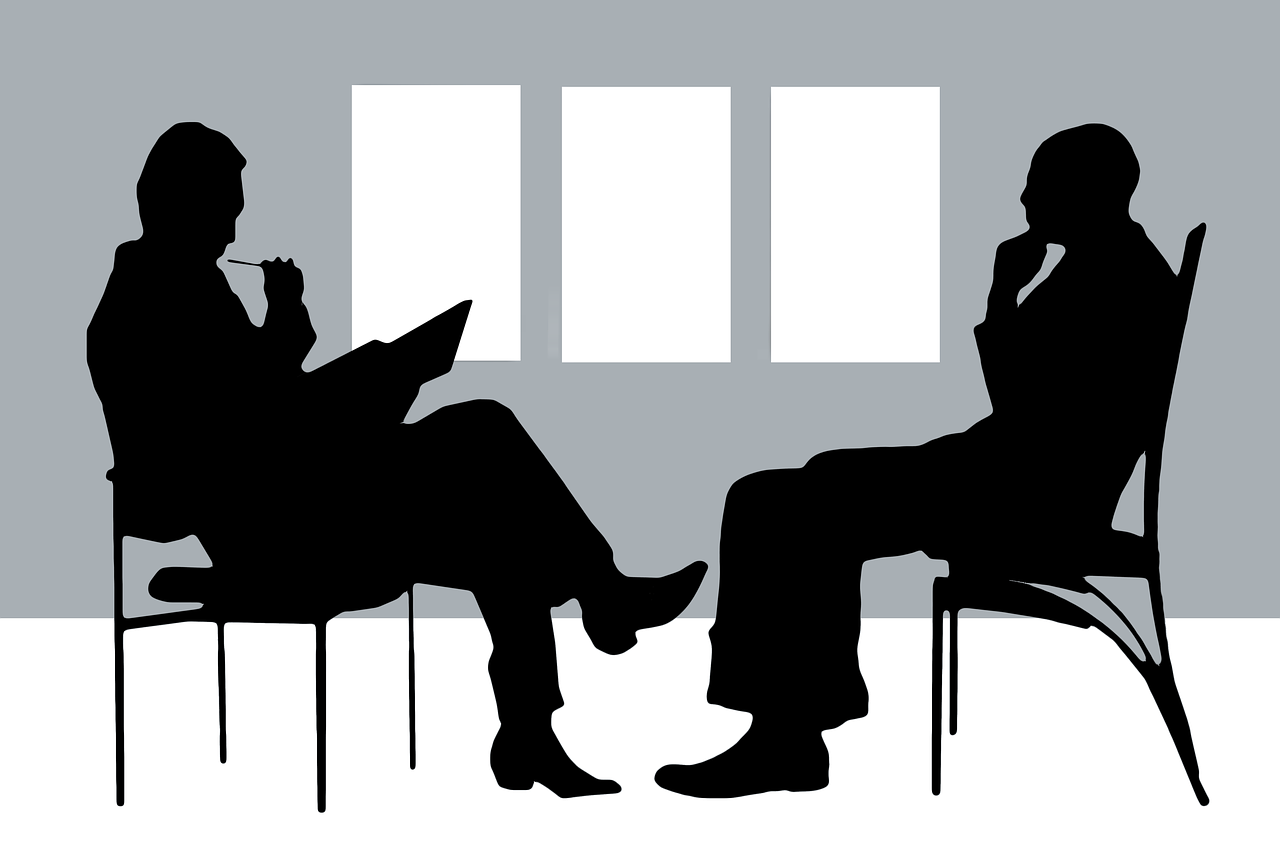
When should you force a child to go to therapy?

By David Joel Miller, MS, Licensed Therapist & Licensed Counselor.

Therapy

Therapy.
Photo courtesy of Pixabay.com

Sometimes you need to insist they get help.

Parents seem to be concerned about when to force a child to go to therapy. Making children go for counseling shows up in search terms to counselorssoapbox.com from time to time. This is an important topic.

In a previous post, I wrote about “Can you force your child to come for therapy.”  Parents know that forcing a child to do almost anything is difficult to do. Sometimes you need to enforce rules and decisions and sometimes the battle is not worth the effort. When it comes to getting your child into therapy which is which?

Most of the Can you force a child to go to therapy post was about the practical problems of coercing someone to go for therapy. Therapy works best when the person in session wants to be there. Sometimes they only “want to be there” because their parents or their parole agent made them come. Either way, if they have some incentive it increases the chances therapy will work.

There are times when you the parent are worried about your child, you can offer to get them therapy but “forcing” the child can make things worse. In a future post, I want to tell you about those times you should resist the urge to force your child to see a therapist.

We also need to look at when, for what problems, parents should be so worried, so concerned that they absolutely insist their child see a counselor.

Here are some of the reasons to put your foot down and insist that your child sees a counselor other professionals outside the family. Families who have a good, open relationship, find their children will talk to them about more, but there are still those things that are just too embarrassing to tell mom or dad about.

Your child says they are suicidal.

Suicidal statements, talking about death, or starting to say or acting like they do not want to live anymore are not something to ignore. Children of any age can and do commit suicide. Do not brush this off as just a ploy for attention. Kids get embarrassed and do not tell their parents the truth.

If there is any chance they will try to self-harm get them to go see a professional who can assess for the risk they will carry through on this thought. This is one area where kids will often tell a professional the things they will not tell their parents.

If you suspect your child has been the victim of abuse, rape, or molestation.

If you think this your emotions may run the gamut. You will be angry, fearful, and just plain want justice. The danger here is that by questioning the child too hard you will scare them, and make them close up and stop talking.

You can also run the risk of asking the wrong questions or asking them in the wrong way and then thinking their answers mean something they did not mean. You can end up taking the wrong action. Repeated questioning can also make a young child think something must have happened even though they did not realize it and they will start “remembering” details to please you. You want the truth not a story made up to please you.

These sorts of problems need professional intervention and please let the authorities deal with identifying and punishing the person who may have done something to your child.

Asking for too many details about abuse can also make the child feel it was their fault. The last thing you should do is to put the child through a second trauma when they are being interrogated about what has already happened.

You see evidence that they are becoming addicted to a drug.

The longer you wait to interrupt a substance use disorder the more likely it is to become a permanent addiction. Seek professional help.

This does not mean that if your child is smoking weed or drinking a few beers that there is someone who can lock them up to prevent them from doing drugs.

In most areas, there is no way to detain a kid for very long even when the parents want them locked up. A few places may let you turn them in as incorrigible but the number of places that will do that is getting very small.

Watching a child full-time is a difficult job. If they are abusing substances keeping them locked up and away from drugs is a complicated task. The faculty can’t just hire anyone to do this and paying a professional for 24/7 treatment gets expensive.

For drug treatment, the most effective methods include involving the parent in the treatment. Most treatments are outpatient and the child comes home at night. If you want help with this problem you will need to be part of the solution.

Locking your child up will not take away the desire to do something. The second they get out they will run to do what you tried to keep them from doing. What they need is a “head change” not incarceration.

If there are sudden dramatic behavioral changes in your child.

If they are stealing, need money, cut classes or their grades suddenly drop through the floor, these are all warning signs. Look for help fast. Do not make the mistake of thinking they will “grow out of it.”

This may mean drugs, may mean depression or the beginnings of another mental illness or could just be a problem with a boyfriend or girlfriend. Either way, once the changes are in play it may take the help of a counselor or therapist to find out what is going on and formulate a plan to help your child navigate these issues.

As hard as it may be there are sometimes you need to put your foot down, be the parent and get that child in to see a professional.

Staying connected with David Joel Miller

Seven David Joel Miller Books are available now!

My newest book is now available. It was my opportunity to try on a new genre. I’ve been working on this book for several years, but now seem like the right time to publish it.

Story Bureau.

Story Bureau is a thrilling Dystopian Post-Apocalyptic adventure in the Surviving the Apocalypse series.

Baldwin struggles to survive life in a post-apocalyptic world where the government controls everything.

As society collapses and his family gets plunged into poverty, Baldwin takes a job in the capital city, working for a government agency called the Story Bureau. He discovers the Story Bureau is not a benign news outlet but a sinister government plot to manipulate society.

Bumps on the Road of Life. Whether you struggle with anxiety, depression, low motivation, or addiction, you can recover. Bumps on the Road of Life is the story of how people get off track and how to get your life out of the ditch.

Dark Family Secrets: Doris wants to get her life back, but small-town prejudice could shatter her dreams.

Casino Robbery Arthur Mitchell escapes the trauma of watching his girlfriend die. But the killers know he’s a witness and want him dead.

Planned Accidents  The second Arthur Mitchell and Plutus mystery.

Letters from the Dead: The third in the Arthur Mitchell mystery series.

What would you do if you found a letter to a detective describing a crime and you knew the writer and detective were dead, and you could be next?

Sasquatch. Three things about us, you should know. One, we have seen the past. Two, we’re trapped there. Three, I don’t know if we’ll ever get back to our own time.

For these and my upcoming books; please visit my Author Page – David Joel Miller

Want the latest blog posts as they publish? Subscribe to this blog.

For videos, see: Counselorssoapbox YouTube Video Channel

Should you vent? The dangers of venting

By David Joel Miller, MS, Licensed Therapist & Licensed Counselor.

Should you vent?
By David Joel Miller, MS, Licensed Therapist & Licensed Counselor.

Do you need to vent?

Have you ever felt you just needed to vent?  Have you been around others who vented all over you? Sometimes it feels good to let it all out, to tell that person what you think. It is not so much fun if you are in the path of someone venting.

Have you been around others who vented all over you? Sometimes it feels good to let it all out, to tell that person what you think. It is not so much fun if you are in the path of someone venting.

Sometimes it feels good to let it all out, to tell that person what you think.

It is not so much fun if you are in the path of someone venting.

Keep in mind, there are a whole lot of problems that result from venting.

When people talk about “Venting” they are almost universally talking about expressing negative emotions. Even when people act out on supposed positive emotions there can be violence. Venting as a way to celebrate your team’s victory can end you up in jail if you act out.

When people talk about venting they are not talking about the slow letting off of pressure like when the teapot starts to whistle. Most people, when they vent look more like a stick of dynamite going off than a little steam from the teapot’s spout.

Here are some reasons that venting may make things worse rather than better.

Rehearsal for violence.

There was a time when we had couples in therapy hit each other with those sponge rubber bats and yell at each other to “get it out.” Some therapists discovered that after venting in therapy those same couples went home and then the next time they argued they started hitting each other for real, with solid bats.

Venting can increase your sensitivity to anger and violence. You are in effect practicing getting worked up and acting out.

Yelling, screaming, and jumping around does not serve to get a football team calmed down before a match, it gets them worked up and they go out there and become more aggressive. We will leave the issue of whether watching violence increases your propensity for violence alone for now. What is clear to me is that practicing aggression makes you more aggressive not less.

Venting increases your anger or other negative emotions.

Once you are extremely angry it is hard to control that anger. The most effective solution is to learn to not get upset in the first place. As hard as that sounds to do, once you get the idea that you can choose whether to get angry or not, avoiding anger is much more effective than venting once you get there.

The idea behind venting is that you are not in control of yourself, once you get angry you need to let it out and it is OK to subject others to your release of anger.

Anger management classes teach us that it is not what someone has done to us that creates our anger, it is our beliefs about that other person’s actions. Quite often the reason they did that thing which upset you was not the reason you think.

This does not imply you just need to take things. You have choices in your responses. The problem with venting is that we almost always go overboard and become excessively expressive of our anger.

The result is that after venting you end up regretting how far you went. You may even vent and then apologize. Once you have to apologize or get bailed out of jail, you have lost all the advantages of releasing that anger. You are now in a weaker and more helpless condition after venting than before.

Venting does not make you a stronger person. It leaves you making amends for the things you have done while venting.

Venting Damages relationships.

Even if you can vent and discharge those unpleasant emotions, that does not help the person you vented at. Often venting involves saying and doing things that may be hurtful to others. You vent, you feel better but the person you cussed out or hit may harbor a grudge forever.

Venting with a partner can damage a relationship beyond repair.

One reason venting is so attractive to so many people is the human tendency to store up complaints, sometimes called Gunny Sacking, and then let the other person have the whole load of our wrath all at once. This is an unhealthy way to deal with ongoing problems.

So before you let yourself vent consider other ways to handle those negative emotions or to prevent upsetting yourself in the first place.

Additional posts on this topic are under feelings and emotions, related topics are listed in the categories list to the right.

Related articles

Staying connected with David Joel Miller

Seven David Joel Miller Books are available now!

My newest book is now available. It was my opportunity to try on a new genre. I’ve been working on this book for several years, but now seem like the right time to publish it.

Story Bureau.

Story Bureau is a thrilling Dystopian Post-Apocalyptic adventure in the Surviving the Apocalypse series.

Baldwin struggles to survive life in a post-apocalyptic world where the government controls everything.

As society collapses and his family gets plunged into poverty, Baldwin takes a job in the capital city, working for a government agency called the Story Bureau. He discovers the Story Bureau is not a benign news outlet but a sinister government plot to manipulate society.

Bumps on the Road of Life. Whether you struggle with anxiety, depression, low motivation, or addiction, you can recover. Bumps on the Road of Life is the story of how people get off track and how to get your life out of the ditch.

Dark Family Secrets: Doris wants to get her life back, but small-town prejudice could shatter her dreams.

Casino Robbery Arthur Mitchell escapes the trauma of watching his girlfriend die. But the killers know he’s a witness and want him dead.

Planned Accidents  The second Arthur Mitchell and Plutus mystery.

Letters from the Dead: The third in the Arthur Mitchell mystery series.

What would you do if you found a letter to a detective describing a crime and you knew the writer and detective were dead, and you could be next?

Sasquatch. Three things about us, you should know. One, we have seen the past. Two, we’re trapped there. Three, I don’t know if we’ll ever get back to our own time.

For these and my upcoming books; please visit my Author Page – David Joel Miller

Want the latest blog posts as they publish? Subscribe to this blog.

For videos, see: Counselorssoapbox YouTube Video Channel