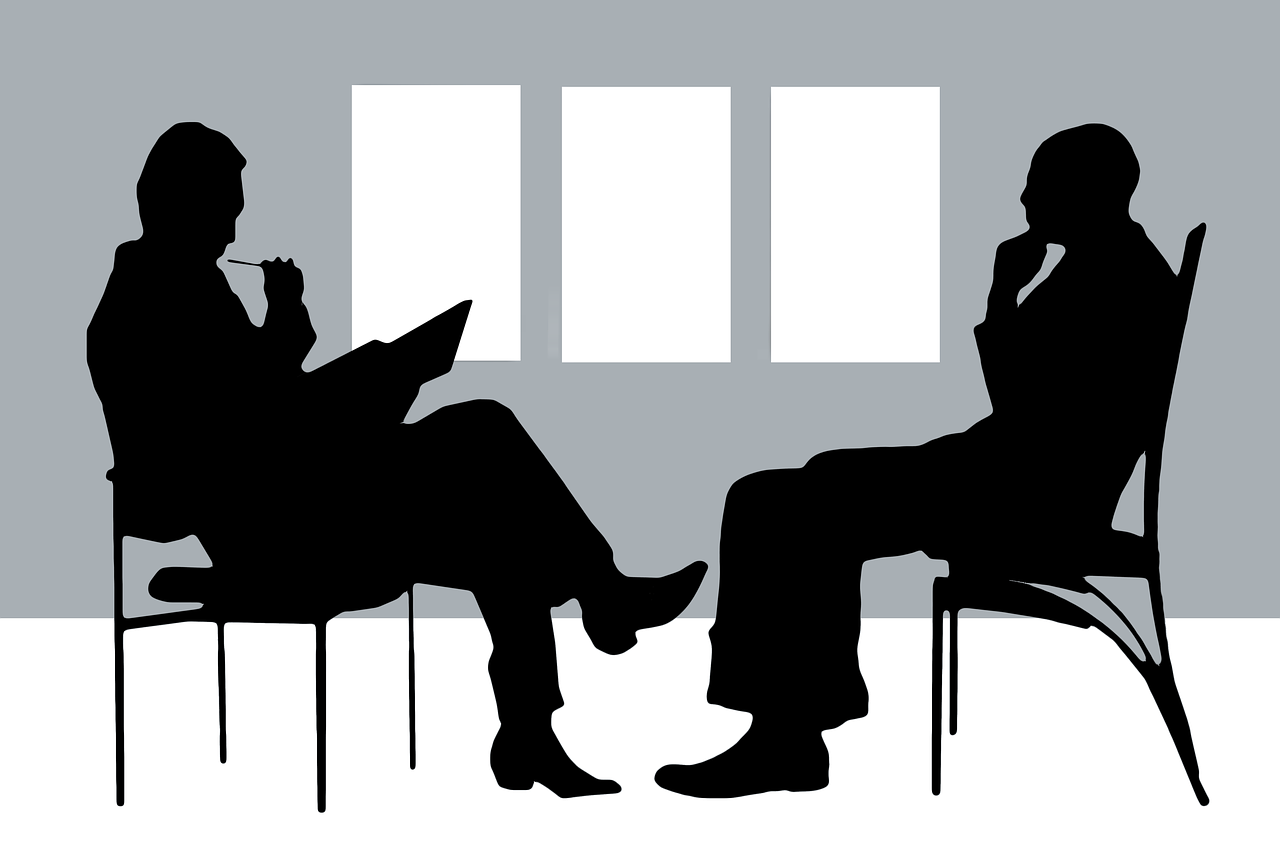
Top counselorssoapbox.com posts for Sept 2013

Counselorssoapbox.com

By David Joel Miller, MS, Licensed Therapist & Licensed Counselor.

Well, the month is not quite over but here they are the most-read posts on counselorssoapbox.com for the last 30 days, just in case you missed one.

How much should you tell a therapist?                     

Levels or types of Borderline Personality Disorder               

Do therapists have to report a crime?            

Hyperthymia, Hyperthymic Personality Disorder and Bipolar Disorder                   

Do people really forget what happened when drinking? – Blackouts                       

Which border is Borderline Intellectual Functioning on?                  

Reasons Counselors and Therapists Lose Licenses               

Are you Hyperthymic?                      

6 ways to recover from Complex Trauma or Complex PTSD                       

Is nicotine a stimulant or a depressant?                     

Do therapists like, fall in love with their clients? Why don’t they tell them?           

Can you force a teenager to go for therapy? 

Staying connected with David Joel Miller

Seven David Joel Miller Books are available now!

My newest book is now available. It was my opportunity to try on a new genre. I’ve been working on this book for several years, but now seem like the right time to publish it.

Story Bureau.

Story Bureau is a thrilling Dystopian Post-Apocalyptic adventure in the Surviving the Apocalypse series.

Baldwin struggles to survive life in a post-apocalyptic world where the government controls everything.

As society collapses and his family gets plunged into poverty, Baldwin takes a job in the capital city, working for a government agency called the Story Bureau. He discovers the Story Bureau is not a benign news outlet but a sinister government plot to manipulate society.

Bumps on the Road of Life. Whether you struggle with anxiety, depression, low motivation, or addiction, you can recover. Bumps on the Road of Life is the story of how people get off track and how to get your life out of the ditch.

Dark Family Secrets: Doris wants to get her life back, but small-town prejudice could shatter her dreams.

Casino Robbery Arthur Mitchell escapes the trauma of watching his girlfriend die. But the killers know he’s a witness and want him dead.

Planned Accidents  The second Arthur Mitchell and Plutus mystery.

Letters from the Dead: The third in the Arthur Mitchell mystery series.

What would you do if you found a letter to a detective describing a crime and you knew the writer and detective were dead, and you could be next?

Sasquatch. Three things about us, you should know. One, we have seen the past. Two, we’re trapped there. Three, I don’t know if we’ll ever get back to our own time.

For these and my upcoming books; please visit my Author Page – David Joel Miller

Want the latest blog posts as they publish? Subscribe to this blog.

For videos, see: Counselorssoapbox YouTube Video Channel

Bath Salts visit the ER

By David Joel Miller, MS, Licensed Therapist & Licensed Counselor.

New drugs

Bath salts.
Photo courtesy of Pixabay.com

ER’s saw an extra 23,000 people as a result of Bath Salt use.

More Bath Salt users are going to the hospital.

People having an adverse reaction to taking “bath salts” are on the rise. For the uninitiated, these are not something you find in a boutique home store. Sold under the name “bath salts” these chemicals are being used in an effort to get high.

These chemicals are labeled “not for human consumption” in an effort to avoid detection and regulation. Anyone selling these chemicals must know full well that customers are smoking or injecting these drugs.

Now SAMSA is reporting that in 2011, the most recent year for which we have statistics, the number of ER visits in which bath salt use figured has reached 23,000. Many of these are in combination with alcohol or other drugs.

I have seen some clients who appear to have suffered a long-term consequence as a result of using bath salts.

To keep all this in perspective, that same year, 2011, drugs were involved in 2 ½ million hospital emergency visits.

Treating Bath Salt overdoses cost money.

At a time when we are looking at the high and rising cost of medical care, it is hard to overlook the huge consequence of drug use and abuse.

While bath salts are down the list of ER visit causes, expect the costs to society from abuse of bath salts to continue to rise.

Staying connected with David Joel Miller

Seven David Joel Miller Books are available now!

My newest book is now available. It was my opportunity to try on a new genre. I’ve been working on this book for several years, but now seem like the right time to publish it.

Story Bureau.

Story Bureau is a thrilling Dystopian Post-Apocalyptic adventure in the Surviving the Apocalypse series.

Baldwin struggles to survive life in a post-apocalyptic world where the government controls everything.

As society collapses and his family gets plunged into poverty, Baldwin takes a job in the capital city, working for a government agency called the Story Bureau. He discovers the Story Bureau is not a benign news outlet but a sinister government plot to manipulate society.

Bumps on the Road of Life. Whether you struggle with anxiety, depression, low motivation, or addiction, you can recover. Bumps on the Road of Life is the story of how people get off track and how to get your life out of the ditch.

Dark Family Secrets: Doris wants to get her life back, but small-town prejudice could shatter her dreams.

Casino Robbery Arthur Mitchell escapes the trauma of watching his girlfriend die. But the killers know he’s a witness and want him dead.

Planned Accidents  The second Arthur Mitchell and Plutus mystery.

Letters from the Dead: The third in the Arthur Mitchell mystery series.

What would you do if you found a letter to a detective describing a crime and you knew the writer and detective were dead, and you could be next?

Sasquatch. Three things about us, you should know. One, we have seen the past. Two, we’re trapped there. Three, I don’t know if we’ll ever get back to our own time.

For these and my upcoming books; please visit my Author Page – David Joel Miller

Want the latest blog posts as they publish? Subscribe to this blog.

For videos, see: Counselorssoapbox YouTube Video Channel

Why looks matter.

By David Joel Miller, MS, Licensed Therapist & Licensed Counselor.

dirty hand

Want him cooking your food?
Photo courtesy of Pixabay.com

Is it fair to judge others by the way they look?

Repeatedly I hear and read that we shouldn’t judge people by the way they look. I know people say that because I have said that myself. But the truth is that most of the time, most of us do judge others by the way they look and there just might be evolutionary reasons why we should go on doing it.

Men and women with tattoos or piercings say it is not fair that they do not get jobs because of their body art. In the 1960’s we said that about beards and long hair. Still, people judged anyone who looked different then and now.

Women complain that we judge women by their bodies and not by what is in their heads. Still, we, men and women, spend a fortune on trying to look good to attract and impress the other sex.

When you wander through the jungle it is helpful to seek out other humans and avoid non-humans like bears or lions and tigers. It is not just humans that do this. Birds flock together by species, looking for a mate, looking for protection.

Consider these times when you might want to judge someone by their looks.

You go for a first appointment with your new doctor. The person at the front desk is sipping on their beer and looks like a homeless bag lady. What is happening here? You get into the exam room and the nurse who comes in to take your vitals is wearing some torn, bloodstained scrubs. When the doctor arrives he has on an old sleeveless tee-shirt and some cut-off shorts. He has grease all over his shirt and hands like maybe he was working on his car between patients.

So how comfortable are you feeling now? From the diplomas on the wall, this person went to a big name medical school. Still, his appearance is not too reassuring. Is it fair to judge him by his looks? Are you willing to risk your life and your medical care to someone who looks like a part-time doctor and a full-time auto mechanic?

Lots of clients tell me it is not fair that they get judged by the way you look. But if you want a job at that bank you might want to lose that “but-wiser” tee shirt and the sagging pants for the interview.

Psychological studies tell us that people tend to like others who are like themselves. This is not specifically related to race. It applies to a lot of other characteristics.

Say you walk into a bar and you are wearing your favorite team tee-shirt. Everyone else in the bar is wearing the shirts for the other team. How safe are you feeling now? Want to hang out and give them a chance? Maybe. But consider that humans, like most other animals, are constantly looking around to see how others look and how they behave. Then we either copy those others or we leave. Staying and not conforming risks being attacked, verbally, emotionally, or physically.

Consider another example.

You move into a new neighborhood. All the kids there seem to be wearing red shirts. You take your teen shopping and they insist on buying a blue shirt. They say they love Navy Blue. So you give in. Then the problems start.

Gangs use clothing styles and colors to identify who is “in” and who is “out.” I am not saying this is right, but do you want your child killed in a drive-by just because they insisted that they wanted to wear what they wanted to wear, and others should accept them.

I am not endorsing this judging behavior, just that there are a whole lot of situations where you can and should judge people by how they look and rest assured that others will judge you that way whether you like it or not.

So if you want to stay safe or get that job, consider that sometimes you need to conform if you want to get along. The older we get the less satisfying it is to say others should or should not do something. I can’t change other’s attitudes but I can put on a suit and tie before that job interview.

Sometimes how people look can tell you a lot about who they are on the inside and whether you want to be around them given the choice.

Staying connected with David Joel Miller

Seven David Joel Miller Books are available now!

My newest book is now available. It was my opportunity to try on a new genre. I’ve been working on this book for several years, but now seem like the right time to publish it.

Story Bureau.

Story Bureau is a thrilling Dystopian Post-Apocalyptic adventure in the Surviving the Apocalypse series.

Baldwin struggles to survive life in a post-apocalyptic world where the government controls everything.

As society collapses and his family gets plunged into poverty, Baldwin takes a job in the capital city, working for a government agency called the Story Bureau. He discovers the Story Bureau is not a benign news outlet but a sinister government plot to manipulate society.

Bumps on the Road of Life. Whether you struggle with anxiety, depression, low motivation, or addiction, you can recover. Bumps on the Road of Life is the story of how people get off track and how to get your life out of the ditch.

Dark Family Secrets: Doris wants to get her life back, but small-town prejudice could shatter her dreams.

Casino Robbery Arthur Mitchell escapes the trauma of watching his girlfriend die. But the killers know he’s a witness and want him dead.

Planned Accidents  The second Arthur Mitchell and Plutus mystery.

Letters from the Dead: The third in the Arthur Mitchell mystery series.

What would you do if you found a letter to a detective describing a crime and you knew the writer and detective were dead, and you could be next?

Sasquatch. Three things about us, you should know. One, we have seen the past. Two, we’re trapped there. Three, I don’t know if we’ll ever get back to our own time.

For these and my upcoming books; please visit my Author Page – David Joel Miller

Want the latest blog posts as they publish? Subscribe to this blog.

For videos, see: Counselorssoapbox YouTube Video Channel

When talk therapy fails – other learning styles

By David Joel Miller, MS, Licensed Therapist & Licensed Counselor.

Lessons of childhood

Child learning.
Photo courtesy of Pixabay.com

Not everyone learns things the same way.

Therapy is often conducted as if everyone learned in one way and only one way. In traditional therapy, we copy Freud, the client talks and the therapist listens. Eventually, the client says something, and then hearing their own voice they have this insight moment and suddenly they know what is wrong and what to do.

If only it was that simple. Sometimes just talking does not help everyone.

Several other methods of counseling have been developed to help those who learn or communicate best in another way. Unfortunately, those other styles of therapy do not always get the respect they deserve.

The three learning styles and therapy.

Some people are good at learning by listening to verbal directions. Verbal learns can reach decisions from listening to themselves talk things out.  Some people learn best by seeing things, they are visual learners. Some people need to be guided through the motions to learn. We call that kinesthetic learning. Some people learn best through a combination of methods.

While talk therapy may work well for verbal learners it is not always equally helpful if you have a different learning style.

Some people can’t find the words.

What if you can’t find the words to describe how you feel? There are a variety of reasons why someone would not be able to communicate about their experiences or feelings in words.

Young children may have been the victims of abuse or neglect; they may have grief or loss that is troubling them. What they do not have is the words to talk about those problems. That does not imply that a nonverbal person is not troubled by their problems.

People with a disorder on the autism spectrum may not be adept at verbal communication. Those who dissociate or are disconnected from their feelings have the same issue.

One method of working on those issues is to employ art therapy.  Art therapy does not mean the therapist and the client sit around and color or draw pictures. There is a reason for the art and it is therapeutic. The child who could not explain something bad that has happened to them can often draw a picture of that experience or of the feeling that event created. Once the picture has been drawn they can begin to describe the things they pictured. Amazing insights can develop as a result of using visual methods to supplement the client’s vocabulary.

Sometimes you can express yourself best by moving.

kinesthetic learners need to move and feel the situation.  One technique that I have used in a group setting is to have a client who is unable to describe how they feel about their family create a “family sculpture.” They make up a list of family members that we display on a whiteboard. Then other clients are asked to play the roles of those family members and positioned around the room. The client tells each “family member” where to stand.

The group then asks the client why each person is standing where they are. Clients discover that they always felt that one person was closer to them than another or that two family members stay apart from the rest and excluded them. This becomes a topic to talk about and sometimes exercises to do at home to improve relationships with those family members they saw as distant from them.

Other clients may find dance therapy or physical activity to be helpful in learning to understand and regulate their behavior.

Why other therapies?

The intent here is not just to engage in fun activities with clients as therapeutic as that can be, but to help the client to grasp their thinking, feeling, and behavioral issues in a way that fits their essential learning style.

To apply these alternative therapeutic modalities the clinical counselor needs to be trained in assessment and diagnosis of mental, emotional, and behavioral disorders.

For more on Clinical Counselors and the things you do please look at past posts on LPCC’s and check out the CALPCC (California Association for Licensed Professional Clinical Counselors. website.

Two books that I find especially helpful in working with young children or less verbal adults are:

Windows to Our Children: A Gestalt Therapy Approach to Children and Adolescents by Violet Oaklander

The Healing Power of Play: Working with Abused Children by Eliana Gill

For the full list of recommended books check out the listings over on counselorfresno.com at Recommended Books 

Staying connected with David Joel Miller

Seven David Joel Miller Books are available now!

My newest book is now available. It was my opportunity to try on a new genre. I’ve been working on this book for several years, but now seem like the right time to publish it.

Story Bureau.

Story Bureau is a thrilling Dystopian Post-Apocalyptic adventure in the Surviving the Apocalypse series.

Baldwin struggles to survive life in a post-apocalyptic world where the government controls everything.

As society collapses and his family gets plunged into poverty, Baldwin takes a job in the capital city, working for a government agency called the Story Bureau. He discovers the Story Bureau is not a benign news outlet but a sinister government plot to manipulate society.

Bumps on the Road of Life. Whether you struggle with anxiety, depression, low motivation, or addiction, you can recover. Bumps on the Road of Life is the story of how people get off track and how to get your life out of the ditch.

Dark Family Secrets: Doris wants to get her life back, but small-town prejudice could shatter her dreams.

Casino Robbery Arthur Mitchell escapes the trauma of watching his girlfriend die. But the killers know he’s a witness and want him dead.

Planned Accidents  The second Arthur Mitchell and Plutus mystery.

Letters from the Dead: The third in the Arthur Mitchell mystery series.

What would you do if you found a letter to a detective describing a crime and you knew the writer and detective were dead, and you could be next?

Sasquatch. Three things about us, you should know. One, we have seen the past. Two, we’re trapped there. Three, I don’t know if we’ll ever get back to our own time.

For these and my upcoming books; please visit my Author Page – David Joel Miller

Want the latest blog posts as they publish? Subscribe to this blog.

For videos, see: Counselorssoapbox YouTube Video Channel

13 things your counselor should know – part 2

By David Joel Miller, MS, Licensed Therapist & Licensed Counselor.

Counseling questions

Counseling questions.
Photo courtesy of Pixabay.com

In a previous post, we talked about the first 6 things that a Professional Clinical Counselor should know. Today the rest of that list.

7. Counselors know the principles of the diagnostic process.

What would you think of a doctor who sent all his patients for cancer chemotherapy first and then checked to see what was wrong later? You wouldn’t want to be treated for something you did not have, would you?

That is why diagnosis is so very important. It is also controversial and sometimes the diagnosis on a client’s file is flat wrong. I have written in previous posts about why we professionals may get it wrong and there is room for improvement but one thing a good counselor is to be able to do is to diagnose.

We may change that diagnosis over time. You may turn out to have more than one problem or we may treat the thing that looks the worse first, then move on to another thing.

However it is done, a good counselor needs to be able to diagnose and they need to be able to explain that diagnoses to their client. The diagnosis drives the treatment. We should treat the problem and leave the other things in the client’s life alone unless they want to change them.

8. Counselors know about research and evaluation.

Counselors need to know how to read research and understand the information. Some stuff looks good on paper but does not work when we try it on clients.

I read a lot of research in preparing to write this blog. I will not say I “get” it all. But I can spot some really suspicious research.

Recently I looked up a new counseling theory; there are over 300 of those and counting. This new therapy had one study done by the author of the book on this new system and then his study included only 5 or 6 of his patients.

I do not call that evidence.

See why professional clinical counselors need to know how to evaluate research? Would you want them trying out something on you that might not work or might even harm you?

9. Counselors know professional orientation, ethics, and laws in counseling.

Interesting that the law that created Licensed Professional Clinical Counselors lumped all three of these things together. In another context, this might be three separate things.

What this is telling the prospective clinical counselor is that they should know about their profession and presumably related professions. Who does what, when, and why?

It is always really important to understand a little about the law. It is recommended that counselors have lawyers rather than trying to memorize all the things in applicable laws.

Clinical counselors also need training in ethics. Not that ethical principles are hard and fast rules, but the code of ethics for a profession are general guidelines for how to conduct yourself.

The big ones as you may have gathered from my past posts on ethics are avoiding things that would harm clients. You can read more about this topic by clicking on the law and ethics category in the list of categories to the right.

10. Counselors should know about psychopharmacology.

Professional Clinical Counselors do not prescribe medication here in California or anywhere else that I know of. That is fine with me, as I think that if you are prescribing meds you need to have attended a medical school and know about medicine.

Still, we Profession Counselors see a lot of people who are taking meds, psychiatric or others. We need to have an awareness of what the meds are that clients are taking, are they complying with their doctor’s instructions, and so on.

Some medication that is prescribed for physical health issues can cause symptoms that might be mistaken for a mental health condition. We need to know when to refer clients to an MD and when to send them back so their primary care doctor might be able to take another look at the meds they take and the side effects they are experiencing.

11. Addictions Counseling.

Clinical counselors are supposed to have knowledge about the field of substance abuse. In the future, I expect to see more LPCC’s working in the substance abuse areas. I say supposed to because while LPCC’s have some training in substance use disorders. Some is just not enough.

It is amazing how little training in substance use disorders mental health professionals get. A standard MFT program might include a one weekend class, Friday evening and all day Saturday.

Contrast this with 36 units, eleven full semester classes on substance abuse and related problems, which are included in the CAADE Drug and Alcohol counseling curriculum which I teach over at FCC.

More training is needed but look to LPCC’s as the branch of the mental health field that combines mental health treatment with substance use disorder treatment in the future.

12. Crisis or trauma counseling.

Would you believe that there are mental health professionals that are uncomfortable handling a crisis? Sorry, you other professionals. I do not have time to wait around to make a referral to a program when someone is suicidal. (I know most of you don’t do that either.)

Crisis and trauma are huge parts of what brings people to counseling.

Stress, acute or chronic is a significant factor affecting mental health. Professional clinical counselors are trained to help clients with issues in these areas.

13. Advanced counseling and psychotherapeutic theories and techniques.

Beyond the basics, there are times when you may need tools in your counselor’s toolbox beyond the everyday ones.

This concludes part two of the discussion of the 13 things every Professional Clinical Counselor should know and understand. As I tell my students, these things probably will be on the test.

For more on Professional Clinical Counselors, LPCC’s and PCCI’s check out the CALPCC website.

Staying connected with David Joel Miller

Seven David Joel Miller Books are available now!

My newest book is now available. It was my opportunity to try on a new genre. I’ve been working on this book for several years, but now seem like the right time to publish it.

Story Bureau.

Story Bureau is a thrilling Dystopian Post-Apocalyptic adventure in the Surviving the Apocalypse series.

Baldwin struggles to survive life in a post-apocalyptic world where the government controls everything.

As society collapses and his family gets plunged into poverty, Baldwin takes a job in the capital city, working for a government agency called the Story Bureau. He discovers the Story Bureau is not a benign news outlet but a sinister government plot to manipulate society.

Bumps on the Road of Life. Whether you struggle with anxiety, depression, low motivation, or addiction, you can recover. Bumps on the Road of Life is the story of how people get off track and how to get your life out of the ditch.

Dark Family Secrets: Doris wants to get her life back, but small-town prejudice could shatter her dreams.

Casino Robbery Arthur Mitchell escapes the trauma of watching his girlfriend die. But the killers know he’s a witness and want him dead.

Planned Accidents  The second Arthur Mitchell and Plutus mystery.

Letters from the Dead: The third in the Arthur Mitchell mystery series.

What would you do if you found a letter to a detective describing a crime and you knew the writer and detective were dead, and you could be next?

Sasquatch. Three things about us, you should know. One, we have seen the past. Two, we’re trapped there. Three, I don’t know if we’ll ever get back to our own time.

For these and my upcoming books; please visit my Author Page – David Joel Miller

Want the latest blog posts as they publish? Subscribe to this blog.

For videos, see: Counselorssoapbox YouTube Video Channel

13 things your counselor should know.

By David Joel Miller, MS, Licensed Therapist & Licensed Counselor.

Counseling questions

Counseling questions.
Photo courtesy of Pixabay.com

What are the 13 Core Competencies of a Clinical Counselor?

Professional Clinical Counselors study and are expected to know these 13 important “Core Competency” areas.  Quality counseling should include a lot more than giving you a diagnosis, prescribing or referring you for medications, and then listening to you talk.

As important as listening is for any health care professional, the meat of counseling contains a lot more substance than diagnosis and listening. Here are the 13 areas a professional clinical counselor needs to know to help their clients. It helps to know this stuff if you ever expect to pass your licensing exam.

1. Counseling and psychotherapeutic theories and techniques.

Theories are about what we think causes those things we call mental, emotional, and behavioral problems. Sometimes we professionals get trapped into thinking all we are treating are diseases and disorders and we lose sight of the person with the disease.

If you and your partner can’t get along that is a relational issue. To treat this we do not need to give you a diagnosis of a mental illness. Could someone with a serious and persistent mental illness have a relationship issue? Sure they can.

The theory maps out the terrain you will cover in counseling. As any hiker in the woods knows, around the next bend in the trail, there could be a patch of flowers or there could be a hungry bear.

Those two situations call for different actions. That is where the therapeutic techniques come in. We may use one tool for someone who is having difficulty making decisions because they have no clear goals and a different set of techniques if their indecision is the result of abuse and being told they would never be any good.

2. Human growth and development across the lifespan.

There are common, almost predictable, events at certain times in our lives that have a high propensity to get us off track. Knowing what might happen to a client at a specific age and why can help a counselor and the client in taking this journey we call therapy.

Teens and early twenties have a high risk of suicidal thoughts, so do elderly men. For teens the risk may have to do with school, launching a career, or a failed relationship. His risk may also be increased by drugs and alcohol. Being the victim of bullying increases these risks.

Seniors have a high risk also, especially elderly men who live alone. The challenge at that point is coping with the loss of the things that used to give life meaning, their partner, their job, their health. Being alone, having to give up things they used to love are risks here.

A good counselor adapts their treatment to the life stage of the client.

3. Counselors know about career development theories and techniques.

Professional Counselors are specifically trained in Career counseling. Your Therapist may listen to how sad your lack of a job makes you, they may give you encouragement and tell you to just go out there and keep trying.

The Professional counselor can help you explore the world of work, find a direction that is right for you, and gets you started on a lifetime career journey. They can also really help displaced workers find something new to do with their work lives.

Nothing so improves a client’s mood as having a job they enjoy and that pays reasonably well. Having a relationship can improve your mood, but having a job can reduce a lot of the stress and fights that are a part of so many relationships these days.

4. Group counseling theories and techniques.

Group counseling is not second-class services. I know there are still a bunch of therapists who don’t like doing group. Many are flat afraid of it. But hearing from other people who have problems and how they are overcoming them, that can be very powerful.

Group has been the standard treatment for Substance abuse since the beginning. We are seeing some wonderful things happening in mental health groups these days.

Clinical Counselors are specially trained in running groups. (Note to employers, this makes them very productive and worth the extra effort to get an LPCC hired in an agency or governmental settings.)

5. Assessment, appraisal, and testing of individuals.

Several other mental health professions specifically do not engage in testing. Professional clinical counselors do testing for their clients and can help you make sense of these results. Yes, there are limitations on the amount of testing they do, sometimes they need to refer clients out to a clinical psychologist, but LPCC’s can do a whole lot more testing that their “sister” mental health professions.

6. Multicultural counseling theories and techniques.

Culture includes a lot more things than just race and ethnicity. Military families and their dependents have a culture that needs to be recognized and treated in special ways. Clients who come from backgrounds of poverty, regardless of their race have different cultural experiences.

Recent immigrants and their children have a whole set of problems that make their emotional problems more difficult.

African-Americans may or may not have come from poverty but their experience has been different. Many find it difficult to define who and what they are. One African-American described this to me as a form of cultural amnesia. I know where my ancestors came from, more or less, but most African-Americans, their cultural memories dead-end at slavery. So what part of their culture do they keep and what do they reform?

There is some theoretical justification for trying to match the counselor and the client. Women who have been abused may prefer a female counselor. Men may prefer a male counselor unless the female one is really good-looking. Most counselors are women.

Matching the counselor and the client is not always possible. Hence the whole need for training in multicultural counseling.

Next time part two of this list.

For more on Professional Clinical Counselors, LPCC’s and PCCI’s check out the CALPCC website. 

Staying connected with David Joel Miller

Seven David Joel Miller Books are available now!

My newest book is now available. It was my opportunity to try on a new genre. I’ve been working on this book for several years, but now seem like the right time to publish it.

Story Bureau.

Story Bureau is a thrilling Dystopian Post-Apocalyptic adventure in the Surviving the Apocalypse series.

Baldwin struggles to survive life in a post-apocalyptic world where the government controls everything.

As society collapses and his family gets plunged into poverty, Baldwin takes a job in the capital city, working for a government agency called the Story Bureau. He discovers the Story Bureau is not a benign news outlet but a sinister government plot to manipulate society.

Bumps on the Road of Life. Whether you struggle with anxiety, depression, low motivation, or addiction, you can recover. Bumps on the Road of Life is the story of how people get off track and how to get your life out of the ditch.

Dark Family Secrets: Doris wants to get her life back, but small-town prejudice could shatter her dreams.

Casino Robbery Arthur Mitchell escapes the trauma of watching his girlfriend die. But the killers know he’s a witness and want him dead.

Planned Accidents  The second Arthur Mitchell and Plutus mystery.

Letters from the Dead: The third in the Arthur Mitchell mystery series.

What would you do if you found a letter to a detective describing a crime and you knew the writer and detective were dead, and you could be next?

Sasquatch. Three things about us, you should know. One, we have seen the past. Two, we’re trapped there. Three, I don’t know if we’ll ever get back to our own time.

For these and my upcoming books; please visit my Author Page – David Joel Miller

Want the latest blog posts as they publish? Subscribe to this blog.

For videos, see: Counselorssoapbox YouTube Video Channel

Can you talk to your therapist on the internet? Online dual relationships

Online dual relationships.

Computer

Internet.
Photo courtesy of Pixabay.com

By David Joel Miller, MS, Licensed Therapist & Licensed Counselor.

Update.
This is an older post from 2013. As a Rural result of the COVID pandemic counselors and therapists have had to learn to do a lot more online, distance counseling work. This post reflects the thinking back in 2013 but I feel sure the use of the Internet in counseling will continue to grow, and change in the future.

Has the internet changed relationships between clients and therapists?

A member of an online group to which I belong sent in this question

“Is it ever proper for a life coach or therapist to invite their clients to an online group, or for a client and therapist to be in the same group, or work on online projects together?  Can that cause a lot of problems?”

How this affects life coaches and how it might affect therapists and counselors are miles apart.

This is a problematic area for therapists and counselors. We are taught to avoid “Dual relationships” with clients. Some of these issues are pretty clear, dating, sex, borrowing money, and so on. Some dual relationships are easy to see and clearly, can cause problems.

The goal of avoiding dual relationships is to avoid harming the client, once you see the client outside the office there are risks for the client and the therapist.

We do not want to do or say things outside the office that identify this client as a patient in a mental health treatment setting. Sometimes there is just no way of avoiding the client when we are out in the community, so in those settings, most therapists will not say anything to the client and wait for them to say something first. That way they do not identify this person as a patient.

The smaller the town the more the risk of a second relationship. I live in Fresno; my clients live in Fresno, so far no problem. They shop at the same grocery store as I do.  I do not need to stop shopping there but I do need to not make the first move to say hi and especially we do not talk about their therapy in the store.

Then let’s say I go visit a new church. I run into a client there. Now can I talk to them? Maybe. I do not think I need to avoid churches or schools or civic organizations because my client might attend. What I do need to avoid is getting into a close friendship relationship with a client.

What happens when we both belong to a local group, say, NAMI and then we end up on a committee together? This may begin to create problems. I need to remember what they said in therapy and keep that separate from what they told me at the group meeting.

In that kind of situation, I might consider not being on the committee or ending therapy with the client so we do not have two separate relationships going. At this point, no matter what I do there are ethical implications. Dropping a client to be on the committee is a problem, being on together is a problem, telling the client they can’t be in this group is a huge problem.

Therapists need to consult.

Once these problems begin, or that possibility crops up, we therapists should get an opinion from our colleagues, maybe from a lawyer, and we may talk this over with the client.

Some therapists try to avoid these things by not joining or attending meetings, but you can only go so far with that before you give up your right to have a life.

Some therapists have tried to avoid these problems by not being online or having a social media account. While this may prevent some problems it can create others.

The hard part is keeping all your separate roles or “hats” separate.

Lots of therapists teach classes. We may see current or former clients there. I do trainings, Mental Health First Aid for example. Good chance that a former or current clients could show up there. I do not cancel the class or throw the client out of the training because they have seen me for therapy, but it can be a challenge if they start asking questions and I know this is an issue we have worked on in therapy.

The internet has changed all that.

Millions of people all over the world are now connected. I can run into clients current and former and not even know it. So we need to work on making sure that while we all engage in those activates nothing I do might harm any client’s current past or even a potential future client.

So here are some suggestions for both therapists and counselors and clients on the multiple relationships that can form on the internet. Let’s get specific with this reader’s questions.

Is it ever proper for a life coach or therapist to invite their clients to an online group?

Therapists should not be maintaining email lists of clients and then start mailing anything to them. If they happen to subscribe to my blog or a list of trainings or classes I treat them just like any other subscribers, not like clients.

For a client and therapist to be in the same group or work on online projects together? 

If they join a group and I join, so be it. I do not suggest this as a rule but if they are interested in homelessness and so am I, then I might give them the information about an online group. What they do with that web address is up to them.

Working together on an online project sounds like something I would not do until a lot of time had elapsed between them being a client and the project. If I had a client who was a web designer I would not pull out his file and call him for some help on my website.

If someone who worked with me got a list of designers and called him, then next session I would need to discuss this with him and we would need to decide if we were going to end therapy or he would not be able to also be working for me.

Can multiple relationships cause a lot of problems?

Yes having multiple relationships can cause lots of problems. I do not let that keep me from writing a blog or teaching classes but I am always looking out for these possible conflicts and avoiding them whenever I can.

Therapists and clients do run into each other, in the community and on the internet. The rules are essentially the same.

Do not get into a second relationship that will harm the client. Do not do things to identify them as clients or to violate their confidentiality and treat you various roles professionally and appropriately.

About life coaches.

There is no licensing for life coaches that I know of. Some have taken classes, anything from a one hour webinar on up. Some join coaching associations and they may or may not have codes of ethics. But coaches do not get confidentiality and you get no privilege in talking to them. They can say and do what they want and they may engage in all sorts of multiple relationships. If they hurt you really badly you have to sue them. It is common for coaches to keep mailing lists of former clients and to keep trying to sell you things and they can use your name or story in their materials or trainings. While there are some good coaches out there, coaching is not meant to help you with emotional problems that might include a mental illness.

I am sure that this will not be the last time we need to look at how the internet, blogs, and social media are changing relationships and how that might affect clients and therapists, but at least it is a start.

Staying connected with David Joel Miller

Seven David Joel Miller Books are available now!

My newest book is now available. It was my opportunity to try on a new genre. I’ve been working on this book for several years, but now seem like the right time to publish it.

Story Bureau.

Story Bureau is a thrilling Dystopian Post-Apocalyptic adventure in the Surviving the Apocalypse series.

Baldwin struggles to survive life in a post-apocalyptic world where the government controls everything.

As society collapses and his family gets plunged into poverty, Baldwin takes a job in the capital city, working for a government agency called the Story Bureau. He discovers the Story Bureau is not a benign news outlet but a sinister government plot to manipulate society.

Bumps on the Road of Life. Whether you struggle with anxiety, depression, low motivation, or addiction, you can recover. Bumps on the Road of Life is the story of how people get off track and how to get your life out of the ditch.

Dark Family Secrets: Doris wants to get her life back, but small-town prejudice could shatter her dreams.

Casino Robbery Arthur Mitchell escapes the trauma of watching his girlfriend die. But the killers know he’s a witness and want him dead.

Planned Accidents  The second Arthur Mitchell and Plutus mystery.

Letters from the Dead: The third in the Arthur Mitchell mystery series.

What would you do if you found a letter to a detective describing a crime and you knew the writer and detective were dead, and you could be next?

Sasquatch. Three things about us, you should know. One, we have seen the past. Two, we’re trapped there. Three, I don’t know if we’ll ever get back to our own time.

For these and my upcoming books; please visit my Author Page – David Joel Miller

Want the latest blog posts as they publish? Subscribe to this blog.

For videos, see: Counselorssoapbox YouTube Video Channel

When you should not make a child go for therapy.

By David Joel Miller, MS, Licensed Therapist & Licensed Counselor.

Children Playing.

Children Playing.
Photo courtesy of Pixabay.com

Forcing your child to therapy.

There are times when no matter how firmly you believe that there is something the matter with your child you are making a mistake forcing them to go for therapy.

Most of these reasons fall under the heading of they are thinking or doing something you do not approve of and you want them to go for therapy to convince them to see things your way.

In a previous post, I wrote about the practical aspects of “Can you force a child to go for therapy.” The older they get the harder it gets to make them do much of anything. By 17 or 18, they either agree with you or not. You can get them to follow your rules but not to agree with your views.

There are a few things that are so important that whether a child or an adult wants to go they will be required to go for counseling. Suicidal actions are one reason. Drug use that results in illegal behavior is another. If your child’s life is at stake the need help whether they want it or not.

If a child has been abused or there has been violence in the family, therapy may be offered and sometimes it may be required.

In yesterday’s post we looked at some of the times you need to be a parent and insist your child see someone professional.

But there are times when you really wish your child would change. You know they are going to ruin their life and still, you should not make them go for therapy.

Here are some of these reasons. (Tongue-in-cheek so as to offend no one or everyone.)

Your child favors a political party you think is evil.

Some parents are frightened when their love child comes home spouting Republican doctrine. Sorry folks, the sixties are over and we have to make peace with the Republicans. Regardless of your political leanings, a therapist should not be trying to force a child to agree with their parent’s political leanings.

Political indoctrination is something that is practiced in totalitarian countries. We therapist-types have codes of ethics that keep us or should keep us, from trying to force people to change these sorts of beliefs.

Your child has picked a girlfriend or boyfriend and you are sure this person will ruin their life.

It is unlikely that any therapist can talk your love-sick teen out of loving the one they are madly in lust for just now. What we might be able to do is help them learn about healthy and unhealthy relationships and then if they begin to show some doubts explore those doubts and what they are learning.

This bad-person-for-you problem is often coupled with that person your child fell in love with being a member of the wrong race or religion.

There is a difference between an unhealthy relationship and getting together with someone who is different from you.

What we need to be able to do is help children see the possible negatives as well and possibly convince them to make no irrevocable changes like getting pregnant or running off to Antarctica.

Your child rejects your religion or adopts one you do not agree with.

You are firmly convinced the way to salvation is to shave your head, wear robes, and spend your days handing out flowers in the airport. Your child decides to grow out their hair, discard the robe and become a Lutheran.

Please do not look for a counselor who advertises that he specializes in getting apostate robe wears back to the airport.

Counselors, most of us, would consider this sort of practice as unethical. This even includes counselors who self-identify as being of the religion in question.

What a “Robed-Bare-headed-flower-airport child” Therapist would be willing to do is work with this child on their spiritual doubts, what do they believe, and why. What we should not do is collude with the parents to convert this child back to wearing their robes.

The parent of this child becomes upset when I tell them I will not help them convince their child they are following the wrong religion.

“Those Lutherans are a cult” that parent says. Maybe so. Maybe all Christians are cult followers, but that still does not justify me ganging up on that child and forcing them back into the robes.

Aren’t there some cults that can harm people and that we need to help children avoid? Probably so. My way of seeing this is that if the group seems to be taking a departure from reality then I think some good old fashion reality testing therapy is in order.

What kind of cults are a problem?

If the group bases their practices on unquestioning devotion to a living leader then I get really worried. Try to live up to the ideals of Buddha or Jesus; I’m good with those kinds of faith. Turn your will and your life over to the control of William Bernard Esquire III and you are getting me worried. That rule about having living leaders who think too much of themselves applies also to groups that give one or a very few people the right to decide what the dead leader meant.

Then again that worry about one person misinterpreting scripture may just be a part of my protestant hangover showing.

If this leader starts telling you to do things that are illegal or most people think is harmful be very suspicious.

This post has gotten a tad more sarcastic than most but I hope you get my point. Therapy should not be a way of trying to get children to change their thinking and agree with the parent’s preferences, even deeply held preferences.

Part of growing up is trying new things, new behaviors, and new beliefs. Kids need to take some risks to grow up and parents can’t protect them from everything.

What you can do is try to help them when they fall and scrape their knees. Sometimes you have to bear the brunt of the pain and hope they will eventually get it, but that is part of the parent’s job.

Staying connected with David Joel Miller

Seven David Joel Miller Books are available now!

My newest book is now available. It was my opportunity to try on a new genre. I’ve been working on this book for several years, but now seem like the right time to publish it.

Story Bureau.

Story Bureau is a thrilling Dystopian Post-Apocalyptic adventure in the Surviving the Apocalypse series.

Baldwin struggles to survive life in a post-apocalyptic world where the government controls everything.

As society collapses and his family gets plunged into poverty, Baldwin takes a job in the capital city, working for a government agency called the Story Bureau. He discovers the Story Bureau is not a benign news outlet but a sinister government plot to manipulate society.

Bumps on the Road of Life. Whether you struggle with anxiety, depression, low motivation, or addiction, you can recover. Bumps on the Road of Life is the story of how people get off track and how to get your life out of the ditch.

Dark Family Secrets: Doris wants to get her life back, but small-town prejudice could shatter her dreams.

Casino Robbery Arthur Mitchell escapes the trauma of watching his girlfriend die. But the killers know he’s a witness and want him dead.

Planned Accidents  The second Arthur Mitchell and Plutus mystery.

Letters from the Dead: The third in the Arthur Mitchell mystery series.

What would you do if you found a letter to a detective describing a crime and you knew the writer and detective were dead, and you could be next?

Sasquatch. Three things about us, you should know. One, we have seen the past. Two, we’re trapped there. Three, I don’t know if we’ll ever get back to our own time.

For these and my upcoming books; please visit my Author Page – David Joel Miller

Want the latest blog posts as they publish? Subscribe to this blog.

For videos, see: Counselorssoapbox YouTube Video Channel

When should you force a child to go to therapy?

By David Joel Miller, MS, Licensed Therapist & Licensed Counselor.

Therapy

Therapy.
Photo courtesy of Pixabay.com

Sometimes you need to insist they get help.

Parents seem to be concerned about when to force a child to go to therapy. Making children go for counseling shows up in search terms to counselorssoapbox.com from time to time. This is an important topic.

In a previous post, I wrote about “Can you force your child to come for therapy.”  Parents know that forcing a child to do almost anything is difficult to do. Sometimes you need to enforce rules and decisions and sometimes the battle is not worth the effort. When it comes to getting your child into therapy which is which?

Most of the Can you force a child to go to therapy post was about the practical problems of coercing someone to go for therapy. Therapy works best when the person in session wants to be there. Sometimes they only “want to be there” because their parents or their parole agent made them come. Either way, if they have some incentive it increases the chances therapy will work.

There are times when you the parent are worried about your child, you can offer to get them therapy but “forcing” the child can make things worse. In a future post, I want to tell you about those times you should resist the urge to force your child to see a therapist.

We also need to look at when, for what problems, parents should be so worried, so concerned that they absolutely insist their child see a counselor.

Here are some of the reasons to put your foot down and insist that your child sees a counselor other professionals outside the family. Families who have a good, open relationship, find their children will talk to them about more, but there are still those things that are just too embarrassing to tell mom or dad about.

Your child says they are suicidal.

Suicidal statements, talking about death, or starting to say or acting like they do not want to live anymore are not something to ignore. Children of any age can and do commit suicide. Do not brush this off as just a ploy for attention. Kids get embarrassed and do not tell their parents the truth.

If there is any chance they will try to self-harm get them to go see a professional who can assess for the risk they will carry through on this thought. This is one area where kids will often tell a professional the things they will not tell their parents.

If you suspect your child has been the victim of abuse, rape, or molestation.

If you think this your emotions may run the gamut. You will be angry, fearful, and just plain want justice. The danger here is that by questioning the child too hard you will scare them, and make them close up and stop talking.

You can also run the risk of asking the wrong questions or asking them in the wrong way and then thinking their answers mean something they did not mean. You can end up taking the wrong action. Repeated questioning can also make a young child think something must have happened even though they did not realize it and they will start “remembering” details to please you. You want the truth not a story made up to please you.

These sorts of problems need professional intervention and please let the authorities deal with identifying and punishing the person who may have done something to your child.

Asking for too many details about abuse can also make the child feel it was their fault. The last thing you should do is to put the child through a second trauma when they are being interrogated about what has already happened.

You see evidence that they are becoming addicted to a drug.

The longer you wait to interrupt a substance use disorder the more likely it is to become a permanent addiction. Seek professional help.

This does not mean that if your child is smoking weed or drinking a few beers that there is someone who can lock them up to prevent them from doing drugs.

In most areas, there is no way to detain a kid for very long even when the parents want them locked up. A few places may let you turn them in as incorrigible but the number of places that will do that is getting very small.

Watching a child full-time is a difficult job. If they are abusing substances keeping them locked up and away from drugs is a complicated task. The faculty can’t just hire anyone to do this and paying a professional for 24/7 treatment gets expensive.

For drug treatment, the most effective methods include involving the parent in the treatment. Most treatments are outpatient and the child comes home at night. If you want help with this problem you will need to be part of the solution.

Locking your child up will not take away the desire to do something. The second they get out they will run to do what you tried to keep them from doing. What they need is a “head change” not incarceration.

If there are sudden dramatic behavioral changes in your child.

If they are stealing, need money, cut classes or their grades suddenly drop through the floor, these are all warning signs. Look for help fast. Do not make the mistake of thinking they will “grow out of it.”

This may mean drugs, may mean depression or the beginnings of another mental illness or could just be a problem with a boyfriend or girlfriend. Either way, once the changes are in play it may take the help of a counselor or therapist to find out what is going on and formulate a plan to help your child navigate these issues.

As hard as it may be there are sometimes you need to put your foot down, be the parent and get that child in to see a professional.

Staying connected with David Joel Miller

Seven David Joel Miller Books are available now!

My newest book is now available. It was my opportunity to try on a new genre. I’ve been working on this book for several years, but now seem like the right time to publish it.

Story Bureau.

Story Bureau is a thrilling Dystopian Post-Apocalyptic adventure in the Surviving the Apocalypse series.

Baldwin struggles to survive life in a post-apocalyptic world where the government controls everything.

As society collapses and his family gets plunged into poverty, Baldwin takes a job in the capital city, working for a government agency called the Story Bureau. He discovers the Story Bureau is not a benign news outlet but a sinister government plot to manipulate society.

Bumps on the Road of Life. Whether you struggle with anxiety, depression, low motivation, or addiction, you can recover. Bumps on the Road of Life is the story of how people get off track and how to get your life out of the ditch.

Dark Family Secrets: Doris wants to get her life back, but small-town prejudice could shatter her dreams.

Casino Robbery Arthur Mitchell escapes the trauma of watching his girlfriend die. But the killers know he’s a witness and want him dead.

Planned Accidents  The second Arthur Mitchell and Plutus mystery.

Letters from the Dead: The third in the Arthur Mitchell mystery series.

What would you do if you found a letter to a detective describing a crime and you knew the writer and detective were dead, and you could be next?

Sasquatch. Three things about us, you should know. One, we have seen the past. Two, we’re trapped there. Three, I don’t know if we’ll ever get back to our own time.

For these and my upcoming books; please visit my Author Page – David Joel Miller

Want the latest blog posts as they publish? Subscribe to this blog.

For videos, see: Counselorssoapbox YouTube Video Channel

Can you avoid prison by saying your suicidal?

By David Joel Miller, MS, Licensed Therapist & Licensed Counselor.

Alcatraz prison

Prison?
Photo courtesy of Pixabay.com

If you say you are suicidal will you stay out of prison? How about jail?

Nice try! Not likely!

People try all sorts of things to get out of going to prison. While saying you are suicidal may slow the process down a wee bit it won’t prevent it.

Jails and prisons have psychiatric units. They can put people on suicide watch. So just because you say you are suicidal will not prevent you from serving a prison term.

People often confuse some very different ideas and the result is that they think things are one way when they are not. Here are the different concepts, very oversimplified. All of these, for the record, is very different from the popular conception of “crazy.”

Not guilty by reason of insanity.

This may get you off from the prison term but you may not be happy with the way it goes. Not guilty by reason of insanity means that at the time you committed the crime you did not understand that what you were doing was wrong. This is way beyond seriously and persistent mental illness and has nothing much to do with saying you want to kill yourself.

People who get this verdict go to a long-term psychiatric facility. You do not just stay for your 5 or 10. You stay until some psychiatrist is willing to risk his license on saying that you will not do this thing again and that you now have learned the difference between right and wrong.

I hear from clients who have been in these places that had they been up to going back to prison they might have chosen the prison.

Involuntary psychiatric hold.

There are three reasons you get placed on an involuntary hold. You say you will kill yourself, you threaten to kill someone else and we believe you, or when we give you food and clothing you can’t figure out what to do with this stuff.

This involuntary hold usually gets you sent to a local mental hospital. These are not long-term facilities by any means.

You stay here for, in my state, up to 72 hours for evaluation, and then at the discretion of the psychiatrist you might get put on a longer hold. For most people, this stay lasts a week to two. A stay beyond that is rare. Not the 72 hours is an “up to
” number. Lots of people get released in a lot less than 72 hours.

The objective here is to give you meds, get you stable and then send you somewhere else.

So if by some chance you convince someone you are going to harm yourself, you will get to stay here long enough for the meds to kick in and you to stop caring about what happens. At that point off you go to the prison unit.

While a prisoner is at this kind of hospital there will probably be one full-time guard watching them. They watch you all the time, everywhere. This gets annoying enough some about-to-be-sentenced people make sudden recoveries.

Seriously and persistently mentally ill.

If you can convince the powers that be that you have a long-term mental health problem you will get sent to a prison with a psychiatric unit at which you may be required to take your meds. You may have the right to say no, but the prison can go before a judge and get a court order to medicate you against your will. Also refusing meds results in a lot of reductions in privileges and options.

Should you say you are suicidal to get out of jail?

My advice to whoever sent this question in would be if you really are suicidal say so. But if you are not, do not try this dodge. The result could be more time and having to do things you do not want to do. You also run the risk of getting a label hung on you and face discrimination from the other prisoners. Who wants to do their whole time labeled a J-cat unless you really do need the meds.

Give it up. You did the crime, do the time and then consider doing something to rehabilitate yourself.

Staying connected with David Joel Miller

Seven David Joel Miller Books are available now!

My newest book is now available. It was my opportunity to try on a new genre. I’ve been working on this book for several years, but now seem like the right time to publish it.

Story Bureau.

Story Bureau is a thrilling Dystopian Post-Apocalyptic adventure in the Surviving the Apocalypse series.

Baldwin struggles to survive life in a post-apocalyptic world where the government controls everything.

As society collapses and his family gets plunged into poverty, Baldwin takes a job in the capital city, working for a government agency called the Story Bureau. He discovers the Story Bureau is not a benign news outlet but a sinister government plot to manipulate society.

Bumps on the Road of Life. Whether you struggle with anxiety, depression, low motivation, or addiction, you can recover. Bumps on the Road of Life is the story of how people get off track and how to get your life out of the ditch.

Dark Family Secrets: Doris wants to get her life back, but small-town prejudice could shatter her dreams.

Casino Robbery Arthur Mitchell escapes the trauma of watching his girlfriend die. But the killers know he’s a witness and want him dead.

Planned Accidents  The second Arthur Mitchell and Plutus mystery.

Letters from the Dead: The third in the Arthur Mitchell mystery series.

What would you do if you found a letter to a detective describing a crime and you knew the writer and detective were dead, and you could be next?

Sasquatch. Three things about us, you should know. One, we have seen the past. Two, we’re trapped there. Three, I don’t know if we’ll ever get back to our own time.

For these and my upcoming books; please visit my Author Page – David Joel Miller

Want the latest blog posts as they publish? Subscribe to this blog.

For videos, see: Counselorssoapbox YouTube Video Channel