
Increase mental efficiency – Remembering people better.

By David Joel Miller, MS, Licensed Therapist & Licensed Counselor.
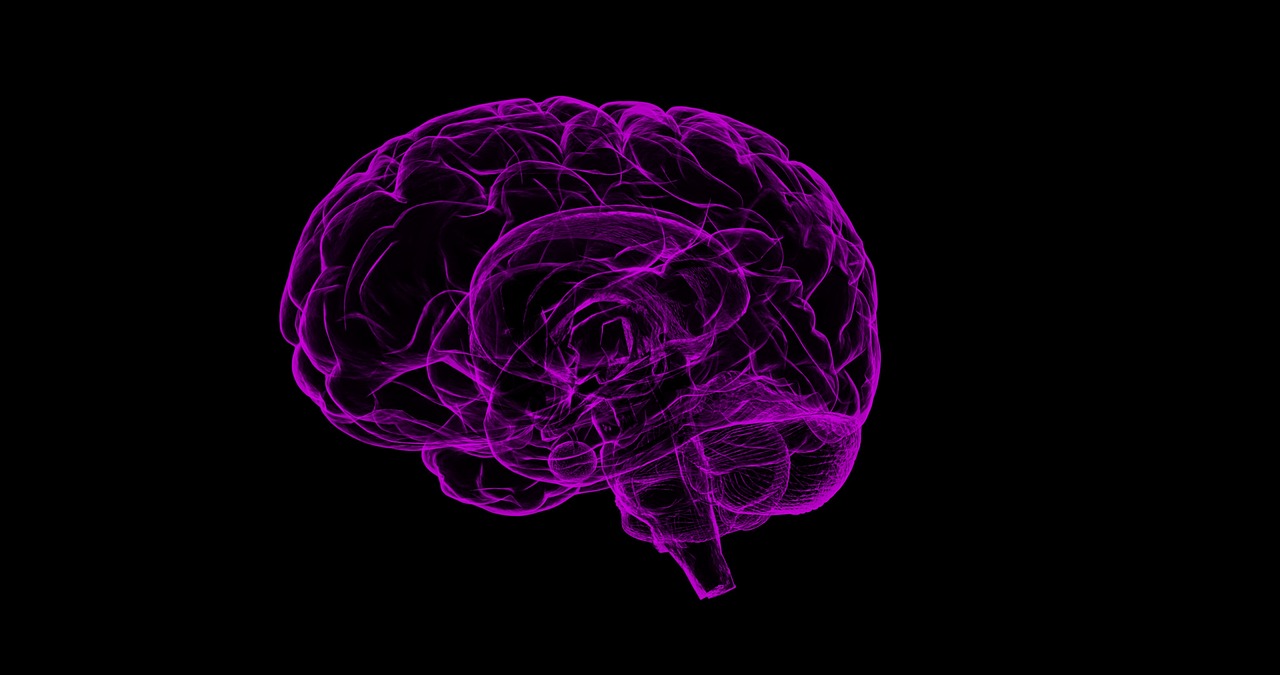
Brain

Memory.
Photo courtesy of Pixabay.com

How to improve mental efficiency and rev up the memory.

Improve your mental efficiency and improve your memory by practicing skills of observation. Becoming more observant is a skill you can learn.

Before you can remember someone you first need to get a good look at them. You need to be really observant.

There is an exercise that can help you with your ability to observe and remember people. It is an old exercise, from back in the pre-computer age, but still, one worth doing.

Think of a person you know socially but not necessarily well. Try to visualize this person. Get out a piece of paper you can save and write the answers to the following questions down.

Briefly, who is this person and how do you know them?

Male or female?

How old do you estimate they are? What would you guess their weight to be? How tall are they?

What is their hairstyle? Identifying hairstyle may be a challenge for some men. As we saw in a previous post about the expert effect if you don’t know what to call a particular hairstyle you may have trouble remembering it.

If they are a male do they have a beard? A mustache? How long are their sideburns?

How are their nails done?

What do they usually wear?

What did they wear the last time you saw them?

What are some of their common expressions? If you received a note from them that was unsigned could you pick it out from the handwriting or from expressions they use?

What is their predominant mood?

Repeat this exercise for at least three people including at least one man and one woman.

Next time you see this person check back and see how much you got correct. What did you have wrong?

Repeatedly practicing this exercise will improve your powers of observation. It will sensitize you to individual variations and make you more aware of the people you meet.

How well did you do at remembering other people? Can you see the value of practicing to improve your mental efficiency and memory?

Staying connected with David Joel Miller

Seven David Joel Miller Books are available now!

My newest book is now available. It was my opportunity to try on a new genre. I’ve been working on this book for several years, but now seem like the right time to publish it.

Story Bureau.

Story Bureau is a thrilling Dystopian Post-Apocalyptic adventure in the Surviving the Apocalypse series.

Baldwin struggles to survive life in a post-apocalyptic world where the government controls everything.

As society collapses and his family gets plunged into poverty, Baldwin takes a job in the capital city, working for a government agency called the Story Bureau. He discovers the Story Bureau is not a benign news outlet but a sinister government plot to manipulate society.

Bumps on the Road of Life. Whether you struggle with anxiety, depression, low motivation, or addiction, you can recover. Bumps on the Road of Life is the story of how people get off track and how to get your life out of the ditch.

Dark Family Secrets: Doris wants to get her life back, but small-town prejudice could shatter her dreams.

Casino Robbery Arthur Mitchell escapes the trauma of watching his girlfriend die. But the killers know he’s a witness and want him dead.

Planned Accidents  The second Arthur Mitchell and Plutus mystery.

Letters from the Dead: The third in the Arthur Mitchell mystery series.

What would you do if you found a letter to a detective describing a crime and you knew the writer and detective were dead, and you could be next?

Sasquatch. Three things about us, you should know. One, we have seen the past. Two, we’re trapped there. Three, I don’t know if we’ll ever get back to our own time.

For these and my upcoming books; please visit my Author Page – David Joel Miller

Want the latest blog posts as they publish? Subscribe to this blog.

For videos, see: Counselorssoapbox YouTube Video Channel

What purple glass? Memory and the expert effect.

By David Joel Miller, MS, Licensed Therapist & Licensed Counselor.

Old pictures

Memories.
Photo courtesy of Pixabay.

The thing may be right in front of you and still, you can’t see it.

The tale of the collectible purple glass

For a brief period, I dabbled in antiques and collectibles. The goal here was to make some money of buying and selling these things as I traveled about. The truth be told most things sold in antique stores these days are far from old and many are not all that collectible.

From time to time a friend of mine and I would wander through the antique stores and see what they had, what they were charging for things and then hope that we might find things worth buying and reselling.

If you intend to make a buck off an activity it helps to know what you are doing and in retrospect, neither of us knew nearly enough to make anything off the effort but at the time it sounded like a fun thing to do.

Now the part about memory

One day after walking through an antique store we stopped to talk about what we had seen. “Did you see that Fenton glass piece? ” she said. N, I had to admit I had not.

“What did you think of that display of Boyd glass they had?” she asked. Again I had to admit that I had not noticed that either.

I had to admit I didn’t remember seeing either.

The final straw came when she asked about a large piece of Purple art glass. My answer about missing that led to some harsh words and well it was all downhill from there.

I realized I knew nothing about collectible glass and that no matter how many trips through the story we made I failed to remember the glass items I had seen.

The solution to this problem came when I went to the library and checked out a few books on collectible glass. At first, they all looked alike. But the more I read about collectible glass and the more pictures I looked at the more the various types of glass started to make sense.

Later on, I actually bought a book on some glass styles I discovered I liked.

After reading those books I discovered that now that I knew something about some styles of collectible glass I recognized them when I saw them. Knowing what things are, makes them more recognizable, results in remembering a lot more about what you see.

One term for this is “the expert effect.” A writer notices books; a mechanic notices cars and someone in real-estate notices more about homes than the average layperson.

I have no doubt that had I kept up my study of glass I would know a lot more about it. Having not looked at any collectible glass for a long time now, those memories have faded away. We should talk more about keeping memories intact and reviving memories that have faded in the future.

What about the memory stuff?

Now that I have become a counselor I realize how many things people come to counseling to talk about they have never noticed. People can’t tell me what they feel because they have never studied themselves and their feelings enough to be able to identify feelings.

Becoming an expert on yourself.

One reason we have so much difficulty recognizing our problems before they become unmanageable is we have never gotten to be experts on ourselves.

If you want a better memory, become an expert on the thing you are trying to remember and it will be much easier to spot that thing in the first place. Strong first impressions on our brains get held onto longer.

Happiness expert.

Are you an expert on happiness? What part of you and your growth or recovery do you need to become an expert about so it will stay fixed in your memory?

Staying connected with David Joel Miller

Seven David Joel Miller Books are available now!

My newest book is now available. It was my opportunity to try on a new genre. I’ve been working on this book for several years, but now seem like the right time to publish it.

Story Bureau.

Story Bureau is a thrilling Dystopian Post-Apocalyptic adventure in the Surviving the Apocalypse series.

Baldwin struggles to survive life in a post-apocalyptic world where the government controls everything.

As society collapses and his family gets plunged into poverty, Baldwin takes a job in the capital city, working for a government agency called the Story Bureau. He discovers the Story Bureau is not a benign news outlet but a sinister government plot to manipulate society.

Bumps on the Road of Life. Whether you struggle with anxiety, depression, low motivation, or addiction, you can recover. Bumps on the Road of Life is the story of how people get off track and how to get your life out of the ditch.

Dark Family Secrets: Doris wants to get her life back, but small-town prejudice could shatter her dreams.

Casino Robbery Arthur Mitchell escapes the trauma of watching his girlfriend die. But the killers know he’s a witness and want him dead.

Planned Accidents  The second Arthur Mitchell and Plutus mystery.

Letters from the Dead: The third in the Arthur Mitchell mystery series.

What would you do if you found a letter to a detective describing a crime and you knew the writer and detective were dead, and you could be next?

Sasquatch. Three things about us, you should know. One, we have seen the past. Two, we’re trapped there. Three, I don’t know if we’ll ever get back to our own time.

For these and my upcoming books; please visit my Author Page – David Joel Miller

Want the latest blog posts as they publish? Subscribe to this blog.

For videos, see: Counselorssoapbox YouTube Video Channel

Improving your memory by finding happiness – excavating happiness

By David Joel Miller, MS, Licensed Therapist & Licensed Counselor.

Old pictures

Memories.
Photo courtesy of Pixabay.

Sometimes you need to excavate those happy memories.

Part of memory improvement is reviving old memories you may still need but are having a hard time finding. One good place to start is reviving happy positive memories.

One great technique to retrieve those happy memories is a dose of introspection. Looking inside yourself can help you find things you had forgotten were there.

Happy memories are sometimes hard to recall. Let’s work on improving your memory by improving recall of happy times in the past. Memories that are not used degrade. With total disuse, the brain may prune off those memory connections. Certain times in your life and emotional states promote that pruning.

One good think about faded memories is that if you can find them before they are gone you can retrieve them. It is always easier to learn something a second time than it was the first time because there may be traces of those memories left in your brain.

Here are some questions to ask yourself. I suggest you write the answers down whenever possible. The act of writing them down stores them in a second part of the brain and may make retrieval easier. Telling someone about those happy memories has a similar effect. For good measure whenever possible do both.

1. When was the happiest time in your life? The three happiest times?

Try to walk back through those happy times. Where were you? Who were you with? If that person is no longer part of your life try to only remember the good part of this happy time, not the subsequent loss.

Try to recall as many details as possible. What time of year was it? Where there any smells? What was touching your skin? The more senses you can involve the more details you remember the more real and permanent the memory becomes.

If you find yourself stumped on that happy time, look for a happy place, somewhere you may have been or a trip you took. Even if that place was imaginary, returning to it can improve your mood.

Some of our memories come from the books we read, the movies we watched, and the characters from those stories that made their way into our hearts. For some that happy memory will be the time their favorite team won that big game.

2. What was the best job you ever had?

This may not have been the best paying but it was the one you wanted and may have wished you could do again. Relive that excitement of being chosen for that job.

Where were you when you had that job? What else was going on in your life at that time? Try to remember the people you worked with. How did they treat you? What made this the best job of your life?

In the moment we store a lot of memories about the problems on any job. If you look back searching for the things that meant the most to you there just might be some things you need to remember.

3. What are your good qualities?

This can be harder than the first two. If you are stumped on this one ask yourself how a friend would describe your good qualities? What would you say to a potential boss if you were asked this in an interview?

Don’t dismiss this question too quickly. Give yourself time to ponder.  Most people have far more skills and good qualities than they give themselves credit for.

Did you win a contest? Have you ever been given an honor? Do not dismiss that victory no matter how small and insignificant it may seem now. Those past achievements will tell you a lot about yourself and the potential you have to become even more.

4. When was the last time you learned something new?

Was this a good experience? Are you proud of what you learned? Had you planned on having this experience or did it just happen? If you learned this new thing with someone else, who? Is this person still in your life? In a good way?

People who continue to learn throughout the lifespan get more mileage from that thing we call a brain. Lifelong learning may not cure Alzheimer’s but it is good for knocking the cobwebs off the brain and keeping it working to the best of your ability.

5. When in your life was your health at its best?

What else was going on then? Has your health fluctuated over the years? Has that affected your happiness? Is there anything you can do to improve your health and re-experience those happy times?

Some of these introspective self-examination questions will bring up painful memories as well as the happy ones. Notice the pain and then let it go. Your goal is to focus on the happiness you had forgotten. For more on the problem of painful memories check out the post on meditation and painful memories.

Happiness and pain are not stored equally. It is easier to remember the bad than the good. Cultivate the habit of looking for the positive and adding those memories to your memory collection and you will find your happiness and your memory will improve.

Staying connected with David Joel Miller

Seven David Joel Miller Books are available now!

My newest book is now available. It was my opportunity to try on a new genre. I’ve been working on this book for several years, but now seem like the right time to publish it.

Story Bureau.

Story Bureau is a thrilling Dystopian Post-Apocalyptic adventure in the Surviving the Apocalypse series.

Baldwin struggles to survive life in a post-apocalyptic world where the government controls everything.

As society collapses and his family gets plunged into poverty, Baldwin takes a job in the capital city, working for a government agency called the Story Bureau. He discovers the Story Bureau is not a benign news outlet but a sinister government plot to manipulate society.

Bumps on the Road of Life. Whether you struggle with anxiety, depression, low motivation, or addiction, you can recover. Bumps on the Road of Life is the story of how people get off track and how to get your life out of the ditch.

Dark Family Secrets: Doris wants to get her life back, but small-town prejudice could shatter her dreams.

Casino Robbery Arthur Mitchell escapes the trauma of watching his girlfriend die. But the killers know he’s a witness and want him dead.

Planned Accidents  The second Arthur Mitchell and Plutus mystery.

Letters from the Dead: The third in the Arthur Mitchell mystery series.

What would you do if you found a letter to a detective describing a crime and you knew the writer and detective were dead, and you could be next?

Sasquatch. Three things about us, you should know. One, we have seen the past. Two, we’re trapped there. Three, I don’t know if we’ll ever get back to our own time.

For these and my upcoming books; please visit my Author Page – David Joel Miller

Want the latest blog posts as they publish? Subscribe to this blog.

For videos, see: Counselorssoapbox YouTube Video Channel

Memory March – How to improve your memory and motivation

By David Joel Miller, MS, Licensed Therapist & Licensed Counselor.

Puzzle

Memory pieces.
Photo courtesy of Pixabay.com

Your memory can be improved with a little effort, some motivation will help.

This month let’s take a look at memory, its role in our lives, and how you might improve it. Contrary to popular belief a good memory is not something you are either born with or you will never have.

There are ways to work on improving your memory regardless of how good a memory you started with. I want to keep this Memory March discussion on a practical basis. There has been a ton of research on memory over the years. This research has given us some insights into how the brain works but that information has not always translated into anything all that practical.

We can describe memory “systems” and parts of the brain involved, but the systems do not at this point correlate well with the brain parts and those parts of the brain serve many functions beyond memory.

From a practical point of view, there are ways to improve your memory, thinking, and mental acuity that has little to do with the way your brain is shaped and how much supposed intelligence you have or do not have. We have noted in past posts that some very smart people can do dumb things and some average people come up with some surprising ideas.

Having a good memory may begin with how much storage capacity your brain has but the efficiency of storage and how you use those abilities can make a tremendous difference.

A long time ago before we discovered ADHD and learning disabilities, there used to be some programs on memory improvement and mind development. New advances in medications and learning techniques have been helpful, but to date, we have found no magic pill that makes your memory better and the elusive part of learning remains learning how to learn.

Things you can do to improve your memory and mental efficiency.

A good memory is not something we are born with. In the early years, children’s memories are primarily stored as pictures. There are processes for consolidating those memories. As children move into the school years what they can remember is largely influenced by how many words they know. Memories begin to be stored in the brain as stories.

Much of our memory is about being a good storyteller. Very young children are often good “storytellers” meaning they can invent fantastic tales full of creativity. What they lack is the ability to consolidate those stories’ so they can be retold time after time. As we get older our storytelling abilities crystallize.

Fortunately for those of us with sometimes faulty memories, learning to remember stories is a skill that can be learned.

Don’t confuse a good memory with IQ or being smart. There are plenty of people who are smart in the IQ sense. They score very well on standardized tests. But can they remember anything? Not much! Those stories about the absent-minded professor have a lot of truth to them. Being smart does not mean you can remember anything outside your primary interest.

Having a good memory is more a skill, than something you are born with. Skills can be learned and they can be improved with practice.

Over the course of Memory March, I will try to offer some everyday suggestions on how to improve your memory, your mental efficiency, and your productivity. There will be some suggested exercises. You may do them or not. I have borrowed some of these ideas from old memory improvement and mental efficiency texts but where possible have updated them for our current terminology and understandings. Can’t say the ideas are all that original and I will try to give credit where credit is due.

My hope is that these memory posts will be helpful. We will also need to say a few things about motivation. Being motivated to remember things helps the memory. I have written in the past about internal and external motivation. Throughout the month I plan to talk some more about motivation.

Links to a few of the older posts on both memory and motivation will appear at the end of these posts.

Let’s end this post with a simple memory prompt.

Please remember to leave a comment about memory, motivation, and how this may lead you towards your happy life.

Staying connected with David Joel Miller

Seven David Joel Miller Books are available now!

My newest book is now available. It was my opportunity to try on a new genre. I’ve been working on this book for several years, but now seem like the right time to publish it.

Story Bureau.

Story Bureau is a thrilling Dystopian Post-Apocalyptic adventure in the Surviving the Apocalypse series.

Baldwin struggles to survive life in a post-apocalyptic world where the government controls everything.

As society collapses and his family gets plunged into poverty, Baldwin takes a job in the capital city, working for a government agency called the Story Bureau. He discovers the Story Bureau is not a benign news outlet but a sinister government plot to manipulate society.

Bumps on the Road of Life. Whether you struggle with anxiety, depression, low motivation, or addiction, you can recover. Bumps on the Road of Life is the story of how people get off track and how to get your life out of the ditch.

Dark Family Secrets: Doris wants to get her life back, but small-town prejudice could shatter her dreams.

Casino Robbery Arthur Mitchell escapes the trauma of watching his girlfriend die. But the killers know he’s a witness and want him dead.

Planned Accidents  The second Arthur Mitchell and Plutus mystery.

Letters from the Dead: The third in the Arthur Mitchell mystery series.

What would you do if you found a letter to a detective describing a crime and you knew the writer and detective were dead, and you could be next?

Sasquatch. Three things about us, you should know. One, we have seen the past. Two, we’re trapped there. Three, I don’t know if we’ll ever get back to our own time.

For these and my upcoming books; please visit my Author Page – David Joel Miller

Want the latest blog posts as they publish? Subscribe to this blog.

For videos, see: Counselorssoapbox YouTube Video Channel

Undoing a bad habit – lessons from the big box stores

By David Joel Miller, MS, Licensed Therapist & Licensed Counselor.

Healthy habits background

Healthy habits.

Sometimes trying to break a habit only makes it worse.

If you have a habit that you wish you had never started, gambling, drinking, drug use, overeating, or whatever, and want to change it, take a strategy from the big boy’s playbook.

The major chain retailers all want you in their store. To get you in the door and then make a regular shopper out of you, they have to get you out of their competitor’s store. There are right ways to do this and wrong ways.

These strategies are not about will power or won’t power. They also have little to do with your motivation. In the future, we will talk more about how to motivate yourself and stay motivated. When we talk about that we will look at why it is so easy to motivate yourself to do fun things and so hard to motivate yourself to do disagreeable things. Here is how retailers motivate you.

The ways major retailers get you to switch is a blueprint for changing your behavior.  Here are some things the stores do and how you can use these techniques to end a habit.

1. Do not focus on the behavior you want to stop.

This is where most self-improvement programs go wrong. The more you try to not do something the stronger the urges to do exactly that thing. One retailer does not, if they are smart, run commercials telling you to “don’t shop at brand X.”

Commercials like that only remind you of brand x. Occasionally retailers forget and do this. The result is not more customers in their store, even if they get them out of the competitor’s store. (See the post on “Don’t think about elephants.”)

If you are trying to get rid of a habit like drinking, focusing on not drinking is likely to get you to find another habit to take the drinking’s place. That new habit, like gambling, may be just as undesirable as the old habit.

People in recovery find that just quitting the old habit leaves you miserable. There is a whole body of literature on “dry drunks” people who have quit the drinking but they are still miserable. So what do you do?

2. Create a competing behavior.

Stores try to give you a reason to try them, just once. They use coupons, specials this week only, offers, and the like to create a really strong reason for you to come to them this one time.

With undesirable habits, we need to create a new positive habit to replace the old one. This is one reason A.A. or church services are so helpful to recovering people. It creates a new habit to replace the old one.

3. Make sure the new habit is enjoyable.

If the store gets you in the door they should do all they can to make this new experience a positive one. Smart retailers bring in extra help for the sale even if they are selling things at cost.

They want you to get service and get it promptly if they are to have any chance of keeping you as a regular customer. Stores that forget this and make you wait in long lines or treat you rudely end up sending you back to the place you used to shop even if you didn’t really like it there.

If your change effort involves pain and doing without then you are likely to say why bother and head right back to what you used to do. Make this new change behavior enjoyable and the chances that this fun thing will replace the old undesired behavior.

4. Keep coming back.

Stores know that if you switch your shopping pattern and visit a new place three times in a row there is a strong chance you have a new regular place to shop. This is why they use coupons that have expiration dates, offers that allow you so much off or something for free each week or month.

Make a habit of the new behavior and it is likely to persist.

This is why recovery groups will suggest 30 meetings in 30 days or even 90 meetings in 90 days. Anything you do that many times in a row will become your new default behavior. Even if you start missing meetings down the road, the habit of going to meetings instead of drinking is now firmly entrenched.

So if you really want to stop a bad habit take these simple steps. Create a new habit to replace the old one. Make it fun to do. Minimize any negative parts of the new behavior and keep doing it over and over until it is your new default behavior.

Do these steps and you can be a habit shaper just like the big boys.

Related articles

Staying connected with David Joel Miller

Seven David Joel Miller Books are available now!

My newest book is now available. It was my opportunity to try on a new genre. I’ve been working on this book for several years, but now seem like the right time to publish it.

Story Bureau.

Story Bureau is a thrilling Dystopian Post-Apocalyptic adventure in the Surviving the Apocalypse series.

Baldwin struggles to survive life in a post-apocalyptic world where the government controls everything.

As society collapses and his family gets plunged into poverty, Baldwin takes a job in the capital city, working for a government agency called the Story Bureau. He discovers the Story Bureau is not a benign news outlet but a sinister government plot to manipulate society.

Bumps on the Road of Life. Whether you struggle with anxiety, depression, low motivation, or addiction, you can recover. Bumps on the Road of Life is the story of how people get off track and how to get your life out of the ditch.

Dark Family Secrets: Doris wants to get her life back, but small-town prejudice could shatter her dreams.

Casino Robbery Arthur Mitchell escapes the trauma of watching his girlfriend die. But the killers know he’s a witness and want him dead.

Planned Accidents  The second Arthur Mitchell and Plutus mystery.

Letters from the Dead: The third in the Arthur Mitchell mystery series.

What would you do if you found a letter to a detective describing a crime and you knew the writer and detective were dead, and you could be next?

Sasquatch. Three things about us, you should know. One, we have seen the past. Two, we’re trapped there. Three, I don’t know if we’ll ever get back to our own time.

For these and my upcoming books; please visit my Author Page – David Joel Miller

Want the latest blog posts as they publish? Subscribe to this blog.

For videos, see: Counselorssoapbox YouTube Video Channel

Self-Doubt – silencing the inner critic.

By David Joel Miller, MS, Licensed Therapist & Licensed Counselor.

Low Self-esteem

Low Self-esteem.
Photo courtesy of Pixabay.com

How are you creating your self-doubt?

Self-doubt is that inner voice telling you that you can’t do this and won’t succeed at that. Many of us first entertained these visits from our inner critic in childhood when we began to experience doubts. Over time the inner critic’s voice has become so loud that any positive self-talk is quickly drowned out by the inner critic’s constant denigration.

Parents may have planted the seeds for your inner self-critic but we are all likely to have nurtured his growth. Parents used to think that the way to get more out of their children was to point out the child’s faults, expecting the child to improve the areas where they were weak. An over-reliance on criticism and fault-finding leads to the child’s belief that they are inherently defective and can’t do anything correctly.

We find that discipline-based only on fault-finding and punishment over time harms not helps. Any criticism needs to be balanced with an equal or larger amount of praise.
The more the child is criticized the faster that inner self-critic, the part of us that says we can’t do this and we will never be good enough, grows.

Over the years that self-criticism which starting from things others told us about ourselves, grows to become our belief about ourselves and the dominant story of our lives. The more you tell yourself and others this story the more fixed it becomes in your brain. Telling yourself you can’t and shouldn’t make it impossible for you to do those very things that might prove you can succeed.

Plenty of parents have tried to live through their children. The stage mothers and the frustrated athletes begin early to try to make their children into the successes the adult did not have. If parents or others in your life nurtured one part of you but dismissed another, that inner part of you that should have been was silenced by those inner and outer critics.

Having a parent who encourages and supports you has helped many a champion become what they could be. They tell the story of how that parent was there encouraging them on, through the difficult times. A good supporter tells you that if you keep trying you can do it. If you fall down a good coach tells you to get up and try again. They say “You can do this, I know you can.”

A bad coach tells you that you are clumsy and they don’t know why you are there. Eventually, you wonder that same thing and stop trying. Funny how much parents are like coaches even when they don’t recognize they are filling that role.

But having a parent that only accepts and loves you when you win, who takes your successes as validation of themselves and your losses as undermining their self-esteem, results in children who grow up to only like themselves if they win every contest they enter.

A story does not have to be true for you to believe it. Tell yourself often enough that you are a failure and you will live down to that judgment.

That does not mean that if you lie to yourself and tell yourself that you will be able to accomplish the impossible then it becomes achievable. Part of self-love is to be realistic about your abilities and opportunities.

If your inner critic has been telling you that you can’t or shouldn’t do something consider the evidence. Argue with that critic. Who says you can’t. Even if you won’t do it perfectly, why shouldn’t you reach for your dreams and see how far you could go if that inner voice were to tell you “YOU CAN DO IT!”

Remember that inner critic, like the inner cheerleader, they are both you. You provide the script that inner voice will read. Start today telling yourself you can and see what wonderful outcomes are possible.

Staying connected with David Joel Miller

Seven David Joel Miller Books are available now!

My newest book is now available. It was my opportunity to try on a new genre. I’ve been working on this book for several years, but now seem like the right time to publish it.

Story Bureau.

Story Bureau is a thrilling Dystopian Post-Apocalyptic adventure in the Surviving the Apocalypse series.

Baldwin struggles to survive life in a post-apocalyptic world where the government controls everything.

As society collapses and his family gets plunged into poverty, Baldwin takes a job in the capital city, working for a government agency called the Story Bureau. He discovers the Story Bureau is not a benign news outlet but a sinister government plot to manipulate society.

Bumps on the Road of Life. Whether you struggle with anxiety, depression, low motivation, or addiction, you can recover. Bumps on the Road of Life is the story of how people get off track and how to get your life out of the ditch.

Dark Family Secrets: Doris wants to get her life back, but small-town prejudice could shatter her dreams.

Casino Robbery Arthur Mitchell escapes the trauma of watching his girlfriend die. But the killers know he’s a witness and want him dead.

Planned Accidents  The second Arthur Mitchell and Plutus mystery.

Letters from the Dead: The third in the Arthur Mitchell mystery series.

What would you do if you found a letter to a detective describing a crime and you knew the writer and detective were dead, and you could be next?

Sasquatch. Three things about us, you should know. One, we have seen the past. Two, we’re trapped there. Three, I don’t know if we’ll ever get back to our own time.

For these and my upcoming books; please visit my Author Page – David Joel Miller

Want the latest blog posts as they publish? Subscribe to this blog.

For videos, see: Counselorssoapbox YouTube Video Channel

How far is it to Contentment?

By David Joel Miller, MS, Licensed Therapist & Licensed Counselor.

Contentment

Contentment
Photo courtesy of Pixabay.com

We know about wants and needs, pain, and suffering but what about contentment?

Contentment has been defined variously as “calm satisfaction” or the feeling you get when you reach your destination. Some say it includes ease of mind making it a very rare commodity indeed.

One traditional belief was that you worked hard here on earth, lived correctly, and then when you died you go to heaven, or something like that, where you are allowed to finally be happy and contented. With the decline in religious beliefs, it is becoming difficult for people to fathom the idea of waiting until you die to finally be happy or contented.

There are some who would argue that contentment is not a good thing. Contented people are happy where they are. Contented people enjoy the journey and are in no rush to reach their destination. Most of us live life as if we can’t wait for it to be over.

There are those who argue that human progress is dependent on pain. That without an unhappiness people would become lazy and unmotivated. There is no denying that pain can motivate. Some find it hard to give up their belief that we need to be in pain and suffering. They tell us that it is part of the human condition. In truth, the pain may happen to all of us but the suffering is optional.

Two people can live is similar life circumstances, experience similar pain or trauma and one is able to maintain their attitude while the other suffers. The difference is not in what they experience but in their attitude towards the events of their life.

One source of unhappiness is the constantly moving expectations we set for our lives and ourselves. When your goal is “more” no amount of having can get you there.

Many a person who has struggled to reach a goal finds a deep depression after their accomplishment. They lack the ability to appreciate what they have accomplished, always wanting more.

Contentment is the emotional equivalent of eating. Some people are driven to eat long after the hunger has been satiated. You can feel intense pain if having arrived at a goal you are unable to enjoy that success and need to constantly be chasing the next one.

Those who do things because they love what they do, in addition to finding they may be paid to do what they would want to do anyway, also find that they are happy and content because they are enjoying the journey not fretting about the goal.

One great source of contentment is having friends and a positive support system. People who have supportive others in their life are more likely to be content. Extroverts find it easy to be with and around others and are often happy as a result. But introverts who make conscious efforts to develop and maintain a positive relationship with others are also more likely to be content.

Reaching a goal that you have set for yourself is extremely important in achieving happiness and contentment. People who have struggled to reach a goal in order to please a parent or other person in their life are frequently disappointed when reaching that goal is hollow and emotionally unrewarding. Make sure the goal you are working on is one that matters to you.

While poverty may make us unhappy, no amount of money seems to make people content. As our income or wealth expands beyond our basic needs so do our expectations. The wealthy pay larger bills than the poor but are often no more content. As you climb the pyramid the danger of being pushed off rises. The truly content person is able to pause and enjoy the things they have accomplished, the friends they have, and give themselves credit for what they have accomplished along the way.

Contentment we find is not so much a feeling as it is a skill that you can practice any time or place you find yourself.

Staying connected with David Joel Miller

Seven David Joel Miller Books are available now!

My newest book is now available. It was my opportunity to try on a new genre. I’ve been working on this book for several years, but now seem like the right time to publish it.

Story Bureau.

Story Bureau is a thrilling Dystopian Post-Apocalyptic adventure in the Surviving the Apocalypse series.

Baldwin struggles to survive life in a post-apocalyptic world where the government controls everything.

As society collapses and his family gets plunged into poverty, Baldwin takes a job in the capital city, working for a government agency called the Story Bureau. He discovers the Story Bureau is not a benign news outlet but a sinister government plot to manipulate society.

Bumps on the Road of Life. Whether you struggle with anxiety, depression, low motivation, or addiction, you can recover. Bumps on the Road of Life is the story of how people get off track and how to get your life out of the ditch.

Dark Family Secrets: Doris wants to get her life back, but small-town prejudice could shatter her dreams.

Casino Robbery Arthur Mitchell escapes the trauma of watching his girlfriend die. But the killers know he’s a witness and want him dead.

Planned Accidents  The second Arthur Mitchell and Plutus mystery.

Letters from the Dead: The third in the Arthur Mitchell mystery series.

What would you do if you found a letter to a detective describing a crime and you knew the writer and detective were dead, and you could be next?

Sasquatch. Three things about us, you should know. One, we have seen the past. Two, we’re trapped there. Three, I don’t know if we’ll ever get back to our own time.

For these and my upcoming books; please visit my Author Page – David Joel Miller

Want the latest blog posts as they publish? Subscribe to this blog.

For videos, see: Counselorssoapbox YouTube Video Channel

Mental Health, Self-improvement & Happy life –Counselorssoapbox.com January 2013 Best of Blog

Counselorssoapbox.com

By David Joel Miller, MS, Licensed Therapist & Licensed Counselor.

Taking stock of where we are in this no longer New Year – January Recap.

One month of 2013 come and gone, time to reflect on where we are and where we are going. So far this month we have talked a lot about taking stock of where you are and deciding where you are going. This happy life journey is all about becoming who you truly want to be.

I noticed that there are still a lot of people coming in to join us that are reading last year’s posts about diseases and disorders. When you are stuck in depression, anxiety, or substance abuse you may not be ready to begin a journey towards happiness. First, you need to define what your issues are.

Occasionally we may need to take a detour to help someone catch up with the direction towards happiness. As we progress I we will continue to examine the research that I come across, things that may explain why some of us have certain of life’s struggles and how you might overcome them.

One goal for this New Year has been to get these blog posts out on a regular basis. That seems to be working. I find I am able to write posts ahead of time and schedule them to appear on their appointed day. This has avoided those times when life and work prevent me from writing a post.

The progress on the book has been slow but I continue to work on getting it finished. The plan is to have a book published by the year’s end. I will mention some other writing projects as we go along.

I will endeavor to keep the shameless self-promotion to a minimum but my writer friends tell me that spreading the word about your writing is a requirement in this strange new e-book universe.

Here are some of the top viewed posts from this month, January 2013:

  1. How much should you tell a therapist? 
  2. Do people really forget what happened when drinking? – Blackouts 
  3. 6 ways to recover from Complex Trauma or Complex PTSD                         
  4. What is the difference between Depression and Major Depressive Disorder?   
  5. Why can’t we forget the painful past?       
  6. Are you Hyperthymic?      
  7. Do therapists have to report a crime?                
  8. Which border is Borderline Intellectual Functioning on?   
  9. Do others harm your self-esteem?          
  10. Is nicotine a stimulant or a depressant?      
  11. Sleep Paralysis – What causes it? Is it related to PTSD or demons?     
  12. Levels or types of Borderline Personality Disorder

Thanks if you were one of the early readers. If you missed one or want a second look the links are above.

Thanks, folks.

This year we will continue our journey through cleaning up our past, learning to cope with feelings and problems, and designing the kind of person we want to be. As always your comments are welcome.

Staying connected with David Joel Miller

Seven David Joel Miller Books are available now!

My newest book is now available. It was my opportunity to try on a new genre. I’ve been working on this book for several years, but now seem like the right time to publish it.

Story Bureau.

Story Bureau is a thrilling Dystopian Post-Apocalyptic adventure in the Surviving the Apocalypse series.

Baldwin struggles to survive life in a post-apocalyptic world where the government controls everything.

As society collapses and his family gets plunged into poverty, Baldwin takes a job in the capital city, working for a government agency called the Story Bureau. He discovers the Story Bureau is not a benign news outlet but a sinister government plot to manipulate society.

Bumps on the Road of Life. Whether you struggle with anxiety, depression, low motivation, or addiction, you can recover. Bumps on the Road of Life is the story of how people get off track and how to get your life out of the ditch.

Dark Family Secrets: Doris wants to get her life back, but small-town prejudice could shatter her dreams.

Casino Robbery Arthur Mitchell escapes the trauma of watching his girlfriend die. But the killers know he’s a witness and want him dead.

Planned Accidents  The second Arthur Mitchell and Plutus mystery.

Letters from the Dead: The third in the Arthur Mitchell mystery series.

What would you do if you found a letter to a detective describing a crime and you knew the writer and detective were dead, and you could be next?

Sasquatch. Three things about us, you should know. One, we have seen the past. Two, we’re trapped there. Three, I don’t know if we’ll ever get back to our own time.

For these and my upcoming books; please visit my Author Page – David Joel Miller

Want the latest blog posts as they publish? Subscribe to this blog.

For videos, see: Counselorssoapbox YouTube Video Channel

Becoming wealthy is easier than you think

By David Joel Miller, MS, Licensed Therapist & Licensed Counselor.

Cash

Money.
Photo courtesy of Pixabay.com

In the wealthiest country on earth, most Americans are poor.

What does it take to become a wealthy person? Getting into that top one percent may be difficult but moving up the wealth ladder takes a whole lot less than you might think.

Poor may be easier to define than wealthy. The poor can’t afford much of anything.  By most economic measures the majority of Americans are poor. I will emphasize Americans in this post because most of the rest of the world thinks of us as wealthy, we know better.

Two-thirds of all Americans live paycheck to paycheck.

Most of us are one paycheck away from homelessness. The only thing saving a lot of us is the slow speed of eviction and foreclosure.

Absolutely having an income is important. We will return again later to the theme of the connection between having a job, any job, and having hope and good mental health. But once you have that income coming in, what will it take to start moving up into the ranks of the “wealthy.” Probably way less than you think.

Over one-fourth of Americans have no savings account. Open a savings account of any amount and you move into the upper 75 % of all Americans in wealth. Better open that account with a credit union. In what I see as amazing cynicism most U. S. banks will charge you so much for “maintaining an account” those fees will drain the account dry in a matter of months.

Want to do better than that? Let’s say you want to join the upper 50% of the wealthiest Americans, you need to reach a balance in that savings account of just $500. That’s right folks; to enter the ranks of the wealthiest half of all Americans you need just $500 in savings.

You are saying that it must be more complicated than that. Well yes, there is a little catch. You can’t count yourself wealthy if you don’t pay your bills to collect up that saving account balance. But don’t worry about that one too much. Turns out most Americans have bills that exceed their savings account balance. So yes even with balances on your credit cards you can make the 50 % most wealthy Americans list with just $500 in savings.

Want to bypass all that middle of the road stuff and make the upper crust? The wealthiest one-third is your goal? The amount you need in Savings will need to reach the astronomical figure of $1,000.

This is mind-boggling. Most of us will spend thousands on a big screen or a new computer but can “spend” $1,000 by placing it in a savings account for later use. How much is peace of mind worth? If you lose just one night’s sleep worrying about paying bills having that $1,000 cushion will be worth the effort to save it up.

Unless, big warning here, if you are one of those people who the minute you get some money in the bank you increase your spending to use that money up. To get into the top one-third in wealth is a lot easier than to stay there.

What about credit cards?

We need to talk about the average American now, not the upper or lower anything. Calling anyone average is a stretch, especially when we are talking about money. The average family had 2.3 children at one point. No one has “point anything” kids. You either have two or three or you belong in an institution for the criminally insane.

Take one person walking down Wall Street; he has one hundred million dollars in the bank. Now average his bank balance with the nine homeless people in that Occupy encampment. What is the result? The AVERAGE bank balance will be ten million dollars. No one in this example has that amount.

This trying to average Billionaires and people making minimum wage is one reason Washington keeps getting us into trouble. If you take away everything the Billionaires have and leave them homeless you still won’t get enough to make the homeless into millionaires. On the other hand, if the Billionaires don’t kick in and kick in good there will be no one to buy from their companies and they will not feel safe walking the streets. Trickle-down economics only works when the flow rate increases way beyond a trickle. But I digress.

How do credit cards figure into this becoming a wealthy person?

Credit cards have their place. I am not urging you to return to the depression era economics and go completely without the existence of credit. I keep some in case my car breaks down in the middle of the desert and I need to get it repaired to get out of there. I do not move to the desert and try to live by using my card instead of working.

The way some card companies market their products is the equivalent of that chocolate cake on the healthy eating list. Sympathy for those card companies is like caring for sharks by keeping some in the community pool. I am all for conservation but it does not include a shark in my pool thank you very much.

So what is the relationship between being a wealthy American and credit cards?  Wealthy people do not carry balances on credit cards. If they have them and use them they pay them off as quickly as possible.

This keeps most Americans out of the “Wealthy” club. The “Average American” has $3,800 in their bank account but they have $2,200 on their credit card. If they were to pay that credit card off there would not be even one month’s living expenses left for that “average” American.

The net result is that they will end up using that card again. They get to pay and pay that balance over and over and still never get out of debt.

Want to be a wealthy American no matter how much you make? Save up some money in an emergency savings account, pay off those credit cards and then scale back your spending to match your income.

You can’t afford the bare necessities you say? We need to talk about the difference between necessities and luxuries, between wants and needs. But this post has run over so I will save that for another time.

Staying connected with David Joel Miller

Seven David Joel Miller Books are available now!

My newest book is now available. It was my opportunity to try on a new genre. I’ve been working on this book for several years, but now seem like the right time to publish it.

Story Bureau.

Story Bureau is a thrilling Dystopian Post-Apocalyptic adventure in the Surviving the Apocalypse series.

Baldwin struggles to survive life in a post-apocalyptic world where the government controls everything.

As society collapses and his family gets plunged into poverty, Baldwin takes a job in the capital city, working for a government agency called the Story Bureau. He discovers the Story Bureau is not a benign news outlet but a sinister government plot to manipulate society.

Bumps on the Road of Life. Whether you struggle with anxiety, depression, low motivation, or addiction, you can recover. Bumps on the Road of Life is the story of how people get off track and how to get your life out of the ditch.

Dark Family Secrets: Doris wants to get her life back, but small-town prejudice could shatter her dreams.

Casino Robbery Arthur Mitchell escapes the trauma of watching his girlfriend die. But the killers know he’s a witness and want him dead.

Planned Accidents  The second Arthur Mitchell and Plutus mystery.

Letters from the Dead: The third in the Arthur Mitchell mystery series.

What would you do if you found a letter to a detective describing a crime and you knew the writer and detective were dead, and you could be next?

Sasquatch. Three things about us, you should know. One, we have seen the past. Two, we’re trapped there. Three, I don’t know if we’ll ever get back to our own time.

For these and my upcoming books; please visit my Author Page – David Joel Miller

Want the latest blog posts as they publish? Subscribe to this blog.

For videos, see: Counselorssoapbox YouTube Video Channel

Do others harm your self-esteem?

By David Joel Miller, MS, Licensed Therapist & Licensed Counselor.

Low Self-esteem

Low Self-esteem.
Photo courtesy of Pixabay.com

Who talks badly about you?

If you were on a desert island, with no one around to criticize you, would you still feel bad about yourself?

Interesting question. I saw this question in a book titled “Be Glad You’re Neurotic” by Dr. Louis Bisch, one of the founders of the New York Psychoanalytic Society and Institute. I have paraphrased it slightly. It was a valid question back in 1936 when his book was published and it is still a good question today. This is not the post to go into the whole Neurosis versus Specific Diagnosis thing or talk about the difference between psychoanalysis and the kind of brief therapy in vogue today. We may get back to that later – maybe not.

What is important at this point in our series on moving towards your happy life is the question of how much of what you think about yourself is the result of what others have told you and how much is now a part of your belief system.

In a previous post, I talked about how we may have faulty life blueprints in our heads. One major source of these life-plan errors is the things others said about us that we took for the whole unvarnished truth. Many of these things we believe about ourselves because others told us so are just not the truth.

An example.

A woman refused to eat while at the treatment facility because she was “fat.” She looked normal to below normal in weight. She was not quite underweight but clearly, she did not need to diet. Her reason for believing she was “fat?” Her siblings and her cousins had always called her fatso and teased her about her weight. For the record when I eventually met her family they were all larger and heavier than she.

She believed that she was fat not because of outside objective evidence, like scales or doctor’s opinion, but because it was so painful to be teased about her weight she was resolved to change herself to please her family.

A really stupid man?

One student in my night class confided to me that he did not expect to do well in the class. He was sure he was just too stupid to do college-level work. He had not done well in high school but he was hoping to somehow make it through the program at the community college and earn a certificate in a vocational program.

His first paper was atrocious. But as I reflected on this paper I realized so was many of my early papers. Like many of my students, he was not fully prepared for college but he made up for a lack of skills by putting in more effort.

In this particular class, the requirement was that the students submit the papers early so that I could grade them, and then they were to revise the paper and resubmit it. The grade was based on the quality of the revised paper.

This student’s revised paper was one of the best in the class. Further, he got one of the highest scores in the class on both the midterm and the final.

He had been told so repeatedly that he was stupid, he had lived down to other’s expectations.

Is this an unusual situation? Not really. Many people who return to college in their adult years have underestimated their abilities. They have believed others in their lives who told them negative things about themselves.

Meanwhile back on the desert island.

If you were away from all those naysayers, by yourself on that remote island, would you still feel bad about yourself?

Most of us complain that our family or friends, maybe our Significant Others criticizes us all the time and that undermines our self-confidence. But the truth be told, if we were all alone by ourselves we would still be saying those same negative things about us. We have internalized those negative messages and now, believing them to be true, we act accordingly.

In a previous post (Making friends by calling them names) I wrote about the tendencies so many of us have to escape from negative or abusive people in our lives and then to continue the abuse and negativity by abusing ourselves and call ourselves names.

So consider for a moment Dr. Bisch’s question. If you were alone on a desert island with no one to call you names, would you still feel bad about yourself?

Staying connected with David Joel Miller

Seven David Joel Miller Books are available now!

My newest book is now available. It was my opportunity to try on a new genre. I’ve been working on this book for several years, but now seem like the right time to publish it.

Story Bureau.

Story Bureau is a thrilling Dystopian Post-Apocalyptic adventure in the Surviving the Apocalypse series.

Baldwin struggles to survive life in a post-apocalyptic world where the government controls everything.

As society collapses and his family gets plunged into poverty, Baldwin takes a job in the capital city, working for a government agency called the Story Bureau. He discovers the Story Bureau is not a benign news outlet but a sinister government plot to manipulate society.

Bumps on the Road of Life. Whether you struggle with anxiety, depression, low motivation, or addiction, you can recover. Bumps on the Road of Life is the story of how people get off track and how to get your life out of the ditch.

Dark Family Secrets: Doris wants to get her life back, but small-town prejudice could shatter her dreams.

Casino Robbery Arthur Mitchell escapes the trauma of watching his girlfriend die. But the killers know he’s a witness and want him dead.

Planned Accidents  The second Arthur Mitchell and Plutus mystery.

Letters from the Dead: The third in the Arthur Mitchell mystery series.

What would you do if you found a letter to a detective describing a crime and you knew the writer and detective were dead, and you could be next?

Sasquatch. Three things about us, you should know. One, we have seen the past. Two, we’re trapped there. Three, I don’t know if we’ll ever get back to our own time.

For these and my upcoming books; please visit my Author Page – David Joel Miller

Want the latest blog posts as they publish? Subscribe to this blog.

For videos, see: Counselorssoapbox YouTube Video Channel