
How far is it to Contentment?

By David Joel Miller, MS, Licensed Therapist & Licensed Counselor.
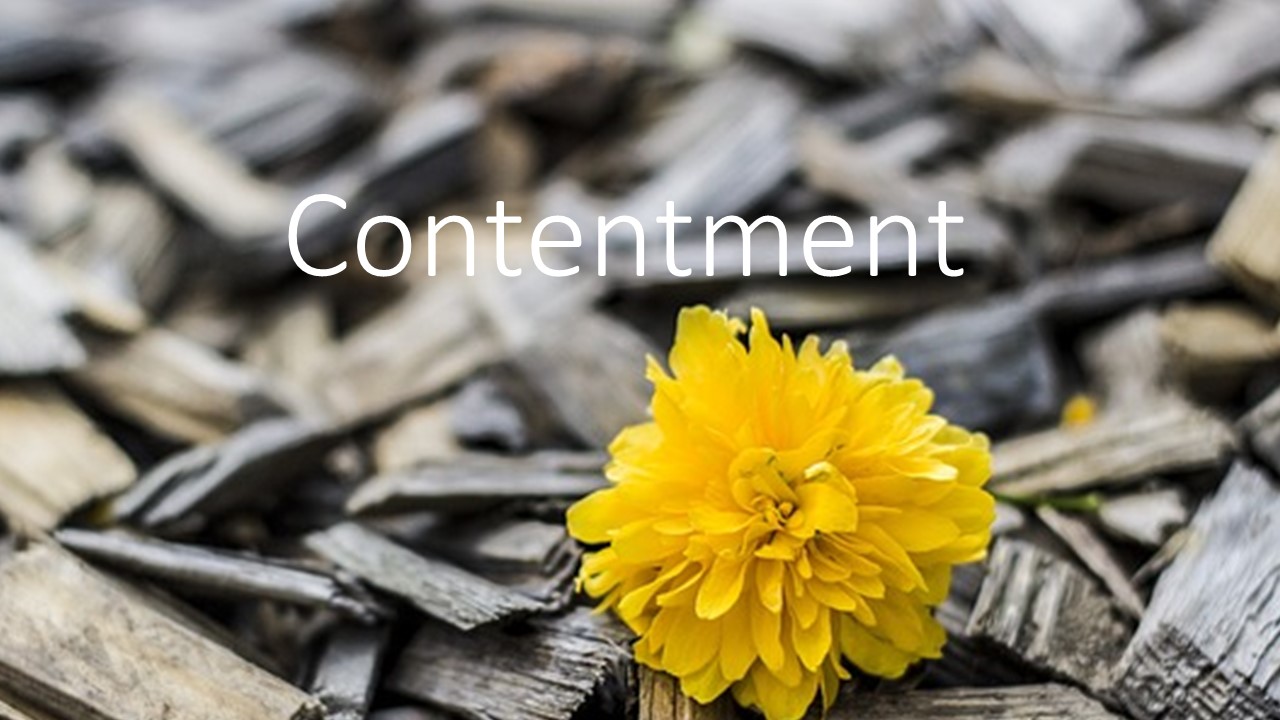
Contentment

Contentment
Photo courtesy of Pixabay.com

We know about wants and needs, pain, and suffering but what about contentment?

Contentment has been defined variously as “calm satisfaction” or the feeling you get when you reach your destination. Some say it includes ease of mind making it a very rare commodity indeed.

One traditional belief was that you worked hard here on earth, lived correctly, and then when you died you go to heaven, or something like that, where you are allowed to finally be happy and contented. With the decline in religious beliefs, it is becoming difficult for people to fathom the idea of waiting until you die to finally be happy or contented.

There are some who would argue that contentment is not a good thing. Contented people are happy where they are. Contented people enjoy the journey and are in no rush to reach their destination. Most of us live life as if we can’t wait for it to be over.

There are those who argue that human progress is dependent on pain. That without an unhappiness people would become lazy and unmotivated. There is no denying that pain can motivate. Some find it hard to give up their belief that we need to be in pain and suffering. They tell us that it is part of the human condition. In truth, the pain may happen to all of us but the suffering is optional.

Two people can live is similar life circumstances, experience similar pain or trauma and one is able to maintain their attitude while the other suffers. The difference is not in what they experience but in their attitude towards the events of their life.

One source of unhappiness is the constantly moving expectations we set for our lives and ourselves. When your goal is “more” no amount of having can get you there.

Many a person who has struggled to reach a goal finds a deep depression after their accomplishment. They lack the ability to appreciate what they have accomplished, always wanting more.

Contentment is the emotional equivalent of eating. Some people are driven to eat long after the hunger has been satiated. You can feel intense pain if having arrived at a goal you are unable to enjoy that success and need to constantly be chasing the next one.

Those who do things because they love what they do, in addition to finding they may be paid to do what they would want to do anyway, also find that they are happy and content because they are enjoying the journey not fretting about the goal.

One great source of contentment is having friends and a positive support system. People who have supportive others in their life are more likely to be content. Extroverts find it easy to be with and around others and are often happy as a result. But introverts who make conscious efforts to develop and maintain a positive relationship with others are also more likely to be content.

Reaching a goal that you have set for yourself is extremely important in achieving happiness and contentment. People who have struggled to reach a goal in order to please a parent or other person in their life are frequently disappointed when reaching that goal is hollow and emotionally unrewarding. Make sure the goal you are working on is one that matters to you.

While poverty may make us unhappy, no amount of money seems to make people content. As our income or wealth expands beyond our basic needs so do our expectations. The wealthy pay larger bills than the poor but are often no more content. As you climb the pyramid the danger of being pushed off rises. The truly content person is able to pause and enjoy the things they have accomplished, the friends they have, and give themselves credit for what they have accomplished along the way.

Contentment we find is not so much a feeling as it is a skill that you can practice any time or place you find yourself.

Staying connected with David Joel Miller

Seven David Joel Miller Books are available now!

My newest book is now available. It was my opportunity to try on a new genre. I’ve been working on this book for several years, but now seem like the right time to publish it.

Story Bureau.

Story Bureau is a thrilling Dystopian Post-Apocalyptic adventure in the Surviving the Apocalypse series.

Baldwin struggles to survive life in a post-apocalyptic world where the government controls everything.

As society collapses and his family gets plunged into poverty, Baldwin takes a job in the capital city, working for a government agency called the Story Bureau. He discovers the Story Bureau is not a benign news outlet but a sinister government plot to manipulate society.

Bumps on the Road of Life. Whether you struggle with anxiety, depression, low motivation, or addiction, you can recover. Bumps on the Road of Life is the story of how people get off track and how to get your life out of the ditch.

Dark Family Secrets: Doris wants to get her life back, but small-town prejudice could shatter her dreams.

Casino Robbery Arthur Mitchell escapes the trauma of watching his girlfriend die. But the killers know he’s a witness and want him dead.

Planned Accidents  The second Arthur Mitchell and Plutus mystery.

Letters from the Dead: The third in the Arthur Mitchell mystery series.

What would you do if you found a letter to a detective describing a crime and you knew the writer and detective were dead, and you could be next?

Sasquatch. Three things about us, you should know. One, we have seen the past. Two, we’re trapped there. Three, I don’t know if we’ll ever get back to our own time.

For these and my upcoming books; please visit my Author Page – David Joel Miller

Want the latest blog posts as they publish? Subscribe to this blog.

For videos, see: Counselorssoapbox YouTube Video Channel
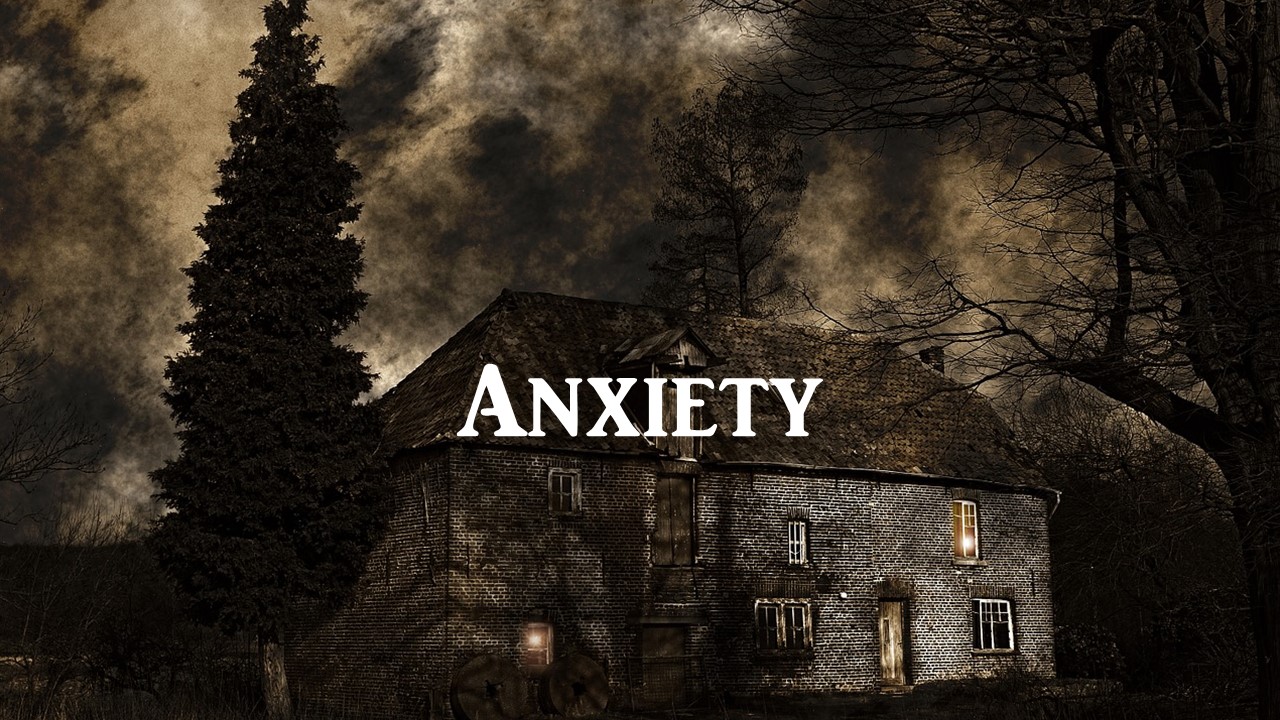
Nervous constitution or Anxiety disorder?

By David Joel Miller, MS, Licensed Therapist & Licensed Counselor.

Anxiety provoking.

Anxiety.
Photo courtesy of Pixabay.com

How much nervousness does it take to get diagnosed with an anxiety disorder?

Some people are just nervous by nature. Anxiety disorders are the most commonly diagnosed mental or emotional illness in America and probably the rest of the world also. How much anxiety does it take to get you the label of having an anxiety disorder?

Clearly, there are some extremely debilitating disorders whose main characteristic is anxiety. In Post-traumatic Stress Disorder (PTSD) some telltale symptoms are recurrent intrusive thoughts and efforts to avoid stimuli that remind you of the original trauma. Panic disorder results in anxiety produced physical symptoms that can be difficult for a trained physician to tell apart without lab work.

Short of those extreme cases, there are a lot of people who have varying degrees of symptoms, less severe symptoms than what is seen in Panic attacks and PTSD but still very impairing to their quality of life.

This makes me think of the days when most anyone who went to see a psychoanalyst got the label of Neurotic. If everyone is neurotic then does the label tell us anything about your problem and what you need to do to get better? I would not be willing to agree that everyone is sick and no one ever gets any better.

While neurotic does not get diagnosed much anymore we seem to be slipping into an area where everyone gets a psychiatric diagnosis.

One thing we were taught in graduate school was to be careful to not pathologize all our clients. That beginning student mistake of having learned about a new disease you begin to think that every client you see has something wrong with them. Keep this up long enough and the therapist starts thinking they have the illness also.

Now look, I am not even sure that anxiety is a bad thing. Sometimes it is when it gets out of control, but it can also be a good thing. Anxiety is supposed to warn you when you are in danger.  If you live in a bad part of town, with lots of drive-by shootings, and you hear gunfire, I think it is a good idea to get anxious and duck behind something for protection.

So a little bit of anxiety is good. Too much is bad. How can you tell if you have too much or too little?

Too little anxiety probably is not a big problem in our society. If you fail to appreciate the danger and don’t duck, you get shot. Maybe you die. If you continually get into dangerous situations and get hurt, consider that you may have the volume turned down too low on your anxiety detector. That or you may be subconsciously trying to get hurt. So if you take excessive risks talk with someone about that. Preferably talk with a professional or become a daredevil and get an agent.

What about those who are anxious all the time?

Here are some things you need to consider. Do others around you feel the same anxiety? Just because going to the mall terrifies you, does not in all likelihood mean that your particular mall is life-threatening. If you have high levels of anxiety in situations where your friends, family, or people you trust have no problem, then you may have excess anxiety.

If that excess anxiety begins to keep you home from work, we call that interfering with occupational functioning, then it is a problem. If it interferes with your social function, keeps you from being with or doing things with family and friends then it is excessive.

So anytime a mental health symptom interferes with family, friends, or your job, and school counts as a job, you need help. If this anxiety is bothering you, we call that subjective distress, you should also get help.

Consider also what age you were when you began to experience anxiety. Children can have more anxiety than adults. They don’t know what should scare them and what should not.

Our fairy tales and media entertainment can scare them, also. They are likely to be scared of strangers and going to school these days despite the fact that they are far more likely to be molested by a family member than a stranger. They are also more likely, here in the United States to be shot at home by their parent than to be injured by someone with a gun while at school.

Keeping guns out of schools and avoiding strangers are two more fairy tales we tell our children to make ourselves feel safer. Providing more mental health treatment for people with anger issues and other mental illnesses is too logical a solution to ever become popular with most politicians.

Sermon over – back to post on anxiety.

People who develop a severe, life-impairing, anxiety in their adult years frequently had excess anxiety in childhood. If you remember having excess anxiety, being scared all the time as a child and did not grow out of it, you should especially consider getting help for this issue.

If your child has excess anxiety and does not seem to be growing out of it, then the sooner they get help from family, friends, or professionals the less likely they are to have to struggle with an anxiety disorder for the rest of their life.

Additionally, if your anxiety has a basis in a real trauma, you were raped, molested, abused or experienced a traumatic event, and this anxiety is not fading as time goes on, you need to seek help for the skills you need to cope with life. Look for a counselor that wants to help you heal from the pain and is able and willing to hear whatever you need to tell without them having the compulsion to cut you open and dig out every detail of every trauma you may have experienced.

What has been your experience with a nervous constitution, an Anxiety Disorder, PTSD or panic disorder, or any other fear-based problem?

Staying connected with David Joel Miller

Seven David Joel Miller Books are available now!

My newest book is now available. It was my opportunity to try on a new genre. I’ve been working on this book for several years, but now seem like the right time to publish it.

Story Bureau.

Story Bureau is a thrilling Dystopian Post-Apocalyptic adventure in the Surviving the Apocalypse series.

Baldwin struggles to survive life in a post-apocalyptic world where the government controls everything.

As society collapses and his family gets plunged into poverty, Baldwin takes a job in the capital city, working for a government agency called the Story Bureau. He discovers the Story Bureau is not a benign news outlet but a sinister government plot to manipulate society.

Bumps on the Road of Life. Whether you struggle with anxiety, depression, low motivation, or addiction, you can recover. Bumps on the Road of Life is the story of how people get off track and how to get your life out of the ditch.

Dark Family Secrets: Doris wants to get her life back, but small-town prejudice could shatter her dreams.

Casino Robbery Arthur Mitchell escapes the trauma of watching his girlfriend die. But the killers know he’s a witness and want him dead.

Planned Accidents  The second Arthur Mitchell and Plutus mystery.

Letters from the Dead: The third in the Arthur Mitchell mystery series.

What would you do if you found a letter to a detective describing a crime and you knew the writer and detective were dead, and you could be next?

Sasquatch. Three things about us, you should know. One, we have seen the past. Two, we’re trapped there. Three, I don’t know if we’ll ever get back to our own time.

For these and my upcoming books; please visit my Author Page – David Joel Miller

Want the latest blog posts as they publish? Subscribe to this blog.

For videos, see: Counselorssoapbox YouTube Video Channel
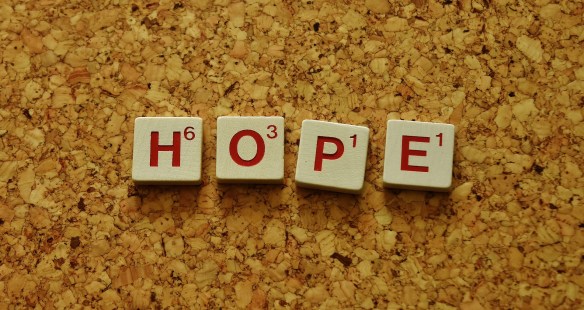
Hope is contagious

By David Joel Miller, MS, Licensed Therapist & Licensed Counselor.

Hope

Hope.
Photo courtesy of Pixabay.com

Where do you go to get some hope when yours runs out?

There is no doubt in my mind that hope is an essential ingredient for recovery. Without hope, nothing gets done and if you do not change things then nothing changes.

How do you move from being hopeless to having hope? What is up with those people who are consistently full of hope?

One ingredient of Hope is wishing for something. Sometimes we are in misery but if we do not believe that things can get better our only wish is that things not get worse.

The dictionary (Encarta) begins its definition of Hope, as a verb, with the statement:

to have a wish to get or do something or for something to happen or be true, especially something that seems possible or likely

Fundamental to this having of hope is the belief that there is some possibility of it happening. This is why we encourage recovering people to have a support system. Even when you are beset by doubts, having positive people in your support system can increase your levels of hope.

When you go to a meeting and the person next to you tells a story of their hope and their recovery it becomes easier for you to believe that this can happen to you.

To hope requires action. The continued practice of hoping that if you take the necessary action then things can and will get better.

If you continually tell yourself “that can’t happen” or “that will never happen” you are creating that possibility. Your continued telling this tale to your brain results in the brain believing that this thing you desire can never under any circumstance happen. Your brain responds by making sure to please you and prevents this outcome.

But if you can tell yourself that this “could” happen, it “might” happen if you continue to try, this allows the brain to do the actions needed to move towards successes.

Another definition of hope includes the words:

a chance that something desirable will happen or be possible

I have seen this repeatedly in my clients and students. Those who say “I could never go back to school at my age; I could never get a degree.” They don’t.  Those who are willing to move even the short distance to “I do not know if I could do this but I will try” they get going, do the required work, and in a great many cases they succeed.

Our dictionary’s second definition of Hope as a noun moves closer to successes.

a feeling that something desirable is likely to happen

Once you move to the belief that this thing, this outcome you wished for is not only possible but likely the road gets easier. Not that there won’t be obstacles and bumps on this road.

There is a connection between hope, willpower, and determination. Willpower and determination are wasted without hope? With hope, you can develop the willpower and determination needed to keep moving forward.

Many people grew up in non-affirming homes. They were told they would never amount to anything and they were no good. If you hear this often enough you come to believe what you are told. You lose hope.

Working with a counselor, a supportive friend, or a group of peers you can rebuild hope. Small successes will convince you that there are things that you can do if only you try.

Hope is most valuable when times are hard and things are not going your way. The belief that there is something you can do to alter your life course and the hope that if you keep trying you can reach that goal will keep you going.

Hope is more than just a positive attitude. It encompasses the belief in yourself, that if you do the required things then good outcomes are possible.

Where are you on this journey of moving from hopelessness to hope?

Staying connected with David Joel Miller

Six David Joel Miller Books are available now!

Bumps on the Road of Life. Whether you struggle with anxiety, depression, low motivation, or addiction, you can recover. Bumps on the Road of Life is the story of how people get off track and how to get your life out of the ditch.

Dark Family Secrets: Some family secrets can be deadly.

What if your family secrets put you in danger?

Letters from the Dead The third in the Arthur Mitchell mystery series.

What would you do if you found a letter to a detective describing a crime and you knew the writer and detective were dead?

Casino Robbery is a novel about a man with PTSD who must cope with his symptoms to solve a mystery and create a new life.

Planned Accidents  The second Arthur Mitchell and Plutus mystery.

Sasquatch. Wandering through a hole in time, they encounter Sasquatch. Can they survive?

For these and my upcoming books; please visit my Author Page – David Joel Miller

Books are now available on Amazon.

Want the latest blog posts as they publish? Subscribe to this blog.

For videos see: Counselorssoapbox YouTube Video Channel

Want the latest on news from recoveryland, the field of counseling, my writing projects, speaking, and teaching? Please sign up for my newsletter at – Newsletter. I promise not to share your email or to send you spam, and you can unsubscribe at any time.

For more about David Joel Miller and my work in the areas of mental health, substance abuse, and Co-occurring disorders, see my Facebook author’s page, davidjoelmillerwriter.

Guilt and Shame

By David Joel Miller, MS, Licensed Therapist & Licensed Counselor.

Guilty

Guilt.
Photo courtesy of Pixabay.com

Shame and guilt can cause a lot of problems.

Some authors see these two feelings as interchangeable but others draw a distinction between the two feelings. Learning to know the differences can be important if you are a recovering person. One of these feelings can move you forward and the other can keep you stuck in a prison from the past.

The dictionary definitions of shame and guilt are of course quite different.

Guilt is defined as to be aware you had done wrong or to take the responsibility for doing wrong. This can be a healthy emotion. If you genuinely feel guilty the solution is clear, do not do it again.

Guilt can be protective if it prevents you from doing or continuing to do something that is wrong. The emphasis here is on the action, not the person. The legal system uses this word in the sense that someone has done an act that is forbidden or has failed to do something that was required. The person is then guilty of a specific illegal act.

Some people try to use guilt to manipulate others into doing things they want them to do. We hear the expression “guilt-trip” to describe this effort. As in “I can’t believe you wouldn’t want to spend Sunday with your parents.” The effort here is to get people to do what you want by trying to make them feel guilty if they don’t comply with your request.

Shame is about the person, not the act.

Shame, to my way of thinking, is a lot more destructive than guilt. It is also harder to get loose from.

Some dictionary definitions of Shame include things like, shame is a negative emotion. It includes feelings of dishonor, unworthiness, and embarrassment. People who experience shame feel disgraced or dishonored.

The focus of shame is on the person, not the act.

Families may try to get compliance with their wishes by shaming a person, telling them that because they have not lived up to the shamer’s expectations, they are worthless or inherently defective.

While many parents may use shame with their children occasionally, some families are “shame-based” and everyone tries to shame everyone else on a regular basis.

The parent in a functional family might say something like “you did not tell me the truth and that makes me disappointed in you.” The child then can feel guilty about lying but believe they are capable of telling the truth. The shaming parent will tell the child “you are such a liar, I should have known not to believe anything you said.”

With guilt, you have the opportunity to remedy the situation. You stop doing wrong or start doing right. With shame, there is no cure for being a “defective” person.  There is always that nagging fear you are being judged and will not measure up.

Being raised in a shame-based family can result in the child maturing into an adult who is helpless and hopeless. Being taught that who you are is shameful can leave permanent emotional scars.

Believing that you are inherently shameful results in adults that hide their inner selves from significant others. They fear that if their partner ever finds out who they truly are they will be rejected or abandoned. It becomes necessary to avoid revealing yourself to others. They can be profoundly lonely in the midst of family and friends.

People who see themselves as shameful are often shy, withdrawn, and excessively introverted.

Middleton-Moz in her book Shame and Guilt describes people who grew up in shame-based homes as avoiding intimacy and believing that they don’t make mistakes, they are mistakes.

They, like Adult Children of Alcoholics, (see Woititz, 1990) believe they need to be better than others to be any good. Absolute perfection is the goal or nothing at all. The result is fluctuating between being super responsible and super irresponsible.

Those who feel the heavy burden of shame are often defensive and unable to take criticism. They need to blame others in order to feel good about themselves. They may deny responsibility while apologizing profusely.

They may be over-responsible people taking on the responsibilities of others and becoming a parent to their parent. Paretified children are common in most forms of dysfunctional families.

As adults children of dysfunction, they never fit in and feel like they do not belong no matter where they go. They are at high risk to become alcoholics, addicts, or engage in some other compulsive behavior as ways to try to make themselves feel acceptable.

If you have guilt over something you did in the past, clean up the wreckage where you can let it go and move on to do better.

If you came from a shame-based background the sooner you toss that shame and move on the better. If you need help in getting past that burden of shame consider working with a counselor or other helping person.

Letting go of shame is one step on the road to a happy life.

Staying connected with David Joel Miller

Seven David Joel Miller Books are available now!

My newest book is now available. It was my opportunity to try on a new genre. I’ve been working on this book for several years, but now seem like the right time to publish it.

Story Bureau.

Story Bureau is a thrilling Dystopian Post-Apocalyptic adventure in the Surviving the Apocalypse series.

Baldwin struggles to survive life in a post-apocalyptic world where the government controls everything.

As society collapses and his family gets plunged into poverty, Baldwin takes a job in the capital city, working for a government agency called the Story Bureau. He discovers the Story Bureau is not a benign news outlet but a sinister government plot to manipulate society.

Bumps on the Road of Life. Whether you struggle with anxiety, depression, low motivation, or addiction, you can recover. Bumps on the Road of Life is the story of how people get off track and how to get your life out of the ditch.

Dark Family Secrets: Doris wants to get her life back, but small-town prejudice could shatter her dreams.

Casino Robbery Arthur Mitchell escapes the trauma of watching his girlfriend die. But the killers know he’s a witness and want him dead.

Planned Accidents  The second Arthur Mitchell and Plutus mystery.

Letters from the Dead: The third in the Arthur Mitchell mystery series.

What would you do if you found a letter to a detective describing a crime and you knew the writer and detective were dead, and you could be next?

Sasquatch. Three things about us, you should know. One, we have seen the past. Two, we’re trapped there. Three, I don’t know if we’ll ever get back to our own time.

For these and my upcoming books; please visit my Author Page – David Joel Miller

Want the latest blog posts as they publish? Subscribe to this blog.

For videos, see: Counselorssoapbox YouTube Video Channel

How to turn anxiety into paranoia

By David Joel Miller.

Grim Reaper

Paranoia.
Photo courtesy of Pixabay.

Some days it is a short trip from anxiety to paranoia.

The higher the volume is turned up on your anxiety control the greater the risk that this could lead to paranoia.

Some caveats here. In this context, I am not talking about one of the paranoia’s that are currently diagnosable as a mental illness. Most people say Paranoid-schizophrenia as if it was all one word. There are lots of people with schizophrenia that are not paranoid. There are also people who suffer from paranoid personality disorder who do not have schizophrenia.

This discussion is about people without those two diagnosable illnesses who have some feeling that looks like paranoia during the course of another illness or even without meeting the criteria for a diagnosis. In other words, this is about the dictionary definition of paranoia not the DSM definition of a paranoid mental illness.

Yes, in my opinion, you can have paranoid thoughts and not have a mental illness with the word paranoia in it.

One definition of Paranoia is an unfounded, exaggerated, or unreasonable distrust of others not based on facts. This is fear-based and makes you question other’s motives.

Here is how a case of paranoia might begin.

You are very fearful, sensitive, and worried about what others think of you. You have “trust issues” and are not sure if people are really your friends or might want to harm you.

People who have been victimized in the past are especially at risk for these kinds of trust issues and for good reason. They have been harmed by someone in the past and may feel that they were too trusting.

One day this anxious person, let’s call her Annid. This is one of those made-up names contracted from her mother’s name Ann and her father’s name, David. I don’t know an Annid or an Ann and David combination so I think I am safe here.

One day Annid is walking down the street and she hears footsteps behind her. She walks faster but the footsteps are still there. She looks over her shoulder and there is someone there. Let’s make this person a man. She is afraid of men because she was attacked by a man in an alley. This would be even worse if the man who attacked her was a member of a particular race and the man behind her was the same race.

At the corner, she decides to cross the street to get away from this man. She notices out of the corner of her eye he stops at the corner to talk to another man. She is becoming more anxious.

When the light changes the second man turns and follows her across the street. She walks faster but every time she looks back there is a man back there. She is not sure if this is either of the two men she saw before but there is always one behind her.

Eventually, she ducks into a coffee place and has some coffee. She decides to wait a bit to get rid of those men who are following her. But when she leaves the coffee place there across the street are 5 or 6, men all standing together and one of them looks like that man who was following her. Same sports team shirt and everything.

At this point, convinced she is being followed by a gang of men she ducks back into the coffee place and calls a friend who comes to pick her up and take her home.

Unchecked this fear that men are following her can grow until she is unable to leave the house.

One problem for this woman is that no matter where in this town she may walk there may be a man walking behind her.

Is this an irrational fear? Maybe, maybe not. Having been the victim of an assault once there is proof that a man could assault her. Is this fear excessive? Probably. The chances that every man on the street is following her and plans to assault her are very low, most of the time.

The challenge for this person and other people with paranoid symptoms is to reasonably evaluate the situation, assess for danger, and still keep this fear of another assault from keeping her a prisoner in her home.

Now so far in this example, I have said that Annid has a history of being a victim. What if she has never been victimized?

She might have had a friend who was assaulted or heard a story on T. V. about assaults in her town. If she had a preexisting anxiety disorder even if nothing had ever happened to her she might keep looking over her shoulder believing that constant vigilance will keep her safe. And if you keep looking for something you will begin to see it.

See how easy it is to turn fear in your mind into a belief that there is a real danger. We have even had cases where someone believes they were in danger pulled out a gun and shot a person who just happened to be going in the same direction they were. Family members have killed other family members in the mistaken belief that there was an intruder in the house.

High levels of fear can create a situation in which everything becomes scary.

If you have anxiety issues or feel threatened and unsafe, consider getting professional assistance both in determining if this is a real threat and in learning to manage your anxiety or other issues before that emotional problem turns you into a paranoid person.

Staying connected with David Joel Miller

Seven David Joel Miller Books are available now!

My newest book is now available. It was my opportunity to try on a new genre. I’ve been working on this book for several years, but now seem like the right time to publish it.

Story Bureau.

Story Bureau is a thrilling Dystopian Post-Apocalyptic adventure in the Surviving the Apocalypse series.

Baldwin struggles to survive life in a post-apocalyptic world where the government controls everything.

As society collapses and his family gets plunged into poverty, Baldwin takes a job in the capital city, working for a government agency called the Story Bureau. He discovers the Story Bureau is not a benign news outlet but a sinister government plot to manipulate society.

Bumps on the Road of Life. Whether you struggle with anxiety, depression, low motivation, or addiction, you can recover. Bumps on the Road of Life is the story of how people get off track and how to get your life out of the ditch.

Dark Family Secrets: Doris wants to get her life back, but small-town prejudice could shatter her dreams.

Casino Robbery Arthur Mitchell escapes the trauma of watching his girlfriend die. But the killers know he’s a witness and want him dead.

Planned Accidents  The second Arthur Mitchell and Plutus mystery.

Letters from the Dead: The third in the Arthur Mitchell mystery series.

What would you do if you found a letter to a detective describing a crime and you knew the writer and detective were dead, and you could be next?

Sasquatch. Three things about us, you should know. One, we have seen the past. Two, we’re trapped there. Three, I don’t know if we’ll ever get back to our own time.

For these and my upcoming books; please visit my Author Page – David Joel Miller

Want the latest blog posts as they publish? Subscribe to this blog.

For videos, see: Counselorssoapbox YouTube Video Channel

Learning to feel

By David Joel Miller, MS, Licensed Therapist & Licensed Counselor.

Man with feelings

Managing feelings.
Photo courtesy of Pixabay.com

What am I feeling?

Feelings are strange creatures. We are walking along minding our own business and then out of nowhere comes this thing, this sensation and like an attack of diarrhea, we have an episode of feeling.

So before we can even really begin our exploration of feelings we need to establish a habit of paying attention to those times we are having feelings. The expert effect tells us that if you study something you begin to see more of it. If you have ever gone shopping for a truck, suddenly you will see trucks everywhere you go. Same thing with feelings. Look for them and they are everywhere.

There are those people who just don’t feel anything most of the time. This often comes from having been through a serious trauma or having been abused. These people describe their predominant feeling state as “numb.” They may even self-injure or take extra risks in an effort to feel like those they think have feelings. This numbing out appears to be related to dissociation. Even those who are frequently numb can benefit from a careful search for feelings.

So turns out that for most of us, feelings are all around us every day, but if we are not used to looking for them we don’t see them until one of them trips us up.

Mindfulness can be a big help here. Get in the habit of sitting for a few minutes and just observing what is going on with you. You should at this point be working on becoming the world’s expert on you and learning to identify those feeling inside you will help with this.

Some people find that when they try to practice mindfulness or meditation they are overwhelmed with sad or negative feelings. If you have this issue you may need help from a “feelings guide.”  If feelings are overwhelming, a good counselor or therapist can help. In a later post, we will need to talk more about this issue of experiencing intense pain when you try to practice meditation.

The word “Feelings” comes from words that describe the sense of touch. So we feel things with our skin and nerves. The term has become more generally a word to describe all emotional experiences. This makes sense as one definition for emotions is “strong feeling” so the emphasis in working with and experiencing feelings should be on what your body sensations are rather than what your thoughts about that feeling are.

We do find that our thoughts or beliefs are powerful filters that can alter our perceptions of events and affect our feelings.

So a good place to start in looking for feelings is with sensations in our body. That professor who kept asking me about feelings, I talked about him in a previous post; he kept asking us “where in the body is that feeling.”

We use a lot of physical descriptions to help us interpret emotions. People are “a pain in the neck” or we tell someone “you make me sick to my stomach.” This alerts us that if we are feeling a pain in the neck or sick to our stomach we may need to look for a feeling hiding there rather than a physical ailment or injury.

Way too often we humans confuse emotions with physical problems. There is a good reason for that, emotions are real sensations that occur in our nervous system. The problem is not with the feeling but with our inability to make use of the information these feelings are providing.

The first step in this effort to find, recognize, and tame feelings is simply to be aware that yes, often we are having feelings whether we can name them or not.

Remember the moment during the most recent presidential inauguration when President Obama stopped to take in the crowd on the capital mall? He was pausing to let that moment soak into his mind so that he could hold on to it for the rest of his life.

So often we race past those pleasant feelings and don’t allow time to recognize them. The result is that we are left with a life where we remember the negative emotions clearly but the happy ones are lost in the fog.

Take time to stop and recognize the feelings in your life. The good ones hold on tight to them. The negative emotions, learn the lessons they are trying to teach you, and then learn to reduce your suffering. You may need to feel the pain but you do not have to stay stuck in suffering.

Over the next few days make a conscious effort to feel whatever it is that you are feeling and consider what it is that emotion is trying to teach you.

Any thoughts about feelings or emotions?

Staying connected with David Joel Miller

Seven David Joel Miller Books are available now!

My newest book is now available. It was my opportunity to try on a new genre. I’ve been working on this book for several years, but now seem like the right time to publish it.

Story Bureau.

Story Bureau is a thrilling Dystopian Post-Apocalyptic adventure in the Surviving the Apocalypse series.

Baldwin struggles to survive life in a post-apocalyptic world where the government controls everything.

As society collapses and his family gets plunged into poverty, Baldwin takes a job in the capital city, working for a government agency called the Story Bureau. He discovers the Story Bureau is not a benign news outlet but a sinister government plot to manipulate society.

Bumps on the Road of Life. Whether you struggle with anxiety, depression, low motivation, or addiction, you can recover. Bumps on the Road of Life is the story of how people get off track and how to get your life out of the ditch.

Dark Family Secrets: Doris wants to get her life back, but small-town prejudice could shatter her dreams.

Casino Robbery Arthur Mitchell escapes the trauma of watching his girlfriend die. But the killers know he’s a witness and want him dead.

Planned Accidents  The second Arthur Mitchell and Plutus mystery.

Letters from the Dead: The third in the Arthur Mitchell mystery series.

What would you do if you found a letter to a detective describing a crime and you knew the writer and detective were dead, and you could be next?

Sasquatch. Three things about us, you should know. One, we have seen the past. Two, we’re trapped there. Three, I don’t know if we’ll ever get back to our own time.

For these and my upcoming books; please visit my Author Page – David Joel Miller

Want the latest blog posts as they publish? Subscribe to this blog.

For videos, see: Counselorssoapbox YouTube Video Channel

February is Feelings Month

By David Joel Miller, MS, Licensed Therapist & Licensed Counselor.

Man with feelings

Managing feelings.
Photo courtesy of Pixabay.com

How many feelings can you identify?

For so many of us these things we call feelings are inconveniences we wish we could avoid. Feelings fall somewhere between gas that erupts suddenly and inconveniently when we least expect it and those predictable morning feelings that now is the time to visit the toilet.

What we fail to recognize is that each and every feeling has a meaning and a purpose. These biochemical reactions to things are built into our makeup and they have served a purpose throughout mankind’s existence. Some of these purposes we would rather not think about and others – well we wish we could spend our lives exploring that feeling that sex or chocolate gives us.

One of the things counselors spend a good deal of time working on with clients is the proper relationships we should have with feelings. An excess of negative feelings is the principle reason people go to their therapist. A shortage of positive feelings would be another good reason to do some feelings work.

Happiness is not simply an absence of negative feelings. Contentment does not arise from being in a place of feelings neutral. Failing to cultivate happiness and other positive feelings can quickly take us back to a place of anxiety, depression, or pain and suffering.

Learning to spot feelings, identify them, and help clients explore them is a significant part of a counselor’s training. Don’t let your therapist fool you; most of us had just as many difficulties with feelings as the rest of you, we just devoted a lot of time and study to the subject.

At one point in graduate school, I began to despair of ever having the answers my professor was seeking to my understanding of feelings. I just was not sure about those feelings things, I had come from a family that was so good we didn’t even have feelings, or so I thought. As a result, recognizing and identifying feelings was a task for me.

I was running groups in a substance abuse facility at the time so I took that list of feelings the professor was asking me about and typed up some lists of ten feelings each. Each group that week got a list and we talked about those feelings.

Most groups got so spirited that we never finished the list. What I did find was the group and I both knew a whole lot more about the feelings than we realized. The negative feelings were easier to describe and work with than the positive ones but in every group, there was someone who had experienced each and every feeling on my list.

Importantly we discovered that each and every feeling had its reason for existing and its role to play in human experience.

So I am again going to ask for help with feelings.

This month, February Feelings Month, I am going to start discussions about various feelings, express my thoughts, maybe describe some research on that particular feeling and then ask for your help.

So those of you, who have had feelings, know someone who has feelings or has some general knowledge of the whole feelings mystery – could you help me out here and contribute some thoughts on feelings and the role they play in your life?

To the right, you should see a list of topics from past posts. Please check out some of those posts and feel free to comment.

Most of these are about specific disorders or mental health terminology. None of them are comprehensive as a description of any one disorder could fill multiple books and no two people with a disorder will experience it in exactly the same way. My hope is that my thoughts may be helpful to some of you.

February will not be exclusively about feelings; we need a little variety so some other topics will come up. There are some holidays this month, major and minor holidays. I will comment on a couple of those. Notice how all those other topics may connect with your feelings. I suspect all of you will have feelings about some of the posts.

You have those feelings for a reason and one of our tasks is to learn what those feelings are telling us.

Past Feelings Posts

How do the mentally ill feel?

How many feelings do you feel?

How to be happy

Staying connected with David Joel Miller

Seven David Joel Miller Books are available now!

My newest book is now available. It was my opportunity to try on a new genre. I’ve been working on this book for several years, but now seem like the right time to publish it.

Story Bureau.

Story Bureau is a thrilling Dystopian Post-Apocalyptic adventure in the Surviving the Apocalypse series.

Baldwin struggles to survive life in a post-apocalyptic world where the government controls everything.

As society collapses and his family gets plunged into poverty, Baldwin takes a job in the capital city, working for a government agency called the Story Bureau. He discovers the Story Bureau is not a benign news outlet but a sinister government plot to manipulate society.

Bumps on the Road of Life. Whether you struggle with anxiety, depression, low motivation, or addiction, you can recover. Bumps on the Road of Life is the story of how people get off track and how to get your life out of the ditch.

Dark Family Secrets: Doris wants to get her life back, but small-town prejudice could shatter her dreams.

Casino Robbery Arthur Mitchell escapes the trauma of watching his girlfriend die. But the killers know he’s a witness and want him dead.

Planned Accidents  The second Arthur Mitchell and Plutus mystery.

Letters from the Dead: The third in the Arthur Mitchell mystery series.

What would you do if you found a letter to a detective describing a crime and you knew the writer and detective were dead, and you could be next?

Sasquatch. Three things about us, you should know. One, we have seen the past. Two, we’re trapped there. Three, I don’t know if we’ll ever get back to our own time.

For these and my upcoming books; please visit my Author Page – David Joel Miller

Want the latest blog posts as they publish? Subscribe to this blog.

For videos, see: Counselorssoapbox YouTube Video Channel

Would a Genie help? Happiness by magic

By David Joel Miller, MS, Licensed Therapist & Licensed Counselor.

Happiness by magic wand.
Photo courtesy of Pixabay.com

Magic is about to happen.

In this quest for a happy life, it is easy to get confused, lost, and turned around. Sometimes we stumble over an obstacle or two or even end up in a deep hole. We lose sight of where we are going and get stuck in just getting by each day. The solution to our problems may be just around the other side of that big rock over there or behind any tree but if you are tired and discouraged, then it is hard to keep going.

Time for the Genie

Genies are magical creatures that can clap their hands, wave a wand, and change things instantly. Wands used to be exclusively for use by fairies but that was back when fairies were predominantly heterosexual. These days Genies have taken up using magic wands. Wands appear to work regardless of your sexual preference.

So imagine with me that you have just encountered a Genie carrying his magic wand. Because you and you alone have seen him he grants you 3 magic wishes. You must use them now or lose them. There are no “do-overs” and wishing for more wishes is not allowed.

What would you want?

This magic wish question is helpful in discovering our real desires. Not the things we say we want or the things we know we are supposed to want, but what do you really want?

I have asked this question of people young and old, on crisis psychiatric units and in residential treatment. The answers I get are amazing.

Some children list things – lots of things, that new video game and a better smartphone and – and –and. Other kids say things like “I wish my parents didn’t fight.” They want a safe place to live or food to eat. They are wishing for the things that are the necessities of life in my book.

So what three wishes do you have for this Genie?

Write those wishes down. Pull out the list of values you made earlier. If you are just joining us we made a list of values, things that really matter to us earlier. You can look back at that post if you chose.

Make sure these wishes are consistent with your values. Now keep that list of wishes. Take it out on a regular basis and see if you are any closer to these goals. Be forewarned that just accomplishing a goal will not make you happy. Happiness is an inside job. But you will never move forward if you don’t have a clear vision of where you want to go.

An example of progress towards happiness may help.

Let’s say that your values were that you wanted to have a better relationship with your kids. Your religious and spiritual values are really important to you. Right now you are stressed out from work and overcome with bills. That financial and job stress is making you so upset that you can’t really be present when you are with your kids. You find that when you are around them you are short-tempered and grouchy. So two of your wishes to the Genie were; that you had a less stressful job and that your bills were paid off.

Now you need to have a conversation with the Genie.

He could eliminate the job stress by getting you fired. No job, no stress – is that what you want?  Or he could give you some magic herbs that reduce stress. Careful here, lots of people opt for the herbs. You say herbs; the Genie has done his work and is gone. Now, what happens when the herbs run out? Lots of people reach for drugs or medications to relieve stress and discover they have become dependent on them. We call that addiction.

He could solve the bill stress. Get you evicted, no home, no more water, and power, or rent bills. Is that what you had in mind?

What else could the Genie do for you? Maybe he teaches yoga and meditation part-time. He could teach you relaxation techniques. Or he might also moonlight as a CBT therapist and teach you how to avoid “stressing yourself out” over work. Learning ways to reduce your stress at work might be just what the Genie ordered.

The Genie could also get you transferred to another department. But you don’t need him for that. You can put in for that transfer all on your own.

So what you have done here is develop a list of things that you would like the Genie to change. You have also thought about the how, the way in which you want him to make the changes.

For each change you want the Genie to make in your life, record the way in which he would do this and the steps that would take.

You might decide you want a new career. You need more education and training to get that new job. That means going back to school, which means applying to get in and taking a placement test. Don’t overload yourself. You did not give the Genie a time deadline to get this done. You just want him to start making the changes and so you need to know what the steps are that will make up those changes.

Wait – before you run out the door and start making all these changes. The Genie is trying to tell you something.

You are at the crossroads in your life and there is always danger at the crossroads. You need to hear what the Genie says about those dangers.

Next post I will tell you what the Genies warning was.

Staying connected with David Joel Miller

Seven David Joel Miller Books are available now!

My newest book is now available. It was my opportunity to try on a new genre. I’ve been working on this book for several years, but now seem like the right time to publish it.

Story Bureau.

Story Bureau is a thrilling Dystopian Post-Apocalyptic adventure in the Surviving the Apocalypse series.

Baldwin struggles to survive life in a post-apocalyptic world where the government controls everything.

As society collapses and his family gets plunged into poverty, Baldwin takes a job in the capital city, working for a government agency called the Story Bureau. He discovers the Story Bureau is not a benign news outlet but a sinister government plot to manipulate society.

Bumps on the Road of Life. Whether you struggle with anxiety, depression, low motivation, or addiction, you can recover. Bumps on the Road of Life is the story of how people get off track and how to get your life out of the ditch.

Dark Family Secrets: Doris wants to get her life back, but small-town prejudice could shatter her dreams.

Casino Robbery Arthur Mitchell escapes the trauma of watching his girlfriend die. But the killers know he’s a witness and want him dead.

Planned Accidents  The second Arthur Mitchell and Plutus mystery.

Letters from the Dead: The third in the Arthur Mitchell mystery series.

What would you do if you found a letter to a detective describing a crime and you knew the writer and detective were dead, and you could be next?

Sasquatch. Three things about us, you should know. One, we have seen the past. Two, we’re trapped there. Three, I don’t know if we’ll ever get back to our own time.

For these and my upcoming books; please visit my Author Page – David Joel Miller

Want the latest blog posts as they publish? Subscribe to this blog.

For videos, see: Counselorssoapbox YouTube Video Channel

Annual Happiness Drive – Please contribute some happiness

By David Joel Miller, MS, Licensed Therapist & Licensed Counselor.

Happy children

Happy.
Photo courtesy of Pixabay.com

Could you spare a cup of happiness?

Just when you thought the holidays were over and you had seen an end to charity requests, here comes another one.

Wait – don’t go. This one will not cost you a dime.

That’s right, don’t want your money, not now anyway. Later when or if my book comes out you can buy one if you are so inclined. But for now, I am asking –

“Do you have any happiness that you can spare?”

Here is the thing we learn about happiness, when you share it you do not have less. Every time you share your happiness with others there is more until there is more than enough to go around.

So if you can spare a little happiness and send it to me, then I promise to pass it on.

Now you can’t wrap it up and ship it. True happiness is not a thing you can put in a box, it is a feeling. So while you can’t ship happiness to me, you might be able to tell me about it in an email, and then I will be able to share that happiness with you. Then I can pass it on to others.

Now some people mistake things for happiness. They will tell us that they are happy that they got a new car. Sometimes they mistake happiness for having something that is better than what others have.

Please don’t share that “I am happy because I have more than you” with me. Eventually, someone else will come along and have more than you, and then all of us will be unhappy.

What I especially am hoping for during this “Happiness Drive,” are the people who can share with me that one thing that someone said or did for them this year that made them truly happy.

So this might be a kind word or a sunset you shared with a friend. It may be a goal accomplished in your life or a problem solved. For many of you, it will be a new person in your life, a child, grandchild, or friend.

You may have a picture, which is fine if you want to share it. Please keep them small if you can. Not sure how much space we have in this old soapbox. But mostly I would like to hear from you, what made you happy in this last year and how might others be able to share that happiness with you.

As we walk through this year we want to look a lot more at happiness, what it is, how you get some, and how you keep it. It will help us in this task if we know what happiness looks like. That is where those of you who chose to share a little of your happiness comes in. By letting us see how happiness has affected you in your life maybe we can increase it in our lives.

Any contributions of happiness will be appreciated.

Staying connected with David Joel Miller

Seven David Joel Miller Books are available now!

My newest book is now available. It was my opportunity to try on a new genre. I’ve been working on this book for several years, but now seem like the right time to publish it.

Story Bureau.

Story Bureau is a thrilling Dystopian Post-Apocalyptic adventure in the Surviving the Apocalypse series.

Baldwin struggles to survive life in a post-apocalyptic world where the government controls everything.

As society collapses and his family gets plunged into poverty, Baldwin takes a job in the capital city, working for a government agency called the Story Bureau. He discovers the Story Bureau is not a benign news outlet but a sinister government plot to manipulate society.

Bumps on the Road of Life. Whether you struggle with anxiety, depression, low motivation, or addiction, you can recover. Bumps on the Road of Life is the story of how people get off track and how to get your life out of the ditch.

Dark Family Secrets: Doris wants to get her life back, but small-town prejudice could shatter her dreams.

Casino Robbery Arthur Mitchell escapes the trauma of watching his girlfriend die. But the killers know he’s a witness and want him dead.

Planned Accidents  The second Arthur Mitchell and Plutus mystery.

Letters from the Dead: The third in the Arthur Mitchell mystery series.

What would you do if you found a letter to a detective describing a crime and you knew the writer and detective were dead, and you could be next?

Sasquatch. Three things about us, you should know. One, we have seen the past. Two, we’re trapped there. Three, I don’t know if we’ll ever get back to our own time.

For these and my upcoming books; please visit my Author Page – David Joel Miller

Want the latest blog posts as they publish? Subscribe to this blog.

For videos, see: Counselorssoapbox YouTube Video Channel

Discovering Happiness

By David Joel Miller, MS, Licensed Therapist & Licensed Counselor.

Happy faces

Happiness.
Photo courtesy of Pixabay.com

The search for Happiness.

Of the thousand goals, you might have in life, finding happiness sums up that one thing most people are looking for. You might label it love or contentment, success or achievement but whatever you call it we all appear to have the hope if we can just find that one elusive thing we are looking for we will finally be happy.

As a professional counselor and therapist, I like to think that basically what I do involves being in the happy life business. I try to help people create a happy life.

What a happy life means to you and what it might mean to me are probably quite different things. The hardest part of helping people find happiness is being able to not know what they should do to find their happiness and still participating in the journey to help them find that happiness.

Cultivating that “not knowing” attitude rather than imposing our version of happiness on others takes practice. Daily I have to think that I know very little about this person and what will make them happy.  I need to create a safe place for them to explore that landscape and find what happiness would be for them.

Generally, I know the landscape of happiness. I have found some things that make me happy, but the journey of discovery continues. I am honored when a client tells me that our time together has helped them find that place of success, love, or whatever they call their happiness.

I have written some blog posts on things I have learned about the search for happiness and they are listed below. Would you care to share some of the things that have led you to your happiness or the things that take you away from that place of fulfillment?

Past Posts on the topic of Happiness:

Successes, Happiness, and Contentment

Where Happiness Hides

Buying Happiness

Directions to Happiness

Finding Happiness

Happiness or Misery

How to Be Happy

Happy Enough to Make the Bed?

Should you be happy?

There are lots of posts on my blog and other blogs about unhappiness. It seems unhappiness is easier to find than happiness. One thing I am sure of is that things don’t equate with happiness. Things are symbols. Happiness comes from what things mean to you.

Staying connected with David Joel Miller

Seven David Joel Miller Books are available now!

My newest book is now available. It was my opportunity to try on a new genre. I’ve been working on this book for several years, but now seem like the right time to publish it.

Story Bureau.

Story Bureau is a thrilling Dystopian Post-Apocalyptic adventure in the Surviving the Apocalypse series.

Baldwin struggles to survive life in a post-apocalyptic world where the government controls everything.

As society collapses and his family gets plunged into poverty, Baldwin takes a job in the capital city, working for a government agency called the Story Bureau. He discovers the Story Bureau is not a benign news outlet but a sinister government plot to manipulate society.

Bumps on the Road of Life. Whether you struggle with anxiety, depression, low motivation, or addiction, you can recover. Bumps on the Road of Life is the story of how people get off track and how to get your life out of the ditch.

Dark Family Secrets: Doris wants to get her life back, but small-town prejudice could shatter her dreams.

Casino Robbery Arthur Mitchell escapes the trauma of watching his girlfriend die. But the killers know he’s a witness and want him dead.

Planned Accidents  The second Arthur Mitchell and Plutus mystery.

Letters from the Dead: The third in the Arthur Mitchell mystery series.

What would you do if you found a letter to a detective describing a crime and you knew the writer and detective were dead, and you could be next?

Sasquatch. Three things about us, you should know. One, we have seen the past. Two, we’re trapped there. Three, I don’t know if we’ll ever get back to our own time.

For these and my upcoming books; please visit my Author Page – David Joel Miller

Want the latest blog posts as they publish? Subscribe to this blog.

For videos, see: Counselorssoapbox YouTube Video Channel