
Steps to become a Substance Abuse Counselor.

By David Joel Miller, MS, Licensed Therapist & Licensed Counselor.

Counseling questions

Counseling questions.
Photo courtesy of Pixabay.com

How do you become a drug counselor?

What are the typical steps someone takes to become a substance abuse or Alcohol and Other Drug (AOD) Counselor?

The profession of substance abuse counselor is in flux.  There is a large chance that this path will change in the future and it can be different in one jurisdiction than in another part of the country.

Substance Abuse Counselors follow a different path than Social Workers, Professional Clinical Counselors or Marriage, and Family Therapist largely because their profession stems from different roots. Substance Abuse Counselors have been recognized as a professional discipline relatively recently.

The professions involved in psychotherapy have a hundred-year head start on the newer profession of substance abuse counseling.

Psychotherapy stems from the medical profession. The founders are MD’s like Freud and Jung. Psychiatrists are trained as MD’s first and then trained in mental health second. Psychologists have Doctorate degrees (Ph.D. or PsyD) involving at least 8 years of college. Licensed Counselors and Marriage and Family Therapists all have master’s degrees requiring, in most cases, 6 years of college education.

Social workers come from a slightly different origin. They began with “friendly visitors.” Their background is in welfare, social work, and providing aid and assistance. Most licensed social workers have master’s degrees (6 years of college) though some entry-level positions can be gotten with a 4-year degree. I expect that the term “social worker” in the future may be restricted to those with a degree in social work or possible to those with a master’s degree. Just working in a social work agency should not make you a “Social Worker.”

Substance Abuse Counselors come from a different world. Most substance abuse professionals have what we call “lived experiences” meaning they or someone close to them is in recovery. They have lived through the process of addiction and recovery and from first-hand experience, they know the difference between the disease of addiction and the life of recovery.

Most recovering people are suspicious of those counselors who learned about addiction or recovery from a textbook rather than from firsthand experience. We know of course that a doctor does not have to have personally had all the diseases he treats in order to be a superior physician. We wonder though why someone would choose to be a substance abuse counselor whose life has not been touched in some way by addiction, especially when we realize that substance abuse professionals often make less than their counterparts in other related fields.

Recently we have moved from, everyone who works in a recovery facility having lived experience only, to require that they also have some training in counseling, the disease of addiction, and the laws and regulations that involve counseling.

As more funding has been provided by the government for substance abuse treatment, society has asked, and rightfully so, what are the qualifications of those who do the counseling and what results are we getting for our money? The result of these questions has been to increase the qualifications needed to become a substance abuse professional.

Different jurisdictions have moved in different directions and things continue to change.

Some states or areas have instituted a form of licensing for substance abuse counselors. This has been resisted by longer established professions. The argument runs that it is confusing to the public when to be a psychotherapist or clinical counselor it requires 6 to 8 years of college, but the AOD counselor has a much lesser requirement. How comparable is a substance abuse counselor who has no education or only a few hours of training and should they get to use the term “licensed counselor?” Does the public understand that someone with a substance abuse counseling license has much less education than a licensed mental health counselor?

California so far has not seen fit to license substance abuse counselors. Here we have a system of registration and certification. The state does not so far register or certify AOD professionals. AOD counselors register with an organization and then complete supervised hours and an exam to become certified. How many hours of education and experience can vary dramatically from one registry to another.

Registered and certified counselors are not, at this point, allowed to set up private practices but must work for a licensed facility. Facilities are licensed by the state but this does not ensure any particular level of staff training other than a percentage of counselors must be registered or certified by some of the many registries that have gotten themselves listed with the state.

Under this system it is possible for a non-licensed person to open a facility and get that facility licensed, thereafter then can work as a registered person in their own facility. In fairness, it should be mentioned that most drug treatment facilities are operated by nonprofit companies.

Over time, of course, these regulations continue to increase the required skills and experience needed to become an AOD counselor.

So the path to becoming an AOD counselor requires, some level of knowledge and interest to begin with, usually by lived experience, some course of education which can vary anywhere from a weekend training to a 36 unit college certificate. And some number of hours of experience followed by a certification exam. In practice not all AOD counselors are equally trained.

If this is a profession you wish to pursue, I recommend that you check the most recent regulations in the jurisdiction in which you live. Consider also what the job prospects and pay scale is for this occupation in your area. And also look at how portable will your credential be if you chose to move. Some registrations or certifications are transferable and some are not.

Increasingly professionals in the substance abuse counseling field are continuing their education to the master’s level so that they are qualified to work not only with substance abuse disorders but in the area of mental health and co-occurring disorders.

Thanks to the readers who sent in this question. Best wishes on creating your happy life.

David Miller, LMFT, LPCC

Staying connected with David Joel Miller

Seven David Joel Miller Books are available now!

My newest book is now available. It was my opportunity to try on a new genre. I’ve been working on this book for several years, but now seem like the right time to publish it.

Story Bureau.

Story Bureau is a thrilling Dystopian Post-Apocalyptic adventure in the Surviving the Apocalypse series.

Baldwin struggles to survive life in a post-apocalyptic world where the government controls everything.

As society collapses and his family gets plunged into poverty, Baldwin takes a job in the capital city, working for a government agency called the Story Bureau. He discovers the Story Bureau is not a benign news outlet but a sinister government plot to manipulate society.

Bumps on the Road of Life. Whether you struggle with anxiety, depression, low motivation, or addiction, you can recover. Bumps on the Road of Life is the story of how people get off track and how to get your life out of the ditch.

Dark Family Secrets: Doris wants to get her life back, but small-town prejudice could shatter her dreams.

Casino Robbery Arthur Mitchell escapes the trauma of watching his girlfriend die. But the killers know he’s a witness and want him dead.

Planned Accidents  The second Arthur Mitchell and Plutus mystery.

Letters from the Dead: The third in the Arthur Mitchell mystery series.

What would you do if you found a letter to a detective describing a crime and you knew the writer and detective were dead, and you could be next?

Sasquatch. Three things about us, you should know. One, we have seen the past. Two, we’re trapped there. Three, I don’t know if we’ll ever get back to our own time.

For these and my upcoming books; please visit my Author Page – David Joel Miller

Want the latest blog posts as they publish? Subscribe to this blog.

For videos, see: Counselorssoapbox YouTube Video Channel
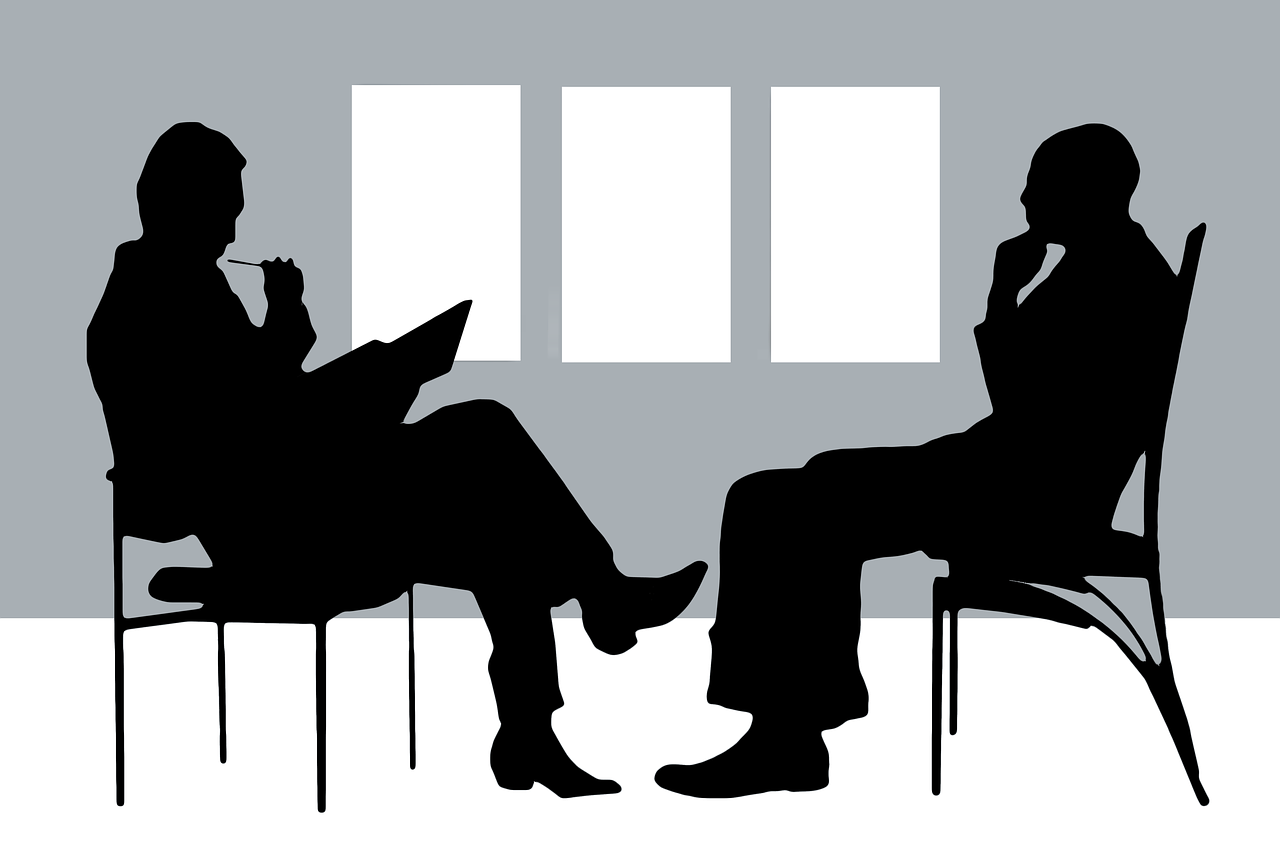
What if your Therapist loses their cool?

By David Joel Miller, MS, Licensed Therapist & Licensed Counselor.

Therapy

Therapy.
Photo courtesy of Pixabay.com

What should you do if the therapist loses their cool with you in the session?

It was interesting to me that more than one search term included this idea of a counselor or therapist losing their composure with a client. Here are some basic thoughts.

Counselors like clients are people and sometimes they do things they later wish they hadn’t done. The way this gets handled depends on how far off the track the counselor has gotten.

Sometimes it’s the counselor that is inappropriate, sometimes it is the client.

If the counselor feels their buttons getting pushed, they are getting upset; this is most likely about the counselor. We, professionals, are all taught that in those situations we should get counseling for our issues, talk with our supervisor, or do other things to work on ourselves. What we should not do is take our problems out on the client. If we are unable to deal with our stuff and work with this client we owe it to the client to transfer them to someone who can.

Sometimes this thing that is upsetting us can be useful material for the counseling session. One way your therapist might handle this is to tell you that what you are doing or saying is getting them upset and then ask you “Do other people in your life also get upset when you do this?” This approach can be useful to the client to let them see how their behavior and statements are affecting others around them.

Talking about this issue is only useful before the counselor loses their cool.

If the counselor gets physical with the client and the client has not been physical first, that is not OK.  Counselors can be disciplined or even lose their licenses for acting inappropriately with clients. Yelling, cursing and other hurtful statements and behaviors are also not acceptable. These things are rare, or so I would like to believe, but yes they can happen.

Both parties in the relationship should always feel safe. If the counselor feels physically threatened then there needs to be some intervention to make them feel safe. Sometimes there is just a bad fit between the two people and the relationship needs to be changed.

The results of counseling are almost exclusively dependent on the relationship between the counselor and the client. Anything that damages this relationship harms the client’s progress. Counselors sometimes need to balance the need to maintain a helpful relationship with the need to tell the client the truth about how the things they say and do are affecting others.

Occasionally the counselor has done nothing wrong but the client does not like hearing what the counselor says and they become threatening or even physically violent.

Having an emotional or mental illness is no excuse for acting out and becoming physical with someone. If the client does that then the counselor may need to call the police and have that client arrested. We don’t like to do that, we use all our skills to de-escalate the situation and prevent the need for law enforcement, but sometimes it has to be done.

So if you have been in a situation with a professional who lost their cool with you, think carefully about was this about you or about them. If it was about you, while the behavior was not OK you can learn from it. If it was about them then it is probably time to change counselors.

If the prospect of changing providers is overwhelming take a look at a previous post here on counselorssoapbox.com where I talked about how to fire a counselor.

If this provider is not meeting your needs, is making you worse instead of better, you need to advocate for yourself and find someone who can help you.

Here is hoping that this helps those of you who feel that your clinician has lost their cool with you. If this has happened to you and you can share the event without harm to you consider telling the rest of us about your experience and how you have resolved this or are trying to resolve it.

Here is wishing you a speedy recovery and a happy life.

David Joel Miller, LMFT, LPCC

Staying connected with David Joel Miller

Seven David Joel Miller Books are available now!

My newest book is now available. It was my opportunity to try on a new genre. I’ve been working on this book for several years, but now seem like the right time to publish it.

Story Bureau.

Story Bureau is a thrilling Dystopian Post-Apocalyptic adventure in the Surviving the Apocalypse series.

Baldwin struggles to survive life in a post-apocalyptic world where the government controls everything.

As society collapses and his family gets plunged into poverty, Baldwin takes a job in the capital city, working for a government agency called the Story Bureau. He discovers the Story Bureau is not a benign news outlet but a sinister government plot to manipulate society.

Bumps on the Road of Life. Whether you struggle with anxiety, depression, low motivation, or addiction, you can recover. Bumps on the Road of Life is the story of how people get off track and how to get your life out of the ditch.

Dark Family Secrets: Doris wants to get her life back, but small-town prejudice could shatter her dreams.

Casino Robbery Arthur Mitchell escapes the trauma of watching his girlfriend die. But the killers know he’s a witness and want him dead.

Planned Accidents  The second Arthur Mitchell and Plutus mystery.

Letters from the Dead: The third in the Arthur Mitchell mystery series.

What would you do if you found a letter to a detective describing a crime and you knew the writer and detective were dead, and you could be next?

Sasquatch. Three things about us, you should know. One, we have seen the past. Two, we’re trapped there. Three, I don’t know if we’ll ever get back to our own time.

For these and my upcoming books; please visit my Author Page – David Joel Miller

Want the latest blog posts as they publish? Subscribe to this blog.

For videos, see: Counselorssoapbox YouTube Video Channel
How do you fire a psychologist or counselor?

By David Joel Miller, MS, Licensed Therapist & Licensed Counselor.

Therapy

Therapy.
Photo courtesy of Pixabay.com

Is it hard to say goodbye to your therapist?

There are several reasons you should say goodbye to a counselor and a few reasons you shouldn’t  Let’s look at these reasons first and then the how second.

Times you should stop seeing the therapist

1. If you have made the progress you need to make.

In managed care, we draw up a treatment plan. The goal is not a complete elimination of the symptoms. That would keep even normal humans in treatment forever. The goal of treatment should be to reduce the symptoms to a manageable level and to teach the client to be able to manage those symptoms in the future.

If your symptoms are under control and you feel you have the tools to live life without staying in therapy, you may be ready to move on. Ending this episode of therapy does not mean that you will never return to therapy with this or another counselor. It means that right now you don’t have a need to keep going to therapy.

2. If you are making NO progress.

Ethically a counselor should stop seeing you and refer you to someone else if they can’t help you. Sometimes we counselors want so much to be helpful it is hard to see when we are not the one that can help this client.

You’re bringing up the idea of ending therapy may come as a relief for your counselor who has been trying to think of a good way to tell you that you need to see someone else. Therapists do not want to abandon clients in need and it is hard for them to stop trying.

Sometimes a self-help group, peer counseling, or a friend support system is what you need just now.

Reasons you shouldn’t stop seeing this counselor

1. It is getting painful or difficult to talk about your problems.

Quitting therapy when the work gets hard or painful is a sure way to stay in your problem. When the work gets hard it is tempting to blame the therapist and change. It takes time for the new counselor to get to know you and you can put off really facing the issue for a while. This makes moving from one therapist to another tempting. Eventually, that issue will come up again and the pain is back.

Running from problems has kept a lot of people sick. Sometimes we use drugs and alcohol or romantic encounters. Other times people just change counselors. Either way, evading your issues will not get you better.

2. There will be negative consequences if you stop.

If you were court-ordered or need to complete the sessions to get your license back then stopping is a really bad idea.

If you are facing consequences as a result of stopping, think carefully before you do so. This probably means there are things about yourself you do not want to face.

How do you stop therapy?

There are oh so many ways but a few are more recommended than others. Counseling is all about the relationship and if you have been together with this counselor for any length of time you should have a good enough relationship to talk with them about this.

Most counseling relationships do not go one forever. Eventually, there will be a “termination stage,” to your counseling that involves the counselor preparing you to stop coming. If you bring this up the counselor should be willing to talk about where you are in the process, what else they think you need to accomplish and how you two will go about ending the counseling relationship.

If you have given this a try and the relationship is not working you owe it to yourself to tell the counselor that. Sometimes that discussion will result in taking a new approach and you will begin to make the progress you need to make.

With an independent private practice counselor, this can be as simple as saying no to another appointment and calling around to make an appointment elsewhere. If you have insurance that is paying for the treatment you should talk with your insurance provider about who else can see you and be prepared to give some reason why you need this change.

If you go to a large agency they may have rules and procedures for therapist changes. You need to ask how you go about doing this. While you may need to talk with a supervisor or administration about your desire to change you should always think of this as advocating for yourself and for the care you need.

If you find this especially difficult look for a case manager or patients advocate that can help you with the process.

Making progress in counseling is about finding a provider that you can develop a good working relationship with and then about doing work. Here is wishing you the best on your process of recovery.

David Joel Miller, LMFT, LPCC

Staying connected with David Joel Miller

Seven David Joel Miller Books are available now!

My newest book is now available. It was my opportunity to try on a new genre. I’ve been working on this book for several years, but now seem like the right time to publish it.

Story Bureau.

Story Bureau is a thrilling Dystopian Post-Apocalyptic adventure in the Surviving the Apocalypse series.

Baldwin struggles to survive life in a post-apocalyptic world where the government controls everything.

As society collapses and his family gets plunged into poverty, Baldwin takes a job in the capital city, working for a government agency called the Story Bureau. He discovers the Story Bureau is not a benign news outlet but a sinister government plot to manipulate society.

Bumps on the Road of Life. Whether you struggle with anxiety, depression, low motivation, or addiction, you can recover. Bumps on the Road of Life is the story of how people get off track and how to get your life out of the ditch.

Dark Family Secrets: Doris wants to get her life back, but small-town prejudice could shatter her dreams.

Casino Robbery Arthur Mitchell escapes the trauma of watching his girlfriend die. But the killers know he’s a witness and want him dead.

Planned Accidents  The second Arthur Mitchell and Plutus mystery.

Letters from the Dead: The third in the Arthur Mitchell mystery series.

What would you do if you found a letter to a detective describing a crime and you knew the writer and detective were dead, and you could be next?

Sasquatch. Three things about us, you should know. One, we have seen the past. Two, we’re trapped there. Three, I don’t know if we’ll ever get back to our own time.

For these and my upcoming books; please visit my Author Page – David Joel Miller

Want the latest blog posts as they publish? Subscribe to this blog.

For videos, see: Counselorssoapbox YouTube Video Channel

Decluttering my head.

By David Joel Miller, MS, Licensed Therapist & Licensed Counselor.

Decluttering your mind.
Photo courtesy of Pixabay.com

When your head gets full everything slows down.

Sure is easy to get busy. Each thing on the schedule requires thought. Some days there just isn’t room left for me in my head. Do you ever feel that way?

Recently I had a bout of illness. Two things stood out as a result.

First, I need to spend more time and effort on staying physically healthy, more on that later, and second, at times when our physical health is down, everything takes more effort, especially the mental part.

I realized while I was physically sick that everything took way more mental effort. I suddenly discovered my head was so full of the things I think about each and every day that there was not enough room to focus on getting well. Something needed to give.

One thought that occurred to me as I was convalescing was if I were to not recover if this illness was to be long-term, what things would I still think mattered?

This thought, occurring as it did during one of those long trips between the bed and the bathroom resulted in a decision that there was just way to much stuff cluttering up my mind that did not need to be taking ups space there.

If any of you have unused space in your head and need something’s to store there, just to take up space, let me know and I will be glad to send you some things, particularly things that no longer seem to matter in my way of thinking.

One thing I noticed while ill and convalescing was that my email was consuming a lot more of my thought than remembering to take my medication. When you are really sick just reading all that stuff can be exhausting.

Not only did my inbox now contain hundreds of unread emails, but they continued to arrive faster than I could open them. I know there are ways to organize my email, but consider what is the benefit of organizing stuff I don’t need in the first place? Which did I want to spend my energy on, reading emails in the hope of not missing something or spend that energy on recuperation?

The result was a determination to pare down those emails and then to start looking at the other things that I have let expand to fill up every waking moment of my life. At times like this, less really is better.

My apologies to all those “how to blog” and “how to sell stuff” folk as well as the “how to buy happiness folk,” most of you not only got moved to the delete box, you were gifted with an unsubscribe. If reading your email takes up my time, it clearly needs to be worth my effort and I quickly realized I was following a whole lot of email newsletters that did nothing but fill up my head and suck my energy.

I shiver as I write this, fearing that my subscriber number will take a sudden drop but if reading my emails is costing you more than the benefit you are getting from this blog, than one gift I can give you is to help you save that much time anyway.

So how about you? Do you have a whole lot of things that fill up your head and your life? Do those things really matter and do they make you any happier?

What I found, the gift of this illness was that there are a lot of things that occupy my head and my time that needs to be cleaned out, especially if I want a healthier and happier life.

Here is wishing you a happy and meaningful life, whatever that means to you.

Staying connected with David Joel Miller

Seven David Joel Miller Books are available now!

My newest book is now available. It was my opportunity to try on a new genre. I’ve been working on this book for several years, but now seem like the right time to publish it.

Story Bureau.

Story Bureau is a thrilling Dystopian Post-Apocalyptic adventure in the Surviving the Apocalypse series.

Baldwin struggles to survive life in a post-apocalyptic world where the government controls everything.

As society collapses and his family gets plunged into poverty, Baldwin takes a job in the capital city, working for a government agency called the Story Bureau. He discovers the Story Bureau is not a benign news outlet but a sinister government plot to manipulate society.

Bumps on the Road of Life. Whether you struggle with anxiety, depression, low motivation, or addiction, you can recover. Bumps on the Road of Life is the story of how people get off track and how to get your life out of the ditch.

Dark Family Secrets: Doris wants to get her life back, but small-town prejudice could shatter her dreams.

Casino Robbery Arthur Mitchell escapes the trauma of watching his girlfriend die. But the killers know he’s a witness and want him dead.

Planned Accidents  The second Arthur Mitchell and Plutus mystery.

Letters from the Dead: The third in the Arthur Mitchell mystery series.

What would you do if you found a letter to a detective describing a crime and you knew the writer and detective were dead, and you could be next?

Sasquatch. Three things about us, you should know. One, we have seen the past. Two, we’re trapped there. Three, I don’t know if we’ll ever get back to our own time.

For these and my upcoming books; please visit my Author Page – David Joel Miller

Want the latest blog posts as they publish? Subscribe to this blog.

For videos, see: Counselorssoapbox YouTube Video Channel

6 Myths about alcoholism

By David Joel Miller, MS, Licensed Therapist & Licensed Counselor.

Bottles of alcohol.

Alcoholic Beverages.
Photo courtesy of Pixabay.com

How many of these Alcohol myths have you heard?

If you don’t know the signs of a disease you can pretend you don’t have it. As a society, we do a lot of pretending about drugs and alcohol. Regardless of anything you may have learned alcohol is just as much a drug as any other chemical.

How it affects you depends on the relationship you develop with this powerful drug we call alcohol. Millions of people are on the road to alcoholism and don’t even know it. Some are already there despite their best efforts to pretend otherwise.

Here are some common myths about alcoholism.

1. Alcoholics are homeless bums.

The majority of all alcoholics, by some estimates up to 90%, have full-time jobs. It is only the most debilitated that end up homeless. Most have suffered for years before they reach the homeless point.

Alcoholics come from every economic strata, race, and religion. Even groups that forbid their members to drink still have alcoholics among their ranks.

2. Alcoholics drink every day.

If you only drink once a year on New Year’s but you have gotten DUI’s several times or arrested for bar fights, then you are drinking alcoholically.

It is not how often you drink, but what happens when you drink that determines alcoholic drinking. Alcoholics do not drink one or two drinks; they drink with the intention to get drunk.

Periodic episodic binge drinking is more likely to lead to alcoholism than the person who has one every day.

3. You will not become an alcoholic if you only drink beer.

The majority (54% by one estimate) of the alcohol consumed in America comes from beer. Beer drinkers get just as many DUI’s and are involved in lots of fights and domestic violence. If when you drink, you get in trouble, that is drinking alcoholically regardless of what you are drinking.

4. You need to drink for years to develop alcoholism.

Many chronic alcoholics will tell you that the first or second time they drank they became drunk and many blacked out. If you like the effects of the alcohol you can begin to drink alcoholically from the very first time.

The amount of damage done to the body is largely dependent on how high the level of alcohol in the bloodstream goes. You can die from an overdose of alcohol the first time you drink if you consume too much too quickly.

5. One drink a day won’t hurt you.

That may be true for some people, but the very young and the elderly are at risk from even that much. More than 4 drinks a week can impair health in older adults and alcoholism in the elderly is growing at a rapid rate.

More than half of all the emergency room admissions among senior citizens are the direct result of being under the influence of drugs and alcohol. Alcohol does not mix well with many prescription drugs that are routinely prescribed for the elderly.

6. Alcohol is a stimulant and gives you more energy.

Alcohol is a depressant. The use of alcohol has been linked to depression and other mental illnesses. Binge drinkers are 55 times more likely to attempt suicide.

While alcohol does not give you energy, make you look better, or improve your sex performance, what it does do is lower your inhibitions and get you to do things that you would never do sober. For every one thing positive that someone reports having done as a result of drinking we hear countless stories of people who committed crimes or were the victim of a crime as a direct result of forgetting to pay attention to what they were doing while they were intoxicated.

The majority of people in prison were drunk or high in the 24 hours before they committed the crime that sent them to prison.

Many who are arrested for being under the influence of drugs have alcohol in the bloodstream at the time of the arrest. It is very common for those dying of drug overdoses to also have alcohol in their bloodstream. Being intoxicated can impair judgment and lead to a drug overdose.

As much as alcohol consumption is glamorized in our society there are surely many more myths about the risks and benefits of drinking alcohol. What other myths have you found about alcohol?

Staying connected with David Joel Miller

Seven David Joel Miller Books are available now!

My newest book is now available. It was my opportunity to try on a new genre. I’ve been working on this book for several years, but now seem like the right time to publish it.

Story Bureau.

Story Bureau is a thrilling Dystopian Post-Apocalyptic adventure in the Surviving the Apocalypse series.

Baldwin struggles to survive life in a post-apocalyptic world where the government controls everything.

As society collapses and his family gets plunged into poverty, Baldwin takes a job in the capital city, working for a government agency called the Story Bureau. He discovers the Story Bureau is not a benign news outlet but a sinister government plot to manipulate society.

Bumps on the Road of Life. Whether you struggle with anxiety, depression, low motivation, or addiction, you can recover. Bumps on the Road of Life is the story of how people get off track and how to get your life out of the ditch.

Dark Family Secrets: Doris wants to get her life back, but small-town prejudice could shatter her dreams.

Casino Robbery Arthur Mitchell escapes the trauma of watching his girlfriend die. But the killers know he’s a witness and want him dead.

Planned Accidents  The second Arthur Mitchell and Plutus mystery.

Letters from the Dead: The third in the Arthur Mitchell mystery series.

What would you do if you found a letter to a detective describing a crime and you knew the writer and detective were dead, and you could be next?

Sasquatch. Three things about us, you should know. One, we have seen the past. Two, we’re trapped there. Three, I don’t know if we’ll ever get back to our own time.

For these and my upcoming books; please visit my Author Page – David Joel Miller

Want the latest blog posts as they publish? Subscribe to this blog.

For videos, see: Counselorssoapbox YouTube Video Channel

Why not everyone ends up addicted to pain medication – set and setting

By David Joel Miller, MS, Licensed Therapist & Licensed Counselor.

Drugs

Medications.
Photo courtesy of Pixabay.com

Psychological factors can affect the addictive potential of drugs.

Some people with chronic pain are able to take pain meds for a long period of time with no apparent addiction problem.

Other people can become addicted to a pain med after using a single prescription.

A major factor in this outcome is a thing drug counselors know as set and setting.

The way you perceive the use of a medication or drug may have more of an effect on the results than the actual chemistry of the medication.

Both “set” and “setting” influence these effects.

Set refers to “mindset” not the taking of drugs on a Hollywood movie set. The drug will produce larger effects in the direction you expect than in the opposite direction. This is similar to the things we have talked about as placebo and nocebo effects.

Someone who is in a bad mood, who drinks when angry, is likely to become more angry and violent when drinking. Another person at the same party, thinking that this is a happy occasion will likely become more outgoing and uninhibited. Both people are taking the same drug, in this case, alcohol, but the results conform to the expectations or mindset of the user.

The place matters – setting.

A single glass of wine will affect someone differently if consumed at a religious ceremony than if consumed in a bar late at night. Drinking some wine as part of a ceremony may be relaxing or spiritual, that same glass of wine consumed at a party may result in the person consuming the wine becoming more sexual rather than more spiritual.

What does all this have to do with the abuse of prescription pain medications?

People who take prescribed medication, say morphine or an opioid, in the hospital when it is prescribed for pain are at low risk to develop an addiction. That same person who has taken large amounts of morphine in the hospital with no apparent ill effects is at high risk to develop an addiction if they purchase a single prescription from a dealer in the alley. The difference is in the setting in which the drugs are consumed and the purpose for which they are used.

Unfortunately, many of us can’t tell the difference between physical pain and emotional pain. Taking drugs for emotional pain, especially pain medications is a high-risk behavior. Those illicit meds can quickly become an addiction.

Recently we have seen a huge increase in teens and young adults who are abusing prescription meds, often stolen from older family members. While grandma may take a morphine pill every day for pain and not develop the signs and symptoms of a psychological addiction the grandson who steals those meds and uses them to get high can quickly become addicted both psychologically and physically. (See the post on Grandma as a drug pusher.)

What you are thinking about and where you are when you take drugs or medications can and does affect the results you get and the potential for addiction.

The recognition of set and setting points us to a better understanding that the psychological factors in drug addiction are far more powerful than the physical effects in a great many cases.

If you come to believe that you “need” your drug of choice to function well, that you can’t do things without your drug to get you through, even if that drug has a low abuse potential you are at risk to develop a psychological addiction to that drug.

Consider your own drug use and how set and setting may be affecting the results of that drug use.

Staying connected with David Joel Miller

Seven David Joel Miller Books are available now!

My newest book is now available. It was my opportunity to try on a new genre. I’ve been working on this book for several years, but now seem like the right time to publish it.

Story Bureau.

Story Bureau is a thrilling Dystopian Post-Apocalyptic adventure in the Surviving the Apocalypse series.

Baldwin struggles to survive life in a post-apocalyptic world where the government controls everything.

As society collapses and his family gets plunged into poverty, Baldwin takes a job in the capital city, working for a government agency called the Story Bureau. He discovers the Story Bureau is not a benign news outlet but a sinister government plot to manipulate society.

Bumps on the Road of Life. Whether you struggle with anxiety, depression, low motivation, or addiction, you can recover. Bumps on the Road of Life is the story of how people get off track and how to get your life out of the ditch.

Dark Family Secrets: Doris wants to get her life back, but small-town prejudice could shatter her dreams.

Casino Robbery Arthur Mitchell escapes the trauma of watching his girlfriend die. But the killers know he’s a witness and want him dead.

Planned Accidents  The second Arthur Mitchell and Plutus mystery.

Letters from the Dead: The third in the Arthur Mitchell mystery series.

What would you do if you found a letter to a detective describing a crime and you knew the writer and detective were dead, and you could be next?

Sasquatch. Three things about us, you should know. One, we have seen the past. Two, we’re trapped there. Three, I don’t know if we’ll ever get back to our own time.

For these and my upcoming books; please visit my Author Page – David Joel Miller

Want the latest blog posts as they publish? Subscribe to this blog.

For videos, see: Counselorssoapbox YouTube Video Channel

Why can’t I stay better? Why doesn’t recovery last?

By David Joel Miller, MS, Licensed Therapist & Licensed Counselor.

Relapse

Relapse.
Photo courtesy of Pixabay.com

If self-help and self-improvement work, why are people still looking?

There are no shortages of self-help books or self-improvement products.

They appear on talk shows, on the internet, and in bookstores aplenty. With all that help why are so many people still looking for a way to achieve happiness and then to stay happy?

There are more than enough religions on earth and plenty of room for anyone who wants to join one, still, there is widespread unhappiness. Why can’t we find a way to happiness and stay there? Some Religions pride themselves on their ability to bear up under suffering, seem to relish in it, and contend that they are better at suffering than others.

Not many groups can honestly say that their members are happy on a consistent basis. Your higher power may take away your burdens but you still have the requirement to walk the road of life.

The journey from mental illness or addiction to recovery is a long one.

The road is easier to travel if you have a trustworthy guide. Counselors, therapists, and peers can point us in the direction of recovery. Why is no one able to tell you how to stay happy and recovered once you get there?

Recovery reminds me of the bills I pay. Every month I pay the rent and the utilities and come the first of the month that unreasonable landlord, along with the illogical utility close on his heels, sends me another bill to pay. I paid you off completely last month and you want me to pay again?

Why can’t I be rid of bills and unhappiness all by making one final payment?

What I have come to discover is that most of life’s challenges are not the one-time crisis but the day-to-day strains. The things that throw us off track are not the huge things that others may have labeled us with. Unhappiness often comes not from the nature of our challenges, but from the problems of daily living. This is a real-life, some days I like it and some days I do not.

No matter how hard I struggle to get out of the ditch and back on the road of life there are always bound to be more bumps down the road. Just because I get up does not mean that nothing will ever knock me down. The road of life is full of bumps. At any time the problems of life can knock me down again. What matters is how I react to those crises, that and having a good support team that can help pull me out of the ditch and gets me back on the road of life again.

As I face the day-to-day challenges in my life I try to keep reminding myself that this too will pass. The pain may be a part of life but the suffering continues to be optional. I can stay stuck in my problem or I can move forward and have the best life possible under the circumstance. The choice is mine.

How is your recovery going today?

Are you making progress towards being the better person you want to be? Have you seized some positive thoughts and some happiness today? What are you doing to further your recovery? If you have a support system in place have you reached out to them recently? If there is no one in your corner how can you create and maintain that support system we all need? Here is wishing you all the happiness that you can squeeze out of this life whatever the challenges and obstacles you are struggling with today. Life never is about the destination, it is always about how well we make the journey.

Staying connected with David Joel Miller

Seven David Joel Miller Books are available now!

My newest book is now available. It was my opportunity to try on a new genre. I’ve been working on this book for several years, but now seem like the right time to publish it.

Story Bureau.

Story Bureau is a thrilling Dystopian Post-Apocalyptic adventure in the Surviving the Apocalypse series.

Baldwin struggles to survive life in a post-apocalyptic world where the government controls everything.

As society collapses and his family gets plunged into poverty, Baldwin takes a job in the capital city, working for a government agency called the Story Bureau. He discovers the Story Bureau is not a benign news outlet but a sinister government plot to manipulate society.

Bumps on the Road of Life. Whether you struggle with anxiety, depression, low motivation, or addiction, you can recover. Bumps on the Road of Life is the story of how people get off track and how to get your life out of the ditch.

Dark Family Secrets: Doris wants to get her life back, but small-town prejudice could shatter her dreams.

Casino Robbery Arthur Mitchell escapes the trauma of watching his girlfriend die. But the killers know he’s a witness and want him dead.

Planned Accidents  The second Arthur Mitchell and Plutus mystery.

Letters from the Dead: The third in the Arthur Mitchell mystery series.

What would you do if you found a letter to a detective describing a crime and you knew the writer and detective were dead, and you could be next?

Sasquatch. Three things about us, you should know. One, we have seen the past. Two, we’re trapped there. Three, I don’t know if we’ll ever get back to our own time.

For these and my upcoming books; please visit my Author Page – David Joel Miller

Want the latest blog posts as they publish? Subscribe to this blog.

For videos, see: Counselorssoapbox YouTube Video Channel

Want to write a post for counselorssoapbox?

By David Joel Miller

Man writing

Writing.
Photo courtesy of Pixabay.com

Interested in writing a counselorssoapbox post?

People who have lived with and overcome a life problem have a lot to share. We refer to that sometimes as lived experience. That perspective teaches you things that you can’t always learn in other ways.

I wanted to throw an opportunity out there for those of you who read this blog. If you have something to say but haven’t found a way to say it yet, I invite you to consider writing an article for this blog. Whether you currently have a blog, or this is the one and only time you are planning to write something you are welcome.

My plan is not to change the blog to an article one, but it might be fun to share some things written by others from time to time. Frankly, this may also help me by keeping the blog going with fresh posts during those times when my other activities keep me from writing.

In all fairness, I need to tell you what sort of articles I am looking for. The main focus of this blog is and will remain on having a happy life. I strongly believe in recovery, that people do not need to stay stuck in their illness forever and that they can and do get better and go on to have happy fulfilled lives. What that means to each of you may be a quite different thing.

Many of the posts I write are about mental and emotional illnesses, substance abuse, and their co-occurrence. Some posts have been about counseling and therapy. Related to those topics are self-improvement, parenting, and relationships.

What I most would like to hear about is not the daily problems but the daily successes. If you went for counseling, what worked and what did not work. If something else was helpful, what was it and how might others make use of the resource you found?

Even if you did not have a problem that got a diagnosis but you found a way to overcome that issue I would love to hear from you.

If there was a particular book or exercise that you have done that led to your growth and learning, by all means, share that also.

Professionals are welcome to join in this opportunity. Many professionals are themselves in recovery or have had to do a lot of work on themselves to get to the point they could be helpful to others. We also find we learn a lot from our clients. So if you would like to share those lessons learns, by all means, send them along, just please be sure, as I know you are aware, not to share anything that would violate someone else’s confidentiality, privilege, or otherwise get us in trouble.

Articles for consideration should be from 500 to 1,200 words and positive or constructive in nature. As the author and editor of this blog, I reserve the right to reject anything that does not fit with what I am trying to do on this blog and to make small edits as needed. I would ask the author before making any big changes in what you write. I also reserve the right to reuse your article or quote from it in other things that I am writing.

If you send pictures, make sure they are not copyrighted or I can locate a picture to add to your article. At this point, my blog is not big enough to pay for submissions but in exchange for your contribution, I can offer you a byline.

These articles should be original, not something already posted to another blog. Most bloggers know how to reblog and we all do that from time to time but for this submit-an-article program, I am looking for new and different points of view.

Whether you have written a lot of posts or this is the one and only one you will write all submissions are welcome.

This is not something that needs to be done right away, I have posts scheduled to appear for a few weeks yet but I find those who say they want to write but never get started never get them written. If you have an idea let me know and we can plan for a future date for your post to appear.

So if the idea of being a writer whose article is featured on counselorssoapbox appeals to you or you just have a burning desire to say something contact me and let’s see if this is something that could happen.

You are of course always welcome and encouraged to leave a comment on anything that is posted even if you chose not to write a long post.

Here is hoping that you all will continue to read counselorssoapbox and that some of you will decide to write an article for the blog.

Thanks for reading,

David Joel Miller, LMFT, LPCC

Staying connected with David Joel Miller

Seven David Joel Miller Books are available now!

My newest book is now available. It was my opportunity to try on a new genre. I’ve been working on this book for several years, but now seem like the right time to publish it.

Story Bureau.

Story Bureau is a thrilling Dystopian Post-Apocalyptic adventure in the Surviving the Apocalypse series.

Baldwin struggles to survive life in a post-apocalyptic world where the government controls everything.

As society collapses and his family gets plunged into poverty, Baldwin takes a job in the capital city, working for a government agency called the Story Bureau. He discovers the Story Bureau is not a benign news outlet but a sinister government plot to manipulate society.

Bumps on the Road of Life. Whether you struggle with anxiety, depression, low motivation, or addiction, you can recover. Bumps on the Road of Life is the story of how people get off track and how to get your life out of the ditch.

Dark Family Secrets: Doris wants to get her life back, but small-town prejudice could shatter her dreams.

Casino Robbery Arthur Mitchell escapes the trauma of watching his girlfriend die. But the killers know he’s a witness and want him dead.

Planned Accidents  The second Arthur Mitchell and Plutus mystery.

Letters from the Dead: The third in the Arthur Mitchell mystery series.

What would you do if you found a letter to a detective describing a crime and you knew the writer and detective were dead, and you could be next?

Sasquatch. Three things about us, you should know. One, we have seen the past. Two, we’re trapped there. Three, I don’t know if we’ll ever get back to our own time.

For these and my upcoming books; please visit my Author Page – David Joel Miller

Want the latest blog posts as they publish? Subscribe to this blog.

For videos, see: Counselorssoapbox YouTube Video Channel

Did psychology and psychiatry get a divorce- or are they just separated

By David Joel Miller, MS, Licensed Therapist & Licensed Counselor.

Divorce.
Photo courtesy of Pixabay.com

Why talking about mental health, mental illness and personality are so confusing.

Psychology and mental health treatment started out in a pretty close intimate relationship. Over the years the two disciplines have drifted apart.

Freud and Jung started us on the path to using talk therapy to help people overcome life problems and to treat mental illnesses.

The longer we have been on this path the more the disciplines of psychology and mental health have diverged. Today it seems that they are not even talking as we use very different language to describe the same or similar situations.

One place this results in confusion is when people tell their mental health practitioner about a symptom using psychology terms to describe what they are going through. One definition of Psychology is an academic and applied discipline that involves the scientific study of mental functions and behaviors.

This is quite different from the study of mental illness through the two may at times overlap. Both fields are struggling with finding and measuring mental wellness.

Psychiatry is mostly about diagnosing an illness.

In this way of thinking, you are sick or you are not. Some of this distinction comes from the ongoing division between categorical approaches, you have A or you do not have A, and continuum methods in which you move from mild symptoms to more severe symptoms and at some point, they get severe enough to need treatment.

Psychology talks a lot about how your brain works and how people make decisions. So one group of practitioners gives you one label and another gives you a different one. They aren’t even talking about the same things.

I see things in posts about being an ENTJ or similar designation. This comes from psychology’s effort to classify people’s basic personality. You will not find these designations in the DSM-5 which the mental health community uses to diagnose an illness. This results in some extreme frustration on the part of clients when we say there is nothing wrong with them and they know they are suffering.

An example.

You say you are shy. There is nothing called shyness in the DSM, therefore you are not mentally ill.  You say “but you don’t understand, I am very very shy.” Sorry, that is not a mental illness and your insurance company or the public system will not pay to treat your personality. They also do not pay for personal development or growth experiences. You need to be sick to get treated.

You say but I am so shy I can’t leave my house to work. I am afraid of being around people and I can’t see my friends anymore. My shyness is keeping me a prisoner in my own home. Your clinician says sorry, shy is not a mental illness we can’t treat that.

WAIT A MINUTE – Did you say you can’t leave the house? That could be Agoraphobia. You can’t be around people – could that be Social Phobia? While we can’t treat shy we can treat Agoraphobia or Social anxiety disorders.

See how the difference in terminology can cause problems?

Hyperthymic vs. Bipolar.

This came up in my series of posts on Hyperthymia. In mental health, you have Bipolar I, Bipolar II, Bipolar NOS, or Cyclothymia. Hyperthymia is a personality type, not a mental illness so we don’t treat personality types.  We consider most types of personality as just the way you are. So until it gets severe and we can give you a diagnosis this is not an illness and this is, from our viewpoint not serious.

Personality “Disorders” are whole other creature, again only loosely related to these personality types people learn in psychology classes.

In past posts, I have talked about the research on Hypothermia. Most of this is academic research and they see hypothermia as on a continuum. You could have varying levels of Hyperthymia. Some Hyperthymia is severe and needs treatment in their book. But since it is not in the DSM we therapists types look at this as one of those “just how you are” things. We don’t treat it until it gets severe enough to be reclassified as a disorder on the Bipolar spectrum. Once we call it something else it gets treated.

In upcoming posts, I want to talk about Delusions. For mental health practitioners delusions are symptoms of a relatively few mental illnesses. For the psychology researchers there are delusions and delusion-like experiences and so on. Since we have varying definitions and criteria this material may take a little translating. Hence I have tried to explain in this post why the various sorts of similar professions may not agree about what the research says and means.

Until next time stay happy or on your path to happiness and let’s see where this adventure we call recovery may take us.

Staying connected with David Joel Miller

Seven David Joel Miller Books are available now!

My newest book is now available. It was my opportunity to try on a new genre. I’ve been working on this book for several years, but now seem like the right time to publish it.

Story Bureau.

Story Bureau is a thrilling Dystopian Post-Apocalyptic adventure in the Surviving the Apocalypse series.

Baldwin struggles to survive life in a post-apocalyptic world where the government controls everything.

As society collapses and his family gets plunged into poverty, Baldwin takes a job in the capital city, working for a government agency called the Story Bureau. He discovers the Story Bureau is not a benign news outlet but a sinister government plot to manipulate society.

Bumps on the Road of Life. Whether you struggle with anxiety, depression, low motivation, or addiction, you can recover. Bumps on the Road of Life is the story of how people get off track and how to get your life out of the ditch.

Dark Family Secrets: Doris wants to get her life back, but small-town prejudice could shatter her dreams.

Casino Robbery Arthur Mitchell escapes the trauma of watching his girlfriend die. But the killers know he’s a witness and want him dead.

Planned Accidents  The second Arthur Mitchell and Plutus mystery.

Letters from the Dead: The third in the Arthur Mitchell mystery series.

What would you do if you found a letter to a detective describing a crime and you knew the writer and detective were dead, and you could be next?

Sasquatch. Three things about us, you should know. One, we have seen the past. Two, we’re trapped there. Three, I don’t know if we’ll ever get back to our own time.

For these and my upcoming books; please visit my Author Page – David Joel Miller

Want the latest blog posts as they publish? Subscribe to this blog.

For videos, see: Counselorssoapbox YouTube Video Channel

Happy Happy Day

By David Joel Miller, MS, Licensed Therapist & Licensed Counselor.

Happy faces

Happiness.
Photo courtesy of Pixabay.com

Happy Happy Day.

This day should especially be devoted to being happy. My longtime readers know that the basic premise of my blog has been that despite the challenges of mental illness and substance abuse, sometimes both, it is possible to recover and to have a happy life.

It is not my intention to take sides in any particular religious disagreement, but many of you, of the Christian persuasion, are today celebrating Easter Sunday. This day is particularly different from other holidays on our calendar.

This day is connected to the lunar calendar and to the older Jewish tradition of celebrating Passover. The result is that rather than falling on the same date each year it can move about the calendar dramatically. It is also celebrated on different dates depending on your particular religious tradition.

Some writers also connect this day with older pre-Christian (pagan) celebrations. In this year of 2013, the Spring or March equinox falls on 3/20 followed by the March Solstice on March 21. It is said that in ancient times our forbearers celebrated the point in the spring when the days became longer than the nights and there was ample evidence that the sun was not deserting us. This time period reaffirms the continuance of life here on planet earth.

The use of the term March Equinox has begun to be used more commonly to avoid or reduce our all too common northern hemisphere biases.

Whatever your tradition or beliefs this time period is a chance to celebrate one more transition in our planet’s life cycle as we move in the northern hemisphere to more hours of daylight, from the long periods of darkness.

Those of you south of the equator, you are now moving into winter and an increase in the nighttime. Get plenty of rest.

However, you chose to interpret this day it remains a confirmation of the continued life here on our planet. The cycles of our seasons continue and so do the cycles of our lives.

Today is a good day to savor what has been positive in our lives and to plan for a more positive next cycle in our existence.

So here is wishing you a happy whatever this day means to you. For those of you who take no special note of this day may I make a suggestion to spend some time at this point in the change of season’s reflecting on what your higher power means to you? Consider also how you will move yourself towards happiness and help move our planet as a whole to the place where all people are able to continue their pursuit of happiness.

Staying connected with David Joel Miller

Seven David Joel Miller Books are available now!

My newest book is now available. It was my opportunity to try on a new genre. I’ve been working on this book for several years, but now seem like the right time to publish it.

Story Bureau.

Story Bureau is a thrilling Dystopian Post-Apocalyptic adventure in the Surviving the Apocalypse series.

Baldwin struggles to survive life in a post-apocalyptic world where the government controls everything.

As society collapses and his family gets plunged into poverty, Baldwin takes a job in the capital city, working for a government agency called the Story Bureau. He discovers the Story Bureau is not a benign news outlet but a sinister government plot to manipulate society.

Bumps on the Road of Life. Whether you struggle with anxiety, depression, low motivation, or addiction, you can recover. Bumps on the Road of Life is the story of how people get off track and how to get your life out of the ditch.

Dark Family Secrets: Doris wants to get her life back, but small-town prejudice could shatter her dreams.

Casino Robbery Arthur Mitchell escapes the trauma of watching his girlfriend die. But the killers know he’s a witness and want him dead.

Planned Accidents  The second Arthur Mitchell and Plutus mystery.

Letters from the Dead: The third in the Arthur Mitchell mystery series.

What would you do if you found a letter to a detective describing a crime and you knew the writer and detective were dead, and you could be next?

Sasquatch. Three things about us, you should know. One, we have seen the past. Two, we’re trapped there. Three, I don’t know if we’ll ever get back to our own time.

For these and my upcoming books; please visit my Author Page – David Joel Miller

Want the latest blog posts as they publish? Subscribe to this blog.

For videos, see: Counselorssoapbox YouTube Video Channel