Taking stock of yourself. Posts about self-discovery

By David Joel Miller, MS, Licensed Therapist & Licensed Counselor.

Self

Getting to know yourself.
Photo courtesy of Pixabay.com

Here are links to posts about self-discovery and getting to know yourself.

I decided to post this list to help you find some of the past posts on this important subject. There will be additional posts on the topic of finding out “Who are you?” as we progress through the year.

Eventually, my plan is to pull all these posts together into a longer document, maybe even a book. Only time will tell. If you have other suggestions on how to get in touch with yourself, that old inventory process, feel free to leave a comment.

How sure are you about that goal?

Finding your Quest – what life challenge will define you?

Inventorying your baggage

What do you most want in your life?

Your autobiography as therapy

How heavy is your baggage – Unpacking your baggage

Would a Genie help? Happiness by magic

Who are you? Who do you want to be?

5 things you need to ask yourself about mistakes to avoid making them again

Are you original or ordinary?

Are you successful?

How did you know that? When and where we learn things matters.

Every day is April Fools’ Day when you are fooling yourself

Hope that helps.

Staying connected with David Joel Miller

Seven David Joel Miller Books are available now!

My newest book is now available. It was my opportunity to try on a new genre. I’ve been working on this book for several years, but now seem like the right time to publish it.

Story Bureau.

Story Bureau is a thrilling Dystopian Post-Apocalyptic adventure in the Surviving the Apocalypse series.

Baldwin struggles to survive life in a post-apocalyptic world where the government controls everything.

As society collapses and his family gets plunged into poverty, Baldwin takes a job in the capital city, working for a government agency called the Story Bureau. He discovers the Story Bureau is not a benign news outlet but a sinister government plot to manipulate society.

Bumps on the Road of Life. Whether you struggle with anxiety, depression, low motivation, or addiction, you can recover. Bumps on the Road of Life is the story of how people get off track and how to get your life out of the ditch.

Dark Family Secrets: Doris wants to get her life back, but small-town prejudice could shatter her dreams.

Casino Robbery Arthur Mitchell escapes the trauma of watching his girlfriend die. But the killers know he’s a witness and want him dead.

Planned Accidents  The second Arthur Mitchell and Plutus mystery.

Letters from the Dead: The third in the Arthur Mitchell mystery series.

What would you do if you found a letter to a detective describing a crime and you knew the writer and detective were dead, and you could be next?

Sasquatch. Three things about us, you should know. One, we have seen the past. Two, we’re trapped there. Three, I don’t know if we’ll ever get back to our own time.

For these and my upcoming books; please visit my Author Page – David Joel Miller

Want the latest blog posts as they publish? Subscribe to this blog.

For videos, see: Counselorssoapbox YouTube Video Channel

They didn’t teach me that in school

By David Joel Miller, MS, Licensed Therapist & Licensed Counselor.

School classroom

School.
Photo courtesy of Pixabay.com

Why didn’t they teach you that in school?

We have this expectation that once you go to school, get a degree, you should be set. You should know what you need to know. That is not true by a couple of kilometers.

I have discovered since I graduated from school, that what I do not know outsides the things I did learn. Some of this I can attribute to the student not getting everything the professor taught. I know I missed some things. Now that I have been teaching I realize we don’t tell the students everything they need to know. It is just not possible.

Most educational programs cannot begin to teach you all there is to know in your subject matter area. Personally, I have read more books, attended more trainings, and had to learn more material since the degree than I did in the process of getting a degree.

This phenomenon happens in very good degree programs. It is probably worse in some of the for-profit educational systems which can teach you all sorts of things that are fun to learn but do not necessarily qualify you to get a job in that field. In some places, there were no jobs to begin with, or the ones that are out there require far more than a degree.

What a good program of study can do for you is to teach you the basic vocabulary of the field you want to enter. You should learn some things about the laws or ethics, hopefully, both, that relate to your chosen profession. You learn enough to realize what you do not know and that is about all. The purpose of an educational program should be to give you basic entry-level skills, not the advanced skills that you might need to be competitive in the job market.

Let’s use counseling as an example. We learn the differences between depression and autism and we learn the theory of how to counsel. That does not make the new graduate competent to work with someone with an eating disorder or Autism. Those advanced skills require more training. Most of the time we don’t know when we graduate what direction our career will take. You get hired by an agency that works with people on parole and you learn about that. If you get a job at an eating disorder clinic or an organization that works with people with autism you will need more training in that.

The result is a whole lot of recent graduates who find out that there are no jobs doing what they learned about in school or who find they have such basic skills that there will be years more training required before they can function at a competent level.

If you think that once you get that degree the education part is over you will probably not last or be successful in your chosen field. The true professional never stops learning.

One of the great tragedies of our educational system these days is the belief among so many people that going to school and getting a degree in something you like will automatically result in a good-paying job in that field. The truth is that the degree only gets you in the door for the interview. The path from a new graduate to a successful career is a long one.

Far too many people have run up sizable educational debt only to find there are no jobs out there in that field or those that do exist are in other parts of the country and may not pay enough to fund that large student loan.

If you have made the decision that a college degree is for you, make sure that you research not only the school you want to attend but the major you will embark on. Spend as much time researching the possible job market for that job as you would on following a sports team. And consider talking with someone who is currently on the job about the things they have had to learn after embarking on their career.

Your school may have taught you about the subject matter of your degree but that can fall far short of what you will need to know to be successful earning a living in that field.

Remember that your learning does not end with the degree. If you want to be successful in most fields the degree is the starting point in your lifelong process of learning.

Best wishes on your path to creating the happy life you want.

David Joel Miller, LMFT, LPCC

Staying connected with David Joel Miller

Seven David Joel Miller Books are available now!

My newest book is now available. It was my opportunity to try on a new genre. I’ve been working on this book for several years, but now seem like the right time to publish it.

Story Bureau.

Story Bureau is a thrilling Dystopian Post-Apocalyptic adventure in the Surviving the Apocalypse series.

Baldwin struggles to survive life in a post-apocalyptic world where the government controls everything.

As society collapses and his family gets plunged into poverty, Baldwin takes a job in the capital city, working for a government agency called the Story Bureau. He discovers the Story Bureau is not a benign news outlet but a sinister government plot to manipulate society.

Bumps on the Road of Life. Whether you struggle with anxiety, depression, low motivation, or addiction, you can recover. Bumps on the Road of Life is the story of how people get off track and how to get your life out of the ditch.

Dark Family Secrets: Doris wants to get her life back, but small-town prejudice could shatter her dreams.

Casino Robbery Arthur Mitchell escapes the trauma of watching his girlfriend die. But the killers know he’s a witness and want him dead.

Planned Accidents  The second Arthur Mitchell and Plutus mystery.

Letters from the Dead: The third in the Arthur Mitchell mystery series.

What would you do if you found a letter to a detective describing a crime and you knew the writer and detective were dead, and you could be next?

Sasquatch. Three things about us, you should know. One, we have seen the past. Two, we’re trapped there. Three, I don’t know if we’ll ever get back to our own time.

For these and my upcoming books; please visit my Author Page – David Joel Miller

Want the latest blog posts as they publish? Subscribe to this blog.

For videos, see: Counselorssoapbox YouTube Video Channel

Steps to become a Substance Abuse Counselor.

By David Joel Miller, MS, Licensed Therapist & Licensed Counselor.

Counseling questions

Counseling questions.
Photo courtesy of Pixabay.com

How do you become a drug counselor?

What are the typical steps someone takes to become a substance abuse or Alcohol and Other Drug (AOD) Counselor?

The profession of substance abuse counselor is in flux.  There is a large chance that this path will change in the future and it can be different in one jurisdiction than in another part of the country.

Substance Abuse Counselors follow a different path than Social Workers, Professional Clinical Counselors or Marriage, and Family Therapist largely because their profession stems from different roots. Substance Abuse Counselors have been recognized as a professional discipline relatively recently.

The professions involved in psychotherapy have a hundred-year head start on the newer profession of substance abuse counseling.

Psychotherapy stems from the medical profession. The founders are MD’s like Freud and Jung. Psychiatrists are trained as MD’s first and then trained in mental health second. Psychologists have Doctorate degrees (Ph.D. or PsyD) involving at least 8 years of college. Licensed Counselors and Marriage and Family Therapists all have master’s degrees requiring, in most cases, 6 years of college education.

Social workers come from a slightly different origin. They began with “friendly visitors.” Their background is in welfare, social work, and providing aid and assistance. Most licensed social workers have master’s degrees (6 years of college) though some entry-level positions can be gotten with a 4-year degree. I expect that the term “social worker” in the future may be restricted to those with a degree in social work or possible to those with a master’s degree. Just working in a social work agency should not make you a “Social Worker.”

Substance Abuse Counselors come from a different world. Most substance abuse professionals have what we call “lived experiences” meaning they or someone close to them is in recovery. They have lived through the process of addiction and recovery and from first-hand experience, they know the difference between the disease of addiction and the life of recovery.

Most recovering people are suspicious of those counselors who learned about addiction or recovery from a textbook rather than from firsthand experience. We know of course that a doctor does not have to have personally had all the diseases he treats in order to be a superior physician. We wonder though why someone would choose to be a substance abuse counselor whose life has not been touched in some way by addiction, especially when we realize that substance abuse professionals often make less than their counterparts in other related fields.

Recently we have moved from, everyone who works in a recovery facility having lived experience only, to require that they also have some training in counseling, the disease of addiction, and the laws and regulations that involve counseling.

As more funding has been provided by the government for substance abuse treatment, society has asked, and rightfully so, what are the qualifications of those who do the counseling and what results are we getting for our money? The result of these questions has been to increase the qualifications needed to become a substance abuse professional.

Different jurisdictions have moved in different directions and things continue to change.

Some states or areas have instituted a form of licensing for substance abuse counselors. This has been resisted by longer established professions. The argument runs that it is confusing to the public when to be a psychotherapist or clinical counselor it requires 6 to 8 years of college, but the AOD counselor has a much lesser requirement. How comparable is a substance abuse counselor who has no education or only a few hours of training and should they get to use the term “licensed counselor?” Does the public understand that someone with a substance abuse counseling license has much less education than a licensed mental health counselor?

California so far has not seen fit to license substance abuse counselors. Here we have a system of registration and certification. The state does not so far register or certify AOD professionals. AOD counselors register with an organization and then complete supervised hours and an exam to become certified. How many hours of education and experience can vary dramatically from one registry to another.

Registered and certified counselors are not, at this point, allowed to set up private practices but must work for a licensed facility. Facilities are licensed by the state but this does not ensure any particular level of staff training other than a percentage of counselors must be registered or certified by some of the many registries that have gotten themselves listed with the state.

Under this system it is possible for a non-licensed person to open a facility and get that facility licensed, thereafter then can work as a registered person in their own facility. In fairness, it should be mentioned that most drug treatment facilities are operated by nonprofit companies.

Over time, of course, these regulations continue to increase the required skills and experience needed to become an AOD counselor.

So the path to becoming an AOD counselor requires, some level of knowledge and interest to begin with, usually by lived experience, some course of education which can vary anywhere from a weekend training to a 36 unit college certificate. And some number of hours of experience followed by a certification exam. In practice not all AOD counselors are equally trained.

If this is a profession you wish to pursue, I recommend that you check the most recent regulations in the jurisdiction in which you live. Consider also what the job prospects and pay scale is for this occupation in your area. And also look at how portable will your credential be if you chose to move. Some registrations or certifications are transferable and some are not.

Increasingly professionals in the substance abuse counseling field are continuing their education to the master’s level so that they are qualified to work not only with substance abuse disorders but in the area of mental health and co-occurring disorders.

Thanks to the readers who sent in this question. Best wishes on creating your happy life.

David Miller, LMFT, LPCC

Staying connected with David Joel Miller

Seven David Joel Miller Books are available now!

My newest book is now available. It was my opportunity to try on a new genre. I’ve been working on this book for several years, but now seem like the right time to publish it.

Story Bureau.

Story Bureau is a thrilling Dystopian Post-Apocalyptic adventure in the Surviving the Apocalypse series.

Baldwin struggles to survive life in a post-apocalyptic world where the government controls everything.

As society collapses and his family gets plunged into poverty, Baldwin takes a job in the capital city, working for a government agency called the Story Bureau. He discovers the Story Bureau is not a benign news outlet but a sinister government plot to manipulate society.

Bumps on the Road of Life. Whether you struggle with anxiety, depression, low motivation, or addiction, you can recover. Bumps on the Road of Life is the story of how people get off track and how to get your life out of the ditch.

Dark Family Secrets: Doris wants to get her life back, but small-town prejudice could shatter her dreams.

Casino Robbery Arthur Mitchell escapes the trauma of watching his girlfriend die. But the killers know he’s a witness and want him dead.

Planned Accidents  The second Arthur Mitchell and Plutus mystery.

Letters from the Dead: The third in the Arthur Mitchell mystery series.

What would you do if you found a letter to a detective describing a crime and you knew the writer and detective were dead, and you could be next?

Sasquatch. Three things about us, you should know. One, we have seen the past. Two, we’re trapped there. Three, I don’t know if we’ll ever get back to our own time.

For these and my upcoming books; please visit my Author Page – David Joel Miller

Want the latest blog posts as they publish? Subscribe to this blog.

For videos, see: Counselorssoapbox YouTube Video Channel

Decluttering my head.

By David Joel Miller, MS, Licensed Therapist & Licensed Counselor.

Decluttering your mind.
Photo courtesy of Pixabay.com

When your head gets full everything slows down.

Sure is easy to get busy. Each thing on the schedule requires thought. Some days there just isn’t room left for me in my head. Do you ever feel that way?

Recently I had a bout of illness. Two things stood out as a result.

First, I need to spend more time and effort on staying physically healthy, more on that later, and second, at times when our physical health is down, everything takes more effort, especially the mental part.

I realized while I was physically sick that everything took way more mental effort. I suddenly discovered my head was so full of the things I think about each and every day that there was not enough room to focus on getting well. Something needed to give.

One thought that occurred to me as I was convalescing was if I were to not recover if this illness was to be long-term, what things would I still think mattered?

This thought, occurring as it did during one of those long trips between the bed and the bathroom resulted in a decision that there was just way to much stuff cluttering up my mind that did not need to be taking ups space there.

If any of you have unused space in your head and need something’s to store there, just to take up space, let me know and I will be glad to send you some things, particularly things that no longer seem to matter in my way of thinking.

One thing I noticed while ill and convalescing was that my email was consuming a lot more of my thought than remembering to take my medication. When you are really sick just reading all that stuff can be exhausting.

Not only did my inbox now contain hundreds of unread emails, but they continued to arrive faster than I could open them. I know there are ways to organize my email, but consider what is the benefit of organizing stuff I don’t need in the first place? Which did I want to spend my energy on, reading emails in the hope of not missing something or spend that energy on recuperation?

The result was a determination to pare down those emails and then to start looking at the other things that I have let expand to fill up every waking moment of my life. At times like this, less really is better.

My apologies to all those “how to blog” and “how to sell stuff” folk as well as the “how to buy happiness folk,” most of you not only got moved to the delete box, you were gifted with an unsubscribe. If reading your email takes up my time, it clearly needs to be worth my effort and I quickly realized I was following a whole lot of email newsletters that did nothing but fill up my head and suck my energy.

I shiver as I write this, fearing that my subscriber number will take a sudden drop but if reading my emails is costing you more than the benefit you are getting from this blog, than one gift I can give you is to help you save that much time anyway.

So how about you? Do you have a whole lot of things that fill up your head and your life? Do those things really matter and do they make you any happier?

What I found, the gift of this illness was that there are a lot of things that occupy my head and my time that needs to be cleaned out, especially if I want a healthier and happier life.

Here is wishing you a happy and meaningful life, whatever that means to you.

Staying connected with David Joel Miller

Seven David Joel Miller Books are available now!

My newest book is now available. It was my opportunity to try on a new genre. I’ve been working on this book for several years, but now seem like the right time to publish it.

Story Bureau.

Story Bureau is a thrilling Dystopian Post-Apocalyptic adventure in the Surviving the Apocalypse series.

Baldwin struggles to survive life in a post-apocalyptic world where the government controls everything.

As society collapses and his family gets plunged into poverty, Baldwin takes a job in the capital city, working for a government agency called the Story Bureau. He discovers the Story Bureau is not a benign news outlet but a sinister government plot to manipulate society.

Bumps on the Road of Life. Whether you struggle with anxiety, depression, low motivation, or addiction, you can recover. Bumps on the Road of Life is the story of how people get off track and how to get your life out of the ditch.

Dark Family Secrets: Doris wants to get her life back, but small-town prejudice could shatter her dreams.

Casino Robbery Arthur Mitchell escapes the trauma of watching his girlfriend die. But the killers know he’s a witness and want him dead.

Planned Accidents  The second Arthur Mitchell and Plutus mystery.

Letters from the Dead: The third in the Arthur Mitchell mystery series.

What would you do if you found a letter to a detective describing a crime and you knew the writer and detective were dead, and you could be next?

Sasquatch. Three things about us, you should know. One, we have seen the past. Two, we’re trapped there. Three, I don’t know if we’ll ever get back to our own time.

For these and my upcoming books; please visit my Author Page – David Joel Miller

Want the latest blog posts as they publish? Subscribe to this blog.

For videos, see: Counselorssoapbox YouTube Video Channel

6 reasons why exercise won’t help you

By David Joel Miller, MS, Licensed Therapist & Licensed Counselor.

Exercise equipment.
Photo courtesy of Pixabay.com

Mistakes we make in setting up an exercise or other self-change programs.

Exercise programs, like lots of other self-change efforts, fail for some very simple reasons.

I first read these points in articles about physical exercise programs but the more I read about them the more I could see that the same principles apply to mental, spiritual, and emotional recovery programs also.

Have tried to change only to end up back where you started?

Below are some of the reasons these self-improvement programs often fail.

1. Trying to do too much too fast.

For most people, weight loss is not a long-term project. This exercise or weight loss program is often undertaken as a last-ditch crash activity. You want to lose weight before a special occasion or because your doctor has said your health is at risk.

Most people in early recovery, from whatever they define as their problem, fall into this same trap. The person who has neglected their health wants to get into shape lose weight and become healthier and they want to do this by Friday.

Recovering from a lifelong issue does not happen in large sudden ways. It begins with some basic changes that you keep doing. It is the maintenance part that is so essential, yet so hard to make a part of any self-change program.

Just as dropping too much weight too quickly may be bad for your physical health, trying to undo years of a problem lifestyle overnight may be emotionally unhealthy.

The first week in recovery many a person wants to get a job, go back to school full-time, start a new relationship, and pay off all their back bills. Early recovery is a time to focus on what bad habits you need to weed out of your life and to begin to think about what you want this new life to look like when you are done. Do you want a whole new healthier you or are you just trying to lose the weight by the time of the reunion?

It is easy to overwhelm yourself when you first start a self-change program, the result is that the whole self-improvement program goes out the window.

Make small changes and stay with them. Those small changes in your life repeated often enough result in major life improvements.

2. Not being consistent.

Self-change cannot be done on an on-again-off-again basis. Small incremental changes add up. Sudden bursts of efforts are undone by periods of inattention to your self-improvement program.

If you really want lasting change you need to exchange your habits and building new habits takes lots of repetition. You did not get the way you are overnight and it will take time to recover.

3. Are you avoiding the hard stuff?

We all like to look for shortcuts but the shortcuts do not add much to making you happier or healthier. There is no shortcut to exercise. You have to do it. Some ways of exercising may be more effective than others but they all take effort on a consistent basis.

I think of self-improvement like karma as a form of exercise. You do good things and you become a good person, you do bad things and you become a less good person. Sometimes getting to be a better person takes lots of effort.

4. Spending too much time on the fun stuff.

In any recovery program, some things are more enjoyable than others. We tend to do the things we like. But to really change yourself sometimes you need to start your routine with the hard to do things.

5. You do the wrong exercise the wrong way.

Make sure the things that you are doing in your program are truly designed to help you and that you are doing them in an effective way. Professionals can help here, so can self-help books.

Improperly done exercises result in injuries and those will need to heal. A common mistake recovering people make is to run around apologizing for your past errors and saying you are sorry. Others have heard all this before. They do not want to hear you say sorry they want to see real change. Make the changes first and it will be easier for others to accept your apologies later on.

6. You forget to breathe.

Forgetting to breathe during physical excesses undoes a lot of the benefits that come from exercise. The muscles need oxygen to function and to grow. The same thing is true of spiritual exercise. You need to slow down and breathe in the joy and pleasure that comes from doing new estimable things.

In the older self-improvement books, mental health, memory, and success were linked to physical wellness. We have lost some of that emphasis as we put pressure on children to get high test scores and take away their recesses to get those test scores up. Having a healthy body is a big help in being more mentally alert and effective.

Hopefully learning these 6 ways in which exercise will be unhelpful will aid you whether you are trying to lose weight and get in shape or you are on your way to making other changes that are a part of your recovery.

Staying connected with David Joel Miller

Seven David Joel Miller Books are available now!

My newest book is now available. It was my opportunity to try on a new genre. I’ve been working on this book for several years, but now seem like the right time to publish it.

Story Bureau.

Story Bureau is a thrilling Dystopian Post-Apocalyptic adventure in the Surviving the Apocalypse series.

Baldwin struggles to survive life in a post-apocalyptic world where the government controls everything.

As society collapses and his family gets plunged into poverty, Baldwin takes a job in the capital city, working for a government agency called the Story Bureau. He discovers the Story Bureau is not a benign news outlet but a sinister government plot to manipulate society.

Bumps on the Road of Life. Whether you struggle with anxiety, depression, low motivation, or addiction, you can recover. Bumps on the Road of Life is the story of how people get off track and how to get your life out of the ditch.

Dark Family Secrets: Doris wants to get her life back, but small-town prejudice could shatter her dreams.

Casino Robbery Arthur Mitchell escapes the trauma of watching his girlfriend die. But the killers know he’s a witness and want him dead.

Planned Accidents  The second Arthur Mitchell and Plutus mystery.

Letters from the Dead: The third in the Arthur Mitchell mystery series.

What would you do if you found a letter to a detective describing a crime and you knew the writer and detective were dead, and you could be next?

Sasquatch. Three things about us, you should know. One, we have seen the past. Two, we’re trapped there. Three, I don’t know if we’ll ever get back to our own time.

For these and my upcoming books; please visit my Author Page – David Joel Miller

Want the latest blog posts as they publish? Subscribe to this blog.

For videos, see: Counselorssoapbox YouTube Video Channel
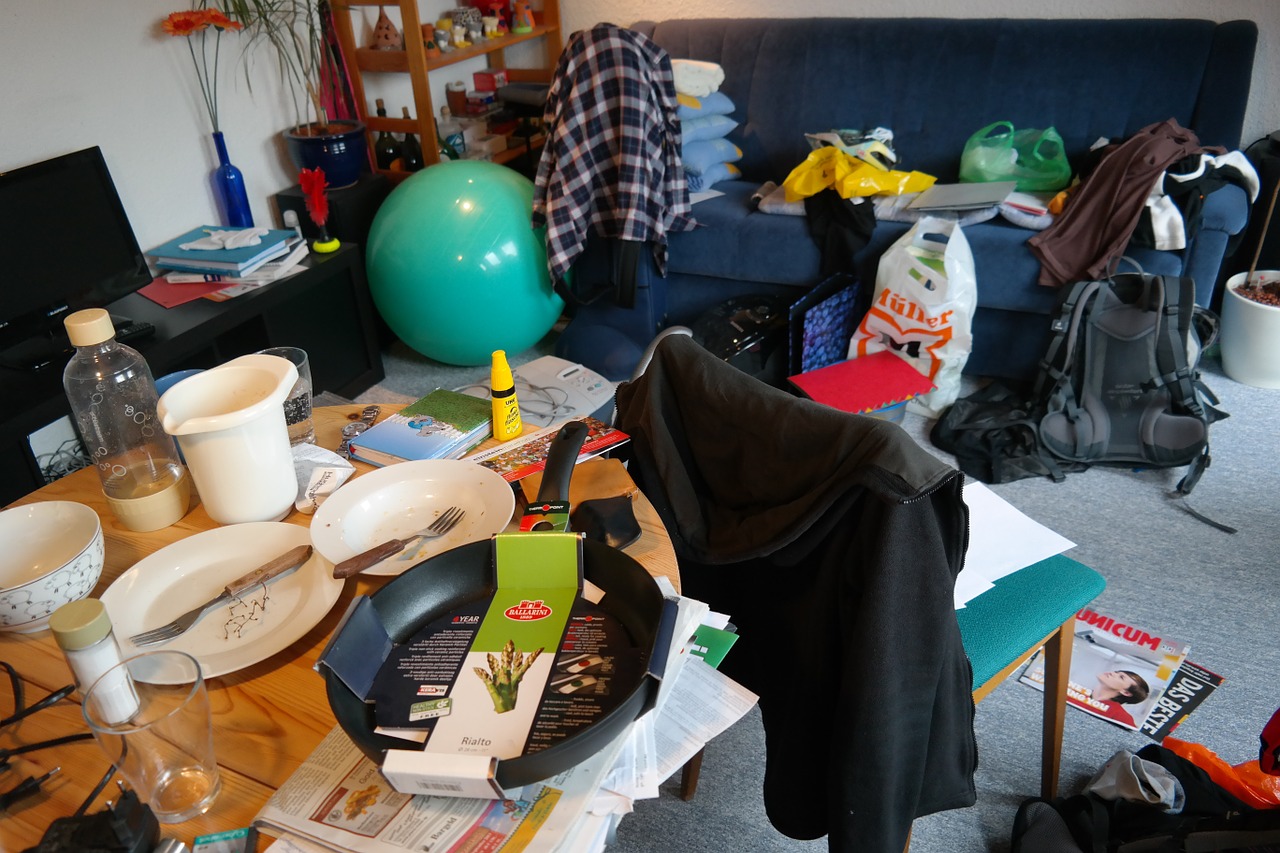
Mental illness and substance abuse only strikes certain zip codes

By David Joel Miller, MS, Licensed Therapist & Licensed Counselor.

The area you live in affects your mental health.
Photo courtesy of Pixabay.com

Why does mental illness only affect those on the south side of town?

Mental illness and substance abuse somehow are able to single out certain zip codes to focus its ravages on. Here in the central part of California, those zip codes are generally on the south sides of towns. I thought it was only here in my neck of the plains that serious mental health issues and the disease of addiction knew to focus its efforts on certain parts of town.

I see from another blogger’s post that there is now an outbreak of this phenomenon going on in New England. It seems that these debilitating disorders know to only strike on the south side of town (poor neighborhood) while there are never any people with mental health issues or drug addiction in those areas on the north sides of towns (Wealthy or closer to it.)

The powers that be have warned repeatedly that placing any form of treatment facility in the north end of town would only draw those people who chose to be mentally ill or addicted to those more northern areas.

Those of you who live in other regions, particularly where there are north and south-flowing rivers may find that this divide will be an east-west phenomenon. But in those situations, the disorders and the diseases still will be able to find the correct zip codes to inhabit.

People in upscale neighborhoods do have their problems. Some of them have medical issues that require daily maintenance on injectable narcotics, but they are not drug addicts. There are also those that have chemical imbalances and need frequent monitoring by their psychiatrist.

These are good normal people who have adequate insurance and can pay ready cash to private medical practitioners to have their needs met.

On the south side of town, we find those people who have lower or no incomes and as a result, they do not get chemical imbalances or need maintenance on prescription medications. These residents of the south side, singled out so it would appear solely because of their zip code, develop serious and persistent mental illnesses and addictions.

One way governmental agencies can ameliorate these geographic issues is to locate as many facilities as possible for the mentally ill in those areas

Recovery and halfway houses are frequently co-located with large sources of drugs and crime to reduce the travel time between recovery and relapse.

Given that the seriously and persistently mentally ill are more likely to be victims of violence than perpetrators it makes sense to avoid locating services for them in northern zip codes that would place them in wealthier, lower crime areas and to concentrate facilities for the mentally ill as close to known concentrations of prostitutes and drug dealers as possible.

This entirely logical system of locating the predators and the prey within easy reach of each other has not been universally recognized. Many seriously and persistently mentally ill continue to try to live in the wrong zip codes despite the need to make long journeys to the south side to get their treatment.

Clearly, not everyone has gotten the message that the mentally ill live only on the south side of town. Frequently misguided people from the wealthier neighborhoods present requesting services. Some mistakenly think that because they are now out of work and their insurance is curtailed that they have moved from the chemically imbalanced to the seriously and persistently mentally ill group. They need to be gently reminded there are not services for their problems as “those kinds of people” do not live in the more northern (wealthier neighborhoods.)

Despite all our efforts to sort this out, people on the north end of town continue to believe that they are addicted to something like a drug or alcohol and need treatment. The usual procedure for these misguided folk is to remind them there are no drug addicts in those zip codes and they need to seek services in the south part of town where the addicts live or preferable move and live there.

Despite the best effort on the part of the powers-that-be to keep serious and persistent mental illness and addiction out of their neighborhood, there are those residents who do not comply with the program and insist on getting ill even when they live in the wrong zip code.

As an old man once remarked, my dad was the town drunk, if we had only had more money he could have been an alcoholic like the mayor.

So much for keeping “those” kinds of people out of our neighborhood.

Staying connected with David Joel Miller

Seven David Joel Miller Books are available now!

My newest book is now available. It was my opportunity to try on a new genre. I’ve been working on this book for several years, but now seem like the right time to publish it.

Story Bureau.

Story Bureau is a thrilling Dystopian Post-Apocalyptic adventure in the Surviving the Apocalypse series.

Baldwin struggles to survive life in a post-apocalyptic world where the government controls everything.

As society collapses and his family gets plunged into poverty, Baldwin takes a job in the capital city, working for a government agency called the Story Bureau. He discovers the Story Bureau is not a benign news outlet but a sinister government plot to manipulate society.

Bumps on the Road of Life. Whether you struggle with anxiety, depression, low motivation, or addiction, you can recover. Bumps on the Road of Life is the story of how people get off track and how to get your life out of the ditch.

Dark Family Secrets: Doris wants to get her life back, but small-town prejudice could shatter her dreams.

Casino Robbery Arthur Mitchell escapes the trauma of watching his girlfriend die. But the killers know he’s a witness and want him dead.

Planned Accidents  The second Arthur Mitchell and Plutus mystery.

Letters from the Dead: The third in the Arthur Mitchell mystery series.

What would you do if you found a letter to a detective describing a crime and you knew the writer and detective were dead, and you could be next?

Sasquatch. Three things about us, you should know. One, we have seen the past. Two, we’re trapped there. Three, I don’t know if we’ll ever get back to our own time.

For these and my upcoming books; please visit my Author Page – David Joel Miller

Want the latest blog posts as they publish? Subscribe to this blog.

For videos, see: Counselorssoapbox YouTube Video Channel

15 Ways to avoid recovery

By David Joel Miller, MS, Licensed Therapist & Licensed Counselor.

Ball recovery

Recovery and Resiliency.
Photo courtesy of Pixabay.com

How to avoid doing anything that might change your situation.

Stay in the problem.

Spend all the time you can rehashing the pain of the past. Remember every slight and daily tell everyone who will listen, why your current situation is someone else’s fault. Feel helpless and overwhelmed and never, I say never, do anything that might change the way you feel or the things you do.

This is your problem, you earned it and you deserve to roll around and wallow in it until everyone feels appropriately sorry for you.

Look for evidence you are right.

Since your problem is someone else’s fault you need to gather evidence of why they are wrong, why they should not have done that, and why it is all their fault. Do not ever consider that you could have made any contribution to the problem.

If you stayed in a bad relationship, then, of course, you had to stay and it is all their fault that you never made any changes.

Focus on your failures.

You are in pain, your life is a mess, of course, you are a failure. You never had a chance and as above it is all someone else’s fault.

Look for all the things you have done wrong. Turn them over and over in your mind and never let them go.

Discount any possible successes. Those things you did that other people would think were successes; you know they were no big thing. Your one failure cancels out anything that you could ever do to be a success.

Remember and relive your failures daily until you are firmly convinced there is no point in trying anything as it will all turn out badly anyway.

Relive your tragedies.

Never let a tragedy go. Revisit them daily, more often if possible. Take that bad memory out and turn it around. Look for more ways to feel bad about it. Gather more evidence of how you are worthless and how it is all someone else’s fault. Magnify your failings and insecurities. Rewrite that event if possible to add more guilt, shame, and helplessness than before.

Turn the magnifier on any problem you find.

Do not be content with one or two problems. Spend all day, every day, looking for things that can turn out badly.

What is the worst possible case? Can you make that outcome even worse? Say you find some money, it might be counterfeit, you might get arrested; better not pick that money up.

Never try anything new – stick to what does not work.

Stay with the familiar even if it is not working. Do not ever vary from the path to failure. Tell yourself over and over there is no point in trying anything new as it will only turn out worse than the awful way things are now.

If something does not work do more of it more often.

Whatever is wrong in your life has to be bad luck and the fault of others. You need to keep doing the things you have been doing over and over. Sooner or later you will prove that it is not your fault and there is no point in you trying at all.

Avoid learning any new behaviors.

Do not ever learn anything new. There is a risk that this new thing will change your situation and you have by now convinced yourself that all change is bad and that things can only get worse.

Stay focused on the pain of the past.

Do not ever take your eyes off the past pain. Revel in it. Wear that pain as a badge of honor. You deserve to suffer, your suffering is noble and no one needs to take that pain away from you.

Your continued suffering proves that it is not your fault, it is someone else’s fault and you want the whole world to envy how much you suffer.

Never live in the present or plan for the future.

Avoid people and things that might be pleasurable. Ruminate on the past as a way to stay stuck in the problem. Let today take care of its self. Since you do nothing to plan or prepare for the future you will be able to stay in this pain and add more as things continue to go wrong.

Practice quitting and giving up.

If anything starts to go well quit immediately. There is no use getting your hopes up. You know that by not trying you can stay where you are, and having anything change in your life for the better would be just too scary. You know things are so bad they can only get worse. Savor that pain and suffering.

Do not seek out advice or new knowledge.

These are your problems, never share them with anyone. Hide your issues, suffer in silence and you already know all you will ever need to know to maintain the suffering. Never ask for help or look for solutions.

You have established that you need to suffer until the person whose fault this all is has been thoroughly punished by having to see you suffer.

Stick to one thing and don’t try anything else.

What you are doing is the best you could ever do. Stay stuck. No point in trying anything else.

Avoid anything that would be work.

If anyone suggests a solution for your problems search diligently for all the reasons that this new solution might fail. Greet every suggestion with a “NO, But” or a “Yes, But” response. Be ready to explain why nothing could possibly help you as your problems are insurmountable.

Take the easy way out whenever possible.

If anything would require effort do not do it. Always take the easiest way out. Exercise is beyond you, so are making positive changes in your life.

There you have it – 15 ways to avoid recovery.

What you say? You want recovery? You do think you deserve to get better and have a happy life? Then just turn these recovery prevention plans around and do the opposite and you may find that as you make changes and seek help your life gets a whole lot better.

Staying connected with David Joel Miller

Seven David Joel Miller Books are available now!

My newest book is now available. It was my opportunity to try on a new genre. I’ve been working on this book for several years, but now seem like the right time to publish it.

Story Bureau.

Story Bureau is a thrilling Dystopian Post-Apocalyptic adventure in the Surviving the Apocalypse series.

Baldwin struggles to survive life in a post-apocalyptic world where the government controls everything.

As society collapses and his family gets plunged into poverty, Baldwin takes a job in the capital city, working for a government agency called the Story Bureau. He discovers the Story Bureau is not a benign news outlet but a sinister government plot to manipulate society.

Bumps on the Road of Life. Whether you struggle with anxiety, depression, low motivation, or addiction, you can recover. Bumps on the Road of Life is the story of how people get off track and how to get your life out of the ditch.

Dark Family Secrets: Doris wants to get her life back, but small-town prejudice could shatter her dreams.

Casino Robbery Arthur Mitchell escapes the trauma of watching his girlfriend die. But the killers know he’s a witness and want him dead.

Planned Accidents  The second Arthur Mitchell and Plutus mystery.

Letters from the Dead: The third in the Arthur Mitchell mystery series.

What would you do if you found a letter to a detective describing a crime and you knew the writer and detective were dead, and you could be next?

Sasquatch. Three things about us, you should know. One, we have seen the past. Two, we’re trapped there. Three, I don’t know if we’ll ever get back to our own time.

For these and my upcoming books; please visit my Author Page – David Joel Miller

Want the latest blog posts as they publish? Subscribe to this blog.

For videos, see: Counselorssoapbox YouTube Video Channel

If you think fast are you crazy? Does jumping to conclusions make you delusional?

By David Joel Miller, MS, Licensed Therapist & Licensed Counselor.

Delusions.

Delusions.
Photo courtesy of Pixabay.com

People with delusions and delusion like thinking have been linked to fast thinking.

There is a body of research that links jumping to conclusions with having delusional thinking.

This has me concerned for several reasons. I have read a number of these studies recently and while they seem to have been rigorously done, I think there are flaws in their logic. I am also concerned that if we define one reasoning pattern as “normal” and another way of thinking as “delusion” there may be implications for the way these people get treated.

There are two problems with this research. Who gets labeled delusional and how that gets measured. I am suspicious that both are biased.

Who gets called delusional?

One study reports that a constant finding in the research is that the younger you are the more “delusional” you are. Presumably, this definition of delusional has to do with looking at a set of facts and circumstances and coming up with the “wrong” answer. In these studies, the wrong or “delusional” answer was anything the researcher did not agree with.

Another group that has higher than expected rates of “delusional” diagnosis is urban residents. This is disconcerting as this century is reported to be the first time in the history of the world that the majority of people on earth now live in urban settings. From this line of reasoning moving to the city makes you delusional.

Having a lower-income, living alone, and being unemployed also result in receiving a label of delusional. Men and non-English speaking immigrants also get labeled delusional more often as do those who are never married or divorced.

One other factor that increases the likelihood of being given a designation of delusional is a history of alcohol abuse and drug abuse, especially marijuana use.

All in all, it would appear that minorities and lower socioeconomic status groups are more likely to be labeled delusional.

The tests for delusions.

Groups of research subjects were given a test to assess their thinking process and its relationship to delusions. The thing being studied is a way of thinking called “jumping to conclusions.”

For now, I will accept the tests or screening devices and focus on the connection between the “delusion-prone group” and the Jumping to conclusion experiment.

The marbles (or bead) test.

Participants in this experiment were shown two jars of beads, one jar contains 85 white beads and 15 black ones. The other jar contains 85 black beads and 15 white ones.

The researcher then hides the jars and begins drawing beads from one of the jars. They wanted to see how many beads you will need to make a decision on which jar they are coming from. They also compared the “delusion-prone group.” to an apparently normal control group.

Most psychology experiments are conducted on rats. When rats are not available the researchers use the next best thing, college undergraduate students. Most “Jumping to conclusions” experiments are conducted on college undergraduates, a group not known for its rationality.

One thing that I do not see mentioned is the significance of being right or wrong on your estimate of which jar the beds come from. This may be invalidating the whole jumping to conclusions research paradigm.

What are the advantages of being right and the disadvantages of being wrong in this experiment? Would those intangible payoffs overpower the Jumping to conclusion effects?

What if your life or the life of someone you loved depended on getting the right answer? How sure would you need to be then?

Say the first bead is white. There is an 85% chance that the jar is mostly white and a 15% chance the jar is mostly black. Let’s say, to keep the math simple, you make a hypothesis that this bead came from the white jar, are you willing to bet your life? The second bead is also white. There is now a .025 % chance two white beads in a row are coming from the black jar.  By the fourth white bead, we are down to about 4 chances out of 10,000 that these are coming from the black jar.

Now, are you willing to bet your life?

Since there is no gain to be had for risking my life in this scenario I would hold out until there have been 16 white beads drawn. This could require as many as 36 draws. At that point, all the low occurrence beads should have been drawn and whichever color has 16 has to tell me the jar. So if my life depended on it I would hold out until the very last draw needed to be absolutely certain.

What if you could win money?

What if the experimenter offered me $100 if I could guess correctly on the first bead and the amount I would win declined by half after each draw? Assume the risk of death is off the table now.

Some of us would take a shot after one draw and go for the whole $100. Some of you more cautious types would want the second bead to increase your chances even though you now get only $50. A very few of you would wait for the third bead and play it safe to improve your chances even at the risk of only getting $12.50. My guess is that how long you wait will not be anywhere near as long as if your life was at stake.

Last example.

Let’s say the money was on a table behind a door. There is a whole string of doors. But behind one door there is a hungry lion that would eat you. To see the jar in this room you need to enter the room and then find the light switch to turn on the light. If you opened the door a crack and heard a lion roar would you go ahead and go in there and see if the lion was really there? Or would you try another door?

I would slam that door fast and then open the next one a crack to see if I got the roar again even if I was not sure which door the roar had come from.

Now back to the whole jumping to conclusions test. Would a group of accounting students tend to be more conservative and wait longer to make choices? Would a group of day traders make quicker decisions?

So while making quick decisions may increase the risk of making errors and some of these errors could be seen as delusions. At some point in our human history the ability to make quick decisions could have strong advantages. If you live in a poor, crime-ridden, neighborhood today, those quick decisions could save your life.

I am a lot suspicions that the researchers have proved that those people who make quick decisions, they term it that, jumping to conclusions have established a connection between their jar of beads and delusions.

I might try to guess after the first draw just to try to beat their game and they being more conservative and needing lots of evidence before they can conclude anything, would wait as long as possible before concluding anything.

More to come on delusions and how they may be affecting your life.

But the take away from all this, I remain unconvinced that making quick decisions even when you will make more wrong things is a bad thing or that we should call this delusional. Creative people try more things, some of these efforts work out and some do not. That does not equal delusional or mentally ill in my book.

Staying connected with David Joel Miller

Seven David Joel Miller Books are available now!

My newest book is now available. It was my opportunity to try on a new genre. I’ve been working on this book for several years, but now seem like the right time to publish it.

Story Bureau.

Story Bureau is a thrilling Dystopian Post-Apocalyptic adventure in the Surviving the Apocalypse series.

Baldwin struggles to survive life in a post-apocalyptic world where the government controls everything.

As society collapses and his family gets plunged into poverty, Baldwin takes a job in the capital city, working for a government agency called the Story Bureau. He discovers the Story Bureau is not a benign news outlet but a sinister government plot to manipulate society.

Bumps on the Road of Life. Whether you struggle with anxiety, depression, low motivation, or addiction, you can recover. Bumps on the Road of Life is the story of how people get off track and how to get your life out of the ditch.

Dark Family Secrets: Doris wants to get her life back, but small-town prejudice could shatter her dreams.

Casino Robbery Arthur Mitchell escapes the trauma of watching his girlfriend die. But the killers know he’s a witness and want him dead.

Planned Accidents  The second Arthur Mitchell and Plutus mystery.

Letters from the Dead: The third in the Arthur Mitchell mystery series.

What would you do if you found a letter to a detective describing a crime and you knew the writer and detective were dead, and you could be next?

Sasquatch. Three things about us, you should know. One, we have seen the past. Two, we’re trapped there. Three, I don’t know if we’ll ever get back to our own time.

For these and my upcoming books; please visit my Author Page – David Joel Miller

Want the latest blog posts as they publish? Subscribe to this blog.

For videos, see: Counselorssoapbox YouTube Video Channel

Did psychology and psychiatry get a divorce- or are they just separated

By David Joel Miller, MS, Licensed Therapist & Licensed Counselor.

Divorce.
Photo courtesy of Pixabay.com

Why talking about mental health, mental illness and personality are so confusing.

Psychology and mental health treatment started out in a pretty close intimate relationship. Over the years the two disciplines have drifted apart.

Freud and Jung started us on the path to using talk therapy to help people overcome life problems and to treat mental illnesses.

The longer we have been on this path the more the disciplines of psychology and mental health have diverged. Today it seems that they are not even talking as we use very different language to describe the same or similar situations.

One place this results in confusion is when people tell their mental health practitioner about a symptom using psychology terms to describe what they are going through. One definition of Psychology is an academic and applied discipline that involves the scientific study of mental functions and behaviors.

This is quite different from the study of mental illness through the two may at times overlap. Both fields are struggling with finding and measuring mental wellness.

Psychiatry is mostly about diagnosing an illness.

In this way of thinking, you are sick or you are not. Some of this distinction comes from the ongoing division between categorical approaches, you have A or you do not have A, and continuum methods in which you move from mild symptoms to more severe symptoms and at some point, they get severe enough to need treatment.

Psychology talks a lot about how your brain works and how people make decisions. So one group of practitioners gives you one label and another gives you a different one. They aren’t even talking about the same things.

I see things in posts about being an ENTJ or similar designation. This comes from psychology’s effort to classify people’s basic personality. You will not find these designations in the DSM-5 which the mental health community uses to diagnose an illness. This results in some extreme frustration on the part of clients when we say there is nothing wrong with them and they know they are suffering.

An example.

You say you are shy. There is nothing called shyness in the DSM, therefore you are not mentally ill.  You say “but you don’t understand, I am very very shy.” Sorry, that is not a mental illness and your insurance company or the public system will not pay to treat your personality. They also do not pay for personal development or growth experiences. You need to be sick to get treated.

You say but I am so shy I can’t leave my house to work. I am afraid of being around people and I can’t see my friends anymore. My shyness is keeping me a prisoner in my own home. Your clinician says sorry, shy is not a mental illness we can’t treat that.

WAIT A MINUTE – Did you say you can’t leave the house? That could be Agoraphobia. You can’t be around people – could that be Social Phobia? While we can’t treat shy we can treat Agoraphobia or Social anxiety disorders.

See how the difference in terminology can cause problems?

Hyperthymic vs. Bipolar.

This came up in my series of posts on Hyperthymia. In mental health, you have Bipolar I, Bipolar II, Bipolar NOS, or Cyclothymia. Hyperthymia is a personality type, not a mental illness so we don’t treat personality types.  We consider most types of personality as just the way you are. So until it gets severe and we can give you a diagnosis this is not an illness and this is, from our viewpoint not serious.

Personality “Disorders” are whole other creature, again only loosely related to these personality types people learn in psychology classes.

In past posts, I have talked about the research on Hypothermia. Most of this is academic research and they see hypothermia as on a continuum. You could have varying levels of Hyperthymia. Some Hyperthymia is severe and needs treatment in their book. But since it is not in the DSM we therapists types look at this as one of those “just how you are” things. We don’t treat it until it gets severe enough to be reclassified as a disorder on the Bipolar spectrum. Once we call it something else it gets treated.

In upcoming posts, I want to talk about Delusions. For mental health practitioners delusions are symptoms of a relatively few mental illnesses. For the psychology researchers there are delusions and delusion-like experiences and so on. Since we have varying definitions and criteria this material may take a little translating. Hence I have tried to explain in this post why the various sorts of similar professions may not agree about what the research says and means.

Until next time stay happy or on your path to happiness and let’s see where this adventure we call recovery may take us.

Staying connected with David Joel Miller

Seven David Joel Miller Books are available now!

My newest book is now available. It was my opportunity to try on a new genre. I’ve been working on this book for several years, but now seem like the right time to publish it.

Story Bureau.

Story Bureau is a thrilling Dystopian Post-Apocalyptic adventure in the Surviving the Apocalypse series.

Baldwin struggles to survive life in a post-apocalyptic world where the government controls everything.

As society collapses and his family gets plunged into poverty, Baldwin takes a job in the capital city, working for a government agency called the Story Bureau. He discovers the Story Bureau is not a benign news outlet but a sinister government plot to manipulate society.

Bumps on the Road of Life. Whether you struggle with anxiety, depression, low motivation, or addiction, you can recover. Bumps on the Road of Life is the story of how people get off track and how to get your life out of the ditch.

Dark Family Secrets: Doris wants to get her life back, but small-town prejudice could shatter her dreams.

Casino Robbery Arthur Mitchell escapes the trauma of watching his girlfriend die. But the killers know he’s a witness and want him dead.

Planned Accidents  The second Arthur Mitchell and Plutus mystery.

Letters from the Dead: The third in the Arthur Mitchell mystery series.

What would you do if you found a letter to a detective describing a crime and you knew the writer and detective were dead, and you could be next?

Sasquatch. Three things about us, you should know. One, we have seen the past. Two, we’re trapped there. Three, I don’t know if we’ll ever get back to our own time.

For these and my upcoming books; please visit my Author Page – David Joel Miller

Want the latest blog posts as they publish? Subscribe to this blog.

For videos, see: Counselorssoapbox YouTube Video Channel

Every day is April Fools’ Day when you are fooling yourself

By David Joel Miller, MS, Licensed Therapist & Licensed Counselor.

Fool.

Fool.
Photo courtesy of Pixabay.com

Do you know what is real and what is a hoax?

Today is April First. In many places, people will be celebrating April Fools’ Day. This day is dedicated to a whole lot of fun practical jokes and good times. Not everyone should be laughing.

The challenge in life is to tell the difference between the truth and things that are not true, regardless of the label we choose to put on those less-than-true thoughts and comments. Today you may be able to get away with some untruths if you can tell the difference, but not every day.

The falsehoods told today in the course of the April Fools’ Day festivities are in the medieval tradition when Fools were jokesters, comedians, and the like. When we know things are exaggerated and overblown they can be laughable and a bit of silly fun. Not all untruths are innocent.

The most dangerous type of lies is the kind we tell ourselves. People in recovery, from whatever they chose to call their problem, may find that they have been telling lies, giving people stories, so much they have begun to believe their own dishonesty. Substance abusers, required to be dishonest to continue their addiction are at special risk to have stopped seeing the distinction between the true and the false in their own minds.

If you have been telling yourself things that are not true and have started to believe those stories they can be a huge obstacle to overcome on your road to recovery.

People in recovery need to stop worrying about who they told what and begin to get honest with themselves. The most important person to tell the truth to is you.

Some recovering people have been told a lot of things that were not true. Those lies create a lot of pain and sometimes separating the true from the false can be a chore. When the addict starts to get honest the others around them are at risk to become confused about what is true and what is false.

Some people have families who have kept deep dark secrets. Those families can’t stand, to tell the truth. They pressure the other family members to deny things happened and to continue to rely on the make-believe family tale

Lie, falsehoods, and the like are not the only untrue information that takes up residence in our heads. False memories and beliefs, delusions, and hallucinations are also traps for the unwary.

There are technical distinctions between hallucinations and things that are really there. There is a realm of in-between things that the profession has to call in or out. Did you really see that or were you hallucinating? There are reports of things that look like a hallucination but are not.

People with addiction and mental illness may have seen and experienced things that other people tell you never happened.

Sometimes we see something and we decide what that means. If we are correct in our apprised that is all well and good. But what if you are mistaken in what you think this means or what has happened? We might call these false beliefs or even delusions.

It is likely that we can tell when someone else around us is delusional but can you tell when you are delusional? Are there things that kind of look like delusions but are not?

So while walking the road to recovery we need to take a look at hallucinations, false memories, and delusions and try to find ways to understand why our own mind may trick us into believing things that just are not so.

This whole area of what is true what is false and what you think you know is a lot confusing. In some posts over this month I want to explore delusions, hallucinations both true and pseudo, and some other aspects of getting honest with ourselves. Since psychologists and therapists call some of these phenomena by different names and understand it differently I want to start by looking at how these two professions get such different answers and then proceed to some thoughts about why your brain and our survival may have benefited at times from believing things that turn out to not be true.

Stay tuned for more on the subject of the real and the false, truth, and lies over the coming month. These posts will be interspersed with some other topics as they come up so as not to put all the readers to sleep at the same time.

Have a great day fooling around and we will return to the search for reality and recovery tomorrow.

Staying connected with David Joel Miller

Seven David Joel Miller Books are available now!

My newest book is now available. It was my opportunity to try on a new genre. I’ve been working on this book for several years, but now seem like the right time to publish it.

Story Bureau.

Story Bureau is a thrilling Dystopian Post-Apocalyptic adventure in the Surviving the Apocalypse series.

Baldwin struggles to survive life in a post-apocalyptic world where the government controls everything.

As society collapses and his family gets plunged into poverty, Baldwin takes a job in the capital city, working for a government agency called the Story Bureau. He discovers the Story Bureau is not a benign news outlet but a sinister government plot to manipulate society.

Bumps on the Road of Life. Whether you struggle with anxiety, depression, low motivation, or addiction, you can recover. Bumps on the Road of Life is the story of how people get off track and how to get your life out of the ditch.

Dark Family Secrets: Doris wants to get her life back, but small-town prejudice could shatter her dreams.

Casino Robbery Arthur Mitchell escapes the trauma of watching his girlfriend die. But the killers know he’s a witness and want him dead.

Planned Accidents  The second Arthur Mitchell and Plutus mystery.

Letters from the Dead: The third in the Arthur Mitchell mystery series.

What would you do if you found a letter to a detective describing a crime and you knew the writer and detective were dead, and you could be next?

Sasquatch. Three things about us, you should know. One, we have seen the past. Two, we’re trapped there. Three, I don’t know if we’ll ever get back to our own time.

For these and my upcoming books; please visit my Author Page – David Joel Miller

Want the latest blog posts as they publish? Subscribe to this blog.

For videos, see: Counselorssoapbox YouTube Video Channel