
Communication is not what you think

By David Joel Miller, MS, Licensed Therapist & Licensed Counselor.

Talking to yourself

Communication.
Photo courtesy of Pixabay.com

Why communication is not getting you anywhere.

Ever feel like “We just can communicate?” Ever say that? The old standby in counseling, especially relationship counseling, is to teach people to be better communicators. Usually, the clients are disappointed with the results.

Everyone communicates all the time. If someone gives you the cold shoulder you know what that means, right? The stone wall and the icy silence speak more than words could ever say.

It really is impossible to not communicate. Most of us are pretty good at communicating angry, hurtful messages. It is the happy, helpful messages that get lost between people.

The problem lies in what people mean when they say they can’t communicate.

Most of the time people who say they can’t communicate mean one or more of the following things, sometimes all of them.

The other person does not do what you want them to.

Good communication does not mean the other person will give in and do what you want. Improving your communication skills will not suddenly have you winning all the arguments. What it might do is increase the chances you could have a discussion with the other person and you could find a solution to a problem that works for both of you.

If there are fundamental differences in what you want or believe, better communication is not likely to change one of you. What it will do is to help you understand why the other person thinks and feels the way they do. But after all that understanding you two may still not find a way to agree.

Religious differences are a common example of this. You may think communication about your beliefs will change the other person. Occasionally it does. Most of the time this conversation highlights how we put off these conversations as long as possible and then get disappointed when the other person does not come around to our way of thinking.

They don’t like the message they are receiving.

Lots of communication is sabotaged by having so many negative messages included in the communication no one in their right mind would want to listen to this conversation.

Verbally beating your partner up and then excusing that behavior in the name of “communicating” is guaranteed to result in more problems down the line. Just being Honest is no excuse for deliberately hurting someone else and it is not a communication style that is likely to improve a relationship.

Communication is all about the way in which we send and the other person understands the message. If there is an underlying message of “you are no good” or some other negative evaluation, improving communication will likely lead to a realization that the real problem is not the communication but the feelings behind it.

There are immense differences between Criticism, complaining, asking for change. If what you are hearing about yourself from the other person is hurtful, it is hard to hear much else.

They never hear anything good.

We tell parents that they need to “catch their children doing something right.” The principle applies to adults also.

If the only messages we hear are negative, we tune out. The surest way to reduce communication is to only communicate when there is a negative message. A constant stream of negative messages makes the other person stop trying. There is such a thing as “learned helplessness.” When you begin to think that no matter what you do it will never be good enough you stop trying.

Good communication includes small talk.

Human relationships are built by time together, positive time. It is not in the huge weighty matters that relationships are built but in the small day-to-day conversations where you come to know the other person.

Small talk is not a waste of time. It is one way to make relationships closer and more intimate. We grow fond of others not because they are of the correct political party or have the correct view of the world but because we share common interests.

Take time to talk about the colors and textures of life. The best communication comes when you are able to open yourself up and talk about who you really are as a person, way down inside.

Communicate to the other person that they are important enough for you to want to spend time with them. Try to do this without the distraction of other activities that need to be done. Make sure that your time together is not one where you divide your attention between the other person and the T. V. or a computer.

What do you think? As always comments are welcome. Look for more posts on communication and relationship skills in the near future.

More on communication skills can be found at:

Communication is not what you think

Just Being Honest 

Criticism, complaining, asking for change

How are your relationships, how are your communication skills, and for you are the two related?

Staying connected with David Joel Miller

Seven David Joel Miller Books are available now!

My newest book is now available. It was my opportunity to try on a new genre. I’ve been working on this book for several years, but now seem like the right time to publish it.

Story Bureau.

Story Bureau is a thrilling Dystopian Post-Apocalyptic adventure in the Surviving the Apocalypse series.

Baldwin struggles to survive life in a post-apocalyptic world where the government controls everything.

As society collapses and his family gets plunged into poverty, Baldwin takes a job in the capital city, working for a government agency called the Story Bureau. He discovers the Story Bureau is not a benign news outlet but a sinister government plot to manipulate society.

Bumps on the Road of Life. Whether you struggle with anxiety, depression, low motivation, or addiction, you can recover. Bumps on the Road of Life is the story of how people get off track and how to get your life out of the ditch.

Dark Family Secrets: Doris wants to get her life back, but small-town prejudice could shatter her dreams.

Casino Robbery Arthur Mitchell escapes the trauma of watching his girlfriend die. But the killers know he’s a witness and want him dead.

Planned Accidents  The second Arthur Mitchell and Plutus mystery.

Letters from the Dead: The third in the Arthur Mitchell mystery series.

What would you do if you found a letter to a detective describing a crime and you knew the writer and detective were dead, and you could be next?

Sasquatch. Three things about us, you should know. One, we have seen the past. Two, we’re trapped there. Three, I don’t know if we’ll ever get back to our own time.

For these and my upcoming books; please visit my Author Page – David Joel Miller

Want the latest blog posts as they publish? Subscribe to this blog.

For videos, see: Counselorssoapbox YouTube Video Channel

Have you lost your child forever? Parenting after being away.

By David Joel Miller, MS, Licensed Therapist & Licensed Counselor.

Children working

Parentified child.
Photo courtesy of pixabay

How do you reconnect with your children if you have been away a long time?

Recovering people have often been away from their children for extended periods of time, in jail and prison, in rehab programs, or just gone doing their drug of choice. When you have been away from your children for a while, parenting can be especially difficult. Over time they change, you change and the situation changes also. Here are some thoughts on making the transition back home.

The reunification challenges are greatly increased if your child has been in foster care or their other parent has started a new relationship. You may be the biological parent but someone else has been there raising this child while you were gone.

You need their permission to reconnect.

Just being the biological parent does not give you the right to force your way back into their life. Time changes people. Painful as it may be for you, the process needs to move at the child’s pace, not the pace you would want.

The longer you have been away the more your children will have changed. You can’t expect to pick up where you left off. We tend to remember things the way they were and forget how much they will have changed.

Short separations don’t pose the problems that longer separations do. Several clients, I have worked with were away from a decade or more. That cute five-year-old who was starting kindergarten when you went away, would be a teenager now. Your “little girl” may have a boyfriend, piercings, and a whole lot of habits you wish she hadn’t picked up. She won’t take kindly to you coming back after all this time wanting to change her life.

You need to figure out how you fit into the child’s life, not the other way around.

What they went through left wounds.

You may have changed but the only memory they have of you is the way things were. Drug addicts with three days clean wonder why the family can’t forgive them, after all, they quit right? One way people protect themselves is to hold on to that anger or resentment. For some kid,s that has turned to indifference. You left them, whether you chose to or not. Seeing you again can be like being grabbed where the broken bone still hasn’t healed.

They have had to adjust.

Adjusting for the child means developing new relationships. Someone has cared for them, seen that they were fed, taken care of them when they were sick. They got close to that person. They have come to love that person and trust them. They owe that person some loyalty. Reconnecting with you can make them feel like they are betraying the one who cared for them while you were away.

Now suddenly you want them to forget the person who raised them and follow you blindly?  Why should they trust you? You weren’t there?

This is a huge problem if their other parent has started a new relationship. Papernow has written about step-families and tells us that with blended families the new spouse is always an outsider. The parent and the children had a relationship first and the new spouse came second.

If you have been away for a long time you may be in the position of the new stepparent with your own biological children. The child has developed a relationship with their other parent’s new partner. The one who was there all those years has been the one that went to their school activities and played with them.

Biological parent or not you are the new person in the child’s life, and to make it more difficult you are not even living in the house now.

To rebuild this relationship will take time, lots of time and that time will have to fit into your child’s life and their family’s life, not yours.

Reconnecting needs to be a priority.  Lots of people in early recovery fantasize about having those great relationships with their children, the reality is that it takes lots of work and it will probably not live up to your expectations. Lots of people give up. I commend those who are so determined that they stick with the process even when it is less fulfilling than they had hoped.

Staying connected with David Joel Miller

Seven David Joel Miller Books are available now!

My newest book is now available. It was my opportunity to try on a new genre. I’ve been working on this book for several years, but now seem like the right time to publish it.

Story Bureau.

Story Bureau is a thrilling Dystopian Post-Apocalyptic adventure in the Surviving the Apocalypse series.

Baldwin struggles to survive life in a post-apocalyptic world where the government controls everything.

As society collapses and his family gets plunged into poverty, Baldwin takes a job in the capital city, working for a government agency called the Story Bureau. He discovers the Story Bureau is not a benign news outlet but a sinister government plot to manipulate society.

Bumps on the Road of Life. Whether you struggle with anxiety, depression, low motivation, or addiction, you can recover. Bumps on the Road of Life is the story of how people get off track and how to get your life out of the ditch.

Dark Family Secrets: Doris wants to get her life back, but small-town prejudice could shatter her dreams.

Casino Robbery Arthur Mitchell escapes the trauma of watching his girlfriend die. But the killers know he’s a witness and want him dead.

Planned Accidents  The second Arthur Mitchell and Plutus mystery.

Letters from the Dead: The third in the Arthur Mitchell mystery series.

What would you do if you found a letter to a detective describing a crime and you knew the writer and detective were dead, and you could be next?

Sasquatch. Three things about us, you should know. One, we have seen the past. Two, we’re trapped there. Three, I don’t know if we’ll ever get back to our own time.

For these and my upcoming books; please visit my Author Page – David Joel Miller

Want the latest blog posts as they publish? Subscribe to this blog.

For videos, see: Counselorssoapbox YouTube Video Channel

Top blog posts for April 2012

Counselorssoapbox.com

By David Joel Miller, MS, Licensed Therapist & Licensed Counselor.

Here it is – The Best of Blog Recap for April 2012 –

Just in case you missed some of these, this is a second opportunity to check out some of the best posts as measured by reader views.

This month also, a new feature, “My favorite posts.” This category is my chance to mention some older posts and some that may have gotten missed because they were posted early in the blog or at times when many of you readers were away, Tax Day had a lower than normal readership for example.

Top read blog posts of April 2012.

1. Grandma is the Drug Connect

2. How much should you tell a therapist?

3. 13 Ways to make yourself miserable

4. Millions about to Catch a Mental Illness

My favorites, in no particular order

1. Why Can’t We Forget the Painful Past?

2. The Ambulance at the Corner

3. People are like them Trees

4. Bury the Past – Put it in a box

This month has been so gratifying. Thanks to all of you. April has been another record month for views. To date, there have been readers in over 35 countries. Many of you have emailed me to tell me you enjoyed a post. Please feel free to comment on any post. Reader comments help to make this blog more useful to all of us.

Staying connected with David Joel Miller

Seven David Joel Miller Books are available now!

My newest book is now available. It was my opportunity to try on a new genre. I’ve been working on this book for several years, but now seem like the right time to publish it.

Story Bureau.

Story Bureau is a thrilling Dystopian Post-Apocalyptic adventure in the Surviving the Apocalypse series.

Baldwin struggles to survive life in a post-apocalyptic world where the government controls everything.

As society collapses and his family gets plunged into poverty, Baldwin takes a job in the capital city, working for a government agency called the Story Bureau. He discovers the Story Bureau is not a benign news outlet but a sinister government plot to manipulate society.

Bumps on the Road of Life. Whether you struggle with anxiety, depression, low motivation, or addiction, you can recover. Bumps on the Road of Life is the story of how people get off track and how to get your life out of the ditch.

Dark Family Secrets: Doris wants to get her life back, but small-town prejudice could shatter her dreams.

Casino Robbery Arthur Mitchell escapes the trauma of watching his girlfriend die. But the killers know he’s a witness and want him dead.

Planned Accidents  The second Arthur Mitchell and Plutus mystery.

Letters from the Dead: The third in the Arthur Mitchell mystery series.

What would you do if you found a letter to a detective describing a crime and you knew the writer and detective were dead, and you could be next?

Sasquatch. Three things about us, you should know. One, we have seen the past. Two, we’re trapped there. Three, I don’t know if we’ll ever get back to our own time.

For these and my upcoming books; please visit my Author Page – David Joel Miller

Want the latest blog posts as they publish? Subscribe to this blog.

For videos, see: Counselorssoapbox YouTube Video Channel

Caustic Bath Salts Kill

By David Joel Miller, MS, Licensed Therapist & Licensed Counselor.

New drugs

Bath salts.
Photo courtesy of Pixabay.com

Calling these things bath salts is fiction if I ever heard a fanciful tale.

There are also called plant foods. No one I know of is putting this stuff in water and plants that get this stuff aren’t long for this world. What these so-called “bath salts” do is put people in the hospital emergency room. Sometimes they are fatal.

By calling them bath salts or plant food and putting a notice on the label that says “not intended for human consumption” the manufacturers and sellers of these products are getting around the Controlled Substances Act. These products are often found in head shops and boutiques along with glass pipes and “body detox” products. That the sellers know what people will do with these products is clear.

There are no specific ingredients for these products and manufacturers keep changing their formula to keep ahead of the laws. In the process, one key ingredient is becoming the dominant one. Most of the bath salts contain Methcathinone in one form or another.

Don’t confuse Methcathinone with Methamphetamine or Methadone. Pseudoephedrine is a precursor for both Methcathinone and Methamphetamine but the similarities don’t go much farther than that.

Dr. Smith of the Cookeville (Tennessee) Regional Medical Center wrote a two-part series on bath salts recently which appeared in the drugfree.org newsletter. He reports that the effects of Methcathinone are like those of Ecstasy (MDMA) in the early stages but as time goes on the effects become more like Methamphetamine. While Methcathinone was a rare event in the past Dr. Smith reports that he regularly sees people in the emergency room as a result of bath salts.

Methcathinone is a synthetic version of Khat which I mentioned in my recent post 7 New drugs Parents should be aware of.

The effects Dr. Smith reported seeing in the ER from bath salt users included sweating, high body temperature, high blood pressure, low thirst, paranoia, hallucinations, seizures, violence, and self-injurious behavior, including suicidal thoughts and actions.

Deaths have been reported as a result of smoking bath salts, but how common this is, remains unknown. Most toxicology screens are not intended to pick up these rapidly changing synthetic chemicals and they are probably being under-reported.

A further concern is that people who buy their drugs in head shops are consuming an ever-increasing number of synthetic chemicals. The belief here, especially among teens is that since they are being sold legally they are safe or relatively safe. Most young people have no sense of the amount of risk they are taking by using these products.

Adding to their popularity is the belief, not always correctly, that these products will not show on a drug test and therefore are not going to cause any problems.

The American Academy of Pediatrics (AAP) has issued a report to physicians on spotting the side effects from smoking synthetic drugs. These drugs, particularly “synthetic marijuana” or synthetic cannabinoids resulted in over 4,500 calls to poison control centers in the United States in a one-year period.

Among the reported symptoms of high levels of synthetic cannabinoids are agitation, excess sweating, and inability to speak.

The sale and use of synthetic recreational drugs, both bath salts, and synthetic marijuana, is an evolving problem that is currently poorly recognized or treated.

Staying connected with David Joel Miller

Seven David Joel Miller Books are available now!

My newest book is now available. It was my opportunity to try on a new genre. I’ve been working on this book for several years, but now seem like the right time to publish it.

Story Bureau.

Story Bureau is a thrilling Dystopian Post-Apocalyptic adventure in the Surviving the Apocalypse series.

Baldwin struggles to survive life in a post-apocalyptic world where the government controls everything.

As society collapses and his family gets plunged into poverty, Baldwin takes a job in the capital city, working for a government agency called the Story Bureau. He discovers the Story Bureau is not a benign news outlet but a sinister government plot to manipulate society.

Bumps on the Road of Life. Whether you struggle with anxiety, depression, low motivation, or addiction, you can recover. Bumps on the Road of Life is the story of how people get off track and how to get your life out of the ditch.

Dark Family Secrets: Doris wants to get her life back, but small-town prejudice could shatter her dreams.

Casino Robbery Arthur Mitchell escapes the trauma of watching his girlfriend die. But the killers know he’s a witness and want him dead.

Planned Accidents  The second Arthur Mitchell and Plutus mystery.

Letters from the Dead: The third in the Arthur Mitchell mystery series.

What would you do if you found a letter to a detective describing a crime and you knew the writer and detective were dead, and you could be next?

Sasquatch. Three things about us, you should know. One, we have seen the past. Two, we’re trapped there. Three, I don’t know if we’ll ever get back to our own time.

For these and my upcoming books; please visit my Author Page – David Joel Miller

Want the latest blog posts as they publish? Subscribe to this blog.

For videos, see: Counselorssoapbox YouTube Video Channel
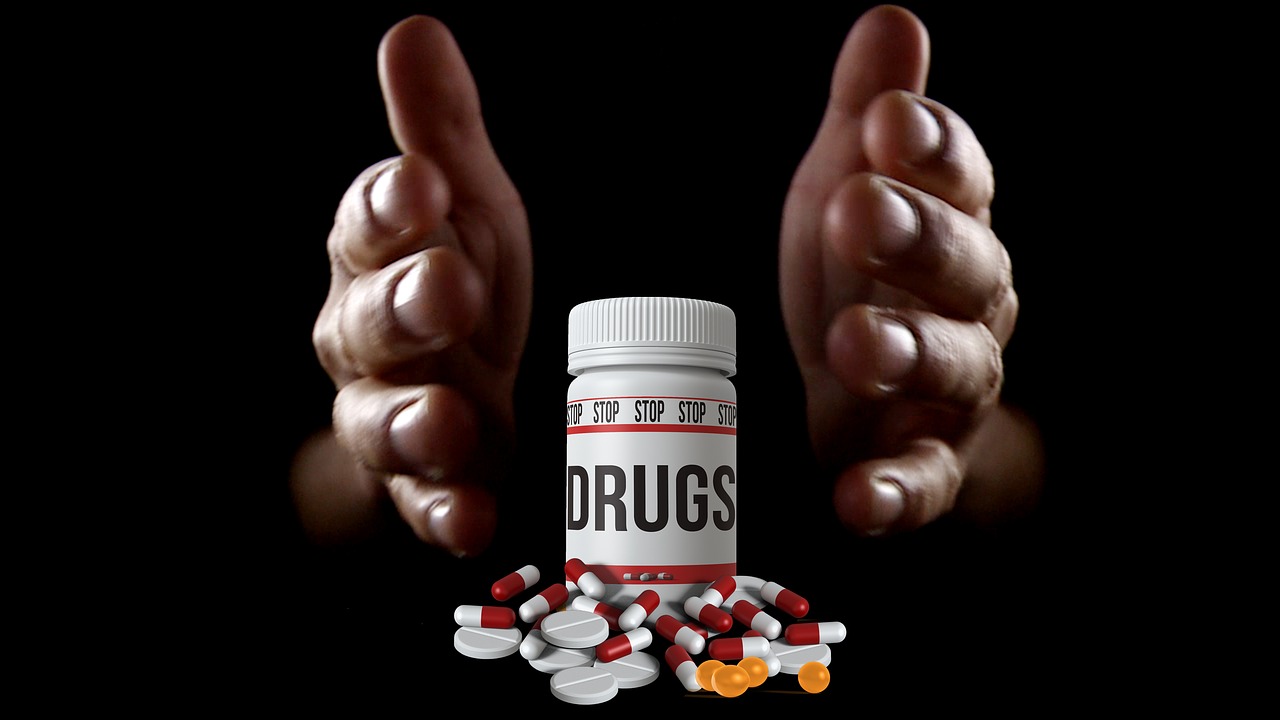
More ways to mess up your mind

By David Joel Miller, MS, Licensed Therapist & Licensed Counselor.

Drugs.

Drugs.
Photo courtesy of Pixabay.

Drug use articles making news – parents beware.

Over the last week, a lot of articles have appeared in the news about the effects of new trends in drug use. In a previous post, I talked about new drugs and drug trends. Here are the latest developments on that front.

Drug use during pregnancy.

A recent study reported that there are more and longer-term effects of methamphetamine use on children. My experience in counseling in California’s central valley led me to expect to see more of this and now we are. A large multi-site study shows that children with perinatal exposure to Meth have long-term problems with behavior. The symptoms look a lot like ADHD but include lots of other behavior problems and learning disabilities.

Counselors have learned to be skeptical of these kinds of studies, but this one is different. A lot was made out of the phenomenon of “Crack babies.”  Long-term studies were not as certain. Crack babies were being born prematurely and with low birth weight, but given good care, they did catch up. Many of the early problems in “Crack babies” diminished as the child matured. Not so with meth babies.

Meth babies are often born prematurely with low birth weight also. Yes given good care, they put on the weight and mature also. But unlike Crack babies, the Meth children do not seem to be outgrowing their problems.

Now in all fairness and the interest of honesty here, pregnant women who knowingly use meth during pregnancy are not the largest part of the problem.

The injury done to the unborn by the mother’s use of drugs depends on the point in the pregnancy at which the mother consumes the drugs. A whole lot of damage gets done during the first trimester of pregnancy when women do not yet know they are pregnant. This is particularly an issue for young women who may underestimate the chance of getting pregnant for the first time.

We should also remember that no matter how serious the damage which was done to the unborn by meth or cocaine, there is another drug that is doing more damage. One drug alone accounts for more than half of all the avoidable birth defects – and that one drug is – Alcohol.

Kratom use is picking up in the U. S.

This drug is banned in its native country but is being produced in the U. S. now. It is also more available than ever via the internet. Like most other drugs that some people use to get high, this drug now has a fan club that wants to promote the benefits of “Medical Kratom.”

Synthetic Marijuana use goes up.

Doctors in emergency rooms are seeing and sometimes missing overdoses of synthetic marijuana. Clients in substance abuse programs have been caught smoking these products to get high because they think they will not get detected by drug tests. The synthetic marijuana’s does show up in the toxicology screens but E. R. doctors are missing this because the symptoms can vary so much from one person to another. Over ten percent of high school students are reporting they have smoked synthetic marijuana. Symptoms go anywhere from a mild high to psychosis and catatonia. Hearing voices and not being able to move is not what people expect from smoking this drug but it can happen.

Energy drinks send their users to the E. R.

Getting your energy from a bottle or a can may not be all we thought it was. Hospital emergency room visits for people, mainly men, under the influence of energy drinks has gone up 1,000% since 2005. Some brands contain not only caffeine but lots of other stimulant chemicals. When the stimulants kick in especially when combined with coffee or other caffeinated beverages the symptoms can look like a heart attack.

Even more serious is the combination of energy drinks and alcohol. People think they are ok because of the stimulant in the energy drink but are impaired by the alcohol without knowing it.

Khat may be banned in the Netherlands.

Now when a country with notoriously liberal drug laws bans a new drug we have to wonder what is up with this one. Some people are suggesting that the reason the Netherlands is banning Khat is racially motivated, most Khat users are also ethnic Somali or from eastern African. The official government version is that this is not about race but because of the problems they are seeing with those who use Khat on a regular basis.

The liberal drug laws of Amsterdam may be fading away. What the Netherlands has found is that while liberal drug laws may have helped control some diseases in the population it has also attracted a lot of drug addicts from other European countries. Some articles suggest that even Amsterdam is no longer enthralled with being the drug tourist attraction it once was.

So there you have it. Some updates to my last post about new drug trends parents should keep in mind.

Till next time, David Miller, LMFT, LPCC

Staying connected with David Joel Miller

Seven David Joel Miller Books are available now!

My newest book is now available. It was my opportunity to try on a new genre. I’ve been working on this book for several years, but now seem like the right time to publish it.

Story Bureau.

Story Bureau is a thrilling Dystopian Post-Apocalyptic adventure in the Surviving the Apocalypse series.

Baldwin struggles to survive life in a post-apocalyptic world where the government controls everything.

As society collapses and his family gets plunged into poverty, Baldwin takes a job in the capital city, working for a government agency called the Story Bureau. He discovers the Story Bureau is not a benign news outlet but a sinister government plot to manipulate society.

Bumps on the Road of Life. Whether you struggle with anxiety, depression, low motivation, or addiction, you can recover. Bumps on the Road of Life is the story of how people get off track and how to get your life out of the ditch.

Dark Family Secrets: Doris wants to get her life back, but small-town prejudice could shatter her dreams.

Casino Robbery Arthur Mitchell escapes the trauma of watching his girlfriend die. But the killers know he’s a witness and want him dead.

Planned Accidents  The second Arthur Mitchell and Plutus mystery.

Letters from the Dead: The third in the Arthur Mitchell mystery series.

What would you do if you found a letter to a detective describing a crime and you knew the writer and detective were dead, and you could be next?

Sasquatch. Three things about us, you should know. One, we have seen the past. Two, we’re trapped there. Three, I don’t know if we’ll ever get back to our own time.

For these and my upcoming books; please visit my Author Page – David Joel Miller

Want the latest blog posts as they publish? Subscribe to this blog.

For videos, see: Counselorssoapbox YouTube Video Channel

More child sexual predators?

Counseling questions

Counseling questions.
Photo courtesy of Pixabay.com

Have you lost track of the number of reports in the news of people abusing children? I know I have. One topic of discussion around the water coolers and in the media these days is the number of these reports and the number of times the thing we fear most, turns out to be true. Which makes one wonder- is there more child abuse, especially child sexual abuse, going on these days?

We are correct to distrust reports of more – or fewer predictors these days. More people being arrested does not mean more incidents. It is very likely that children have been victimized since time began, which is not to excuse it, just to say we can’t be sure there is more going on now. But the number, frequency, and severity of children being abused are beyond troubling.

With children, professionals like myself are what is called “mandated reporters” which means if we know or reasonably suspect someone is harming a child we are required to report this. From the number of adults who end up in therapy as a result of being victims of sexual abuse, it seems clear that this has been going on largely overlooked for a long time. Mostly we don’t like to think that someone who is working with children might be harming them. The stranger molester is very rare, most of the time the person harming kids is someone that is close to them and is respected by the community.

Beyond the pain of the first abuse, most adult victims will tell you the most painful part of being a victim was the number of adults who dismissed the claim or covered up for the perpetrator. I read that one child victim was punished for “making stories up” about his abuser. Years later we find out that this victim was telling the truth but was intimidated by adults into silence.

The shocking thing about so many of these reports of an adult sexually abusing a child is not just that the incidents are occurring but that the activities have gone on for so long, involved so many children and the perpetrator was allowed so much access to children. There may be some societal changes that account for this.

We live in a more anonymous society than ever before. This is the first time in the history of the world that the majority of people on earth live in large cities instead of rural communities. In the small town, there was always someone who was considered “weird” and the children were told to avoid them. This may not have protected anyone. Kids back then disappeared and things happened to them on the way home from school but we felt safer then, thinking that by avoiding certain people we were keeping kids safe. Today we have little idea who lives next door let alone on the next block.  We also know very little about public figures like the teacher, pastor, or priest.

Some people think that putting lists of child predators online will help reduce children being victimized. This process has proved inefficient in practice. I was at a county fair a while back. It was a relatively small county. The local police had a map in their booth with pins showing the location of registered sex offenders. In this one small town, there was no street that did not have a pin within a block or two. The sex offenders we know about are everywhere. What about the ones we won’t know about for years to come?

There is some likelihood that in times past most predators were solitary creatures. They were afraid to let anyone know their secret. That reduced their ability to abuse children and may have limited the number of victims. You don’t share secrets in a small town where if one person found out your secret everyone might be out to get you.

There was also a lot more social disapproval of people who might be abusing a child especially sexually. There were and still are families in which child sexual abuse is a family tradition. Older relatives abuse children and the parents who were abused themselves cover it up. More than once an adult has cried while talking about their child’s victimization and then they told me they had been a victim themselves, sometimes the adult was molested by the same uncle or cousin that had now molested their child.

In addition to the reduced social disapproval, these days it has become easier for predators to find others who approve of their behavior. They are able to connect via the internet and other electronic media. Children who don’t understand victimization, we all think things won’t happen to us when we are young, put themselves in risky online situations.

The increase in pornography and sexually explicit materials makes deviant behaviors look more normal. A few years back people who wanted sexually explicit materials had to go to a particular store and buy something that was kept under the counter. By today’s standards, most of that stuff was pretty mild. Today situation comedies have more sexual content and more violence than the girly magazines used to portray. Violence and sexual content are a lot more interesting to watch most of the time than normal behavior. If you watch a lot of violence or sex it is easy to get a distorted view of reality and think that things are normal that in times past were clearly off-limits.

The widespread abuse of stimulants has added to the problem of inappropriate sexual behavior, especially the increase in hypersexuality. Meth users report that under the influence they felt extreme sexual urges and participated in sexual acts that when off drugs they would never have considered. Much, but not all child sexual abuse is reported to be connected with drug abuse.

If it were possible to put aside the emotional cost of child mistreatment, which is not possible for most of us, there is still a huge monetary cost to society. According to the CDC, a single year of child abuse costs society over $200,000 in additional lifetime treatment costs. That is more than the cost of a stroke or most physical diseases. More years of abuse means more pain and more expense. We also know from studies of PTSD that the sooner someone gets treatment the less likelihood there will be a severe permanent disability. This makes the early detection and treatment of abused children all the more important.

So this blog post is running long.

The point of all this is that there may not be any more people who are having urges to sexually abuse children now than in times past. What we are seeing now are more cases involving people we all thought we could trust. There are societal factors that may be reducing the inhibitions of people who have these urges. These incidents can make us start to fear and distrust everyone. Some of these cases involve large numbers of victims and have gone on over long periods of time. Being a victim of abuse causes lifelong suffering and we as a society need to do more to prevent and treat these victims. The questions before us are how to prevent or reduce the number of these incidents and do we as a culture have the will to use resources to heal the victims?

Any thoughts on this?

Staying connected with David Joel Miller

Seven David Joel Miller Books are available now!

My newest book is now available. It was my opportunity to try on a new genre. I’ve been working on this book for several years, but now seem like the right time to publish it.

Story Bureau.

Story Bureau is a thrilling Dystopian Post-Apocalyptic adventure in the Surviving the Apocalypse series.

Baldwin struggles to survive life in a post-apocalyptic world where the government controls everything.

As society collapses and his family gets plunged into poverty, Baldwin takes a job in the capital city, working for a government agency called the Story Bureau. He discovers the Story Bureau is not a benign news outlet but a sinister government plot to manipulate society.

Bumps on the Road of Life. Whether you struggle with anxiety, depression, low motivation, or addiction, you can recover. Bumps on the Road of Life is the story of how people get off track and how to get your life out of the ditch.

Dark Family Secrets: Doris wants to get her life back, but small-town prejudice could shatter her dreams.

Casino Robbery Arthur Mitchell escapes the trauma of watching his girlfriend die. But the killers know he’s a witness and want him dead.

Planned Accidents  The second Arthur Mitchell and Plutus mystery.

Letters from the Dead: The third in the Arthur Mitchell mystery series.

What would you do if you found a letter to a detective describing a crime and you knew the writer and detective were dead, and you could be next?

Sasquatch. Three things about us, you should know. One, we have seen the past. Two, we’re trapped there. Three, I don’t know if we’ll ever get back to our own time.

For these and my upcoming books; please visit my Author Page – David Joel Miller

Want the latest blog posts as they publish? Subscribe to this blog.

For videos, see: Counselorssoapbox YouTube Video Channel

Creating an underachiever

By David Joel Miller, MS, Licensed Therapist & Licensed Counselor.

Mistakes and errors

Mistakes.
Photo courtesy of Pixabay.com

We hear there are a lot of underachievers in our society. Our schools and workplaces seem to be designed to create them. If you want to turn someone with a natural talent into an underachiever the process is simple. Here are the steps you will need to take to create an underachiever.

Your child does something cute, it may not be perfect but that first burst of effort gets noticed. You give them lots of praise. What they did was adorable. You tell them so. They love all the attention. In school, the child may put in extra effort to study and do well on a test. For this example let’s say it was a math test. But it could be a sports skill, art, or anything where superior performance would be noticed. They are rewarded with acknowledgment, a good grade. Everyone is happy. They should be motivated to continue putting in the effort. But they don’t. Why?

On the job site, there might be a critical project, a report that needs to be out right away. This is something that takes extra effort. The employee puts in a burst of effort to get the task done. They get the task completed and they get some praise. They feel good about their effort. Then something goes wrong, very wrong.

The child who got lots of recognition begins to be thought of as good at math. The teacher stops spending time with the child on his lessons. There are other students who need her help more. The parents may slack off on helping the child with his homework. He doesn’t need help, right? He is good at math. This time the child gets no help. They study, for sure, just not as hard. No one seems to care about them and they are identified as good at math. Then their grade slips, maybe on the first test, maybe slowly over time. No one notices until the grade gets back to the level of the rest of the class. Suddenly everyone notices.

The employee, who got that report out on time, now gets assigned a lot of reports to do. They are good at report writing, aren’t they?  But now the recognition and the praise stop coming. They are expected to always do better so they start getting assigned more work. Now if that employee gets a raise or a better office that may continue to be rewarding. But often they get taken for granted and the work piles up. Until one day they turn out a report that is not very good or they turn it out late. Then the boss has a talk with them.

Now in both cases, the person is now getting noticed again. The child may study extra hard for the next test. The employee may work extra hard on the next report. They both get a renewed round of attention for their renewed efforts. But this second round of notice fades faster than the first. What is the lesson these people learn from this?

In both cases, they learn that there are more rewards from occasional flashes of brilliance than from persistent good performance. So they learn to hold back most of the time and then occasionally do a superior job which is always rewarded by being noticed. They have learned the advantages of underachievement. If people have low expectations of you, you get rewarded for good work, but if people expect a lot from you, you might occasionally fail and that will be punished.

This procedure is not the only one that encourages people to fail.

The child wants to please his mother. She tells him to come to help with the dishes. So the child finishes what he is doing and then comes to help. He tries really hard. At the end mother thanks him for the help and then adds that back-handed compliment – “But you could have come sooner.” The lesson learned – no amount of effort is good enough. Maybe they start to think they are not good enough.

Another child may study really hard for the math test. They get ninety-nine correct out of the one hundred questions. Is the parent happy? No! They say to the child “Why did you get that one wrong? You knew that!”

No matter how much that child or that report writing employee do, it will never be enough. Pretty soon the connection between their efforts and success or failure doesn’t look to be working. They may develop a connection that Martin Seligman calls “learned helplessness.”  You might want to check out his book called “Learned Optimism.”

So what is the solution to this problem? If you are that child’s parent or teacher, don’t take superior achievement for granted, keep positively reinforcing it. You don’t need to praise the child every time, but over time you need to vary the intervals between praise so the child knows you are still noticing their efforts. If you are the boss or supervisor of a good employee make sure you don’t take them for granted and pile extra work on them while letting the less able employees slide. The rewards need to match the effort and the work output.

What should you do if you are that child or employee and people no longer notice your efforts? What if you were not rewarded as a child and grew up as an underachiever? Are you doomed? Not at all!

In all these examples the problem for the person who is no longer getting rewarded is that they needed reinforcement from external sources. If you can learn to have what we might call an “internal locus of control,” if you can learn to do things so that you can be proud of yourself, then that lack of reinforcement may not affect you so much.

So it would appear that one of the secrets of having a happy life is being happy with the life you are leading.

Staying connected with David Joel Miller

Seven David Joel Miller Books are available now!

My newest book is now available. It was my opportunity to try on a new genre. I’ve been working on this book for several years, but now seem like the right time to publish it.

Story Bureau.

Story Bureau is a thrilling Dystopian Post-Apocalyptic adventure in the Surviving the Apocalypse series.

Baldwin struggles to survive life in a post-apocalyptic world where the government controls everything.

As society collapses and his family gets plunged into poverty, Baldwin takes a job in the capital city, working for a government agency called the Story Bureau. He discovers the Story Bureau is not a benign news outlet but a sinister government plot to manipulate society.

Bumps on the Road of Life. Whether you struggle with anxiety, depression, low motivation, or addiction, you can recover. Bumps on the Road of Life is the story of how people get off track and how to get your life out of the ditch.

Dark Family Secrets: Doris wants to get her life back, but small-town prejudice could shatter her dreams.

Casino Robbery Arthur Mitchell escapes the trauma of watching his girlfriend die. But the killers know he’s a witness and want him dead.

Planned Accidents  The second Arthur Mitchell and Plutus mystery.

Letters from the Dead: The third in the Arthur Mitchell mystery series.

What would you do if you found a letter to a detective describing a crime and you knew the writer and detective were dead, and you could be next?

Sasquatch. Three things about us, you should know. One, we have seen the past. Two, we’re trapped there. Three, I don’t know if we’ll ever get back to our own time.

For these and my upcoming books; please visit my Author Page – David Joel Miller

Want the latest blog posts as they publish? Subscribe to this blog.

For videos, see: Counselorssoapbox YouTube Video Channel

Why ignoring them doesn’t work- or does it?

By David Joel Miller, MS, Licensed Therapist & Licensed Counselor.

Bad behavior.
Photo courtesy of pixabay

8 rules for extinguishing bad behavior – Part 4 in our changing others series.

Parenting coaches tell parents to ignore bad behavior. They call this process “extinguishing.” They warn that paying too much attention to the child who is misbehaving only rewards them and increases the targeted behavior. Professionals tell parents to use extinguishing a lot. Many parents say it doesn’t work. Why?

Parents hate it when their child throws a tantrum. They try lots of things to make the kid stop. Fresh from the therapist, they decide to take the professional’s advice. The kid starts to scream. They ignore him. Eventually, he has to stop right? Four hours later the parents give up on the extinguishing method as their child is still screaming.

Rule 1: Bad behaviors are likely to get worse before they get better.

Most parents give up before the bad behavior ends. Kids can be a whole lot more stubborn than most parents. Isn’t it the reasonable person in a relationship that ends up giving in to the unreasonable one?

Rule 2: Kids will pick a place for their bad behaviors were you don’t want to make a scene.

If you chose to try to extinguish a bad behavior, in the early stages avoid places where you won’t be able to stick to your guns. Taking the kid with you to the store is sure to result in a tantrum in the early stages. It is easier to extinguish bad behavior at home than at the in-laws.

Rule 3: While extinguishing a bad behavior, make sure to reward any behavior change.

Just make sure not to fall into the bribe trap by offering positive rewards for stopping the bad behavior. We all have urges to do something positive to distract the misbehaving person, but if the distraction comes to close to the bad behavior it looks like the bad behavior got the reward. Wait till the child stops the tantrum for twenty seconds or so and then reward them for stopping.

Rule 4: Be sure you are not extinguishing a desired behavior.

A child crying can be annoying at times but they should cry when in pain. Make sure you check that there is no legitimate reason for the “bad” behavior before you decide to try ignoring it and play your “extinguishing” game.

Rule 5: If you want to stop something you need to always stop it.

Of and on actions are called intermittent reinforcement. But out food once for a wild animal and it will come back for a while until it is convinced that there will be no food. But if you feed it off and on it will keep coming back almost forever. People are like that also. If you want to extinguish bad behavior, don’t give in, not even once. If you are not consistent the person you are trying to change won’t know which answer to expect and they will keep trying forever.

Rule 6: This is not a one-person job.

If one person in the home tries to extinguish a behavior but the rest of the family gives in it will not work. Make sure all the people who might reinforce the bad behavior are on board with the effort to extinguish the bad behavior.

Rule 7: There will be ups and downs.

Bad behavior that has been extinguished may return after a time. Why shouldn’t a child, or adult for that matter, try something again that had worked in the past. The person who has lost the advantage of their previously useful bad behavior is also likely to get frustrated. Sometimes they even get aggressive or violent. A tantruming child who is ignored long enough, may up the ante and come over and hit you. Consider how you will respond if the aggression increases.

Rule 8: Good behavior extinguishes also.

Good behavior that is not reinforced will start to fade quickly. While trying to get someone to cut down on or stop bad behaviors, you need to keep praising good actions or the good things stop also.

Our series on changing other people’s behavior focused here mostly on children is about to change direction. We talked about getting more good behavior and we have talked about how to reduce or stop an undesirable or bad behavior. But what do you do when the behavior you want from someone is a whole new action? How do you get them to start doing something they have never done before?

Staying connected with David Joel Miller

Seven David Joel Miller Books are available now!

My newest book is now available. It was my opportunity to try on a new genre. I’ve been working on this book for several years, but now seem like the right time to publish it.

Story Bureau.

Story Bureau is a thrilling Dystopian Post-Apocalyptic adventure in the Surviving the Apocalypse series.

Baldwin struggles to survive life in a post-apocalyptic world where the government controls everything.

As society collapses and his family gets plunged into poverty, Baldwin takes a job in the capital city, working for a government agency called the Story Bureau. He discovers the Story Bureau is not a benign news outlet but a sinister government plot to manipulate society.

Bumps on the Road of Life. Whether you struggle with anxiety, depression, low motivation, or addiction, you can recover. Bumps on the Road of Life is the story of how people get off track and how to get your life out of the ditch.

Dark Family Secrets: Doris wants to get her life back, but small-town prejudice could shatter her dreams.

Casino Robbery Arthur Mitchell escapes the trauma of watching his girlfriend die. But the killers know he’s a witness and want him dead.

Planned Accidents  The second Arthur Mitchell and Plutus mystery.

Letters from the Dead: The third in the Arthur Mitchell mystery series.

What would you do if you found a letter to a detective describing a crime and you knew the writer and detective were dead, and you could be next?

Sasquatch. Three things about us, you should know. One, we have seen the past. Two, we’re trapped there. Three, I don’t know if we’ll ever get back to our own time.

For these and my upcoming books; please visit my Author Page – David Joel Miller

Want the latest blog posts as they publish? Subscribe to this blog.

For videos, see: Counselorssoapbox YouTube Video Channel
Rewards gone wild

Need to change

Time for you to make a change?
Photo courtesy of Pixabay.com

Changing others part 3.

By David Joel Miller, LMFT, LPCC.

Sometimes positive reinforcement goes wild. Instead of increasing desirable positive behaviors, positive reinforcement incorrectly applied can create more negative behaviors. Let’s look at some examples.

It is Super Bowl Sunday. Dad wants to watch the game. The kids who are bored to death start getting loud and thrashing around. Dad decides to get this to stop and gives the kids some money and sends them to the store. They don’t interrupt the big game. But then over time, something begins to happen. Dad notices that now every time he wants to watch a game on T. V., the kids get loud and rambunctious. He brings them to the therapist because they are “disrespectful.” What has gone wrong?

It is way too easy to positively reinforce bad behavior. Once you reward bad behavior it begins to expand. Often we do this without noticing that this is what we have done.

Another example. The child, in the store, begins to wine. Mom is getting tired and so she decides she has had enough. She leaves the store and goes home. The problem of whiny kid solved, for now. But over the years mom notices she has a very whiny kid. She can no longer go anywhere the child does not want to go or the whining begins. Another example of how a quick response to a misbehaving child can result in positively reinforcing bad behavior.

A more adult example. Dad can’t find his keys. He is late for work. He begins to swear and yell. Mom goes running and helps dad find the keys. Problem solved for today. But over time if mom runs every time dad is frustrated and yells, dad will yell and swear more. Mom is unknowingly training dad to yell and swear. Sometimes these cases end up in counseling. More of them should. After a while, we start to believe that it is others that are making us mad and of course when mad we should vent our frustration. Anger management classes which include cognitive-behavioral methods may be needed to break the cycle of anger, yelling, and swear words.

But it can get worse. Even if you do not reinforce bad behavior in your child other people may. I worked with one client who had older sisters. They lived in a poor part of town where there were lots of gangs. They used to dress their little brother up as a gang banger. At three it looked “cute” when he reached thirteen and became a real gang banger they were surprised. They shouldn’t have been. They had positively reinforced his looking like and acting like a gang member so much it was natural for him to become one.

This is one reason it worries me when people dress little girls in sexy or “trampy” outfits. Then when she gets to be a teen they try to clamp down on her clothes and behavior. She has been so thoroughly positively reinforced for acting in a sexualized manner why would she change? Besides she is not home now for you to change her behavior. She is out on an overnight date with that “cute” gang banger.

But other people, sometimes with good intentions, also undo our efforts to help children. A child who is shy and feels lonely often begins to avoid others and hide in the corner. So all the staff starts going over to talk to the child. Soon the child is getting lots of attention, which is what the child wanted. So does the child come out of their shell and start being less shy? Not on your life. All that attention for the “shy behaviors” was so completely positively reinforced that the shyness increases.  The right approach would have been for all staff to have watched the child and when they looked over to smile. Positively reinforce any outgoing behavior no matter how small and it might increase. But one staff member can unintentionally undo the work of all the others. So in the home how often do family members, knowingly or unintentionally undo the change efforts of the rest of the family?

It is very important that all the adults in a child’s life be on the same page when it comes to behavior modification. It is also important to be consistent.

Here is hoping that this series is helping you in your efforts to change both yourself and those around you. More to come.

For more on the process of change see the blog post series “Stages of Change

There is also a series of posts on helping others change, under the heading of “Changing Others.” and “Creating the Change you need.

Staying connected with David Joel Miller

Seven David Joel Miller Books are available now!

My newest book is now available. It was my opportunity to try on a new genre. I’ve been working on this book for several years, but now seem like the right time to publish it.

Story Bureau.

Story Bureau is a thrilling Dystopian Post-Apocalyptic adventure in the Surviving the Apocalypse series.

Baldwin struggles to survive life in a post-apocalyptic world where the government controls everything.

As society collapses and his family gets plunged into poverty, Baldwin takes a job in the capital city, working for a government agency called the Story Bureau. He discovers the Story Bureau is not a benign news outlet but a sinister government plot to manipulate society.

Bumps on the Road of Life. Whether you struggle with anxiety, depression, low motivation, or addiction, you can recover. Bumps on the Road of Life is the story of how people get off track and how to get your life out of the ditch.

Dark Family Secrets: Doris wants to get her life back, but small-town prejudice could shatter her dreams.

Casino Robbery Arthur Mitchell escapes the trauma of watching his girlfriend die. But the killers know he’s a witness and want him dead.

Planned Accidents  The second Arthur Mitchell and Plutus mystery.

Letters from the Dead: The third in the Arthur Mitchell mystery series.

What would you do if you found a letter to a detective describing a crime and you knew the writer and detective were dead, and you could be next?

Sasquatch. Three things about us, you should know. One, we have seen the past. Two, we’re trapped there. Three, I don’t know if we’ll ever get back to our own time.

For these and my upcoming books; please visit my Author Page – David Joel Miller

Want the latest blog posts as they publish? Subscribe to this blog.

For videos, see: Counselorssoapbox YouTube Video Channel

Improving Relationships – Changing Others Part Two – Encouragement

By David Joel Miller, MS, Licensed Therapist & Licensed Counselor.

Couple

Relationship.
Photo courtesy of Pixabay.com

Using Encouragement to create change.

One way to improve relationships is to encourage others to do the things we want them to do. This is true whether the relationship we are talking about is a romantic one or the parent-child type. Last time we started to talk about the use of rewards to increase positive behavior. Professional behavior modifiers call this approach the use of positive reinforcement. When we say rewards, lots of people think of tangible things. But positive reinforcements include lots of things that are not physical, like praise and encouragement.  There are some guidelines for using positive reinforcements. Correctly used they are powerful but incorrectly applied they will disappoint.

Marriage counselors stay busy with couples whose main ways of trying to change their partner is to argue, fight, and complain. Researchers like the Gottman’s tell us that for a relationship to be satisfying the positive interactions need to outweigh the negative by a wide margin. But not all positives are created equal.

For positive reinforcement to work, you have to pick the right reward. Chapman wrote a book applying this principle to couples called “The Five Love Languages.” The premise is that different positive rewards say love to different people. So if your partner feels loved when you praise them and you try to make them feel good with gifts, you two are speaking different “love languages” and as a result, your positive reinforcement is not going to work. For the full list of languages and applying them, you might want to read the book.

One important rule for using positive reinforcement is to pick the right reward. Say your child really likes playing video games. He hates doing his homework. So you tell him if he does all his homework this week you will get him a gift on your way home from work Friday. One your way home you stop at the toy store and find him a gift, a new book called “Doing Math the Fun Way.” Is this likely to make him happy? Will he be likely to do his work the next time? You picked the wrong reward and it looks more like punishment, more homework, to the child.

Men are particularly prone to falling into this trap when “positively reinforcing their partners.”  If you decide to make her happy by buying her a box of candy, that might work. But if you bring her a gift two days in a row, presumably before she has eaten very much of the first box, will that be positively reinforcing? The second box will get a lot fewer results than the first. Now, what if she is on a diet and just lost some weight, should you bring candy? This is more likely to end in an argument than to increase positive interactions.  Pick the right reward.

Now there are times when a given reward works better than others. A drink of water works better when you are thirsty than when you just finished drinking something. Bars put out salted snacks for just that reason. So if someone has been without the reward for a long time it is more rewarding. After going without their phone for a while a kid is willing to do a lot more to get one than if you just took it away yesterday and they are still mad. The principle here is, don’t overuse a reward and use them at the times they will have the most impact.

You take your child out for a treat, a special time together. That should be really positively rewarding. You go to the mall and walk around. Malls are frequently very positively reinforcing for adolescents. Your child lags behind. As you offer to buy them a particularly popular piece of clothing, they burst into tears.  Trip over. You head home. Once home you set the child down on the couch, time for a talk.

You explain to the child that you can’t understand why they got so upset. You were trying to positively reward them for all that hard work and their good grades. Your child goes storming out of the room, doors slamming. You look over at your partner. What went wrong? “The new report card came in the mail today.” your partner says. “Four F’s this time.”  How did you go so wrong?

Positive rewards have to occur very soon after the action you want to increase. The shorter the time between the action and the reward, the more reinforcing it will be. You should have done the trip immediately after the last report card when there were some good grades to reward. By waiting so long you let other actions good and bad happen in between. Now the reward looks like a punishment. The sooner the reward is given the larger the result.

How long do you have to keep the positive reinforcement up? People are afraid that once they start it they may need to keep it up forever. There are two ways to get past this. Create a set of instructions that the person whose behavior is being changed can repeat to themselves. Kids learn to repeat these instructions as they do the task and then they can positively reinforce themselves with the knowledge that they did the task well. Look for natural reinforcers in the environment. Humans are social animals, we like others to like us. Once a positive behavior is created the positive reinforcement can be changed from a tangible reward to things like verbal praise. Eventually, smiles may be enough to reinforce the new likable behavior.

Positive reinforcement works not only for changing others but also for changing yourself. If you have embarked on a program of self-change remember to give yourself frequent, positive reinforcement for the progress you are making. Sometimes positive reinforcement backfires and creates a huge negative response. Why?

More to come on behavior modification and changing yourself or others.

Staying connected with David Joel Miller

Seven David Joel Miller Books are available now!

My newest book is now available. It was my opportunity to try on a new genre. I’ve been working on this book for several years, but now seem like the right time to publish it.

Story Bureau.

Story Bureau is a thrilling Dystopian Post-Apocalyptic adventure in the Surviving the Apocalypse series.

Baldwin struggles to survive life in a post-apocalyptic world where the government controls everything.

As society collapses and his family gets plunged into poverty, Baldwin takes a job in the capital city, working for a government agency called the Story Bureau. He discovers the Story Bureau is not a benign news outlet but a sinister government plot to manipulate society.

Bumps on the Road of Life. Whether you struggle with anxiety, depression, low motivation, or addiction, you can recover. Bumps on the Road of Life is the story of how people get off track and how to get your life out of the ditch.

Dark Family Secrets: Doris wants to get her life back, but small-town prejudice could shatter her dreams.

Casino Robbery Arthur Mitchell escapes the trauma of watching his girlfriend die. But the killers know he’s a witness and want him dead.

Planned Accidents  The second Arthur Mitchell and Plutus mystery.

Letters from the Dead: The third in the Arthur Mitchell mystery series.

What would you do if you found a letter to a detective describing a crime and you knew the writer and detective were dead, and you could be next?

Sasquatch. Three things about us, you should know. One, we have seen the past. Two, we’re trapped there. Three, I don’t know if we’ll ever get back to our own time.

For these and my upcoming books; please visit my Author Page – David Joel Miller

Want the latest blog posts as they publish? Subscribe to this blog.

For videos, see: Counselorssoapbox YouTube Video Channel