
Guilt and Shame

By David Joel Miller, MS, Licensed Therapist & Licensed Counselor.
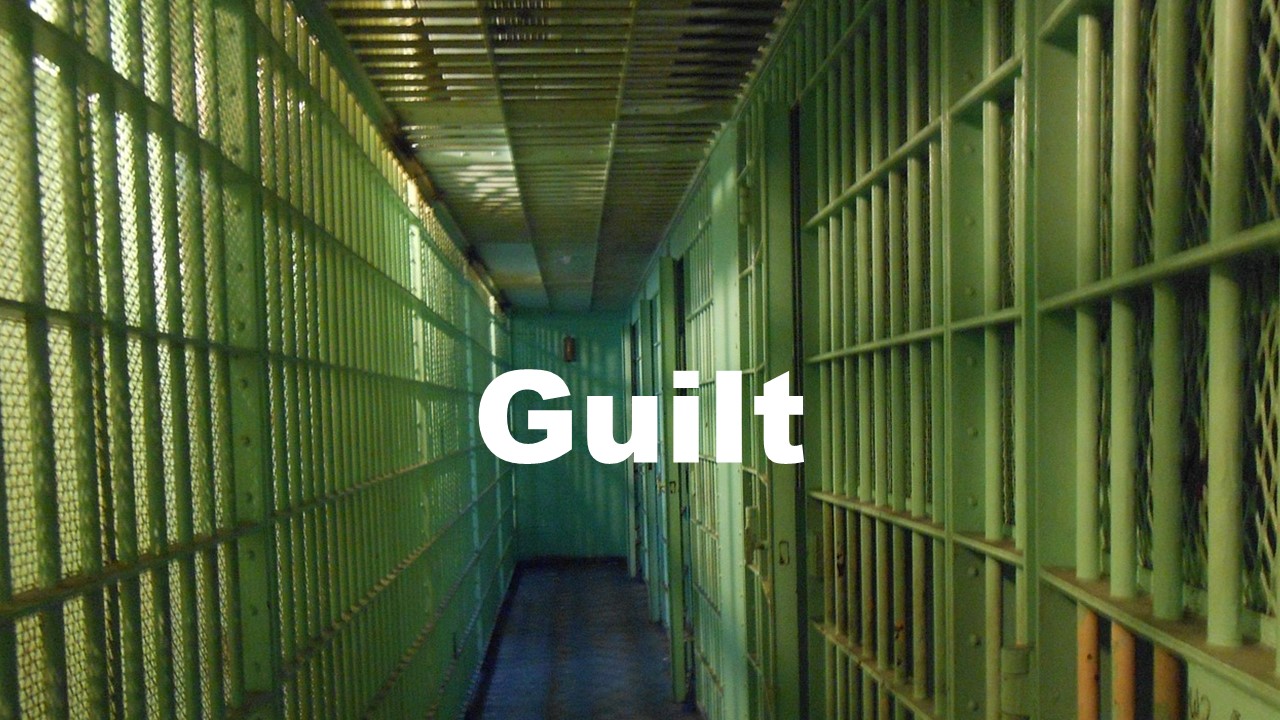
Guilty

Guilt.
Photo courtesy of Pixabay.com

Shame and guilt can cause a lot of problems.

Some authors see these two feelings as interchangeable but others draw a distinction between the two feelings. Learning to know the differences can be important if you are a recovering person. One of these feelings can move you forward and the other can keep you stuck in a prison from the past.

The dictionary definitions of shame and guilt are of course quite different.

Guilt is defined as to be aware you had done wrong or to take the responsibility for doing wrong. This can be a healthy emotion. If you genuinely feel guilty the solution is clear, do not do it again.

Guilt can be protective if it prevents you from doing or continuing to do something that is wrong. The emphasis here is on the action, not the person. The legal system uses this word in the sense that someone has done an act that is forbidden or has failed to do something that was required. The person is then guilty of a specific illegal act.

Some people try to use guilt to manipulate others into doing things they want them to do. We hear the expression “guilt-trip” to describe this effort. As in “I can’t believe you wouldn’t want to spend Sunday with your parents.” The effort here is to get people to do what you want by trying to make them feel guilty if they don’t comply with your request.

Shame is about the person, not the act.

Shame, to my way of thinking, is a lot more destructive than guilt. It is also harder to get loose from.

Some dictionary definitions of Shame include things like, shame is a negative emotion. It includes feelings of dishonor, unworthiness, and embarrassment. People who experience shame feel disgraced or dishonored.

The focus of shame is on the person, not the act.

Families may try to get compliance with their wishes by shaming a person, telling them that because they have not lived up to the shamer’s expectations, they are worthless or inherently defective.

While many parents may use shame with their children occasionally, some families are “shame-based” and everyone tries to shame everyone else on a regular basis.

The parent in a functional family might say something like “you did not tell me the truth and that makes me disappointed in you.” The child then can feel guilty about lying but believe they are capable of telling the truth. The shaming parent will tell the child “you are such a liar, I should have known not to believe anything you said.”

With guilt, you have the opportunity to remedy the situation. You stop doing wrong or start doing right. With shame, there is no cure for being a “defective” person.  There is always that nagging fear you are being judged and will not measure up.

Being raised in a shame-based family can result in the child maturing into an adult who is helpless and hopeless. Being taught that who you are is shameful can leave permanent emotional scars.

Believing that you are inherently shameful results in adults that hide their inner selves from significant others. They fear that if their partner ever finds out who they truly are they will be rejected or abandoned. It becomes necessary to avoid revealing yourself to others. They can be profoundly lonely in the midst of family and friends.

People who see themselves as shameful are often shy, withdrawn, and excessively introverted.

Middleton-Moz in her book Shame and Guilt describes people who grew up in shame-based homes as avoiding intimacy and believing that they don’t make mistakes, they are mistakes.

They, like Adult Children of Alcoholics, (see Woititz, 1990) believe they need to be better than others to be any good. Absolute perfection is the goal or nothing at all. The result is fluctuating between being super responsible and super irresponsible.

Those who feel the heavy burden of shame are often defensive and unable to take criticism. They need to blame others in order to feel good about themselves. They may deny responsibility while apologizing profusely.

They may be over-responsible people taking on the responsibilities of others and becoming a parent to their parent. Paretified children are common in most forms of dysfunctional families.

As adults children of dysfunction, they never fit in and feel like they do not belong no matter where they go. They are at high risk to become alcoholics, addicts, or engage in some other compulsive behavior as ways to try to make themselves feel acceptable.

If you have guilt over something you did in the past, clean up the wreckage where you can let it go and move on to do better.

If you came from a shame-based background the sooner you toss that shame and move on the better. If you need help in getting past that burden of shame consider working with a counselor or other helping person.

Letting go of shame is one step on the road to a happy life.

Staying connected with David Joel Miller

Seven David Joel Miller Books are available now!

My newest book is now available. It was my opportunity to try on a new genre. I’ve been working on this book for several years, but now seem like the right time to publish it.

Story Bureau.

Story Bureau is a thrilling Dystopian Post-Apocalyptic adventure in the Surviving the Apocalypse series.

Baldwin struggles to survive life in a post-apocalyptic world where the government controls everything.

As society collapses and his family gets plunged into poverty, Baldwin takes a job in the capital city, working for a government agency called the Story Bureau. He discovers the Story Bureau is not a benign news outlet but a sinister government plot to manipulate society.

Bumps on the Road of Life. Whether you struggle with anxiety, depression, low motivation, or addiction, you can recover. Bumps on the Road of Life is the story of how people get off track and how to get your life out of the ditch.

Dark Family Secrets: Doris wants to get her life back, but small-town prejudice could shatter her dreams.

Casino Robbery Arthur Mitchell escapes the trauma of watching his girlfriend die. But the killers know he’s a witness and want him dead.

Planned Accidents  The second Arthur Mitchell and Plutus mystery.

Letters from the Dead: The third in the Arthur Mitchell mystery series.

What would you do if you found a letter to a detective describing a crime and you knew the writer and detective were dead, and you could be next?

Sasquatch. Three things about us, you should know. One, we have seen the past. Two, we’re trapped there. Three, I don’t know if we’ll ever get back to our own time.

For these and my upcoming books; please visit my Author Page – David Joel Miller

Want the latest blog posts as they publish? Subscribe to this blog.

For videos, see: Counselorssoapbox YouTube Video Channel

How to turn anxiety into paranoia

By David Joel Miller.

Grim Reaper

Paranoia.
Photo courtesy of Pixabay.

Some days it is a short trip from anxiety to paranoia.

The higher the volume is turned up on your anxiety control the greater the risk that this could lead to paranoia.

Some caveats here. In this context, I am not talking about one of the paranoia’s that are currently diagnosable as a mental illness. Most people say Paranoid-schizophrenia as if it was all one word. There are lots of people with schizophrenia that are not paranoid. There are also people who suffer from paranoid personality disorder who do not have schizophrenia.

This discussion is about people without those two diagnosable illnesses who have some feeling that looks like paranoia during the course of another illness or even without meeting the criteria for a diagnosis. In other words, this is about the dictionary definition of paranoia not the DSM definition of a paranoid mental illness.

Yes, in my opinion, you can have paranoid thoughts and not have a mental illness with the word paranoia in it.

One definition of Paranoia is an unfounded, exaggerated, or unreasonable distrust of others not based on facts. This is fear-based and makes you question other’s motives.

Here is how a case of paranoia might begin.

You are very fearful, sensitive, and worried about what others think of you. You have “trust issues” and are not sure if people are really your friends or might want to harm you.

People who have been victimized in the past are especially at risk for these kinds of trust issues and for good reason. They have been harmed by someone in the past and may feel that they were too trusting.

One day this anxious person, let’s call her Annid. This is one of those made-up names contracted from her mother’s name Ann and her father’s name, David. I don’t know an Annid or an Ann and David combination so I think I am safe here.

One day Annid is walking down the street and she hears footsteps behind her. She walks faster but the footsteps are still there. She looks over her shoulder and there is someone there. Let’s make this person a man. She is afraid of men because she was attacked by a man in an alley. This would be even worse if the man who attacked her was a member of a particular race and the man behind her was the same race.

At the corner, she decides to cross the street to get away from this man. She notices out of the corner of her eye he stops at the corner to talk to another man. She is becoming more anxious.

When the light changes the second man turns and follows her across the street. She walks faster but every time she looks back there is a man back there. She is not sure if this is either of the two men she saw before but there is always one behind her.

Eventually, she ducks into a coffee place and has some coffee. She decides to wait a bit to get rid of those men who are following her. But when she leaves the coffee place there across the street are 5 or 6, men all standing together and one of them looks like that man who was following her. Same sports team shirt and everything.

At this point, convinced she is being followed by a gang of men she ducks back into the coffee place and calls a friend who comes to pick her up and take her home.

Unchecked this fear that men are following her can grow until she is unable to leave the house.

One problem for this woman is that no matter where in this town she may walk there may be a man walking behind her.

Is this an irrational fear? Maybe, maybe not. Having been the victim of an assault once there is proof that a man could assault her. Is this fear excessive? Probably. The chances that every man on the street is following her and plans to assault her are very low, most of the time.

The challenge for this person and other people with paranoid symptoms is to reasonably evaluate the situation, assess for danger, and still keep this fear of another assault from keeping her a prisoner in her home.

Now so far in this example, I have said that Annid has a history of being a victim. What if she has never been victimized?

She might have had a friend who was assaulted or heard a story on T. V. about assaults in her town. If she had a preexisting anxiety disorder even if nothing had ever happened to her she might keep looking over her shoulder believing that constant vigilance will keep her safe. And if you keep looking for something you will begin to see it.

See how easy it is to turn fear in your mind into a belief that there is a real danger. We have even had cases where someone believes they were in danger pulled out a gun and shot a person who just happened to be going in the same direction they were. Family members have killed other family members in the mistaken belief that there was an intruder in the house.

High levels of fear can create a situation in which everything becomes scary.

If you have anxiety issues or feel threatened and unsafe, consider getting professional assistance both in determining if this is a real threat and in learning to manage your anxiety or other issues before that emotional problem turns you into a paranoid person.

Staying connected with David Joel Miller

Seven David Joel Miller Books are available now!

My newest book is now available. It was my opportunity to try on a new genre. I’ve been working on this book for several years, but now seem like the right time to publish it.

Story Bureau.

Story Bureau is a thrilling Dystopian Post-Apocalyptic adventure in the Surviving the Apocalypse series.

Baldwin struggles to survive life in a post-apocalyptic world where the government controls everything.

As society collapses and his family gets plunged into poverty, Baldwin takes a job in the capital city, working for a government agency called the Story Bureau. He discovers the Story Bureau is not a benign news outlet but a sinister government plot to manipulate society.

Bumps on the Road of Life. Whether you struggle with anxiety, depression, low motivation, or addiction, you can recover. Bumps on the Road of Life is the story of how people get off track and how to get your life out of the ditch.

Dark Family Secrets: Doris wants to get her life back, but small-town prejudice could shatter her dreams.

Casino Robbery Arthur Mitchell escapes the trauma of watching his girlfriend die. But the killers know he’s a witness and want him dead.

Planned Accidents  The second Arthur Mitchell and Plutus mystery.

Letters from the Dead: The third in the Arthur Mitchell mystery series.

What would you do if you found a letter to a detective describing a crime and you knew the writer and detective were dead, and you could be next?

Sasquatch. Three things about us, you should know. One, we have seen the past. Two, we’re trapped there. Three, I don’t know if we’ll ever get back to our own time.

For these and my upcoming books; please visit my Author Page – David Joel Miller

Want the latest blog posts as they publish? Subscribe to this blog.

For videos, see: Counselorssoapbox YouTube Video Channel
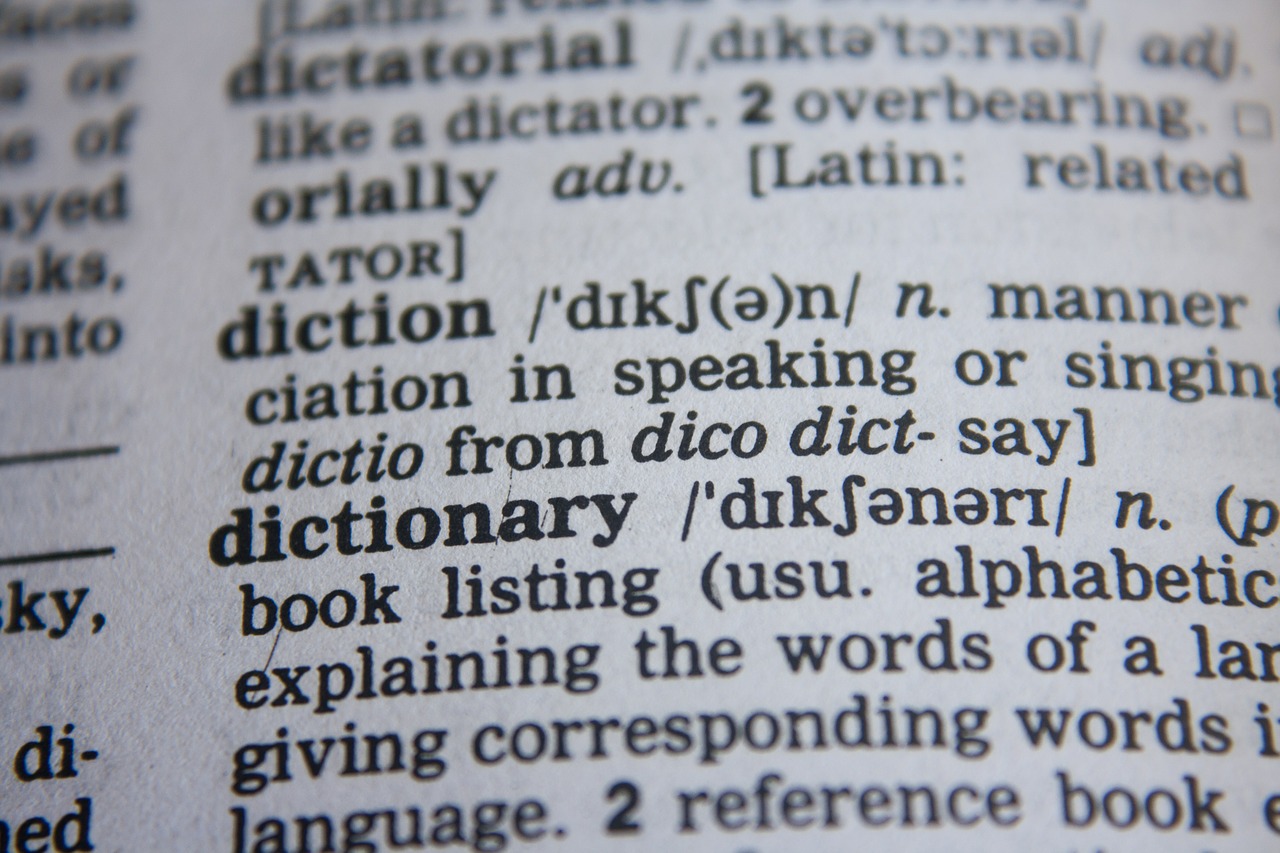
That’s not what I meant – Words can interfere with communication – Denotative and connotative meanings

By David Joel Miller MS Licensed Therapist & Licensed Counselor.

Dictionary

Looking it up in the dictionary won’t help.
Photo courtesy of Pixabay.com

Why what you thought I meant and what I meant to say get so far apart.

Even when we talk with someone in the same language and we think we should both know what the other one is talking about, we can walk away shaking our heads about how far apart our understandings are of the conversation.

These misunderstandings often get attributed to other people lying to us. It is not unusual for two people both engaged in an argument to accuse each other of lying. To the outside observer, it sounds like they are talking about two unrelated topics.

One cause of these disagreements is the different meanings we ascribe to the words we use. The things we say begin as thoughts in our heads. We can make a strong argument that thoughts are largely mental words or self-talk. Those thoughts are strongly influenced by our feelings before they leave our bodies via speech and action.

Words are symbolic and there is not a direct one to one correlation between thoughts and words. We can and often do disagree about what word best describes a thing or a feeling. Then our thoughts need to be transferred into words sent to the other person and then decoded. There is plenty of room for error in this process.

Consider the common two-finger gesture. Sometimes this is interpreted as a “peace sign” and other times as the sign for victory. Words frequently have multiple meanings.

Four discrepancies in the way we attach meanings to words can result in garbled communication even when we think we are being clear and that we understand what the other person is saying. Those four communication traps are the differences between “denotative” meanings and “connotative” meanings, personal idiosyncratic meanings, and slang.

What slang words mean.

Slang words require both people using them to attach the same meaning to the expression. They change over time and vary between subcultures.

Consider the word “hot.” To a weatherman, it could mean an above-average temperature or a day in the hundreds. To the scientist, this may be a statement about the amount of energy the item contains. To someone else, this may mean something that is new, in fashion, or desirable.

So the person in the shop points to an item on the table and says “that new part is really hot.” The apprentice quickly picks it up and then screams in pain. He expected this new part to be something novel that he might want. His coworker was warning him about the item’s temperature and potential to harm. See how using a word in multiple ways can obscure communication?

Denotative meanings.

Denotative meaning is what the dictionary says the word means. Look up most words in a dictionary and you will find that there are multiple definitions for the same word. Check many dictionaries and you get alternative meanings.

Most of us have learned a large number of words from hearing others use them in speech. We haven’t looked up every word and while we can feel pretty sure we know what we mean when we say the word we can’t be sure someone else has the same meaning in mind.

If I were to say that someone had been staring at the moon too long – what might you think I meant? That they are in love from too much time in the moonlight? That they had gone crazy as in becoming a “lunatic.” Or do we mean that they and their friends have been exposing their naked rear-ends a lot? It would make a lot of difference in our conversation.

What is a connotative meaning?

Connotation is when a meaning is implied or attached to something in addition to its basic denotative meaning. For a long time, black has been attached to bad, evil, or another negative opinion. If I describe someone’s character as black, it makes a lot of difference whether I am talking about someone from the African-American community who exemplifies what an African-American should be or if I were describing a Caucasian who is doing some evil things.

Idiosyncratic meanings.

Sometimes words develop a specific meaning for a person or group of people because of a particular experience.

Say a man came from a family that had a dog when he was a young child. For whatever reason he had difficulty saying the word dog and used its name, Spot to called the pet. From then on all dogs became “Spot.”  To this day if someone uses the word spot in a conversation this family will laugh and think of that dog. This has resulted in some embarrassing moments at the dry cleaners.

Other people might hear the word spot and think of a place they had visited, a stain on the carpet or an ad on T. V. The online dictionary I use listed 21 meanings for the word spot.

So when we consider that words can have so many different meanings, is it any wonder that we can have a conversation, think we have conveyed some meaning and then later find that what we said was totally misconstrued.

The real wonder is that with all this confusion we are able to communicate at all.

Staying connected with David Joel Miller

Seven David Joel Miller Books are available now!

My newest book is now available. It was my opportunity to try on a new genre. I’ve been working on this book for several years, but now seem like the right time to publish it.

Story Bureau.

Story Bureau is a thrilling Dystopian Post-Apocalyptic adventure in the Surviving the Apocalypse series.

Baldwin struggles to survive life in a post-apocalyptic world where the government controls everything.

As society collapses and his family gets plunged into poverty, Baldwin takes a job in the capital city, working for a government agency called the Story Bureau. He discovers the Story Bureau is not a benign news outlet but a sinister government plot to manipulate society.

Bumps on the Road of Life. Whether you struggle with anxiety, depression, low motivation, or addiction, you can recover. Bumps on the Road of Life is the story of how people get off track and how to get your life out of the ditch.

Dark Family Secrets: Doris wants to get her life back, but small-town prejudice could shatter her dreams.

Casino Robbery Arthur Mitchell escapes the trauma of watching his girlfriend die. But the killers know he’s a witness and want him dead.

Planned Accidents  The second Arthur Mitchell and Plutus mystery.

Letters from the Dead: The third in the Arthur Mitchell mystery series.

What would you do if you found a letter to a detective describing a crime and you knew the writer and detective were dead, and you could be next?

Sasquatch. Three things about us, you should know. One, we have seen the past. Two, we’re trapped there. Three, I don’t know if we’ll ever get back to our own time.

For these and my upcoming books; please visit my Author Page – David Joel Miller

Want the latest blog posts as they publish? Subscribe to this blog.

For videos, see: Counselorssoapbox YouTube Video Channel

Why Controlling Anger does not work

By David Joel Miller, MS, Licensed Therapist & Licensed Counselor.

Angry person

Anger.
Picture courtesy of Pixabay.

Some anger management programs make things worse.

Some common prescriptions for anger management do not work and can make things worse. There are things that work quickly and efficiently to eliminate anger but we try to wait till you have used up all your insurance and savings before we teach you these techniques.

Counting to ten is a prescription for disaster.

I do not know about you, but for me trying to count to ten when I am angry is a really bad idea. By the time I get to ten, I will have thought of ten new ways to dispose of your body. Counting to ten just gives me the time to leave my anger on the heat long enough to let it explode.

The trick here is not to learn to control your anger. The key is to learn techniques to not anger yourself in the first place. No anger – nothing to control. You think this sounds crazy, don’t you?

Albert Ellis one of the founders of REBT and CBT therapies wrote about this in a book titled “Anger: Living with it and living without it.”  It is in plenty of other books by Ellis and others. This formulation is so simple that once you get it, you almost instantly stop getting angry unless you chose to do so.

This model sometimes referred to as the A-B-C-D-E method has even made its way into an official government publication. This anger workbook is available free from the SAMHSA website. A free self-help book that also works? What a deal.

Here is my brief example of a way I use this model.

One night while teaching a class at the local college, a student in the very front row suddenly slams her books shut, grabs her stuff, and goes running for the door. No phone call, no explanation, she just runs from my class. We had a break coming up, couldn’t she wait till then?

This is clearly very rude. I feel disrespected. She has really made me angry. I vow that next week before I start class I am going to have a talk with this impolite person.

What she did, running out of my class, has disrespected me and made me angry.

A = activating event.

Which is what she did. She did it and she made me angry.

C = is the consequence, my anger.

So A caused C. Her action made me angry. With me so far? In class when I explain this, the students usually argue with me as we go along, trying to make me angrier. I am hoping you will hang in to the end.

The following week this same student is waiting at the door for me to unlock the classroom. Before I can read her the riot act she begins apologizing. She explains that she is so sorry that she ran from the room last week. She ate some food she bought from a street vendor on the way to class last week and she had a sudden attack of diarrhea.

Am I still angry at her? Probably not. See in between the “A” the Activating event, in this case, her running from the classroom and the “C” my anger, there is this other thing a “B.”

B = Belief as in “my belief about why people do things.”

If I believe that the reason people do things is to be mean and disrespectful to me then I will be angry. If I think that they did it because of some problem they have, then I do not take it personally.

Note that it does not matter whether it is true or not. I do not need to know if she is telling the truth to either become angry or feel sorry for her. If she really just was bored and chose to leave the class and make a scene but later decided to apologize and make up a story, I will still not get angry if “I believe” that she was not being rude.

Also if I chose to not believe her, even if she did have an attack of food poisoning, I will be mad at her despite the apology and the excuse.

The key to my anger is not in her actions or her apology. It is in what I chose to believe.

So anytime I feel myself getting angry I can –

D = dispute that belief.

If I can think of other reasons that people do things, then I can come up with alternative feelings. The result of this revelation is that I can disconnect those buttons and thereafter no one can ever “make me angry” by what they do.

The result of all this D (Disputing) is that I can choose to believe what I want and create an:

E = Effective new belief.

Now there may still be times that people do things that I find unacceptable and I will allow myself to get angry even if they did those things out of an acceptable reason. Or I can choose to never anger myself about what people do because if I anger myself I am likely to be the one who reacts out of anger and gets in trouble.

Now some of you are resisting this idea. You would like to hang onto your belief that other people make you angry because they don’t do things they “should do.” Or they refuse to do things they “must” do. Ellis had a lot to say about the dangers of “shoulding on yourself” and “Musterbation.”  I will let you read him for that.

Consider that there are evil people in the world and they do evil things. There are “stupid people” and they, of course, do “stupid” things. I do not need to like those things. I may even resist or oppose those things, but I do not need to anger myself when stupid people do stupid things. That is, after all, what they are supposed to be doing right?

Once you grasp this principle you do not ever need to allow anyone to make you feel any way other than the one way you chose. You may, however, need to cut some stupid or inconsiderate people out of your life because you choose not to put up with their behavior towards you.

If your ex continues to make you angry then you are choosing to continue to be in a dysfunctional relationship with them.

Consider this idea and maybe check out the SAMHSA anger management book or one of Albert Ellis’s books. If this idea makes sense to you let me know. If this post made you angry because you continue to believe that other people control your emotions and you chose to comment and tell me so, I may choose to delete your comment so I do not anger or upset myself over hostile comments.

Hope you have a happy and anger free day.

Give this process a try and see if you don’t find that you can anger yourself or not anger yourself depending on what you chose to do.

Staying connected with David Joel Miller

Seven David Joel Miller Books are available now!

My newest book is now available. It was my opportunity to try on a new genre. I’ve been working on this book for several years, but now seem like the right time to publish it.

Story Bureau.

Story Bureau is a thrilling Dystopian Post-Apocalyptic adventure in the Surviving the Apocalypse series.

Baldwin struggles to survive life in a post-apocalyptic world where the government controls everything.

As society collapses and his family gets plunged into poverty, Baldwin takes a job in the capital city, working for a government agency called the Story Bureau. He discovers the Story Bureau is not a benign news outlet but a sinister government plot to manipulate society.

Bumps on the Road of Life. Whether you struggle with anxiety, depression, low motivation, or addiction, you can recover. Bumps on the Road of Life is the story of how people get off track and how to get your life out of the ditch.

Dark Family Secrets: Doris wants to get her life back, but small-town prejudice could shatter her dreams.

Casino Robbery Arthur Mitchell escapes the trauma of watching his girlfriend die. But the killers know he’s a witness and want him dead.

Planned Accidents  The second Arthur Mitchell and Plutus mystery.

Letters from the Dead: The third in the Arthur Mitchell mystery series.

What would you do if you found a letter to a detective describing a crime and you knew the writer and detective were dead, and you could be next?

Sasquatch. Three things about us, you should know. One, we have seen the past. Two, we’re trapped there. Three, I don’t know if we’ll ever get back to our own time.

For these and my upcoming books; please visit my Author Page – David Joel Miller

Want the latest blog posts as they publish? Subscribe to this blog.

For videos, see: Counselorssoapbox YouTube Video Channel

Mental Health, Self-improvement & Happy life –Counselorssoapbox.com January 2013 Best of Blog

Counselorssoapbox.com

By David Joel Miller, MS, Licensed Therapist & Licensed Counselor.

Taking stock of where we are in this no longer New Year – January Recap.

One month of 2013 come and gone, time to reflect on where we are and where we are going. So far this month we have talked a lot about taking stock of where you are and deciding where you are going. This happy life journey is all about becoming who you truly want to be.

I noticed that there are still a lot of people coming in to join us that are reading last year’s posts about diseases and disorders. When you are stuck in depression, anxiety, or substance abuse you may not be ready to begin a journey towards happiness. First, you need to define what your issues are.

Occasionally we may need to take a detour to help someone catch up with the direction towards happiness. As we progress I we will continue to examine the research that I come across, things that may explain why some of us have certain of life’s struggles and how you might overcome them.

One goal for this New Year has been to get these blog posts out on a regular basis. That seems to be working. I find I am able to write posts ahead of time and schedule them to appear on their appointed day. This has avoided those times when life and work prevent me from writing a post.

The progress on the book has been slow but I continue to work on getting it finished. The plan is to have a book published by the year’s end. I will mention some other writing projects as we go along.

I will endeavor to keep the shameless self-promotion to a minimum but my writer friends tell me that spreading the word about your writing is a requirement in this strange new e-book universe.

Here are some of the top viewed posts from this month, January 2013:

  1. How much should you tell a therapist? 
  2. Do people really forget what happened when drinking? – Blackouts 
  3. 6 ways to recover from Complex Trauma or Complex PTSD                         
  4. What is the difference between Depression and Major Depressive Disorder?   
  5. Why can’t we forget the painful past?       
  6. Are you Hyperthymic?      
  7. Do therapists have to report a crime?                
  8. Which border is Borderline Intellectual Functioning on?   
  9. Do others harm your self-esteem?          
  10. Is nicotine a stimulant or a depressant?      
  11. Sleep Paralysis – What causes it? Is it related to PTSD or demons?     
  12. Levels or types of Borderline Personality Disorder

Thanks if you were one of the early readers. If you missed one or want a second look the links are above.

Thanks, folks.

This year we will continue our journey through cleaning up our past, learning to cope with feelings and problems, and designing the kind of person we want to be. As always your comments are welcome.

Staying connected with David Joel Miller

Seven David Joel Miller Books are available now!

My newest book is now available. It was my opportunity to try on a new genre. I’ve been working on this book for several years, but now seem like the right time to publish it.

Story Bureau.

Story Bureau is a thrilling Dystopian Post-Apocalyptic adventure in the Surviving the Apocalypse series.

Baldwin struggles to survive life in a post-apocalyptic world where the government controls everything.

As society collapses and his family gets plunged into poverty, Baldwin takes a job in the capital city, working for a government agency called the Story Bureau. He discovers the Story Bureau is not a benign news outlet but a sinister government plot to manipulate society.

Bumps on the Road of Life. Whether you struggle with anxiety, depression, low motivation, or addiction, you can recover. Bumps on the Road of Life is the story of how people get off track and how to get your life out of the ditch.

Dark Family Secrets: Doris wants to get her life back, but small-town prejudice could shatter her dreams.

Casino Robbery Arthur Mitchell escapes the trauma of watching his girlfriend die. But the killers know he’s a witness and want him dead.

Planned Accidents  The second Arthur Mitchell and Plutus mystery.

Letters from the Dead: The third in the Arthur Mitchell mystery series.

What would you do if you found a letter to a detective describing a crime and you knew the writer and detective were dead, and you could be next?

Sasquatch. Three things about us, you should know. One, we have seen the past. Two, we’re trapped there. Three, I don’t know if we’ll ever get back to our own time.

For these and my upcoming books; please visit my Author Page – David Joel Miller

Want the latest blog posts as they publish? Subscribe to this blog.

For videos, see: Counselorssoapbox YouTube Video Channel
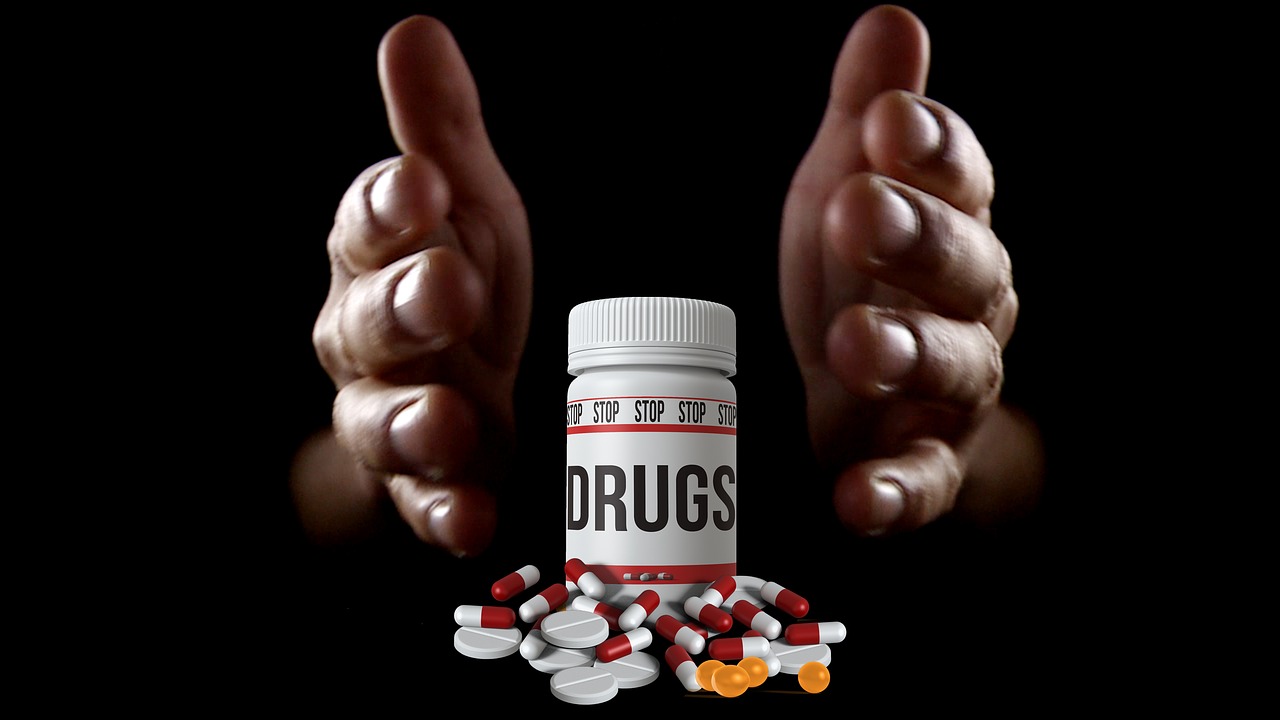
Drug programs are not about treating addiction

By David Joel Miller, MS, Licensed Therapist & Licensed Counselor.

Drugs.

Drugs.
Photo courtesy of Pixabay.

Did you think drug treatment programs were designed to treat addiction?

Drug treatment efforts in the United States are generally not about treating addiction. If we really cared about reducing addiction we would be doing things differently.

There has been a fair amount of criticism surrounding drug treatment programs and why there are so many people who have been through a treatment program and still use drugs. The reason this situation looks so bleak is that the majority of these programs were never designed to treat addiction despite what the program may be called.

Addiction is not the only area where programs are designed to do one thing despite being sold to the public and called by a name that implies they are supposed to solve that problem.

Having angered half the world with my posts on prayer and the role of spirituality in recovery I might as well anger the rest of the world with some comments about the defects in our political system.

Most drug treatment programs are not meant to get addicts off drugs!

Does that surprise you? It is only very recently and among a very small number of people; that addiction, alcoholism, and related impulse control disorders like compulsive gambling have come to be regarded as diseases.

The traditional approach to addiction was to consider those people criminals and lock them up until they quit doing drugs. Alcoholics were considered crazy and got confined to psychiatric facilities called “sanitariums.”  The high prevalence of repeat DUI’s (Driving under the influence sometimes called DWI, driving while intoxicated) and rearrests for drug use confirms that more than just locking them away is needed to solve this problem.

Some examples of possible treatments

Methadone maintenance for Heroin Addicts.

Methadone maintenance is not designed to cure addiction.  It is designed to reduce crime. The goal in this and most other drug and alcohol treatment programs is now and always has been on crime prevention.

The Heroin Addict with a $200 a day habit has to come up with that money every day or become very sick. There are ways to put the bill off, like getting an advance from the dealer, but that works for a very short time unless you are very, very wealthy. Eventually, you need cash. Drug connections are not charitable institutions, they want the cash.

Many Heroin users resort to stealing to cover their costs, burglary is a common way. To get $200 a day for drugs the addict needs to steal $2,000 worth of property. Fences do not pay retail. In the process of stealing $2,000 a day to cover their drug needs the addict may do $20,000 in damage. They do not care if they break a $1,000 window to steal a $1 item.

Giving the addict a $2 dose of “narcotic replacement therapy” will save as much as $20,000 in burglary and vandalism costs. What shocks me at this point is that the insurance companies are not lining up to fund this kind of crime prevention effort.

Remember that Heroin was discovered back in the 1800s and has been way out of patent protection for a long time. The only reason it is so expensive is that it is illegal. Doctors are not even allowed to prescribe it for clients who are addicted.

The replacement drug, most often Methadone, is not less addicting but more addicting than heroin. It is also not easy to get off. So the system does not treat the heroin addict. We get them hooked on another even more addicting drug.

Please do not misread this as my arguing for the legalization of Heroin or the end of methadone clinics. Keeping as much heroin as possible off our streets may reduce initial cases of addiction. Putting more Heroin on the streets will likely increase cases of addiction. I also know of many cases of people whose lives were changed by the use of narcotic replacement therapy (mostly methadone.)  Some people need that drug to get out of the illegal lifestyle and on to a legitimate job.

What I am pointing to is that this program like so many other government programs is not meant to help the people with the problem.

Drug treatment programs are designed to reduce crime not cure addiction.

Prop 36 or SACPA.

The “Prop 36” program in California which sent tens of thousands of addicts to treatment resulted in a number getting off and staying off drugs. The program has since been in large part “defunded.” The official title of the program was SACPA, short for Substance Abuse Crime Prevention Act. Clearly, the emphasis was on crime prevention, not addiction treatment.

Drunk Driving programs.

Further evidence for this hypothesis comes from Drunk Driving programs. Drunk driving programs do NOT treat alcoholism despite the high number of alcoholics with chronic medical problems who are driving up the cost of medical care for all of us. Programs forbid their instructors from talking about alcoholism.

Drunk driving programs are focused on teaching you how to drink more and still not get a DUI. Things like designated driver programs and spacing your drinks so you can continue drinking, the more the better, and still not get a DUI.

It is possible with the expansion of health care we will get serious about treating addiction, alcoholism, and mental health issues. I remain hopeful but skeptical. Past experience has made me that way.

Sorry to spoil your illusions. Drug treatment never was about the addict. But then you are not one of those people who believe in fairy tales like the tooth fairy or that food stamps are meant to reduce hunger are you?

Staying connected with David Joel Miller

Seven David Joel Miller Books are available now!

My newest book is now available. It was my opportunity to try on a new genre. I’ve been working on this book for several years, but now seem like the right time to publish it.

Story Bureau.

Story Bureau is a thrilling Dystopian Post-Apocalyptic adventure in the Surviving the Apocalypse series.

Baldwin struggles to survive life in a post-apocalyptic world where the government controls everything.

As society collapses and his family gets plunged into poverty, Baldwin takes a job in the capital city, working for a government agency called the Story Bureau. He discovers the Story Bureau is not a benign news outlet but a sinister government plot to manipulate society.

Bumps on the Road of Life. Whether you struggle with anxiety, depression, low motivation, or addiction, you can recover. Bumps on the Road of Life is the story of how people get off track and how to get your life out of the ditch.

Dark Family Secrets: Doris wants to get her life back, but small-town prejudice could shatter her dreams.

Casino Robbery Arthur Mitchell escapes the trauma of watching his girlfriend die. But the killers know he’s a witness and want him dead.

Planned Accidents  The second Arthur Mitchell and Plutus mystery.

Letters from the Dead: The third in the Arthur Mitchell mystery series.

What would you do if you found a letter to a detective describing a crime and you knew the writer and detective were dead, and you could be next?

Sasquatch. Three things about us, you should know. One, we have seen the past. Two, we’re trapped there. Three, I don’t know if we’ll ever get back to our own time.

For these and my upcoming books; please visit my Author Page – David Joel Miller

Want the latest blog posts as they publish? Subscribe to this blog.

For videos, see: Counselorssoapbox YouTube Video Channel

5 Rules for Helping and Being Helped

By David Joel Miller, MS, Licensed Therapist & Licensed Counselor.

Helping others.
Photo courtesy of pixabay

Can you accept help? Do you help others?

The tug between giving and receiving help can throw you off-balance regardless of your other issues in life.

There are those who are always doing for others. They just can’t help enough. But when the time comes for them to ask for or even accept help this is something really hard for them to do. This over-helping can leave you drained and resentful when others don’t show you the appreciation you expect and are not willing to do for you in return.

Other people avoid doing anything for others but are always so needy then use their friends up. Eventually, a day comes that they need help but no one is available or willing to help them. They become despondent and bitter. Constantly asking for help may be a sign you don’t have much confidence in your ability to handle things.

Getting this helping and receiving help in balance is really difficult. To navigate the helping rapids you need a lot of balance in your life.

Helping rule # 1

Helping others makes you feel good.

Have you ever done something for a small child or an elderly person? Someone who truly needed your help and couldn’t do it or do it as well without your help?

How did that make you feel? Most people have had this experience more than once in their life. The predominant feeling people say they get from helping others was that helping that person made them feel good. We mostly like the feeling of helping someone who needs help.

If you have never had this feeling, don’t cheat yourself out of the chance to feel good. Seek out some opportunity to be of service.

Helping rule # 2

Don’t help others and expect something in return.

Did you expect that child to thank you profusely or be in your debt? Did you expect them to repay the favor? Probably not, because you knew from the start that child or older person was not in a position to do the same for you.

Now, what if you lent your car to a friend, and then later when you needed a ride they would not return the favor? How does this make you feel?

You probably feel bad, hurt, even angry. Why? Because when you helped them you expected that they would someday repay the favor.

If you help others expecting something in return you are setting yourself up for disappointment.

Helping rule # 3

Don’t cheat others out of the chance to feel good by helping.

If helping a child made you feel good why would you cheat someone out of any of that good feeling? This comes up frequently in recovery groups. People say that they don’t ask someone to be their sponsor because they don’t want to impose.

That other person wants the chance to help. If not you then they will help someone else. So often in life, we constantly help but are unwilling to let others help us. Being able to accept help is as much a skill as being a helping person.

Only watch out for rule 4.

Helping rule # 4

Giving is giving and selling is selling.

If someone helps you do you owe them? There are some businesses that call themselves helping professions or that like to think they help people but it is clear from the start or should be that someone is paying for this service. Most of the time helping and receiving help are not-for-profit transactions.

If someone does for you and they afterward tries to charge you, there is a good chance you will feel cheated. That gift had strings attached. Makes you reluctant to accept help from that person again and it makes you reluctant to offer them any help in the future.

Make sure what the intent is upfront and feel free to decline offers of help that come with strings attached.

Helping rule # 5

Helping should not be a destination at the end of a one-way street.

People who can give help but are never able to receive it are in an unhealthy neighborhood. If something inside you makes you feel that you need to always be helping others but that you should not accept any help in return you need to look at yourself and see why it is so hard for you to accept help.

Do you feel that you don’t deserve to receive help? Are you not worth it? Then take a look back at all those previous posts about how you deserve a happy life and need to start creating one. Believe in yourself.

If you find that you are mostly on the receiving end then consider what you can do to give to others. Giving makes you feel better about yourself and always taking makes you weaker, more helpless, and selfish.

This is not to say that if you have a genuine disability it is wrong to accept a lot of help. What I am saying is that you need also to look at what you can do to be helpful in return. Sometimes that is as simple as saying thank you or a call to see how the person who was helpful to you is feeling today. This is one of those for sure cases of; it is not the size of the gift but the thought that counts. Just, please, be honest with yourself about how much help you need and what you can and can’t do for others.

Helping is not a fair trade situation. You do not do for them so they will do for you. It is a “you have to give it away to keep it” thing. The more you can do for others the better a person you become. Letting others help you, sometimes helps them to find happiness.

Best wishes on your journey to a happier life.

Staying connected with David Joel Miller

Seven David Joel Miller Books are available now!

My newest book is now available. It was my opportunity to try on a new genre. I’ve been working on this book for several years, but now seem like the right time to publish it.

Story Bureau.

Story Bureau is a thrilling Dystopian Post-Apocalyptic adventure in the Surviving the Apocalypse series.

Baldwin struggles to survive life in a post-apocalyptic world where the government controls everything.

As society collapses and his family gets plunged into poverty, Baldwin takes a job in the capital city, working for a government agency called the Story Bureau. He discovers the Story Bureau is not a benign news outlet but a sinister government plot to manipulate society.

Bumps on the Road of Life. Whether you struggle with anxiety, depression, low motivation, or addiction, you can recover. Bumps on the Road of Life is the story of how people get off track and how to get your life out of the ditch.

Dark Family Secrets: Doris wants to get her life back, but small-town prejudice could shatter her dreams.

Casino Robbery Arthur Mitchell escapes the trauma of watching his girlfriend die. But the killers know he’s a witness and want him dead.

Planned Accidents  The second Arthur Mitchell and Plutus mystery.

Letters from the Dead: The third in the Arthur Mitchell mystery series.

What would you do if you found a letter to a detective describing a crime and you knew the writer and detective were dead, and you could be next?

Sasquatch. Three things about us, you should know. One, we have seen the past. Two, we’re trapped there. Three, I don’t know if we’ll ever get back to our own time.

For these and my upcoming books; please visit my Author Page – David Joel Miller

Want the latest blog posts as they publish? Subscribe to this blog.

For videos, see: Counselorssoapbox YouTube Video Channel

Help Wanted – A GOD —

By David Joel Miller, MS, Licensed Therapist & Licensed Counselor.

Search for a higher power.
Photo courtesy of pixabay.

Do you wish you believed but can’t? Want to find a higher power?

There is no doubt that having a religious or spiritual belief can be a great comfort in times of trouble. I have no quarrel with those of you who have some sort of understanding of a higher power, but I know there are lots of you out there who want to believe and just can’t.

There may be a good reason why you find it so hard to believe. There may also be a solution.

You may be one who describes yourself as a recovering Baptist, a recovering Catholic or some other religious label. You grew up in a religion, but it doesn’t fit. You learned the creeds and rituals but the higher power was not someone you would want for a friend, let alone worship. Try as hard as you could you just can’t believe in that religion’s God.

You may have grown up in a home where religion was not practiced. Where the altar was a Television set and the higher power you worshiped was things. You would like more, some deep spiritual connection but you can’t find one.

You may look at the world’s religions and wonder why they all say they worship a higher power and they all hate each other so much. You try to adopt the religion of your family, your ancestors, or your country. My people always believed this way so I am supposed to. But it just does not work for you. You ask yourself if you had been born on in a different country on another continent would you worship a different God?

You know there has to be a solution, and there is, but you can’t find that higher power that is of any use in your life. You want to believe but you just can’t.

You may consider yourself an agnostic, an atheist, or a seeker who studies one faith after another. You may have adopted an unusual religion or rejected them all.

There is a solution and perhaps an example will help.

Say you grew up in a family that worshiped the Flamethrower God. This God hates everyone. He is always out to catch someone doing wrong and then fry them. He hates you and you fear him. He may even ask you to go into his service in some other country to rape, pillage, and burn.

This God, so his followers say, hates everyone and thinks we are all evil and deserve to be punished. This is an easy God to twist to fit your ends. Parents use him to scare little kids at night into behaving. Politicians can use him to justify wars and war atrocities.

If you grew up indoctrinated in this belief, this “you are no good, no one is any good” culture, it is hard to see how this higher power could be of any use to you. The less this God knows of your whereabouts the better. Since you will never be any good you might as well do your worst.

In psychological terms, we call this a non-affirming home. There are plenty of religious leaders who use this system to keep control over their followers by telling them if you do not do everything I, as God’s special representative, tells you, God will get you.

Sometimes we call these Cults and Fanatics but they can just as easily be a part of a large dominant religion.

So what do you do?

Here is a suggestion, not an original one, but one I have heard more than once.

If you could find that ideal Higher Power, that God you so desperately need, what characteristics will that God have? Try to avoid any particular mental image, any characteristics that you have been told that someone else’s God has. Inside you how do you feel this Higher Power would be?

Write out a want ad for this Higher Power.

Wanted – One God must love me unconditionally, must be available 24-7, and in times of need. Does not need to solve my problems for me but must be willing to go with me through whatever I am going through. Must be willing to help me become the best person I can be and not judge me harshly if I can’t do everything perfectly the first time.

Now begin acting as if this Higher Power exists and now knows you are looking for your Higher Power. It also helps, as various Higher Powers are suggested to you if you check back on your want ad and make sure that the powers that respond to this ad are really Higher Powers that will make you a better person, not some imposter that will take you off into doing things that you know are wrong just for someone else’s benefit.

Like any good loving relationship, this new Higher Power relationship will require some development.  Consider including some sort of two-way communication with this power. Personally, I like the expression “prayer and meditation.” You pick the expression that works for you.

The usual caveat here. Some of you have very strong beliefs in this area. You will want to quote a particular religious book, tell me I MUST call my higher power by a particular name, wear a certain piece of clothing, and contribute money to a cause. You are entitled to your opinion but I am resistant to being told that my higher power told me wrong. If you need to prove I or anyone else is wrong then I am convinced you are insecure in your faith and need the rest of us to be wrong to make you right. I am old enough to be willing to be wrong some of the time.

What I would like to hear from some of my readers, if you care to share, is what has your higher power done for you? Has that relationship made you a better person? How would I know that better person when I see them in front of me?

Photo Courtesy of Wikimedia

Staying connected with David Joel Miller

Seven David Joel Miller Books are available now!

My newest book is now available. It was my opportunity to try on a new genre. I’ve been working on this book for several years, but now seem like the right time to publish it.

Story Bureau.

Story Bureau is a thrilling Dystopian Post-Apocalyptic adventure in the Surviving the Apocalypse series.

Baldwin struggles to survive life in a post-apocalyptic world where the government controls everything.

As society collapses and his family gets plunged into poverty, Baldwin takes a job in the capital city, working for a government agency called the Story Bureau. He discovers the Story Bureau is not a benign news outlet but a sinister government plot to manipulate society.

Bumps on the Road of Life. Whether you struggle with anxiety, depression, low motivation, or addiction, you can recover. Bumps on the Road of Life is the story of how people get off track and how to get your life out of the ditch.

Dark Family Secrets: Doris wants to get her life back, but small-town prejudice could shatter her dreams.

Casino Robbery Arthur Mitchell escapes the trauma of watching his girlfriend die. But the killers know he’s a witness and want him dead.

Planned Accidents  The second Arthur Mitchell and Plutus mystery.

Letters from the Dead: The third in the Arthur Mitchell mystery series.

What would you do if you found a letter to a detective describing a crime and you knew the writer and detective were dead, and you could be next?

Sasquatch. Three things about us, you should know. One, we have seen the past. Two, we’re trapped there. Three, I don’t know if we’ll ever get back to our own time.

For these and my upcoming books; please visit my Author Page – David Joel Miller

Want the latest blog posts as they publish? Subscribe to this blog.

For videos, see: Counselorssoapbox YouTube Video Channel

Are they laughing at you again?

By David Joel Miller, MS, Licensed Therapist & Licensed Counselor.

Laughing.
Photo courtesy of Pixabay.com

Why are people watching you and laughing at you?

If I started off by suggesting that people were following you around and were out to get you most of my readers would think that this was paranoia and say “no not me.” But a great many of you are convinced that others are laughing at you a lot. I have to admit I have shared that thought also a few times.

Most people worry in social situations. We want others to like us. Being liked and included has had evolutionary survival value. When the tribe likes you they share their food, shelter, and fire with you. If they don’t like you the result may be being banished to the jungle or forest. In some more rural cultures, the mentally ill are still sent out into the jungle to live. The attitude is better they get eaten than the healthy ones in the village.

The more sensitive and insecure you are the more likely you are to be constantly vigilant to see if you are being accepted. People with high anxiety are constantly monitoring the environment to see if others like them. There is a big problem with all this insecure monitoring.

That problem is called confirmatory bias.

If you think that people laugh at you a lot, as you are walking through the mall you hear a sudden burst of laughter. You look around and see a group of people all laughing and they are looking at you. That confirms it. A group of total strangers is laughing at you. Once you catch them at this, they all turn and walk rapidly away. At least that is what you think.

That is not what happened at all.

An independent observer who was sitting on the bench watching this unfold would have a different story. A group of people was standing around talking. Someone told a joke and they all laughed. At that point, someone walking through the mall stopped, turned, and stood there staring at the group of people. They became nervous and looked back. When this stranger continued to stare they decided to get out of there before that crazy person did something and they walked as quickly as they could towards an exit.

See how this confirmatory bias works?

If you think that others are looking at you when you look around there will be some people looking at you. That confirms what you thought. All other evidence gets ignored as you are not currently looking for people who are ignoring you.

One hard thing for people who are anxious or depressed to do is to realize that most of the rest of the world is not motivated by you. Frankly, they are, most of the time, not laughing at you. They are in fact not even looking at you.

This bias comes from the belief that you somehow are responsible for what the rest of the world is feeling, that if they are sad or angry or hurt that it is somehow you doing and therefore your fault.

One thing I have learned from my time here on earth is that most people are way too interested in themselves to pay any real attention to what I am doing. A lot of times that I felt embarrassed or worried because a made a mistake there in public, it turns out no one noticed because they were all too preoccupied with themselves.

So next time you become nervous and think that others are looking at you because of something you did or said, consider that they may be looking at you because they are afraid you just noticed what they did.

One other thing I have learned? To not take myself so seriously. Sometimes I realize I did something that even I should laugh about.

Hope you are learning to accept yourself however you are and moving towards the happiest life possible.

Staying connected with David Joel Miller

Seven David Joel Miller Books are available now!

My newest book is now available. It was my opportunity to try on a new genre. I’ve been working on this book for several years, but now seem like the right time to publish it.

Story Bureau.

Story Bureau is a thrilling Dystopian Post-Apocalyptic adventure in the Surviving the Apocalypse series.

Baldwin struggles to survive life in a post-apocalyptic world where the government controls everything.

As society collapses and his family gets plunged into poverty, Baldwin takes a job in the capital city, working for a government agency called the Story Bureau. He discovers the Story Bureau is not a benign news outlet but a sinister government plot to manipulate society.

Bumps on the Road of Life. Whether you struggle with anxiety, depression, low motivation, or addiction, you can recover. Bumps on the Road of Life is the story of how people get off track and how to get your life out of the ditch.

Dark Family Secrets: Doris wants to get her life back, but small-town prejudice could shatter her dreams.

Casino Robbery Arthur Mitchell escapes the trauma of watching his girlfriend die. But the killers know he’s a witness and want him dead.

Planned Accidents  The second Arthur Mitchell and Plutus mystery.

Letters from the Dead: The third in the Arthur Mitchell mystery series.

What would you do if you found a letter to a detective describing a crime and you knew the writer and detective were dead, and you could be next?

Sasquatch. Three things about us, you should know. One, we have seen the past. Two, we’re trapped there. Three, I don’t know if we’ll ever get back to our own time.

For these and my upcoming books; please visit my Author Page – David Joel Miller

Want the latest blog posts as they publish? Subscribe to this blog.

For videos, see: Counselorssoapbox YouTube Video Channel

Did your goldfish die? About relationships

By David Joel Miller, MS, Licensed Therapist & Licensed Counselor.

Goldfish.
Photo courtesy of Pixabay.com

What do goldfish and potted plants say about your relationship?

For people in recovery, relationships are a source of huge problems. Early in recovery, we discover that those relationships can be either an important source of support or a cause of pain and suffering.

One area that pops up on inventories, goals, and to-do lists is to create better relationships. People come to think that if they only had that one person that loved them they would be healed.

The result is a lot of people jumping into new relationships way before they are ready.

We can also start trying to fix relationships that have been strained or broken only to find that those first clumsy efforts to repair breaches have resulted in new arguments and slights that leave further wreckage in our lives.

Women in recovery are often urged to take the simple plant, pet test. Men would benefit from taking this test also.
Begin your recovery by getting a simple plant. A flowering houseplant is nice. Pick anything that you like and which fits your lifestyle. Spend some time looking around and selecting your plant. Most of us have selected life partners with less thought and consideration than we take on our plants.

For the next 6 months carefully tend your plant. Is it growing well? Does it need more light and water? Or does it need less water? Too much or too little of a lot of things can cause damage to plants and to relationships.

At the end of the six months grade yourself on plant care. Have you developed a caregiving relationship with your plant? Has the plant thrived? Have you?

If you have been successful at growing your plant then you are ready to move to stage two.

It is amazing how many people who can’t keep a plant alive jump into a sexual relationship and produce a child at a time when they don’t have the strength to care for a plant. This exercise is not just about gardening skills, it is about your ability to consistently day by day show concern and care for something outside yourself.

The next step in the process is to get a pet. This gets riskier. A goldfish is a good place to start. This involves more research. Most of us think we know all about taking care of goldfish but most of our fish die. Learn a little about what makes for a healthy goldfish and what their needs are.

You want to learn how to select a healthy one. Moving fish around can result in some not making it. Too much food or too little can make your fish sick. You may have to try this several times before you get one that likes the place you are keeping them and is healthy enough to be a part of your life.

By now I hope you are getting that this is not all about goldfish. What we are practicing is the skills needed to create healthy relationships. You will need to learn about any potential relationship partner. You will need to learn how to pick a healthy one. You will also learn that lots of things look better in the store window than they do after you get them home.

If your goldfish dies you may be sad or even cry but only you and the goldfish will be affected. If you “hook up” with someone there will be you and them but there will also be their family and yours mixing with you and your family and friends. If this relationship fails you can’t just flush it in the bathroom.

If you have been successful in raising your goldfish or other small pet for at least 6 months you are ready for the next big step. No, don’t rush out and start a family. If your living situation permits get a larger more demanding pet. A kitten or small shelter puppy make good next steps in this process. If where you live does not permit these types of animals, consider a small bird or other, more complicated small animal.

Now you have to balance your needs, do you feel like caring for your “family” today? Can you continue to meet the needs of your menagerie? Your dog or cat needs care every day whether you feel like it or not. You also have to consider the interaction between your previous household members and your new addition.

Does the cat try to get the goldfish? Do you need to move the fishbowl up high? How safe is the plant? Juggling all three creatures’ needs prepares you for juggling conflicts between other family members as your recovery progresses.

This creating a blended family is an important skill for those in recovery from a mental illness or a substance abuse issue. Once you enter a more adult romantic relationship there will always be conflicts between past relationships and the new one. Navigating blended families with step, half, and ex-relationships can put a lot of stress on you and on your new relationship.
This whole process will take about two years.

This step method of practicing relationship skills is not original with me. It has been used and recommended in recovery groups as far back as I know. It has largely been recommended to women who are at an especially high risk of rapidly entering a new relationship. This risk is especially high if you have children and need a partner to help with the financial and caregiving tasks.

In this new modern era, more men than ever are becoming the primary caregiver for their children and they especially need to be good caregivers not expect the replacement partner to take the primary responsibility for children from past relationships.

Some people become frustrated along the way and toss that plant against the wall. Some people forget to feed the fish for a while and the goldfish dies, or they overfeed the fish, pollute the water. and the fish dies from that. This gives you an opportunity to practice your recovery skills. I would rather you toss a plant at the wall then a child.

This discussion assumes that you are not currently in a romantic relationship and many recovering people are either not in one or not in a healthy relationship. If you are in a relationship or are coming home from the hospital or rehab to some children you already have you can modify this as needed.

The emphasis here is on your learning skills to have healthy relationships rather than thinking that if you just fell in love with someone else then your life and your problems will be fixed.
Any comments?

Staying connected with David Joel Miller

Seven David Joel Miller Books are available now!

My newest book is now available. It was my opportunity to try on a new genre. I’ve been working on this book for several years, but now seem like the right time to publish it.

Story Bureau.

Story Bureau is a thrilling Dystopian Post-Apocalyptic adventure in the Surviving the Apocalypse series.

Baldwin struggles to survive life in a post-apocalyptic world where the government controls everything.

As society collapses and his family gets plunged into poverty, Baldwin takes a job in the capital city, working for a government agency called the Story Bureau. He discovers the Story Bureau is not a benign news outlet but a sinister government plot to manipulate society.

Bumps on the Road of Life. Whether you struggle with anxiety, depression, low motivation, or addiction, you can recover. Bumps on the Road of Life is the story of how people get off track and how to get your life out of the ditch.

Dark Family Secrets: Doris wants to get her life back, but small-town prejudice could shatter her dreams.

Casino Robbery Arthur Mitchell escapes the trauma of watching his girlfriend die. But the killers know he’s a witness and want him dead.

Planned Accidents  The second Arthur Mitchell and Plutus mystery.

Letters from the Dead: The third in the Arthur Mitchell mystery series.

What would you do if you found a letter to a detective describing a crime and you knew the writer and detective were dead, and you could be next?

Sasquatch. Three things about us, you should know. One, we have seen the past. Two, we’re trapped there. Three, I don’t know if we’ll ever get back to our own time.

For these and my upcoming books; please visit my Author Page – David Joel Miller

Want the latest blog posts as they publish? Subscribe to this blog.

For videos, see: Counselorssoapbox YouTube Video Channel