
Why worry may not be a bad thing.

By David Joel Miller, MS, Licensed Therapist & Licensed Counselor.

Man worrying,

Worried.
Photo courtesy of Pixabay.com

Do you worry too much or too little?

Self-help books and common wisdom tend to equate worry and anxiety. It would appear that the two are not the same thing and that sometimes a little worry can be good for you.

We saw in previous posts that words, especially words about feelings, do not mean the same thing to everyone. One person’s worry may not be another’s in the same way that my purple may be your fuchsia. While dictionary definitions make the definitions of worry and anxiety much the same, researchers think they are quite different and that sometimes worrying can be good for you.

Anxiety is about heightened awareness or hyper-vigilance. An anxious person is hypersensitive about things and may overreact to things that have little or no real danger. In that sense, anxiety is related to fear. Anxiety’s role is to keep us on the lookout and avoid things that might be dangerous.

Worry has the connotation of constant thinking about something. Researchers think anxiety and fear are more visual or emotional reactions while worry is a mental and verbal rumination.

Worrying about things can keep them in your mind and this can result in perpetuating fear and anxiety. But there can be good results from worry in addition to the bad ones if worry is not accompanied by excessive anxiety or fear.

Think of worry as being like my very old computer. Sometimes my computer slows down because an operation takes a lot of CPU memory. I get those little warning messages in the corner of my screen saying high CPU usage by and it names a program that is using all that memory.

Worry does the same thing to my mind. It uses up a lot of memory capacity, thinking about the thing that is worrying me. The result is that I slow down on what I am doing and devote more of my thinking ability to the task of worrying.  At this point, worrying is impairing my mental efficiency.

As my mind slows down and devotes more resources to the task that worries me, there is increased attention to that one thing and all other mental tasks are neglected. The result is that as a byproduct of worrying I may do fewer things but I am likely to devote more attention to the one thing I am worried about. Worriers make fewer errors on the task they worry about as a result of that increased attention. So worrying can be useful in reducing error rates by having a task fully occupy your mind.

Worrying results in a trade-off between the time needed to do the routine tasks I need to do and an increased accuracy as I try to avoid making any errors. If accuracy is imperative worrying makes sense.

Worry is not solely about the task or challenge I am facing, it is also about making plans, contingency plans for what I will do if – and here I may worry about both high probability occurrences as well as low probability ones.

As a result of all this worrying and contingent planning, I may react to situations faster than someone who has not thought about this possibility at all. So if you might be faced with a sudden unexpected need to do something and the risk of making an error would be catastrophic, worrying may be just the ticket to allow you to make an instant lifesaving decision.

Worrying can be seen as a symptom of some mental illnesses. It is especially viewed as a process that maintains Generalized Anxiety Disorder (GAD) in the same way that nightmares maintain Posttraumatic Stress Disorder PTSD.)

If you suffer from an anxiety disorder, then worrying is probably going to do you more harm than good. But if you are a relatively normal person and are faced with some really important life-changing decisions then some worry, thinking through all the possibilities and what could go wrong, may be just what you need.

If your worry has gotten out of hand, if you worry needlessly about small things and things that are very unlikely to happen, then improving your worry ability is not for you. If excessive worry has interfered with your job or fun activities it is a problem. If your friends and family avoid you or are concerned about all the worrying you do, then you may need help sorting out what is important and what is just an unproductive loop of constant worry.

If you have a major life change coming then do a little worrying and planning about what might happen and what you will need to do.

But if worry has gotten excessive and is making your life unhappy and out of control, consider getting some professional help for that out of control worry monster that has taken over your life.

Staying connected with David Joel Miller

Seven David Joel Miller Books are available now!

My newest book is now available. It was my opportunity to try on a new genre. I’ve been working on this book for several years, but now seem like the right time to publish it.

Story Bureau.

Story Bureau is a thrilling Dystopian Post-Apocalyptic adventure in the Surviving the Apocalypse series.

Baldwin struggles to survive life in a post-apocalyptic world where the government controls everything.

As society collapses and his family gets plunged into poverty, Baldwin takes a job in the capital city, working for a government agency called the Story Bureau. He discovers the Story Bureau is not a benign news outlet but a sinister government plot to manipulate society.

Bumps on the Road of Life. Whether you struggle with anxiety, depression, low motivation, or addiction, you can recover. Bumps on the Road of Life is the story of how people get off track and how to get your life out of the ditch.

Dark Family Secrets: Doris wants to get her life back, but small-town prejudice could shatter her dreams.

Casino Robbery Arthur Mitchell escapes the trauma of watching his girlfriend die. But the killers know he’s a witness and want him dead.

Planned Accidents  The second Arthur Mitchell and Plutus mystery.

Letters from the Dead: The third in the Arthur Mitchell mystery series.

What would you do if you found a letter to a detective describing a crime and you knew the writer and detective were dead, and you could be next?

Sasquatch. Three things about us, you should know. One, we have seen the past. Two, we’re trapped there. Three, I don’t know if we’ll ever get back to our own time.

For these and my upcoming books; please visit my Author Page – David Joel Miller

Want the latest blog posts as they publish? Subscribe to this blog.

For videos, see: Counselorssoapbox YouTube Video Channel

Without the sound can you tell what is going on – Nonverbal communication

By David Joel Miller, MS, Licensed Therapist & Licensed Counselor.

Angry child

What is he feeling?
Photo courtesy of Pixabay.com

You hear them talking but you don’t believe them, why?

What do we do when the words don’t match the gut feeling we have? Do you trust yourself or do you think you must be wrong?

Your gut is telling you something and it should be getting more of an audience. In day-to-day life the sound is so overbearing we forget that more than half of all human communication comes via nonverbal channels. If you haven’t practiced paying attention to the other part of communication you are at a serious disadvantage.

Some small children seem to know this. Words telling them to come over here, I just want to talk with you, do not match up with the clenched fists, and the obvious signs of anger. They avoid people like that. Somewhere along the way most of us lose this ability to make use of the non-verbal parts of communication.

Here are some exercises to make you more aware of body language, nonverbal communication, and what the real meaning may be behind the words.

Exercise 1

Find a Television show you do not normally watch or rent a movie of a type that is not on your regular viewing list. Turn the sound down and begin to watch the show. What do you think is happening here? What are people feeling?

Make a few notes as you go along. Can you tell what the emotions being portrayed are from just the pictures? Can you spot when the director introduces a bad guy? How can you tell that? Most shows use a lot of music to cue up the feelings. Watch for a director that can tell the story with the pictures only. Did this come through in the story you are watching, or did you need words to tell if the characters liked each other or were enemies?

Next replay the same story with the sound up. Check what you see now with the notes you made. Do you get the same feelings now? Why or why not?

Exercise 2

Observe a couple or family through a window or in a public place, somewhere where you can be far enough away you can’t hear the words they are saying.

Watch for a while and begin to develop a theory about who these people are and why they are together.

Is this a family? Have they been together a long time? Do they like each other? Or is this the weekly visit from the absent dad? Are all the children from the same family or are some neighbors?

Are mom and dad still very much in love or is this mom or dad’s new partner out to meet the kids?

What do you think the relationships are like between the children? Do they get along normally or are they making an extra effort to get along today?

In this setting, you will probably not be able to confirm or deny your conclusions. Be willing to not know and to entertain possibilities.

A writer could construct a whole novel from this exercise but then the novelist does not need to stick to reality. Can you tell a playful tussle from a case of child abuse?

Conducting a few of these experiments trying to make meaning from situations can greatly improve your skills at reading nonverbal cues. It can also help you see how someone who is not able to read cues could miss read situations completely and acting on these misinterpretations get themselves into trouble.

Certain mental health disorders are characterized by an inability to read other people, not recognizing anger from facial expressions for example. Can you see how misreading what people mean or over-reliance on the words they say but missing the body language and the gestures could result in misunderstandings or even put you at risk for danger?

But poor nonverbal skills can hamper any of us.

Staying connected with David Joel Miller

Seven David Joel Miller Books are available now!

My newest book is now available. It was my opportunity to try on a new genre. I’ve been working on this book for several years, but now seem like the right time to publish it.

Story Bureau.

Story Bureau is a thrilling Dystopian Post-Apocalyptic adventure in the Surviving the Apocalypse series.

Baldwin struggles to survive life in a post-apocalyptic world where the government controls everything.

As society collapses and his family gets plunged into poverty, Baldwin takes a job in the capital city, working for a government agency called the Story Bureau. He discovers the Story Bureau is not a benign news outlet but a sinister government plot to manipulate society.

Bumps on the Road of Life. Whether you struggle with anxiety, depression, low motivation, or addiction, you can recover. Bumps on the Road of Life is the story of how people get off track and how to get your life out of the ditch.

Dark Family Secrets: Doris wants to get her life back, but small-town prejudice could shatter her dreams.

Casino Robbery Arthur Mitchell escapes the trauma of watching his girlfriend die. But the killers know he’s a witness and want him dead.

Planned Accidents  The second Arthur Mitchell and Plutus mystery.

Letters from the Dead: The third in the Arthur Mitchell mystery series.

What would you do if you found a letter to a detective describing a crime and you knew the writer and detective were dead, and you could be next?

Sasquatch. Three things about us, you should know. One, we have seen the past. Two, we’re trapped there. Three, I don’t know if we’ll ever get back to our own time.

For these and my upcoming books; please visit my Author Page – David Joel Miller

Want the latest blog posts as they publish? Subscribe to this blog.

For videos, see: Counselorssoapbox YouTube Video Channel

6 Reasons why you can’t make up your mind – Doubt and uncertainty fog memory

By David Joel Miller, MS, Licensed Therapist & Licensed Counselor.

Reasons why your indecision harms your memory.

Can’t make up your mind?
Photo courtesy of pixabay.

There are reasons why you may not be able to make up your mind. When there is an emotional storm going on in your mind it is difficult to make a clear choice. Here are 6 reasons why you may be having difficulty making up your mind and as a result are fogging up your memory.

1. You have to Choose and do not know which is the right choice.

Having to make a choice between two or more alternatives can be exhausting. If you have two potential jobs which one do you pick? Some of you are saying I would like to have to make that choice. Problem is that once you pick one the other is out.

This is especially a problem in relationships. Lots of men have a problem making a commitment. Once they pick one person to be with all the others start looking more attractive. You start second-guessing yourself and wondering if you made the right choice.

What people in this situation often do is try to avoid making a choice. That is also a choice. Some of the most life-changing decisions occur when we fail to make a choice and as a result, a whole world of possibilities closes to us.

If you don’t give the company who offered you that job a yes, they may proceed to offer that job to someone else. If you don’t go to a college you may forever wonder what would have happened if you had gone there.

You can only walk down one road at a time and no matter how fast you walk the outcomes change if you picked one thing and not the other.

There are three kinds of choices. Good and Good, Bad and Bad, and the worst kind Good-Bad verses Bad-Good. These are referred to in the language of psychology as approach-approach, avoidance-avoidance, and approach-avoidance choices.

Good-Good choices.

Pick between two dinners you like and no matter which one you pick it should be good. This decision does not get much thought. Either way is enjoyable and you get pleasure either way. Usually, over time we get our default pattern of making this choice. We either have one favorite meal we pick most of the time or you become someone who always looks for something new on the menu.

Fail to make this choice, say you can’t decide which person to marry, you may date a lot, but you don’t get to have the experience of watching children grow up as part of a family.

Bad-Bad choices.

Pick between two things both of which are bad and we try to pick the “lesser of two evils.” Most of us think of the elections every couple of years as this sort of choice. Most of the time there are things we don’t like about both candidates but we have to pick one or the other or let some idiot pick for us.

The good with the bad versus the bad with the good choices.

These can be tough choices. If you make either choice there may be some pleasure followed by paying some costs.

Choices between getting into drugs and alcohol fall into this category. There can be some fun and there can be some pain. The question is how much is good and when does the pain begin.

These approach-avoidance verses avoidance-approach choices may result in paralysis and failing to do anything as we have seen is also making a choice. Sometimes that choice is that the fear of being wrong keeps us from getting in on something good. Sometimes giving us some pleasure protects us from some pain. The problem is to figure out which is which.

Fail to make this choice, say you can’t decide which person to marry and you may date a lot but you don’t get to have the experience of spending your life with someone you love and who love you.

Pick the wrong person, have lots of exciting sex and you are stuck with a babies-parent that you don’t want to be around. Children’s parents are for life.

Balancing this “you need to make a decision” with the consequences of the decision in the short-term and the long-term can be challenging.

2. Confusion when you don’t know what your choices are.

A classic example of this is the high school senior picking a college and a major. Once you pick a college it gets harder to change that decision. No one has the time or energy to check out all the schools and often this decision, despite its life-changing consequences, is made with less than adequate information.

You can change your major more easily but plenty of people find after they graduated that there are few or no jobs for their major. Too many people make decisions on majors on very little information.

The worst outcome of this occurs when you get a degree and then find you don’t want to have to do that kind of work all day long.

3. None of the choices are what you want.

Sometimes this is called artificially limiting your choices. You pick between two schools the one you want and the one your parents want without looking to see if another one would have been better.

This also happens when people jump into a relationship with someone because they think no one will want them and if they pass up this one person who is showing an interest then they are destined to be alone.

4. Emotional contents buried in your decisions.

Some of us make decisions with our feelings when we should be making them with our heads. Just because something is scary does not make it dangerous. Also because something is safe and comfortable that does not mean it is the right choice.

Sometimes life is about stretching and trying on something new so that you can see who you can become given the opportunity.

Don’t settle for being less than you were meant to be because trying for something better will be scary.

5. Your heart is not in it.

If your heart is not in something, no matter how much you think this is the right decision you need to reconsider. If you can’t work up some enthusiasm when you begin on a life course then what will there be left when you get along the path?

6. It may not be time to chose yet.

One last problem with making choices. Sometimes we rush into making a decision when we don’t have the information we need, and the time is not yet ripe.

Think about this before making any decision with which you are uncomfortable.

Is this something you are afraid of or is it something you don’t need to decide just yet?

Did that confuse you totally or are you ready to make that life-changing decision?

Staying connected with David Joel Miller

Seven David Joel Miller Books are available now!

My newest book is now available. It was my opportunity to try on a new genre. I’ve been working on this book for several years, but now seem like the right time to publish it.

Story Bureau.

Story Bureau is a thrilling Dystopian Post-Apocalyptic adventure in the Surviving the Apocalypse series.

Baldwin struggles to survive life in a post-apocalyptic world where the government controls everything.

As society collapses and his family gets plunged into poverty, Baldwin takes a job in the capital city, working for a government agency called the Story Bureau. He discovers the Story Bureau is not a benign news outlet but a sinister government plot to manipulate society.

Bumps on the Road of Life. Whether you struggle with anxiety, depression, low motivation, or addiction, you can recover. Bumps on the Road of Life is the story of how people get off track and how to get your life out of the ditch.

Dark Family Secrets: Doris wants to get her life back, but small-town prejudice could shatter her dreams.

Casino Robbery Arthur Mitchell escapes the trauma of watching his girlfriend die. But the killers know he’s a witness and want him dead.

Planned Accidents  The second Arthur Mitchell and Plutus mystery.

Letters from the Dead: The third in the Arthur Mitchell mystery series.

What would you do if you found a letter to a detective describing a crime and you knew the writer and detective were dead, and you could be next?

Sasquatch. Three things about us, you should know. One, we have seen the past. Two, we’re trapped there. Three, I don’t know if we’ll ever get back to our own time.

For these and my upcoming books; please visit my Author Page – David Joel Miller

Want the latest blog posts as they publish? Subscribe to this blog.

For videos, see: Counselorssoapbox YouTube Video Channel
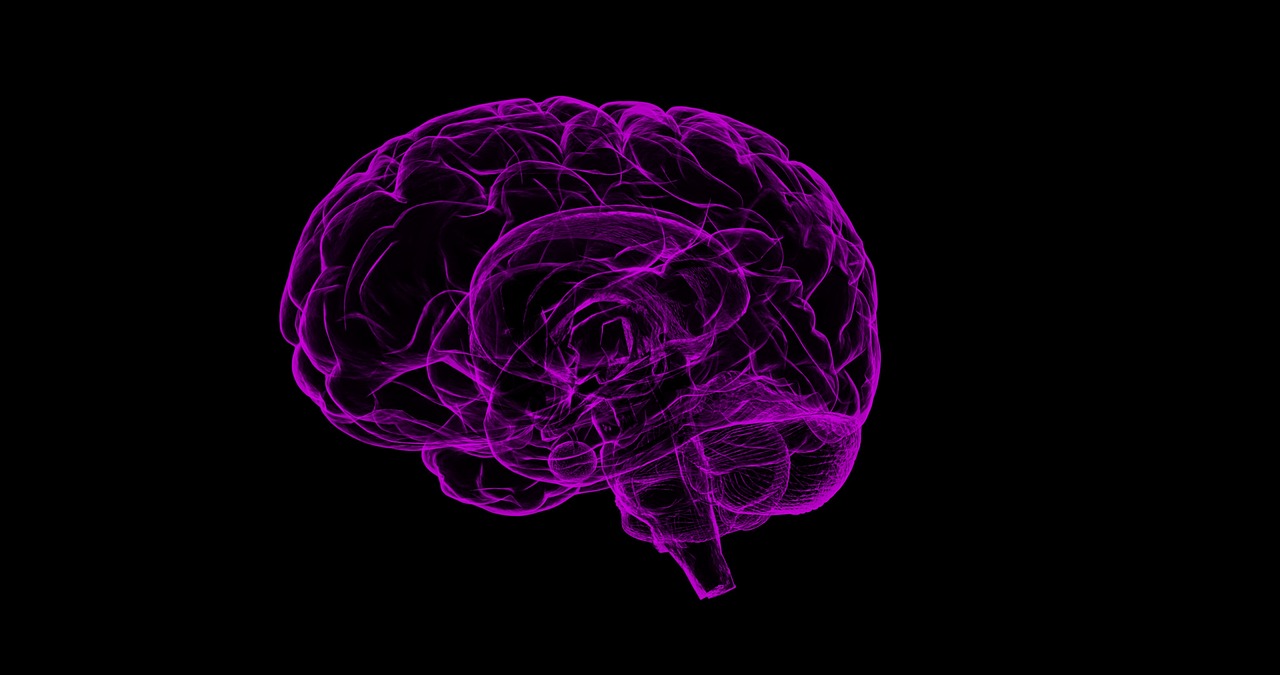
We remember the unique not the ordinary – memory is about choices.

By David Joel Miller, MS, Licensed Therapist & Licensed Counselor.

Brain

Memory.
Photo courtesy of Pixabay.com

The tale of an alligator dinner.

Unique events make a deep impression and are stored more deeply, more thoroughly in our brains. Common everyday events pass us by with barely a second glance. Humans are “cognitive misers.” Our brains don’t waste storage space on things unless the brain considers it important to pay attention to this item or event.

Want to remember something for a long time, make sure that person or event makes a unique impression on you. This impression is not just about the person or event, it is also about the choices you make and the attention you pay to the things you do.

In my younger days, so the story goes, I did a good bit of traveling. In those travels, I have been to my fair share of festivals and then some. More than one city holds an annual Strawberry Festival.

There are countless “vegetation festivals” all complete with their respective vegetation Queens. Broccoli festivals, Asparagus festivals, Onion festivals, and Artichoke festivals, the list is almost endless. After a while, one vegetation festival looks a lot like the next.

Each and every festival has its share of festival food. The Garlic Festival featured garlic ice cream which I decided to pass on. I can’t recall how the vanilla ice cream I bought that day tasted. I may have missed a bet by passing on the Garlic ice cream.

Most of the time at these festivals I get hungry. So do those I was with. Guess what we ate? Most days it was hamburgers and the like. Do I have any idea which was better, the burger at the Broccoli festival or the burger at the Artichoke Festival? Not a chance!

What I do remember was the Alligator at the seafood festival. I assume it was real alligator, though it was in a heavy garlic sauce so who can be sure. That same food vendor may well have sold that same menu at the garlic festival also.

Frankly, my particular alligator was not only heavy in garlic but also a bit overcooked and rubbery. Now if you eat alligator on a regular basis you can comment and tell me if good alligator should taste rubbery like B.F. Goodrich or not.

My point is that while I could not tell you about a whole lot of festival food, I will never forget that Alligator meal. The reason it was unforgettable was that it was, to me, so very unusual.

Commonplace items do not make much of an impression on us no matter how good. But the unusual, that impression good or bad, will last and last.

Not everyone can chase down some alligator for dinner tonight, I give you that, and those who do find it on the menu where they eat may be quite tired of it at this point.

My point here is that given the choice, go for the unusual, the thing you have never tried before because you will remember the unique item long after the ordinary is forgotten.

Looking for the unique can really help you remember. That is not restricted to totally unique things or events. Find one unique quality and that will anchor the memory and help you hold onto it a whole lot longer.

Trouble for many of us is that if you do not know what you are looking at you may not be able to see the unique when it slides off your plate, so to speak.

In the next few posts, we are still talking about memory improvement and mental efficacy here, I want to tell you about how to find the unusual when you don’t know what you are looking at. We also want to find out how to find the unusual in what at first look appears to be an ordinary person or place. With those skills, things that you used to pass by and forget in an instant can stay in your memory for as long as you chose.

Memory improvement skills do not come instantly so you will need to practice the skill a bit. It is a whole lot more fun to practice memory skills than to keep forgetting who you are and where you live.

Practice your memory skills and remember to check back the rest of the month for more on memory improvement and self-help skills.

Staying connected with David Joel Miller

Seven David Joel Miller Books are available now!

My newest book is now available. It was my opportunity to try on a new genre. I’ve been working on this book for several years, but now seem like the right time to publish it.

Story Bureau.

Story Bureau is a thrilling Dystopian Post-Apocalyptic adventure in the Surviving the Apocalypse series.

Baldwin struggles to survive life in a post-apocalyptic world where the government controls everything.

As society collapses and his family gets plunged into poverty, Baldwin takes a job in the capital city, working for a government agency called the Story Bureau. He discovers the Story Bureau is not a benign news outlet but a sinister government plot to manipulate society.

Bumps on the Road of Life. Whether you struggle with anxiety, depression, low motivation, or addiction, you can recover. Bumps on the Road of Life is the story of how people get off track and how to get your life out of the ditch.

Dark Family Secrets: Doris wants to get her life back, but small-town prejudice could shatter her dreams.

Casino Robbery Arthur Mitchell escapes the trauma of watching his girlfriend die. But the killers know he’s a witness and want him dead.

Planned Accidents  The second Arthur Mitchell and Plutus mystery.

Letters from the Dead: The third in the Arthur Mitchell mystery series.

What would you do if you found a letter to a detective describing a crime and you knew the writer and detective were dead, and you could be next?

Sasquatch. Three things about us, you should know. One, we have seen the past. Two, we’re trapped there. Three, I don’t know if we’ll ever get back to our own time.

For these and my upcoming books; please visit my Author Page – David Joel Miller

Want the latest blog posts as they publish? Subscribe to this blog.

For videos, see: Counselorssoapbox YouTube Video Channel
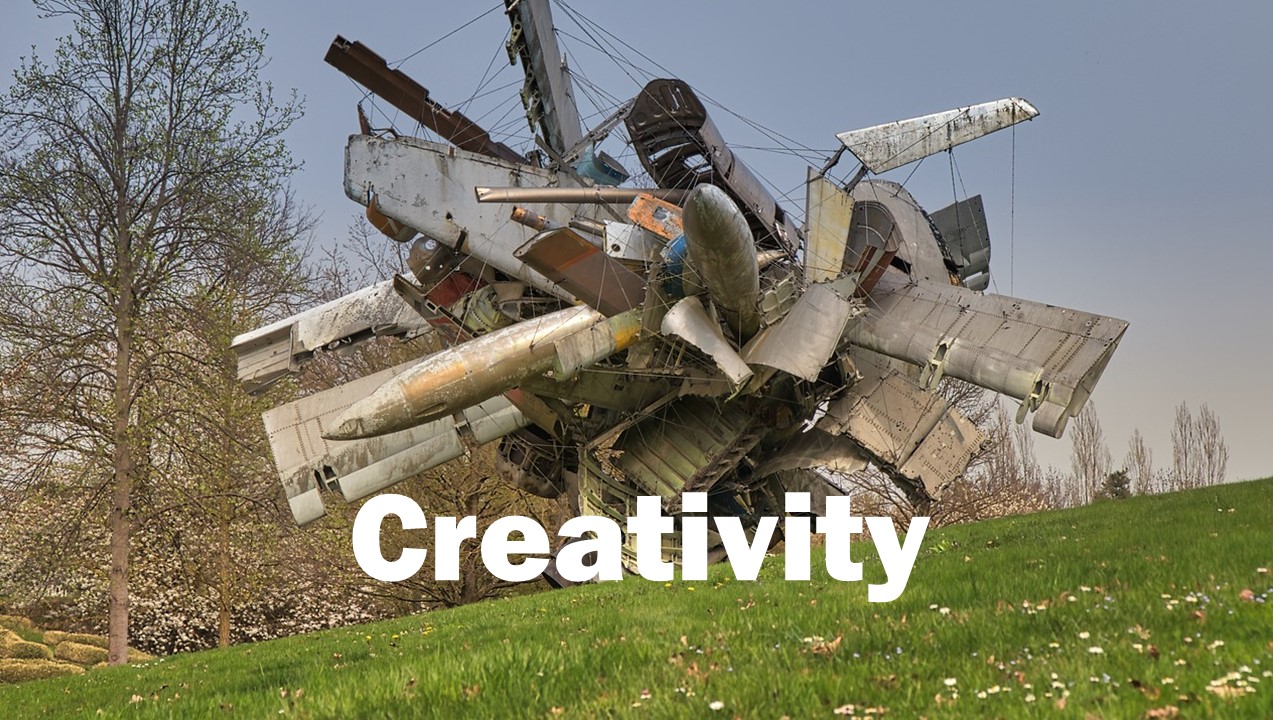
Are you original or ordinary?

By David Joel Miller, MS, Licensed Therapist & Licensed Counselor.

Creativity

Creativity.
Photo courtesy of Pixabay.com

Which is better, being ordinary or being original?

Careful – think about this before you answer. We sometimes tell our kids to be original without thinking about the cost. We adults sometimes forgo being original without thinking about the benefits.

Ordinary people do what is expected.

There is a lot of safety and security in being ordinary. You don’t have to risk criticism as much as original people. You don’t get singled out for punishment. You don’t get much attention. But attention can be a problem if it brings with it negativity and derision. Who wants to be different if that difference is going to be punished?

Ordinary people get left alone but they also don’t get many rewards.

Being ordinary has some survival benefits. People or animals that are too different from others in the herd get driven out. In some cultures, the mentally ill are sent into the jungle to live alone. Better they get eaten that the productive people the reasoning goes.

In those sorts of situations being too original has its punishment.

Some people would prefer to be ordinary. They are willing to forgo the attention and the rewards which accrue from originality in order to avoid the criticism that comes with being unique.

Ordinary people can be counted on to do what is expected, no more and no less. This also means that they attend the preferred religious and political gatherings, think the correct things, and largely do no one any harm. They also are slow to change when the circumstances shift.

Society needs conformity. Ordinary people conform. Even original people need to be original in the prescribed manner.

Original people do something different.

Originality, unfortunately, is also connected to making mistakes. The more original you are the greater the risk that you will do something, new, something unique, and it will be a total unequivocal failure.

Highly productive people do a lot of new original things; they also make some mistakes which can at times be highly visible. Even when original people do not fail, others will resist the changes the original person is causing. The establishment does not like change. Not unless it is change they created, change they can control, and change that benefits them.

Not everyone likes originality. We tend to like the familiar, the routine, and the expected. Even our excitement needs to fall within prescribed limits.

Edison is reported as saying he tried thousands of ways to make a light bulb before he found one that worked. The result could have been viewed as a man who made a record number of failures.

He reframed this as having found out thousands of things that would not work. By persistently trying things he eventually succeeded. He succeeded because he kept trying. Another person might have given up after a few dozen failures and worked on something else that had a better chance of success.

A less original person would have given up a long time before that success occurred.

On the job front, originality is not always valued.

Most companies want to keep their originality confined to a couple of departments. If you work in engineering or advertising departments then originality, up to a point, may be valued. Be careful about being too original if you work in a shipping department.

Highly original people tend to migrate to occupations and to places that encourage originality. Universities and colleges can afford to foster some level of originality because they incubate the original people for the next generation.

Countries that encourage originality find the highly innovative people migrate there. They also get stuck with a lot of dissidents who want to change the very things that brought them there.

In the arena of originality versus ordinary, you have to take the bad with the good. I for one would prefer to be more original but not everyone in my life sees it that way.

Which works best in your life, originality, or being ordinary?

Related articles

Staying connected with David Joel Miller

Seven David Joel Miller Books are available now!

My newest book is now available. It was my opportunity to try on a new genre. I’ve been working on this book for several years, but now seem like the right time to publish it.

Story Bureau.

Story Bureau is a thrilling Dystopian Post-Apocalyptic adventure in the Surviving the Apocalypse series.

Baldwin struggles to survive life in a post-apocalyptic world where the government controls everything.

As society collapses and his family gets plunged into poverty, Baldwin takes a job in the capital city, working for a government agency called the Story Bureau. He discovers the Story Bureau is not a benign news outlet but a sinister government plot to manipulate society.

Bumps on the Road of Life. Whether you struggle with anxiety, depression, low motivation, or addiction, you can recover. Bumps on the Road of Life is the story of how people get off track and how to get your life out of the ditch.

Dark Family Secrets: Doris wants to get her life back, but small-town prejudice could shatter her dreams.

Casino Robbery Arthur Mitchell escapes the trauma of watching his girlfriend die. But the killers know he’s a witness and want him dead.

Planned Accidents  The second Arthur Mitchell and Plutus mystery.

Letters from the Dead: The third in the Arthur Mitchell mystery series.

What would you do if you found a letter to a detective describing a crime and you knew the writer and detective were dead, and you could be next?

Sasquatch. Three things about us, you should know. One, we have seen the past. Two, we’re trapped there. Three, I don’t know if we’ll ever get back to our own time.

For these and my upcoming books; please visit my Author Page – David Joel Miller

Want the latest blog posts as they publish? Subscribe to this blog.

For videos, see: Counselorssoapbox YouTube Video Channel

How many senses do you use? Mindfulness and memory.

By David Joel Miller, MS, Licensed Therapist & Licensed Counselor.

Mindfulness

Mindfulness.
Photo courtesy of pixabay.

A mindfulness exercise for all the senses to improve mental efficiency and memory.

Most people rely on one or two senses to do all the work. How many do you routinely use?

One reason memories fade over time is our excessive reliance on one or two senses to store and anchor information. You were probably taught to remember things by converting them to words and then creating a story about the person or thing you needed to remember.

Memory functions better when you use more than one sense to store that memory.

Writers struggle with this problem frequently. We envision a scene; paint it with colors and plenty of verbal descriptions. We describe the shape of things, the size, and arrangement. With all that description, the scene should come to life. It doesn’t. Our scene is flat.

What has gone wrong?

Life is more than shapes and colors. Visual is important, ask any photographer. There is more to a life event than what is customarily captured in a two-dimensional picture.

Here is a simple mindfulness exercise to help you improve your powers of observation, use of multiple senses, and improve your memory as a result.

Take a walk. Find a place where you can pause to explore your situation without the use of your eyes. A park bench, bus stop or seating areas at public buildings make great places for this exercise.

Sit with your eyes closed, or if safety is a concern look down and focus on something small and plain. (Check my post on Shrinking the World by Staring at a Rock.)

Don’t try to figure things out, simply experience them.

What smells do you smell? Are they constant or do they fluctuate? Can you identify them? Are they pleasant or disturbing? How would you name them?

What are the sounds you hear? Without looking can you identify what is creating those sounds? Can you imagine the bird making that song? As you concentrate on the sounds you may well find that you notice more sounds and that they vary in pitch and intensity.

If you hear traffic, is it a car, truck, or bus? Which direction is it traveling? If there are people nearby what are they talking about? With whom?

What sensations do you feel on your body? Can you feel the wind on your skin? Where is the sun? Find the sun by feeling not by looking.

What tastes are you sensing? Was this something you brought with you, part of your breakfast or lunch or does this place have a taste as well as a smell?

Notice, but do not dwell on what your mind is thinking. If thoughts come racing through your mind let them go in peace. If you must capture that thought and not let it go I find that having a pen and paper in my pocket allows me to write the thought down and get it free of my mind, and then I return to my mindfulness exercise.

Do not allow yourself to judge your senses. Unless a professional has told you that there is some reason for a deficit in one of your senses it is likely that you can improve your underutilized senses by practice and by being more observant of the things they try to tell you.

Pay special attention to the times your senses of smell, taste or hearing disagree with the story your eyes told you about this place when you sat down here. Sitting by a fountain can be especially helpful here.

I once sat on a bench by the fountain on the college campus where I teach. There are many fountains down the center of that walkway. I had walked by repeatedly and seen only fountains that constantly throw water in the air. This day seated and experiencing the fountains I discovered that they each had a cycle, the flow fluctuated and with that fluctuation, the sounds varied. At length, I realized I could predict when the fountain nearest me was about to subside by a faint feeling of spray on my cheek even before the fountain had dropped in volume.

The constant pattern of fountains masked constant changes in the same way our over-reliance on sight may mask the changes in smells and sounds that go unnoticed in our daily life.

Learn to rely on more senses and you will find that your mental efficiency grows and your memory improves.

Photo courtesy of Flickr.

Staying connected with David Joel Miller

Seven David Joel Miller Books are available now!

My newest book is now available. It was my opportunity to try on a new genre. I’ve been working on this book for several years, but now seem like the right time to publish it.

Story Bureau.

Story Bureau is a thrilling Dystopian Post-Apocalyptic adventure in the Surviving the Apocalypse series.

Baldwin struggles to survive life in a post-apocalyptic world where the government controls everything.

As society collapses and his family gets plunged into poverty, Baldwin takes a job in the capital city, working for a government agency called the Story Bureau. He discovers the Story Bureau is not a benign news outlet but a sinister government plot to manipulate society.

Bumps on the Road of Life. Whether you struggle with anxiety, depression, low motivation, or addiction, you can recover. Bumps on the Road of Life is the story of how people get off track and how to get your life out of the ditch.

Dark Family Secrets: Doris wants to get her life back, but small-town prejudice could shatter her dreams.

Casino Robbery Arthur Mitchell escapes the trauma of watching his girlfriend die. But the killers know he’s a witness and want him dead.

Planned Accidents  The second Arthur Mitchell and Plutus mystery.

Letters from the Dead: The third in the Arthur Mitchell mystery series.

What would you do if you found a letter to a detective describing a crime and you knew the writer and detective were dead, and you could be next?

Sasquatch. Three things about us, you should know. One, we have seen the past. Two, we’re trapped there. Three, I don’t know if we’ll ever get back to our own time.

For these and my upcoming books; please visit my Author Page – David Joel Miller

Want the latest blog posts as they publish? Subscribe to this blog.

For videos, see: Counselorssoapbox YouTube Video Channel

Increase mental efficiency – Remembering people better.

By David Joel Miller, MS, Licensed Therapist & Licensed Counselor.

Brain

Memory.
Photo courtesy of Pixabay.com

How to improve mental efficiency and rev up the memory.

Improve your mental efficiency and improve your memory by practicing skills of observation. Becoming more observant is a skill you can learn.

Before you can remember someone you first need to get a good look at them. You need to be really observant.

There is an exercise that can help you with your ability to observe and remember people. It is an old exercise, from back in the pre-computer age, but still, one worth doing.

Think of a person you know socially but not necessarily well. Try to visualize this person. Get out a piece of paper you can save and write the answers to the following questions down.

Briefly, who is this person and how do you know them?

Male or female?

How old do you estimate they are? What would you guess their weight to be? How tall are they?

What is their hairstyle? Identifying hairstyle may be a challenge for some men. As we saw in a previous post about the expert effect if you don’t know what to call a particular hairstyle you may have trouble remembering it.

If they are a male do they have a beard? A mustache? How long are their sideburns?

How are their nails done?

What do they usually wear?

What did they wear the last time you saw them?

What are some of their common expressions? If you received a note from them that was unsigned could you pick it out from the handwriting or from expressions they use?

What is their predominant mood?

Repeat this exercise for at least three people including at least one man and one woman.

Next time you see this person check back and see how much you got correct. What did you have wrong?

Repeatedly practicing this exercise will improve your powers of observation. It will sensitize you to individual variations and make you more aware of the people you meet.

How well did you do at remembering other people? Can you see the value of practicing to improve your mental efficiency and memory?

Staying connected with David Joel Miller

Seven David Joel Miller Books are available now!

My newest book is now available. It was my opportunity to try on a new genre. I’ve been working on this book for several years, but now seem like the right time to publish it.

Story Bureau.

Story Bureau is a thrilling Dystopian Post-Apocalyptic adventure in the Surviving the Apocalypse series.

Baldwin struggles to survive life in a post-apocalyptic world where the government controls everything.

As society collapses and his family gets plunged into poverty, Baldwin takes a job in the capital city, working for a government agency called the Story Bureau. He discovers the Story Bureau is not a benign news outlet but a sinister government plot to manipulate society.

Bumps on the Road of Life. Whether you struggle with anxiety, depression, low motivation, or addiction, you can recover. Bumps on the Road of Life is the story of how people get off track and how to get your life out of the ditch.

Dark Family Secrets: Doris wants to get her life back, but small-town prejudice could shatter her dreams.

Casino Robbery Arthur Mitchell escapes the trauma of watching his girlfriend die. But the killers know he’s a witness and want him dead.

Planned Accidents  The second Arthur Mitchell and Plutus mystery.

Letters from the Dead: The third in the Arthur Mitchell mystery series.

What would you do if you found a letter to a detective describing a crime and you knew the writer and detective were dead, and you could be next?

Sasquatch. Three things about us, you should know. One, we have seen the past. Two, we’re trapped there. Three, I don’t know if we’ll ever get back to our own time.

For these and my upcoming books; please visit my Author Page – David Joel Miller

Want the latest blog posts as they publish? Subscribe to this blog.

For videos, see: Counselorssoapbox YouTube Video Channel

Groundhog Day – Why it matters

By David Joel Miller, MS, Licensed Therapist & Licensed Counselor.

Self

Getting to know yourself.
Photo courtesy of Pixabay.com

Sometimes our emotional lives depend on the weather.

Today is Groundhog Day in those places that pay attention to that kind of thing. The day has a lot more significance for our emotional and feeling life than the media accounts report.

In America, this holiday began sometime before 1840. It was celebrated in areas that had large numbers of German Immigrants. To this day it is most observed in places that have many people of German and Irish ancestry. The holiday has roots far back into other festivals throughout Northern Europe. It appears to date from a time when our calendar was more dependent on the cycles of the moon and the sun.

The visible part of the holiday is an event when some animal comes from its hole, tunnel or lair and looks around at the state of the weather. This animal, in America a Groundhog, is clearly a contrarian skeptic. If the weather on Groundhog Day is warm and sunny, the Groundhog returns to its lair, expecting 6 more weeks of winter. If on this day the sky is overcast and there is no sun visible the animal, clearly cynical, stays out expecting the sun to appear shortly.

One reason this holiday continues to resonate with so many people despite the advent of modern meteorological forecasting is that the weather remains uncertain and hugely affects our lives.

Groundhog Day is the point when the sun in the northern hemisphere is beginning to make its return known. From the beginning of February until the end of March, each day the period of light will increase and the darkness of night will decline until about March 20, the Vernal Equinox will occur, marking the triumph of day over night. At that point, spring officially occurs under our modern calendar.

These increases in light trigger numerous changes in our human bodies as any person who suffers from seasonal affective disorder will tell you. Animals and plants, as well as humans, will be influenced by this change in the light level.

One effect of the increase in light is to trigger an increase in energy, especially in the area of sexual interest. Just over two weeks after Groundhog Day on February 14th we will celebrate Valentine’s Day, a day devoted to romantic love.

Animals, particularity birds, begin their breeding season by Valentine’s day and have new-born chicks some 6 weeks later on Easter.

People with Bipolar Disorder are prone to see an increase in Manic or Hypomanic symptoms at this time of year. Increased sexual appetites along with a decreased need for sleep are characteristics of this mood shift. People with high anxiety may also be more inclined to take risks at this time of year that they would not take during other seasons.

In the fall time, this shift reverses as the light of the sun decreases and the weather turns cold and stormy. At that time we become more inclined to stay indoors and there is an increased risk of depression and anxiety.

The sun plays a major role in these seasonal changes in our moods, body, and emotions. The role of the moon is somewhat more controversial.

Good news for those of you who are moon watchers. This year from Groundhog Day to Valentine’s Day the moon is waning or going away. Next year in 2014, watch out. The period from Groundhog Day to Valentine’s Day will be a waxing moon and Valentine’s Day will fall on the day of a full moon that year.

For those of you in the Southern Hemisphere, all these dates are reversed. Beginning Feb 2nd you will see the sun receding and your winter blues may be ready to kick off. You will get to see this increase in light behavior during the time from August to December.

There was also a movie some time back titled Groundhog Day in which the lead character had to keep repeating his day trying to get it right. The ancient view of this, so I am told is that the wheel of the year keeps turning, the seasons keep repeating and we creatures on this planet keep having experiences.

It seems like, for me at least, if I don’t learn the lesson the first time, the opportunity to learn continues to be presented to me. Just like there will be a Groundhog Day again next year.

So much for our discussion of Groundhog Day and the effects of weather on our mood and feeling states. Tomorrow we will resume our discussion of feelings and their impact on mental health.

Photo courtesy of Wikipedia

Staying connected with David Joel Miller

Seven David Joel Miller Books are available now!

My newest book is now available. It was my opportunity to try on a new genre. I’ve been working on this book for several years, but now seem like the right time to publish it.

Story Bureau.

Story Bureau is a thrilling Dystopian Post-Apocalyptic adventure in the Surviving the Apocalypse series.

Baldwin struggles to survive life in a post-apocalyptic world where the government controls everything.

As society collapses and his family gets plunged into poverty, Baldwin takes a job in the capital city, working for a government agency called the Story Bureau. He discovers the Story Bureau is not a benign news outlet but a sinister government plot to manipulate society.

Bumps on the Road of Life. Whether you struggle with anxiety, depression, low motivation, or addiction, you can recover. Bumps on the Road of Life is the story of how people get off track and how to get your life out of the ditch.

Dark Family Secrets: Doris wants to get her life back, but small-town prejudice could shatter her dreams.

Casino Robbery Arthur Mitchell escapes the trauma of watching his girlfriend die. But the killers know he’s a witness and want him dead.

Planned Accidents  The second Arthur Mitchell and Plutus mystery.

Letters from the Dead: The third in the Arthur Mitchell mystery series.

What would you do if you found a letter to a detective describing a crime and you knew the writer and detective were dead, and you could be next?

Sasquatch. Three things about us, you should know. One, we have seen the past. Two, we’re trapped there. Three, I don’t know if we’ll ever get back to our own time.

For these and my upcoming books; please visit my Author Page – David Joel Miller

Want the latest blog posts as they publish? Subscribe to this blog.

For videos, see: Counselorssoapbox YouTube Video Channel

Mental Health, Self-improvement & Happy life –Counselorssoapbox.com January 2013 Best of Blog

Counselorssoapbox.com

By David Joel Miller, MS, Licensed Therapist & Licensed Counselor.

Taking stock of where we are in this no longer New Year – January Recap.

One month of 2013 come and gone, time to reflect on where we are and where we are going. So far this month we have talked a lot about taking stock of where you are and deciding where you are going. This happy life journey is all about becoming who you truly want to be.

I noticed that there are still a lot of people coming in to join us that are reading last year’s posts about diseases and disorders. When you are stuck in depression, anxiety, or substance abuse you may not be ready to begin a journey towards happiness. First, you need to define what your issues are.

Occasionally we may need to take a detour to help someone catch up with the direction towards happiness. As we progress I we will continue to examine the research that I come across, things that may explain why some of us have certain of life’s struggles and how you might overcome them.

One goal for this New Year has been to get these blog posts out on a regular basis. That seems to be working. I find I am able to write posts ahead of time and schedule them to appear on their appointed day. This has avoided those times when life and work prevent me from writing a post.

The progress on the book has been slow but I continue to work on getting it finished. The plan is to have a book published by the year’s end. I will mention some other writing projects as we go along.

I will endeavor to keep the shameless self-promotion to a minimum but my writer friends tell me that spreading the word about your writing is a requirement in this strange new e-book universe.

Here are some of the top viewed posts from this month, January 2013:

  1. How much should you tell a therapist? 
  2. Do people really forget what happened when drinking? – Blackouts 
  3. 6 ways to recover from Complex Trauma or Complex PTSD                         
  4. What is the difference between Depression and Major Depressive Disorder?   
  5. Why can’t we forget the painful past?       
  6. Are you Hyperthymic?      
  7. Do therapists have to report a crime?                
  8. Which border is Borderline Intellectual Functioning on?   
  9. Do others harm your self-esteem?          
  10. Is nicotine a stimulant or a depressant?      
  11. Sleep Paralysis – What causes it? Is it related to PTSD or demons?     
  12. Levels or types of Borderline Personality Disorder

Thanks if you were one of the early readers. If you missed one or want a second look the links are above.

Thanks, folks.

This year we will continue our journey through cleaning up our past, learning to cope with feelings and problems, and designing the kind of person we want to be. As always your comments are welcome.

Staying connected with David Joel Miller

Seven David Joel Miller Books are available now!

My newest book is now available. It was my opportunity to try on a new genre. I’ve been working on this book for several years, but now seem like the right time to publish it.

Story Bureau.

Story Bureau is a thrilling Dystopian Post-Apocalyptic adventure in the Surviving the Apocalypse series.

Baldwin struggles to survive life in a post-apocalyptic world where the government controls everything.

As society collapses and his family gets plunged into poverty, Baldwin takes a job in the capital city, working for a government agency called the Story Bureau. He discovers the Story Bureau is not a benign news outlet but a sinister government plot to manipulate society.

Bumps on the Road of Life. Whether you struggle with anxiety, depression, low motivation, or addiction, you can recover. Bumps on the Road of Life is the story of how people get off track and how to get your life out of the ditch.

Dark Family Secrets: Doris wants to get her life back, but small-town prejudice could shatter her dreams.

Casino Robbery Arthur Mitchell escapes the trauma of watching his girlfriend die. But the killers know he’s a witness and want him dead.

Planned Accidents  The second Arthur Mitchell and Plutus mystery.

Letters from the Dead: The third in the Arthur Mitchell mystery series.

What would you do if you found a letter to a detective describing a crime and you knew the writer and detective were dead, and you could be next?

Sasquatch. Three things about us, you should know. One, we have seen the past. Two, we’re trapped there. Three, I don’t know if we’ll ever get back to our own time.

For these and my upcoming books; please visit my Author Page – David Joel Miller

Want the latest blog posts as they publish? Subscribe to this blog.

For videos, see: Counselorssoapbox YouTube Video Channel

5 Rules for Helping and Being Helped

By David Joel Miller, MS, Licensed Therapist & Licensed Counselor.

Helping others.
Photo courtesy of pixabay

Can you accept help? Do you help others?

The tug between giving and receiving help can throw you off-balance regardless of your other issues in life.

There are those who are always doing for others. They just can’t help enough. But when the time comes for them to ask for or even accept help this is something really hard for them to do. This over-helping can leave you drained and resentful when others don’t show you the appreciation you expect and are not willing to do for you in return.

Other people avoid doing anything for others but are always so needy then use their friends up. Eventually, a day comes that they need help but no one is available or willing to help them. They become despondent and bitter. Constantly asking for help may be a sign you don’t have much confidence in your ability to handle things.

Getting this helping and receiving help in balance is really difficult. To navigate the helping rapids you need a lot of balance in your life.

Helping rule # 1

Helping others makes you feel good.

Have you ever done something for a small child or an elderly person? Someone who truly needed your help and couldn’t do it or do it as well without your help?

How did that make you feel? Most people have had this experience more than once in their life. The predominant feeling people say they get from helping others was that helping that person made them feel good. We mostly like the feeling of helping someone who needs help.

If you have never had this feeling, don’t cheat yourself out of the chance to feel good. Seek out some opportunity to be of service.

Helping rule # 2

Don’t help others and expect something in return.

Did you expect that child to thank you profusely or be in your debt? Did you expect them to repay the favor? Probably not, because you knew from the start that child or older person was not in a position to do the same for you.

Now, what if you lent your car to a friend, and then later when you needed a ride they would not return the favor? How does this make you feel?

You probably feel bad, hurt, even angry. Why? Because when you helped them you expected that they would someday repay the favor.

If you help others expecting something in return you are setting yourself up for disappointment.

Helping rule # 3

Don’t cheat others out of the chance to feel good by helping.

If helping a child made you feel good why would you cheat someone out of any of that good feeling? This comes up frequently in recovery groups. People say that they don’t ask someone to be their sponsor because they don’t want to impose.

That other person wants the chance to help. If not you then they will help someone else. So often in life, we constantly help but are unwilling to let others help us. Being able to accept help is as much a skill as being a helping person.

Only watch out for rule 4.

Helping rule # 4

Giving is giving and selling is selling.

If someone helps you do you owe them? There are some businesses that call themselves helping professions or that like to think they help people but it is clear from the start or should be that someone is paying for this service. Most of the time helping and receiving help are not-for-profit transactions.

If someone does for you and they afterward tries to charge you, there is a good chance you will feel cheated. That gift had strings attached. Makes you reluctant to accept help from that person again and it makes you reluctant to offer them any help in the future.

Make sure what the intent is upfront and feel free to decline offers of help that come with strings attached.

Helping rule # 5

Helping should not be a destination at the end of a one-way street.

People who can give help but are never able to receive it are in an unhealthy neighborhood. If something inside you makes you feel that you need to always be helping others but that you should not accept any help in return you need to look at yourself and see why it is so hard for you to accept help.

Do you feel that you don’t deserve to receive help? Are you not worth it? Then take a look back at all those previous posts about how you deserve a happy life and need to start creating one. Believe in yourself.

If you find that you are mostly on the receiving end then consider what you can do to give to others. Giving makes you feel better about yourself and always taking makes you weaker, more helpless, and selfish.

This is not to say that if you have a genuine disability it is wrong to accept a lot of help. What I am saying is that you need also to look at what you can do to be helpful in return. Sometimes that is as simple as saying thank you or a call to see how the person who was helpful to you is feeling today. This is one of those for sure cases of; it is not the size of the gift but the thought that counts. Just, please, be honest with yourself about how much help you need and what you can and can’t do for others.

Helping is not a fair trade situation. You do not do for them so they will do for you. It is a “you have to give it away to keep it” thing. The more you can do for others the better a person you become. Letting others help you, sometimes helps them to find happiness.

Best wishes on your journey to a happier life.

Staying connected with David Joel Miller

Seven David Joel Miller Books are available now!

My newest book is now available. It was my opportunity to try on a new genre. I’ve been working on this book for several years, but now seem like the right time to publish it.

Story Bureau.

Story Bureau is a thrilling Dystopian Post-Apocalyptic adventure in the Surviving the Apocalypse series.

Baldwin struggles to survive life in a post-apocalyptic world where the government controls everything.

As society collapses and his family gets plunged into poverty, Baldwin takes a job in the capital city, working for a government agency called the Story Bureau. He discovers the Story Bureau is not a benign news outlet but a sinister government plot to manipulate society.

Bumps on the Road of Life. Whether you struggle with anxiety, depression, low motivation, or addiction, you can recover. Bumps on the Road of Life is the story of how people get off track and how to get your life out of the ditch.

Dark Family Secrets: Doris wants to get her life back, but small-town prejudice could shatter her dreams.

Casino Robbery Arthur Mitchell escapes the trauma of watching his girlfriend die. But the killers know he’s a witness and want him dead.

Planned Accidents  The second Arthur Mitchell and Plutus mystery.

Letters from the Dead: The third in the Arthur Mitchell mystery series.

What would you do if you found a letter to a detective describing a crime and you knew the writer and detective were dead, and you could be next?

Sasquatch. Three things about us, you should know. One, we have seen the past. Two, we’re trapped there. Three, I don’t know if we’ll ever get back to our own time.

For these and my upcoming books; please visit my Author Page – David Joel Miller

Want the latest blog posts as they publish? Subscribe to this blog.

For videos, see: Counselorssoapbox YouTube Video Channel