
Is it a ritual or a routine?

By David Joel Miller, MS, Licensed Therapist & Licensed Counselor.

Tea cup.

Morning tea.
Photo courtesy of Pixabay.com

Are you stuck in a routine? Maybe you need more rituals.

Families that have specific family rituals often are happy and more cohesive. Nowadays most families have abandoned rituals and are stuck in stagnant routines.

What’s the difference between a ritual and a routine?

A routine is defined as (From Encarta) repetitive, a usual pattern of activity, even part of a computer program.

A ritual is something else. It involves following a set pattern, ceremonies and may include set forms of communication. Let’s look at some differences and why they may be affecting you and your family.

Rituals mark transitions in time and space.

Think of this as the difference between the last day of school each year and a graduation ceremony when you complete your education.

Routine – You come home from work, your kids come home from school. People get hungry so they go in the kitchen and eat. Maybe what mom or dad made, maybe something else. Food in the after-the-work hours is every man or woman for themselves.

The result is often a kitchen that is a mess, dirty dishes scattered throughout the house, and people coming and going as they please. Other results include a family that doesn’t feel like a family. No one belongs and they are each doing their own thing. There is also probably a lot of fighting over who does what and why the kitchen and the rest of the house is such a mess.

For some families, dinner is a ritual rather than a routine.

Ritual

Dinner is served with everyone seated around a common table. No one starts till everyone gets there. (Oh the social pressure if you are the last in and keeping the rest of YOUR FAMILY from eating.)

The meal may start with a prayer or other opening words. There is likely to be a custom of people talking to each other, asking about each other’s day, and sharing what is going on in their life.

The result of transforming evening eating into a family dinner results in some positive benefits.

Families that regularly eat together, 4 or more nights per week, their kids get better grades. People are more likely to feel like they are all connected and belong as opposed to those people who feel more like guests in their own home.

Rituals include some symbolic elements. By doing this and saying that we are affirming we are part of something, belong to something, and that what we are doing has a greater significance than just getting through life.

Dinner, the meal, becomes dinner, the time we all spend together, and affirm we are a family.

Making meaning in your life.

If your life seems routine and boring, consider the meaning behind the things you do. Leave out the meanings and the rest of life is just going through the motions.

Staying connected with David Joel Miller

Seven David Joel Miller Books are available now!

My newest book is now available. It was my opportunity to try on a new genre. I’ve been working on this book for several years, but now seem like the right time to publish it.

Story Bureau.

Story Bureau is a thrilling Dystopian Post-Apocalyptic adventure in the Surviving the Apocalypse series.

Baldwin struggles to survive life in a post-apocalyptic world where the government controls everything.

As society collapses and his family gets plunged into poverty, Baldwin takes a job in the capital city, working for a government agency called the Story Bureau. He discovers the Story Bureau is not a benign news outlet but a sinister government plot to manipulate society.

Bumps on the Road of Life. Whether you struggle with anxiety, depression, low motivation, or addiction, you can recover. Bumps on the Road of Life is the story of how people get off track and how to get your life out of the ditch.

Dark Family Secrets: Doris wants to get her life back, but small-town prejudice could shatter her dreams.

Casino Robbery Arthur Mitchell escapes the trauma of watching his girlfriend die. But the killers know he’s a witness and want him dead.

Planned Accidents  The second Arthur Mitchell and Plutus mystery.

Letters from the Dead: The third in the Arthur Mitchell mystery series.

What would you do if you found a letter to a detective describing a crime and you knew the writer and detective were dead, and you could be next?

Sasquatch. Three things about us, you should know. One, we have seen the past. Two, we’re trapped there. Three, I don’t know if we’ll ever get back to our own time.

For these and my upcoming books; please visit my Author Page – David Joel Miller

Want the latest blog posts as they publish? Subscribe to this blog.

For videos, see: Counselorssoapbox YouTube Video Channel

Happy Father’s Day

Fatherhood

Happy Father’s Day.
Photo courtesy of Pixabay.com

6 Ways to be a bad father

By David Joel Miller, MS, Licensed Therapist & Licensed Counselor.

Child crying

Ways to be a bad father.
Photo courtesy of pixabay.

Being a bad father may be easier than being a good one.

Tomorrow is Father’s day.  In this run-up to that occasion, I thought we should take a look at the topic of good fathering and bad fathering. How to be a good father, that is a tough thing to define and even tougher to do. But being a bad father, there seem to be some easy, common, ways to do that.

I am not one who thinks that parents, mothers, or fathers, are superfluous to raising children. I have great respect for single parents, male or female, but I continue to think that children benefit from having good role models for both roles. Children do need to have a father or father figure in their lives.

I am not one to blame all the ills of our world on men, being myself of the male persuasion. I think men have gotten a bad rap when it comes to child-rearing. It seems fashionable to attribute all the problems children face these days to being the man’s fault and any man who spends too much time around children is suspect these days.

We men are having a difficult time filling this father role. What it takes to be a “good father” has changed and what we did learn about these skills from our fathers does not work in this changing modern world.

Based on the things men tell me and the things I have learned from my own experiences, here are some easy ways to be a bad father.

1. Donate sperm to a woman who you would never want to have to spend time with afterward.

You can break up with your girlfriend, divorce your wife, but your babies’ mamas are forever.  Once you create a child you are their father permanently and this means you and they are stuck with that mother forever.

Do not expect or depend on her for birth control. Yes, you have urges. So does she, but once you create that child you are their father. Use birth control.

Her saying she can’t get pregnant more likely means she hasn’t yet. When drinking, do you remember to take your vitamin pill? Do you think she could forget, accidentally or on purpose, to take that other pill?

2. Expect to phone or mail it in.

A phone call on birthdays and Christmas is not being a father. It is being a stranger. Even weekly calls are not the same thing as being a part of that child’s life.

Checks in the mail do not say, love. They say guilt.

3. Making lots of money is not being a father.

Lots of us men fell for this one. We thought that working really hard, making money so our kids, maybe even our families, had what they wanted was what being a father was all about.

I repeatedly hear from fathers who worked long hours, two even three jobs and now their children resent them for never being there. You can’t buy their love. And do you really want your children thinking that you and their love is for sale?

Kids want all the latest designer brand names. They all think they need to have an X-phone and an I-station like their peers. But years from now most will not remember that you bought them all that stuff. What they will remember are the things you did with them.

4. Don’t Listen to what they say.

This is one of the hardest things to do in any relationship, especially with your kids. You hear something and you know, or think you know, the things that they have not learned yet. You feel the need to tell them.

Most of the time what they really need is to be able to talk with you and know that you will love them anyway.

One exception to the do not think buying them stuff is being a good father is if in listening to them they tell you how much they want or have always wanted something. One thing kids tell me is their parents got them all kinds of things they did not want, but that they never got that one thing, often an inexpensive thing that they really did want.

5. Be their friend, not their parent.

Being a good parent means listening to what they say and accepting them no matter what it does not mean becoming their best friend and condoning what they do.

You need to convey some sense of right and wrong. We adults do not get this correctly a lot. Sometimes we do wrong things, but sharing your drugs with your child does not make it up to them.

6. Wait till they get old enough to do things together.

As children get older they pull away from their parents. Mother often gets to spend more time with the child so the pull away can be less dramatic.

Dads find they work hard to get financially secure and then about the time they want to take their child golfing or hiking in the Sierras that child has friends or even a romantic interest. At that point, they do not want to spend the weekend with their father they want to be with their friends. Ultimately you have to fit into their life or lose the connection.

This loss of connection is especially hard for the non-custody father. He is still expected to send the check but his child and their mother no longer want to see him.

There are 6 ways to be a bad father. There are probably a lot more ways but this is something to think about as we approach the one day a year families appear to like their father.

As for being a good father, well keep trying someday we men may find a way to get that one right.

Staying connected with David Joel Miller

Seven David Joel Miller Books are available now!

My newest book is now available. It was my opportunity to try on a new genre. I’ve been working on this book for several years, but now seem like the right time to publish it.

Story Bureau.

Story Bureau is a thrilling Dystopian Post-Apocalyptic adventure in the Surviving the Apocalypse series.

Baldwin struggles to survive life in a post-apocalyptic world where the government controls everything.

As society collapses and his family gets plunged into poverty, Baldwin takes a job in the capital city, working for a government agency called the Story Bureau. He discovers the Story Bureau is not a benign news outlet but a sinister government plot to manipulate society.

Bumps on the Road of Life. Whether you struggle with anxiety, depression, low motivation, or addiction, you can recover. Bumps on the Road of Life is the story of how people get off track and how to get your life out of the ditch.

Dark Family Secrets: Doris wants to get her life back, but small-town prejudice could shatter her dreams.

Casino Robbery Arthur Mitchell escapes the trauma of watching his girlfriend die. But the killers know he’s a witness and want him dead.

Planned Accidents  The second Arthur Mitchell and Plutus mystery.

Letters from the Dead: The third in the Arthur Mitchell mystery series.

What would you do if you found a letter to a detective describing a crime and you knew the writer and detective were dead, and you could be next?

Sasquatch. Three things about us, you should know. One, we have seen the past. Two, we’re trapped there. Three, I don’t know if we’ll ever get back to our own time.

For these and my upcoming books; please visit my Author Page – David Joel Miller

Want the latest blog posts as they publish? Subscribe to this blog.

For videos, see: Counselorssoapbox YouTube Video Channel

Who broke you? Socialization and difficult children

By David Joel Miller, MS, Licensed Therapist & Licensed Counselor.

Feral cat.
Photo courtesy of Pixabay.com

As a baby did someone have to “break you?”

A ran across a passage in an older self-improvement book in which the author was talking about the need for children to be “broken.” Most of us today would be a bit taken back at the idea that children need to be “broken.”

This used to be a common term; I am inclined to think that the meaning has changed. People used to call it breaking an animal. Sometimes this was simply a way of referring to the process of training an animal to behave in the way we want it to. Snarling and biting are not acceptable behaviors for a dog so they need to be taught to not engage in this kind of activity.

Now by referring to the idea of “breaking” a small child I am in no way encouraging or condoning any form of cruelty. Even though the application of the term “breaking” is now largely confined to the training of horses, and applied to horses, I would hope, is the belief that this training of horses ought to be done in a humane manner.

But what about children? Should they be broken?

When you think of this process in a more modern way, we might say a child needs to be “socialized.” Why?

Because there are certain social norms we expect of people who live in our society. You should pay for the things you remove from a store. Some people do not seem to have learned this truth as children and are now surprised, even shocked when they are arrested for stealing.

Some people still have not gotten the message that there are things they just are not allowed to say and do. If you assert your right to do as you please, then I assert the right to call the police and have you arrested for that behavior. Calling the police might even be a mild response for some of the “unbroken” behaviors people are exhibiting these days.

So do parents have a duty to teach their children right and wrong?

Might that duty also include the duty to get their kid to stop doing socially unacceptable behaviors? If your child has developed an anti-social habit, I suggest that you as a parent have the duty, to yourself and the rest of society to “break” your child of this anti-social habit.

Now if no one taught you the difference between right and wrong. If you grew up in an environment where anything and everything goes, you may be forced to conduct some of this “breaking” activity on yourself.

One thing we learn as we get older is that if we are unable to control our lives the state is all too willing to appoint someone, a probation officer, or parole agent, to manage our lives.

Have you found that you have habits you wish you had never started? Do you do things that get you in trouble with the law and society?

Then you might not yet be “broken” or “fully socialized.”

In that case, you have some “breaking” to do for your own good. Learn to break those bad habits and to conform to social norms. And make sure to pass those things on to your children.

It is a lot less painful to learn the word “NO” from a parent at a young age than from a judge or prison guard later on.

Who “broke” or trained you in the skills you need for life?

If that hasn’t happened yet, find a good life skills trainer, and get to work. If your children embarrass you in public, if you get too many calls from the school about your child’s behavior, they may be sorely in need of some socialization and some “breaking” of bad habits. You owe it to yourself, your children, and society to discard those bad habits and develop some new socially acceptable ones.

People have difficulty developing new pro-social habits when they still have old bad habits in place. Out with the bad and in with the good. Break that old habit or behavior and create room for some new positive behaviors.

Here is wishing you the best at changing old bad habits and developing new ones that will speed you on your way to a happy life.

Staying connected with David Joel Miller

Seven David Joel Miller Books are available now!

My newest book is now available. It was my opportunity to try on a new genre. I’ve been working on this book for several years, but now seem like the right time to publish it.

Story Bureau.

Story Bureau is a thrilling Dystopian Post-Apocalyptic adventure in the Surviving the Apocalypse series.

Baldwin struggles to survive life in a post-apocalyptic world where the government controls everything.

As society collapses and his family gets plunged into poverty, Baldwin takes a job in the capital city, working for a government agency called the Story Bureau. He discovers the Story Bureau is not a benign news outlet but a sinister government plot to manipulate society.

Bumps on the Road of Life. Whether you struggle with anxiety, depression, low motivation, or addiction, you can recover. Bumps on the Road of Life is the story of how people get off track and how to get your life out of the ditch.

Dark Family Secrets: Doris wants to get her life back, but small-town prejudice could shatter her dreams.

Casino Robbery Arthur Mitchell escapes the trauma of watching his girlfriend die. But the killers know he’s a witness and want him dead.

Planned Accidents  The second Arthur Mitchell and Plutus mystery.

Letters from the Dead: The third in the Arthur Mitchell mystery series.

What would you do if you found a letter to a detective describing a crime and you knew the writer and detective were dead, and you could be next?

Sasquatch. Three things about us, you should know. One, we have seen the past. Two, we’re trapped there. Three, I don’t know if we’ll ever get back to our own time.

For these and my upcoming books; please visit my Author Page – David Joel Miller

Want the latest blog posts as they publish? Subscribe to this blog.

For videos, see: Counselorssoapbox YouTube Video Channel

Are you a Parentified Child?

By David Joel Miller, MS, Licensed Therapist & Licensed Counselor.

Children working

Parentified child.
Photo courtesy of pixabay

If you are a Parentified Child how do you ever finish growing up?

Some children grow up way too young. Are you one of those people?  Did you take on roles that were far too adult for your age? Parentified children begin to act like adults before they ever have the chance to be kids. This causes them problems later in life.

If you came from a dysfunctional home, and there are lots of different types of dysfunctional homes, you may have been cast in the role of parent for your mother or father. They played the child role; you tried to be the responsible adult. You made their food, cleaned the house, and may have cared for your siblings. You may have had to call their bosses or make excuses for them when they were not able to function as an adult.

If you had to be a surrogate parent before you were able to be a child, how did you learn what to do as an adult, and when do you ever get to be a child? Parentified children, grown into adults who never had a childhood become either super responsible or irresponsible to the max.

We often see this in families where a parent is an alcoholic or an addict. They are so debilitated much of the time that a child steps in and takes care of the parent and fills the parent’s other roles also. This parentified child becomes so used to being the responsible, caregiving one, that they all too often end up in dysfunctional relationships hooked up with an immature adult that needs a caregiver rather than a partner.

The little girl who goes to school, say in the third grade, but then goes home to fix dinner for her younger siblings, is acting like a parentified child. She may have to do the laundry or even feed and change the baby. She becomes the parent for her siblings. What happens to this child when they grow up?

One result of being too mature too soon is the unresolved need to be a child and play. These Parentified children are quick to jump into sexual relationships. They go straight from being a child-mother to their brothers, sisters, and parent, to being a partner and mother or father themselves. There is never a time to get their needs met.

These Parentified children are at high risk to abuse substances themselves to cope with the too early assumed responsibilities of being a parent. They are also at risk at some point in their life to veer off and go through a period of irresponsible behavior, trying to learn to play and have fun. What they may not have learned is how to have fun without indulging in drugs, alcohol, or other risky behavior.

They are also at risk to never really learn functional ways to parent. Having had to be adults at a young age they expect their own children to start taking on that role before those children are ready. This results in a lot of family dysfunction.

If you grew up in a home where you had to take on too many adult responsibilities at a very young age you may not have had good role models for the ways in which you need to behave. You have had to make the rules up as you go along. Often you have paid the price of having to learn how functional people behave by trial and error.

One major challenge for the parentified child is to learn about developmental milestones, what should you have learned and how should you have behaved at eight, at eighteen, and at twenty-eight. Many parentified children need to take parenting classes so they can parent themselves as well as parent their children.

Did you become a parentified child? Do you now have to learn how to play, have fun, and go through the process of growing up all over again?

Staying connected with David Joel Miller

Seven David Joel Miller Books are available now!

My newest book is now available. It was my opportunity to try on a new genre. I’ve been working on this book for several years, but now seem like the right time to publish it.

Story Bureau.

Story Bureau is a thrilling Dystopian Post-Apocalyptic adventure in the Surviving the Apocalypse series.

Baldwin struggles to survive life in a post-apocalyptic world where the government controls everything.

As society collapses and his family gets plunged into poverty, Baldwin takes a job in the capital city, working for a government agency called the Story Bureau. He discovers the Story Bureau is not a benign news outlet but a sinister government plot to manipulate society.

Bumps on the Road of Life. Whether you struggle with anxiety, depression, low motivation, or addiction, you can recover. Bumps on the Road of Life is the story of how people get off track and how to get your life out of the ditch.

Dark Family Secrets: Doris wants to get her life back, but small-town prejudice could shatter her dreams.

Casino Robbery Arthur Mitchell escapes the trauma of watching his girlfriend die. But the killers know he’s a witness and want him dead.

Planned Accidents  The second Arthur Mitchell and Plutus mystery.

Letters from the Dead: The third in the Arthur Mitchell mystery series.

What would you do if you found a letter to a detective describing a crime and you knew the writer and detective were dead, and you could be next?

Sasquatch. Three things about us, you should know. One, we have seen the past. Two, we’re trapped there. Three, I don’t know if we’ll ever get back to our own time.

For these and my upcoming books; please visit my Author Page – David Joel Miller

Want the latest blog posts as they publish? Subscribe to this blog.

For videos, see: Counselorssoapbox YouTube Video Channel

Do therapists tell parents what kids say?

By David Joel Miller.

How much confidentiality should children get?

Do therapists tell parents what kids say?
Photo courtesy of pixabay

This can be a very touchy issue. Nothing more infuriates a parent than the sense of loss of control over their child’s care. Parents routinely want to know all about what their child is talking about in therapy. Children often ask “Do you have to tell my parents,” before they will disclose something. There are no simple answers.

Two primary questions here.

1. How much should the parents be told?

2. How much are they legally entitled to know?

There are good reasons why parents need to know what is going on with their children. There are also some equally good reasons why they should not be told. Let me try to explain both.

Consider this a general answer and deliberately vague, lots of factors play into this situation and these vary widely from location to location. So the legal practice in one state may not apply in another. From the therapist’s point of view, there are something’s the parents need to know and other things that will interfere with the process if the therapist tells them.

The exact legal requirements are another issue that varies with the jurisdiction.

The parent, therapist, and the child may also discuss ahead of time just what things will be told to the parent and what should be kept confidential.

Some parents want to know everything the child says. They want the counselor to pry those secrets out of their child. They ask us things like “Is he doing drugs?” “Is she having sex?” The great illusion of some parents is that if they knew all their children’s secrets they could better control the child’s behavior and “Keep them from making mistakes or doing something wrong.”

Let me give you a real-life example of a parent’s effort to control their child’s behavior and how it backfired. This particular example is based on a news story, not my clinical practice so parents, if I have seen your child, relax this is not your kid. I have imagined a few things that were likely to happen after the news account left off.

Dad was worried about his daughter staying out late and was suspicious she was having sex with one of the boys from her school. Dad wants to put a stop to this behavior. He gets an adult this girl trust to talk with her. Have that sex talk. She reveals that yes after going to a local hangout she and this boy did go off and have sex. The girl is 17 the boy is 18. So this sex, in my state, would have been illegal as statutory rape but not reportable by the counselor as child sexual abuse.

Dad is told. He becomes enraged. Dad pressures the police and the local D. A. to arrest this older boyfriend for statutory rape. Dad also files a lawsuit against the hangout where the two of them met for endangering the morals of children. Let’s not worry about the merits of a suit like this just now. The boy is in jail, the hangout is fighting to stay in business and now checks all the kid’s ID’s and no longer allows anyone under 18 to enter. Everyone in this small town knows who had the sex that caused the problems for all of the other teens.

The result?

This Girl, now furious with her father, sneaks out her window, goes to another spot, and hooks up with a couple of older guys. She is going to get even with dad. She is now having sex with lots of older guys, not just the one cute potential boyfriend who is away in jail.

A better approach would have been to talk with the girl about love, relationships, and the dangers of unprotected sex.

Parents make the mistake of thinking that they need to control children’s behavior to keep them safe. So very often that “protected” child turns 18 and now all bets are off.

Parents, at some point in your child’s life, probably in the teen years, your role should move from protecting your child to teaching them how to make good choices. That learning to make choices part scares most parents. What if they make a mistake?

Parents fear this because frequently those parents have made all those mistakes themselves.

We all need to live our lives, learn to make choices, for better or worse, and sometimes in the process, we fall down and get hurt.  A good parent can loosen their grip enough to let the child make some decisions and learn from them before they reach the point of having to face those huge, life-altering, decisions all alone.

Lots of teens ask me to not tell their parents things because they know they have messed up. Often the parents are very understanding and can help the teen solve the problem. Embarrassment and the keeping of secrets are not helpful to the teen.

Some reasons parents should not be told what their child says.

If there is a danger the parent will overreact, or harm the child then the counselor may be ethically bound to keep things from the parent.

More than one parent was concerned about what the child was saying because the parent was engaged in illegal activity, used drugs, or had some other secret they wanted to hide.

If you are the parent whose child is in therapy, trust the therapist to tell you what needs to be told, to report what legally has to be reported, and to try to help your child through the process of learning to make their own decisions.

If you are that teen in therapy, have this conversation with your counselor. Ask them what sorts of things they will be telling to your parents and what is confidential. Unless there is a safety issue involved it is generally best to let your parents know what problems you are dealing with and the counselor can help you with the process of telling them. Don’t let embarrassment keep you from getting help. We all make mistakes in life. The smart people know they need to fix those mistakes and sometimes that means asking for help.

Staying connected with David Joel Miller

Seven David Joel Miller Books are available now!

My newest book is now available. It was my opportunity to try on a new genre. I’ve been working on this book for several years, but now seem like the right time to publish it.

Story Bureau.

Story Bureau is a thrilling Dystopian Post-Apocalyptic adventure in the Surviving the Apocalypse series.

Baldwin struggles to survive life in a post-apocalyptic world where the government controls everything.

As society collapses and his family gets plunged into poverty, Baldwin takes a job in the capital city, working for a government agency called the Story Bureau. He discovers the Story Bureau is not a benign news outlet but a sinister government plot to manipulate society.

Bumps on the Road of Life. Whether you struggle with anxiety, depression, low motivation, or addiction, you can recover. Bumps on the Road of Life is the story of how people get off track and how to get your life out of the ditch.

Dark Family Secrets: Doris wants to get her life back, but small-town prejudice could shatter her dreams.

Casino Robbery Arthur Mitchell escapes the trauma of watching his girlfriend die. But the killers know he’s a witness and want him dead.

Planned Accidents  The second Arthur Mitchell and Plutus mystery.

Letters from the Dead: The third in the Arthur Mitchell mystery series.

What would you do if you found a letter to a detective describing a crime and you knew the writer and detective were dead, and you could be next?

Sasquatch. Three things about us, you should know. One, we have seen the past. Two, we’re trapped there. Three, I don’t know if we’ll ever get back to our own time.

For these and my upcoming books; please visit my Author Page – David Joel Miller

Want the latest blog posts as they publish? Subscribe to this blog.

For videos, see: Counselorssoapbox YouTube Video Channel

More problems for the children of Meth users

By David Joel Miller, MS, Licensed Therapist & Licensed Counselor.

Drugs of addiction

Addiction.
Photo courtesy of Pixabay.com

Being around Meth users is bad for children.

Just read another study that reports on another problem for children of meth users. Like we needed another study to tell us that using Meth is bad for both parents and their children. We know Meth use is bad, just we may not yet know how bad and in what ways. Still, this study caught my eye for several reasons.

This study looked not at Newborns but at toddler age children of Meth users. It found parental Meth use affected these toddlers in some ways we had not looked for before.

These kids show an abnormal stress response. This will have an impact on these kids for the rest of their lives.

We have long known that the mother’s drug use during pregnancy can and does affect the child.

Alcohol is the easiest case in which to see this. We started out thinking that above a certain point alcohol could damage the fetus. For a long time, we talked about safe levels of alcohol use and how much alcohol consumption did it take to result in “Fetal Alcohol Syndrome.”

This concept, that some was safe and you had to drink a lot to harm the fetus, has been modified as we found problems in children whose mothers drank smaller amounts of alcohol and still those children showed long-term problems. We now referred to these problems as “Fetal Alcohol Spectrum Disorder” in recognition that any alcohol can affect the unborn child. We also now believe that high blood concentrations of alcohol on anyone drinking occasion, known as binge drinking, can result in damage even if the pregnant woman drinks moderately or not at all. Binge drinking harms both the mother and the unborn child.

What does this have to do with children of Meth users?

For one thing, we believe that the brain of the unborn child is heavily influenced by the chemicals in the mother’s bloodstream. What damage is done depends on which of the various structures in the brain and nervous system are being formed when the mother drinks or uses.

The fetus is experiencing a higher dose of the drug than the mother because the liver of the fetus is not well-developed. The drug passes through the placenta to the fetus and then has to return to the mother to circulate through her bloodstream and eventually be removed by the mother’s liver.

My experience clinically, and there seems to be research that bears this out, is that mothers who used Meth during pregnancy have more children with long-term learning disabilities than women who abstain from drugs during pregnancy.

This brings into question if Meth and possible Cocaine affects the unborn what effects could other drugs have?

Mothers who use depressants like Heroin appear to have children with one set of learning and behavioral problems. Children of stimulant abusers have a different set of problems.

This makes me wonder what the risks are for the children of women who consume these highly caffeinated energy drinks.

We also know that many of these drugs have larger more amplified effects on the unborn if there is alcohol in the mother’s bloodstream. This is a case of 2 plus 2 being 6 or 7 when it comes to creating harm for the unborn.

Where this new study expanded our knowledge of the effects of parent drug use on children was the evaluation of continuing stress on the children who had been exposed to Meth.

What they found was that this combination of pre-birth exposure to Meth and ongoing stress in the family resulted in toddlers who had greatly exaggerated or changed responses to stress even when outside the home.

The implication here is that the cumulative effects of Maternal drug use and then stress in the mother or family’s life after the birth magnifies the problems for the child.

All this argues for the critical need for more drug abuse prevention and treatment for women during their child producing years and for treatment to help parents of young children cope with stress and provide a less stressful environment for the child.

We can help the mother at this critical time or we can plan on building more special education classrooms, jails, prison, and mental hospitals for these kids later down the road.

I know what I think the better and more cost-effective path would be, but I doubt that the people who pay the bills for treatment will see it that way.

Getting tough on sick people is a lot easier to sell than dollars for prevention.

Here is wishing for a better and happier future for all of us and the children who come after us.

David Joel Miller, LMFT, LPCC

Staying connected with David Joel Miller

Seven David Joel Miller Books are available now!

My newest book is now available. It was my opportunity to try on a new genre. I’ve been working on this book for several years, but now seem like the right time to publish it.

Story Bureau.

Story Bureau is a thrilling Dystopian Post-Apocalyptic adventure in the Surviving the Apocalypse series.

Baldwin struggles to survive life in a post-apocalyptic world where the government controls everything.

As society collapses and his family gets plunged into poverty, Baldwin takes a job in the capital city, working for a government agency called the Story Bureau. He discovers the Story Bureau is not a benign news outlet but a sinister government plot to manipulate society.

Bumps on the Road of Life. Whether you struggle with anxiety, depression, low motivation, or addiction, you can recover. Bumps on the Road of Life is the story of how people get off track and how to get your life out of the ditch.

Dark Family Secrets: Doris wants to get her life back, but small-town prejudice could shatter her dreams.

Casino Robbery Arthur Mitchell escapes the trauma of watching his girlfriend die. But the killers know he’s a witness and want him dead.

Planned Accidents  The second Arthur Mitchell and Plutus mystery.

Letters from the Dead: The third in the Arthur Mitchell mystery series.

What would you do if you found a letter to a detective describing a crime and you knew the writer and detective were dead, and you could be next?

Sasquatch. Three things about us, you should know. One, we have seen the past. Two, we’re trapped there. Three, I don’t know if we’ll ever get back to our own time.

For these and my upcoming books; please visit my Author Page – David Joel Miller

Want the latest blog posts as they publish? Subscribe to this blog.

For videos, see: Counselorssoapbox YouTube Video Channel

Does your family know right from wrong? Moral Reasoning

By David Joel Miller, MS, Licensed Therapist & Licensed Counselor.

Ethics

Ethical loopholes strangle.
Photo courtesy of Pixabay.com

How did those in your life learn right and wrong?

If you look around these days you start to wonder if anyone knows the difference between right and wrong. All-day and every night the media is full of stories about wrongdoing. Each successive incident seems to top the last for cruelty and wrongness. It would be easy to become pessimistic.

The optimist will point to any number of past incidents of wrongdoing and say we are making progress. There are laws designed to prevent wrongdoing on an individual level and more worldwide awareness that when something wrong occurs anywhere in the world it affects all of us.

Occasionally we see a young child who has done some great deed of kindness and at a tender age has an apparent grasp of right and wrong, but that is the exception and not the rule. There are always more stories about some youth who has done some unspeakable deed.

Think for a moment about how you learned right and wrong. Did you have to figure it out for yourself or did someone teach you? If someone taught you, who? Have you continued to accept everything they told you or did you ever question? If you have children how are they learning right and wrong, from you or from someone else?

How do people learn right from wrong and how might we increase the number of people who know the difference?

There appears to be a process that people need to go through to learn the difference between right and wrong. What they learn depends on the student, the teachers, and the way the lessons are presented.

Just because you act well around your children or your spouse does not mean that those family members will learn your understanding of right and wrong. There are lots of things that can interfere with the process of learning right from wrong.

First the process of learning right and wrong and then how it can go awry. In my life, plenty of people have tried to tell me the difference between right and wrong. Most times they did not agree and they have various formulas for determining the difference between these two options. A few people assert that there really is no difference, that truth and falsehood like right and wrong are all relative.

This relative position may have appeal as a philosophy, but it is not much help if you are being beaten, robbed, or raped or if your teen is standing before a judge charged with a felony.

The idea that people learn the skill of “moral reasoning” comes from the work of Lawrence Kohlberg. I was first exposed to this concept when I read Dr. Lakona’s book Raising Good Children. These steps or stages of moral reasoning are sometimes subdivided as they develop and change over time. I will summarize their ideas from memory so if errors creep in they are my errors.

A. Primitive right and wrong.

It is fair if I get what I want and not fair if I do not get what I want. The young child might say “It’s not fair I did not get a red one and I wanted a red one.” Fairness and right and wrong are all about getting what you want. Other people’s wishes do not enter the equations.

This approach is understandable in very young children and dictators of countries but we expect most other people to outgrow this way of seeing right and wrong. Our prisons and banks are full of people who do not appear to have outgrown this way of determining right and wrong.

B. You do for me and I will do for you.

In this version, we trade right and wrong. This comes from learning to share with siblings and playmates. So if you do something nice for me I owe you a good deed. If I do for you and you do not reciprocate then I can do whatever I want.

This stage of moral reason comes up sometimes in relationship or marriage counseling. One party believes they have been wronged by the other and therefore they are justified in doing something to hurt the other party.

People who stay stuck in this tit-for-tat stage of moral reasoning are destined to be disappointed and have a life full of conflict or they become a permanent victim as others let them down.

C. Mommy says.

Eventually, most people begin to resolve their moral dilemmas by resorting to authority’s opinions. At first, it may be mommy and then later it will become the teacher.

Plenty of people abrogate their need to determine right or wrong by following a leader and asserting that if the leader says it is right then they should know.

This faith in authority explains why people can be convinced to follow a leader and do horrific things because that leader told them it was the right thing to do. If that leader can convince you that God or correct politics is on his side then you might be convinced that killing others was a moral thing to do. Even if in the back of your mind you question this leader, the weight of others who follow the same leader will pressure you to adopt that leader’s version of right and wrong.

Peers are also authorities.

Somewhere in the adolescent years, our peers start having more influence on us than adults. If you join a gang, then their norms become your criteria for right and wrong. If you hang with drug addicts then you develop a “hustle” and stealing or other criminal activities stops being wrong and becomes acceptable.

In a previous post, I wrote about why trying to resist peer pressure is a choice doomed to failure and why sooner or later all humans give in to peer pressure or change their peers.

D. The rule or the law.

Many people come to believe in the rule of law. They memorize the law, regulation, or bylaws of an organization. Their appeal for right and wrong always goes to what the law says. People quote the constitution or other law as evidence for their belief in what is right and wrong. We have a supreme court to make just those fine distinctions as both sides in the argument can see how the law agrees with what they want the right and the wrong to be.

Others resort to a particular religious book, the Bible the Koran, or what have you. They are often adept at finding a verse to quote that establishes that they are correct in their view of right and wrong. As with other laws, these religious documents may also have other portions that lead to a different interpretation and there are religious wars a plenty over which religious book is the right one or the wrong one.

It is reassuring if you can find guidance in a book or law that eliminates the need to judge right and wrong but it does not always lead to a correct way of behaving.

E. Higher Values.

Beyond all these ways of separating right from wrong, there is in most of us a gut sense that regardless of what the authorities say, what our friends may tell us, or the holy book appears to be revealing, there is this fundamental thing that just does not feel right.

We have established by war crime trials, though some will disagree with this, that just because your party, leader, law, or religious book seems to sanction a practice there are some things that are inherently wrong and should not be done regardless of who says to do them.

Not everyone reaches or wants to reach this higher level of moral reasoning but it should be something that is encouraged if we want to avoid the excess of relying on leaders who might use their position, the law, or the religion, to justify doing fundamentally wrong things.

These are some thoughts about ways moral reasoning may develop. In a future post let’s look at the errors that may creep in along the way to better moral reasoning.

Here is wishing you the happy life you deserve. David Joel Miller, LMFT, LPCC

Staying connected with David Joel Miller

Seven David Joel Miller Books are available now!

My newest book is now available. It was my opportunity to try on a new genre. I’ve been working on this book for several years, but now seem like the right time to publish it.

Story Bureau.

Story Bureau is a thrilling Dystopian Post-Apocalyptic adventure in the Surviving the Apocalypse series.

Baldwin struggles to survive life in a post-apocalyptic world where the government controls everything.

As society collapses and his family gets plunged into poverty, Baldwin takes a job in the capital city, working for a government agency called the Story Bureau. He discovers the Story Bureau is not a benign news outlet but a sinister government plot to manipulate society.

Bumps on the Road of Life. Whether you struggle with anxiety, depression, low motivation, or addiction, you can recover. Bumps on the Road of Life is the story of how people get off track and how to get your life out of the ditch.

Dark Family Secrets: Doris wants to get her life back, but small-town prejudice could shatter her dreams.

Casino Robbery Arthur Mitchell escapes the trauma of watching his girlfriend die. But the killers know he’s a witness and want him dead.

Planned Accidents  The second Arthur Mitchell and Plutus mystery.

Letters from the Dead: The third in the Arthur Mitchell mystery series.

What would you do if you found a letter to a detective describing a crime and you knew the writer and detective were dead, and you could be next?

Sasquatch. Three things about us, you should know. One, we have seen the past. Two, we’re trapped there. Three, I don’t know if we’ll ever get back to our own time.

For these and my upcoming books; please visit my Author Page – David Joel Miller

Want the latest blog posts as they publish? Subscribe to this blog.

For videos, see: Counselorssoapbox YouTube Video Channel

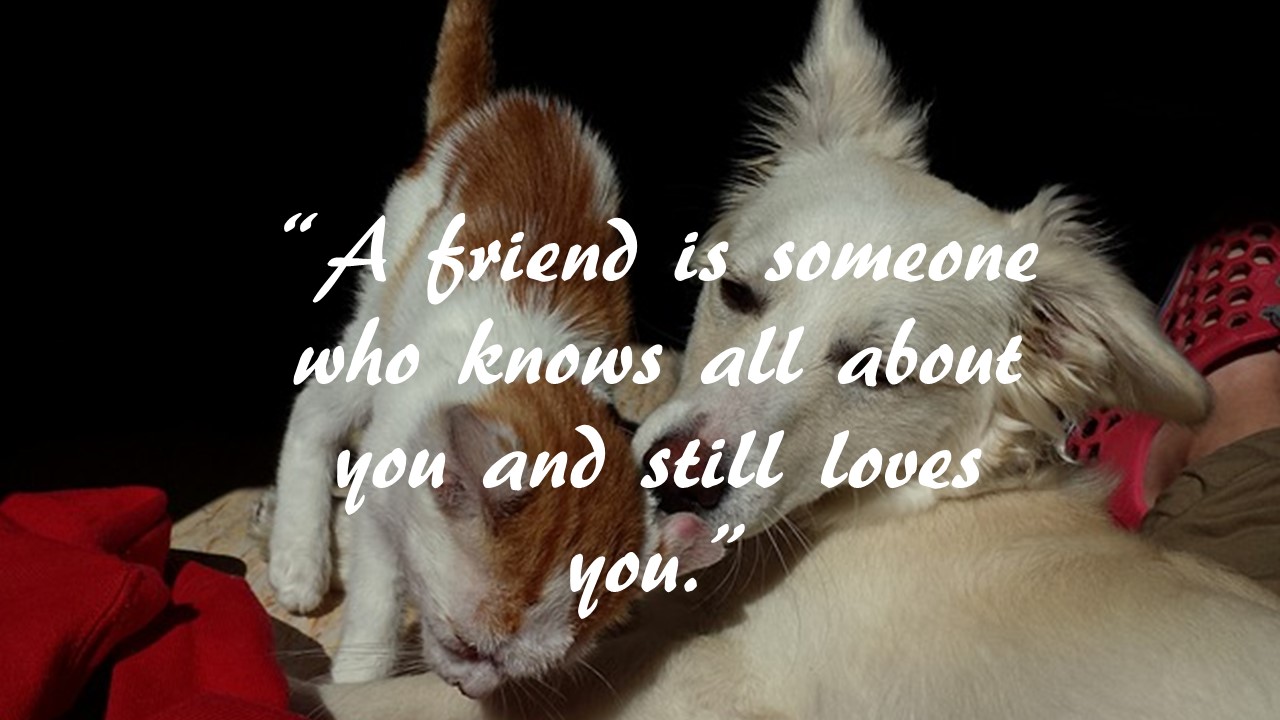
Making friends by calling them names.

By David Joel Miller, MS, Licensed Therapist & Licensed Counselor.

Friendship

Friendship
Photo courtesy of Pixabay.com

Does criticizing people get them to like you?

There seems to be a widely held belief that the way to get people to like and respect you is to criticize them and tell them what they are doing wrong.

Intuitively most people understand that if upon meeting someone for the first time, you began to upbraid them, called them names, and told them how worthless they are, this would not be likely to lead to having a large number of friends. We know this but we often do it anyway.

You would expect that each of us would be striving to treat ourselves well and yet we frequently call ourselves names that we would never, ever, dare call a friend.

Ever call yourself “stupid’ or “dumb?” Think for a moment about saying that to a friend. Not once, when they made an unusually poor choice, but consistently day after day. We wouldn’t do that to a friend, but most of us, most of the time, repeatedly call ourselves names.

The danger of calling yourself names is that you will start believing what you tell yourself.

Pictures of cute little puppies and little children inspire us to want to help. They can inspire us to kindness. It is easy to be kind to others. Most of us are afraid to be kind to ourselves.

Why is compassion reserved for other, unrelated people?

Somewhere we got the idea that it was acceptable to be kind to others but if we were to be nice or kind to ourselves then we would spoil ourselves and thereafter be worthless. So year after year we continue to beat ourselves up for one thing after another.

People, who truly spoil themselves, in a bad way, are not those who are kind and compassionate to themselves. The worst sort of spoilage occurs when we tell ourselves we are no good, worthless, or useless and then use that self-description as an excuse for behaving badly.

If you tell yourself you are a slob and then stop trying to clean up your living space because after all you are a slob and no one should expect a slob to clean. If you say you are stupid and then use that belief as an excuse to never attempt anything, expecting your family or society to take care of you. You are using your self-criticism to excuse poor behavior.

Some people tell themselves they are addicts, and what do you expect from an addict? Why of course I relapsed and used drugs again, I am an addict. But if you begin to tell yourself that I USED to be an addict, look at the possibilities that opens up.

One form of therapy is called “narrative therapy.” The way I understand this is that we tell ourselves and others stories, not untrue stories, just stories, and then as we tell them more and more we begin to believe our own fiction. So if you tell yourself you are dumb or worthless you become less and less able to accomplish anything.

People who say “I am an angry person,” stay angry and convince themselves they can’t change. If we can get them to start saying I USED to be an angry person, but I am changing, then amazingly they change.

Do you believe that the only way to get anybody to do things is to beat them? We find that this is a poor way to motivate either ourselves or others. Yet many people continue to beat themselves up, verbally, day after day.

One thing we tell parents as part of the basic parenting class is to catch their children doing something right. Small amounts of praise, judiciously used are great motivators. If the only way your children get your attention is to misbehave, they will misbehave for attention.

The parent who does nothing but criticizes their child finds that the child may give up. Consider the child who wants badly to please their parent; they study very hard for a big test. When the results come out the child has achieved a score of 99 out of 100 possible points.

What does this parent say? Why did you miss that one? You knew that! The result is that the child stops trying, convinced that no matter how hard they tried they will never be good enough.

Years later we find that person and many others still trying to motivate themselves by telling themselves that how they are is not good enough.

The risk here is that rather than motivate yourself to try harder, you will convince yourself that you are a failure and stop trying.

Ultimately you may become the person you say you are.

Staying connected with David Joel Miller

Seven David Joel Miller Books are available now!

My newest book is now available. It was my opportunity to try on a new genre. I’ve been working on this book for several years, but now seem like the right time to publish it.

Story Bureau.

Story Bureau is a thrilling Dystopian Post-Apocalyptic adventure in the Surviving the Apocalypse series.

Baldwin struggles to survive life in a post-apocalyptic world where the government controls everything.

As society collapses and his family gets plunged into poverty, Baldwin takes a job in the capital city, working for a government agency called the Story Bureau. He discovers the Story Bureau is not a benign news outlet but a sinister government plot to manipulate society.

Bumps on the Road of Life. Whether you struggle with anxiety, depression, low motivation, or addiction, you can recover. Bumps on the Road of Life is the story of how people get off track and how to get your life out of the ditch.

Dark Family Secrets: Doris wants to get her life back, but small-town prejudice could shatter her dreams.

Casino Robbery Arthur Mitchell escapes the trauma of watching his girlfriend die. But the killers know he’s a witness and want him dead.

Planned Accidents  The second Arthur Mitchell and Plutus mystery.

Letters from the Dead: The third in the Arthur Mitchell mystery series.

What would you do if you found a letter to a detective describing a crime and you knew the writer and detective were dead, and you could be next?

Sasquatch. Three things about us, you should know. One, we have seen the past. Two, we’re trapped there. Three, I don’t know if we’ll ever get back to our own time.

For these and my upcoming books; please visit my Author Page – David Joel Miller

Want the latest blog posts as they publish? Subscribe to this blog.

For videos, see: Counselorssoapbox YouTube Video Channel
Happy families plan rituals and routines

By David Joel Miller, MS, Licensed Therapist & Licensed Counselor.

Family

Family.
Photo courtesy of Pixabay.com

Families that plan their rituals and routines have better-behaved children.

Families that begin by planning the kind of family they want, including rituals and routines have happier and better-behaved children EVEN when one of the parents is an alcoholic! (Kiser, Bennett, Heston, and Paavola, 2005)

Rituals and routines – what’s the difference?

Most families have routines.

Routines are the usual patterns of activities. Routines are often repetitive and they are frequently rehearsed to get them right. Routines are our usual or standard way of doing things.

A typical family, every night at 8:00 mom yells from the living room to the bedrooms, “time for bed, get ready NOW!” Mom goes back to watching T. V. Kids go back to playing. This routine may get repeated during the commercial break at 8:30 and again at 9:00. By 10:00 PM mom makes a dash for the bedroom yelling like a banshee. Kids now take her seriously and begin to get ready for bed.

Routines recur in a family but no one places much significance in the event. It is just the way things happen in a family. We do this over and over.

Rituals are created with advanced thought and they have symbolic meaning.

Rituals are formal, systematic, patterned, and usually, unvarying, often religious or spiritual patterns of behavior.

At 8:00 mom leaves her T. V. programs and goes to the room of her youngest who she helps get ready for bed. She tucks him in, says prayers or reads a story and ends with a hug or kiss, and tells them she loves them. Each child, in turn, gets a good night contact. The contact may change as the child ages but the significance of the parent coming to say goodnight remains the same. The good night ritual conveys to the child the feeling “you are loved.”

Routines become habits for good or bad, but creating rituals builds relationships that last a lifetime. Many family rituals get passed down from generation to generation often modified as the new generation adds others from the outside to the family.

Families that have rituals are characterized by better mental health.

Family rituals are likely to fall into one of three categories. What separates them from the mass of daily activities is the intentionality and the meaning they assume. The three types of rituals are:

1. Celebrations mark special events.

These rituals may be those practiced by the larger culture or they may be unique to the particular family. Some families continue to celebrate festivals unique to their family heritage. Holidays and rites of passage are common celebrations.

2. Traditions have a special meaning to you or your loved ones.

These are celebrations that are unique to a particular family. They may include anniversaries of important events, birthdays, or dates of particular significance to the family. Recovering people often celebrate their twelve-step or recovery birthday.

3. Patterned ritualized routines.

Family dinners are a good example of this process. For many families, dinner is a hurried meal which even if consumed together is a series of people arriving, rushed eating, and departures. Those at the table may be distracted by T. V. electronics, cell phones, and other non-family activities.

A family that transforms the dinner meal might make a deliberate effort to change this eating activity into a ritual.

Outside distractions are banned from the table. No one begins to eat until all the family is seated and someone says a prayer, blessing, or announces that it is time to eat. People are encouraged to engage in conversation. Each person will be expected to share something from their day.

School-age children may be asked to share one thing they learned that day. Begun at an early age, that practice of needing to have that one newly learned item to share can instill a lifelong interest in learning.

Having a deliberate plan for these family rituals is important and promotes healthy child development. Strong family rituals have been shown to limit the transmission of alcoholism and other dysfunctional behavior (Kiser, Bennett, Heston, and Paavola, 2005.)

Having set rituals for particular events can reduce the stress around those events. Following a disaster or change in family structure the sooner the family can return to their customary rituals the less stress the child experiences.

The earlier these family rituals were developed and incorporated into the family’s life the better it is for the child’s development.

Preplanned family rituals take on greater meaning. Planed ritual activities make family time more special.

One question new parents should ask themselves is “What kind of family do you want?” The rituals they create will determine the result.

Staying connected with David Joel Miller

Seven David Joel Miller Books are available now!

My newest book is now available. It was my opportunity to try on a new genre. I’ve been working on this book for several years, but now seem like the right time to publish it.

Story Bureau.

Story Bureau is a thrilling Dystopian Post-Apocalyptic adventure in the Surviving the Apocalypse series.

Baldwin struggles to survive life in a post-apocalyptic world where the government controls everything.

As society collapses and his family gets plunged into poverty, Baldwin takes a job in the capital city, working for a government agency called the Story Bureau. He discovers the Story Bureau is not a benign news outlet but a sinister government plot to manipulate society.

Bumps on the Road of Life. Whether you struggle with anxiety, depression, low motivation, or addiction, you can recover. Bumps on the Road of Life is the story of how people get off track and how to get your life out of the ditch.

Dark Family Secrets: Doris wants to get her life back, but small-town prejudice could shatter her dreams.

Casino Robbery Arthur Mitchell escapes the trauma of watching his girlfriend die. But the killers know he’s a witness and want him dead.

Planned Accidents  The second Arthur Mitchell and Plutus mystery.

Letters from the Dead: The third in the Arthur Mitchell mystery series.

What would you do if you found a letter to a detective describing a crime and you knew the writer and detective were dead, and you could be next?

Sasquatch. Three things about us, you should know. One, we have seen the past. Two, we’re trapped there. Three, I don’t know if we’ll ever get back to our own time.

For these and my upcoming books; please visit my Author Page – David Joel Miller

Want the latest blog posts as they publish? Subscribe to this blog.

For videos, see: Counselorssoapbox YouTube Video Channel